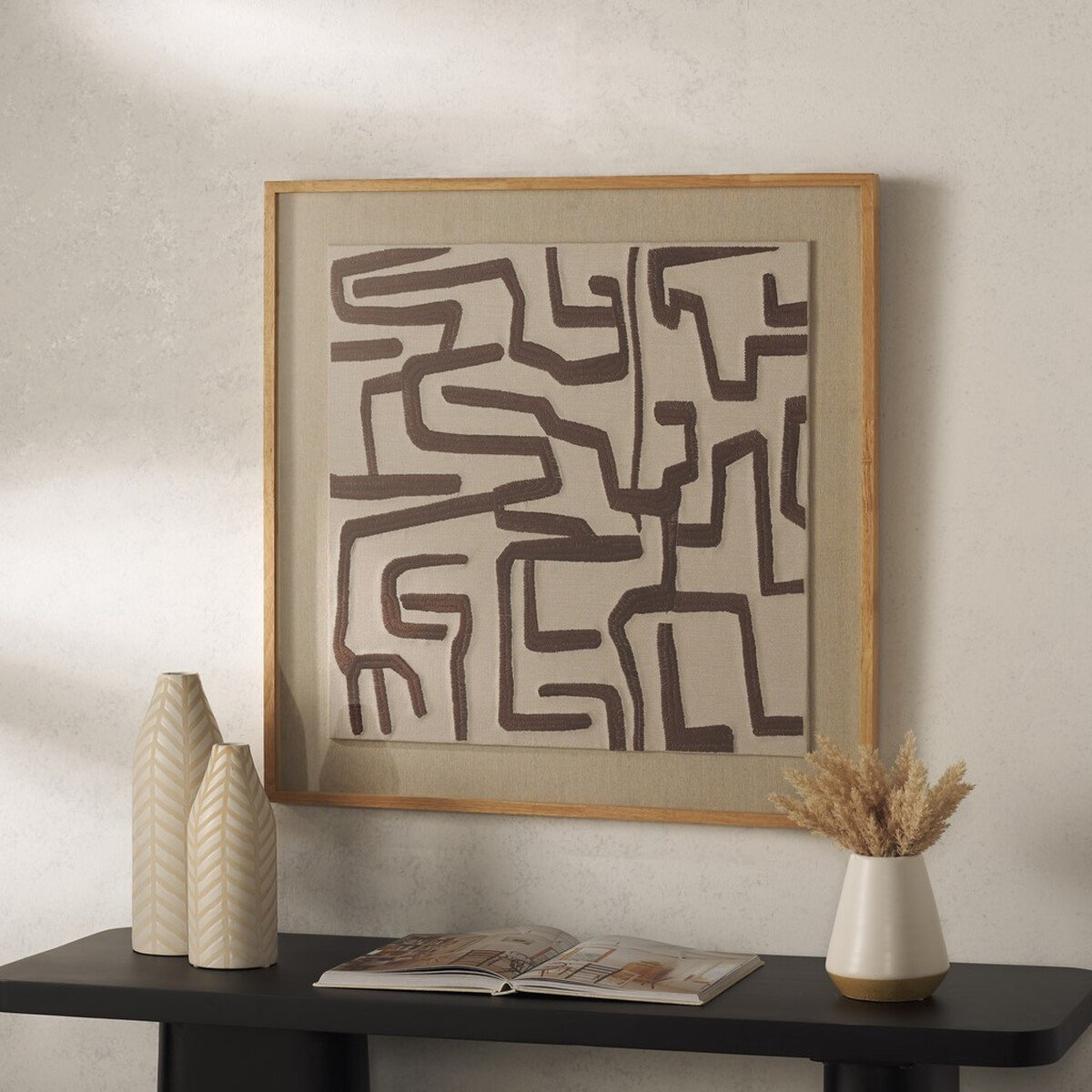
Imagine walking into a room where every rug tells a story, where each knot carries centuries of tradition, and where the very fibers hold memories of generations. This isn’t just about beautiful textiles – it’s about preserving cultural narratives through the ancient art of Safavieh Tari craftsmanship.
When we think about textiles, we often picture fabrics hanging in stores or clothes on hangers. But there’s a deeper world beneath the surface – one where carpets become historians, and weaving becomes a form of communication across time. Safavieh Tari master craftsmanship represents one of the most sophisticated approaches to textile storytelling, where every thread speaks volumes about heritage, identity, and artistic expression. These aren’t merely rugs; they’re cultural artifacts that carry the essence of Persian tradition through intricate patterns, symbolic motifs, and masterful techniques passed down through countless generations. The magic happens when you realize that behind every beautiful pattern lies a story waiting to be told, and the artisans who create them are both storytellers and guardians of their ancestral knowledge.
The Foundation of Safavieh Tari Mastery
Safavieh Tari master craftsmanship isn’t just about creating beautiful rugs – it’s rooted in deep understanding of traditional methods that have been refined over centuries. These artisans work with natural materials like wool, silk, and cotton, carefully selecting fibers based on their properties and the stories they’re meant to tell. The foundation of this artistry lies in understanding how different yarn weights affect the final design, how color variations can change the emotional impact of a pattern, and how the texture of the weave itself contributes to the narrative being conveyed.
What makes this craft special is its connection to specific regions and families who have perfected these techniques over decades. Each Safavieh Tari piece reflects not just individual creativity, but the collective wisdom of entire communities. The geometric patterns aren’t random – they’re carefully chosen to represent specific concepts, emotions, or historical events. A single motif might symbolize fertility, prosperity, or even the relationship between earth and sky. This level of intentionality transforms each rug from a functional item into a canvas for cultural expression.
Patterns as Narrative Language
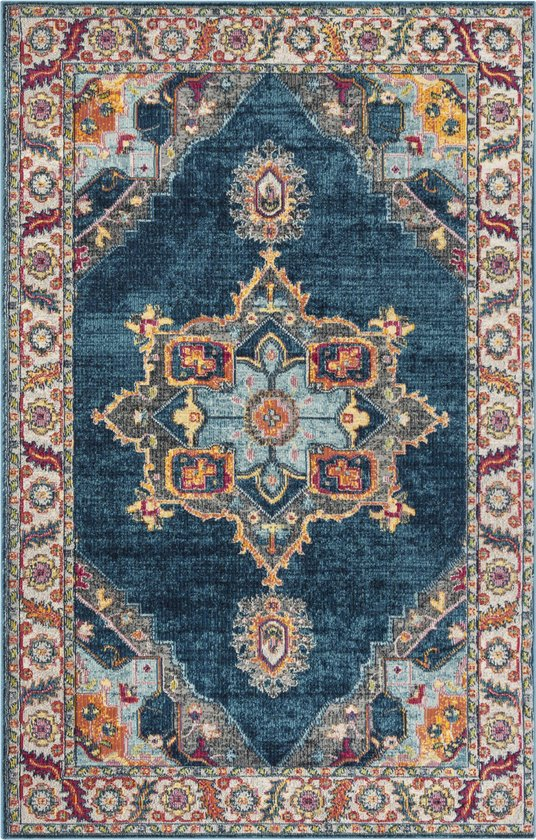
If you’ve ever looked closely at a Safavieh Tari carpet, you’ve probably noticed how certain shapes and designs seem to dance across the surface. But these aren’t mere decorative elements – they’re the vocabulary of a rich storytelling tradition. Every geometric shape, every line variation, and every color combination serves a purpose within the broader narrative framework that these textiles employ.
Take the famous ‘tree of life’ motifs, for instance. In Safavieh Tari tradition, these aren’t simply ornamental – they represent growth, continuity, and the interconnectedness of all living things. The way branches extend outward, sometimes forming perfect symmetry, sometimes showing natural asymmetry, tells viewers whether the story focuses on stability or evolution. Similarly, the ‘gul’ pattern – often described as a flower or bud – carries messages about renewal, beauty, and the cyclical nature of existence. When artisans choose to incorporate these elements, they’re making deliberate decisions about what kind of story they want to tell, and how they want that story to resonate with those who encounter it.
Color Theory and Emotional Storytelling
Colors in Safavieh Tari textiles aren’t chosen arbitrarily – they’re part of a sophisticated emotional language that speaks directly to the human experience. The deep reds might represent passion or sacrifice, while soft blues could evoke tranquility or spiritual connection. These color choices aren’t just aesthetic – they’re intentional storytelling devices that help guide viewers through the emotional journey of the piece.
Consider how artisans might use a particular shade of green to represent new beginnings, or how they might layer multiple tones of gold to suggest wealth and prosperity. The careful balance between warm and cool tones creates visual harmony that mirrors the balance found in nature itself. Sometimes, a single color might be used in varying shades throughout a piece, creating a subtle progression that suggests movement, growth, or transformation. This attention to chromatic storytelling means that even someone unfamiliar with Persian culture can intuitively understand the emotional undertones of a particular piece.
Techniques That Carry Cultural Memory
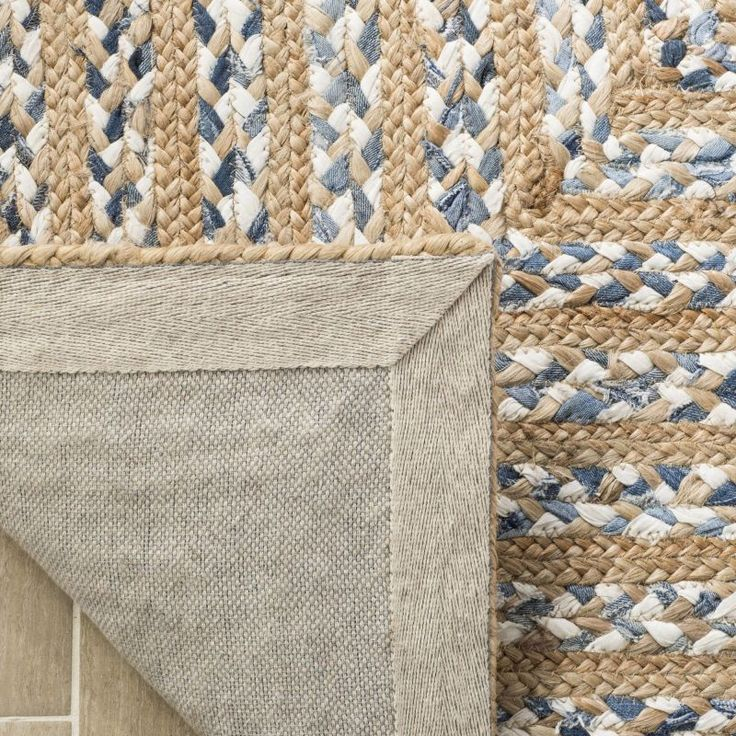
The actual process of creating Safavieh Tari textiles involves techniques that have been preserved and refined over hundreds of years. From the way knots are tied to the specific weaving methods employed, each step in the creation process carries cultural significance. The knotting technique, for example, isn’t just about creating strong threads – it’s about maintaining the integrity of the design while allowing for the precise execution of complex patterns.
These methods are often taught through oral tradition rather than written instruction, passing knowledge from master to apprentice in intimate, personal settings. This approach ensures that the cultural context surrounding each technique remains intact. An artisan might spend years learning not just the physical skills required for a particular pattern, but also understanding the philosophical underpinnings that make that pattern meaningful. The result is a body of work that transcends simple decoration to become a repository of cultural memory.
Symbolism in Motifs and Design Elements
Every element in a Safavieh Tari textile carries symbolic weight that goes far beyond surface beauty. Whether it’s the placement of a specific geometric shape, the arrangement of border patterns, or the inclusion of particular flora and fauna motifs, each decision contributes to the overall narrative. Some symbols represent protection, others embody prosperity, and still others speak to the spiritual beliefs of the community that created the piece.
For example, the use of certain animal motifs can indicate social status, family lineage, or even geographical origins. Birds might symbolize freedom or the soul’s journey, while fish could represent abundance or the flow of life itself. Even seemingly simple elements like stripes or lines can carry deep meaning – perhaps representing rivers, mountains, or the paths of ancestors. Understanding these symbolic languages helps us appreciate why certain pieces might command higher prices or receive special reverence within their communities.
Modern Interpretations and Traditional Preservation
Today’s Safavieh Tari artisans face the challenge of maintaining traditional methods while adapting to contemporary tastes and markets. This balancing act requires tremendous skill and deep respect for the craft’s heritage. Some artists choose to honor classic forms while introducing subtle modern elements, ensuring that their work speaks to current audiences without losing its essential character.
Others might experiment with new color palettes or slightly altered patterns while keeping the fundamental techniques intact. The key is maintaining the storytelling aspect that defines the craft. Successful modern interpretations often blend traditional symbolism with updated visual approaches, creating pieces that feel both timeless and fresh. This evolution doesn’t dilute the cultural significance – instead, it ensures that these stories continue to be told in ways that remain relevant to new generations.
Safavieh Tari master craftsmanship offers us a window into a world where textiles are more than functional objects – they’re repositories of memory, emotion, and cultural identity. Every rug tells a story, every pattern carries meaning, and every color choice reflects centuries of accumulated wisdom. As we continue to navigate our increasingly digital world, these handmade treasures remind us of the enduring power of human creativity and the importance of preserving traditional knowledge.
The beauty of this art form lies not just in its visual appeal, but in its ability to connect us to something larger than ourselves. When we look at a Safavieh Tari piece, we’re not just admiring a beautiful object – we’re engaging with thousands of years of human storytelling. These textiles invite us to slow down, observe carefully, and appreciate the depth of meaning that can be embedded in the most ordinary-looking items. In doing so, they teach us that even the smallest details can carry profound significance, and that the stories we tell through our creations will outlast us all.
[sps_html tag=”img” src=”https://cdn.theartssection.com/wp-content/uploads/2025/11/safavieh-handmade-kilim-leba-farmhouse-stripe-jute-rug-on-sale-bed-inside-exploring-the-intricate-world-of-safavieh-taris-30×30-woven-masterpieces.jpg” alt=”Safavieh Handmade Kilim Leba Farmhouse Stripe Jute Rug - On Sale - Bed … inside Exploring the intricate world of Safavieh Tari's 30×30 woven masterpieces” style=”width: 100%; height: auto;”]
[sps_html tag=”img” src=”https://cdn.theartssection.com/wp-content/uploads/2025/11/5-x-8-natural-fiber-921-blue-rug-in-blue-natural-by-safavieh-rugs-within-safavieh-tari-30×30-textile-art.jpg” alt=”5' X 8' Natural Fiber 921 Blue/Rug In Blue/Natural By Safavieh | Rugs … within Safavieh Tari, 30X30, Textile Art” style=”width: 100%; height: auto;”]
[sps_html tag=”img” src=”https://cdn.theartssection.com/wp-content/uploads/2025/11/vloerkleed-trinity-safavieh-bol-throughout-exploring-the-intricate-world-of-safavieh-taris-30×30-woven-masterpieces.jpg” alt=”Vloerkleed Trinity | Safavieh | Bol throughout Exploring the intricate world of Safavieh Tari's 30×30 woven masterpieces” style=”width: 100%; height: auto;”]
[sps_html tag=”img” src=”https://cdn.theartssection.com/wp-content/uploads/2025/11/safavieh-vloerkleed-moira-bol-com-throughout-exploring-the-intricate-world-of-safavieh-taris-30×30-woven-masterpieces.jpg” alt=”Safavieh | Vloerkleed Moira | Bol.com throughout Exploring the intricate world of Safavieh Tari's 30×30 woven masterpieces” style=”width: 100%; height: auto;”]
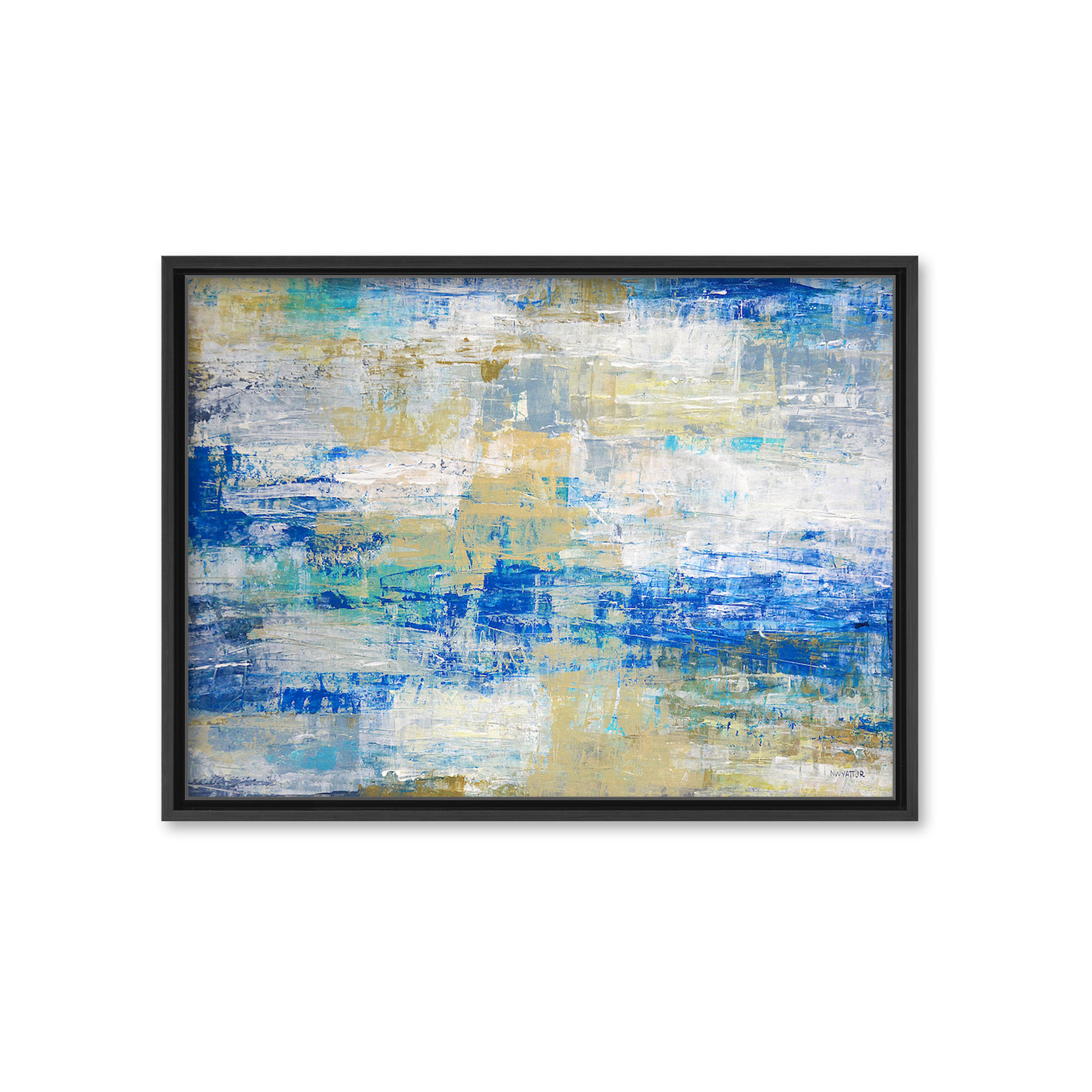
[sps_html tag=”img” src=”https://cdn.theartssection.com/wp-content/uploads/2025/11/safavieh-tari-30×30-textile-art-contemporary-wall-accents-by-regarding-exploring-the-intricate-world-of-safavieh-taris-30×30-woven-masterpieces.jpg” alt=”Safavieh Tari, 30X30, Textile Art - Contemporary - Wall Accents - By … regarding Exploring the intricate world of Safavieh Tari's 30×30 woven masterpieces” style=”width: 100%; height: auto;”]