Imagine walking into a room where every surface feels like a story waiting to be told. That’s exactly what textured wall art does – it transforms plain spaces into immersive experiences. Today, we’re diving deep into how this artistic movement took root, grew, and became an indispensable part of modern home design. It’s not just about looking good anymore; it’s about feeling connected to your space in ways that were never possible before.
In the early days of interior design, walls were largely seen as blank canvases waiting to be decorated with paintings or photographs. But somewhere along the way, something shifted. Designers began realizing that texture could do more than just add visual interest – it could change how people experienced their living spaces entirely. This evolution wasn’t sudden, but rather a gradual transformation that happened over decades. What started as experimental additions in avant-garde homes slowly became mainstream, and now, textured wall art sits at the heart of modern interior design philosophy. The journey from flat surfaces to tactile experiences tells us a lot about our changing relationship with home and comfort.
The Early Days: When Texture Was Rarely Considered
Back in the mid-1900s, when most homes were built with smooth, uniform walls, texture was considered an oddity rather than an asset. Most interior designers focused on clean lines and minimalist aesthetics. If someone wanted to add visual interest, they’d hang a picture or place a mirror on the wall. Texture was rarely part of the conversation, especially in formal settings. The idea of touching a wall to feel its surface seemed almost primitive, like using a primitive tool instead of a modern one. Yet, there were always artists and designers who saw potential in rougher materials. They quietly experimented with different materials and techniques, creating small pockets of texture that stood out from the surrounding smoothness. These early pioneers laid the groundwork for what would later become a major design trend.
The Rise of Artisanal Materials in the 1970s
The 1970s marked a turning point for textured wall art. This decade brought a cultural shift toward embracing natural materials and handmade craftsmanship. Designers started incorporating wood panels, stone textures, and woven fabrics into their wall designs. The rise of the DIY movement meant that people were more willing to experiment with materials they could find locally. You might have seen a wall covered in reclaimed wood planks or a section made of woven rattan. These weren’t just decorative elements – they were statements about lifestyle and values. The movement towards organic textures reflected a broader desire for authenticity in design. People wanted their homes to feel lived-in and genuine, not sterile and manufactured. This period planted the seeds for the modern textured wall art movement we see today.
Technology Meets Texture in the Digital Age
Fast forward to the 2000s, and technology began playing a significant role in how textured wall art was created and installed. New manufacturing processes allowed for more precise control over textures while keeping costs reasonable. Artists and designers could now create intricate patterns and finishes that were previously impossible. Think of the difference between a hand-carved wooden panel and a machine-made replica – both had their place, but the digital age offered new possibilities. 3D printing technology even started appearing in some high-end projects, allowing for custom textures that perfectly matched a designer’s vision. This era showed that texture didn’t have to be limited by traditional methods. Instead, it could be enhanced, refined, and made more accessible to everyone. The marriage of old-world craftsmanship with new-age technology created a unique space where texture could evolve faster than ever before.
Psychological Impact of Tactile Design Elements
Research has shown that our brains respond strongly to tactile experiences, especially when it comes to our living spaces. When we touch a textured wall, our brain releases endorphins that create feelings of comfort and security. It’s similar to how petting a cat or hugging a loved one makes us feel better. This psychological connection explains why textured wall art has become so popular. People don’t just want to look at beautiful things – they want to experience them. A rough brick texture might remind someone of their childhood home, while a soft fabric wall might evoke memories of cozy evenings. The emotional impact of these textures goes far beyond simple decoration. They create a sense of belonging and personal connection to the space. Understanding this deeper relationship helps explain why textured wall art isn’t going anywhere anytime soon.
Sustainable Practices and Eco-Friendly Textures
Today, sustainability has become a major factor in choosing textured wall art. Consumers are more conscious than ever about the environmental impact of their purchases. This has led to a surge in eco-friendly textured materials like recycled metal, reclaimed wood, and natural fibers. Designers are increasingly using sustainable practices in their work, from sourcing materials locally to ensuring products can be repurposed or recycled at the end of their life cycle. One example is the growing popularity of cork wall panels, which offer a natural, soft texture while being renewable and biodegradable. Another trend involves using recycled glass pieces to create mosaic-like textures that are both beautiful and environmentally responsible. These choices reflect a larger shift in society toward mindful consumption and environmental stewardship.
Future Trends: Where Textured Wall Art Is Headed
Looking ahead, textured wall art is becoming more interactive and adaptive. Smart materials that change texture based on temperature or humidity are beginning to appear in experimental projects. Some designers are exploring how LED technology can be integrated with textured surfaces to create dynamic lighting effects. Imagine a wall that changes its texture depending on the time of day or mood of the inhabitants. The future promises even more exciting possibilities, including materials that respond to sound or movement. While these technologies are still developing, they represent a significant evolution from static textures to responsive environments. The line between art and function continues to blur, suggesting that textured wall art will become even more integral to our daily lives than it already is.
The journey of textured wall art from niche curiosity to mainstream necessity shows how deeply our relationship with space has evolved. It’s no longer enough to simply decorate walls – we want them to engage all our senses and tell stories about who we are. From the early experiments of the 1900s to today’s sophisticated smart materials, this art form has grown into something much bigger than just visual appeal. It represents our desire to connect with our environment on a deeper level. Whether you’re drawn to the warmth of reclaimed wood or the sophistication of modern engineered textures, one thing remains clear: textured wall art isn’t just about decorating walls – it’s about creating experiences that last long after the initial beauty fades. The best part? This evolution shows no signs of slowing down, and the future holds even more exciting possibilities for how we’ll interact with our living spaces.
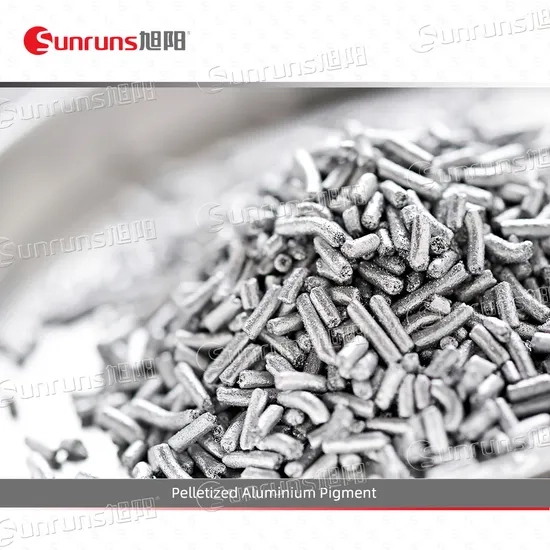
[sps_html tag=”img” src=”https://cdn.theartssection.com/wp-content/uploads/2025/12/silver-color-aluminium-paste-metallic-pigment-aluminum-pellet-for-color-with-regard-to-mastering-the-application-of-silver-pellet-textured-finishes.webp” alt=”Silver Color Aluminium Paste Metallic Pigment Aluminum Pellet For Color … with regard to Mastering the Application of Silver Pellet Textured Finishes” style=”width: 100%; height: auto;”]
[sps_html tag=”img” src=”https://cdn.theartssection.com/wp-content/uploads/2025/12/silver-pellets-ag-bar-factory-pertaining-to-silver-pellets-textured-metallic-hand-painted-canvas-wall-art-mar-cb9811-2060-3f.webp” alt=”Silver Pellets (Ag Bar) Factory pertaining to Silver Pellets Textured Metallic Hand Painted Canvas Wall Art, Mar-Cb9811-2060-3F” style=”width: 100%; height: auto;”]
[sps_html tag=”img” src=”https://cdn.theartssection.com/wp-content/uploads/2025/12/empire-art-direct-silver-pellets-textured-metallic-by-martin-edwards-pertaining-to-silver-pellets-textured-metallic-hand-painted-canvas-wall-art-mar-cb9811-2060-3f.jpg” alt=”Empire Art Direct Silver Pellets Textured Metallic By Martin Edwards … pertaining to Silver Pellets Textured Metallic Hand Painted Canvas Wall Art, Mar-Cb9811-2060-3F” style=”width: 100%; height: auto;”]
[sps_html tag=”img” src=”https://cdn.theartssection.com/wp-content/uploads/2025/12/mastering-silver-jewellery-soldering-techniques-within-silver-pellets-textured-metallic-hand-painted-canvas-wall-art-mar-cb9811-2060-3f.webp” alt=”Mastering Silver Jewellery Soldering Techniques within Silver Pellets Textured Metallic Hand Painted Canvas Wall Art, Mar-Cb9811-2060-3F” style=”width: 100%; height: auto;”]
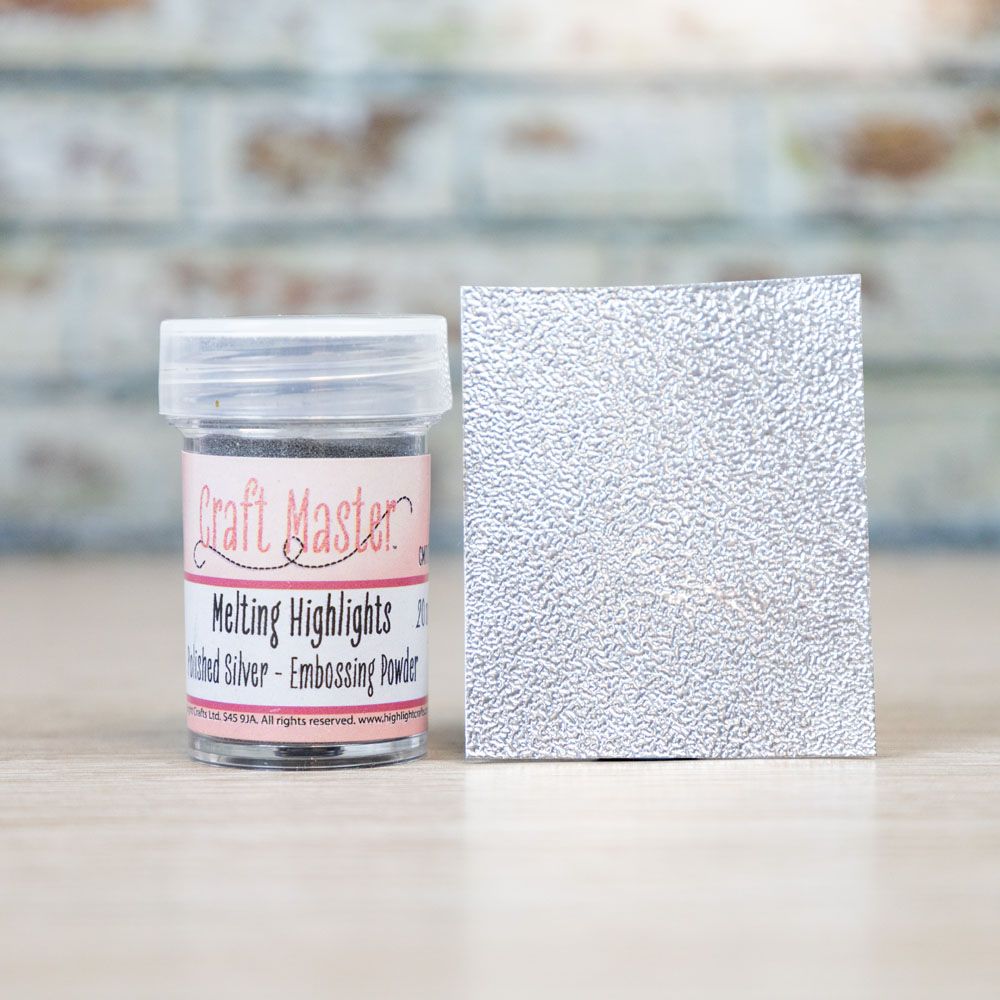
[sps_html tag=”img” src=”https://cdn.theartssection.com/wp-content/uploads/2025/12/craft-master-melting-highlights-polished-silver-20ml-highlight-crafts-intended-for-mastering-the-application-of-silver-pellet-textured-finishes.jpg” alt=”Craft Master Melting Highlights - Polished Silver 20Ml - Highlight Crafts intended for Mastering the Application of Silver Pellet Textured Finishes” style=”width: 100%; height: auto;”]