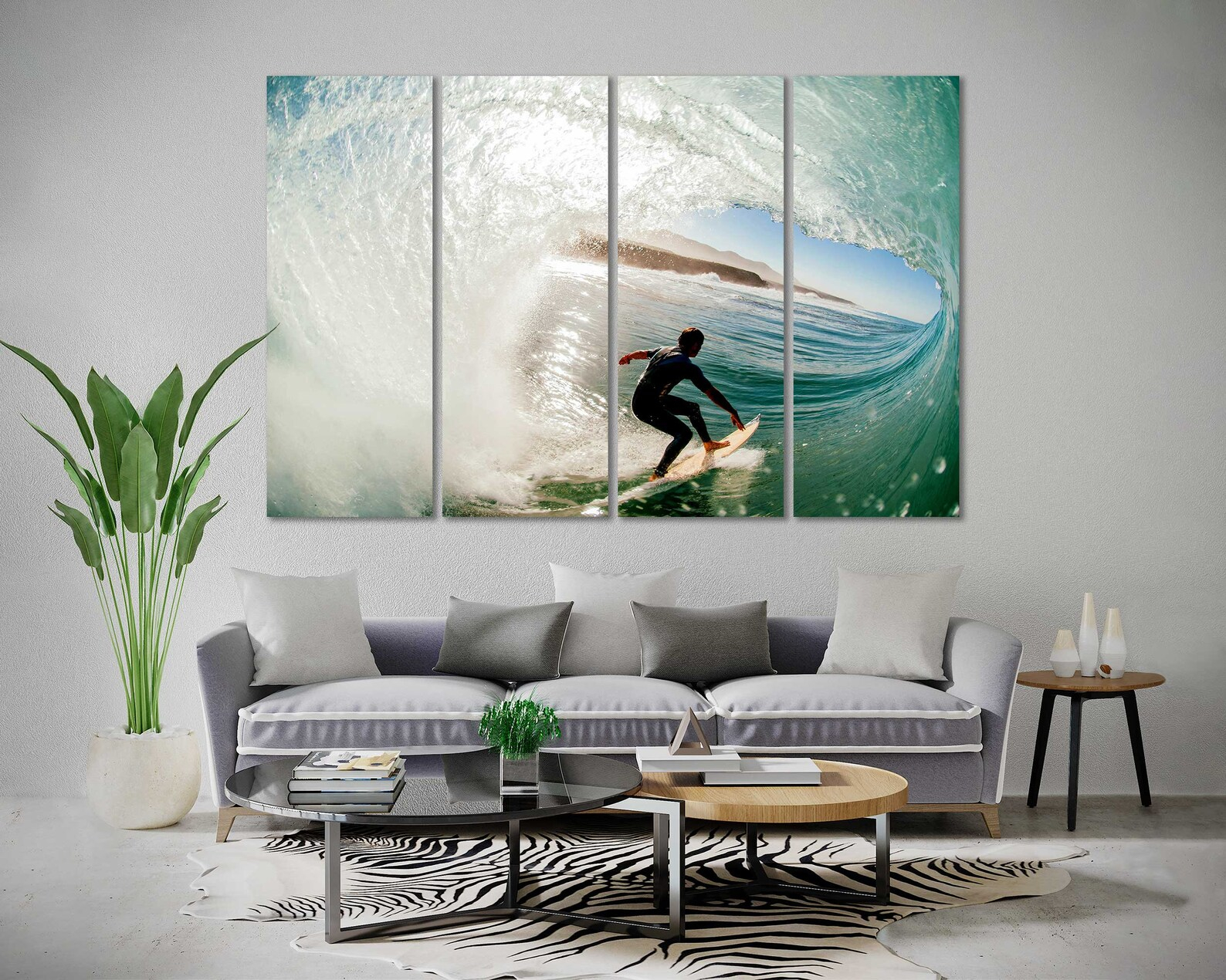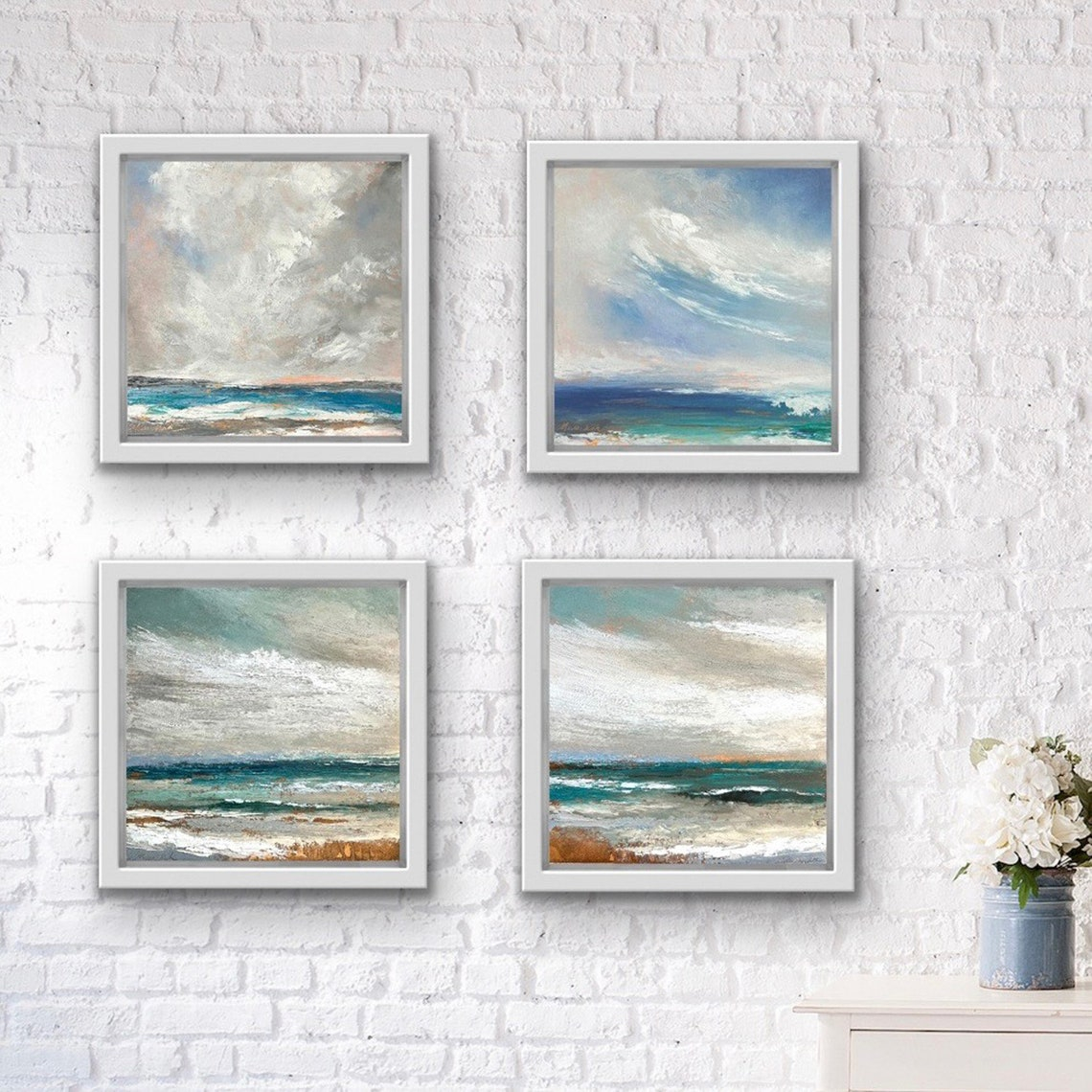
Imagine walking into a gallery and feeling like you’re experiencing a carefully orchestrated performance. That’s what happens when artists successfully create visual harmony through multi-panel art installations. It’s not just about placing several artworks next to each other—it’s about crafting a unified experience that resonates with viewers on multiple levels.
Multi-panel art installations have become one of the most compelling ways contemporary artists express complex ideas. These works can range from simple two-panel pieces to elaborate arrangements spanning entire walls. The challenge lies not in creating individual panels, but in weaving them together into something greater than the sum of its parts. Think of it like conducting an orchestra—you need each instrument to play its part while contributing to the overall melody. This isn’t just about aesthetics; it’s about creating emotional journeys that guide viewers through carefully planned visual experiences.
Understanding the Foundation of Visual Unity
The secret to successful multi-panel installations starts with understanding what makes elements work together. Just as musicians must consider rhythm, harmony, and timing, artists must think about how their panels relate to each other. Consider how colors interact across different surfaces. If you’re using warm tones in one panel, perhaps introduce cool tones in another to create contrast that enhances rather than disrupts the overall composition.
A great example of this is seen in the work of contemporary artist Kara Walker, whose silhouettes often span multiple panels. She uses consistent lighting and scale to maintain visual connection even as her subjects shift between panels. The key is consistency in elements like:
• Color temperature
• Brushstroke techniques
• Scale relationships
• Composition principles
These elements don’t have to be identical, but they should complement each other to create a sense of shared purpose.
Managing Scale and Proportion Effectively
One of the most common pitfalls in multi-panel installations is poor scaling. Panels that are too disparate in size can make the whole piece feel chaotic or disconnected. Think about how your eyes naturally move from one panel to another—should that movement be smooth or dramatic?
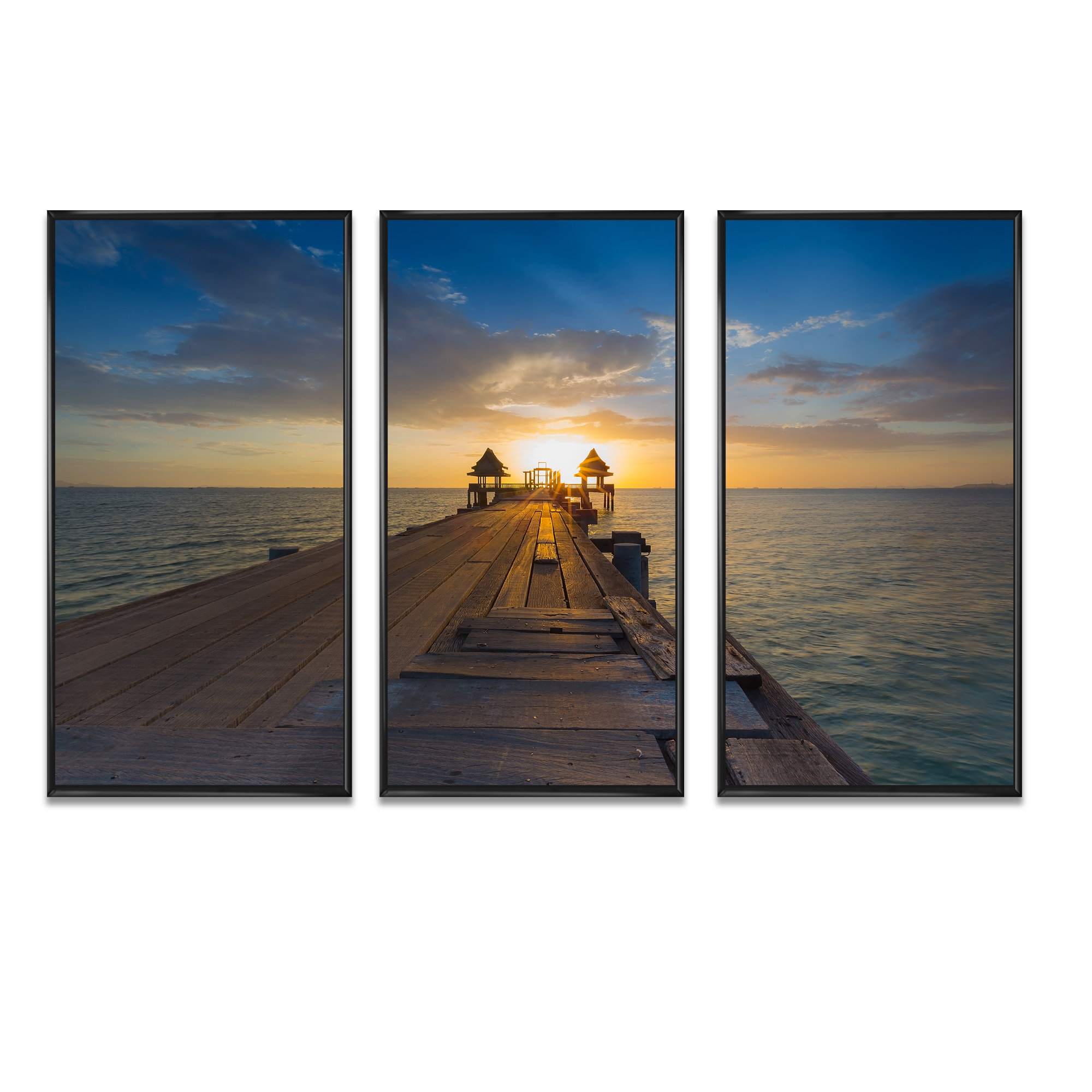
Let’s say you’re creating a three-panel installation about urban life. You might choose to make all panels roughly the same height but vary widths to create visual tension. Or you could make one large central panel flanked by smaller ones, suggesting importance and hierarchy. The important thing is to plan these relationships before you start painting or arranging.
Consider the viewer’s journey through your installation. What do you want them to notice first? What should draw their eye to the next panel? Sometimes a small panel can be more impactful than a large one if it’s positioned strategically. The goal isn’t just to fill space—it’s to create a visual path that guides attention naturally.
Color Harmony: More Than Just Matching Tones
Color plays a crucial role in connecting panels. But true color harmony goes beyond simply choosing similar hues. It’s about creating relationships between colors that feel intentional and purposeful.
A useful approach is to think about your color palette as a conversation between different voices. One panel might feature a dominant color, while others provide supporting tones. For instance, a bright red panel could be balanced by panels featuring deep blues and muted greens. The red doesn’t have to be exactly the same shade across all panels—but it should contribute to a larger color story.
Artists like Mark Rothko understood this concept well. His color field paintings often featured panels with subtly different hues that, when viewed together, created a meditative effect. The variations in tone and temperature made each panel unique while maintaining visual cohesion. When working with multiple panels, try these strategies:
• Establish a primary color family
• Include one or two accent colors
• Consider temperature shifts (warm vs. cool)
• Plan transitions between panels
Remember, sometimes the most powerful harmony comes from strategic contrast rather than complete matching.
Creating Flow Through Composition and Movement
Good multi-panel installations guide the viewer’s eye through a natural sequence. This is where composition becomes crucial. You’re essentially designing a visual pathway that leads from one panel to the next.
Think about how your panels might tell a story or represent a progression. A series about seasons might begin with winter blues, transition to spring greens, then move to summer yellows, and finally end with autumn oranges. The viewer’s eye follows this logical sequence, creating a narrative experience.
Another approach involves creating visual connections between panels. Perhaps one panel features a tree that continues into the next, or a figure that begins in one panel and completes in another. These subtle links help create unity while allowing each panel to maintain its individual identity.
Key considerations for flow:
• Eye movement patterns
• Visual weight distribution
• Repetition of elements
• Directional cues
• Balance between continuity and variation
The goal is to make the viewer feel like they’re moving through a carefully designed environment, not just looking at separate artworks.
Balancing Individuality with Collective Impact
This is perhaps the trickiest aspect of multi-panel installations. Each panel needs to stand alone as a complete artwork, yet also contribute to the larger whole. It’s like having a group of musicians who can perform individually but also blend seamlessly together.
The best installations give each panel its own personality while ensuring they don’t compete for attention. A panel might be bold and dramatic, while another offers quiet contemplation. The key is that both serve the overall theme or concept.
Consider how different artists handle this balance:
• Some create panels that are visually distinct but share a common theme
• Others develop a consistent style across all panels but vary subject matter
• Some focus on contrasting techniques while maintaining thematic unity
It’s helpful to think of each panel as a character in a larger story. They should each have their own role, but they also need to work together to create the full narrative. This requires careful planning and often multiple iterations during the creative process.
Practical Tips for Successful Installation Design
Putting theory into practice requires attention to several practical details. First, always consider how your installation will be viewed in real space. Will there be adequate lighting? How much room will viewers need to walk around and examine each panel?
Physical aspects matter too. Are your panels the same thickness? Will they lean at the same angle? Even small inconsistencies can break visual harmony.
Here are some practical approaches that work well:
• Create a detailed sketch showing panel placement and relationships
• Test different layouts before finalizing
• Consider the viewing distance for each panel
• Plan for how light will affect the appearance of different panels
• Think about how people will navigate through the installation
Many successful installations also benefit from leaving some white space or negative areas. These breathing moments allow the eye to rest and prepare for the next visual encounter. Don’t be afraid to let panels breathe—they don’t need to fill every inch of available space.
Creating visual harmony in multi-panel art installations is both an art and a science. It requires understanding the fundamental principles of visual communication while also embracing the creative freedom that comes with artistic expression. The key takeaway is that successful installations don’t just place multiple artworks side by side—they craft a unified experience that transforms the viewer’s perception.
Whether you’re working with two panels or twenty, remember that your ultimate goal is to create a cohesive journey that feels both intentional and spontaneous. The magic happens when each panel contributes to something larger while still maintaining its own unique voice. The result is an installation that not only catches the eye but also speaks to the soul, creating lasting impressions that linger long after the viewer has left the gallery. Think of it as giving people a visual conversation to engage with—one that’s as rich and layered as the art itself.
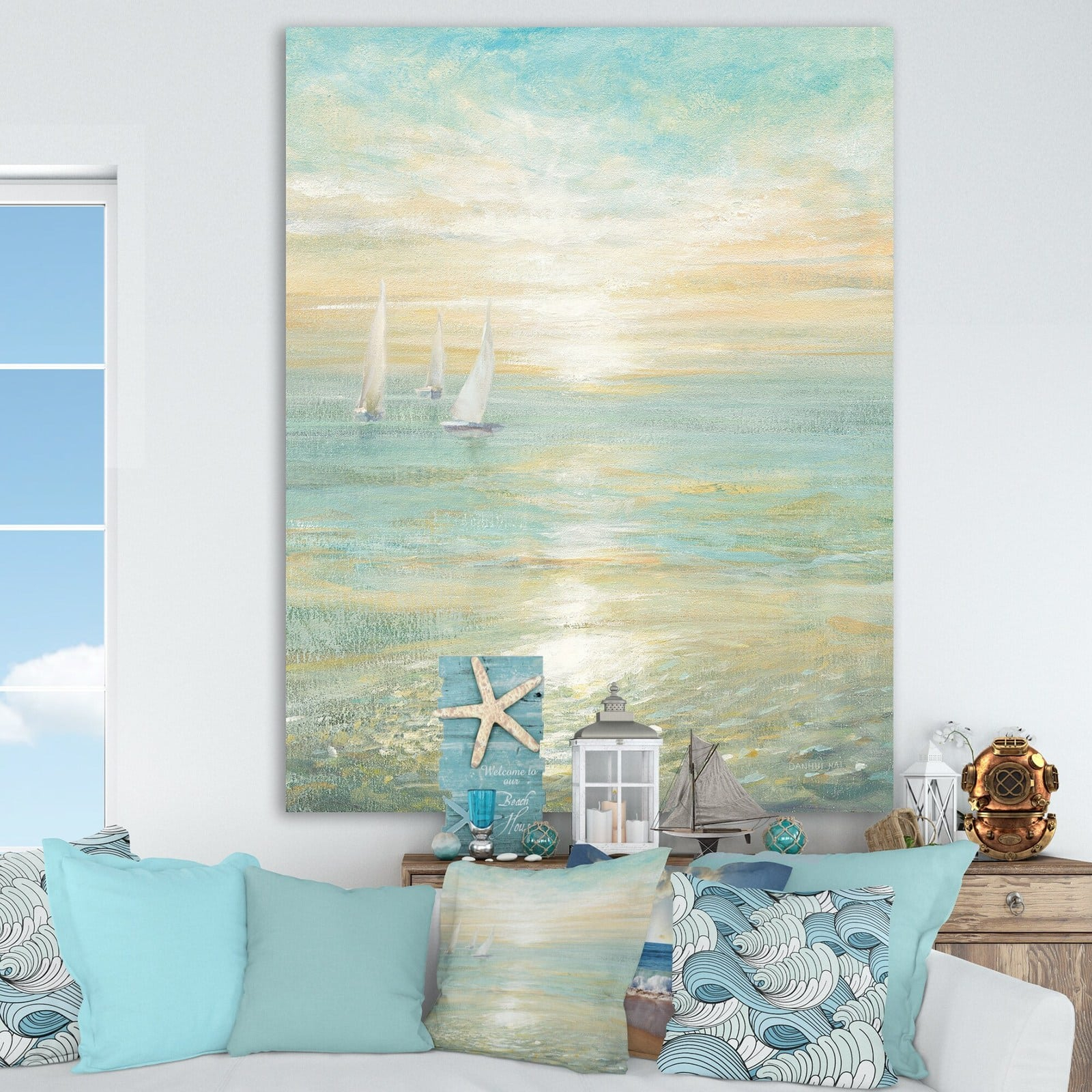
[sps_html tag=”img” src=”https://cdn.theartssection.com/wp-content/uploads/2025/12/coastal-wall-paintings-at-danelle-perez-blog-regarding-exploring-the-emotional-impact-of-coastal-scenes-in-four-panel-artwork.jpg” alt=”Coastal Wall Paintings At Danelle Perez Blog regarding Exploring the Emotional Impact of Coastal Scenes in Four-Panel Artwork” style=”width: 100%; height: auto;”]
[sps_html tag=”img” src=”https://cdn.theartssection.com/wp-content/uploads/2025/12/seascape-original-oil-painting-framed-coastal-wall-art-west-wind-within-exploring-the-emotional-impact-of-coastal-scenes-in-four-panel-artwork.jpg” alt=”Seascape Original Oil Painting • Framed Coastal Wall Art • "West Wind … within Exploring the Emotional Impact of Coastal Scenes in Four-Panel Artwork” style=”width: 100%; height: auto;”]
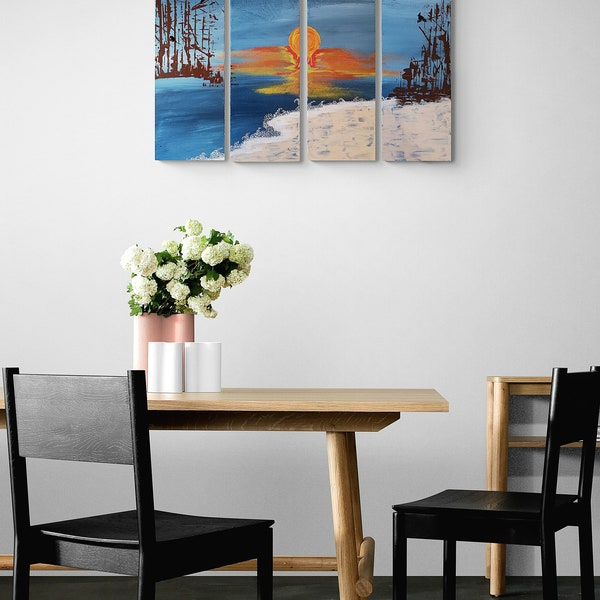
[sps_html tag=”img” src=”https://cdn.theartssection.com/wp-content/uploads/2025/12/4-panel-artwork-etsy-intended-for-wooden-jetty-in-morning-blue-sea-landscape-wall-art-print-4-panels.jpg” alt=”4 Panel Artwork - Etsy intended for "Wooden Jetty In Morning Blue Sea" Landscape Wall Art Print, 4 Panels” style=”width: 100%; height: auto;”]
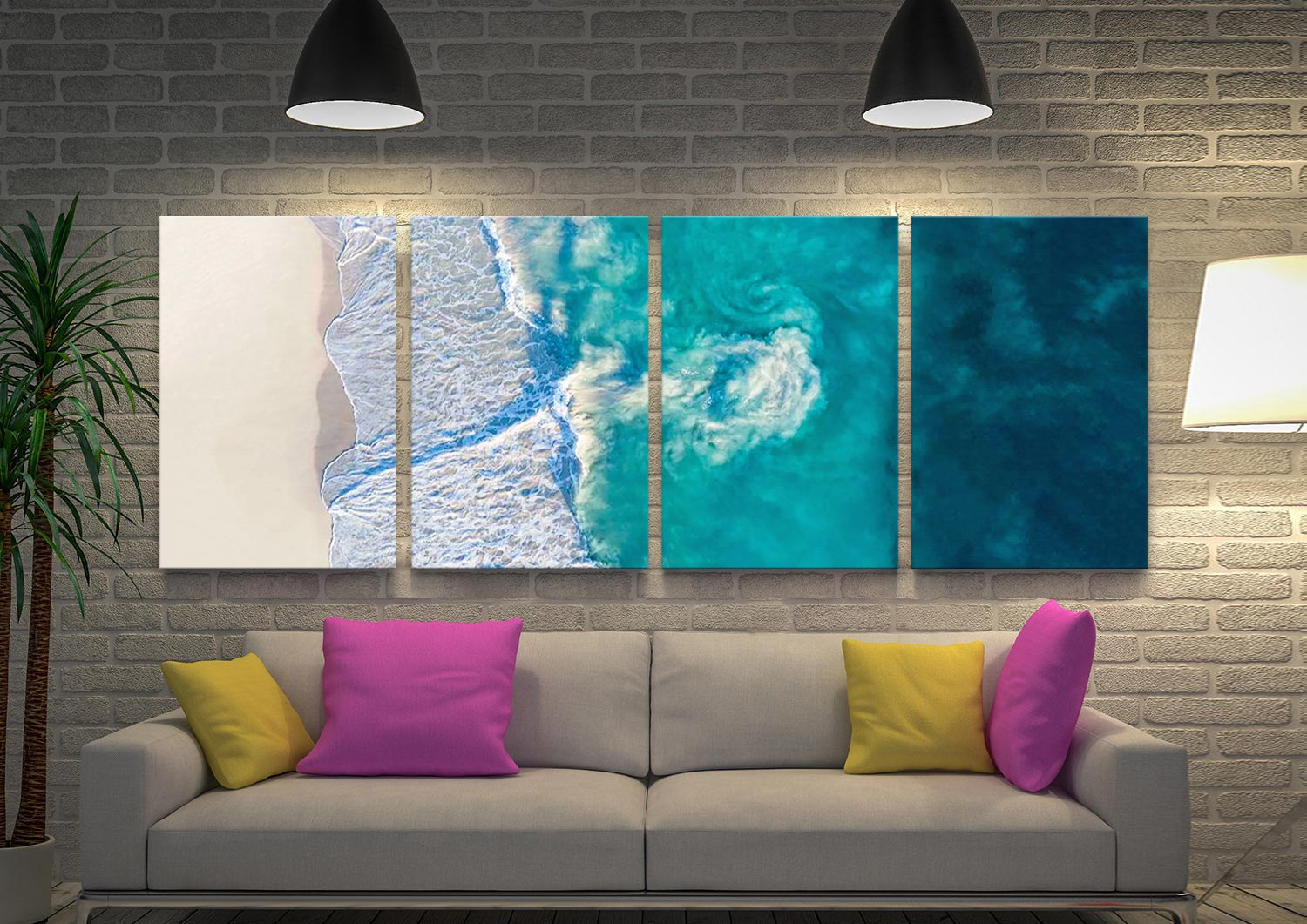
[sps_html tag=”img” src=”https://cdn.theartssection.com/wp-content/uploads/2025/12/buy-a-4-panel-art-set-of-riptide-by-matt-day-framed-wall-art-adelaide-inside-exploring-the-emotional-impact-of-coastal-scenes-in-four-panel-artwork.jpg” alt=”Buy A 4-Panel Art Set Of Riptide By Matt Day | Framed Wall Art Adelaide inside Exploring the Emotional Impact of Coastal Scenes in Four-Panel Artwork” style=”width: 100%; height: auto;”]
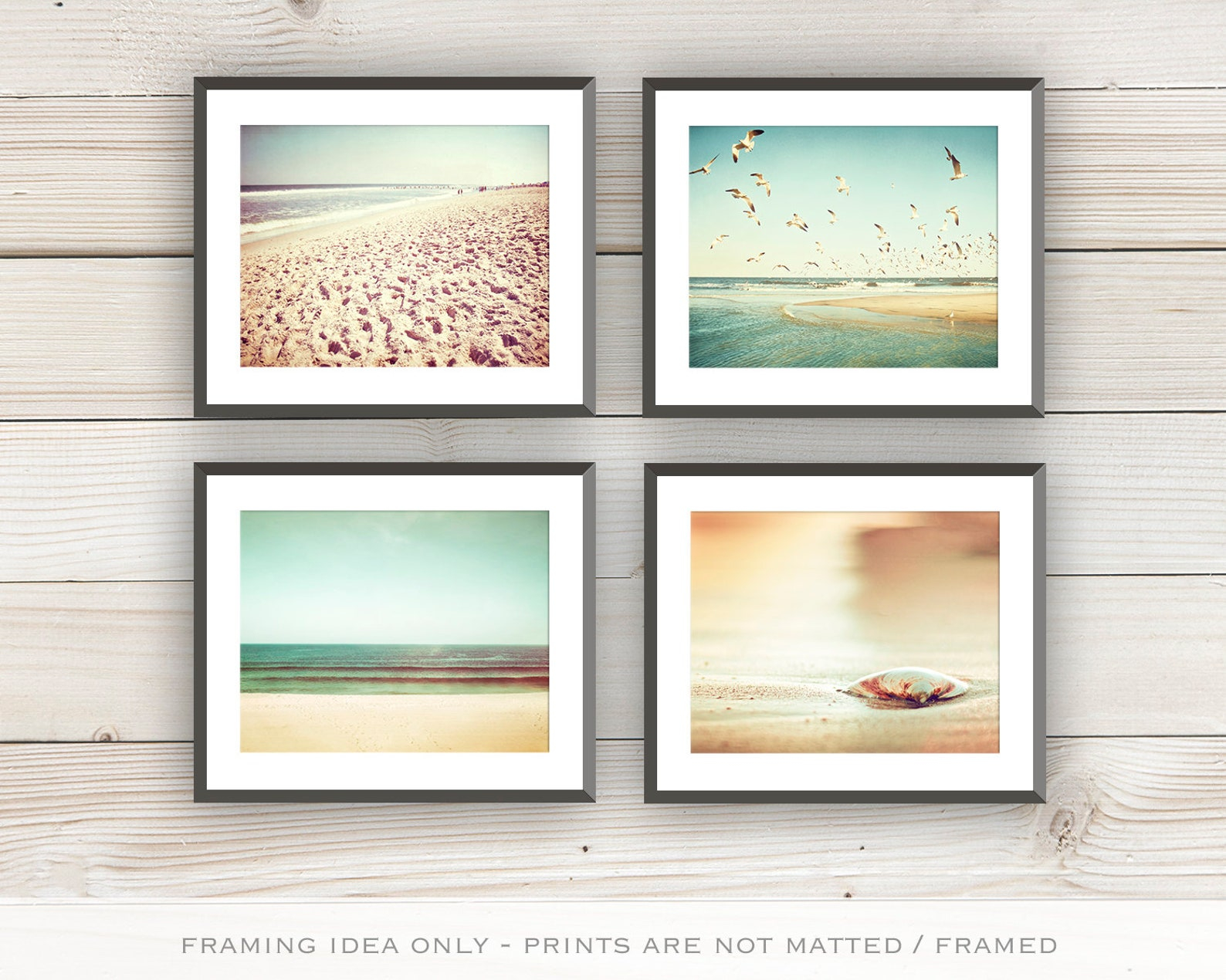
[sps_html tag=”img” src=”https://cdn.theartssection.com/wp-content/uploads/2025/12/coastal-wall-art-set-of-four-prints-beach-art-set-4-piece-etsy-pertaining-to-exploring-the-emotional-impact-of-coastal-scenes-in-four-panel-artwork.jpg” alt=”Coastal Wall Art Set Of Four Prints Beach Art Set 4 Piece | Etsy pertaining to Exploring the Emotional Impact of Coastal Scenes in Four-Panel Artwork” style=”width: 100%; height: auto;”]