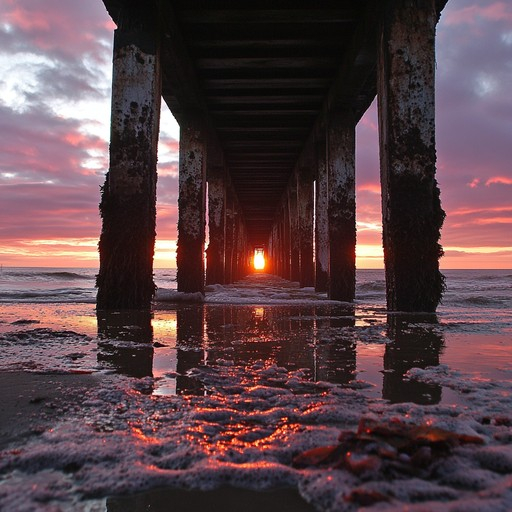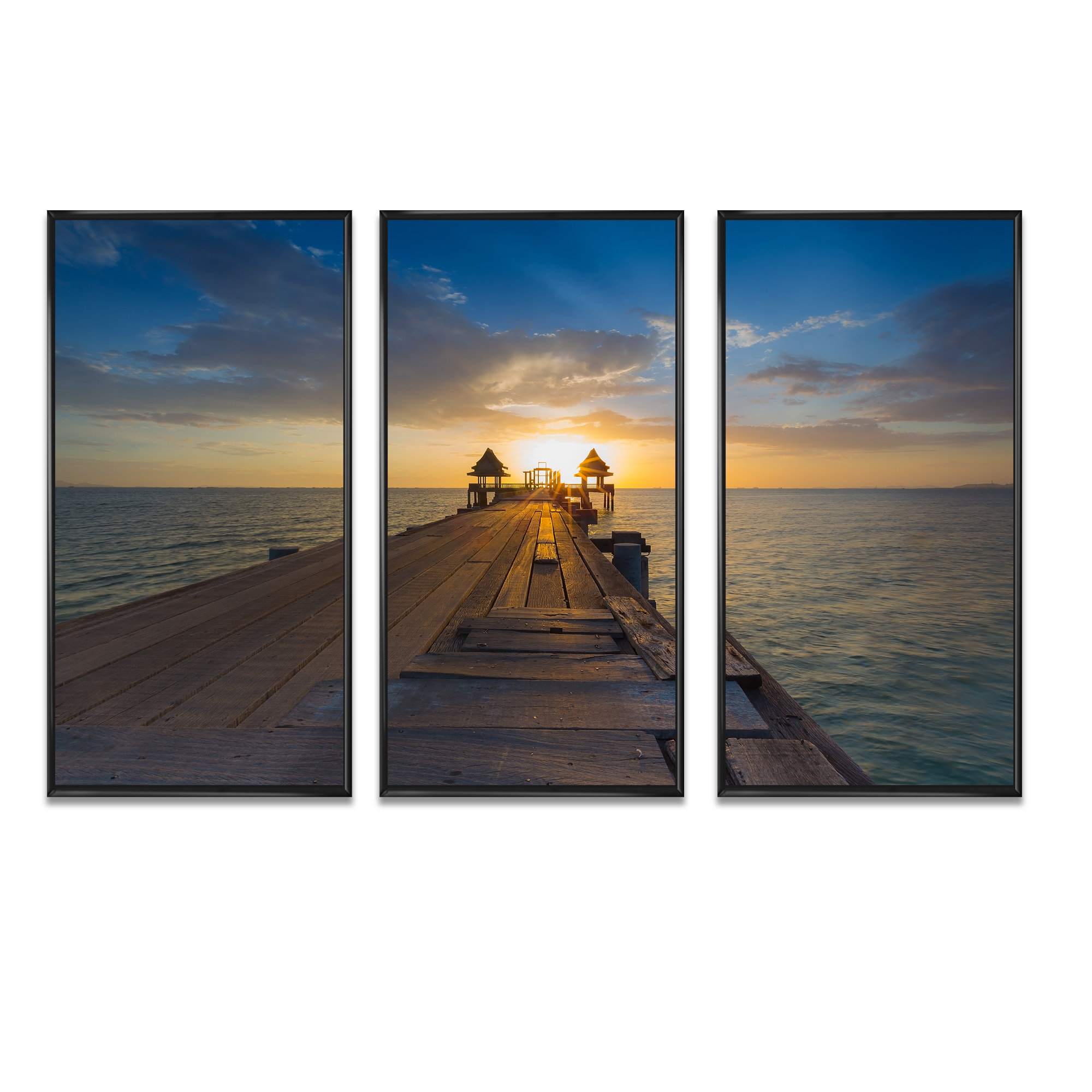
Piers have been essential links between land and ocean for centuries, serving everything from fishing operations to recreational activities. But their design has undergone a dramatic transformation over time, evolving from simple wooden platforms to complex, engineered structures that blend functionality with aesthetic appeal. What started as basic planks laid across the water has become an art form in coastal architecture.
Picture yourself walking along a weathered wooden pier stretching out into the ocean. The salt air fills your lungs, the rhythmic sound of waves lapping against the pilings creates a soothing soundtrack, and the wooden structure underfoot tells a story of adaptation and innovation. Wooden piers aren’t just functional elements of coastal life – they’re architectural statements that have evolved dramatically over the past several centuries. From humble beginnings with basic timber and simple construction methods, these structures have grown into sophisticated engineering marvels that balance durability, beauty, and environmental harmony. The journey of wooden pier design reveals much about our relationship with coastal environments and our ability to work with natural materials while meeting modern demands.
Historical Foundations: Early Wooden Piers
The earliest wooden piers emerged in coastal communities around the world, often constructed using whatever timber was locally available. These primitive structures were built with straightforward techniques, featuring basic beams and posts driven into the seabed or anchored to rocky shores. In many cases, early builders used driftwood or fallen trees, demonstrating an early understanding of working with natural resources.
These first piers served primarily practical purposes – allowing boats to dock safely, providing access for fishing operations, and creating spaces for loading and unloading cargo. The design philosophy was straightforward: get something functional that could withstand the forces of wind, waves, and tides. Communities developed regional variations based on local wood types and construction knowledge.
Consider the example of New England’s early fishing villages, where piers were often built with pine or cedar due to availability and natural resistance to saltwater. These structures weren’t meant to last forever, but they did serve their purpose for decades in many cases. The emphasis was on practicality rather than permanence, reflecting the realities of early colonial coastal life.
Industrial Revolution Impact on Pier Construction
The Industrial Revolution brought profound changes to wooden pier design and construction. New manufacturing processes allowed for standardized lumber production, making quality timber more readily available and affordable. This period saw the introduction of metal fasteners, improved sawing techniques, and better preservation methods that significantly extended the lifespan of wooden piers.
One major advancement was the development of pressure-treated lumber, which made wood more resistant to rot, insects, and marine organisms. This innovation meant that piers could be built with greater confidence in their longevity, opening up new possibilities for larger and more ambitious projects. Engineers began to think more systematically about load distribution and structural integrity.
During this era, piers became more elaborate, incorporating decorative elements and standardized dimensions. The Victorian period particularly influenced pier aesthetics, with ornate railings, detailed trim work, and symmetrical designs becoming common features. Cities like San Francisco and Boston invested heavily in expanding their pier infrastructure during this time, creating iconic structures that still serve as landmarks today.
The shift from handcrafted to more standardized construction methods also meant that piers could be built faster and with more consistent quality. However, this standardization sometimes came at the cost of local character and regional building traditions.
Modern Engineering Innovations
Contemporary wooden pier design represents a fusion of traditional craftsmanship and cutting-edge engineering principles. Modern architects and engineers now utilize computer modeling, advanced materials testing, and sophisticated analysis software to optimize pier performance. These tools allow designers to predict how structures will behave under various conditions, from storm-force winds to seasonal temperature fluctuations.
New construction techniques have revolutionized the way wooden piers are built. Prefabrication allows for more precise assembly, reducing on-site construction time and improving overall quality control. Advanced joinery methods, including mortise-and-tenon connections and specialized metal hardware, provide superior strength while maintaining the visual appeal of traditional woodwork.
One significant development is the use of composite materials that combine wood fibers with synthetic polymers. These hybrid materials offer enhanced durability while preserving the aesthetic qualities of natural wood. They resist warping, splitting, and insect damage better than conventional lumber, making them ideal for high-stress coastal applications.
The integration of sustainable practices has also become central to modern pier design. Many contemporary projects incorporate recycled materials, energy-efficient lighting systems, and designs that minimize environmental impact on marine ecosystems. This approach reflects growing awareness of the delicate balance between human infrastructure and natural coastal environments.
Materials Evolution and Sustainability
The evolution of materials used in wooden pier construction has been remarkable. While traditional piers relied heavily on hardwoods like teak and cedar, modern projects utilize a broader range of species and engineered alternatives. Each material choice involves considerations of cost, durability, availability, and environmental impact.
Pressure-treated lumber remains popular for its cost-effectiveness and proven performance against marine conditions. However, newer treatments using borate-based preservatives offer better environmental profiles than older chemical formulations. These treatments are less toxic to marine life and break down more safely in the environment.
Engineered wood products, such as laminated veneer lumber (LVL) and glulam beams, provide exceptional strength-to-weight ratios. These materials can be manufactured to exact specifications, allowing for more creative and efficient structural designs. They also offer consistency in quality that raw timber cannot match.
Sustainability has become a driving force in material selection. Many modern piers now incorporate reclaimed timber from demolished structures, reducing demand for new timber harvesting. Some projects even use bamboo, which grows rapidly and provides excellent structural properties. The trend toward using locally-sourced materials reduces transportation costs and carbon footprints while supporting regional economies.
Environmental concerns have led to innovative approaches like bio-based coatings that protect wood without harmful chemicals. These treatments maintain the natural appearance of wood while providing necessary protection against moisture and UV exposure.
Design Aesthetics and Cultural Influences
Wooden pier design has always reflected cultural values and aesthetic preferences of the communities that build them. Different regions developed distinctive styles that tell stories about local identity, climate adaptation, and artistic expression. These cultural influences continue to shape modern pier design decisions.
In Scandinavian coastal towns, piers often feature clean lines and minimal ornamentation, emphasizing functionality and connection to the natural landscape. The design philosophy prioritizes practicality while maintaining elegant proportions. The harsh Nordic climate has influenced these designs to be robust and weather-resistant, with thick timber sections and strong structural elements.
Japanese coastal architecture demonstrates a different aesthetic approach, focusing on harmony with nature and subtle beauty. Traditional Japanese piers often incorporate natural textures, organic shapes, and careful attention to proportions that reflect Buddhist principles of balance and tranquility. Modern interpretations maintain these philosophies while adapting to contemporary needs.
American coastal piers show a rich diversity of styles, from the ornate Victorian-era structures that emphasize grandeur and elegance to modern minimalist designs that highlight clean lines and natural materials. The California coast features piers with flowing curves and large open spaces, while Atlantic coast piers often showcase more rigid, geometric forms.
Contemporary designers increasingly draw inspiration from indigenous coastal cultures, incorporating traditional knowledge about sustainable building practices and respectful relationships with marine environments. This cross-cultural exchange enriches modern design possibilities while honoring historical wisdom.
Climate Resilience and Future Considerations
As climate change continues to impact coastal regions worldwide, wooden pier design must evolve to address new challenges. Rising sea levels, increased storm intensity, and changing precipitation patterns require innovative solutions that ensure long-term viability of these structures.
Modern piers are being designed with higher safety margins to accommodate extreme weather events that are becoming more frequent. Engineers calculate loads based on updated storm models and sea level projections, ensuring that structures can withstand conditions beyond historical norms. Elevated designs that allow for tidal variations and storm surge impacts are becoming standard practice.
Adaptive design concepts are gaining popularity, where piers are constructed with modular components that can be easily modified or replaced as conditions change. This approach reduces maintenance costs and extends service life by allowing for targeted upgrades rather than complete reconstruction.
The integration of smart technologies offers new possibilities for pier monitoring and maintenance. Sensors can detect structural stress, moisture levels, and environmental conditions in real-time, alerting managers to potential issues before they become serious problems. These systems provide data that helps optimize maintenance schedules and extend structural lifespans.
Future pier design will likely emphasize flexibility and resilience over permanence. Structures may be designed to accommodate planned retreat from shorelines as sea levels rise, or to serve multiple functions as coastal communities adapt to changing conditions. The goal is creating infrastructure that can evolve with its environment rather than simply resisting it.
The journey of wooden pier design from simple coastal platforms to sophisticated architectural elements represents more than just technological advancement – it embodies humanity’s ongoing relationship with the sea. Each era has contributed its own innovations, materials, and aesthetic sensibilities to create the diverse range of piers we see today. As we face new environmental challenges, the evolution continues, with designers balancing tradition and innovation, beauty and function, permanence and adaptability. The wooden pier remains one of the most enduring symbols of our connection to coastal environments, constantly evolving to meet changing needs while maintaining its fundamental role as a bridge between land and sea. Whether you’re walking along a historic pier or admiring a modern coastal structure, you’re experiencing the culmination of centuries of design thinking, engineering ingenuity, and cultural expression. The future of wooden pier design holds exciting possibilities as we continue to learn from both our past successes and challenges, ensuring these vital coastal connections remain strong for generations to come.
[sps_html tag=”img” src=”https://cdn.theartssection.com/wp-content/uploads/2025/12/highland-dunes-huge-wooden-pier-into-setting-sun-pier-bridge-framed-with-regard-to-huge-wooden-pier-into-setting-sun-sea-pier-and-bridge-wall-art-canvas.jpg” alt=”Highland Dunes Huge Wooden Pier Into Setting Sun - Pier & Bridge Framed … with regard to "Huge Wooden Pier Into Setting Sun" Sea Pier And Bridge Wall Art Canvas” style=”width: 100%; height: auto;”]
[sps_html tag=”img” src=”https://cdn.theartssection.com/wp-content/uploads/2025/12/free-sunset-under-pier-image-download-at-stockcake-within-huge-wooden-pier-into-setting-sun-sea-pier-and-bridge-wall-art-canvas.jpg” alt=”Free Sunset Under Pier Image | Download At Stockcake within "Huge Wooden Pier Into Setting Sun" Sea Pier And Bridge Wall Art Canvas” style=”width: 100%; height: auto;”]
[sps_html tag=”img” src=”https://cdn.theartssection.com/wp-content/uploads/2025/12/sun-flare-at-mb-miller-pier-by-jennifer-white-timeless-moments-pertaining-to-the-timeless-appeal-of-setting-sun-pier-scenes-in-wall-art.jpg” alt=”Sun Flare At Mb Miller Pier By Jennifer White Timeless Moments … pertaining to The Timeless Appeal of Setting Sun Pier Scenes in Wall Art” style=”width: 100%; height: auto;”]
[sps_html tag=”img” src=”https://cdn.theartssection.com/wp-content/uploads/2025/12/free-sunset-pier-paradise-image-download-at-stockcake-pertaining-to-huge-wooden-pier-into-setting-sun-sea-pier-and-bridge-wall-art-canvas.jpg” alt=”Free Sunset Pier Paradise Image | Download At Stockcake pertaining to "Huge Wooden Pier Into Setting Sun" Sea Pier And Bridge Wall Art Canvas” style=”width: 100%; height: auto;”]
[sps_html tag=”img” src=”https://cdn.theartssection.com/wp-content/uploads/2025/12/pier-3-image-created-by-eclipsekww-tensor-art-within-huge-wooden-pier-into-setting-sun-sea-pier-and-bridge-wall-art-canvas.png” alt=”Pier [3] | Image Created By Eclipsekww | Tensor.art within "Huge Wooden Pier Into Setting Sun" Sea Pier And Bridge Wall Art Canvas” style=”width: 100%; height: auto;”]