Imagine walking into a room where the walls seem to shimmer with light, where every glance reveals something new. That’s the power of large-scale metallic dot abstract paintings. These bold artworks don’t just decorate spaces – they command attention, evoke emotion, and create unforgettable visual experiences. Whether you’re a seasoned artist or someone curious about this fascinating art form, understanding how to craft impactful metallic dot works opens up a world of creative possibilities.
Large-scale metallic dot abstract paintings have taken the art world by storm. These mesmerizing compositions combine the tactile quality of metal with the freedom of abstract expression to create artworks that seem to pulse with energy. What makes these pieces truly special isn’t just their size – it’s how they interact with light, space, and human perception. The metallic elements catch and reflect light in ways that make each painting feel alive, changing with the time of day and the viewer’s position. This isn’t just about making big statements – it’s about creating immersive experiences that transform ordinary spaces into extraordinary environments.
Understanding the Power of Scale
The first thing that strikes anyone encountering a large-scale metallic dot painting is its sheer presence. These works aren’t meant to be seen from across the room – they’re designed to be experienced up close and from multiple angles. Think about how a small detail can become a focal point when viewed in context of something massive. When you’re dealing with canvases that span entire walls, every dot becomes part of a larger conversation. The scale alone creates impact because it changes how we relate to art. A painting that’s 8 feet wide demands our full attention. It forces us to move around it, to study it from different perspectives, and to discover hidden layers within the composition. The bigger the canvas, the more opportunities there are for visual complexity. Consider how a single dot might appear as a simple element, but when surrounded by hundreds of others in a large composition, it transforms into a crucial component of a dynamic system. The relationship between dots and negative space becomes paramount. Artists working in this realm must think about how their work will look from the corner of the room, from the center, and even from a distance. This multidimensional approach to viewing makes large-scale works particularly engaging.
Choosing the Right Metal Elements
Metallic elements in dot paintings go far beyond simple glitter or foil. The choice of material significantly affects both the visual impact and the emotional resonance of the artwork. Aluminum, copper, and brass each bring unique characteristics to a composition. Aluminum offers a bright, clean reflection that works well in modern settings and creates a sense of clarity and movement. Copper provides warmth and depth, often appearing more organic and earthy. Brass adds richness and sophistication, with its golden undertones creating a luxurious feel. The texture of the metal also matters – some artists prefer smooth, polished surfaces while others embrace brushed or hammered finishes. Consider the environment where the painting will live. A gallery space might call for more reflective metals, while a residential setting could benefit from warmer tones that blend with existing decor. The thickness of the metallic elements also affects the overall look. Thicker materials might create more pronounced shadows and highlights, adding dimensionality to the composition. Some artists layer different metals to create complex visual effects. Mixing gold and silver elements, for example, can produce unexpected color interactions that change with lighting conditions.
Mastering Dot Placement and Composition
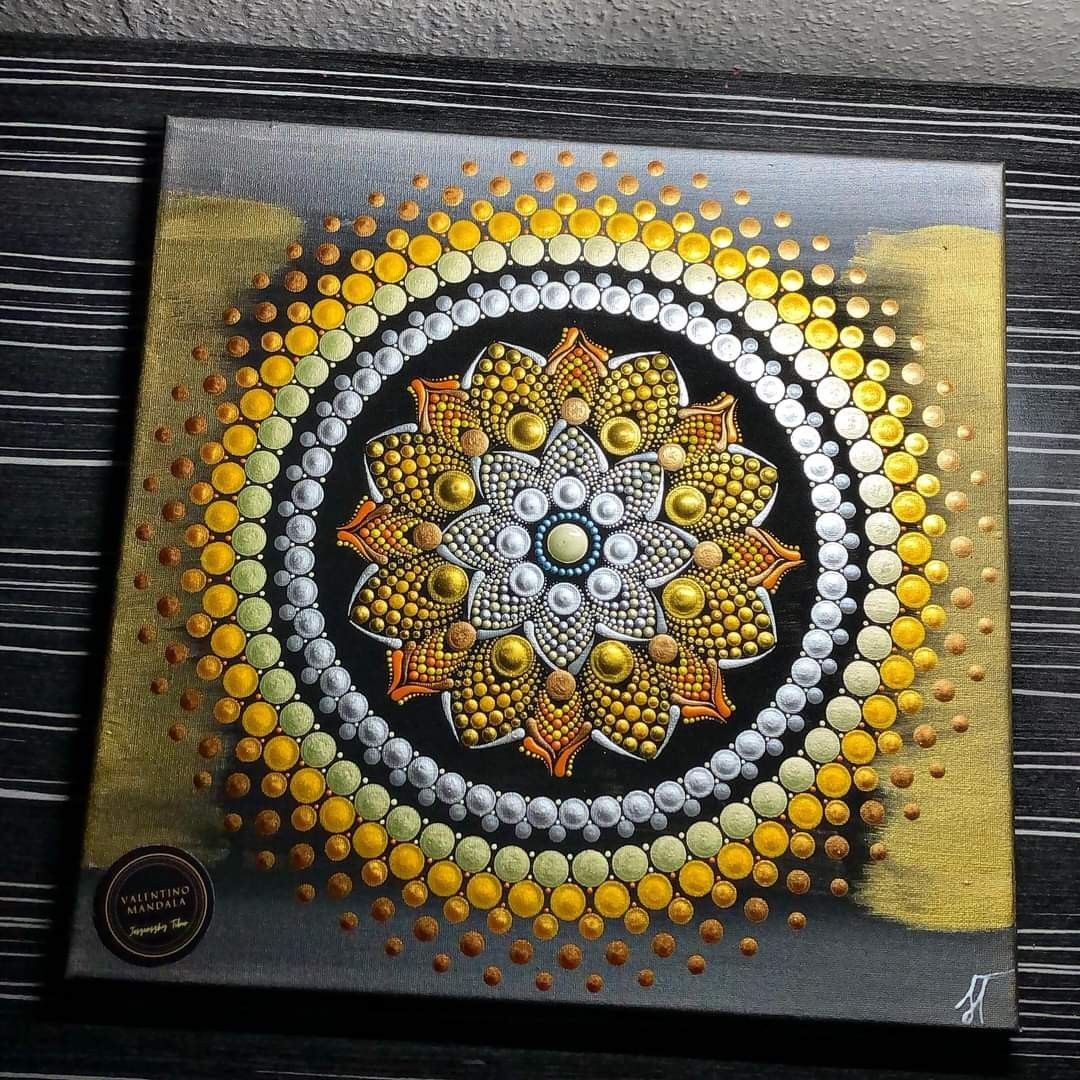
The placement of dots in large-scale works requires careful planning and intuitive understanding of visual rhythm. Artists often begin with rough sketches to determine overall patterns and distribution. The key is finding balance between order and chaos – too much uniformity feels sterile, while complete randomness lacks cohesion. Consider how dots can create pathways for the eye to follow. Some artists use grids as a foundation, then vary the placement of individual dots to create visual tension. Others start with a central focus point and build outward in concentric patterns. The size variation of dots also plays a crucial role. Using dots of different diameters creates depth and movement within the composition. A large central dot might draw the eye inward, while smaller surrounding dots create a sense of expansion. Artists sometimes incorporate varying densities – areas where dots cluster together and areas where they’re sparse. This contrast helps guide the viewer’s attention and creates a more dynamic experience. Some painters experiment with negative space as much as positive elements, allowing the gaps between dots to breathe and define the overall shape of the composition.
Lighting and Environmental Considerations
One of the most fascinating aspects of metallic dot paintings is how they respond to different lighting conditions. Natural light changes everything – morning light might make a piece feel fresh and vibrant, while afternoon sun could create dramatic shadows and reflections. Artists must consider where their work will be displayed and how it will be affected by various light sources. Indoor lighting also plays a crucial role. LED strips behind or around the artwork can enhance the metallic elements, creating an almost ethereal glow. Some artists design their compositions specifically for certain lighting situations. For instance, a piece might look completely different under fluorescent lighting compared to incandescent bulbs. The surrounding environment affects how metallic dots appear. A white wall will reflect differently than a dark surface. Some artists even consider the time of day when planning installations, knowing that their work will shift subtly throughout the day. Understanding these variables helps artists create pieces that maintain their impact regardless of viewing conditions. The interplay between the artwork and its environment becomes part of the artistic statement itself.
Techniques for Creating Depth and Movement
Large-scale metallic dot paintings offer unique opportunities to create illusions of depth and motion. Artists can manipulate dot density to suggest recession – areas with more concentrated dots appear closer to the viewer, while sparse areas seem farther away. Layering techniques add another dimension to this effect. Some artists apply metallic dots in stages, building up layers that create subtle variations in tone and texture. The direction of dot placement can also imply movement. Horizontal rows might suggest stability, while diagonal arrangements can convey energy and action. Some artists use gradients – gradually shifting from one color to another across the surface. This creates a sense of flow and continuity that draws the eye across the entire composition. The metallic elements themselves can be arranged to create optical effects. Some painters use dots of varying sizes and shapes to create a sense of vibration or pulsation. These techniques transform static paintings into dynamic visual experiences that change as viewers move around them.
Practical Tips for Beginners
Starting with large-scale metallic dot paintings doesn’t require expensive equipment or extensive training. Begin with basic materials like metallic paint or foil sheets and simple tools. Start small – even a 2×2 foot canvas can teach fundamental principles. Practice dot placement on paper first, experimenting with spacing and density. Consider using a grid system as a starting point, then gradually introduce irregularities. Don’t be afraid to make mistakes – the beauty of abstract work lies in its spontaneity. Use masking tape to create clean edges if you want sharp boundaries. Some artists find success in using spray bottles to mist their work during the drying process, which can create interesting textures. Working in a well-ventilated area is essential when dealing with metallic materials. Keep notes about what works and what doesn’t – every experiment teaches something valuable. Remember that patience pays off – metallic dot paintings often require several layers and extended drying times. Finally, don’t overlook the importance of the background or surrounding space. Sometimes the most impactful dot paintings are those that consider their environment as much as the artwork itself.
The Emotional Impact of Metallic Dot Art
Beyond technical considerations, metallic dot paintings tap into deep emotional responses. The metallic elements often trigger associations with luxury, technology, and modernity. The way light interacts with these surfaces can evoke feelings of hope, energy, or contemplation. Some viewers report feeling energized by the bright, reflective qualities, while others find the subtle variations calming and meditative. The abstract nature allows personal interpretation – what one person sees as chaos, another might view as harmony. The physicality of metallic elements gives these works a tactile quality that goes beyond visual appreciation. Some artists intentionally create pieces that invite touch, though this is less common in gallery settings. The psychological impact varies based on cultural background and personal experiences. For some, the metallic sheen reminds them of precious objects, while for others it might evoke memories of urban landscapes or digital interfaces. The combination of scale and material creates an almost sculptural quality that makes viewers feel they’re interacting with something three-dimensional rather than flat.
Large-scale metallic dot abstract paintings represent a powerful intersection of technology, emotion, and artistic vision. They demonstrate how traditional painting techniques can evolve through innovative material choices and bold scale decisions. Whether you’re considering creating such works yourself or simply appreciating them as a viewer, understanding the principles behind their creation enhances the experience. The magic happens when all elements – scale, material, composition, and environment – come together to create something greater than the sum of its parts. These paintings remind us that art doesn’t have to be confined to traditional boundaries. They show us how contemporary artists continue to push the limits of what painting can be, creating works that engage multiple senses and emotions simultaneously. The future of abstract art may very well lie in these kinds of experimental approaches, where the artist’s imagination meets cutting-edge materials and bold creative decisions. As you encounter these remarkable works in galleries, homes, or public spaces, remember that each dot tells a story about the artist’s vision and the viewer’s experience.
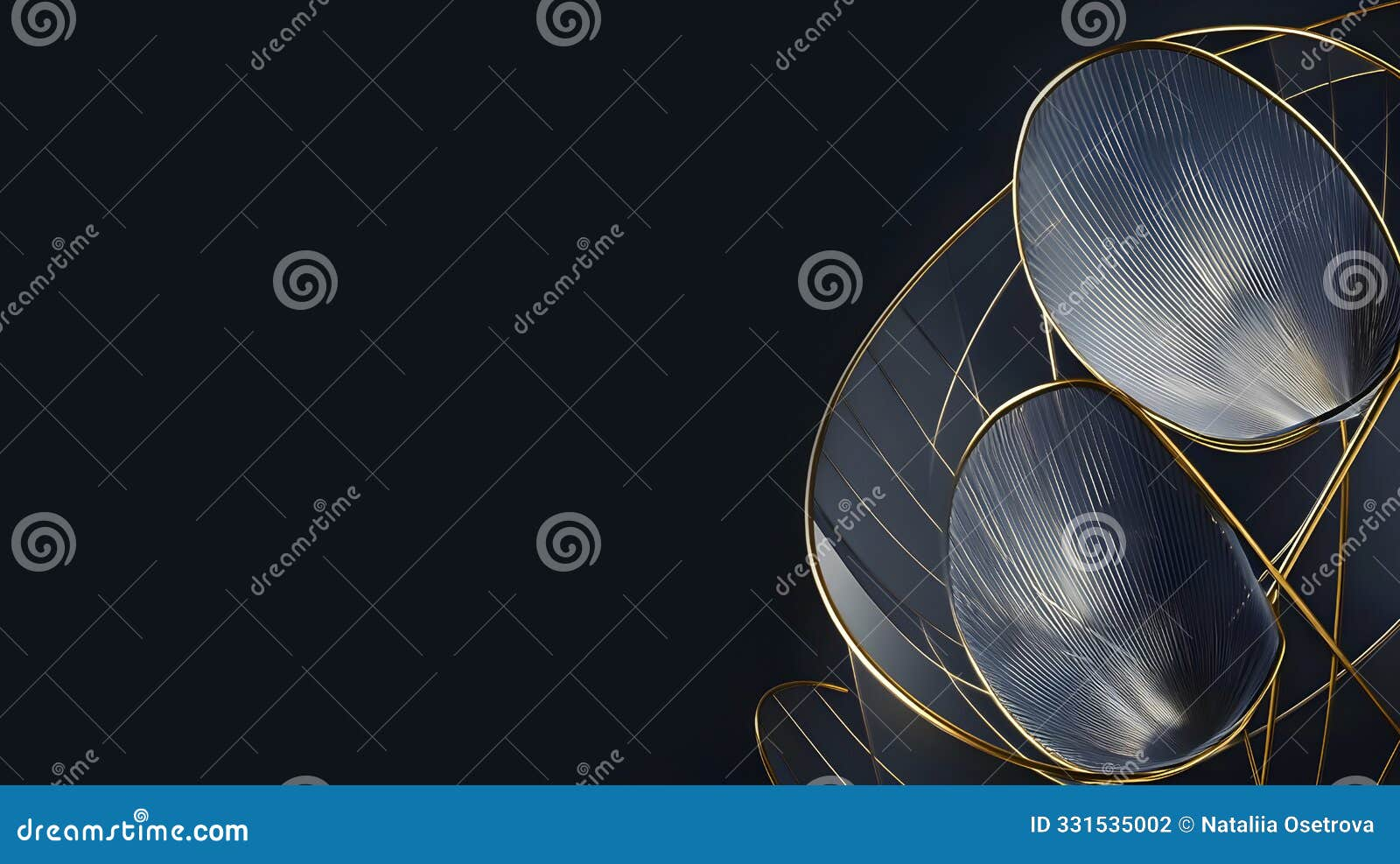
[sps_html tag=”img” src=”https://cdn.theartssection.com/wp-content/uploads/2025/12/abstract-design-with-metallic-gold-and-silver-wireframe-elements-on-a-with-regard-to-creating-visual-interest-with-metallic-gold-and-silver-dots-in-art.jpg” alt=”Abstract Design With Metallic Gold And Silver Wireframe Elements On A … with regard to Creating Visual Interest with Metallic Gold and Silver Dots in Art” style=”width: 100%; height: auto;”]
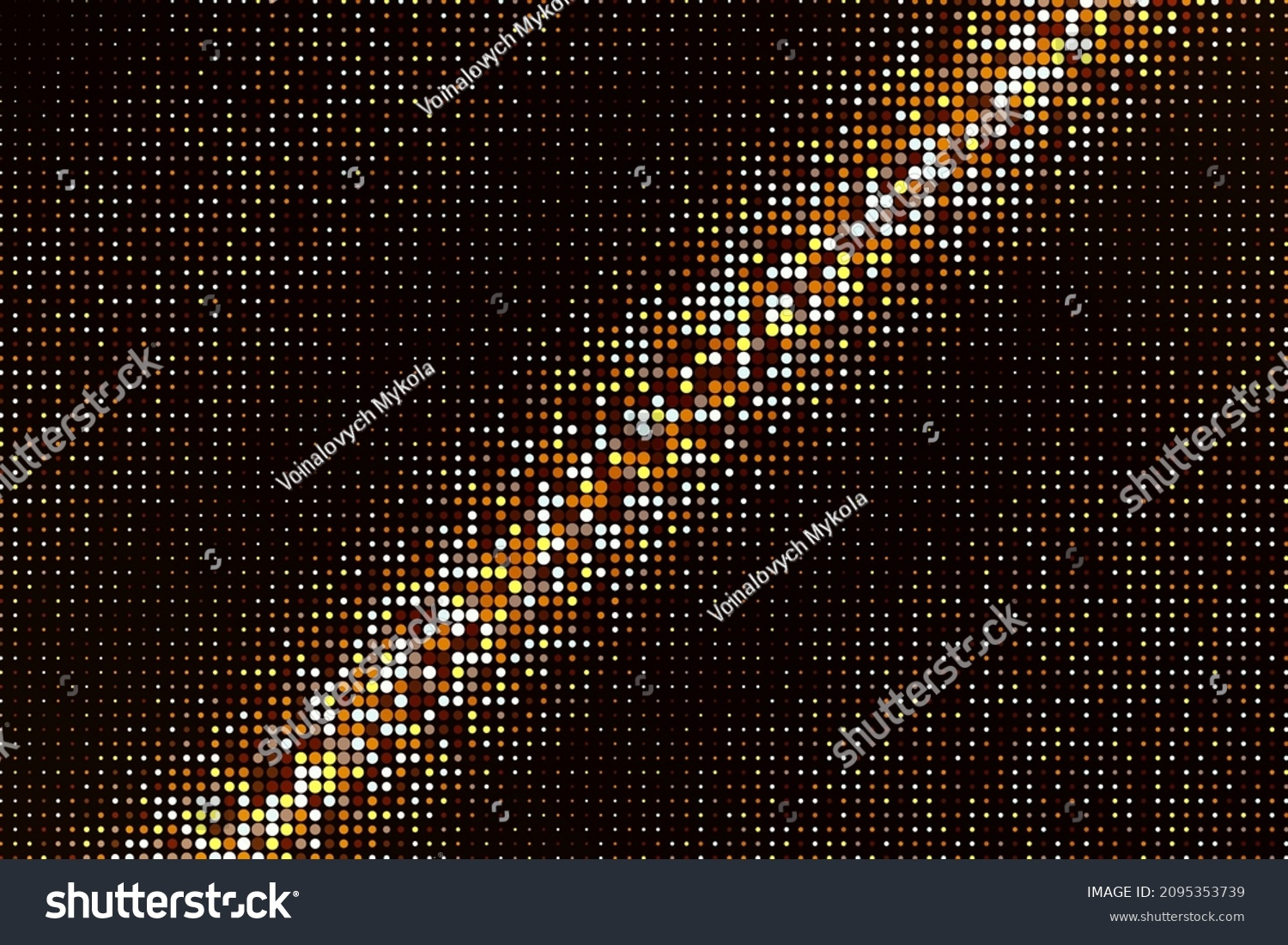
[sps_html tag=”img” src=”https://cdn.theartssection.com/wp-content/uploads/2025/12/pin-by-regina-on-taskiniai-paveikslai-mandala-dots-dot-painting-pertaining-to-creating-visual-interest-with-metallic-gold-and-silver-dots-in-art.jpg” alt=”Pin By Regina On Taskiniai Paveikslai | Mandala Dots, Dot Painting … pertaining to Creating Visual Interest with Metallic Gold and Silver Dots in Art” style=”width: 100%; height: auto;”]
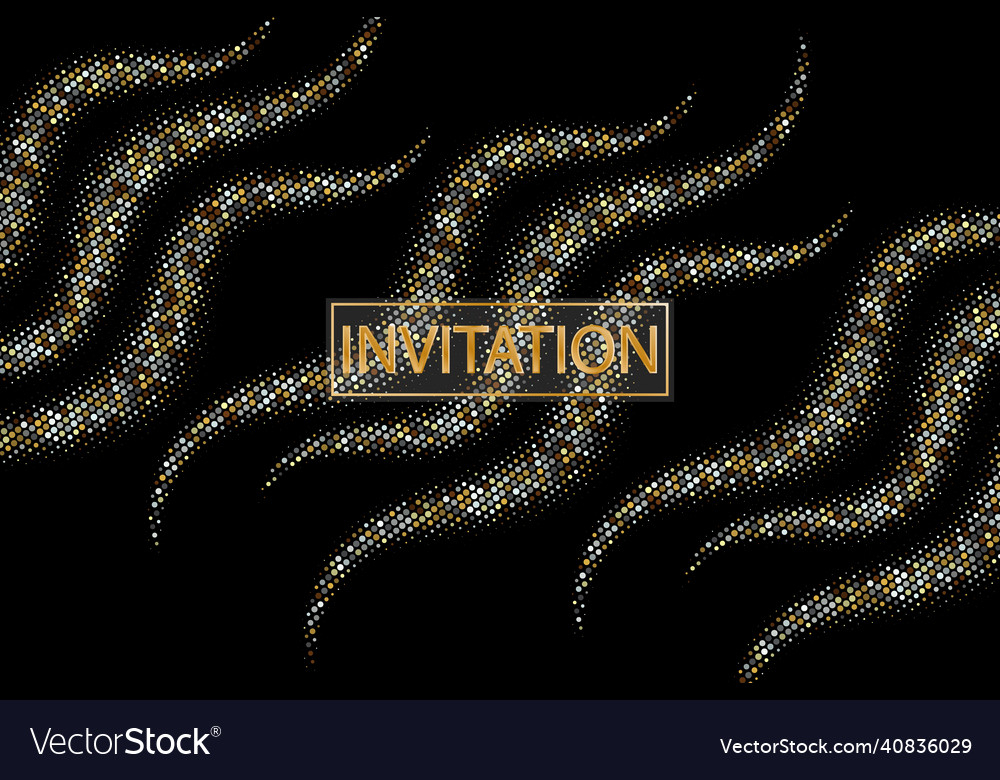
[sps_html tag=”img” src=”https://cdn.theartssection.com/wp-content/uploads/2025/12/abstract-dark-background-of-gold-and-silver-dots-vector-image-pertaining-to-creating-visual-interest-with-metallic-gold-and-silver-dots-in-art.jpg” alt=”Abstract Dark Background Of Gold And Silver Dots Vector Image pertaining to Creating Visual Interest with Metallic Gold and Silver Dots in Art” style=”width: 100%; height: auto;”]
[sps_html tag=”img” src=”https://cdn.theartssection.com/wp-content/uploads/2025/12/3d-abstract-wallpaper-a-luxurious-background-with-metallic-gold-and-regarding-creating-visual-interest-with-metallic-gold-and-silver-dots-in-art.jpg” alt=”3D Abstract Wallpaper, A Luxurious Background With Metallic Gold And … regarding Creating Visual Interest with Metallic Gold and Silver Dots in Art” style=”width: 100%; height: auto;”]
[sps_html tag=”img” src=”https://cdn.theartssection.com/wp-content/uploads/2025/12/abstract-dark-background-gold-silver-dots-stock-vector-royalty-free-for-creating-visual-interest-with-metallic-gold-and-silver-dots-in-art.jpg” alt=”Abstract Dark Background Gold Silver Dots Stock Vector (Royalty Free … for Creating Visual Interest with Metallic Gold and Silver Dots in Art” style=”width: 100%; height: auto;”]