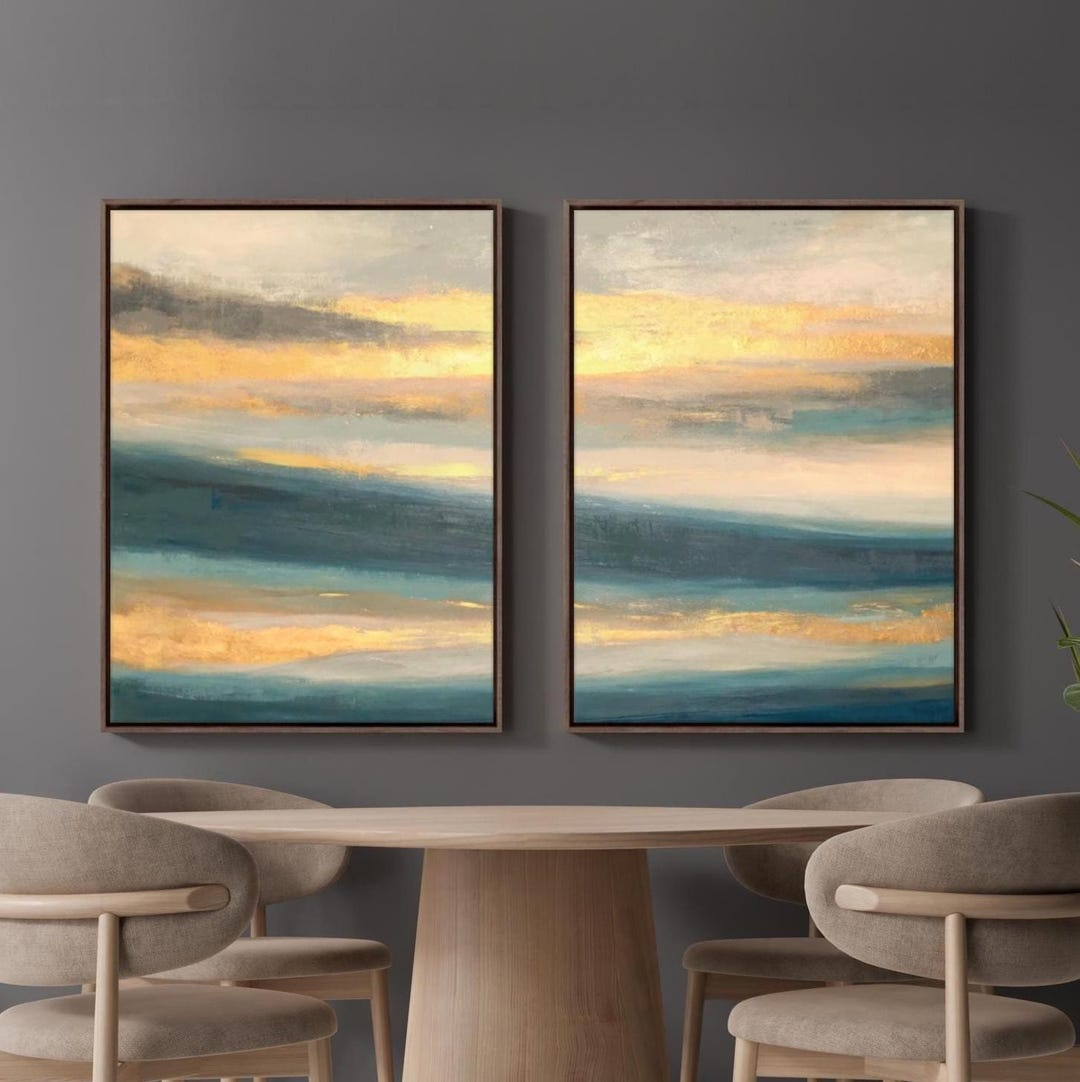
Imagine walking into a room where every surface tells a story, where colors dance across walls, and where the very air seems to shimmer with creativity. This isn’t just wishful thinking – it’s happening all around us thanks to contemporary artists who are reshaping how we think about interior spaces.
In recent years, the line between art and architecture has become beautifully blurred. Artists like Hope Hansen are proving that walls don’t have to be static backdrops – they can be living canvases that transform entire environments. These creative minds are taking traditional notions of interior design and flipping them upside down, creating spaces that feel both personal and profound. What started as simple wall paintings has evolved into immersive experiences that affect our moods, our thoughts, and even our physical well-being. The magic happens when someone decides that a room should be more than just functional space – it should be a canvas for human expression and emotional connection.
The Evolution of Wall Art
Wall art has come a long way from basic paintings hung on frames. Today’s artists approach interiors like architects, considering light, scale, texture, and movement. Hope Hansen’s work exemplifies this shift. Her large-scale murals don’t just decorate walls – they command attention and create focal points that draw the eye throughout a space. Think about how different a room feels when it features a sweeping landscape versus a simple geometric pattern. The former might make you want to linger and explore, while the latter could create a sense of order and calm. These artists understand that every element in a room contributes to the overall atmosphere. They study how color affects mood, how patterns influence perception, and how scale impacts our relationship with space. It’s not just about looking pretty – it’s about creating experiences that resonate with people long after they’ve left the room.
Color Psychology in Modern Art
Contemporary artists like Hope Hansen are using color not just for aesthetic appeal, but as a powerful psychological tool. Warm tones like reds and oranges can make a space feel cozy and inviting, while cool blues and greens often create a sense of tranquility. But it goes deeper than that. Different hues can actually influence behavior and emotion. A bedroom painted in soft lavender might promote better sleep, while bright yellows in a workspace can boost energy levels. Hope Hansen’s approach involves understanding how her color choices interact with natural lighting and existing furniture. She considers whether the space will be used for relaxation or productivity, and tailors her palette accordingly. The result? Spaces that don’t just look good but feel right for their intended purpose. When you walk into a room designed with color psychology in mind, you’re not just seeing art – you’re experiencing intentional design that supports your wellbeing.
Interactive and Dynamic Installations
Some contemporary artists are pushing boundaries even further by creating installations that change over time or respond to their environment. These aren’t static paintings – they’re living elements that evolve with the seasons, the time of day, or even the presence of people within the space. Hope Hansen has experimented with techniques that incorporate elements like reflective surfaces, layered textures, and materials that shift appearance under different lighting conditions. Imagine a room where the artwork changes subtly depending on the time of day – morning light might make certain areas glow while shadows create new visual interest in the evening. These dynamic elements transform the experience of being in a space from a one-time encounter to an ongoing conversation between the artist’s vision and the daily life that unfolds within those walls. The result is deeply personal and ever-changing.
Technology Integration in Artistic Design
Modern artists are increasingly incorporating technology into their work, creating pieces that interact with digital systems or respond to environmental factors. Some installations feature LED elements that pulse with music, or sensors that change colors based on temperature or humidity levels. Hope Hansen has explored digital art forms that can be updated remotely, allowing spaces to evolve without requiring physical changes to the artwork itself. This integration opens up possibilities for creating truly responsive environments. Picture a dining room where the walls subtly shift color based on the mood of the people gathered there, or a home office that adjusts its visual elements to match the season or the time of year. Technology allows artists to create works that are both beautiful and functional, blurring the lines between art and everyday utility.
Personalization and Cultural Significance
One of the most compelling aspects of contemporary interior art is its ability to reflect personal stories and cultural backgrounds. Artists work closely with clients to understand their history, preferences, and aspirations. Hope Hansen often incorporates local cultural elements or personal memories into her work, creating pieces that feel deeply connected to the individual who will inhabit the space. This personal touch transforms a generic room into something uniquely meaningful. It’s not just about decoration anymore – it’s about creating spaces that tell the story of who you are and what matters to you. Whether it’s incorporating family photographs, local landmarks, or symbolic imagery, these personalized touches make art feel less like an addition to a room and more like a natural extension of the people who live there.
Sustainability and Eco-Conscious Approaches
Many modern artists are embracing sustainability in their practice, using eco-friendly materials and techniques that minimize environmental impact. Hope Hansen has experimented with natural pigments, recycled materials, and non-toxic paints that don’t compromise on beauty or durability. This approach resonates with today’s environmentally conscious consumers who want their homes to reflect their values. Sustainable art practices extend beyond materials to include longevity and adaptability. Rather than creating temporary installations, many artists focus on works that will age gracefully and maintain their beauty for years to come. Some even design pieces that can be easily modified or updated as tastes change, reducing waste while maintaining visual interest. The result is art that looks great today and continues to contribute positively to its environment tomorrow.
The transformation of interior spaces through contemporary art represents more than just a trend – it’s a fundamental shift in how we think about the environments we inhabit. Artists like Hope Hansen are showing us that walls can be windows to imagination, that color can be medicine, and that art can be as much a part of our daily lives as the furniture and fixtures that surround us. These creative individuals understand that successful interior design isn’t just about aesthetics – it’s about creating spaces that support our mental health, our social interactions, and our personal growth. As we continue to spend more time in our homes and workplaces, the importance of thoughtful, intentional design becomes ever more crucial. The future of interior spaces lies not in following rigid rules, but in embracing creativity, personal expression, and the transformative power of art to make ordinary places extraordinary.
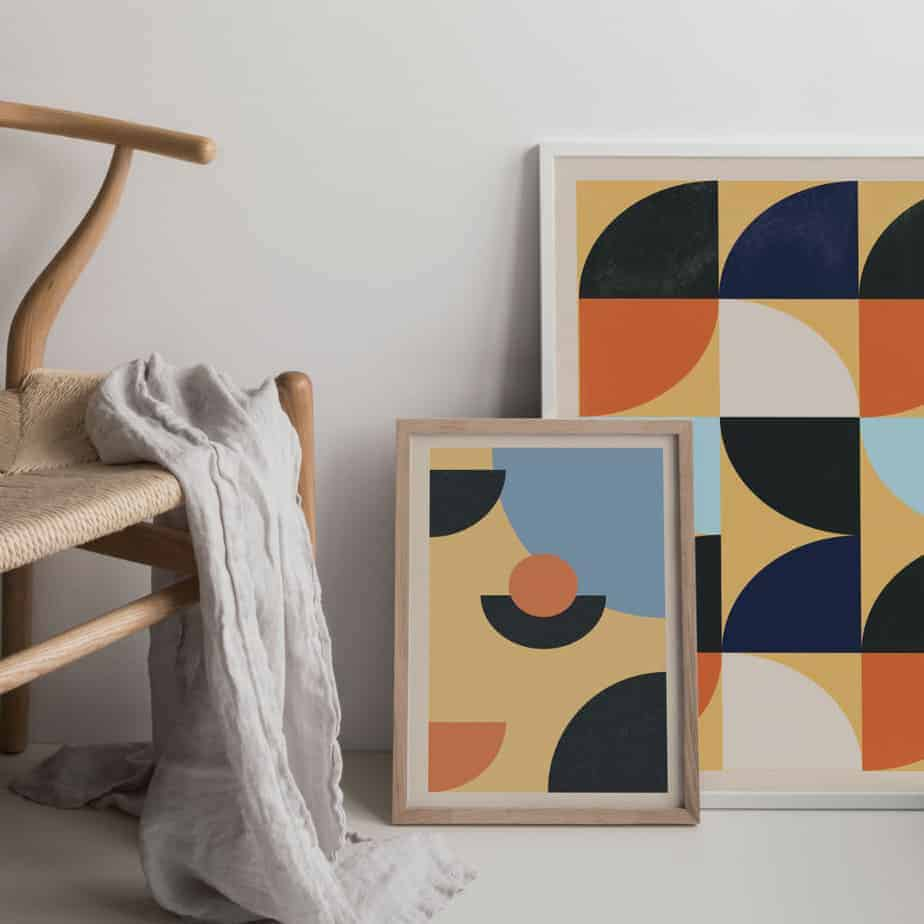
[sps_html tag=”img” src=”https://cdn.theartssection.com/wp-content/uploads/2025/12/mid-century-modern-two-piece-wall-art-for-the-cultural-impact-of-contemporary-two-piece-wall-art-collections.jpg” alt=”Mid Century Modern Two Piece Wall Art for The Cultural Impact of Contemporary Two-Piece Wall Art Collections” style=”width: 100%; height: auto;”]
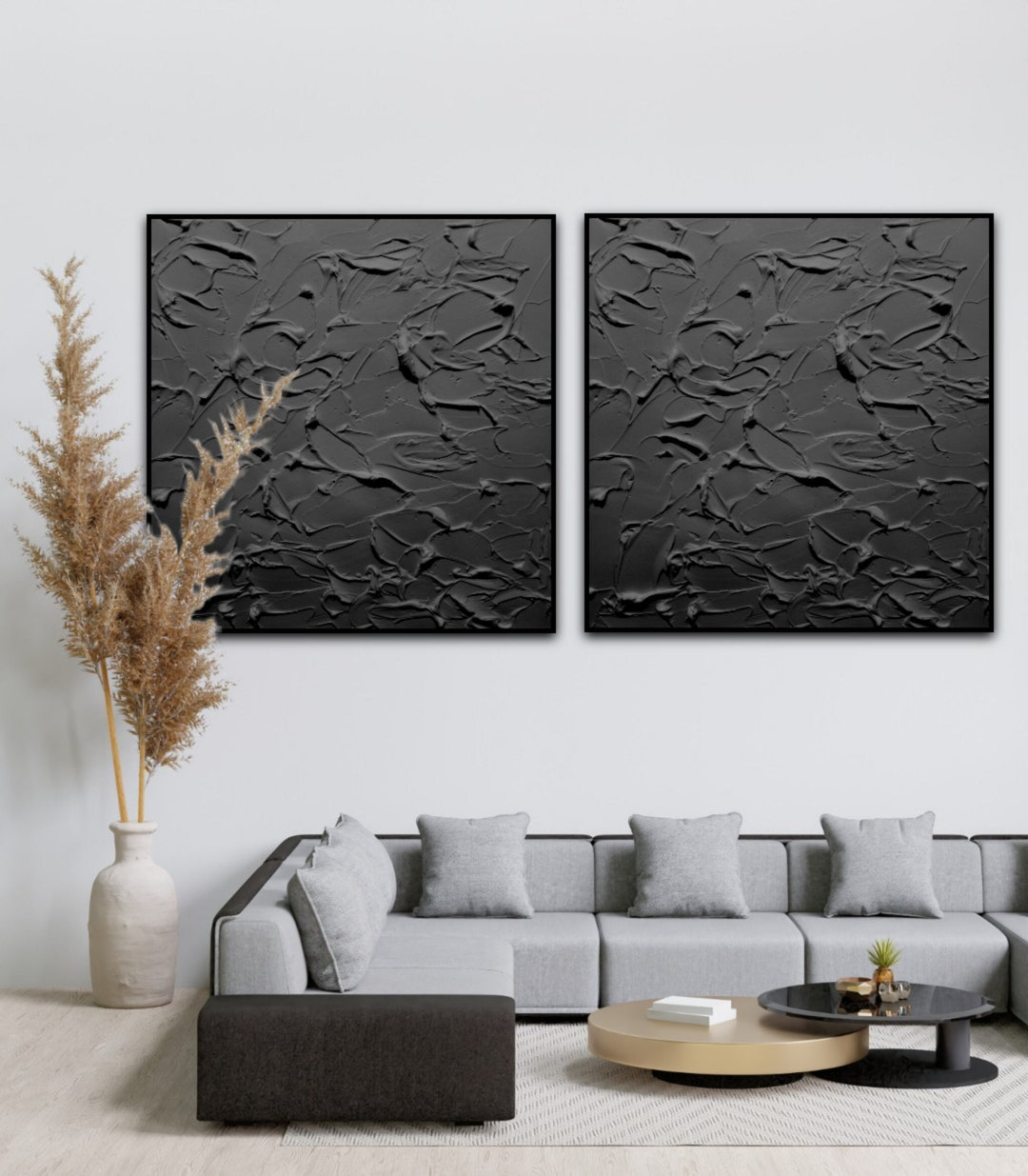
[sps_html tag=”img” src=”https://cdn.theartssection.com/wp-content/uploads/2025/12/two-piece-wall-art-black-abstract-art-plaster-wall-art-3d-artwork-in-the-cultural-impact-of-contemporary-two-piece-wall-art-collections.jpg” alt=”Two Piece Wall Art, Black Abstract Art, Plaster Wall Art, 3D Artwork … in The Cultural Impact of Contemporary Two-Piece Wall Art Collections” style=”width: 100%; height: auto;”]
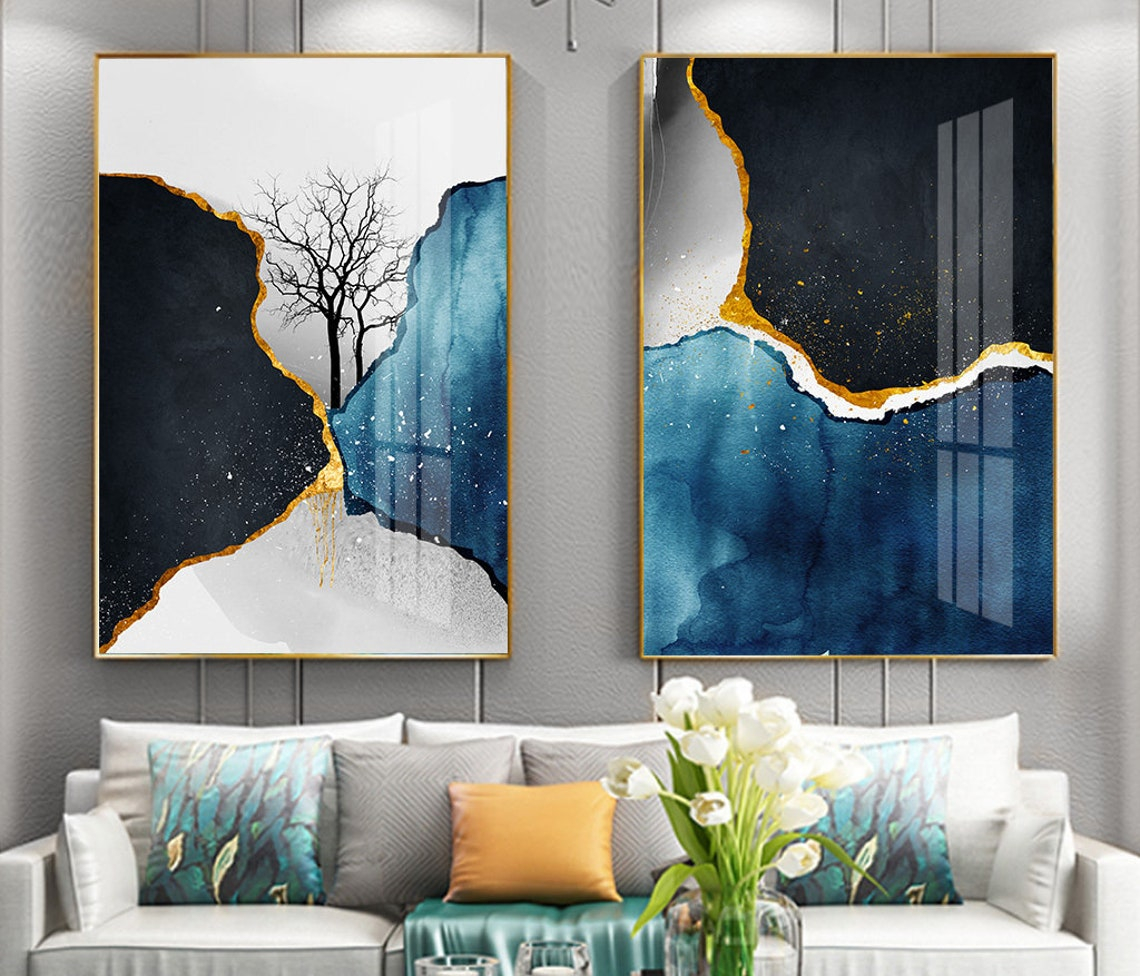
[sps_html tag=”img” src=”https://cdn.theartssection.com/wp-content/uploads/2025/12/two-piece-wall-art-abstract-canvas-paintings-luxury-wall-decor-with-2-piece-wall-art-set-in-the-meadow-i-ii-by-hope-hansen-2-piece-set.jpg” alt=”Two Piece Wall Art - Abstract Canvas Paintings, Luxury Wall Decor … with 2 Piece Wall Art Set 'In The Meadow I/Ii' By Hope Hansen, 2-Piece Set” style=”width: 100%; height: auto;”]
[sps_html tag=”img” src=”https://cdn.theartssection.com/wp-content/uploads/2025/12/2-piece-wall-art-2-sets-printable-wall-painting-ideas-blue-etsy-with-the-cultural-impact-of-contemporary-two-piece-wall-art-collections.jpg” alt=”2 Piece Wall Art 2 Sets Printable Wall Painting Ideas Blue - Etsy with The Cultural Impact of Contemporary Two-Piece Wall Art Collections” style=”width: 100%; height: auto;”]
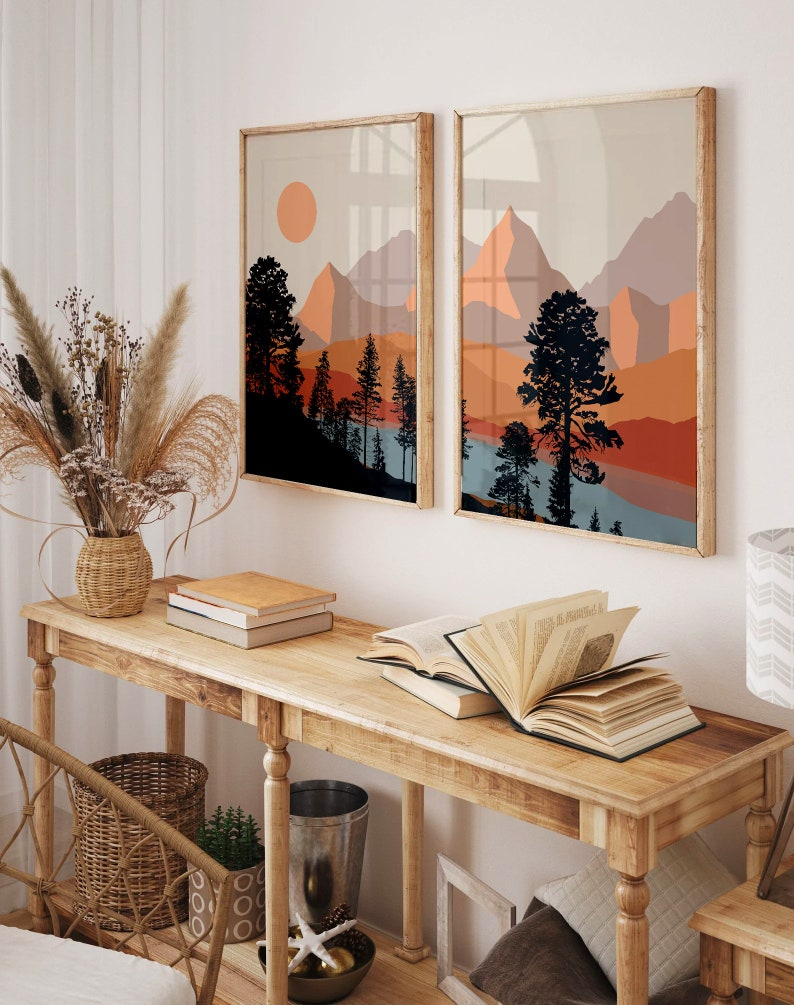
[sps_html tag=”img” src=”https://cdn.theartssection.com/wp-content/uploads/2025/12/2-piece-art-prints-abstract-poster-set-bedroom-wall-art-mid-etsy-within-the-cultural-impact-of-contemporary-two-piece-wall-art-collections.jpg” alt=”2 Piece Art Prints Abstract Poster Set Bedroom Wall Art Mid - Etsy within The Cultural Impact of Contemporary Two-Piece Wall Art Collections” style=”width: 100%; height: auto;”]