In the rolling hills of Tuscany, where centuries-old vineyards whisper stories of forgotten generations, a quiet revolution is taking place. Artists aren’t just painting pretty pictures anymore – they’re creating living bridges between past and present, using the very land itself as their canvas.
Tuscany’s landscapes have been inspiring artists for over five hundred years. From Michelangelo’s marble sculptures to the Renaissance masters’ frescoes, this region has always been a sanctuary for creative expression. But today, something different is happening. Contemporary landscape artists are finding innovative ways to preserve and celebrate Tuscan heritage through their work. It’s not just about nostalgia or pretty scenery. These modern creators are tackling the real challenges facing this beautiful region – from climate change to cultural erosion – while keeping alive traditions that might otherwise fade away. What happens when you combine the deep respect for tradition that defines Tuscan culture with the bold creativity of today’s art world? The result is something truly special.
The Heart of Tuscan Tradition
Tuscany’s identity runs deep. Every cobblestone street, every ancient olive grove, every weathered stone farmhouse tells a story. These elements form the backbone of local culture, passed down through generations. The challenge today isn’t just about preserving buildings or monuments. It’s about keeping alive the spirit that made these places meaningful in the first place. Traditional crafts, farming methods, and community practices are all part of this living tapestry. When artists engage with these elements, they become storytellers. They capture not just what the land looks like, but what it feels like to live there. Think of how a contemporary artist might interpret the old terracing systems used by farmers centuries ago, not just as historical artifacts, but as functional solutions to environmental challenges that remain relevant today. This approach transforms static preservation into dynamic engagement with heritage.
Art as Cultural Memory Keeper
What makes contemporary landscape art particularly powerful in Tuscany is its ability to serve as memory keeper. Artists document not just physical spaces, but the intangible connections people have with them. Consider the work of someone who creates installations using locally-sourced materials – stones, wood, clay – that echo the building techniques of their ancestors. This isn’t about copying old methods; it’s about understanding why those methods worked and how they might inform current challenges. These artists often collaborate directly with local communities, bringing together traditional knowledge with modern artistic vision. Their work becomes a conversation between past and present, showing how heritage isn’t something frozen in time, but something that continues to evolve. In one project, an artist created a series of large-scale photographs showing how traditional grape-growing techniques adapt to changing weather patterns, making the invisible visible. The images don’t just document what exists now; they suggest possible futures.
Environmental Resilience Through Creative Expression
Climate change poses serious threats to Tuscany’s landscapes. Droughts, extreme weather events, and shifting growing seasons affect everything from agricultural practices to tourism. Contemporary landscape artists are responding creatively to these challenges. Some focus on documenting environmental changes, using their work to raise awareness about what’s happening to the region’s ecosystems. Others take a more proactive approach, creating installations that actually help restore damaged areas. One notable example involves artists working with local groups to plant native species in degraded areas, using artistic design principles to maximize both ecological benefit and visual impact. The concept is simple yet profound: art that heals rather than merely observes. These projects demonstrate how creative thinking can address real-world problems. The intersection of environmental science and artistic practice opens new possibilities for sustainable development in culturally sensitive ways. When artists work alongside scientists and local residents, they create hybrid solutions that honor both tradition and innovation.
Economic Impact and Community Engagement
Beyond cultural preservation, this movement has real economic benefits for rural Tuscan communities. Tourism has always been important to the region, but modern visitors seek authentic experiences that go beyond typical sightseeing. Contemporary landscape art creates unique attractions that draw people interested in cultural depth and creative expression. Local villages that might otherwise struggle with economic decline find new opportunities through art festivals, workshops, and interactive installations. These projects often involve training local artisans in new techniques, creating jobs while maintaining traditional skills. The ripple effect extends far beyond the immediate artistic output. When communities see their landscapes being celebrated in innovative ways, they develop pride in their heritage. This renewed interest often leads to increased investment in local infrastructure, education, and cultural programs. Artists frequently act as catalysts for broader community development initiatives. They bring attention to neglected areas and create platforms for dialogue between generations. The collaborative nature of many projects means that everyone – from elderly craftspeople to young entrepreneurs – finds value in participating.
Technological Integration and New Media Approaches
Modern technology adds exciting new dimensions to landscape art in Tuscany. Digital mapping, virtual reality, and augmented reality tools allow artists to create immersive experiences that connect viewers with historical layers of the landscape. Imagine walking through a field and seeing holographic reconstructions of how it looked centuries ago, or using an app to discover stories about individual trees or stones. These technologies don’t replace traditional approaches; they enhance them. They offer new ways to communicate complex information about environmental changes, historical usage patterns, and cultural significance. Some artists combine traditional materials with digital elements, creating hybrid works that bridge old and new. The result is art that speaks to contemporary audiences while remaining deeply rooted in Tuscan traditions. Social media amplifies these efforts, allowing artists to share their work globally while maintaining local authenticity. This digital dimension helps preserve and promote Tuscan heritage even when people can’t visit in person.
Challenges and Future Directions
Of course, this approach faces real challenges. Funding remains an issue for many artists working in rural areas. Access to resources, technical support, and exhibition spaces can be limited compared to major urban centers. Balancing commercial viability with authentic cultural representation requires careful consideration. Some critics argue that contemporary interpretations might dilute traditional meanings or commodify cultural practices. However, successful projects typically involve extensive consultation with local communities and respect for existing cultural protocols. Looking forward, the integration of artificial intelligence and machine learning offers promising possibilities for analyzing environmental data and predicting future changes. These tools could help artists better understand how landscapes evolve over time, leading to more informed creative decisions. The key is maintaining human connection at the center of technological advancement. The most impactful work comes from genuine collaboration rather than simply applying new tools. As this movement grows, we’ll likely see more cross-disciplinary partnerships between artists, scientists, historians, and community leaders. The future of Tuscan heritage preservation may well lie in these kinds of collaborative, multi-generational approaches.
Preserving Tuscan heritage through contemporary landscape art represents more than just creative expression. It’s a living testament to the resilience and adaptability of a culture that has endured for centuries. These artists understand that true preservation isn’t about freezing things in time, but about ensuring that the values, stories, and connections embedded in landscapes continue to matter. They’re proving that heritage doesn’t have to be static to be meaningful. Through their work, they’re helping communities navigate modern challenges while staying connected to their roots. Whether through traditional materials, digital innovations, or community collaborations, these artists create pathways that honor the past while opening doors to the future. The beauty of this approach lies in its inclusivity – it invites everyone to participate in the ongoing story of Tuscan identity. As we look ahead, these creative approaches to heritage preservation will likely become increasingly important as we face global environmental and social challenges. The lessons learned in Tuscany might offer guidance for other regions struggling to balance preservation with progress. This isn’t just about saving beautiful places; it’s about ensuring that the wisdom embedded in landscapes continues to guide us forward.
[sps_html tag=”img” src=”https://cdn.theartssection.com/wp-content/uploads/2025/12/tuscany-spring-rolling-hills-on-sunset-volterra-rural-landscape-pertaining-to-the-artistic-language-of-green-fields-and-rolling-hills-in-tuscany.jpg” alt=”Tuscany Spring, Rolling Hills On Sunset. Volterra Rural Landscape … pertaining to The Artistic Language of Green Fields and Rolling Hills in Tuscany” style=”width: 100%; height: auto;”]
[sps_html tag=”img” src=”https://cdn.theartssection.com/wp-content/uploads/2025/12/tuscany-countryside-panorama-and-windy-olive-tree-on-sunset-pis-stock-regarding-the-artistic-language-of-green-fields-and-rolling-hills-in-tuscany.jpg” alt=”Tuscany Countryside Panorama And Windy Olive Tree On Sunset. Pis Stock … regarding The Artistic Language of Green Fields and Rolling Hills in Tuscany” style=”width: 100%; height: auto;”]
[sps_html tag=”img” src=”https://cdn.theartssection.com/wp-content/uploads/2025/12/waves-hills-rolling-hills-minimalistic-landscape-with-green-fields-in-pertaining-to-tuscany-farmland-and-green-fields-landscape-wall-art-print-1-panel.jpg” alt=”Waves Hills, Rolling Hills, Minimalistic Landscape With Green Fields In … pertaining to "Tuscany Farmland And Green Fields" Landscape Wall Art Print, 1 Panel” style=”width: 100%; height: auto;”]
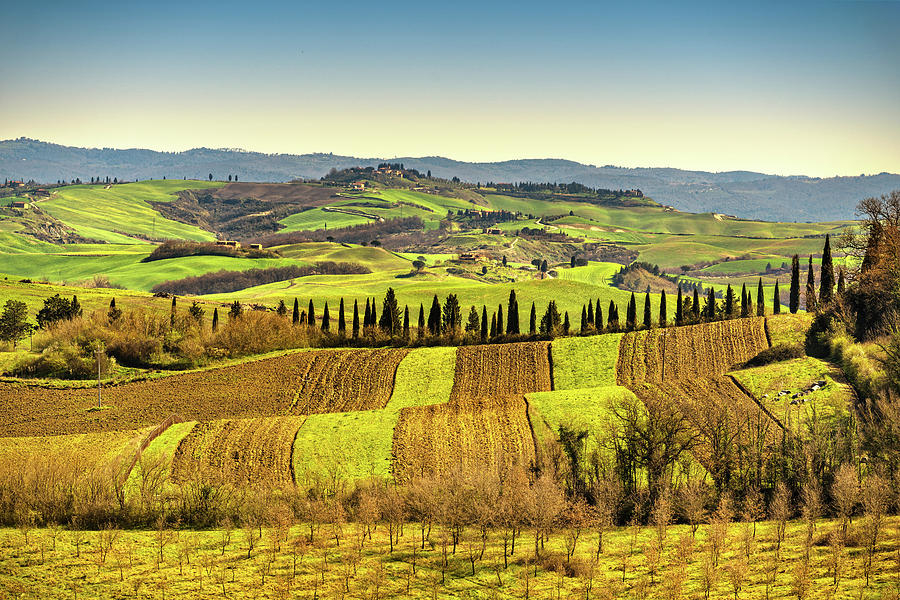
[sps_html tag=”img” src=”https://cdn.theartssection.com/wp-content/uploads/2025/12/rolling-hills-green-fields-and-cypresses-trees-in-tuscany-ital-regarding-the-artistic-language-of-green-fields-and-rolling-hills-in-tuscany.jpg” alt=”Rolling Hills, Green Fields And Cypresses Trees In Tuscany, Ital … regarding The Artistic Language of Green Fields and Rolling Hills in Tuscany” style=”width: 100%; height: auto;”]
[sps_html tag=”img” src=”https://cdn.theartssection.com/wp-content/uploads/2025/12/tuscany-panorama-rolling-hills-trees-and-green-fields-italy-with-the-artistic-language-of-green-fields-and-rolling-hills-in-tuscany.jpg” alt=”Tuscany Panorama, Rolling Hills, Trees And Green Fields. Italy … with The Artistic Language of Green Fields and Rolling Hills in Tuscany” style=”width: 100%; height: auto;”]