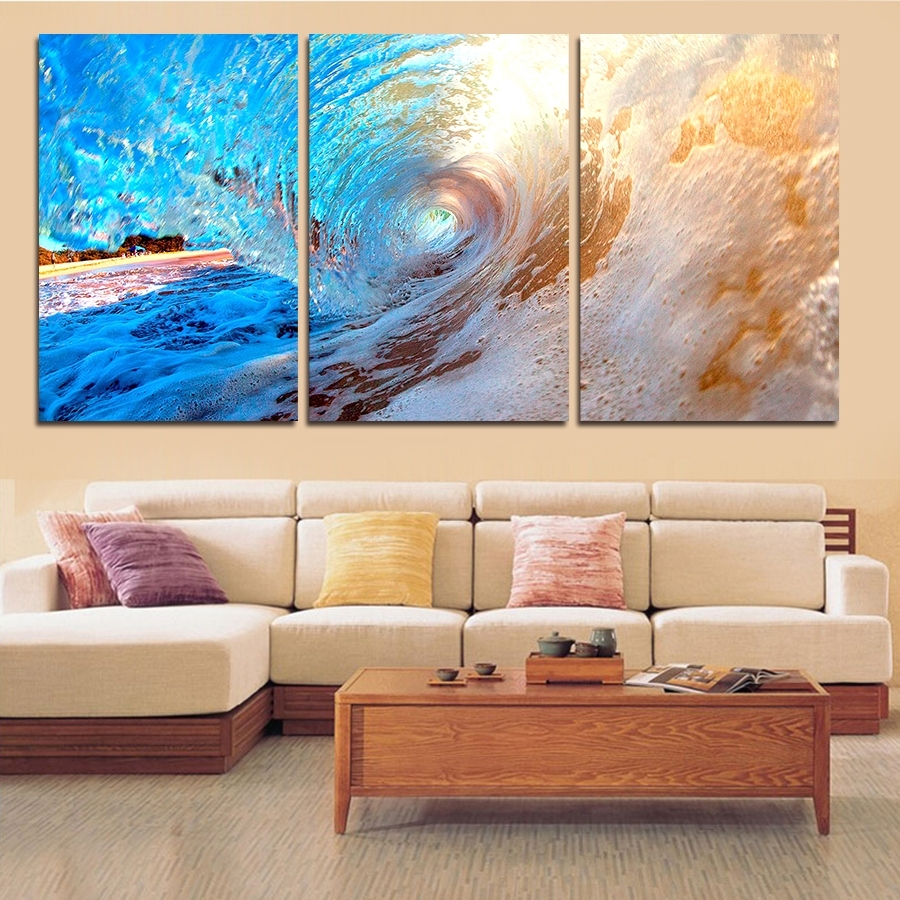
When we look at coastal scenes, we’re not just seeing water and sand. We’re witnessing a visual language that speaks to our deepest emotions and memories. The way light dances across waves, how shadows play on rocky shores, and the rhythm of tides all carry stories that transcend words.
Coastal imagery has a unique power to move us. Whether it’s a photograph of a storm-tossed sea or a serene beach at dawn, these visuals tap into something primal within us. They remind us of childhood summers, romantic getaways, or moments of profound solitude. But there’s more happening beneath the surface of these seaside pictures than meets the eye. Every wave, every cliff, every sunset carries intentional artistic choices that shape our experience of the scene. The ocean isn’t just a backdrop – it’s a character with its own personality, mood, and narrative. Understanding how artists and photographers communicate through coastal imagery opens up a whole new appreciation for these breathtaking views.
The Elements That Shape Coastal Visuals
Think of coastal imagery like a conversation between nature and the artist. Each element contributes something special to the overall message. The sky becomes the canvas for moods – from cheerful blues during clear days to dramatic grays during storms. Waves tell stories of energy and power, their shapes and movements conveying everything from gentle lapping to fierce crashing. Sand and rocks provide texture and contrast, creating visual interest and grounding the scene in reality.
Consider how different lighting conditions change everything. Golden hour light creates warmth and nostalgia, while harsh midday sun might emphasize sharp contrasts and bold shapes. These aren’t just technical choices – they’re emotional decisions that guide viewers toward specific feelings. A photographer might choose to blur water to suggest motion, or capture a perfectly still moment to emphasize calmness. Each choice adds another layer to the visual story being told.
Color Psychology in Ocean Scenes
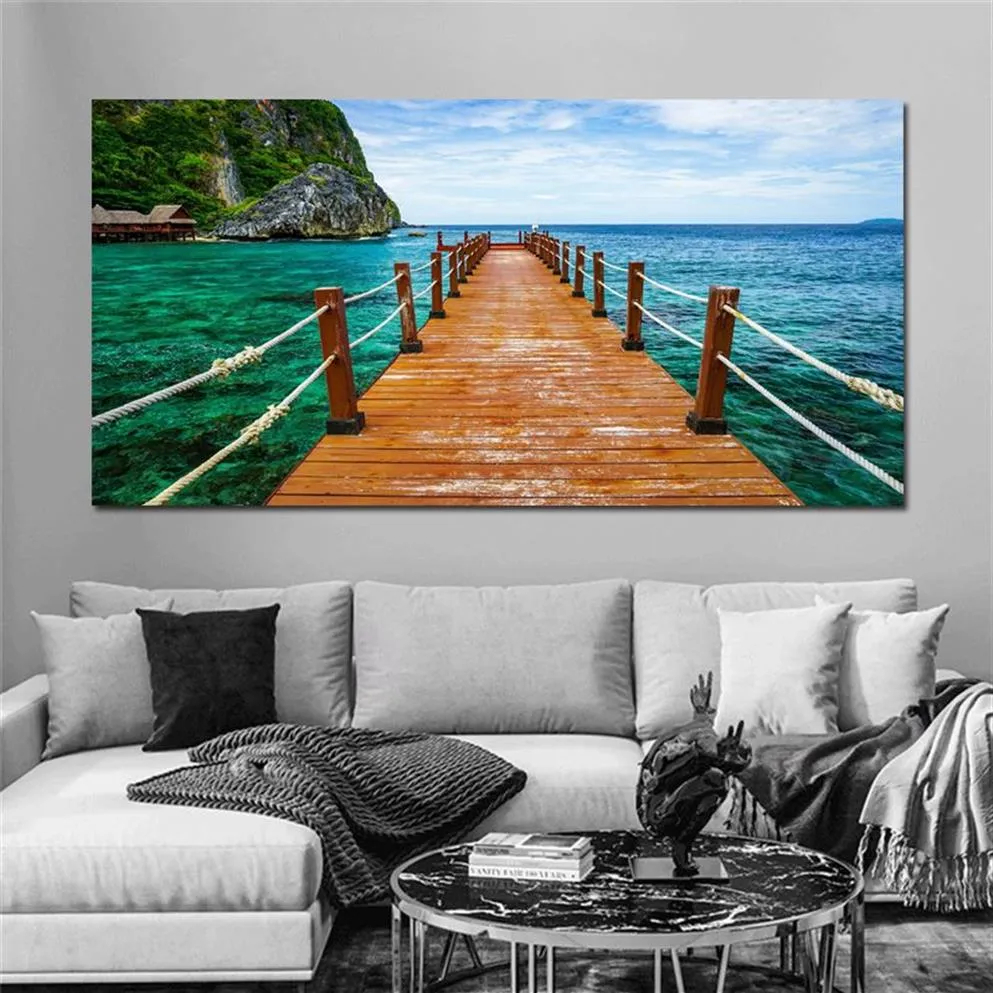
Colors in coastal imagery aren’t random – they’re carefully selected to evoke particular responses. Blues dominate most seaside pictures, but not all blues are created equal. Cool blues suggest tranquility and distance, while warmer blues can indicate intimacy or connection. The interplay between blue and green tones often represents the ocean’s relationship with land and vegetation.
Orange and red hues during sunsets aren’t just pretty – they signal transition and reflection. These warm colors make viewers pause and consider the passage of time. Yellow tones might appear in sandy areas, adding brightness and cheerfulness to otherwise cool scenes. Sometimes artists even add subtle hints of purple or pink to suggest mystery or romance. The careful balance of these colors creates emotional resonance that goes beyond simple aesthetics.
Composition Techniques That Capture the Sea’s Spirit
Great coastal photography relies heavily on composition principles that honor the ocean’s natural rhythms. Leading lines created by beaches, rock formations, or wave patterns draw the viewer’s eye deeper into the image. The rule of thirds often works well, placing the horizon either high or low to emphasize either sky or sea respectively.
Foreground elements like rocks or driftwood create depth and frame the main scene. This technique helps viewers feel like they’re standing in the moment rather than just looking at a picture. The golden ratio and diagonal compositions also play important roles, especially when capturing dynamic scenes like breaking waves or strong winds.
Sometimes the best compositions happen naturally – when waves crash in perfect symmetry or when clouds form dramatic shapes above the water. These spontaneous moments often become the most memorable coastal images because they feel authentic and unforced.
Movement and Stillness in Coastal Photography
One of the most compelling aspects of coastal imagery is how it balances motion and stasis. The ocean itself is always moving, but photographers can freeze that motion or capture it in flowing forms. A long exposure might turn rushing water into silky streams, showing the passage of time. Alternatively, a sharp focus on a single wave can emphasize the intensity of a moment.
Stillness in coastal scenes often comes through calm waters reflecting the sky, or when the wind has died down completely. These quiet moments give viewers space to breathe and contemplate. The contrast between movement and stillness creates tension and release in the viewer’s experience. It’s almost like the image breathes with the rhythm of the tide itself.
This dance between motion and stillness often mirrors our own emotional states. When we’re feeling restless, we might gravitate toward images with lots of movement. When we seek peace, we prefer those moments of calm.
Cultural and Historical Significance of Seaside Imagery
Coastal imagery holds deep cultural meaning across societies. For many cultures, the sea represents both life and death – it provides sustenance but also poses danger. Ancient civilizations built their societies around coastal access, making these scenes central to their identity and survival.
Artists have long used the ocean to explore themes of freedom, isolation, and human vulnerability. Think of the romantic paintings of the 1800s that depicted lone figures on cliffs, emphasizing humanity’s smallness against vast natural forces. Modern coastal photography continues this tradition, though often with more subtle approaches to these timeless themes.
Even today, coastal imagery carries weight in environmental discussions. Images of polluted beaches or eroded shorelines speak directly to our changing climate. These visual narratives help people connect emotionally with scientific facts about ocean health and conservation.
Modern Interpretations of Traditional Coastal Themes
While traditional coastal imagery focused heavily on grand landscapes and dramatic seascapes, modern artists have expanded the possibilities. Today’s coastal photographers often blend documentary realism with artistic interpretation, creating work that feels both familiar and fresh.
Digital technology has opened new avenues for creative expression. Artists can now combine multiple exposures to show different aspects of a coastal scene, or use filters to enhance emotional impact. Some photographers even incorporate urban elements into their coastal work, showing how human development interacts with natural environments.
Contemporary coastal art also explores themes like climate change, marine life, and cultural identity in ways that previous generations might not have considered. This evolution keeps the genre vibrant and relevant, allowing artists to address current concerns while honoring traditional aesthetic values. The result is a rich tapestry of coastal imagery that speaks to modern experiences while maintaining deep connections to historical traditions.
Coastal imagery offers us a window into both the natural world and our inner lives. Every photograph, painting, or digital creation tells a story that goes beyond what we see on the surface. The way artists choose to represent the ocean, the sand, and the sky reflects their understanding of what makes these places so powerful to us. Whether you’re a casual observer or someone deeply interested in visual arts, appreciating the artistic language of coastal imagery can transform how you experience these beautiful scenes. The next time you gaze at a seaside view, remember that you’re witnessing centuries of artistic communication – a dialogue between nature and creativity that continues to evolve. The ocean may be vast and mysterious, but through the eyes of skilled artists, it becomes a language we all understand.
[sps_html tag=”img” src=”https://cdn.theartssection.com/wp-content/uploads/2025/12/15-ideas-of-abstract-ocean-wall-art-with-regard-to-the-therapeutic-value-of-watching-waves-in-modern-home-decor.jpg” alt=”15 Ideas Of Abstract Ocean Wall Art with regard to The Therapeutic Value of Watching Waves in Modern Home Decor” style=”width: 100%; height: auto;”]
[sps_html tag=”img” src=”https://cdn.theartssection.com/wp-content/uploads/2025/12/types-of-therapy-artofit-with-slow-motion-sea-waves-over-rocks-modern-seascape-wall-art-4-panels.png” alt=”Types Of Therapy – Artofit with "Slow Motion Sea Waves Over Rocks" Modern Seascape Wall Art, 4 Panels” style=”width: 100%; height: auto;”]
[sps_html tag=”img” src=”https://cdn.theartssection.com/wp-content/uploads/2025/12/ocean-waves-in-modern-interior-design-and-decor-in-the-therapeutic-value-of-watching-waves-in-modern-home-decor.jpg” alt=”Ocean Waves In Modern Interior Design And Decor in The Therapeutic Value of Watching Waves in Modern Home Decor” style=”width: 100%; height: auto;”]
[sps_html tag=”img” src=”https://cdn.theartssection.com/wp-content/uploads/2025/12/trend-watch-waves-modern-guest-bedroom-bedroom-inspirations-guest-throughout-the-therapeutic-value-of-watching-waves-in-modern-home-decor.png” alt=”Trend Watch: Waves | Modern Guest Bedroom, Bedroom Inspirations, Guest … throughout The Therapeutic Value of Watching Waves in Modern Home Decor” style=”width: 100%; height: auto;”]
[sps_html tag=”img” src=”https://cdn.theartssection.com/wp-content/uploads/2025/12/create-your-own-movie-theater-decor-for-home-with-these-amazing-decor-ideas-within-slow-motion-sea-waves-over-rocks-modern-seascape-wall-art-4-panels.jpg” alt=”Create Your Own Movie Theater Decor For Home With These Amazing Decor Ideas within "Slow Motion Sea Waves Over Rocks" Modern Seascape Wall Art, 4 Panels” style=”width: 100%; height: auto;”]