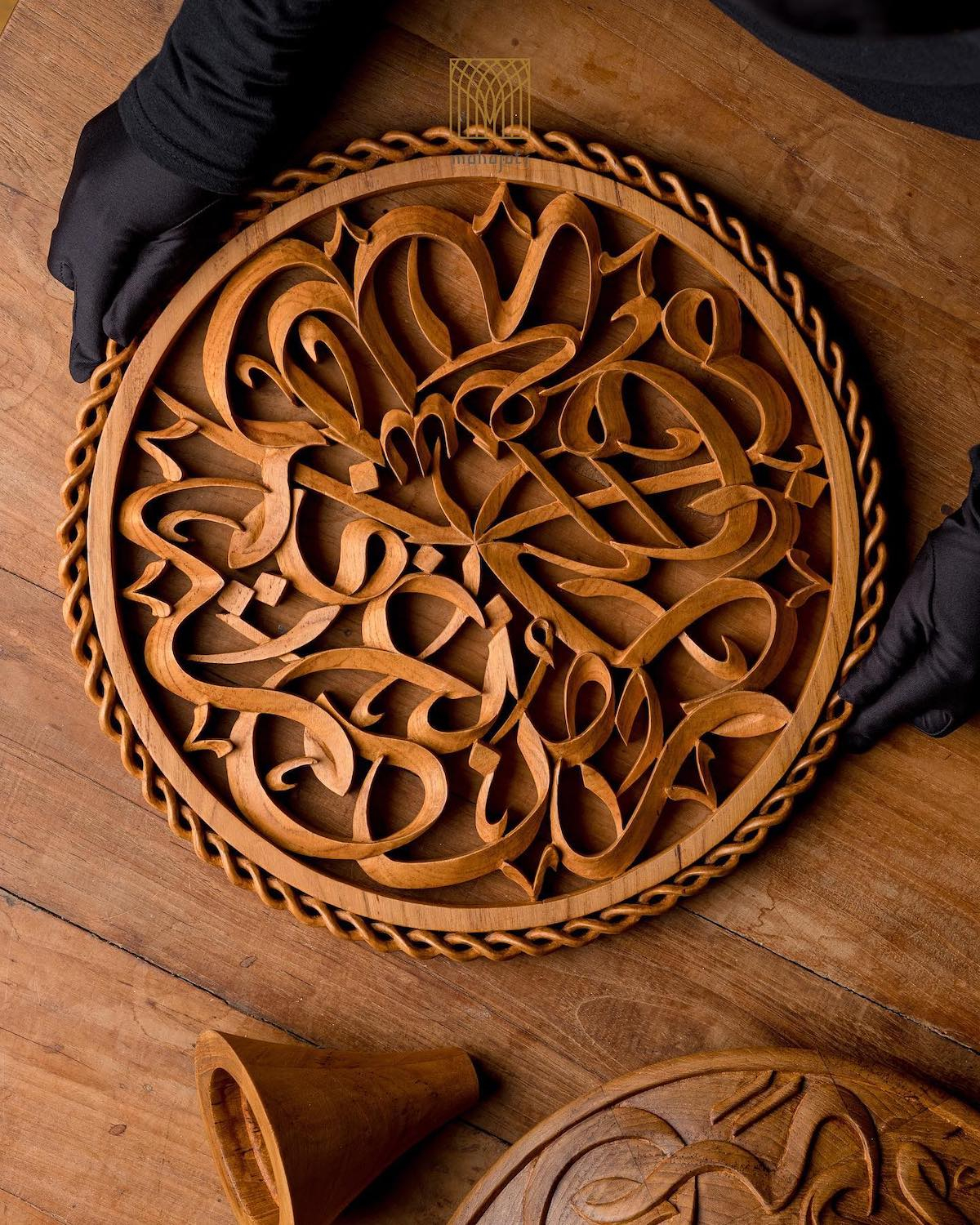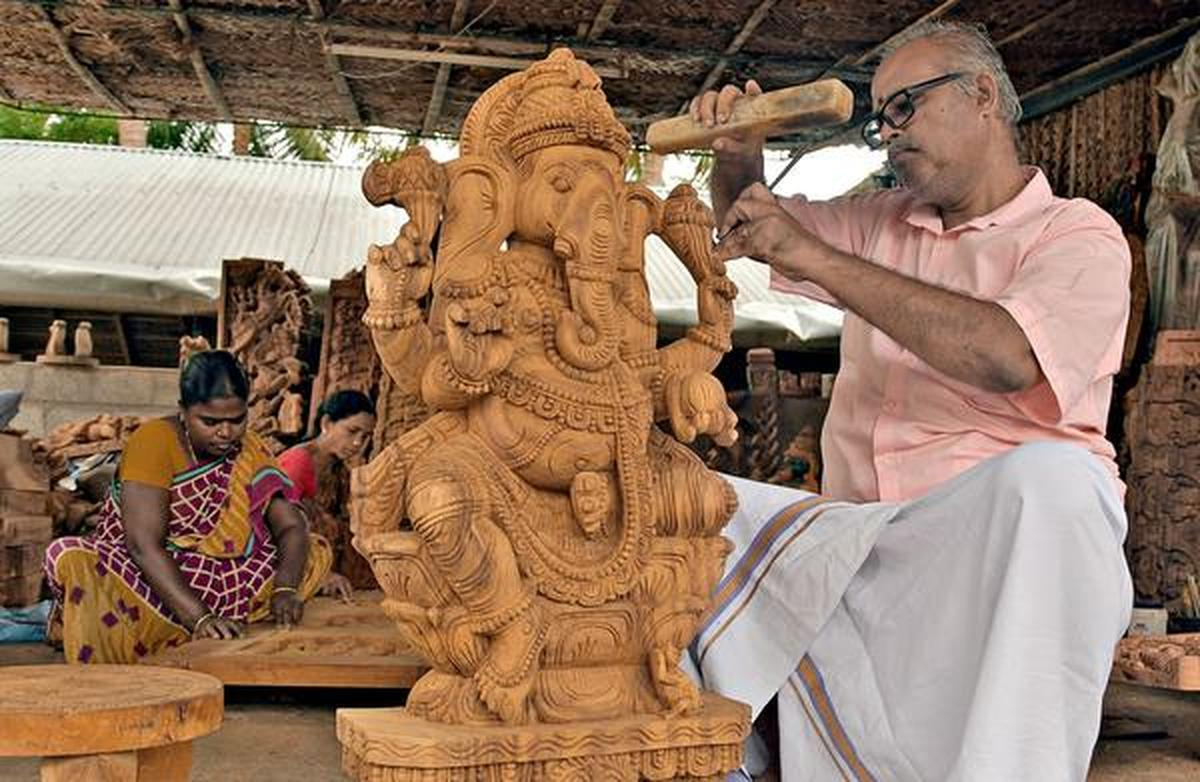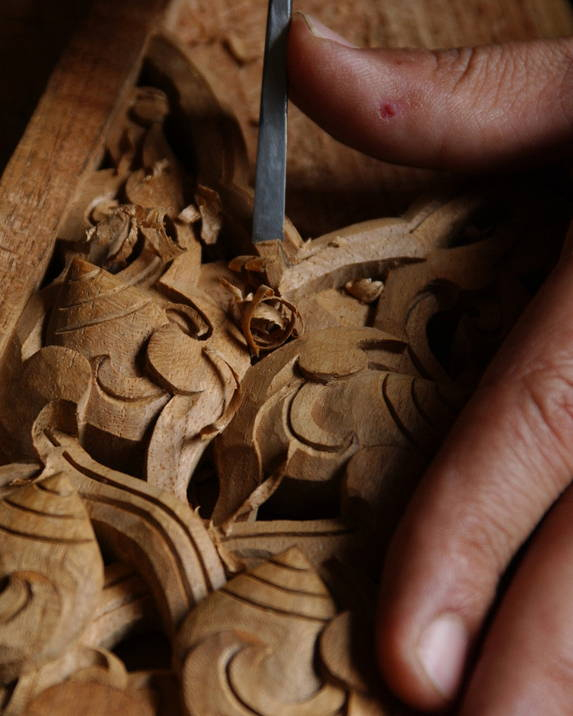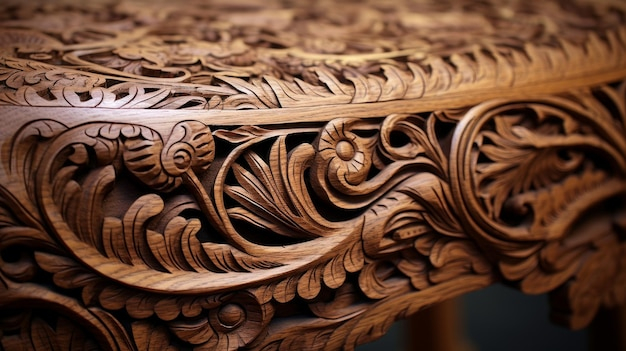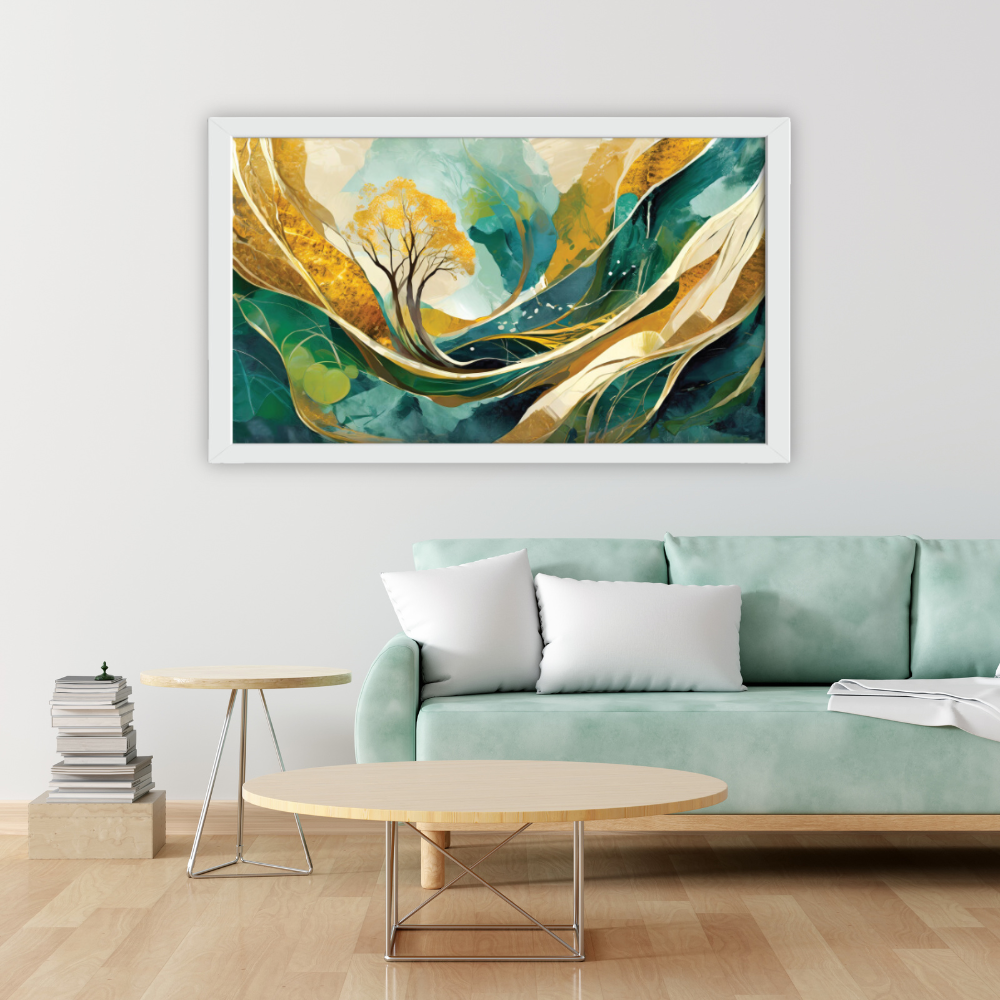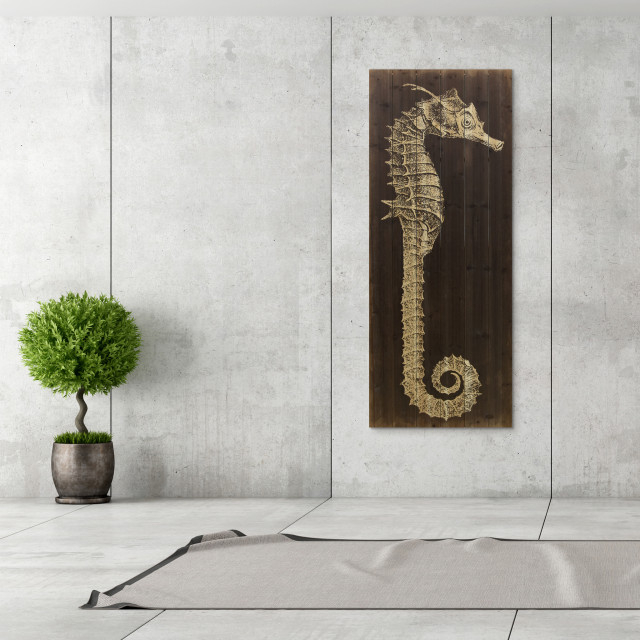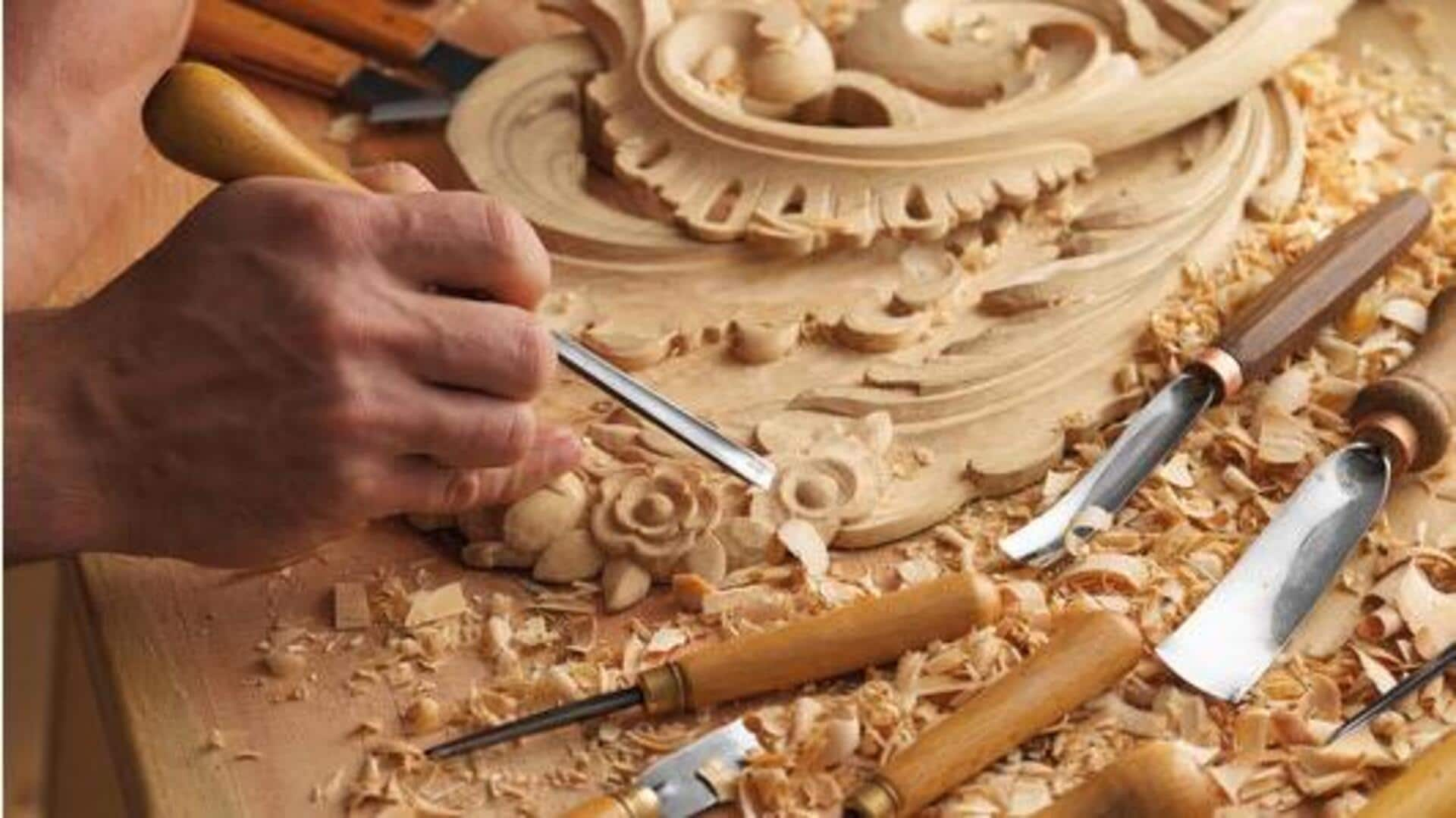
Picture this: you walk into a room and immediately feel transported. Not just by the furniture or lighting, but by the very soul of the space. That’s the magic of Asian wall art decor panels. These aren’t just decorative elements – they’re storytellers, carrying centuries of tradition, philosophy, and aesthetic wisdom directly onto your walls. Whether you’re drawn to the serene simplicity of Japanese shoji screens or the intricate symbolism of Chinese landscape paintings, these panels offer a bridge between past and present, creating spaces that speak to both our senses and our souls.
In many ways, the walls of our homes tell the story of who we are. They reflect our tastes, our heritage, and even our dreams. When it comes to Asian wall art decor panels, there’s something particularly special happening here. These aren’t just pieces that hang on a wall – they’re vessels of culture, history, and deeply rooted artistic expression. From the delicate brushstrokes of ink paintings to the bold geometric patterns of textiles, Asian wall art carries within it the essence of entire civilizations. Whether you’re a seasoned collector or someone looking to add a touch of cultural sophistication to your living space, understanding these panels opens doors to appreciation and connection that go far beyond simple decoration.
Historical Roots and Traditional Forms
The origins of Asian wall art stretch back thousands of years, with each region developing its unique style and purpose. In Japan, the concept of shoji screens evolved from functional room dividers into artistic masterpieces. These sliding panels, often made of paper and wood, allowed light to filter through while maintaining privacy. The beauty lies in their simplicity – the subtle textures of the paper, the graceful curves of the wood frames, and the way they transform spaces throughout the day. Meanwhile, Chinese art has long used wall paintings and scrolls to convey philosophical messages, with themes like dragons representing power, lotus flowers symbolizing purity, and bamboo embodying resilience. Indian traditions brought us rich tapestries and embroidered panels that told stories of mythology and daily life. Each form served not just to decorate, but to communicate values and beliefs to those who looked upon them. The historical significance of these pieces means that when you hang one today, you’re not just adding a visual element – you’re participating in an ancient conversation between artist and viewer.
Cultural Symbols and Their Meanings
What makes Asian wall art so fascinating is how deeply embedded symbolism is in every design element. Consider the dragon in Chinese culture – it’s not just a mythical creature but a powerful symbol of strength, wisdom, and good fortune. When you see a dragon panel in your living room, you’re not just admiring beautiful craftsmanship; you’re welcoming positive energy into your space. Similarly, the lotus flower appears across multiple Asian cultures, representing spiritual awakening and purity despite growing in muddy waters. This metaphor resonates with many people seeking balance and growth in their lives. The peony in Chinese art signifies wealth and honor, while the cherry blossom embodies the transient nature of life – a concept that brings both melancholy and appreciation for the moment. Understanding these meanings transforms your relationship with the artwork from passive viewing to active engagement. You become part of the narrative rather than just observing it. These symbols work on multiple levels, speaking to both the conscious mind and the deeper emotional responses that art can evoke.
Modern Interpretations and Contemporary Applications
Today’s designers and artists are breathing new life into traditional Asian wall art forms. Modern interpretations might feature updated color palettes, contemporary materials, or even digital elements combined with classical motifs. Think of how traditional Japanese wood grain patterns have been adapted for sleek modern interiors, or how Chinese calligraphy has been reimagined in minimalist prints that work beautifully in contemporary settings. The fusion of old and new creates something entirely fresh while still honoring the original intent. Many homeowners now choose these panels to create focal points in their spaces, using them to anchor rooms or provide visual interest in otherwise plain walls. The versatility is remarkable – whether you prefer the clean lines of a modern abstract piece or the detailed realism of a traditional landscape, there’s a form that speaks to your aesthetic preferences. What’s particularly exciting is how these panels can serve as conversation starters, allowing people to share stories about their cultural interests and artistic sensibilities.
Materials and Craftsmanship Techniques
The beauty of Asian wall art lies not just in its designs but in the meticulous techniques used to create them. Traditional Japanese screens often feature hand-painted silk or paper, requiring months of preparation and skill to achieve the desired effect. The process involves careful preparation of surfaces, precise brushwork, and sometimes even gold leaf application that catches the light beautifully. Chinese artists have long worked with various materials including silk, paper, and even metal, each offering different textures and visual effects. Indian artisans bring their own flair, using techniques like block printing, embroidery, and weaving to create stunning textile-based panels. Modern craftsmen continue these traditions while adapting to current needs and materials. Some combine traditional hand techniques with digital printing for greater precision, while others experiment with sustainable materials that honor the environmental consciousness found in many Asian philosophies. The dedication required to create these pieces – often taking weeks or months to complete – adds value that goes beyond the visual appeal.
Choosing the Right Panel for Your Space
Selecting the perfect Asian wall art panel isn’t just about personal taste – it’s about creating harmony with your existing environment. Start by considering the overall style of your home. If you have a minimalist space with clean lines, a simple geometric pattern or a monochromatic ink painting might complement well. For more ornate environments, richly detailed pieces with vibrant colors could provide the right balance. Light matters too – consider how natural and artificial lighting will affect the appearance of your chosen piece. A dark wooden frame might look dramatic during evening hours but appear washed out under bright daylight. Think about scale as well. A large landscape painting can dominate a spacious wall, while smaller panels work better in tighter spaces or as part of a gallery wall arrangement. Don’t overlook the emotional impact – choose something that resonates with you personally, whether it’s the tranquility of a Zen garden scene or the vibrancy of a traditional festival design. The right panel becomes a reflection of your personality and values.
Care and Preservation for Longevity
Once you’ve found that perfect piece, proper care ensures it remains beautiful for generations. Most traditional Asian wall art requires gentle handling and specific environmental conditions. Paper-based works should be kept away from direct sunlight and extreme temperature changes, which can cause fading or warping. Silk and fabric pieces may require professional cleaning and storage during seasonal changes. Wood components need protection from moisture and humidity to prevent cracking or swelling. Many collectors find it helpful to use UV-filtering glass when framing, especially for pieces with delicate details or bright colors. Regular dusting with soft brushes or microfiber cloths helps maintain appearance without causing damage. For valuable pieces, consider consulting with art restoration professionals who understand the specific needs of Asian artworks. Some collectors even invest in climate-controlled storage areas for particularly precious items, ensuring they remain in pristine condition for future generations to appreciate. The investment in proper care pays dividends in preserving both the beauty and cultural significance of these treasured pieces.
Asian wall art decor panels represent far more than decorative elements – they’re windows into rich cultural traditions that continue to evolve and inspire. Whether you’re drawn to the meditative quality of a Japanese ink painting, the bold symbolism of Chinese motifs, or the intricate craftsmanship of Indian textiles, these panels offer something timeless and meaningful. They connect us to ancient wisdom while fitting seamlessly into modern lifestyles. The journey from selecting your first piece to understanding its deeper meanings is as rewarding as the final result. As you consider adding these beautiful elements to your space, remember that you’re not just decorating – you’re creating a dialogue between past and present, between cultures and personal experiences. Each panel you choose becomes part of this ongoing conversation, carrying forward traditions while expressing your own unique perspective on beauty and meaning. The best part? You get to be both the student and teacher in this cultural exchange, learning from the masters while contributing to the continuing legacy of these extraordinary art forms.
[sps_html tag=”img” src=”https://cdn.theartssection.com/wp-content/uploads/2025/12/intricate-wood-carving-on-a-traditional-furniture-piece-premium-ai-regarding-crafting-meaningful-spaces-with-traditional-wood-carving-techniques.jpg” alt=”Intricate Wood Carving On A Traditional Furniture Piece | Premium Ai … regarding Crafting Meaningful Spaces with Traditional Wood Carving Techniques” style=”width: 100%; height: auto;”]
[sps_html tag=”img” src=”https://cdn.theartssection.com/wp-content/uploads/2025/12/wood-carving-techniques-behind-this-craft-regarding-crafting-meaningful-spaces-with-traditional-wood-carving-techniques.jpeg” alt=”Wood Carving: Techniques Behind This Craft regarding Crafting Meaningful Spaces with Traditional Wood Carving Techniques” style=”width: 100%; height: auto;”]
[sps_html tag=”img” src=”https://cdn.theartssection.com/wp-content/uploads/2025/12/artisans-hand-carve-incredible-3d-wood-art-to-keep-traditional-wood-with-crafting-meaningful-spaces-with-traditional-wood-carving-techniques.jpg” alt=”Artisans Hand-Carve Incredible 3D Wood Art To Keep Traditional Wood … with Crafting Meaningful Spaces with Traditional Wood Carving Techniques” style=”width: 100%; height: auto;”]
[sps_html tag=”img” src=”https://cdn.theartssection.com/wp-content/uploads/2025/12/famous-wood-carvers-inside-crafting-meaningful-spaces-with-traditional-wood-carving-techniques.jpg” alt=”Famous Wood Carvers inside Crafting Meaningful Spaces with Traditional Wood Carving Techniques” style=”width: 100%; height: auto;”]
[sps_html tag=”img” src=”https://cdn.theartssection.com/wp-content/uploads/2025/12/meet-the-artisans-behind-tamil-nadus-traditional-wood-carving-the-hindu-regarding-carved-wood-wall-plaquerustic-wood-wall-decor-asian-wall-art-decor-panel.jpg” alt=”Meet The Artisans Behind Tamil Nadu’s Traditional Wood Carving - The Hindu regarding Carved Wood Wall Plaquerustic Wood Wall Decor Asian Wall Art Decor Panel” style=”width: 100%; height: auto;”]