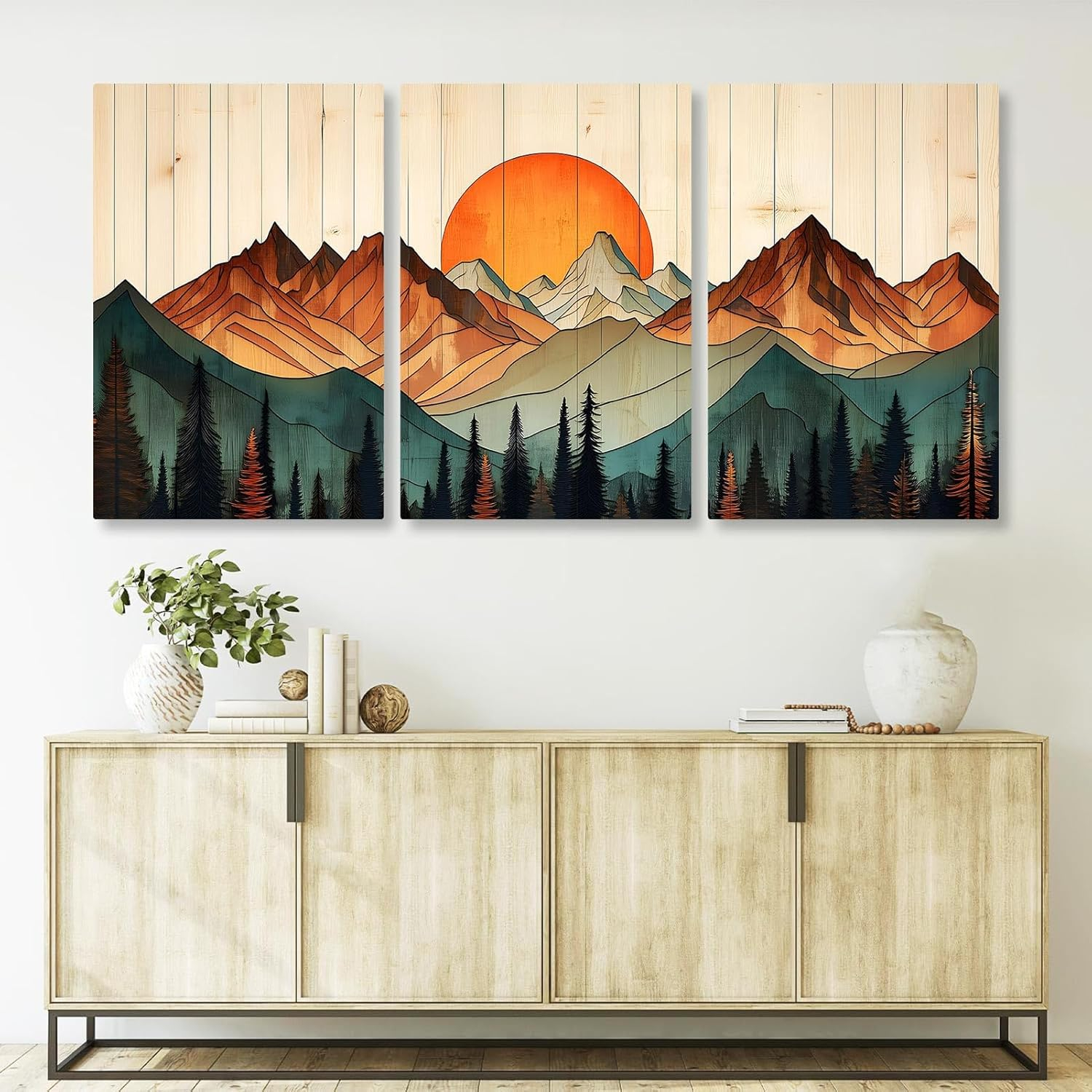
Imagine standing before a mountain that seems to breathe fire, its peaks reaching toward the sky like ancient sentinels. In Bolivia, these dramatic volcanic formations aren’t just geological marvels – they’re living canvases waiting to be painted by creative visionaries. From the steaming slopes of the Salar de Uyuni to the towering presence of Illimani, these landscapes tell stories that transcend mere geography.
Bolivia’s volcanic terrain stretches across vast distances, creating some of South America’s most striking natural vistas. But beyond the scientific fascination lies something deeper – an artistic inspiration that has drawn painters, photographers, and filmmakers for generations. These landscapes possess a raw energy that speaks to our deepest senses, offering endless possibilities for creative expression. What makes these volcanic areas so compelling isn’t just their size or scale, but how they seem to hold secrets that only art can fully reveal.
The Geological Canvas of Bolivia
Bolivia sits atop one of the world’s most active volcanic zones, where tectonic forces have been shaping the earth for millions of years. The Andes Mountains, which run along the country’s spine, house numerous dormant and active volcanoes that create diverse landscapes. The high plateau, known as the Altiplano, features both volcanic peaks and vast salt flats that reflect the sky like mirrors.
This geological diversity provides artists with an incredible palette. The contrast between smooth, weathered lava flows and jagged volcanic rock creates natural compositions that would be impossible to replicate artificially. The interplay of light and shadow on these surfaces changes throughout the day, offering different visual experiences that artists must capture.
Key features include:
• The massive Cerro Rico, which rises from the heart of the Altiplano
• The colorful stratovolcanoes that dot the landscape
• The unique geothermal features that add movement to static scenes
• The way volcanic ash creates distinctive soil patterns that influence vegetation
Light and Shadow: The Artist’s Primary Tool
In Bolivia’s high-altitude volcanic regions, light behaves differently than anywhere else on Earth. The thin atmosphere means less atmospheric interference, resulting in stark contrasts between sunlit and shaded areas. This creates dramatic chiaroscuro effects that artists find irresistible.
Sunrise and sunset become particularly powerful moments for capturing volcanic landscapes. During these times, the volcanic rocks glow with warm oranges and reds, while shadows stretch long and dramatic across the terrain. The reflection off the salt flats adds another dimension entirely.
Photographers often wait for hours, sometimes days, for the perfect lighting conditions. They know that a single moment can transform an ordinary scene into something extraordinary. The challenge becomes finding the right angle to showcase both the volcanic structure and the emotional impact of the environment.
Artists working with traditional mediums face similar challenges. Watercolorists might struggle with the intense reflections, while oil painters need to carefully consider how to represent the starkness of volcanic rock under harsh sunlight. The key is understanding that these landscapes demand respect for their natural qualities rather than trying to impose artificial elements.
Color Theory in Volcanic Terrain
Volcanic landscapes offer a rich spectrum of colors that change dramatically based on mineral composition and weathering processes. Red and orange tones dominate the lower slopes, representing iron oxide deposits from oxidation. Black volcanic rock provides stark contrasts, while lighter-colored ash deposits create subtle gradients.
Some areas show vibrant greens from vegetation growing through volcanic soil, while others display brilliant yellows and whites from sulfur compounds. The interaction between these colors creates natural color palettes that artists study closely.
The famous Salar de Uyuni, when flooded during rainy season, transforms into a mirror reflecting the sky and clouds above. This creates an almost surreal color experience that artists describe as ‘liquid sky’ or ‘floating earth.’
These natural color variations provide artists with inspiration for everything from abstract paintings to realistic landscapes. The challenge lies in capturing the essence of these colors without overwhelming viewers with too much detail.
Cultural Narratives Embedded in Volcanic Form
Bolivia’s volcanic landscapes aren’t just physical features – they’re deeply rooted in cultural stories and spiritual significance. Indigenous communities have long associated these mountains with ancestral spirits and sacred powers. The Quechua people, for instance, believe that volcanoes are the homes of powerful deities who control the weather and agricultural cycles.
Artists working with these landscapes often incorporate cultural elements into their work. They might paint traditional textiles inspired by volcanic patterns, or create sculptures that reference local legends about mountain guardians. The volcanic peaks themselves become symbols of strength, endurance, and connection to the earth.
Many contemporary artists travel to these locations specifically to understand how local communities relate to their environment. This cultural context adds layers of meaning that go far beyond simple aesthetic appreciation. It’s about recognizing that every mountain, every crater, and every thermal feature has a story that deserves to be told.
The result is artwork that doesn’t just show volcanic landscapes, but interprets them within a broader human narrative.
Techniques for Capturing Volcanic Majesty
Different artistic mediums require different approaches to capturing volcanic grandeur. Photographers often use wide-angle lenses to emphasize scale, while telephoto lenses help isolate specific features like lava flows or crater edges. Some artists prefer to work in black and white to emphasize texture and form over color.
Painters frequently start with sketches to map out the overall composition before adding details. They understand that volcanic landscapes need to be approached gradually, building up layers of information rather than trying to capture everything at once. The process often takes weeks or months, allowing time to observe how light changes throughout the day.
Digital artists might combine multiple exposures or use specialized software to enhance the natural drama of volcanic scenes. They pay special attention to how volcanic features interact with atmospheric conditions, such as cloud cover or dust storms that can dramatically alter the appearance of familiar landmarks.
What many artists discover is that volcanic landscapes demand patience and respect. Rushing the process often results in work that feels shallow compared to the depth and complexity of the actual terrain.
Modern Artists Making Waves in Volcanic Art
Contemporary artists continue to push boundaries in how they represent Bolivia’s volcanic landscapes. Some focus on microscopic details, using macro photography to reveal the intricate textures of cooled lava. Others take a broader approach, creating large-scale installations that mimic volcanic forms.
Notable figures include:
• Maria Elena Rodriguez, whose paintings capture the emotional resonance of volcanic eruptions
• Carlos Mendoza, who uses digital media to show how volcanic activity shapes entire ecosystems
• Sofia Martinez, who combines traditional techniques with modern environmental awareness
These artists often collaborate with scientists to better understand the geological processes they depict. This partnership between art and science creates work that is both visually stunning and scientifically accurate.
The growing interest in environmental themes has also influenced how artists approach volcanic landscapes. Many now focus on the relationship between human activity and natural forces, exploring questions about climate change and sustainability through their work.
What’s particularly exciting is how social media has allowed these artists to share their work globally, bringing attention to Bolivia’s unique volcanic features and inspiring new generations of creators.
Bolivia’s volcanic landscapes offer more than just geological wonder – they provide a rich source of artistic inspiration that continues to evolve. Whether through the careful brushstrokes of a painter or the precise framing of a photographer, these mountains, craters, and thermal features reveal themselves in countless ways. The key is understanding that these landscapes are alive with stories, emotions, and connections that extend far beyond their physical presence.
For those who venture into these areas, whether as artists or simply curious observers, the experience becomes transformative. The combination of natural beauty and human creativity creates something truly special – a bridge between the earth’s ancient power and our modern capacity for artistic expression. As we continue to explore and document these remarkable places, we’re reminded that the most profound art often comes from the most unexpected sources, especially when nature itself becomes the canvas.
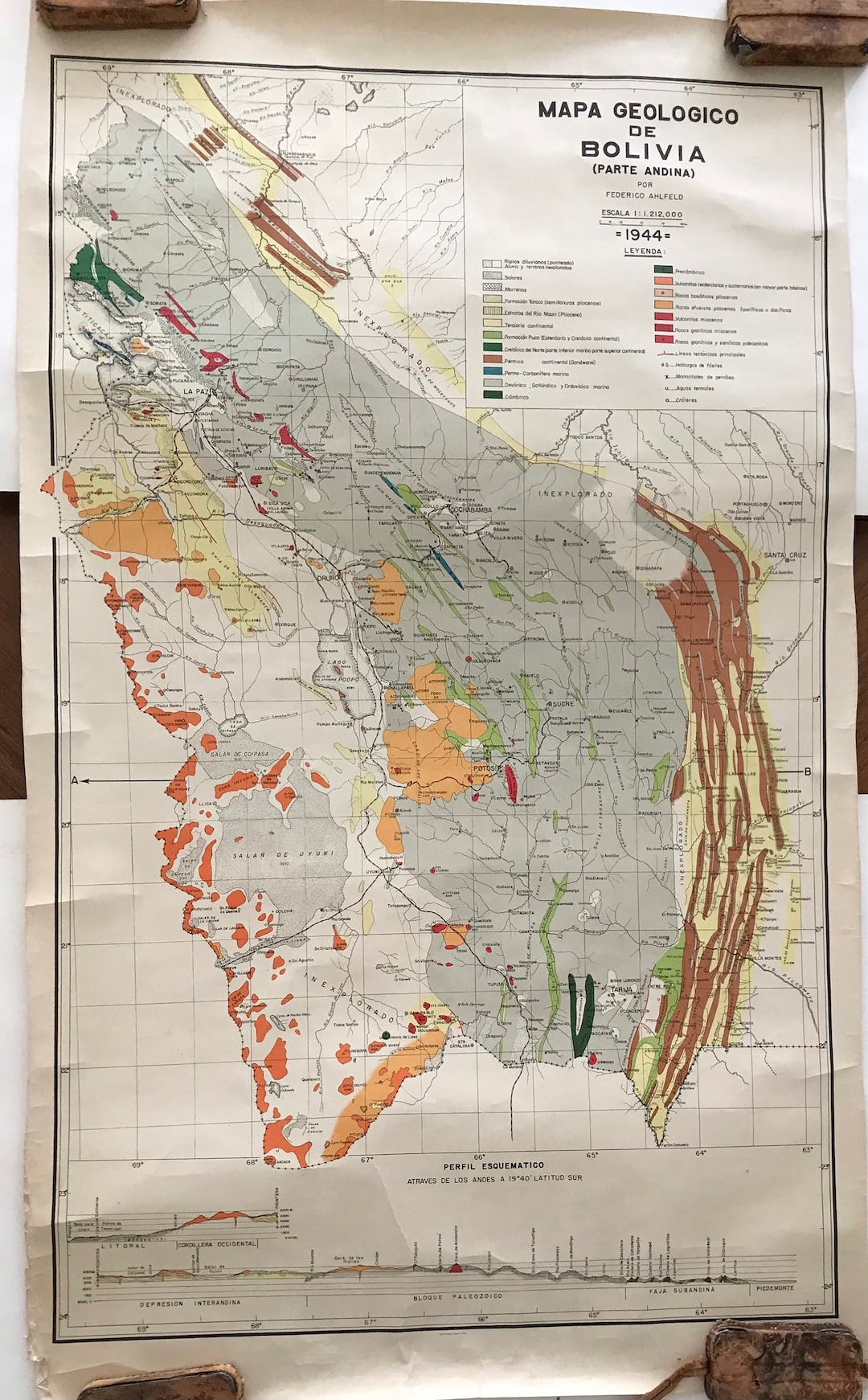
[sps_html tag=”img” src=”https://cdn.theartssection.com/wp-content/uploads/2025/12/rare-vintage-geological-map-of-bolivia-1944-scale-1212-000-etsy-pertaining-to-bolivia-volcanoes-panoramic-view-landscape-print-wall-art-4-panels.jpg” alt=”Rare Vintage Geological Map Of Bolivia 1944. Scale 1:212.000 - Etsy pertaining to "Bolivia Volcanoes Panoramic View" Landscape Print Wall Art, 4 Panels” style=”width: 100%; height: auto;”]
[sps_html tag=”img” src=”https://cdn.theartssection.com/wp-content/uploads/2025/12/bolivia-elevation-and-elevation-maps-of-cities-topographic-map-contour-for-artistic-interpretation-of-bolivias-volcanic-elevation-and-scale.png” alt=”Bolivia Elevation And Elevation Maps Of Cities, Topographic Map Contour for Artistic Interpretation of Bolivia's Volcanic Elevation and Scale” style=”width: 100%; height: auto;”]
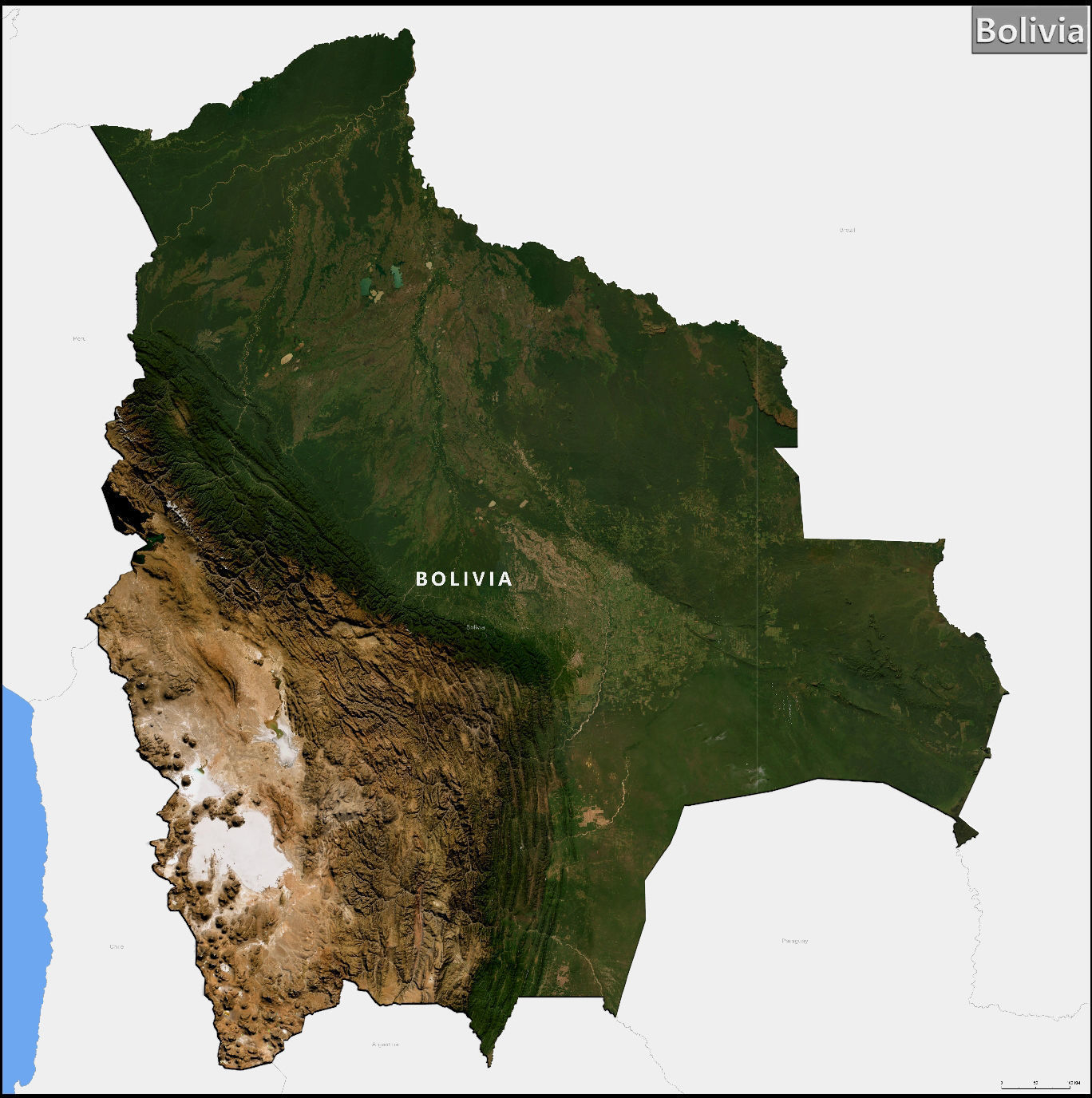
[sps_html tag=”img” src=”https://cdn.theartssection.com/wp-content/uploads/2025/12/bolivia-terrain-topography-elevation-dem-geography-landscape-3d-model-in-bolivia-volcanoes-panoramic-view-landscape-print-wall-art-4-panels.jpg” alt=”Bolivia Terrain Topography Elevation Dem Geography Landscape 3D Model … in "Bolivia Volcanoes Panoramic View" Landscape Print Wall Art, 4 Panels” style=”width: 100%; height: auto;”]
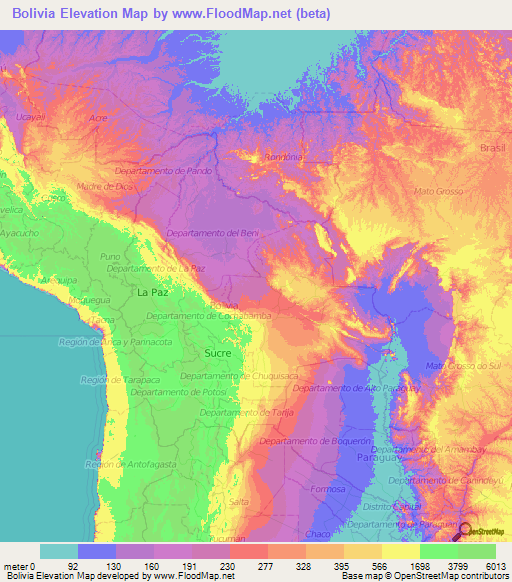
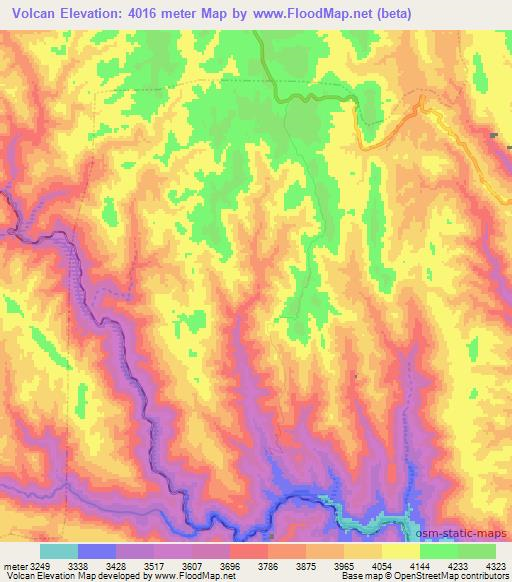
[sps_html tag=”img” src=”https://cdn.theartssection.com/wp-content/uploads/2025/12/elevation-of-volcanbolivia-elevation-map-topography-contour-intended-for-artistic-interpretation-of-bolivias-volcanic-elevation-and-scale.png” alt=”Elevation Of Volcan,Bolivia Elevation Map, Topography, Contour intended for Artistic Interpretation of Bolivia's Volcanic Elevation and Scale” style=”width: 100%; height: auto;”]
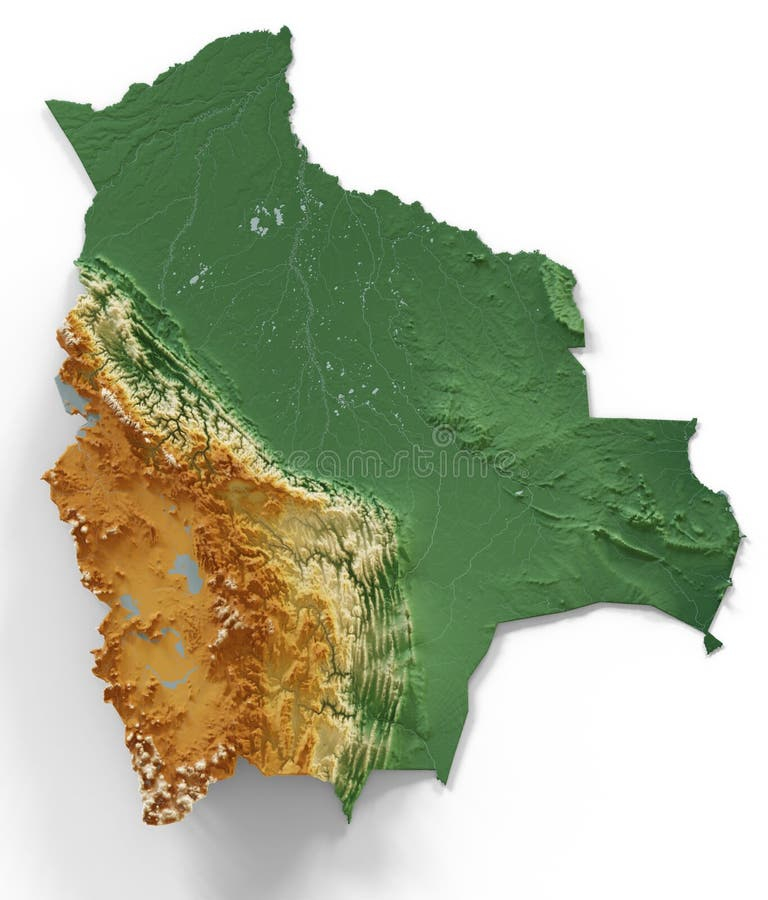
[sps_html tag=”img” src=”https://cdn.theartssection.com/wp-content/uploads/2025/12/bolivia-relief-map-stock-illustration-illustration-of-detailed-269414617-with-bolivia-volcanoes-panoramic-view-landscape-print-wall-art-4-panels.jpg” alt=”Bolivia Relief Map Stock Illustration. Illustration Of Detailed - 269414617 with "Bolivia Volcanoes Panoramic View" Landscape Print Wall Art, 4 Panels” style=”width: 100%; height: auto;”]