Have you ever walked into a garden grotto on a crisp morning and felt an instant wave of peace. There is something incredibly special about praying under the open sky. But if you have ever tried to maintain one of these sanctuaries, you know the harsh truth. Nature always wins. Between freezing winters, baking summer heat, and pouring rain, keeping an outdoor sacred space looking beautiful and respectful is a tough tightrope walk.
In 2026, more people than ever are setting up private prayer nooks, backyard rosary paths, and church memorial lawns. The big challenge isn’t just making them look pretty at the start; it is ensuring they stay standing for years without becoming an eyesore. How do we build spaces that honor our deepest beliefs while standing up to the wild weather outside. Let’s dive into how to strike that perfect balance.
Finding the Sweet Spot Between Tough and Beautiful
When picking out elements for an outdoor sanctuary, your choice of material is everything. You want something that feels weighty and meaningful, but it also has to survive the elements. Cheap plastics might be easy on the wallet, but they fade, crack, and end up looking disposable after just one season in the sun. That doesn’t exactly scream "eternal reverence."
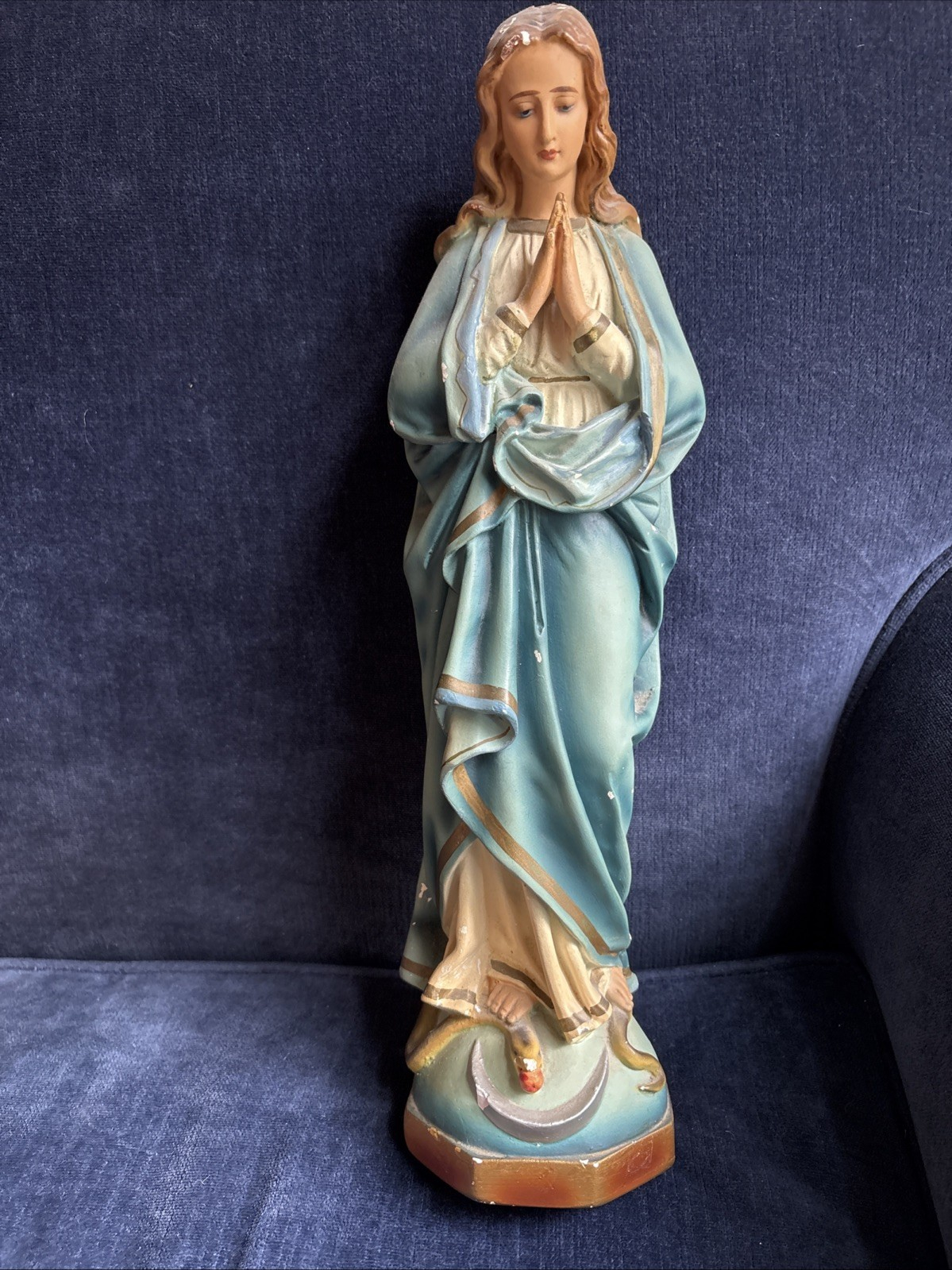
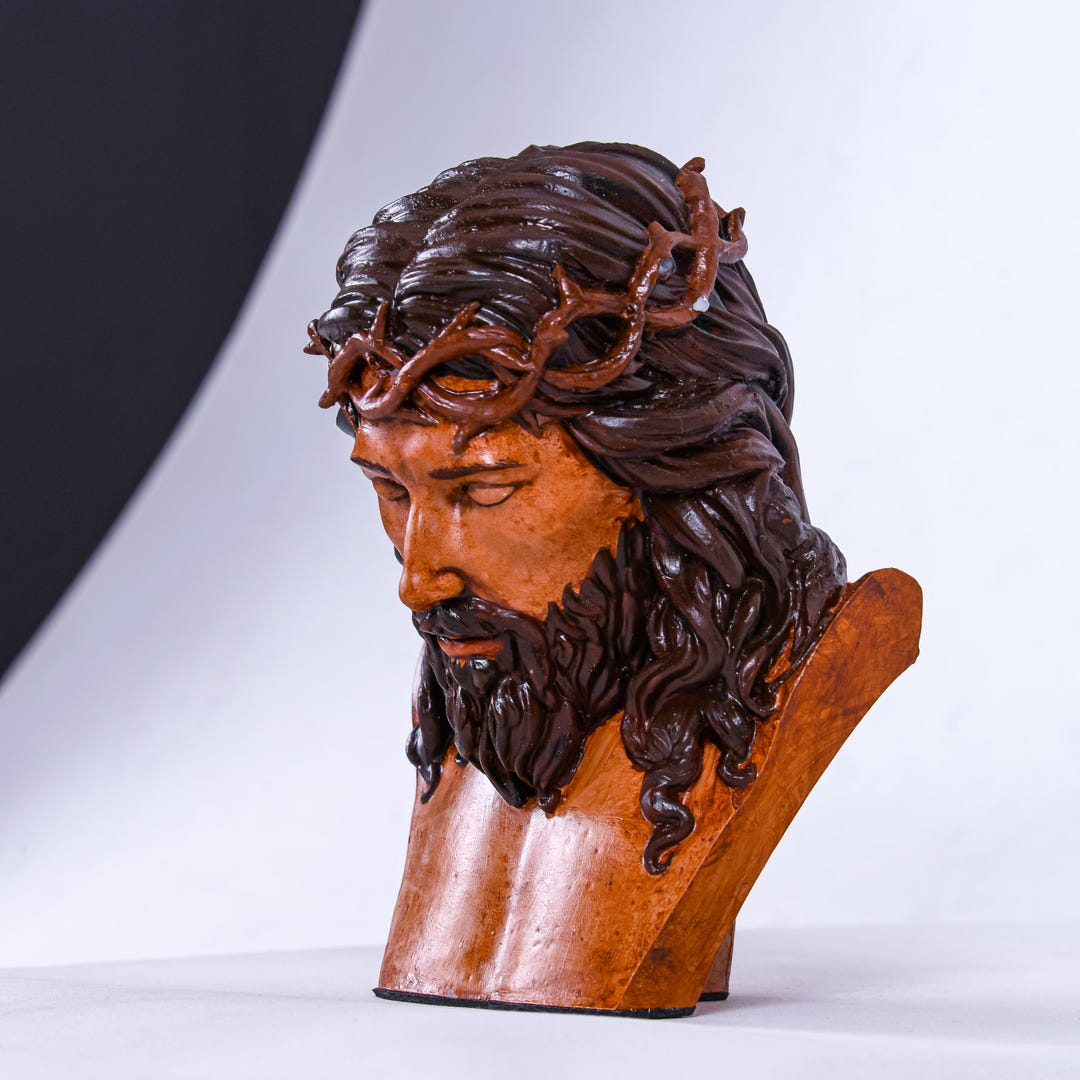
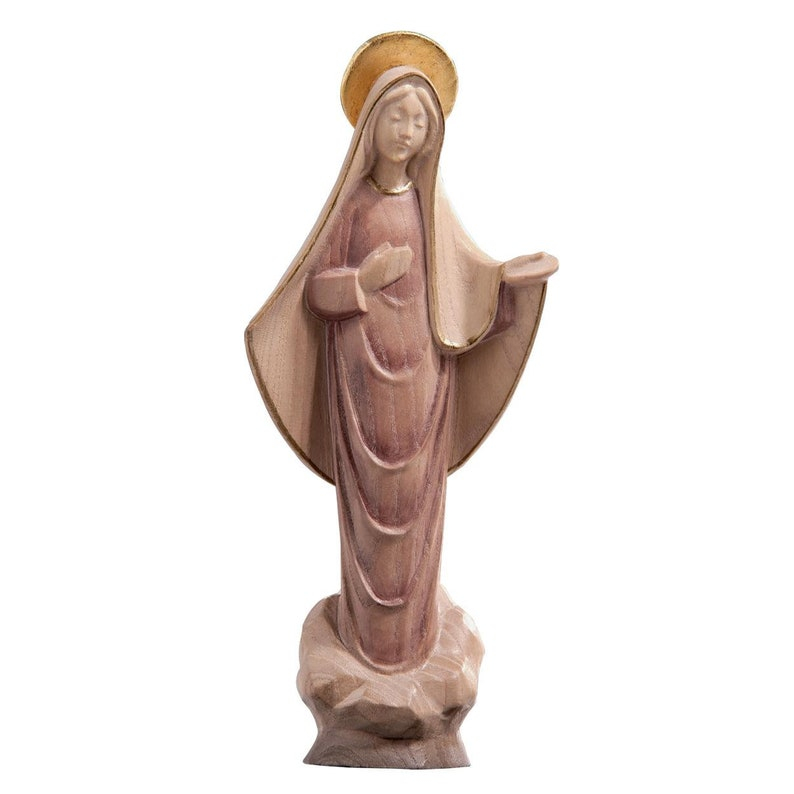
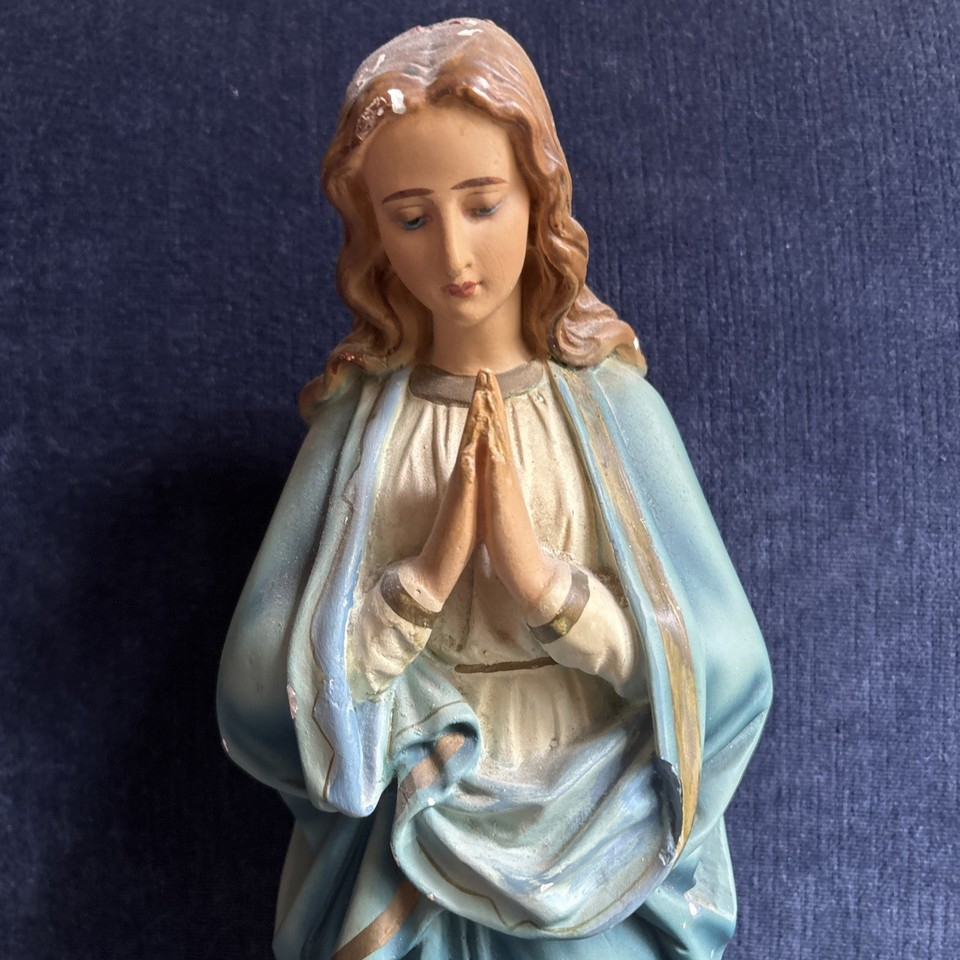
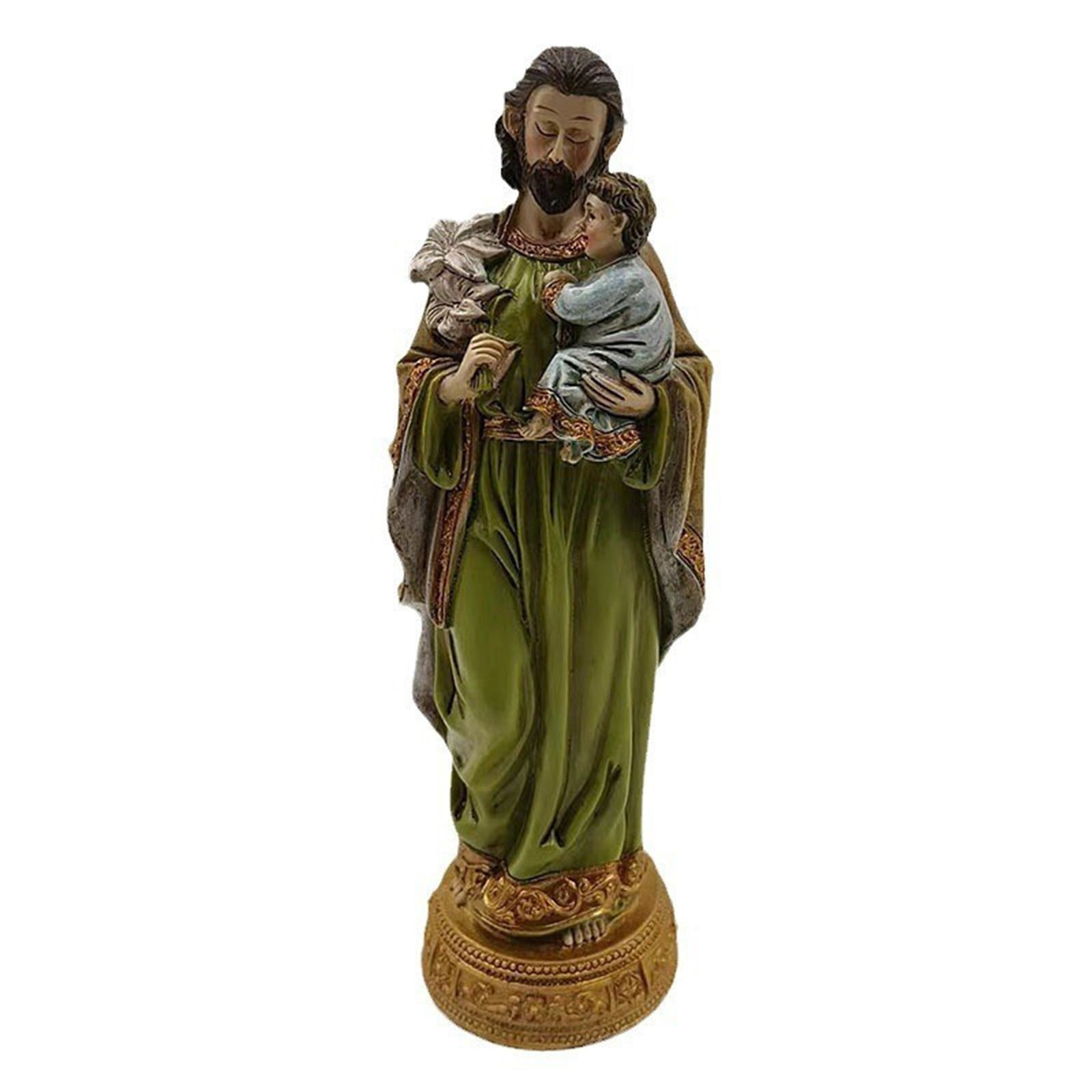
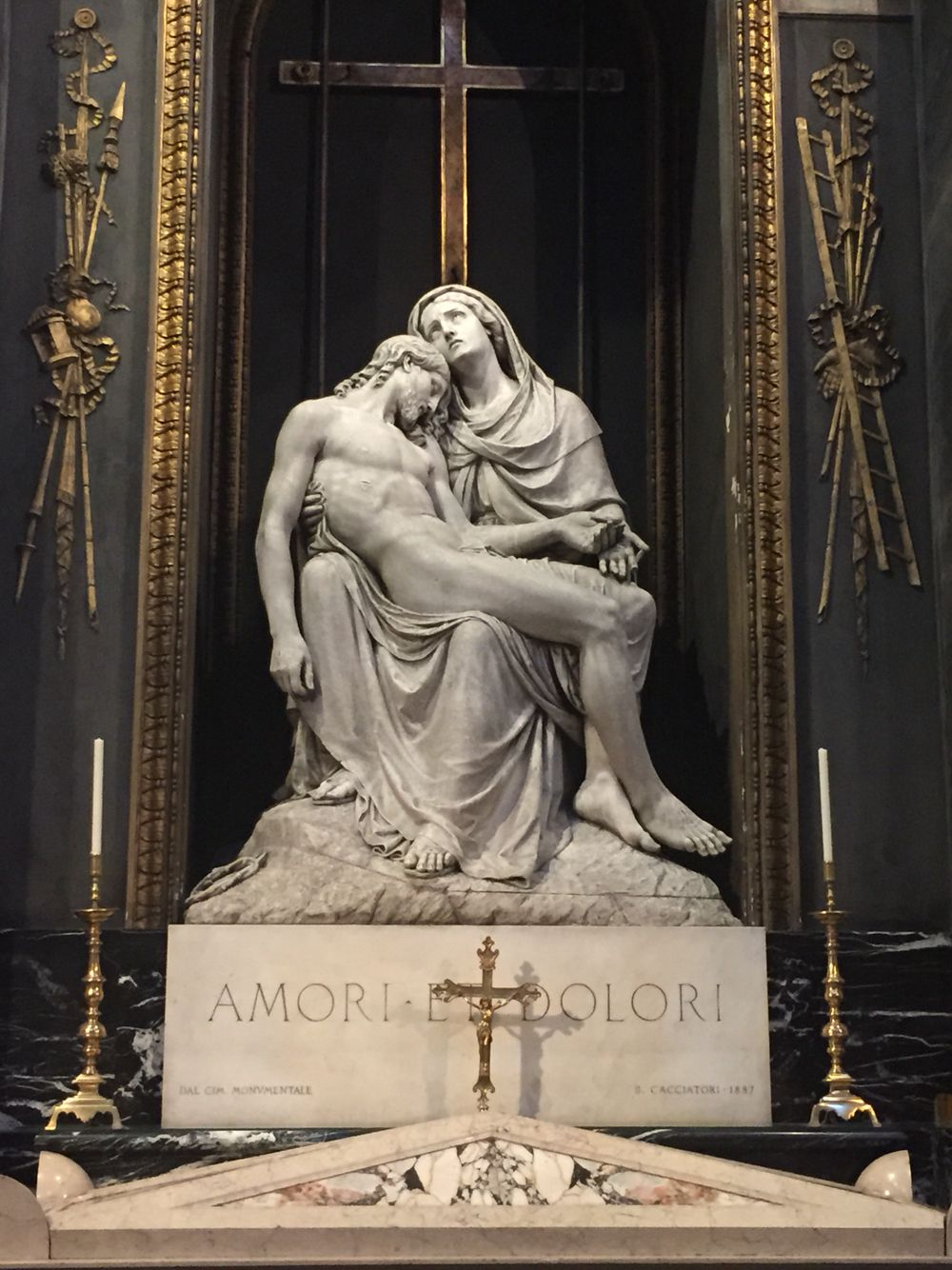
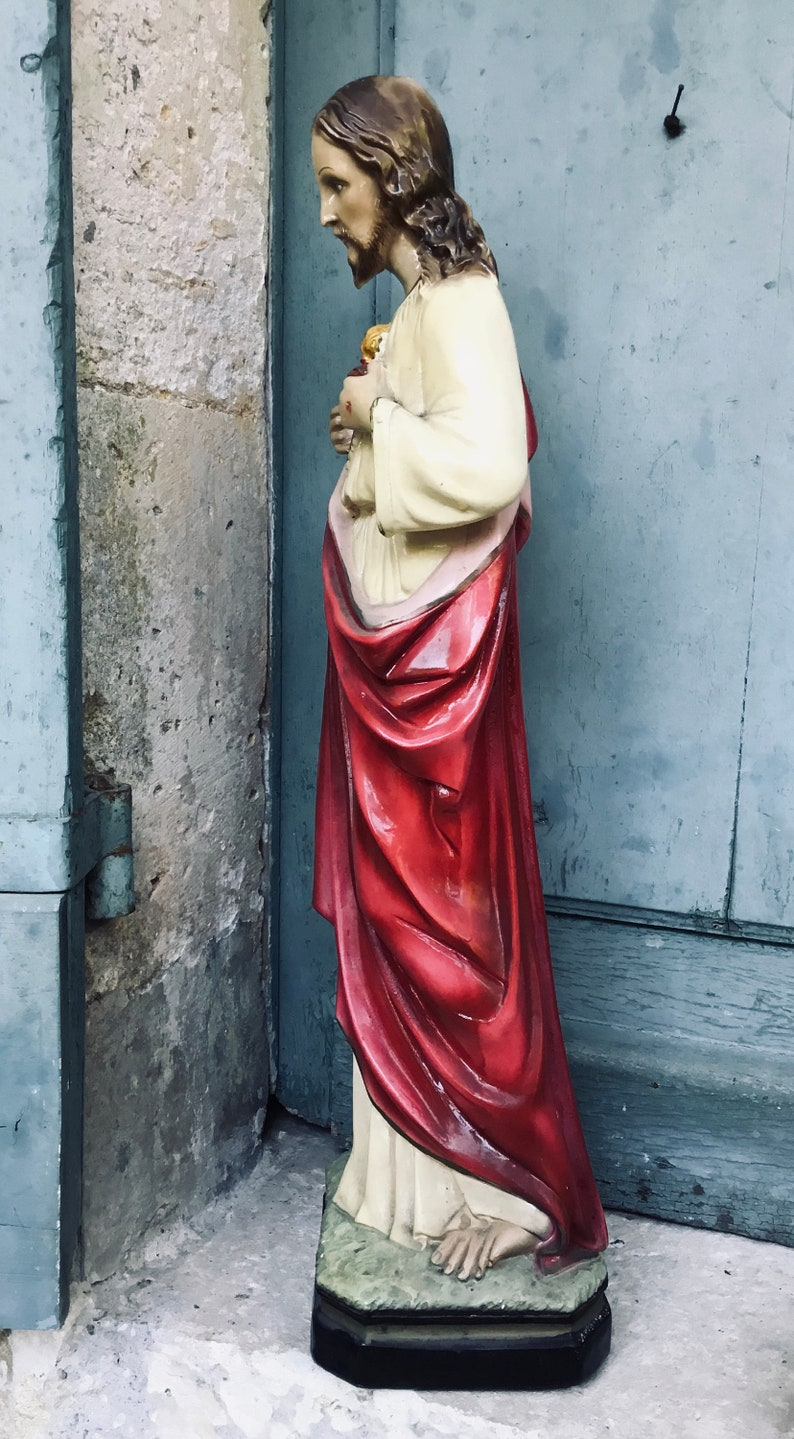
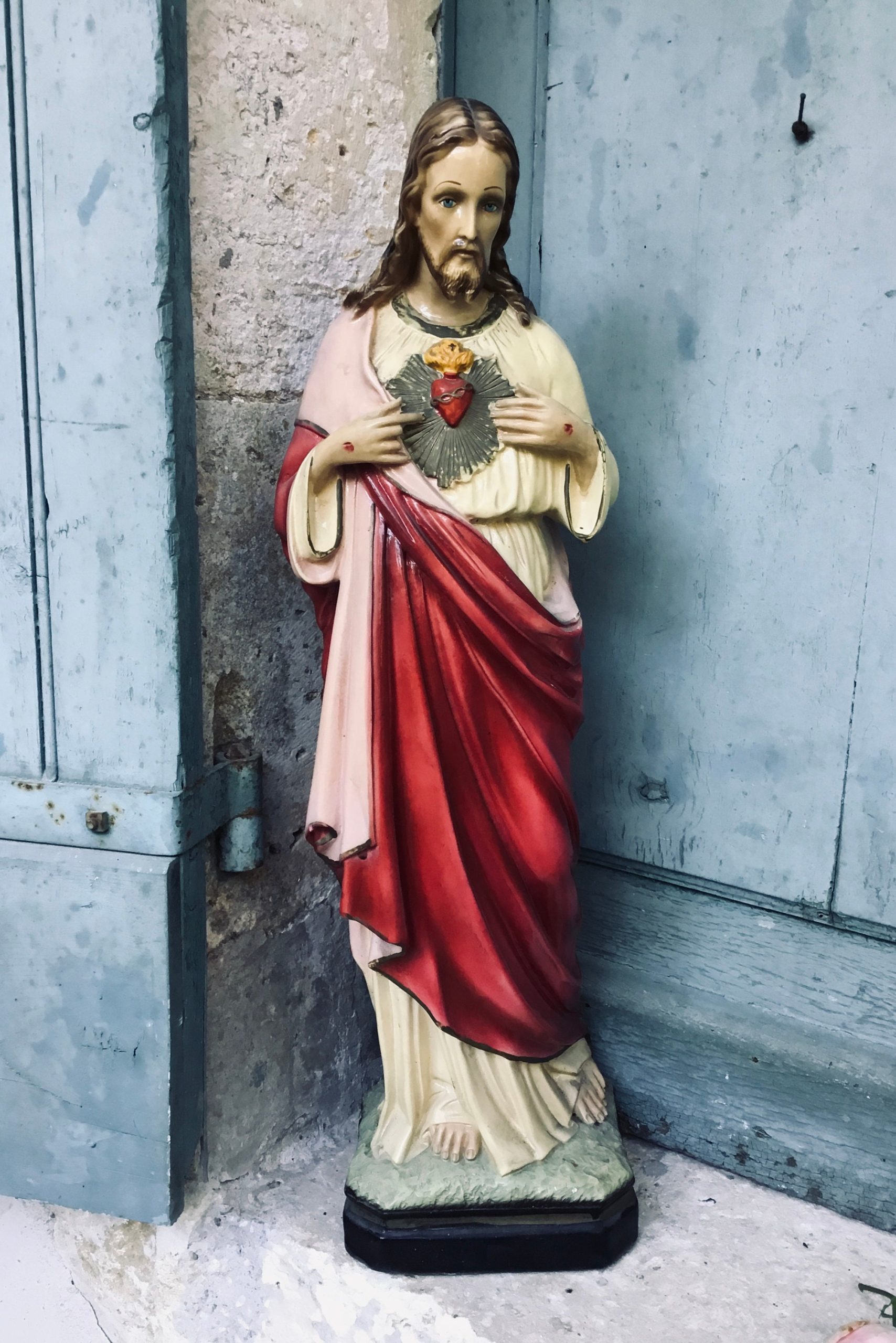
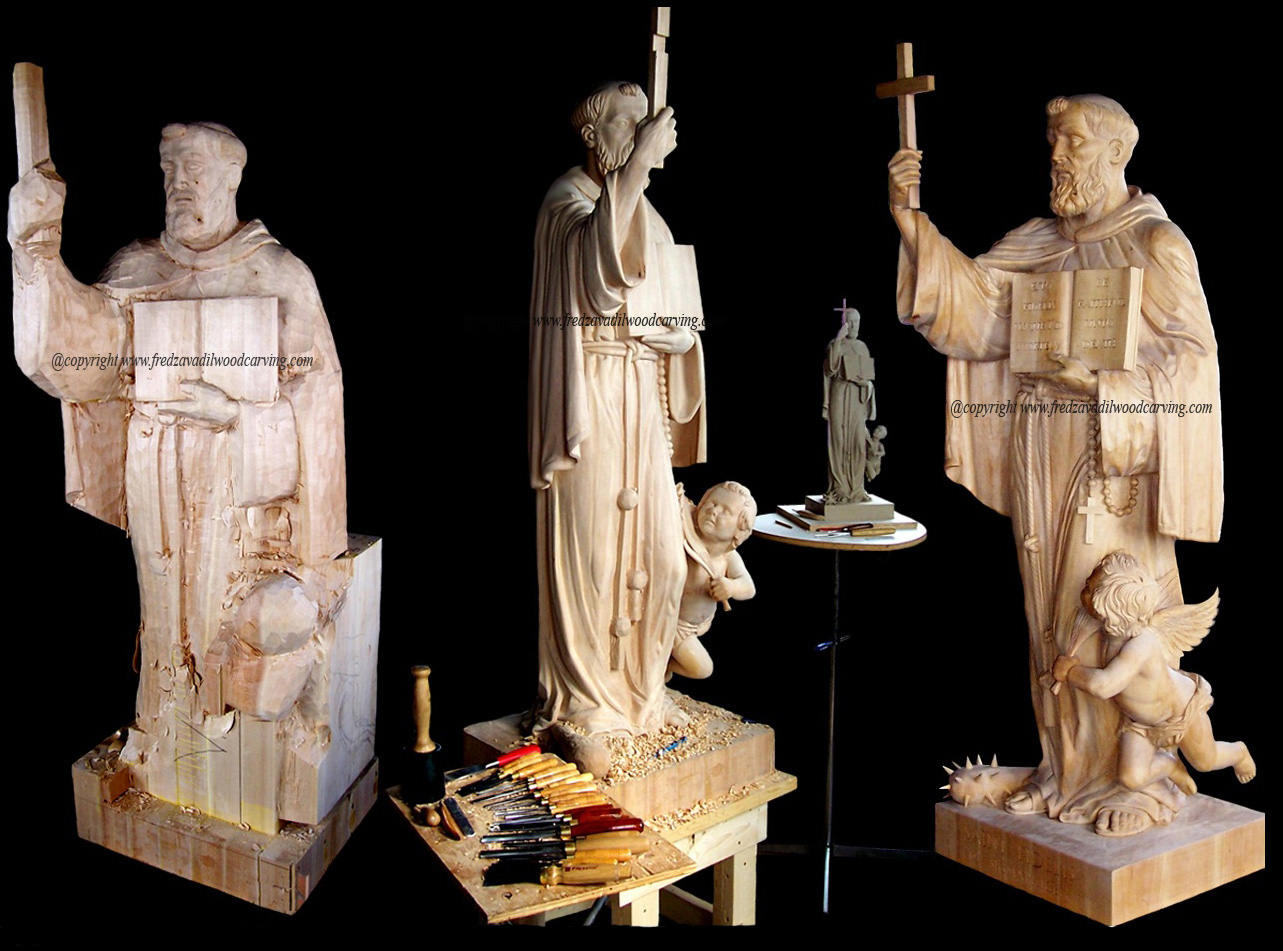
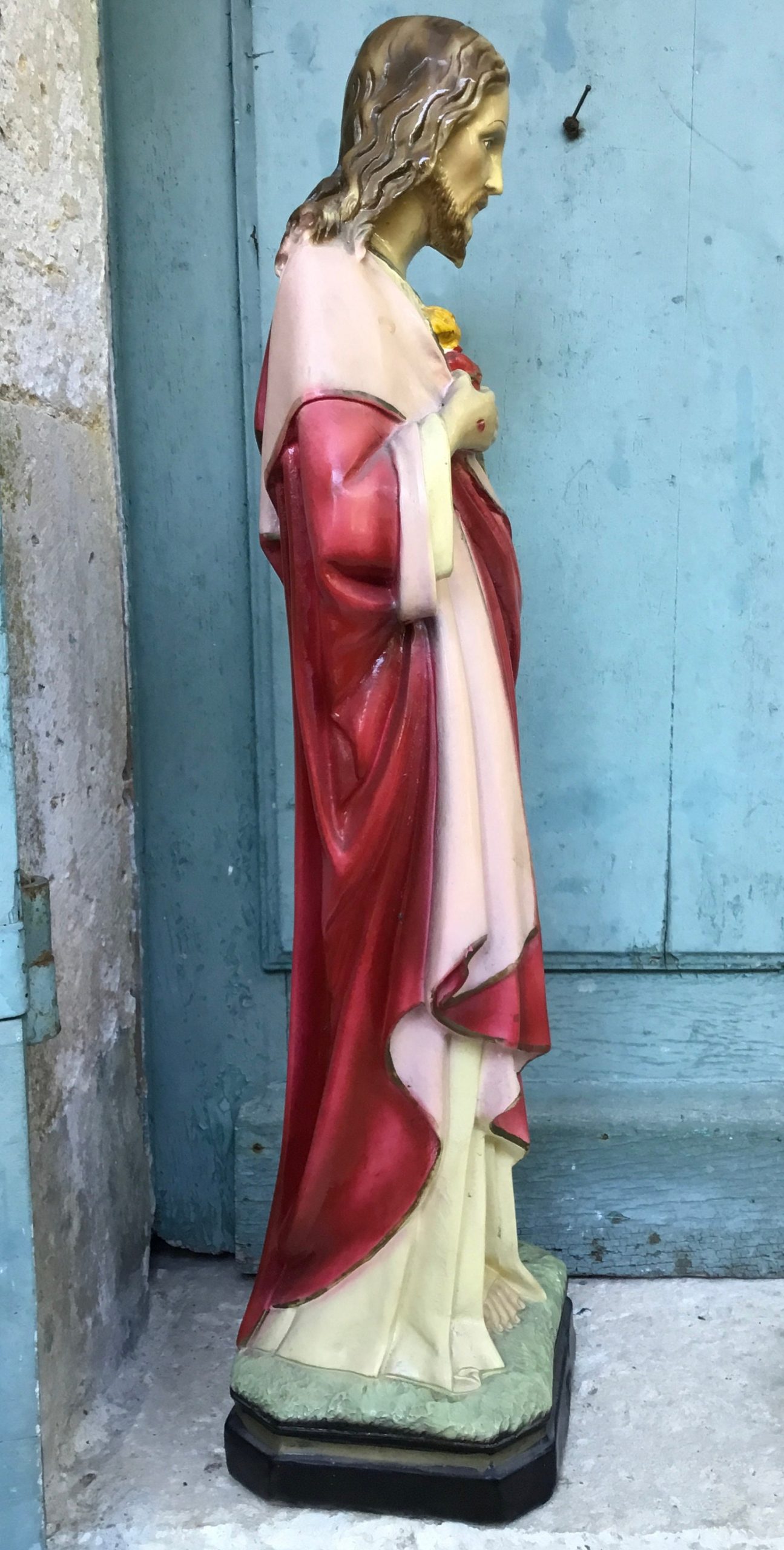
On the flip side, traditional heavy materials have evolved beautifully by 2026. High-quality cast stone, fiber-reinforced concrete, and specialized resins from brands like DesignToscano and LuxenHome offer the best of both worlds. They give you the intricate details of a hand-carved statue of the Virgin Mary or Saint Francis of Assisi, but they won’t crumble the first time the temperature drops below freezing.
Statues Versus Plaques: The Spatial Dilemma
A massive question for anyone designing a devotional walk—like an outdoor Stations of the Cross—is choosing between 3D figures and flat reliefs. Full-sized statues offer an incredible, immersive experience. They feel present with you in the space. However, they also require a lot of room and serious structural support so they don’t tip over.
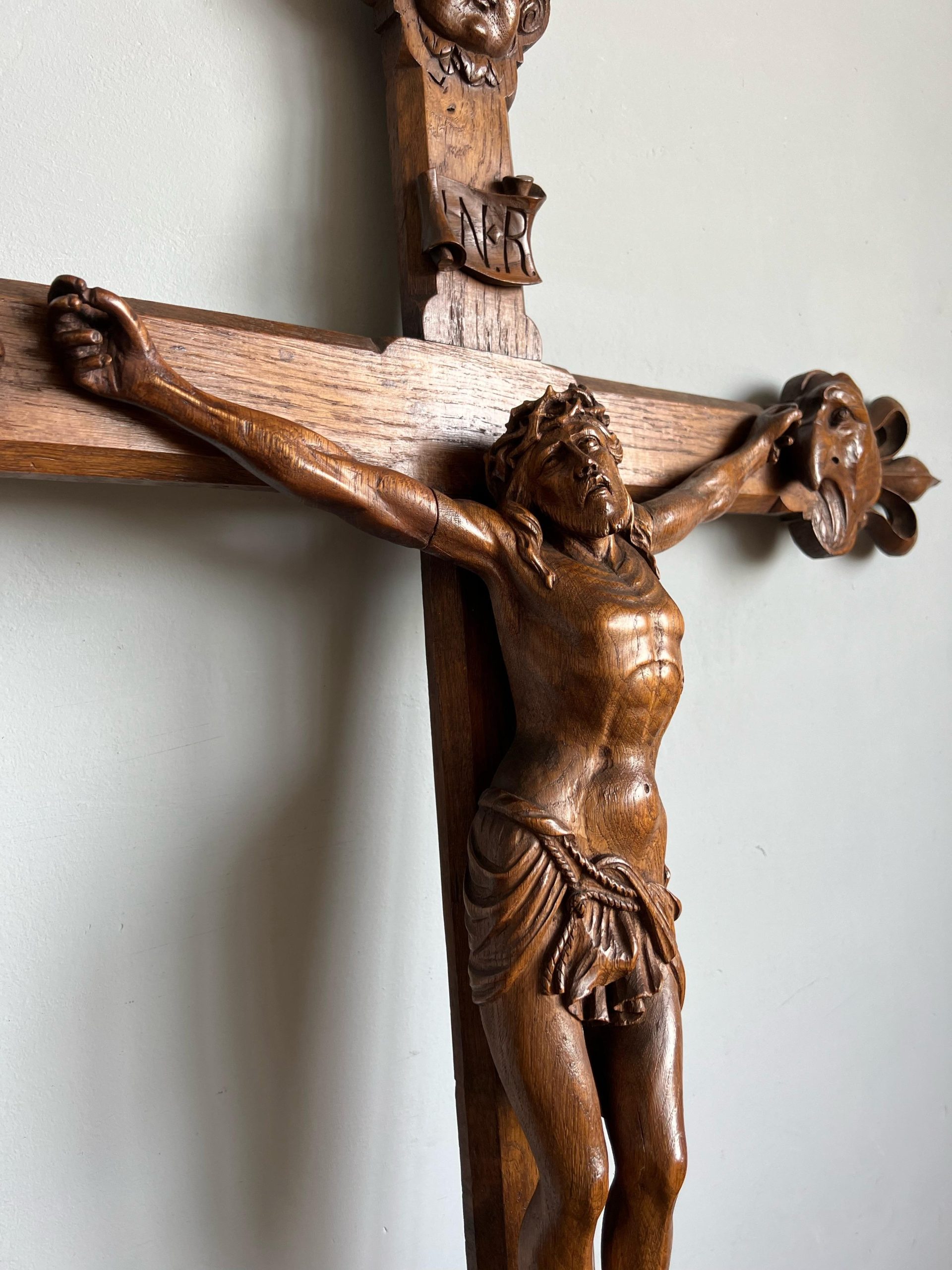
High-relief bronze plaques, mounted on stone walls or heavy wooden posts, are becoming huge in 2026 for tighter spaces. They offer a different kind of beauty, blending seamlessly into the landscape integration. They handle wind much better than a free-standing statue and can be set at the perfect eye-level mounting heights for people to touch and contemplate as they walk past.
Getting the Foundation Right
You could buy the most gorgeous, weather-resistant statue of Jesus on the market, but if you plop it straight onto the grass, you’re asking for trouble. Over time, moisture from the soil will seep into the base, causing mold, staining, or worse—the whole thing will start to lean like the Tower of Pisa. Safety and longevity start from the ground up.
Before your statue arrives, plan out a solid foundation. Pouring a small concrete pad or building a gravel drainage base is essential for larger pieces. Secure the figure to the base using heavy-duty anchor bolts or outdoor adhesive. Trust me, spending an afternoon leveling the ground and pouring gravel saves a ton of heartbreak later when the spring mud arrives.
Landscaping as a Living Frame
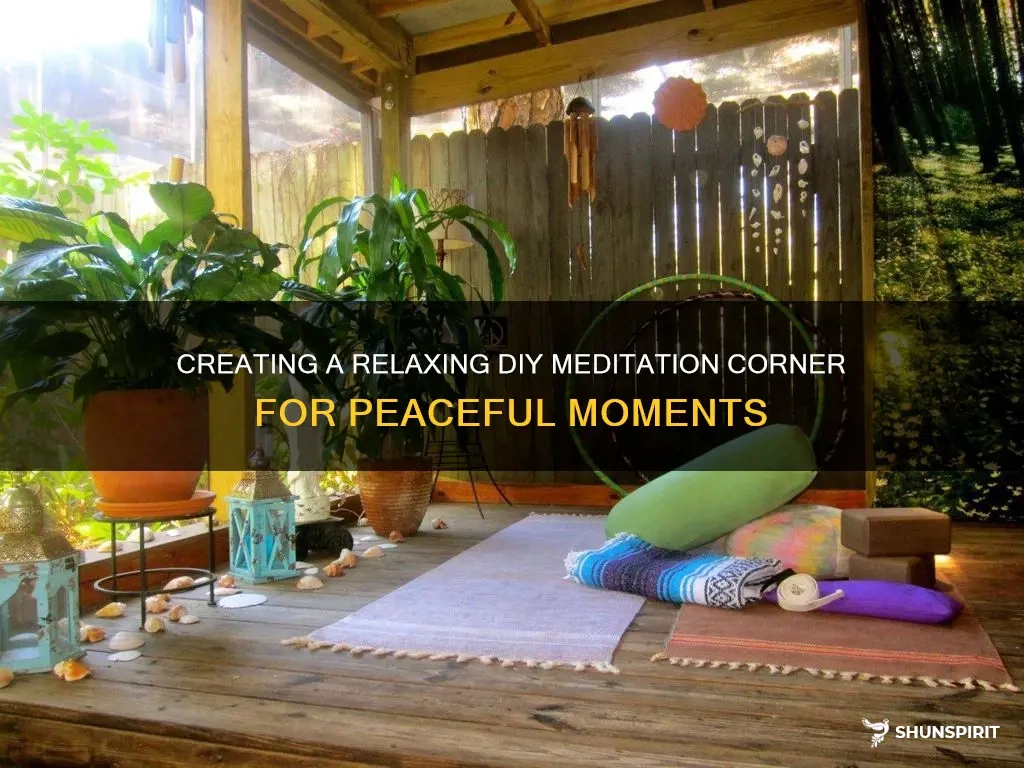
An outdoor prayer space shouldn’t feel like a museum exhibit dropped into a yard. It needs to breathe. The plants you choose to surround your sacred figures play a massive role in creating that feeling of a spiritual retreat. They can provide privacy, block out noisy traffic, and offer changing colors that mirror the seasons of faith.
The trick is choosing plants that won’t take over the space or damage your artwork. Avoid aggressive climbing vines that might choke a delicate Our Lady of Guadalupe statue or trap moisture against her painted details. Instead, opt for low-maintenance evergreen shrubs, soft mosses, and fragrant flowers like lavender or roses that invite bees and butterflies, adding to the sense of peace.
Weathering the Storms with Grace
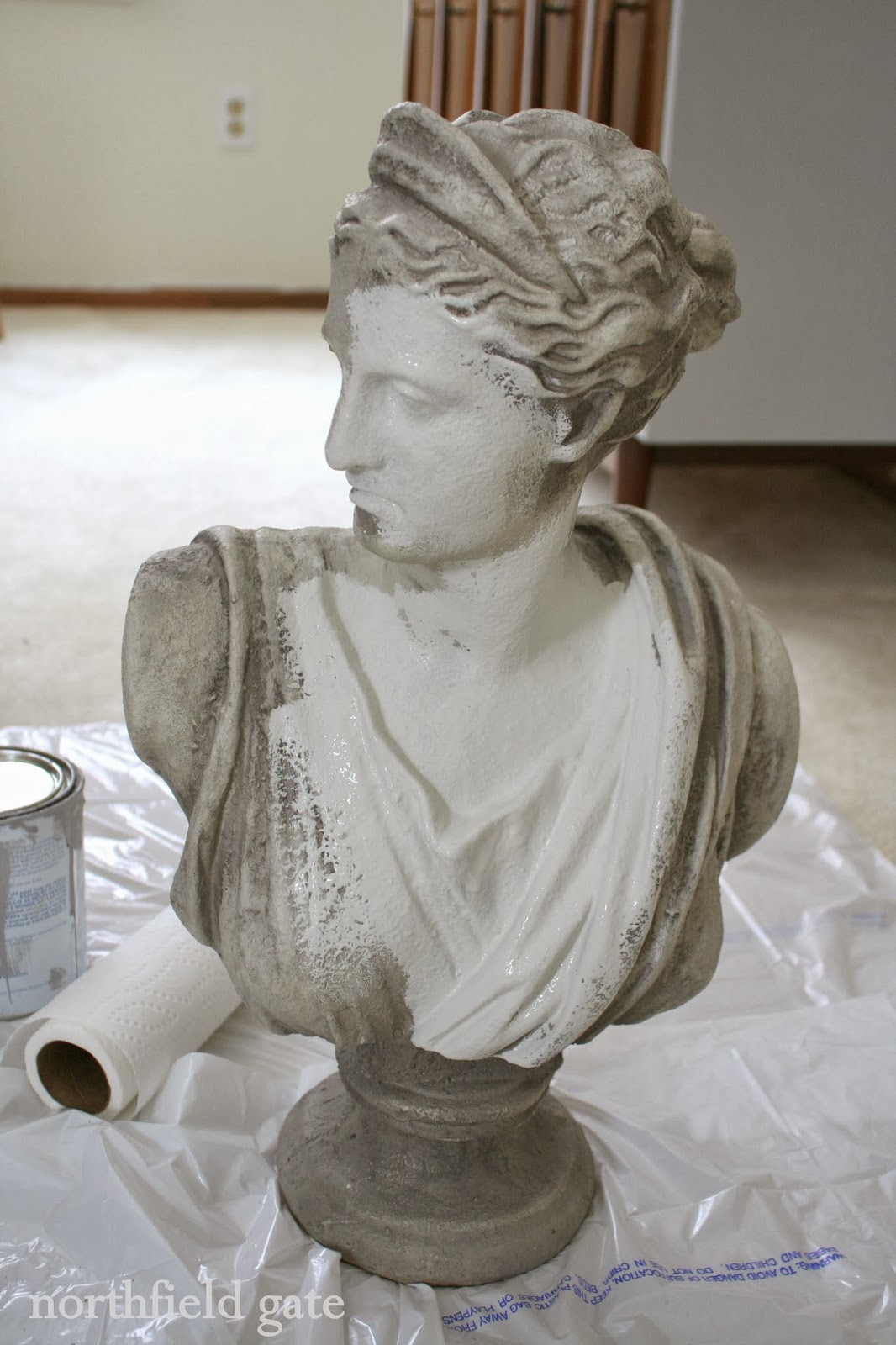
Let’s talk about the reality of outdoor wear and tear. Even the toughest outdoor Catholic statues are going to face UV rays, bird droppings, and acid rain. Part of honoring these spaces is committing to a little bit of seasonal maintenance. It is an act of devotion in itself, keeping the space clean and welcoming.
A simple wash with mild soap and water a couple of times a year does wonders. For painted finishes or resin pieces, applying a clear, UV-resistant protective spray coat every spring can prevent fading. If you live in a place with brutally cold winters, consider wrapping larger statues in breathable canvas covers or moving smaller ones into a shed until spring.
Ultimately, these spaces aren’t just about durability; they are about the people who use them. A successful outdoor sanctuary invites you to slow down, sit a while, and breathe. If a space feels too sterile or too fragile to touch, people won’t connect with it on a human level.
Think about adding a sturdy stone bench nearby so folks can rest. Position the focal points so they catch the soft morning or evening light. By focusing on both structural toughness and emotional warmth, you create a space that doesn’t just survive the weather—it becomes a timeless haven for the soul.
Building an outdoor devotional space is a beautiful journey. It forces us to think about the long game, matching our internal convictions with external materials that can go the distance. By picking the right stone or resin, preparing a rock-solid foundation, and choosing complementary plants, you ensure your garden remains a peaceful retreat for years to come.
Remember, perfection isn’t the goal here; consistency is. A slightly weathered statue nestled among blooming wildflowers often feels far more sacred than a pristine, untouchable monument. With a little planning and regular care, your outdoor sanctuary will stand strong, offering a quiet place for reflection through every season of life.