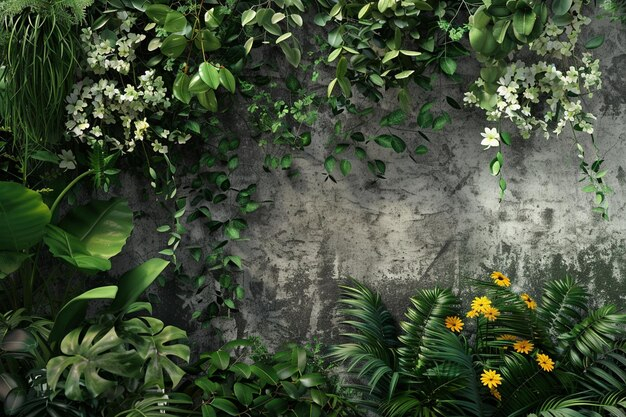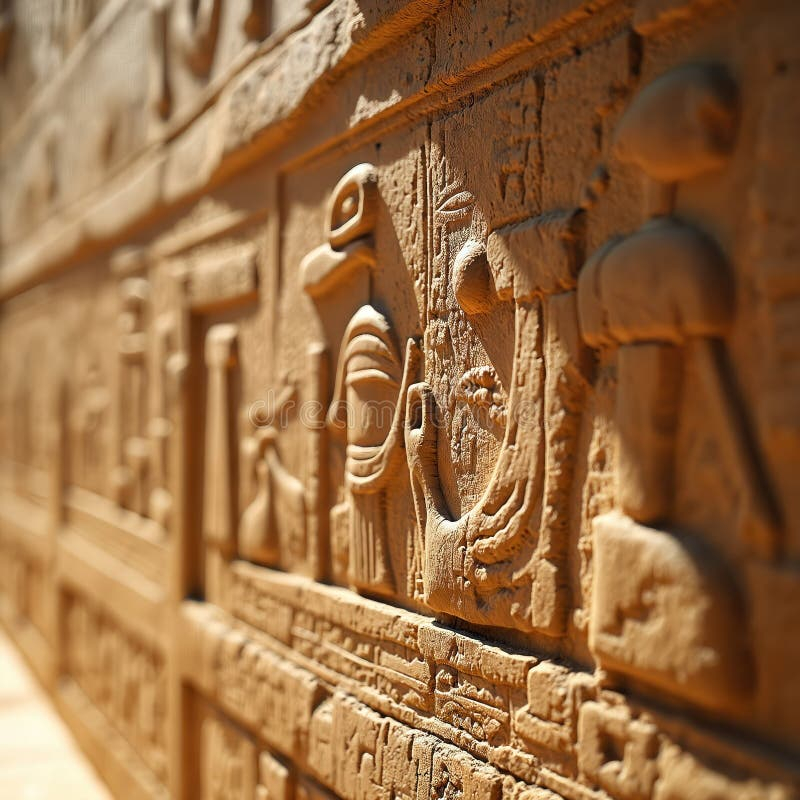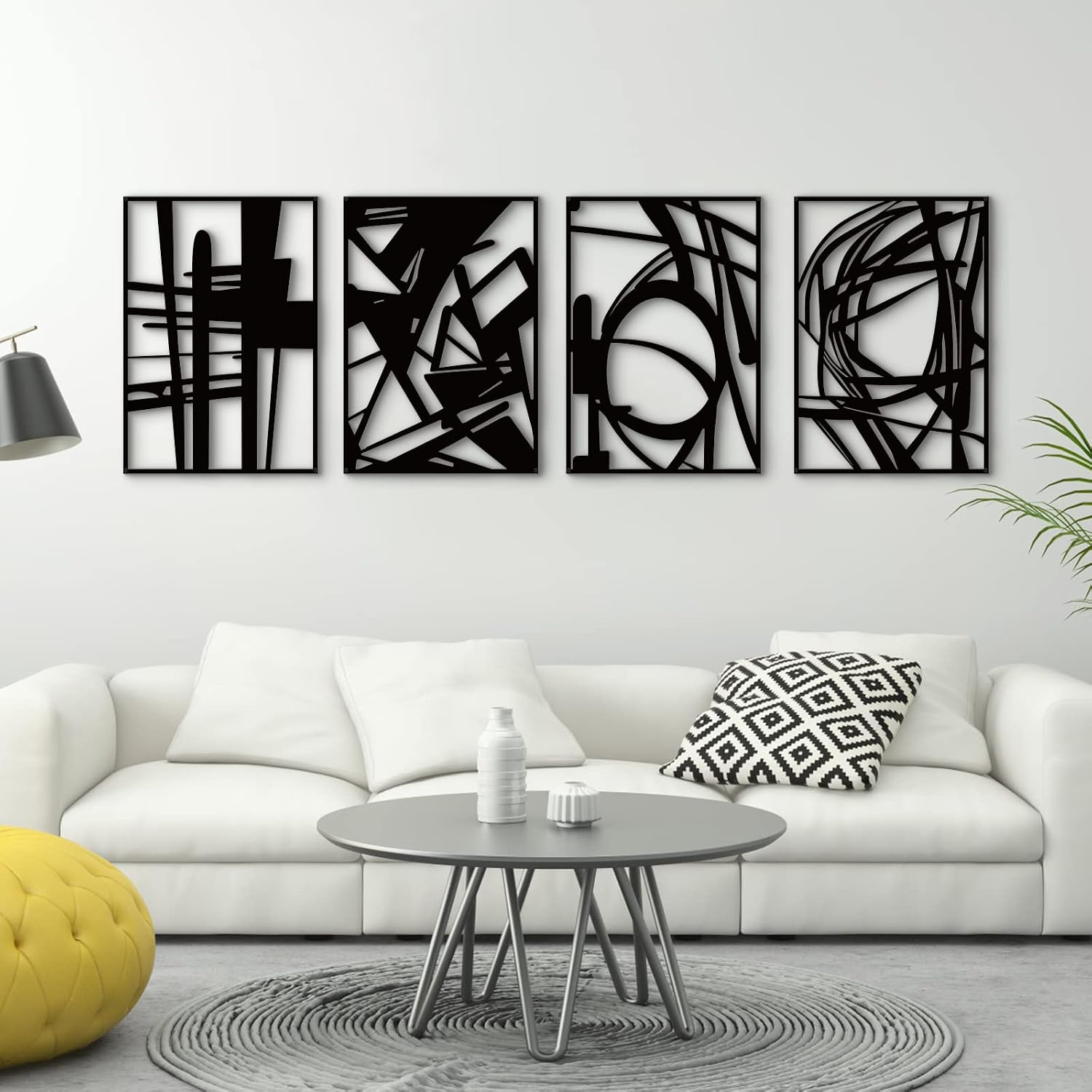
Have you ever walked down a historic street and found yourself completely hypnotized by the intricate carvings lining the upper walls? There is something magical about how older civilisations used stone and plaster to tell stories. Today, designers and builders are finding fresh ways to honor that legacy. They are looking at classic ornamentation through a modern lens, making old-school beauty feel right at home in current architecture.
When we talk about decorative building elements, it is easy to assume they belong exclusively in museums or ancient ruins. Yet, architectural styling keeps evolving. Creators now mix high-tech production methods with timeless motifs to create something entirely unique. At the center of this movement is a fascinating blend of historical reverence and fresh creativity, proving that great design never truly goes out of style.
The Roots of Classical Ornamentation
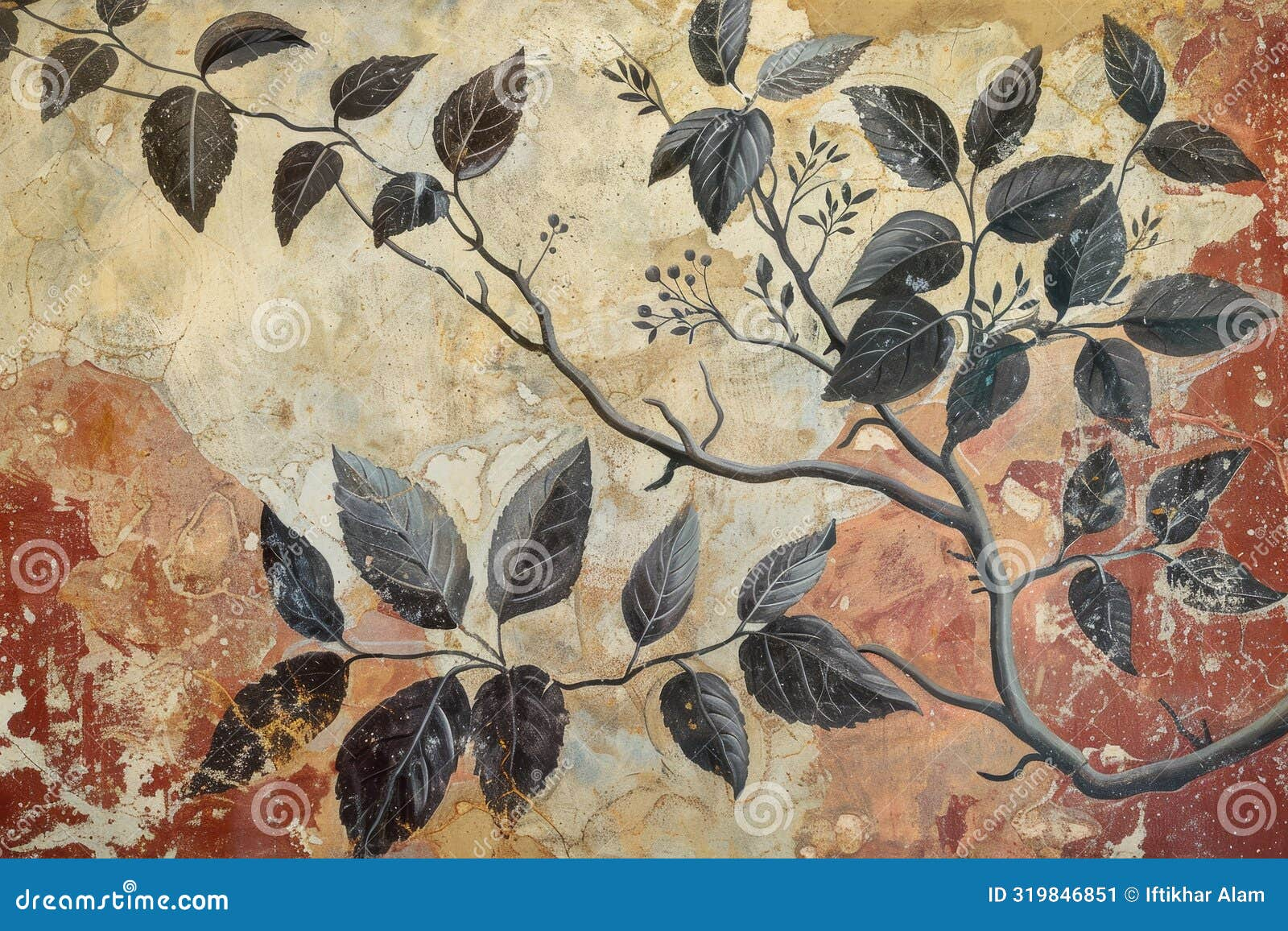
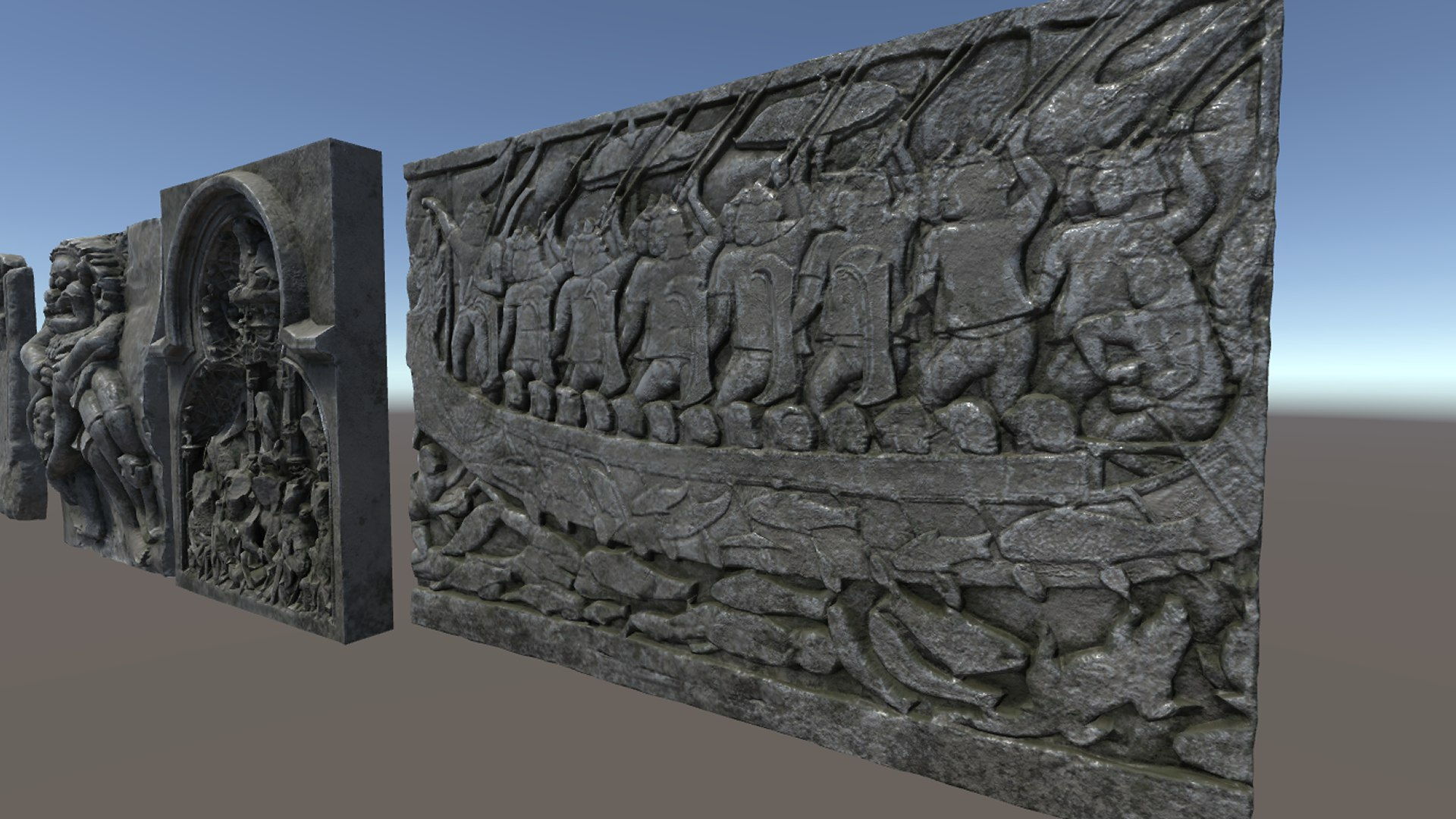
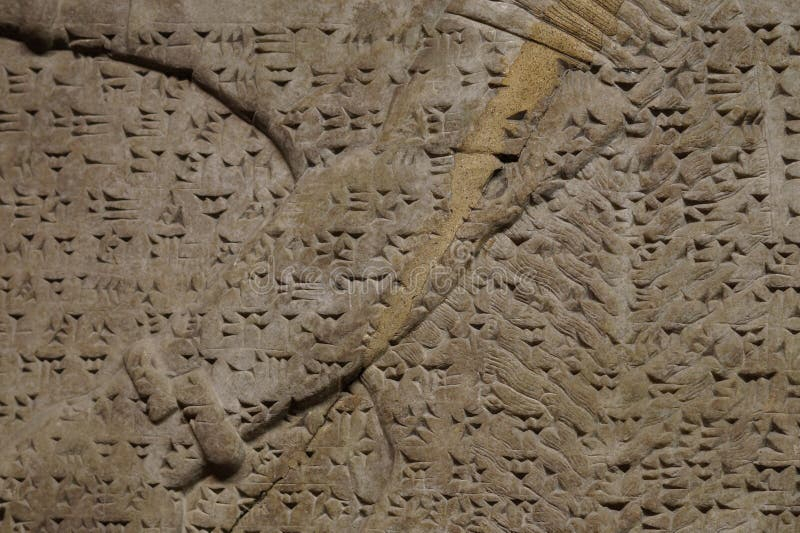
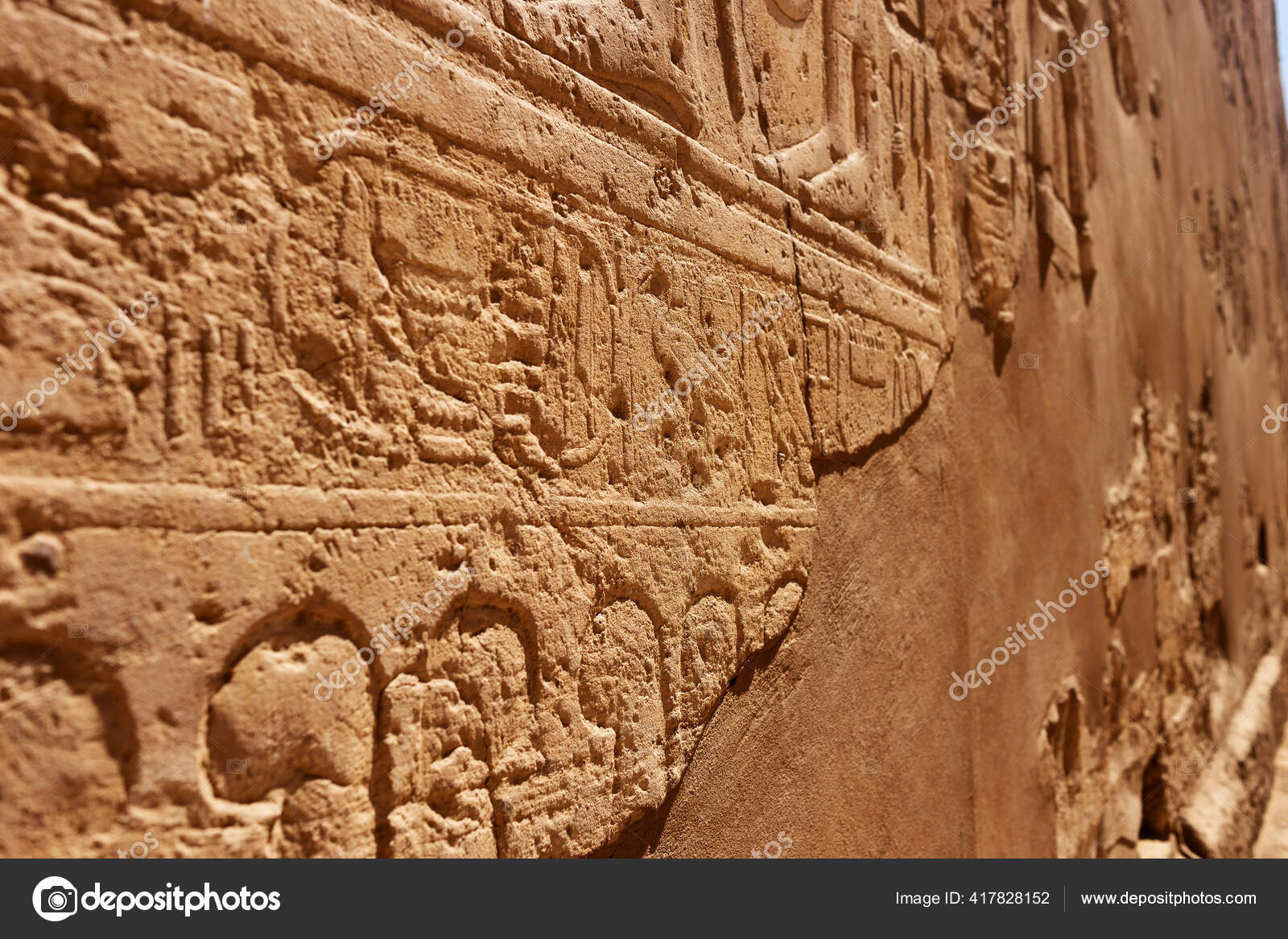
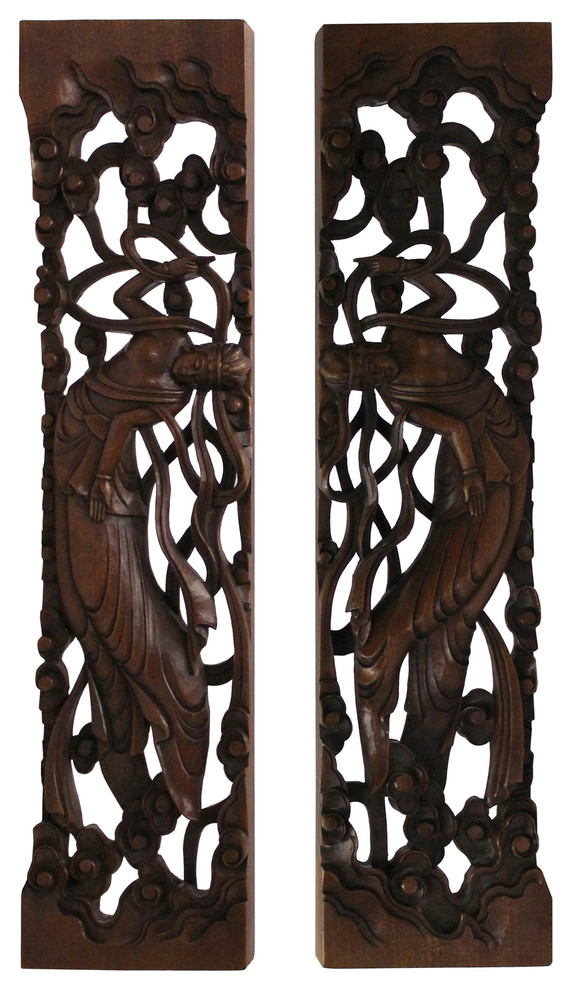
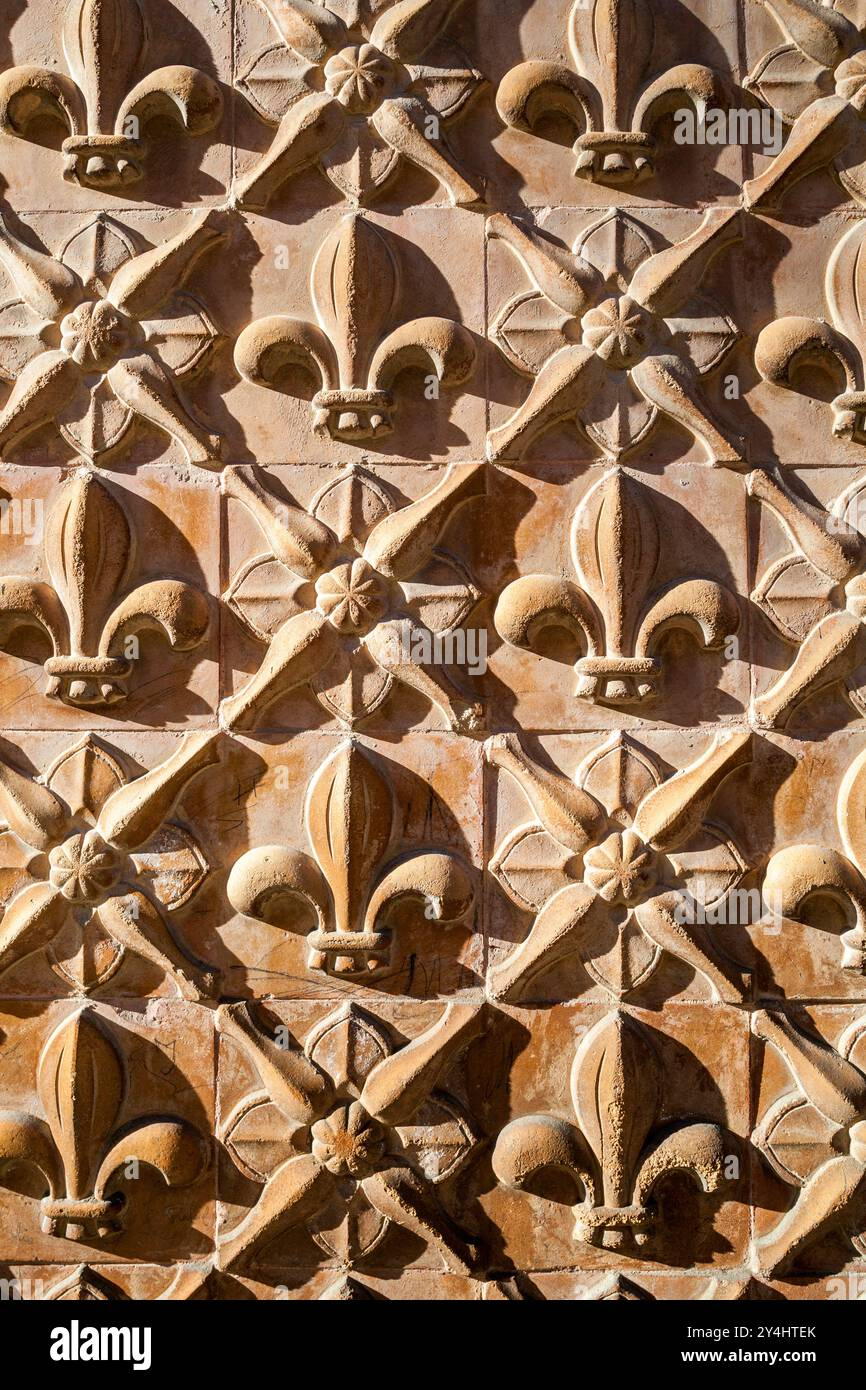
Long before modern concrete and steel took over our city skylines, master artisans spent months chiseling detailed flora into temple walls. These decorative bands, known as friezes, served as both structural caps and visual treats for the eye. Every carved leaf carried symbolic weight, often representing growth, prosperity, or protection. Craftsmen drew direct inspiration from nature, mimicking the graceful curves of acanthus and laurel plants in their daily work.
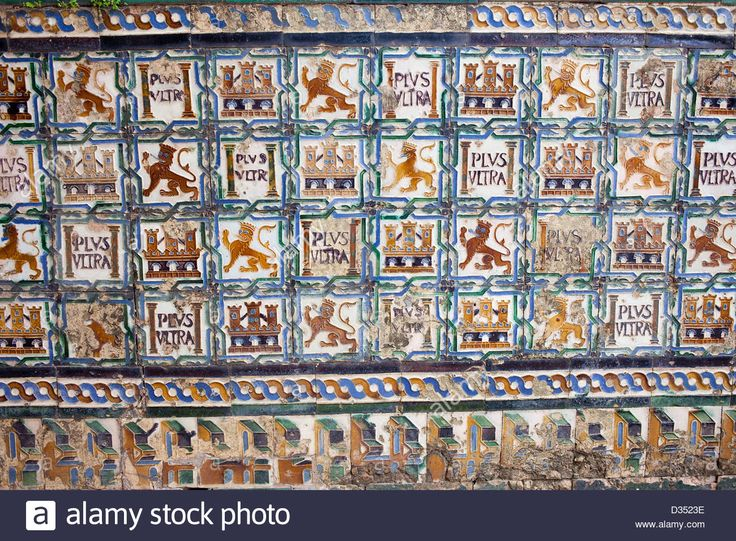
Over the centuries, these organic patterns traveled across empires, shifting from classical Greek facades into Renaissance palaces. Builders realized that adding a touch of natural geometry made massive stone structures feel more approachable and alive. When we look at these early techniques, we see a deep commitment to harmony. Every single curve was measured to catch the sunlight just right, creating shadows that gave flat walls a rich, breathing texture.
Transitioning From Ancient Stone to Modern Manufacturing
Fast-forwarding to 2026, the way we produce these ornamental details has changed dramatically. Hand-chiseling every single piece of stone is rare today because it takes too much time and money. Instead, modern production utilizes advanced molding and lightweight materials like fiberglass-reinforced polymers or engineered cast stone. This shift allows builders to capture every tiny detail of historical carvings without the crushing weight or exorbitant shipping costs of traditional granite.
Even with these new techniques, the core spirit of the craft remains completely unchanged. Digital design software helps makers scale and refine classic motifs with incredible precision. A contemporary builder can order custom elements that mimic centuries-old styles with absolute accuracy. This clever blend of old-world artistry and modern engineering opens up endless possibilities for architects looking to add character to plain buildings.
The Rise of the Leafy Medallion 15 Concept
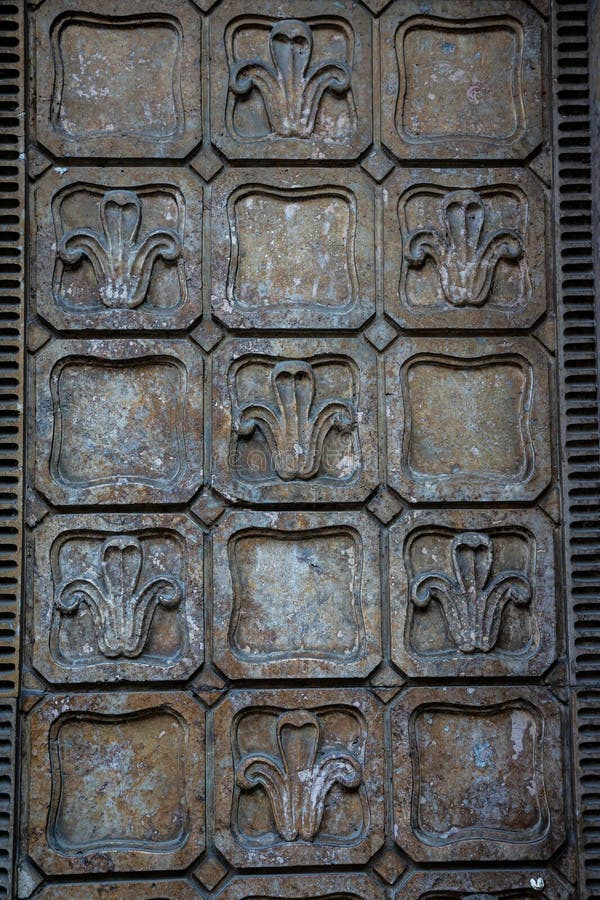
Among the various decorative components used by contemporary designers, specific standardized motifs have emerged as absolute fan favorites. A prime example is the classic 15-inch format characterized by intricate foliage and balanced symmetry. While simple in name, this specific sizing and layout strikes a sweet spot for modern residential and commercial facades. It is large enough to act as a bold focal point, yet compact enough to fit neatly onto lintels, entryways, and accent walls.
Designers love using this particular configuration because it bridges the gap between minimalist architecture and maximalist detail. When placed on a stark, contemporary concrete wall, a detailed circular floral casting creates an eye-catching contrast. It breaks up the monotony of blank surfaces and whispers stories of classical elegance without overwhelming the overall aesthetic of the property.
Integrating Classical Friezes into Contemporary Spaces
You might wonder how a historic frieze design fits into a sleek, glass-fronted apartment building or a modern suburban home. The secret lies in strategic placement and smart color choices. Instead of covering an entire facade in heavy stone carvings, today’s architects use selective accents. A single well-placed ornamental roundel can anchor an entire entryway, drawing the visitor’s eye upward and creating a welcoming atmosphere.
Another popular trend involves playing with monochromatic finishes. By painting historical relief patterns in matte black, crisp white, or soft charcoal, designers strip away the heavy, dated look of traditional stone. This monochrome approach lets the shadows and physical depth of the carving do all the talking. It brings classic shapes into the twenty-first century with effortless grace.
Texture and Depth in Modern Interior Design
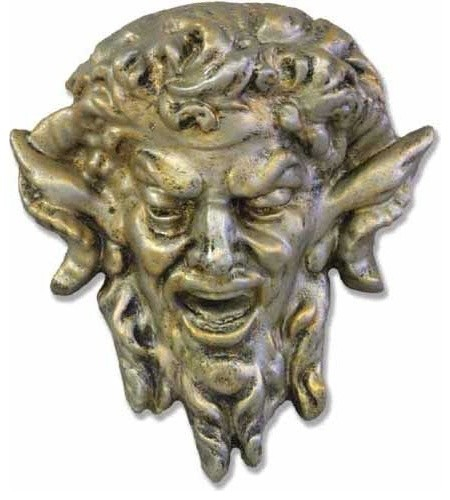
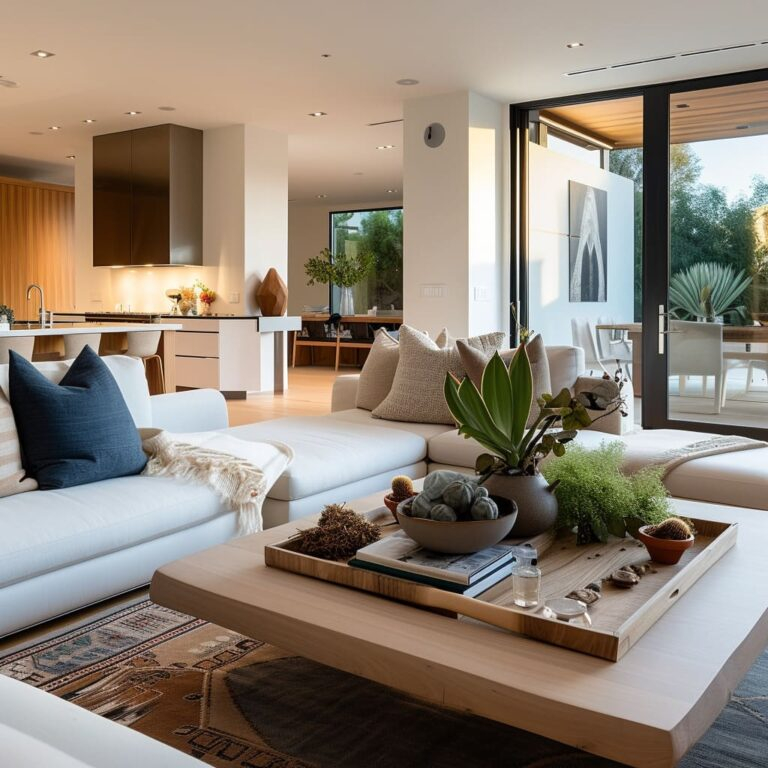
It is not just exterior facades getting a makeover; interior spaces are also welcoming these timeless motifs. Homeowners and interior decorators frequently use lightweight decorative medallions on ceilings, feature walls, and around modern lighting fixtures. These elements introduce tactile warmth into rooms that might otherwise feel too sterile or clinical due to an overuse of drywall and flat paint.
The interplay between light and shadow is crucial here. As indoor lighting shifts throughout the day, it hits the raised edges of the foliage design, casting dynamic shadows across the room. This adds a subtle layer of luxury and visual richness. It proves that you do not need massive renovations to transform a room; sometimes, a single thoughtfully chosen architectural detail is all it takes.
Sustainability and Durable Materials
In modern construction, beauty must always be paired with durability and sustainability. Traditional stone carvings often weathered poorly or required intensive maintenance to prevent cracking. Today’s architectural elements are engineered to withstand harsh weather conditions while keeping structural weight to an absolute minimum. Using resilient composite materials means these decorative pieces last longer, reducing the need for frequent replacements.
Furthermore, many manufacturers focus on local sourcing and eco-friendly production cycles. This minimizes the carbon footprint associated with shipping heavy architectural goods across continents. By combining sustainable manufacturing practices with classic, enduring designs, the industry is paving the way for a greener future. Buildings can now look historically rich while meeting modern environmental standards.
As we navigate through 2026, the conversation around architecture continues to shift toward meaningful design. People want buildings that tell a story and connect them to a broader cultural history. The revival of classical friezes and floral medallions is a direct response to this desire for authenticity. We are learning to balance the clean lines of modernism with the soulful warmth of historic craftsmanship.
Ultimately, these design choices remind us that architecture is an art form meant to be felt, not just seen. Whether you are planning a massive commercial project or simply updating your home entryway, embracing these timeless motifs can elevate any space. By honoring the past while using the tools of today, we create buildings that will continue to inspire generations to come.