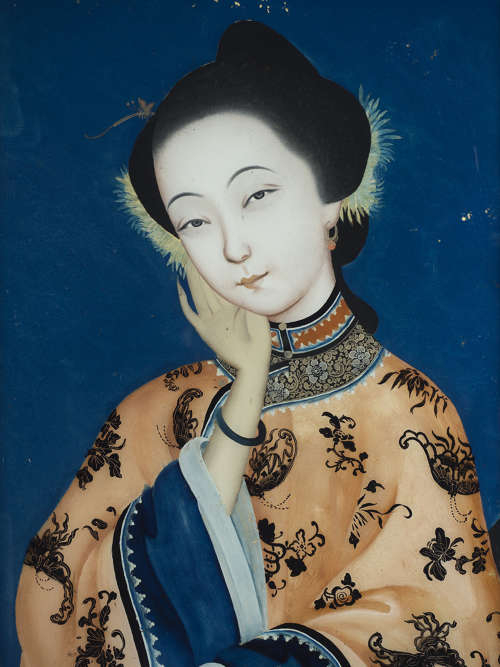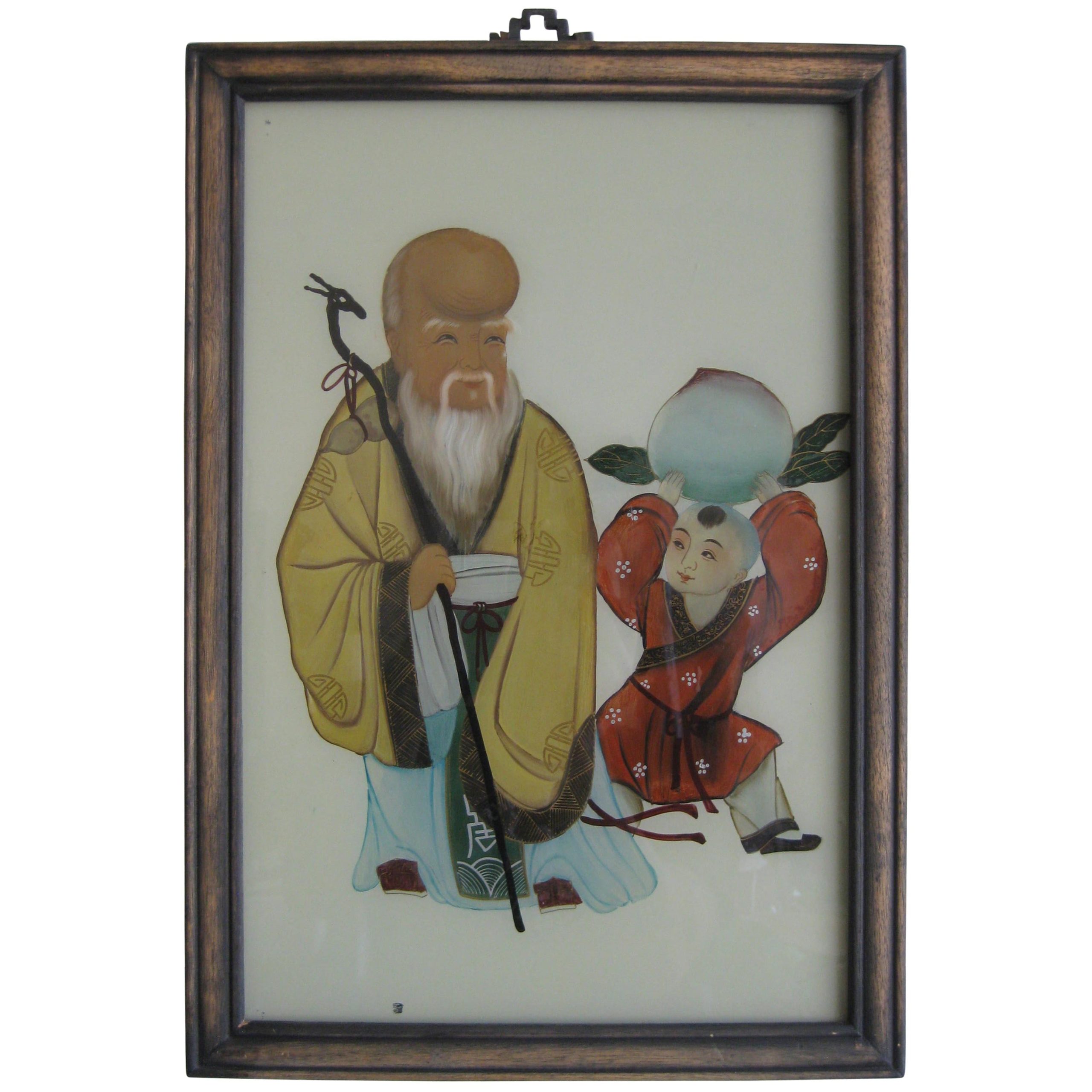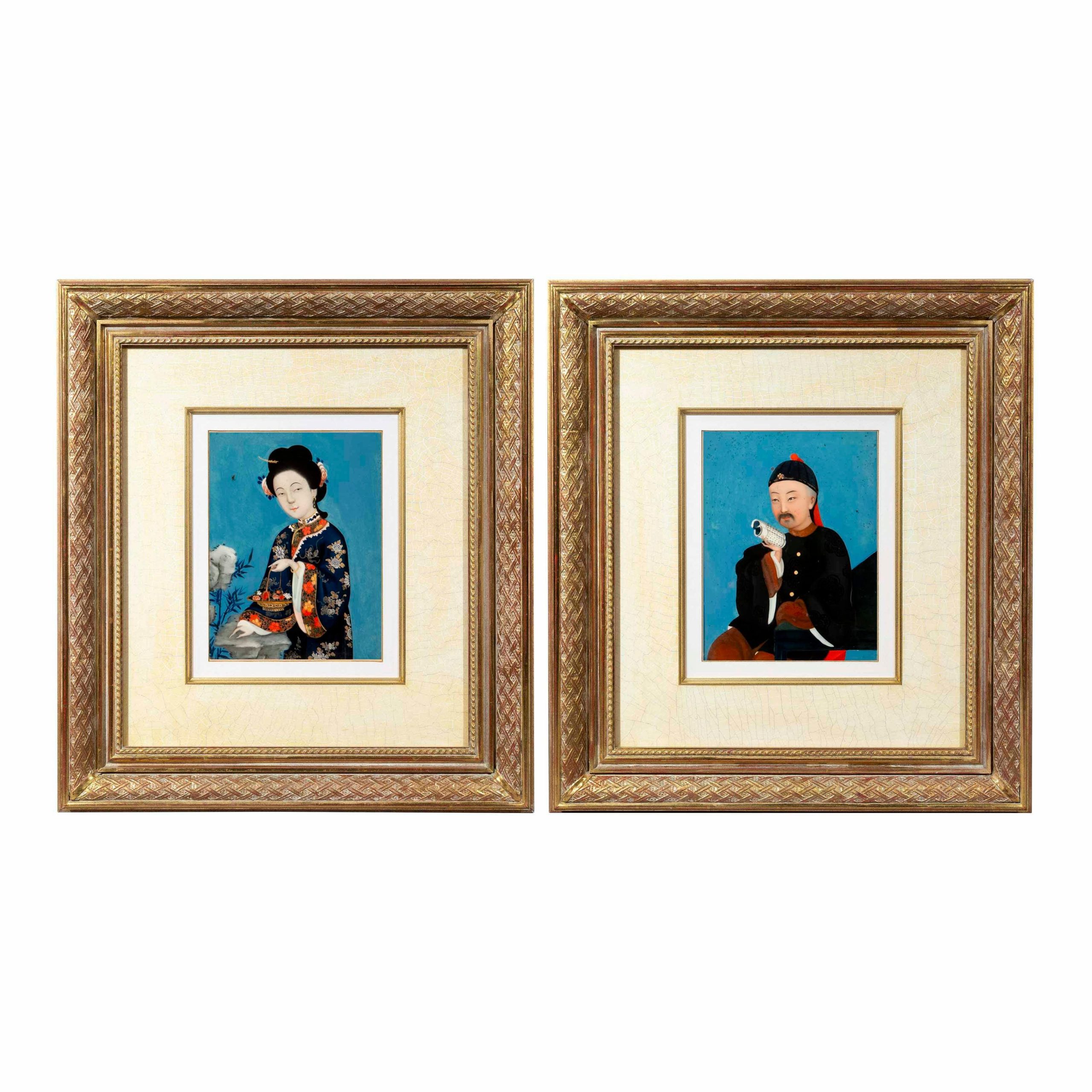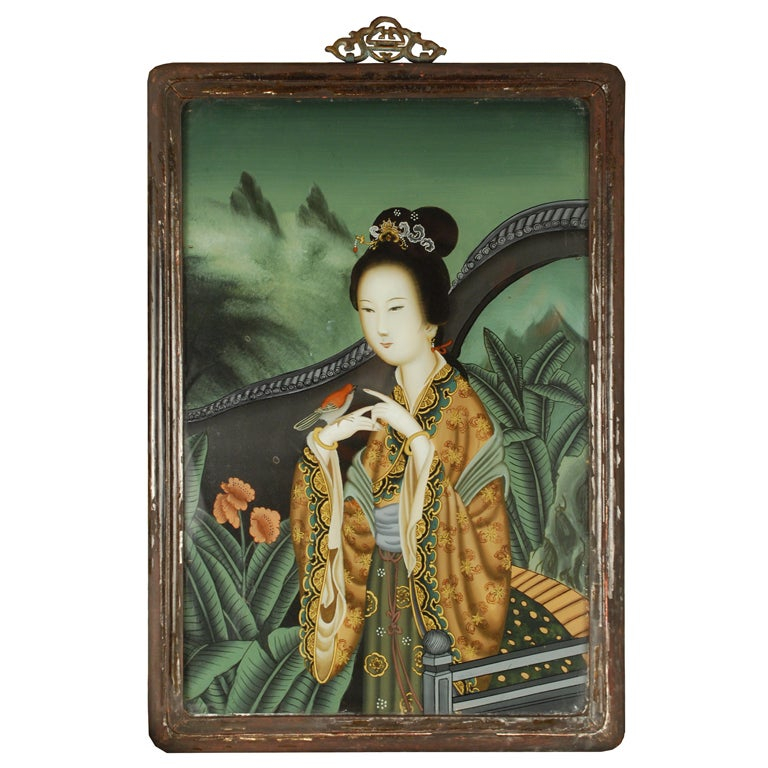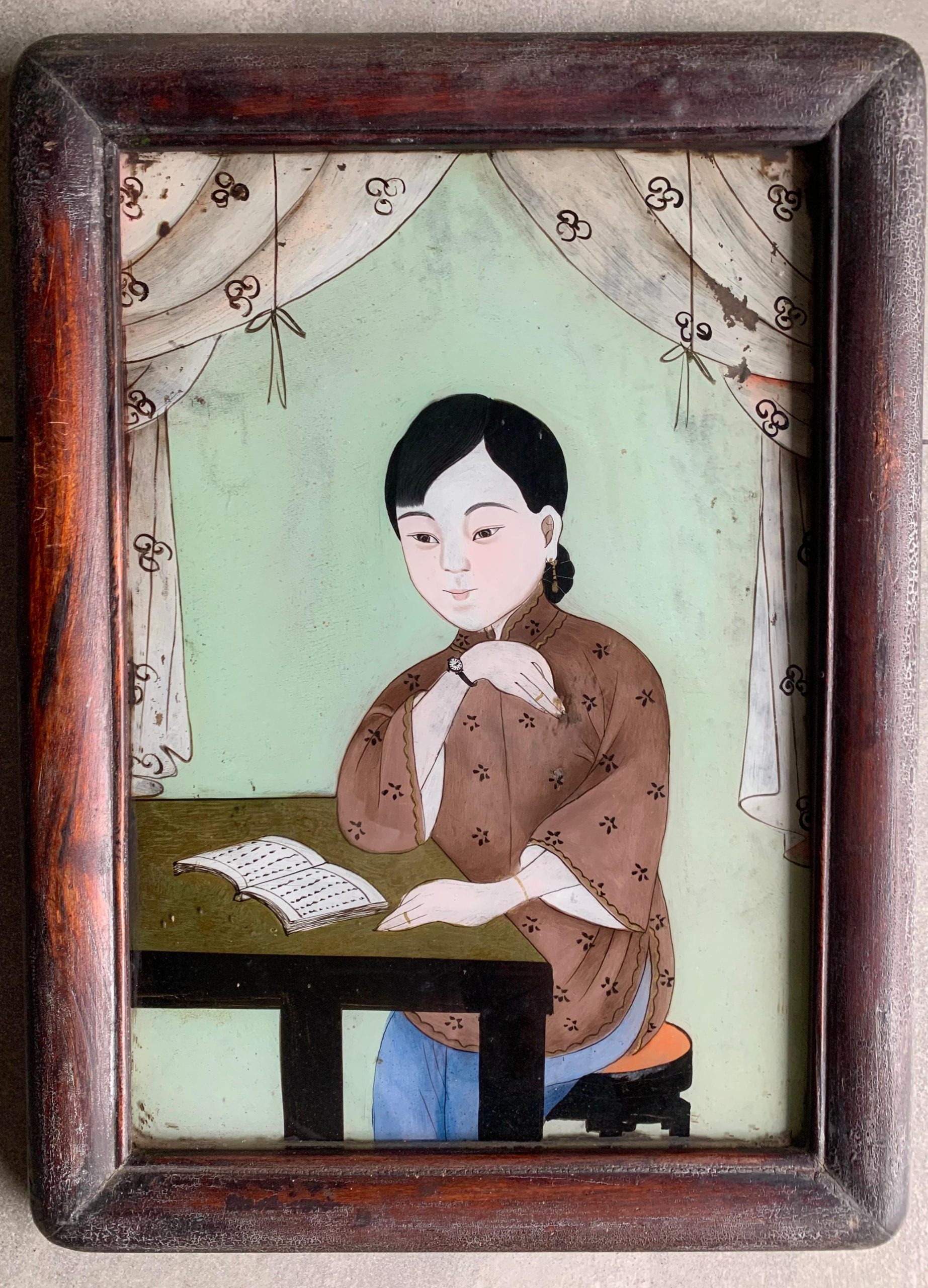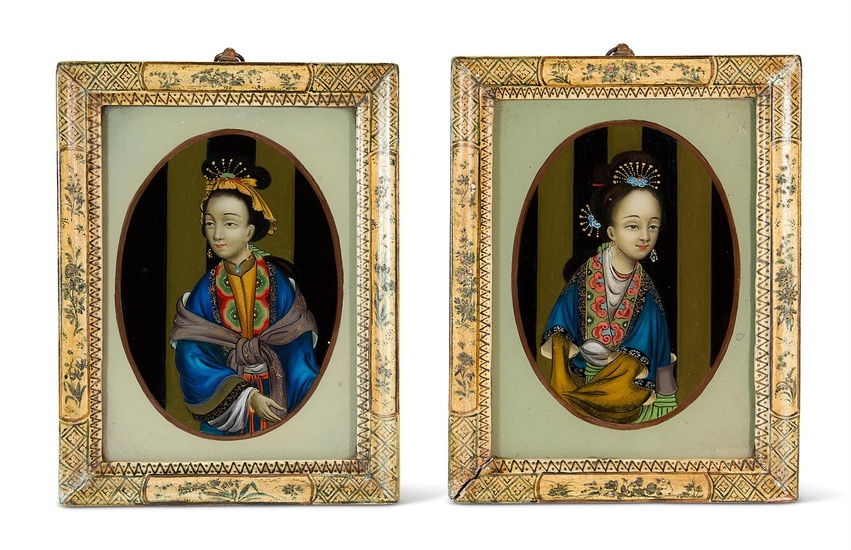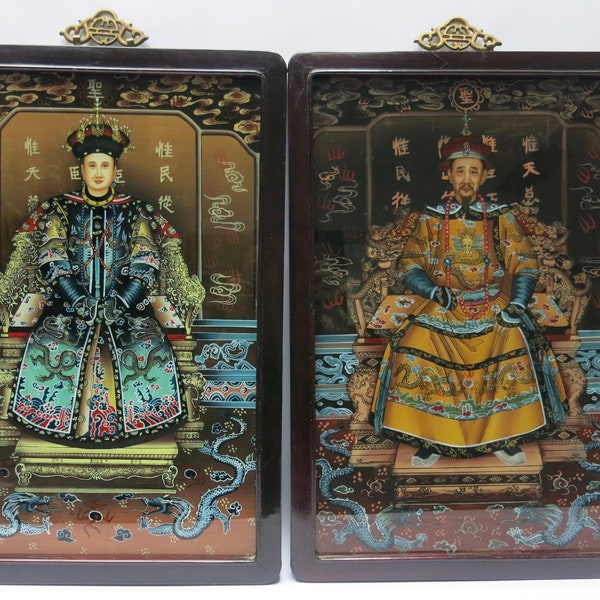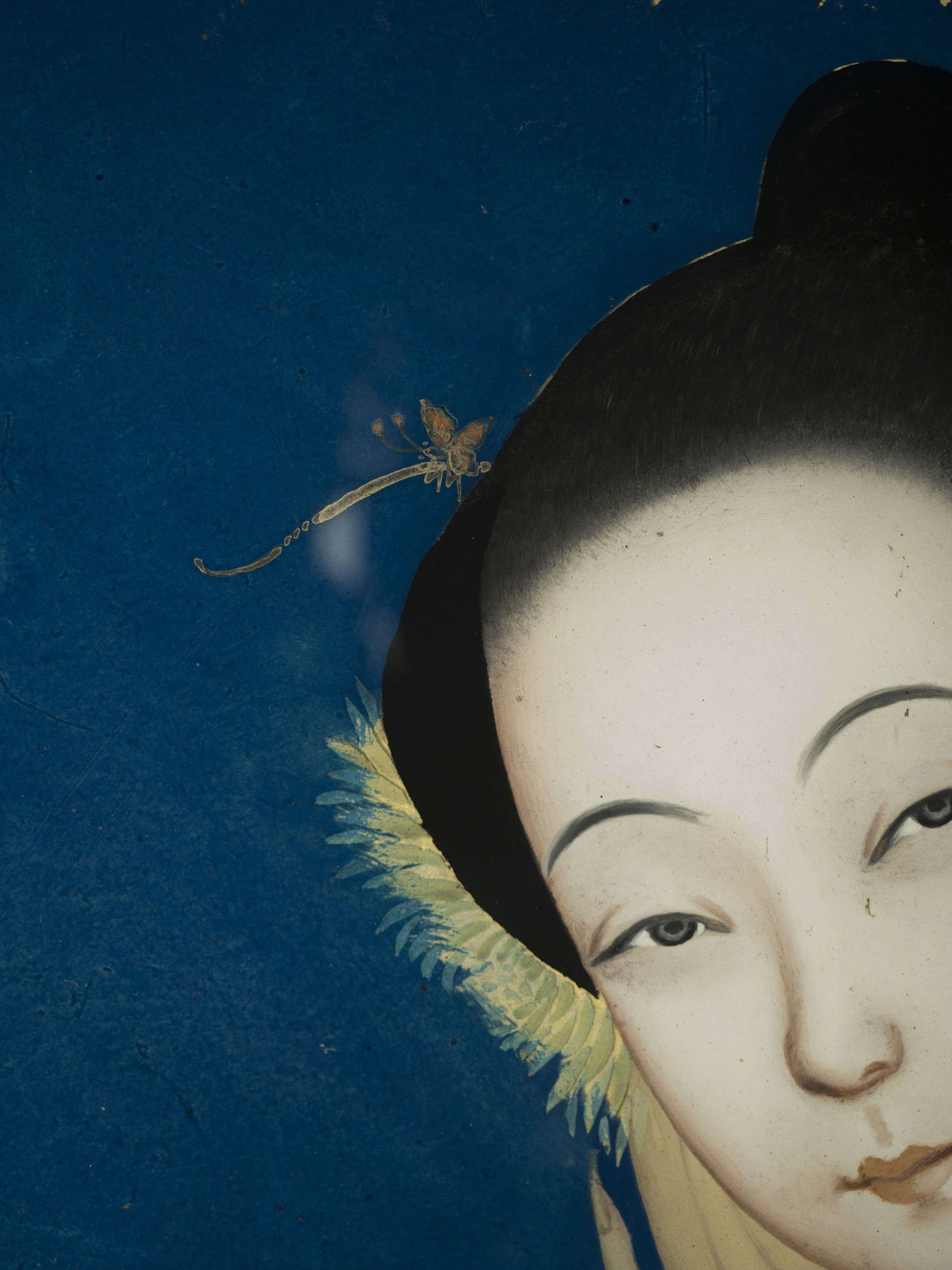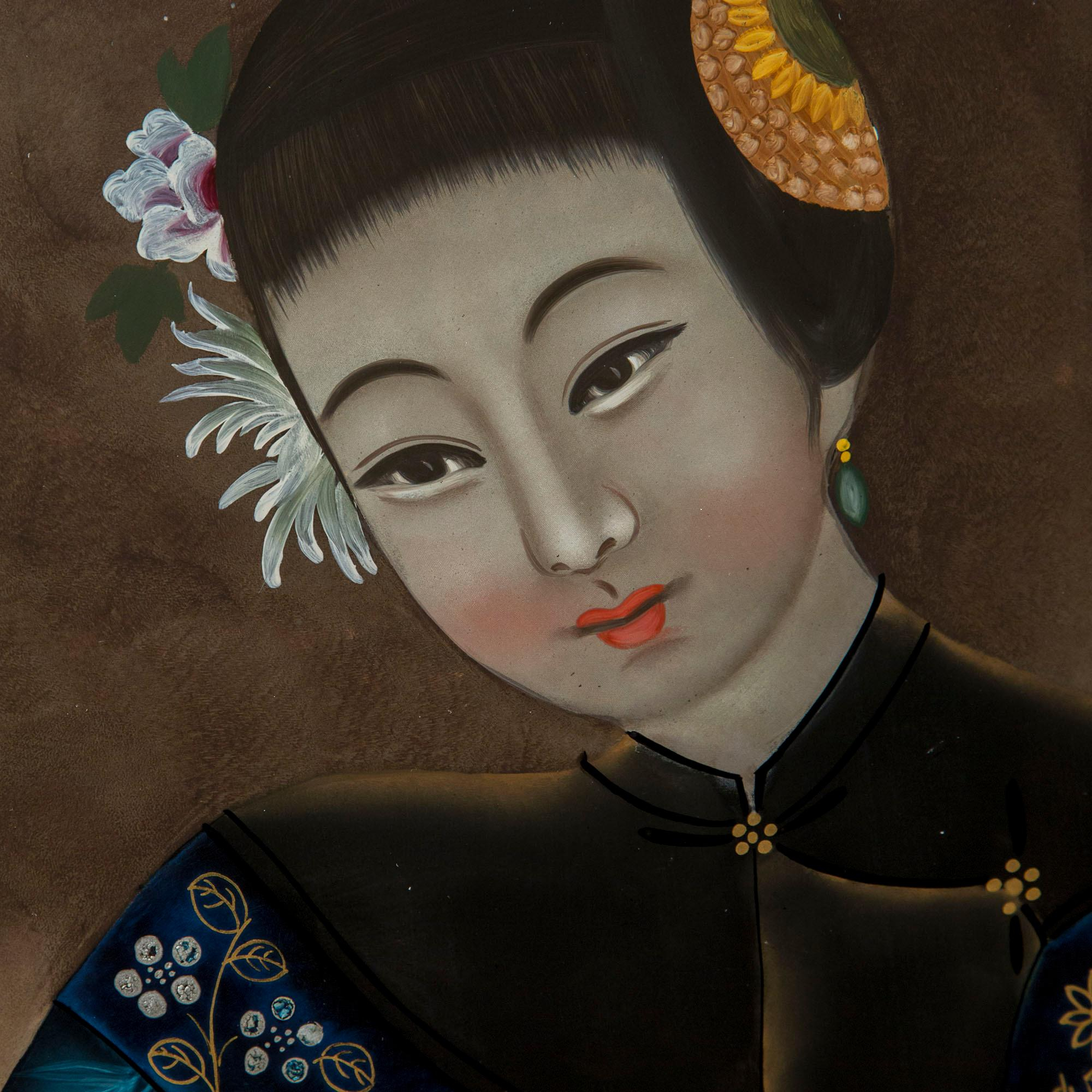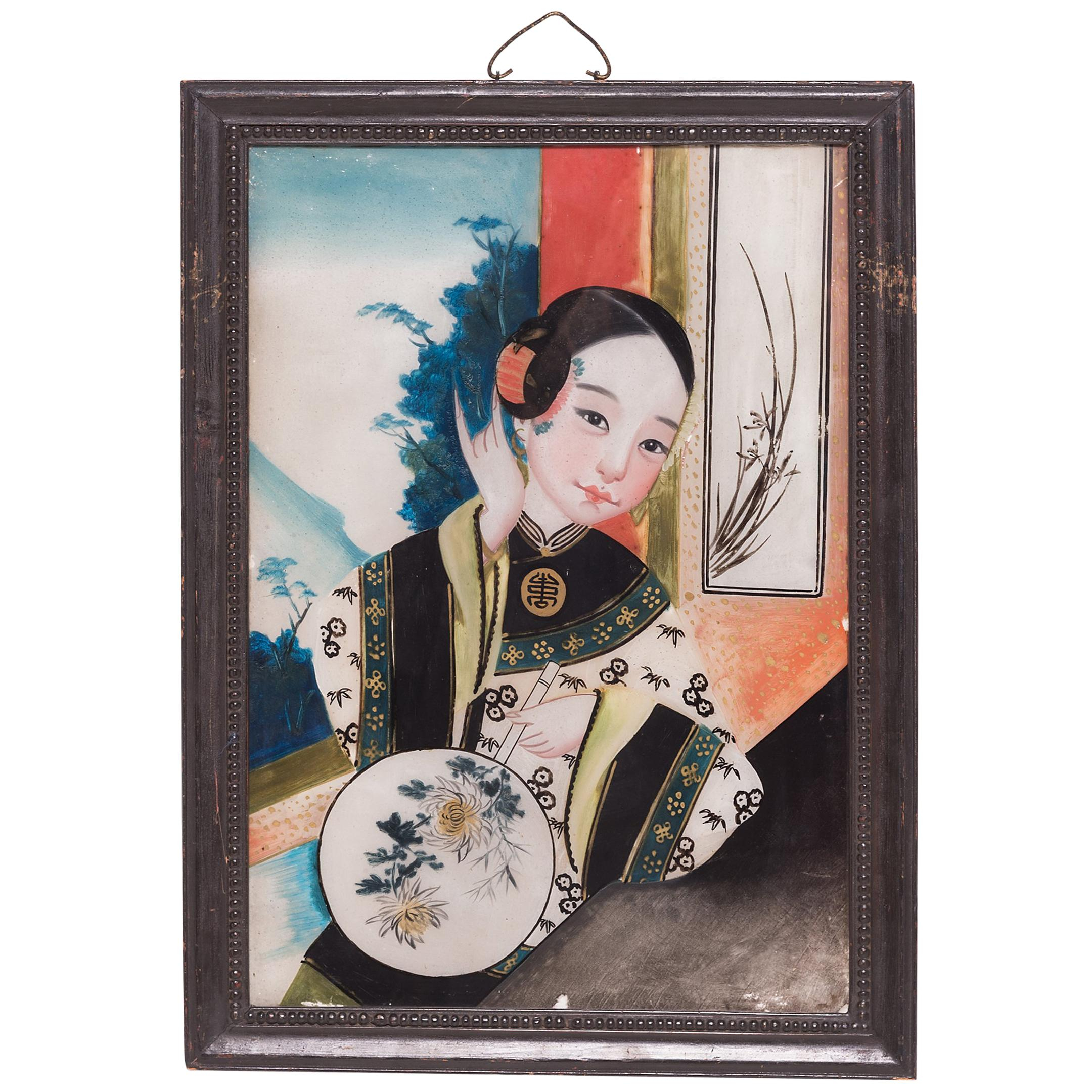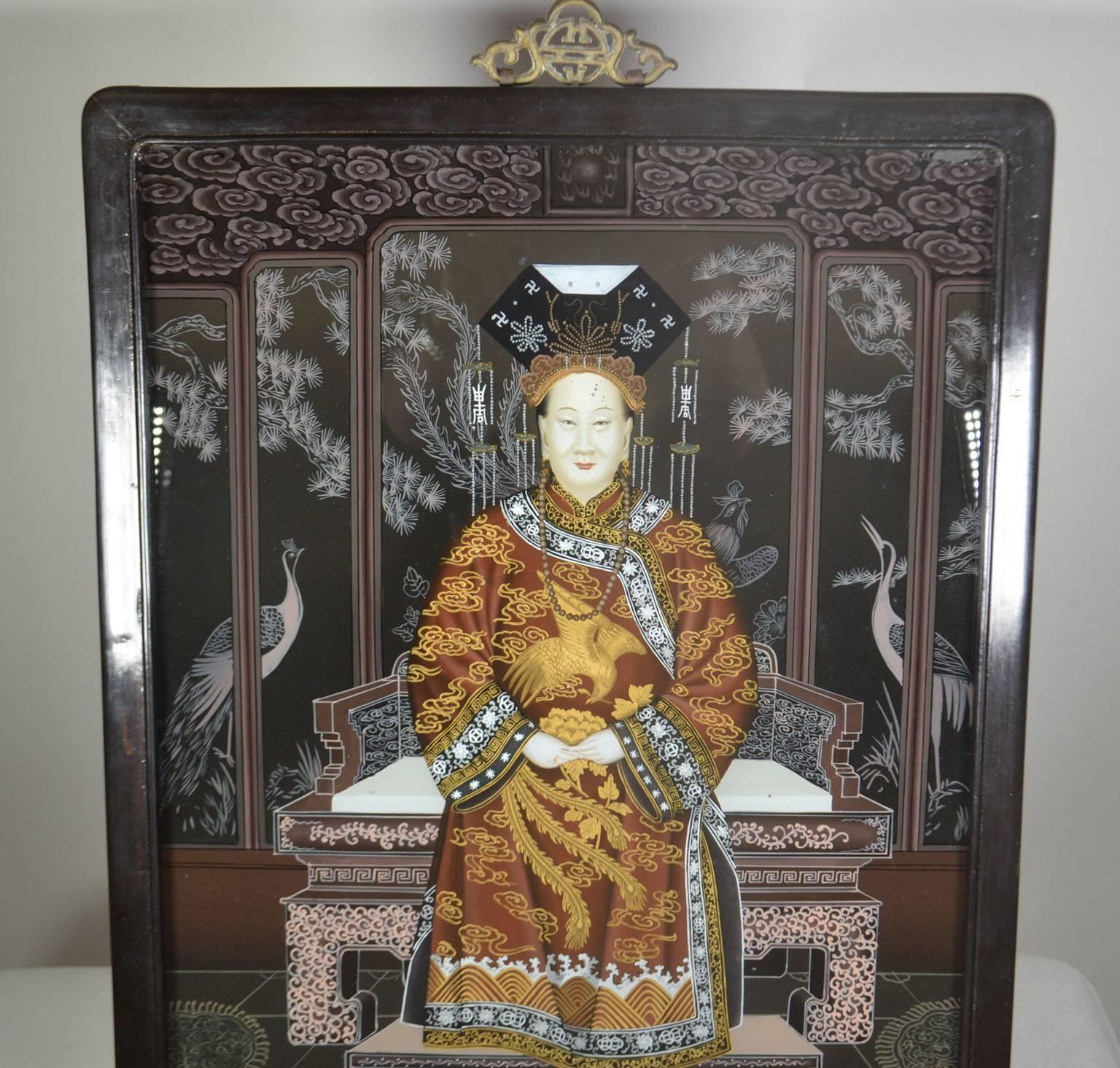
Have you ever looked at a masterpiece and wondered how on earth the artist pulled it off? Picture this. You are staring at a vibrant portrait or a serene landscape that looks like it belongs on canvas, but it is actually painted on a sheet of crystal clear glass. Except there is a major twist. The artist painted the final details first and the background last, working completely backwards. It sounds like magic or maybe just a huge headache, right?
Glass has always played a fascinating role in global history. While jade and porcelain usually steal the spotlight when people talk about Chinese art, glass holds its own unique place in the story of modernization and global trade. During the Qing era, things really started to heat up. Cultural exchanges between China and the West brought new materials, fresh ideas, and wild artistic techniques crashing together. Out of this vibrant mix came reverse glass painting, a dazzling art form that bridged two totally different worlds.
A Bridge Between East and West
Long before modern global travel, art served as our best ambassador. During the Qing dynasty, trade routes and Jesuit missionaries brought European mirrors and plate glass straight into the imperial court. Local craftspeople and court artists saw these smooth, reflective surfaces and felt inspired to try something entirely new.
This unexpected cross-cultural mashup created a brand new artistic language. European perspectives and shading techniques blended smoothly with traditional Chinese brushwork. The result was a stunning fusion that captivated collectors both at home and abroad.
The Mind-Bending Technique
So, how do you actually paint on the reverse side of a glass pane. It is a massive exercise in patience and mental gymnastics. An artist has to visualize the finished picture flipped horizontally right from the start. You lay down the highlights and fine facial features first.
Next comes the midtones and clothing. Finally, you splash on the background colors last. If you make a mistake right at the front, you cannot just paint over it easily. It requires an incredible steady hand and nerves of steel.
Styles That Told a Story
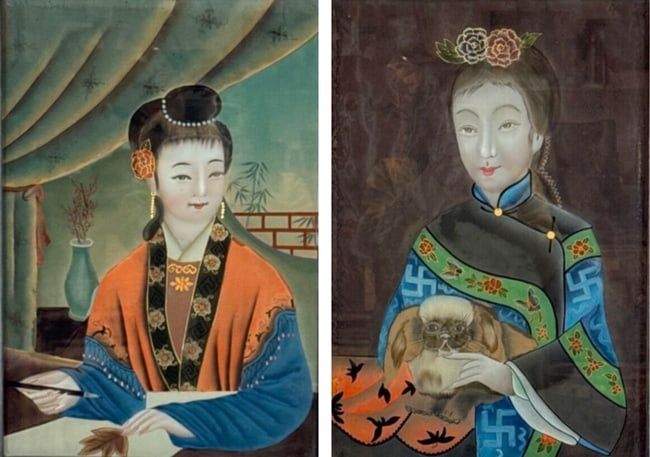
As the craft caught on, distinct regional styles began to pop up everywhere. In busy trading hubs like Guangzhou, workshops churned out incredible export pieces tailored for international buyers. These often featured lively scenes of daily life, gorgeous women, or exotic landscapes designed to appeal to European tastes.
Meanwhile, back in the palace, works leaned more toward refined traditional themes. Imperial artists crafted exquisite snuff bottles, delicate portraits, and intricate decorative panels. Each style carried its own flavor, yet all shared that signature luminous glow unique to glass.
Materials Matter
You cannot talk about these artworks without looking at the actual glass. Making flat plate glass during the seventeenth and eighteenth centuries was no small feat. European centers like France were producing massive amounts of plate glass, and these sheets traveled across oceans to reach Chinese workshops.
The quality of the glass itself changed the way light interacted with the paint. Because light passes through the transparent pane before hitting your eyes, the colors take on an unbelievable depth and brilliance that regular canvas just cannot match.
Preserving a Fragile Legacy
Glass is notoriously delicate. Over the centuries, countless masterpieces cracked, faded, or simply vanished into history. Yet museums and dedicated collectors today work tirelessly to preserve the survivors. Major institutions like the CAFA Art Museum house incredible collections that shed light on eighteenth century female imagery and daily life.
Studying these surviving pieces helps modern researchers piece together the complex chemical compositions and trade networks of the past. Every recovered fragment tells a story about human creativity crossing oceans.
Even now, in 2026, reverse glass painting holds a special kind of allure. In an era dominated by digital screens and mass production, there is something deeply grounding about a handmade object that defies logic.
The sheer technical difficulty combined with the breathtaking visual depth reminds us of what happens when cultures share ideas fearlessly. It is a celebration of craftsmanship that transcends time and borders.
When we look back at Qing era glass paintings, we are not just seeing pretty pictures. We are witnessing a historic conversation between civilizations. The artists who stared at blank glass panes centuries ago left behind windows into their world, inviting us to look closely and wonder.
The legacy of these brilliant works lives on in museums and private collections across the globe. They prove that when curiosity meets skill, true magic happens on glass.