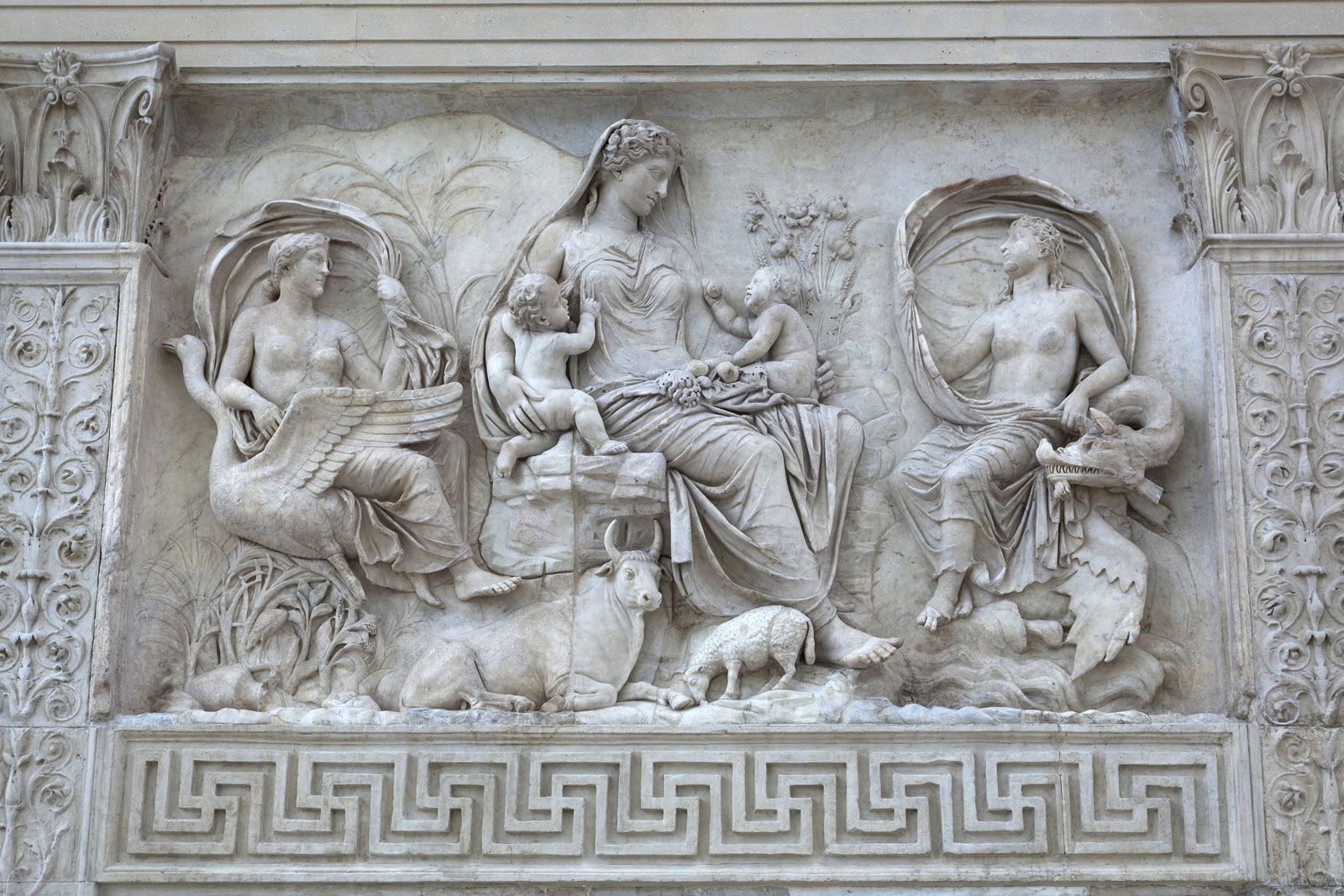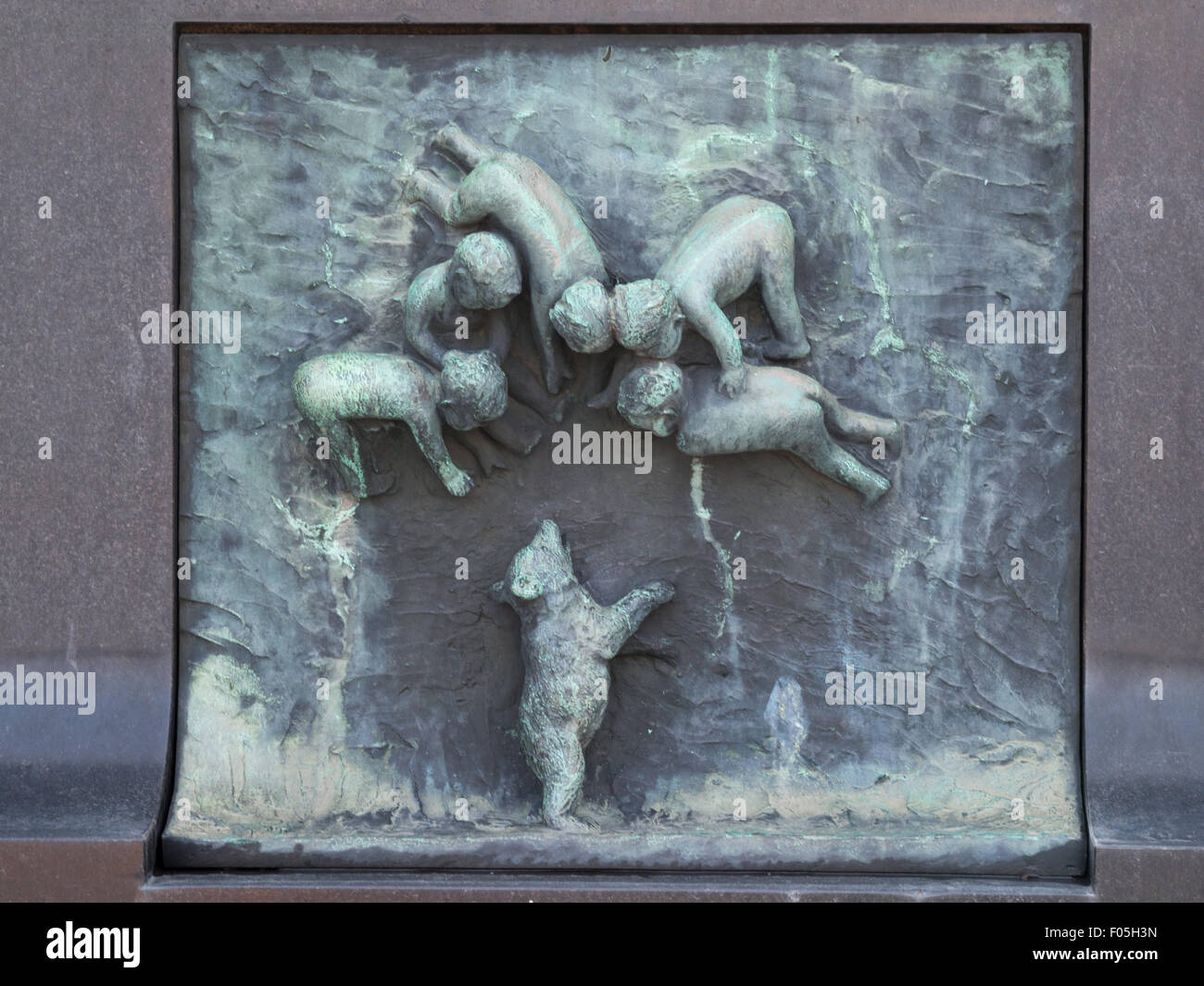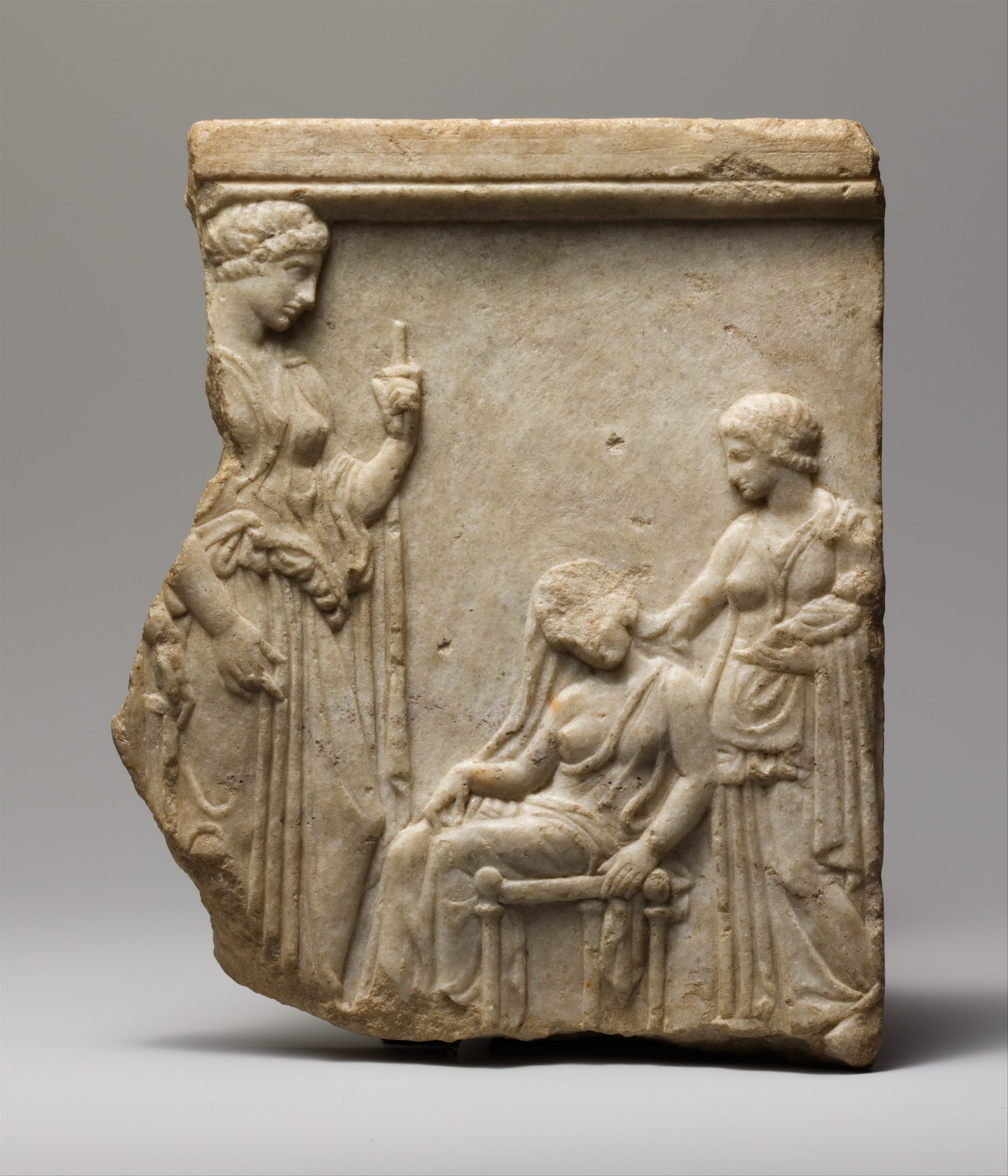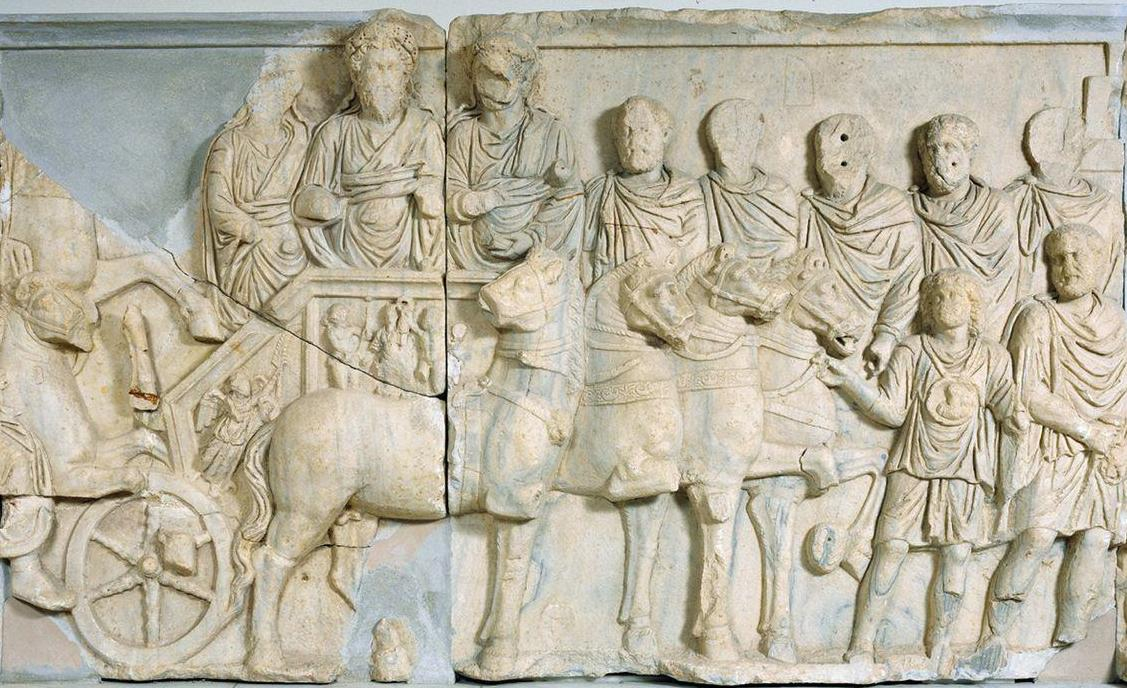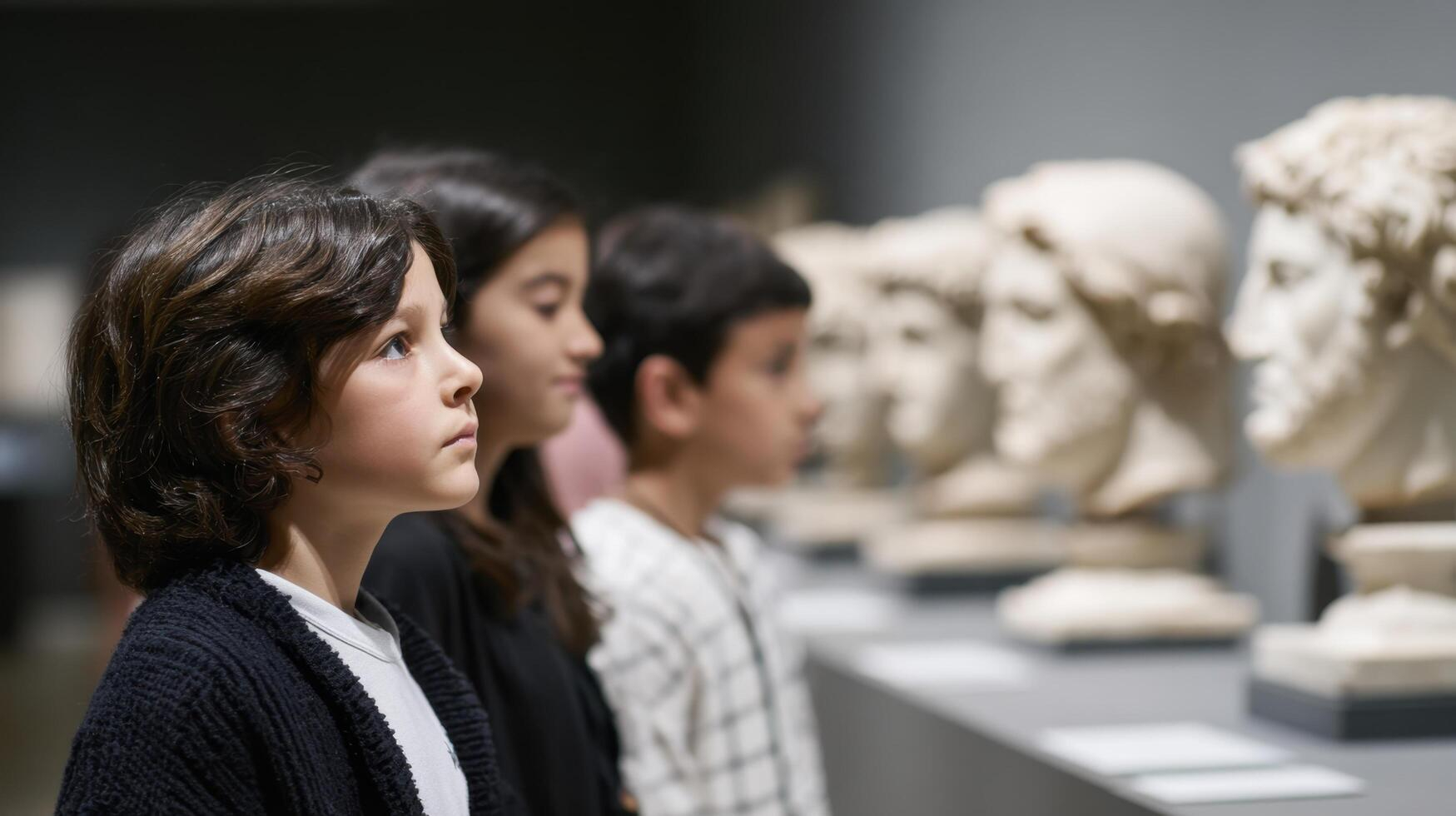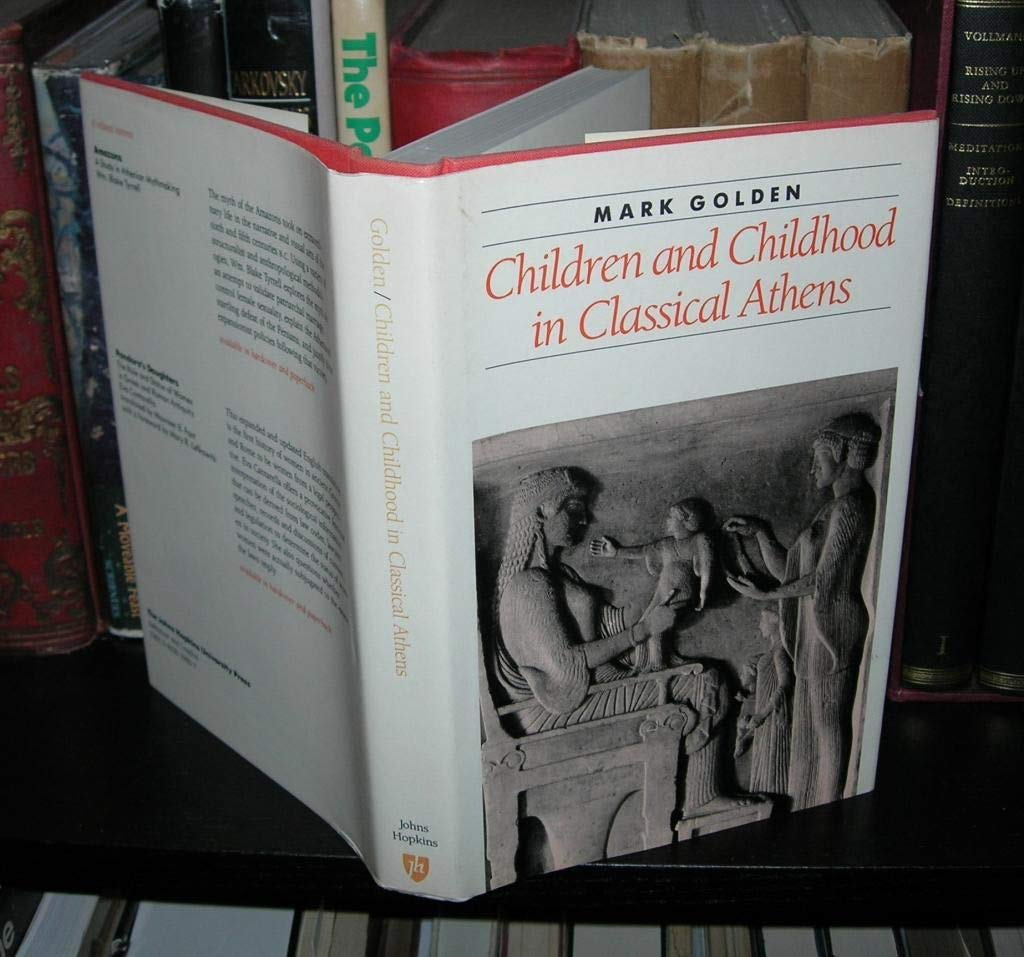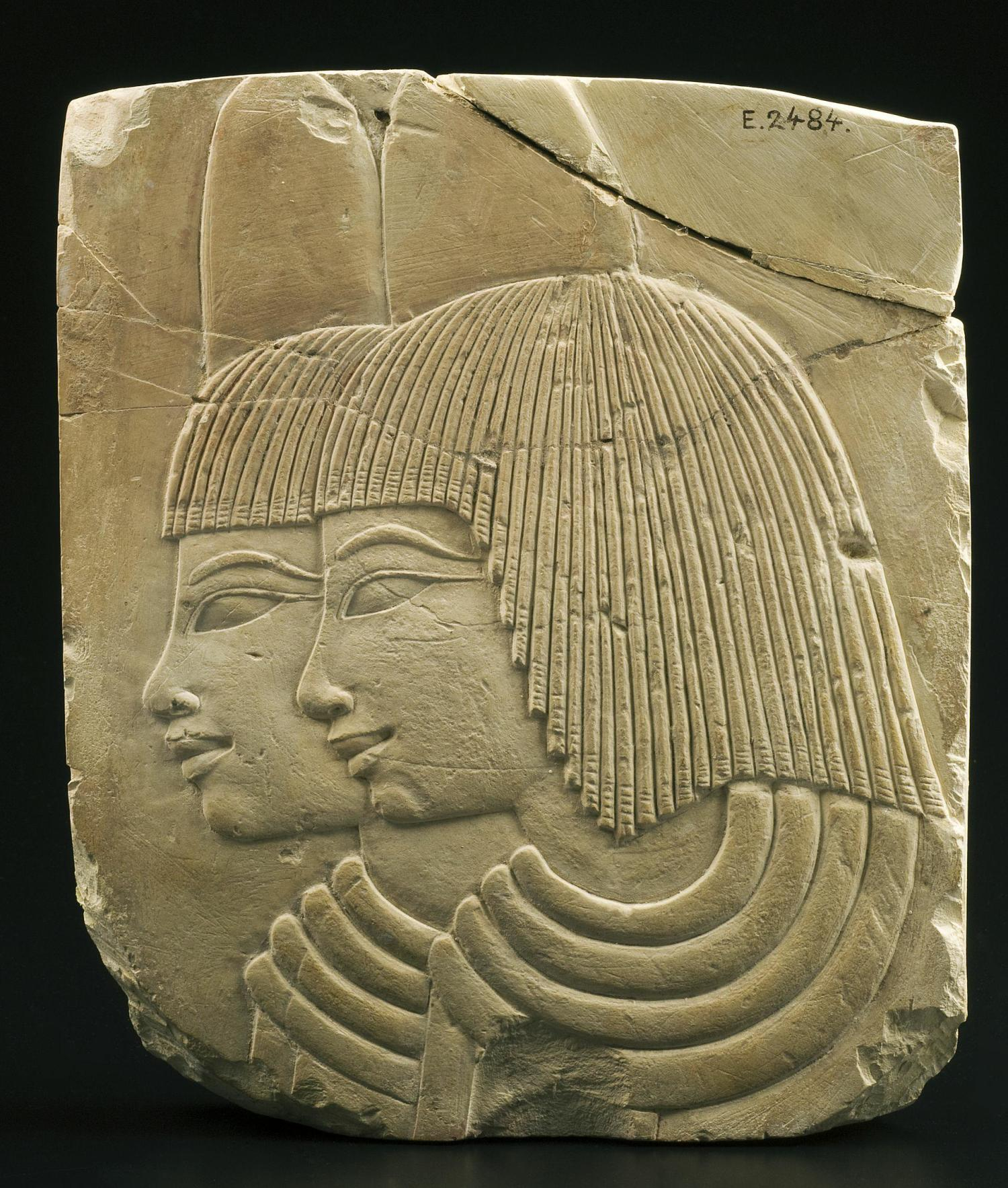
Have you ever walked through a quiet museum or wandered past an old fountain, only to find yourself staring into the face of a stone child? There’s something eerie, yet totally fascinating about it. It’s like they are whispering a secret from centuries ago. We see these little statues everywhere, but we rarely stop to ask why they were made. What were the artists trying to tell us about childhood back then.
Actually, these aren’t just pretty decorations. People throughout history have used sculptures of children to pack in layers of deep meaning. Whether it’s to show off a family’s wealth, mourn a lost soul, or even represent an idea like purity or hope, these figures are like little time machines. If you know what to look for, you can learn so much about how people lived, loved, and grieved way back when.
The Idea of Innocent Purity
For a really long time, artists used kids to stand for the idea of being innocent and untouched by the world. It’s a pretty simple concept, right? Children hadn’t made mistakes yet. Because of this, they were often depicted as little angels or putti—those chubby, winged babies you see in Renaissance art.
When you see a sculpture of a child looking really peaceful, the artist was usually trying to say that the person being represented was pure of heart. It wasn’t always about a specific kid. Sometimes, it was just a way to paint a picture of a perfect, unspoiled existence. It’s quite a touching thought.
Remembering Those Gone Too Soon
One of the most emotional reasons for making these statues was to remember children who passed away. In older times, before modern medicine got as good as it is in 2026, losing a kid was sadly a very common thing. Sculptures became a way to freeze them in time.
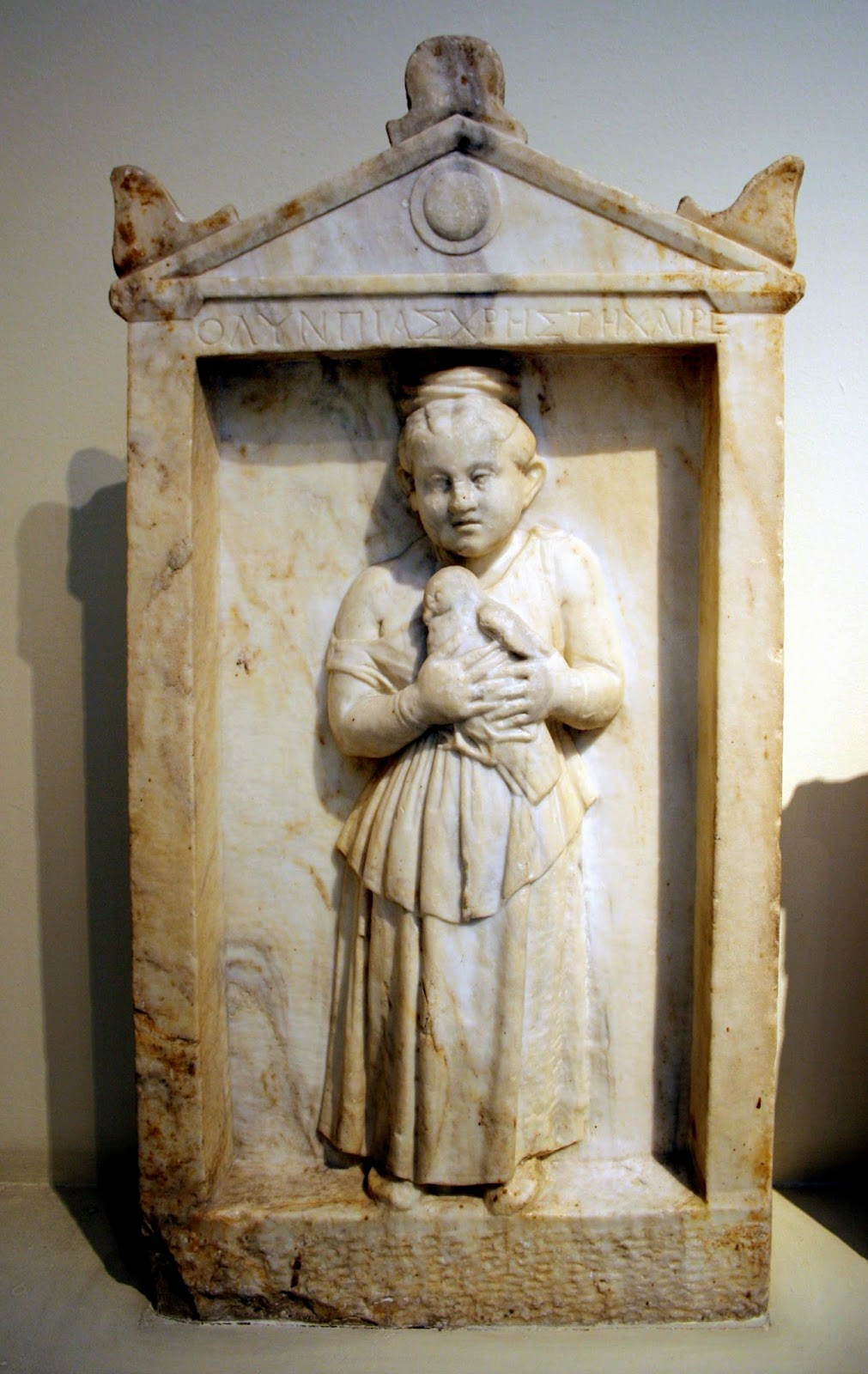
These aren’t just statues; they are heavy with grief. You’ll often find them on old gravestones or inside churches. The way the child is posed—maybe sleeping or holding a flower that looks like it’s drooping—is a classic sign that the artist was showing a life cut short. It’s a very sad but honest way of dealing with pain.
Showing Off Power and Lineage
Sometimes, the reason for a statue was way less about feelings and more about showing off. Rich families would commission statues of their heirs to show the world that their family line was strong and secure. It was basically a way of saying, "Look at our legacy."
These statues usually show the kids looking very serious and dressed in fancy clothes. They aren’t running around or playing. Instead, they are standing stiffly, acting like little adults. It’s a reminder that back in the day, being a child of a high-status family meant you had a lot of pressure on your shoulders.
Nature and the Growth Cycle
Have you noticed how many sculptures show kids holding animals, birds, or fruit? This is almost always about nature and the idea of growth. It’s a metaphor for how a life blooms just like a flower.
When a sculptor puts a piece of fruit in a child’s hand, they are usually linking that child to the idea of fertility and the future. It’s a hopeful symbol. It shows the viewer that this child is the future of their community. It’s a lovely way to connect the human life cycle with the cycles we see in the wild.
Playing or Working?
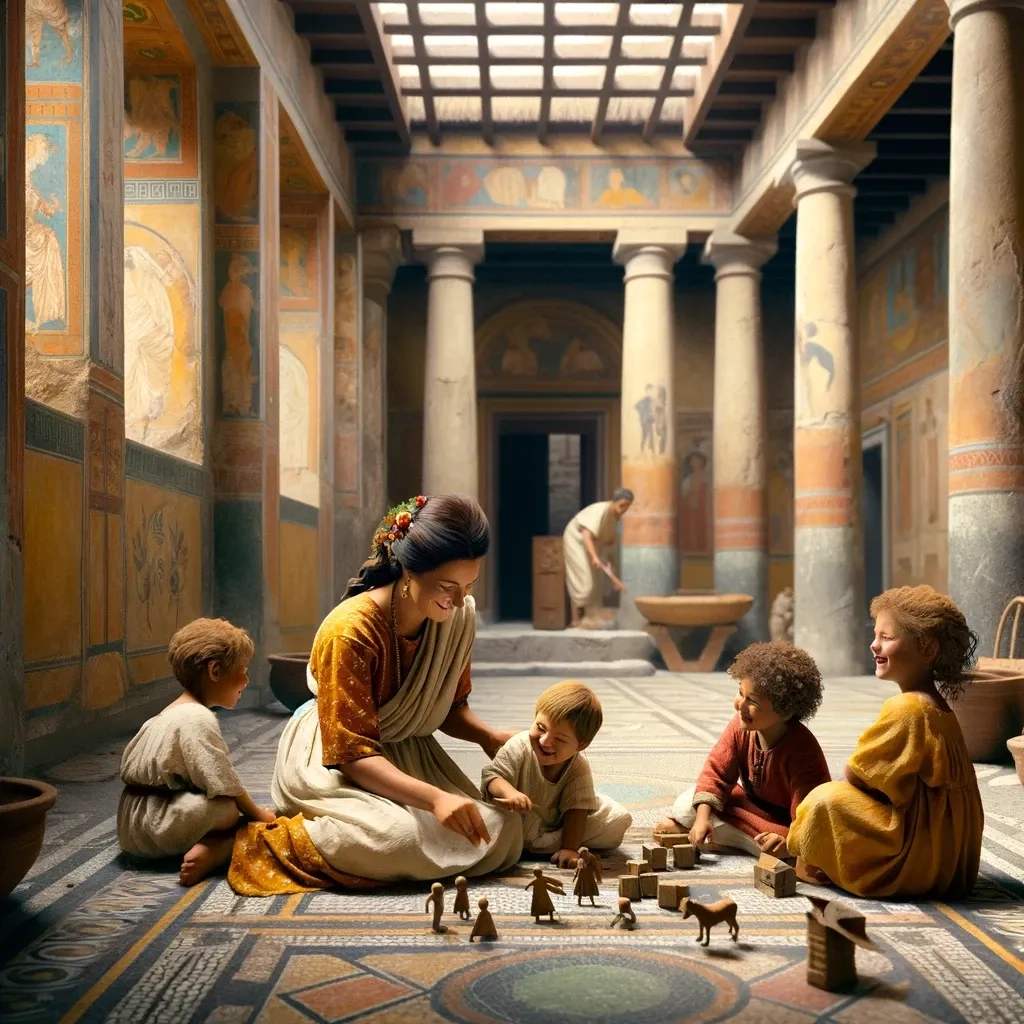
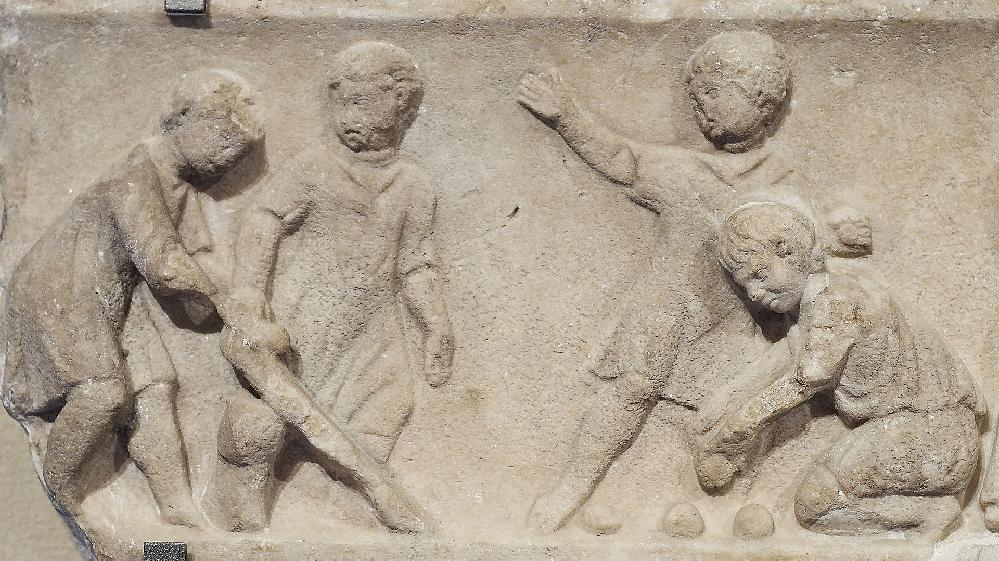
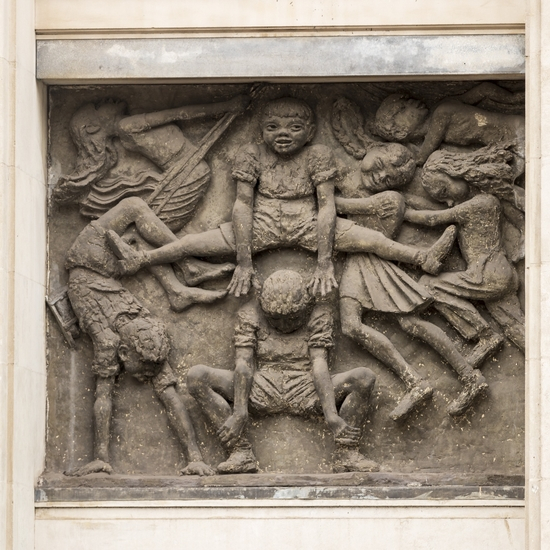
Depending on when the piece was carved, the activities the kids are doing tell a massive story. In some eras, you’ll see statues of children playing with hoops or balls. This was meant to show a carefree, happy spirit. It’s a nice change of pace from all the stuffy portraits.
But in other pieces, especially from more difficult times, you might see children doing chores or holding tools. This was usually done to show that the kid was hardworking and valuable. It’s an interesting insight into how society viewed children as either treasures to be protected or little helpers who needed to pull their weight.
Finally, there are the little details that act like a secret code. A broken column next to a child, for example, is a common way to say their life was interrupted. A butterfly, on the other hand, often stands for the soul leaving the body.
If you take a second to look closer at the items around the statue, you’ll start to see these patterns everywhere. It makes visiting museums a totaly different experience. You aren’t just looking at rocks anymore. You’re reading a story that the artist left behind specifically for you to find.
So, the next time you spot a statue of a child in a garden or a gallery, don’t just walk past it. Take a moment to really see it. Look at what they are holding, notice their pose, and think about why someone would have spent all that time carving them into rock. They are trying to tell you something real about what it means to be human.
It’s amazing to think that a piece of art made centuries ago can still make us feel something today. Whether it was meant to show love, loss, or pride, these statues have done their job. They have kept the memory of those kids alive for us in 2026. Next time you go out, try to spot one and see if you can crack the code yourself.