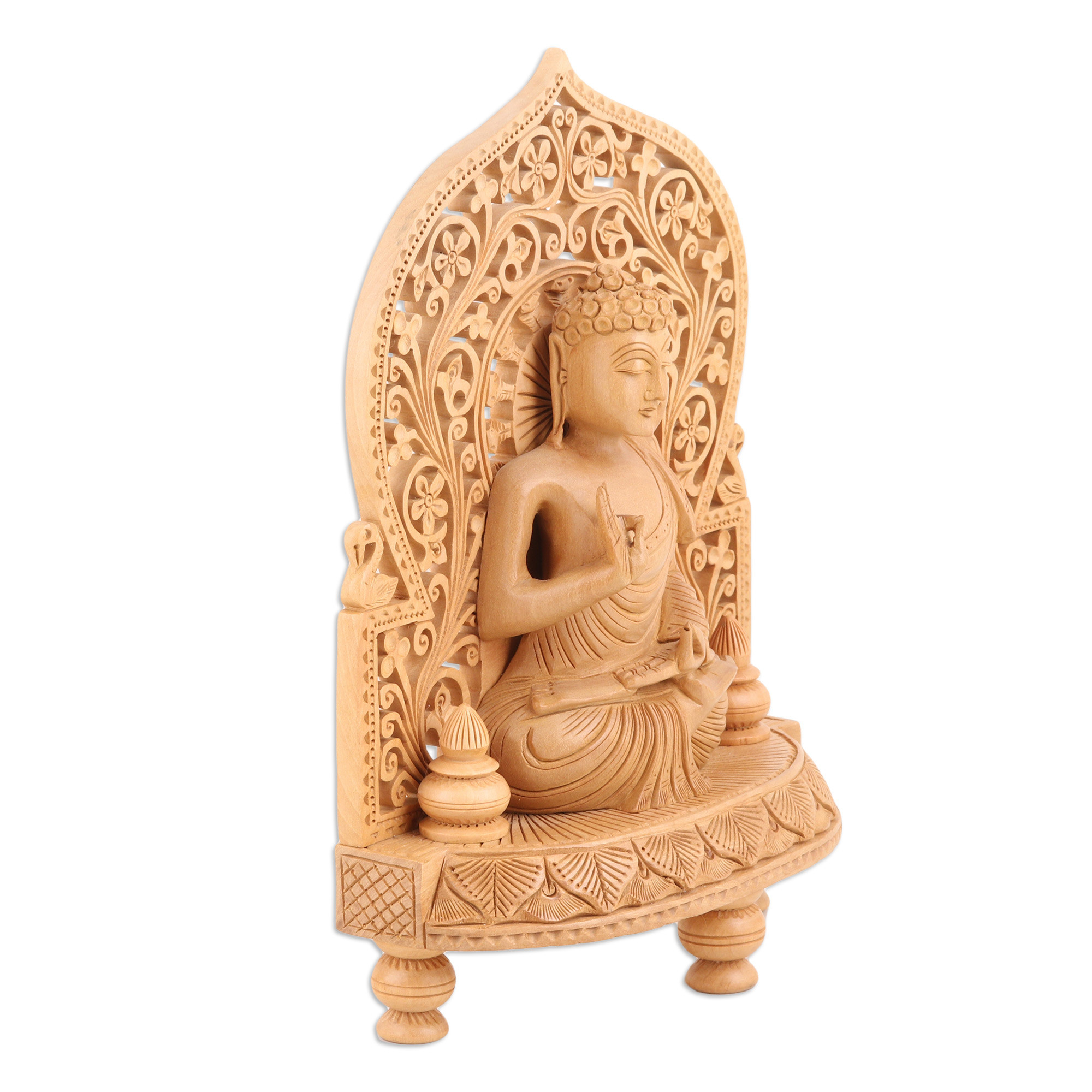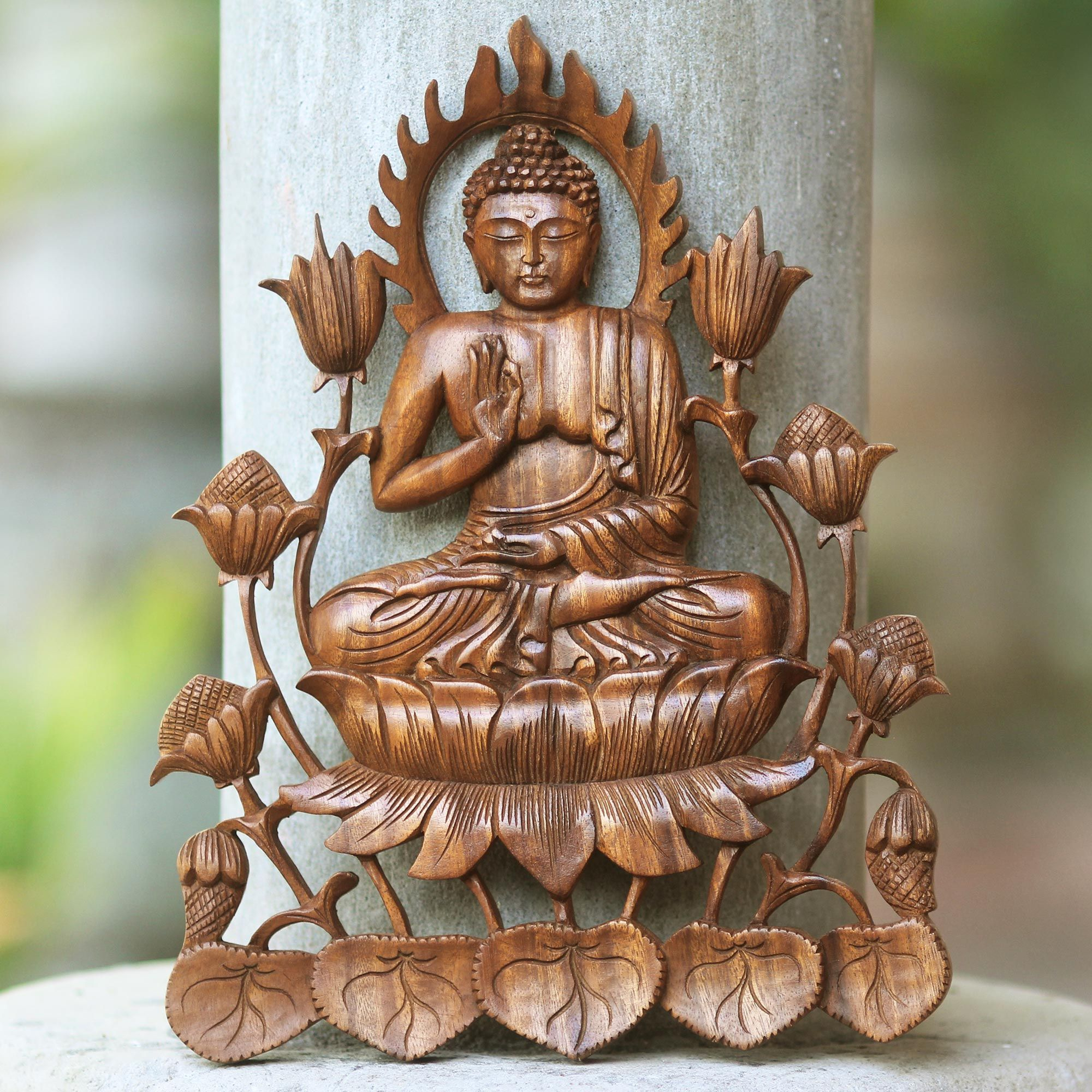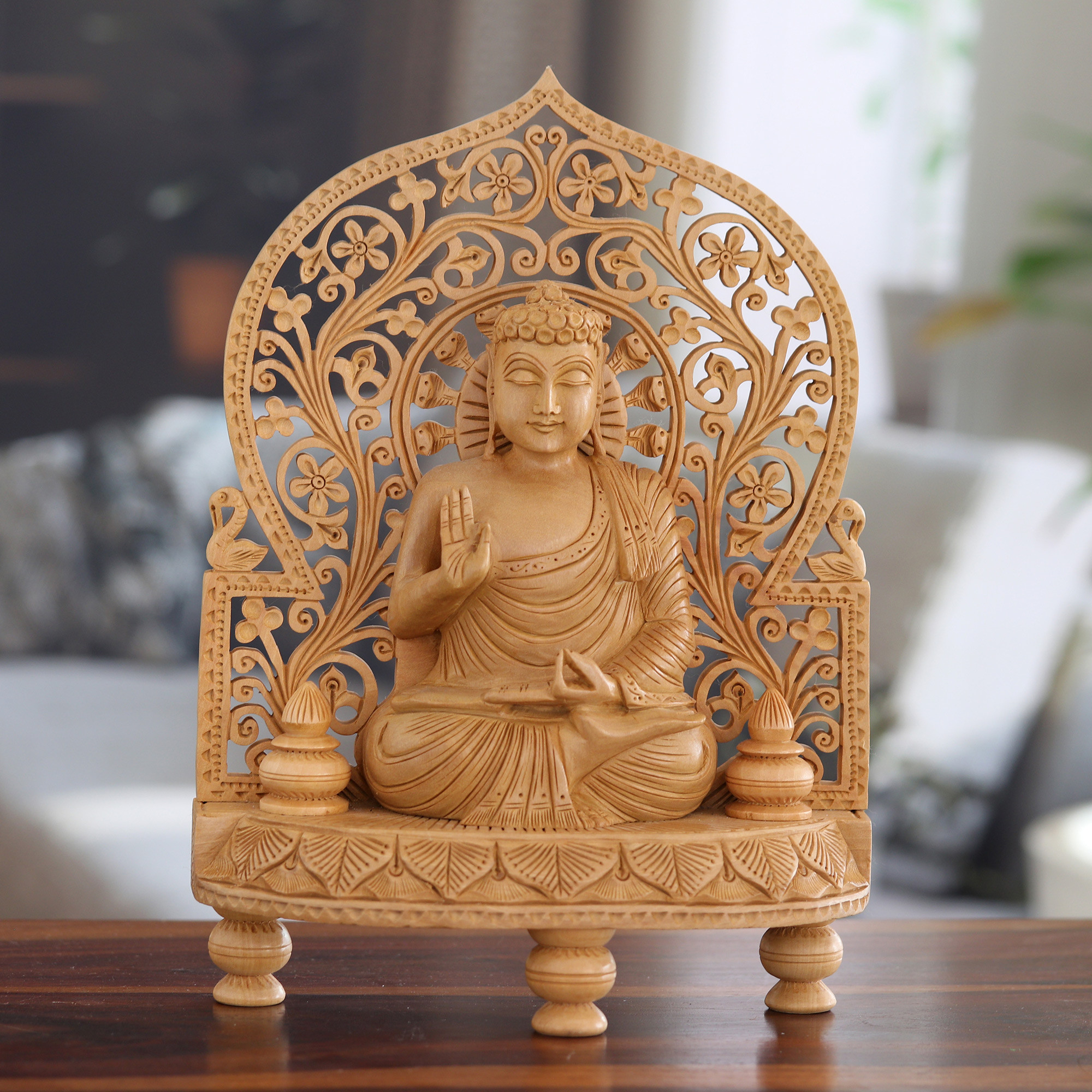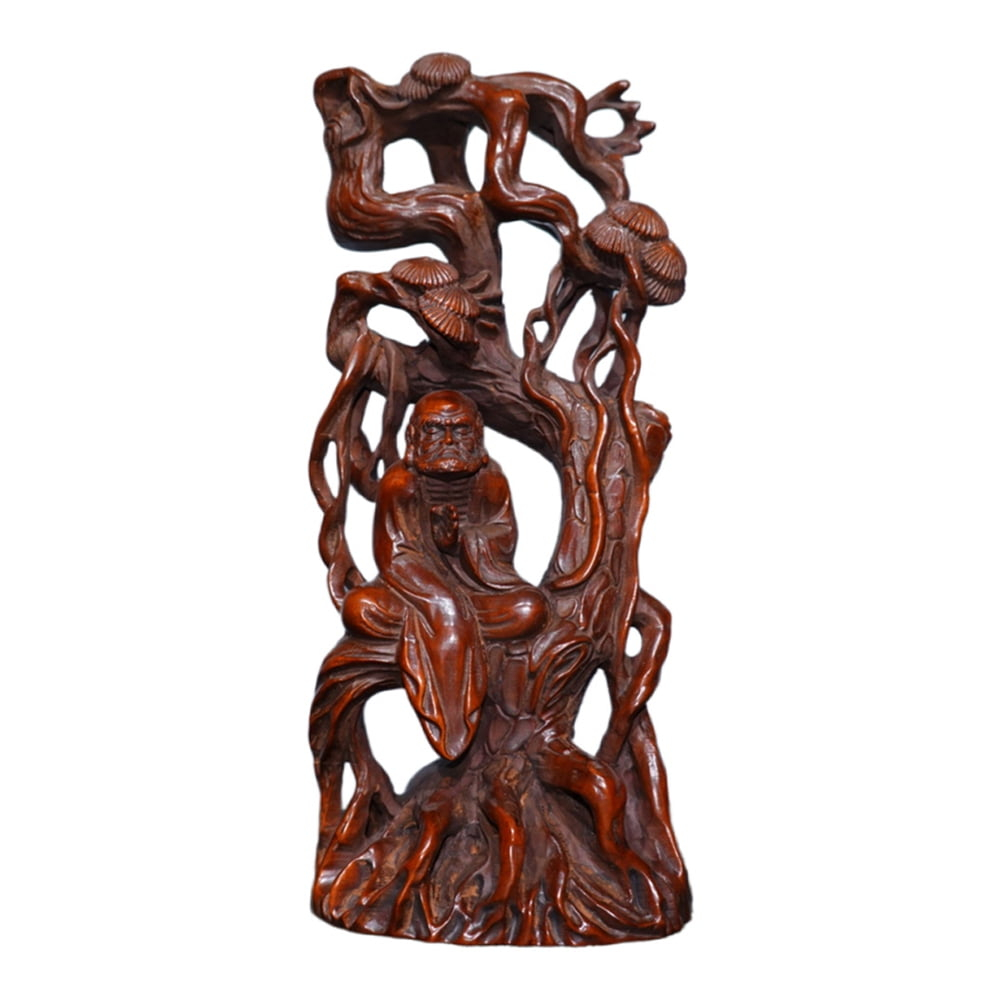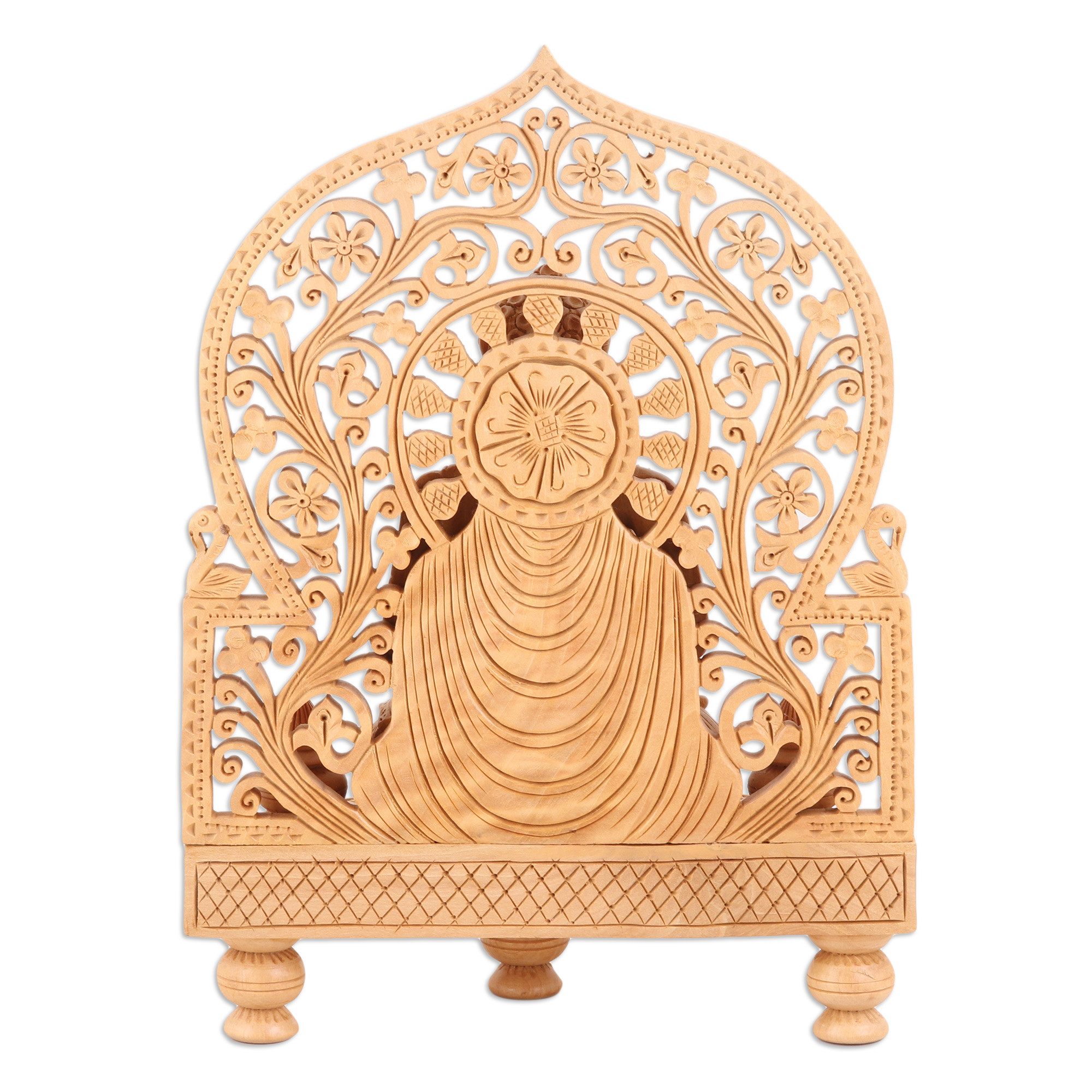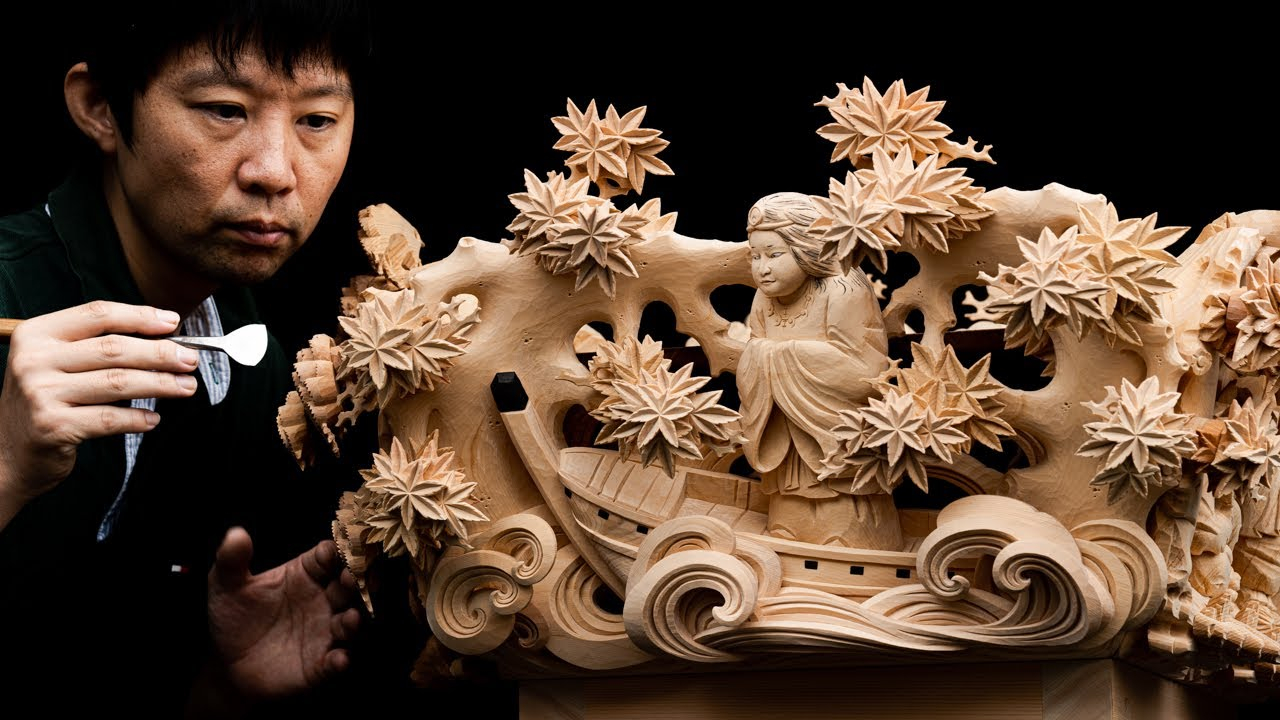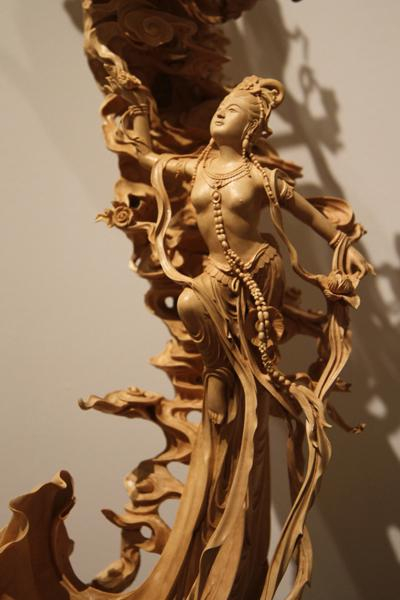
Have you ever stood in front of an old wood carving in a quiet temple or museum and felt like the art was speaking a secret language. You look at the central figure, sure, but then your eyes wander to the edges. There is a wild circle of carved flames behind the head, and the figure is standing on a beautiful, layered flower.
These are not just pretty decorations made to fill up empty space. In traditional wood reliefs, especially those from Buddhist and Hindu traditions, every single chip of the chisel tells a story. The fiery halo and the lotus base are actually powerful symbols that represent massive ideas like waking up to the truth, burning away ignorance, and finding peace in a messy world. Let us dive into what these incredible designs really mean.
The Magic of the Lotus Base
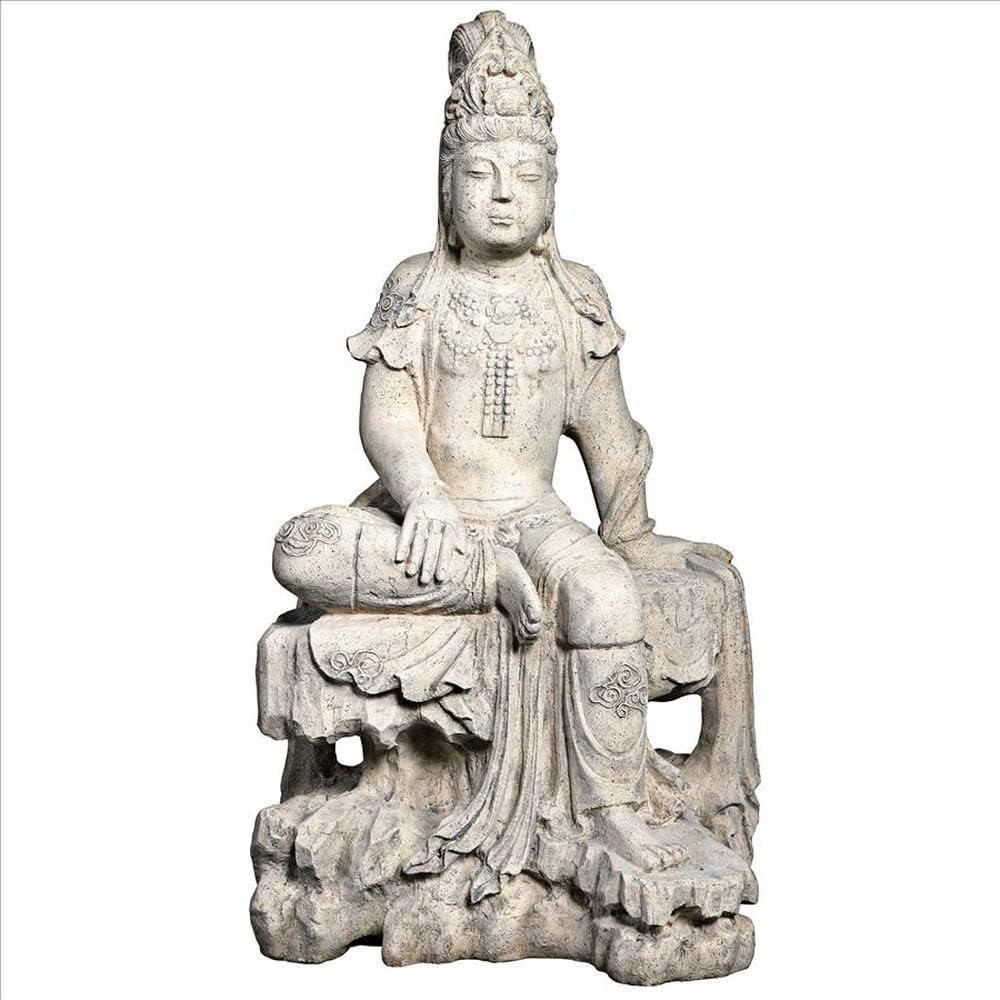
When you look at almost any sacred Eastern statue or wood relief, the figure is rarely just standing on the flat ground. Instead, they are perched on a stylized flower known as a lotus throne or padmasana. Why is this flower absolutely everywhere in Asian art. It comes down to how the plant grows in real life.
A lotus starts its journey down in the dark, messy mud at the bottom of a pond. It grows up through the murky water, reaching for the light, and finally blooms on the surface without a single speck of dirt on its petals. For ancient woodcarvers, this was the ultimate metaphor for human life. We all start in the mud of daily troubles and confusion, but we have the power to rise above it and bloom beautifully.
Single Versus Double Pedestals
If you look closely at different wood reliefs, you will notice the lotus bases are not all carved the same way. Some are simple, single layers of petals pointing upward. Others are much more complex double-lotus bases, where one row points up toward the heavens and another row points down toward the earth.
These variations change the whole vibe of the artwork. A double-lotus base represents ultimate balance and cosmic order. It shows that the divine figure is completely grounded in reality while also being perfectly connected to the spiritual world. Carving these tiny, overlapping wood petals required immense patience from the master artisans.
The Fire That Burns Ignorance
Now, let us look behind the figure’s head or entire body. That ring of wild, swirling light is called a halo, and very often in traditional woodwork, it is made entirely of fierce flames. It looks intense, maybe even a bit scary at first glance. But in this artistic tradition, fire is not a bad thing.
This fiery halo represents the light of wisdom. The flames are actively burning away darkness, bad habits, and the illusions that keep humans trapped in suffering. Instead of destroying things, this fire purifies the mind. It is a visual representation of intense mental energy and the power of truth.
Different Styles of Carved Halos
Woodcarvers over the centuries developed unique ways to show this spiritual light. Sometimes the halo is a perfect circle, representing completeness and the infinite nature of the universe. Other times, it is shaped like a giant leaf or a drop of water that covers the whole back of the statue.
In Japanese butuzou wood crafts, for example, you might see the karakusa style, which mixes flames with swirling vines and clouds. The way the wood grain catches the light in these deep cuts makes the fire look like it is actually moving when you walk past it. It creates an atmosphere of deep mystery.
How the Elements Work Together
The real magic happens when you look at the lotus base and the fiery halo at the same time. They represent two sides of the same coin: compassion and wisdom. The lotus at the bottom is soft, gentle, and peaceful. The fire at the back is active, strong, and fierce.
Together, they tell us that reaching true understanding requires both a calm heart and a sharp, energized mind. It is a beautiful balance of energies captured in a solid piece of timber. The hard wood becomes a soft flower and a burning fire all at once.
Carving these specific elements out of a single block of wood is incredibly difficult. Think about trying to chisel delicate, paper-thin flame tips or rounded flower petals without snapping the wood. Artisans had to understand the direction of the wood grain perfectly.
Many of these reliefs were finished with gold leaf or special lacquers, which made the flames literally glow in candlelit temples. Even today, people studying these pieces find that the tool marks left by ancient carvers show a deep, meditative focus. The act of making the art was a spiritual practice in itself.
Next time you see an old wood relief, do not just glance at the main character. Look down at the feet to see the mud-born lotus, and look behind the head to watch the fire of wisdom burn. These ancient symbols still hold lessons for our modern, busy lives about staying grounded and keeping our inner light bright.