Have you ever walked past a yard and felt like you just stumbled into the middle of an unfinished story? Not because someone left a random rusty wheelbarrow sitting around, but because a tiny stone archway was half-hidden beneath the ivy, or a weathered lantern sat atop a mossy tree stump like it was waiting for a traveler.
Something quiet is happening in backyards and urban balconies lately. People are getting tired of pristine, manicured grass and sterile patio setups. Instead, they are turning their green spaces into living storybooks, pulling heavily from classic fairy folklore and ancient garden traditions.
The Shift Away from the Perfect Lawn
For decades, the goal of home gardening was simple: keep the grass short, pull every weed, and maybe plant a neat row of bright red salvias. But let us be honest, those pristine green carpets can feel a bit soulless. By early 2026, the trend toward narrative gardening has exploded, driven by a deep desire for magic, connection, and a bit of mystery right outside our back doors.
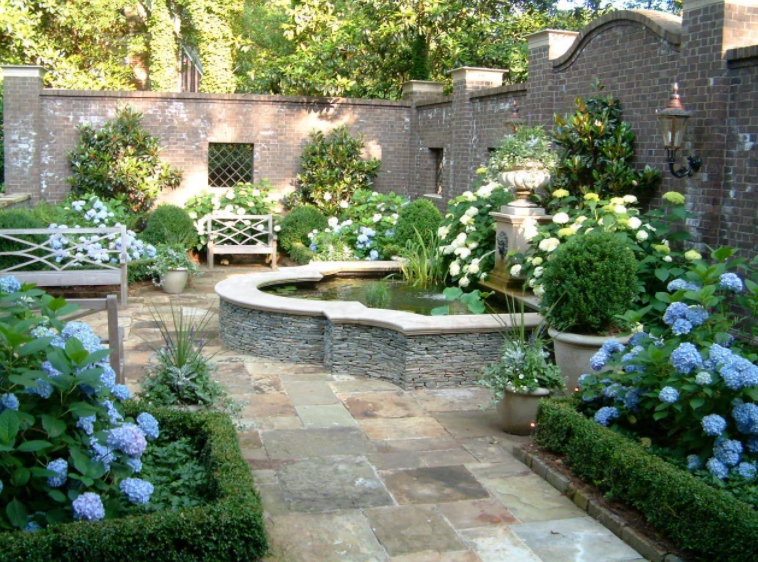
It is not just about popping a cheap plastic gnome on the grass and calling it a day. Today’s narrative garden decor is subtle, layered, and deeply thoughtful. Homeowners are placing weathered stoneware, hand-carved wooden doors on old oak trees, and winding stone paths that lead to nowhere in particular.
Why the sudden change? Modern life is loud, fast, and constantly attached to screens. Creating a garden that tells a fable offers a physical escape, a place where time seems to slow down and imagination takes over.
Unearthing the Roots of Classic Fairy Lore
To understand this trend, you have to look back at where fairy mythology actually comes from. Long before Disney turned fairies into tiny girls with glittery wings, folklore across Europe—especially in Celtic and British traditions—treated the "Good Neighbors" with a mix of genuine respect and cautious dread.
Fairies were seen as guardians of nature, deeply connected to the shifts of the seasons, the health of crops, and the wild corners of the earth. Gardens were considered thin places where our world met theirs. People would leave small gifts, like a dish of sweet cream or a shiny silver coin, near the roots of a hawthorn tree to keep the local spirits friendly.
Today, people are rediscovering these original stories. We are moving away from sugary, cute caricatures and returning to wilder, rustic elements. Iron wind chimes, hand-formed clay offerrings, and natural toadstool rings are replacing neon plastic ornaments.
Crafting Stories Through Natural Elements
So how do you actually make a garden tell a story? The trick lies in using materials that look like they have been there for hundreds of years, even if you just set them up last weekend.
- Stone and Aged Wood: Moss-covered stones, rustic slate markers, and weathered driftwood pieces naturally suggest age and history.
- Hidden Details: Placing small features at ground level—like a tiny iron gate tucked into a hedge—forces visitors to slow down and look closely.
- Tangled Pathways: Curved paths made of loose gravel or stepping stones create a sense of journey and discovery, leaving you wondering what is around the next bend.
When you mix these physical elements with native plants, the line between human craft and raw nature starts to blur nicely. A rusted iron lantern nestled inside a patch of wild ferns suddenly feels like an artifact left behind by an ancient woodland wanderer.
Encouraging Wildlife while Honoring Old Myths
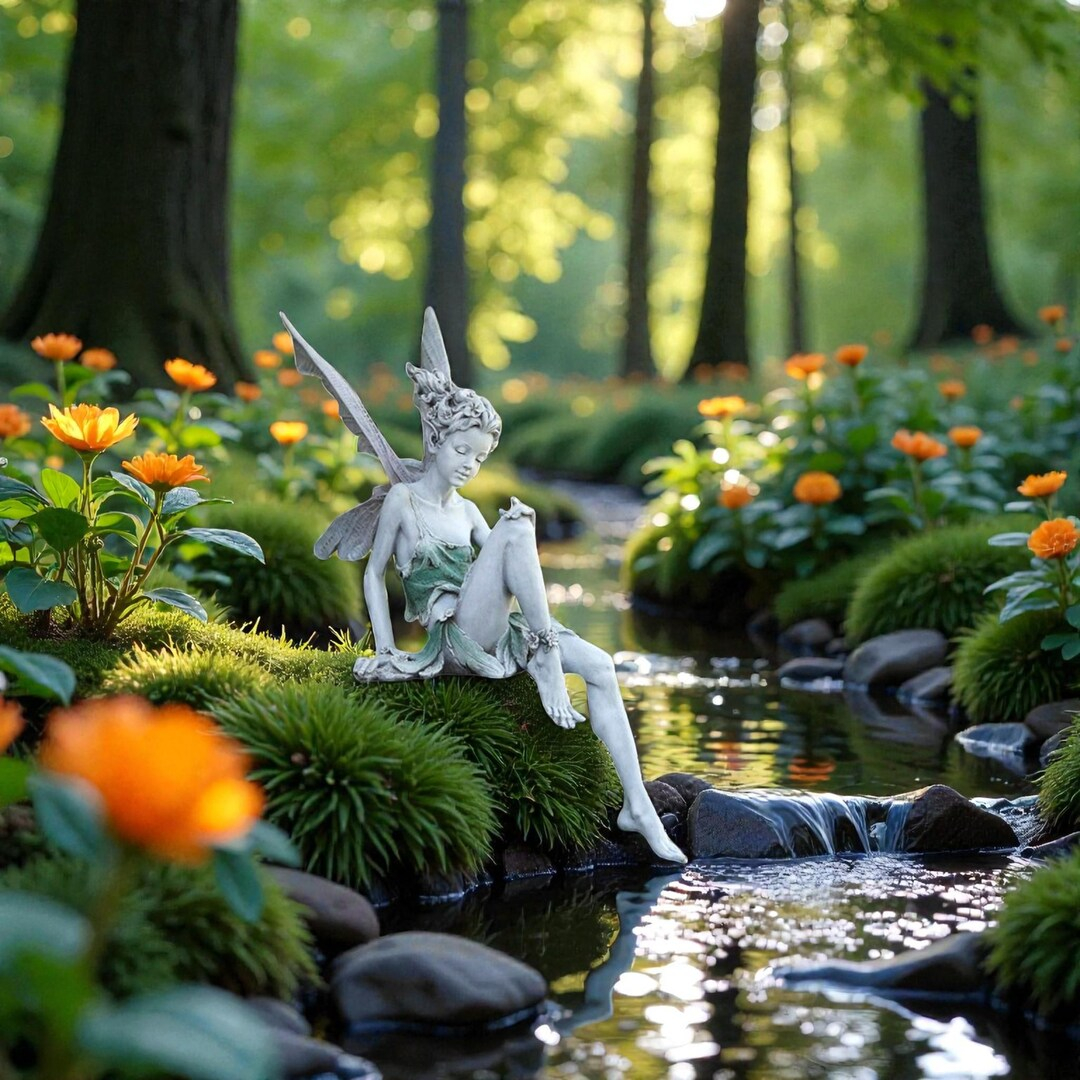
Here is where the renaissance of fairy lore gets really practical. In old folklore, fairies loved wild, untouched spaces—tangled thickets, hollow trees, and damp mossy banks. Coincidentally, those are the exact same habitats native insects, birds, and small mammals need to thrive.
By leaving fallen leaves in certain corners or building a small "fairy stack" out of loose bark and twigs, you aren’t just making a nod to old myths. You are creating vital shelter for pollinators, solitary bees, and frogs.
Many gardeners are now planting traditional "fairy plants" like foxgloves, elderberry bushes, and wild thyme. These species look enchanting, but they also offer massive ecological benefits. It turns out that bringing fairy lore back into your yard is actually great for local biodiversity.
Incorporating Whimsy Without Creeping into Tacky
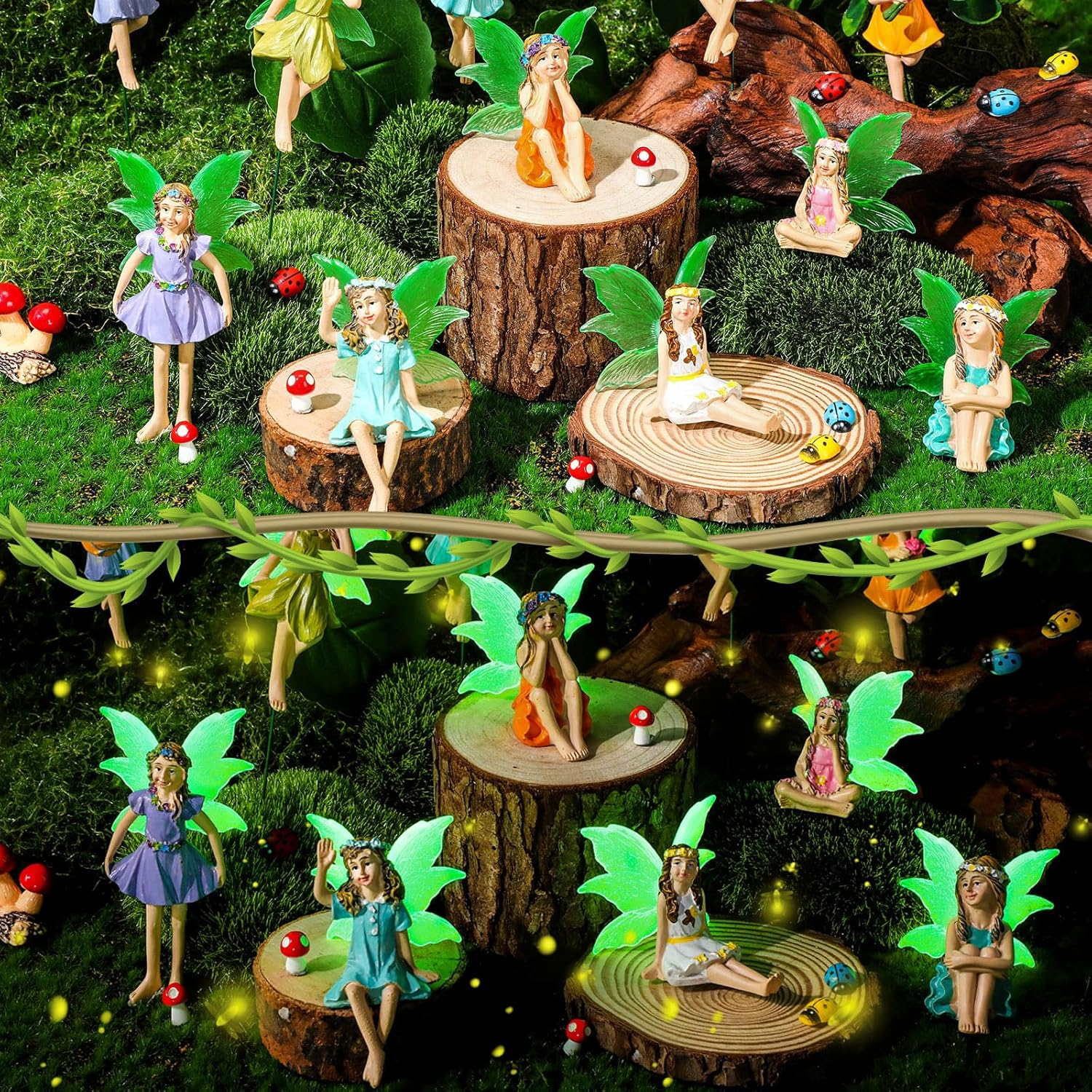
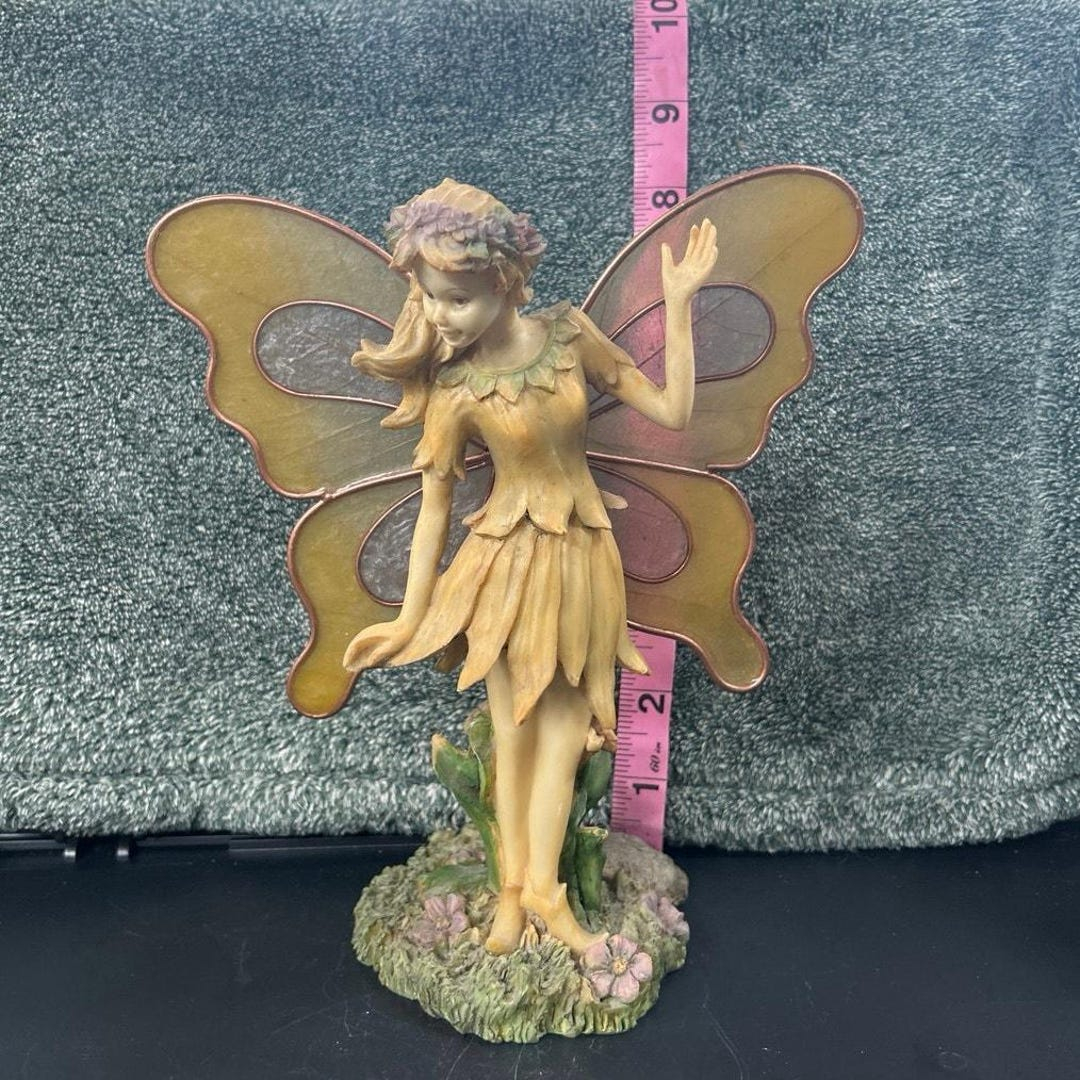
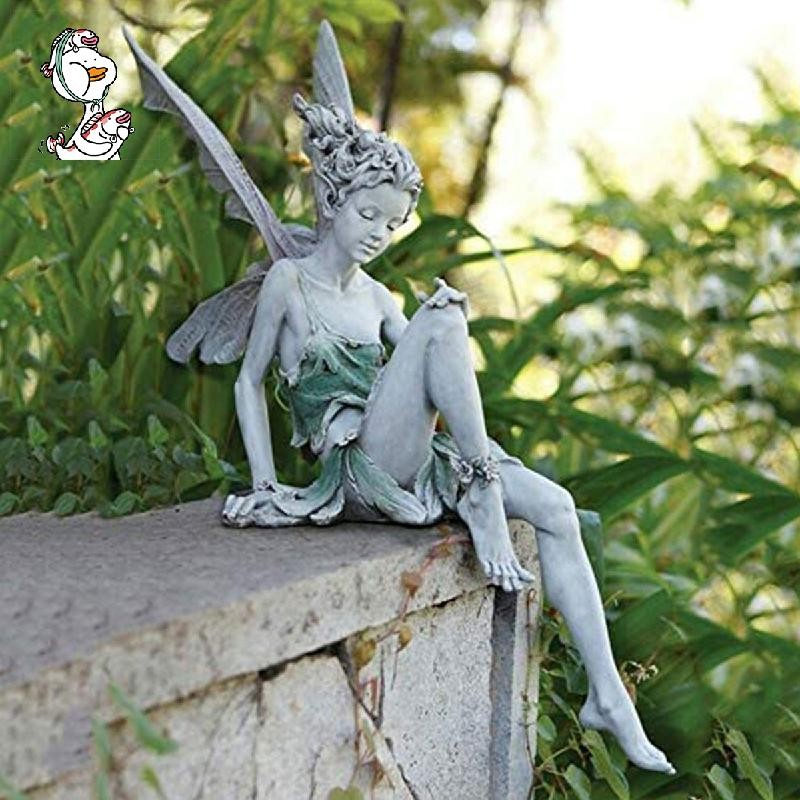
The biggest challenge with narrative garden decor is knowing when to stop. There is a fine line between an enchanting fairy grotto and a cluttered yard sale full of resin knick-knacks.
The secret is restraint and natural blending. Instead of buying bright, factory-made statues, try looking for local pottery or making your own subtle additions. A small copper dish filled with rainwater for birds, set upon a carved stone pillar, feels far more authentic and timeless than a mass-produced plastic fountain.
Letting nature do some of the work is key. Let the moss grow over your stone ornaments. Allow the climbing ivy to partially cover that carved wooden face on the fence. The goal is to make every item look like it was discovered rather than intentionally placed.
You do not need a three-acre countryside estate to participate in this revival. In fact, urban balconies and tiny apartment patios are often some of the best places for micro-narrative gardening.
A single large terra-cotta pot can become a tiny, enchanting world. By combining miniature succulents, a piece of twisted bark, a bit of real forest moss, and a tiny hand-forged iron bell, you can build a captivating focal point in less than an hour.
Vertical space is another great option for small yards. Hanging small brass lanterns from wall-mounted trellises or trailing creeping fig over miniature wooden ladders brings depth and drama to narrow spaces without taking up precious floor area.
As our world becomes more digitized, the urge to touch damp earth and surround ourselves with a bit of wonder is only getting stronger. The revival of classic fairy lore and story-driven gardens is not just a passing interior design trend; it is a gentle reminder that magic is often just a matter of paying closer attention to the world right under our feet. By planting with intention and weaving folklore into our outdoor spaces, we create personal sanctuaries that nourish both local wildlife and our own imagination.