Have you ever driven down a stretch of highway and felt like the landscape itself was telling a story? Driving toward Abiquiu in northern New Mexico offers just that kind of magic. The pavement winds past towering mesas and dry riverbeds, practically whispering secrets from a century of creators.
Long before modern travelers discovered these sweeping vistas, generations of painters and writers found their muse right here. The road acts as a living gallery where earth meets imagination. Let us wander down this dusty path to see what made this region such a powerful magnet for art.
The Call of the High Desert
The allure of northern New Mexico started drawing creative minds early in the twentieth century. Photographers and painters traded bustling city streets for wide-open skies and stark horizons. Why did they come so far west? The piercing light and dramatic shadows created visual poetry that could not be found anywhere else.
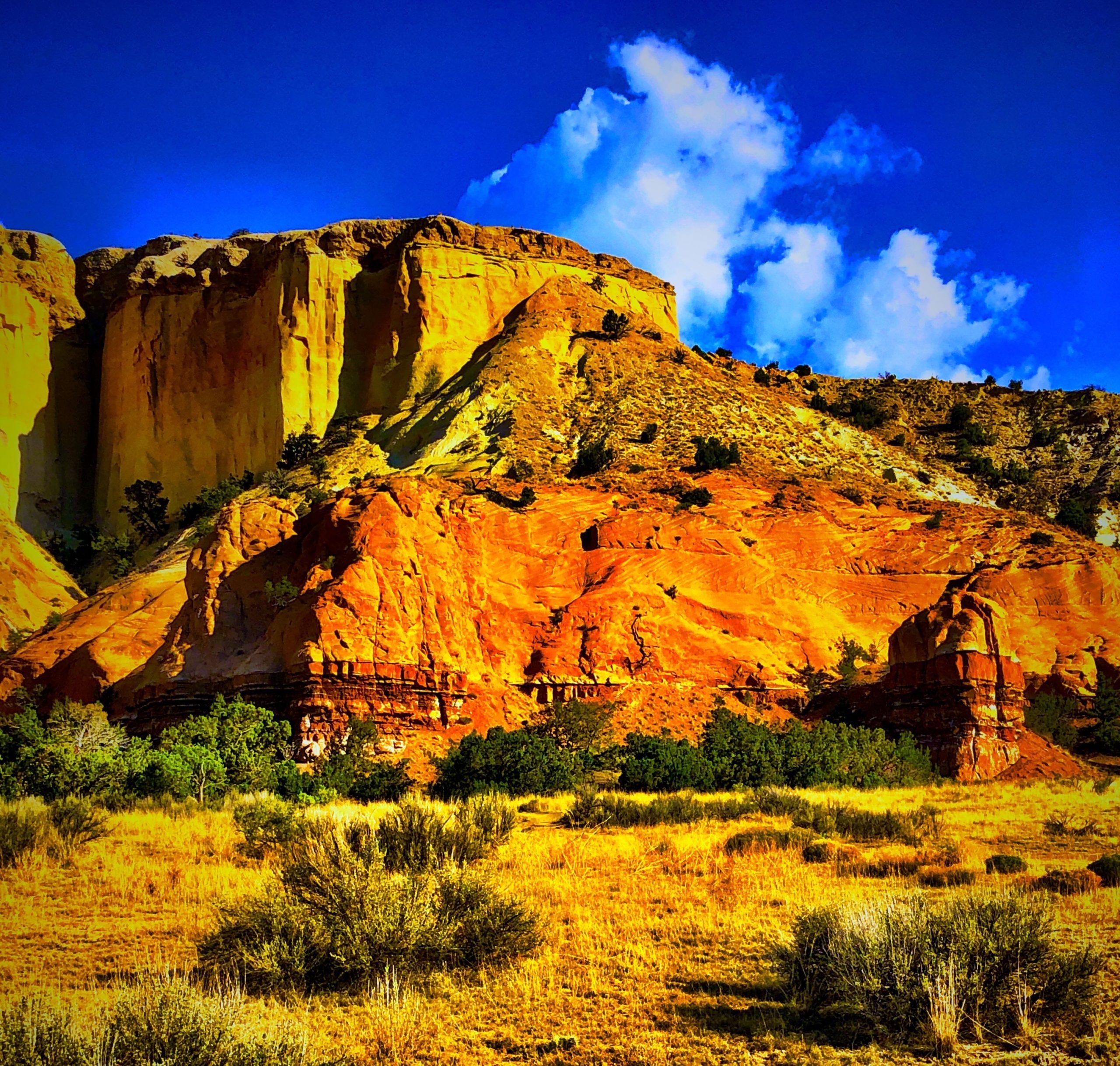
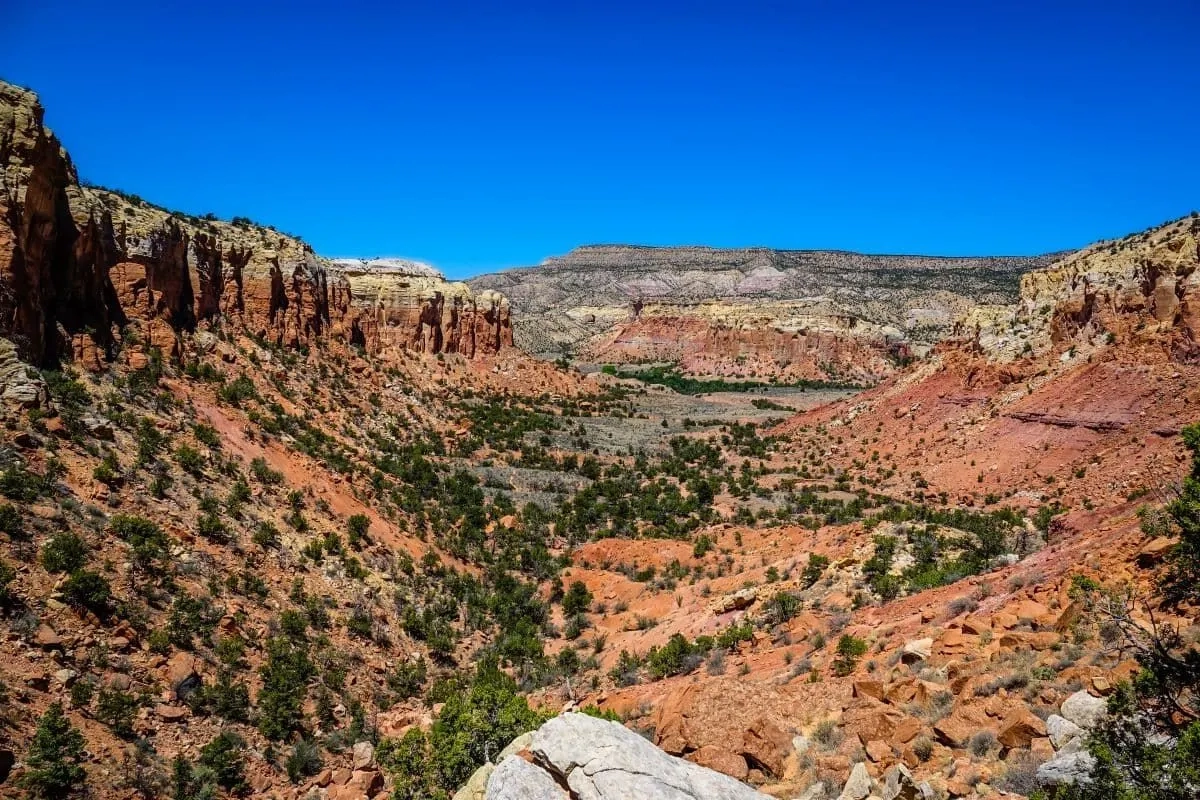
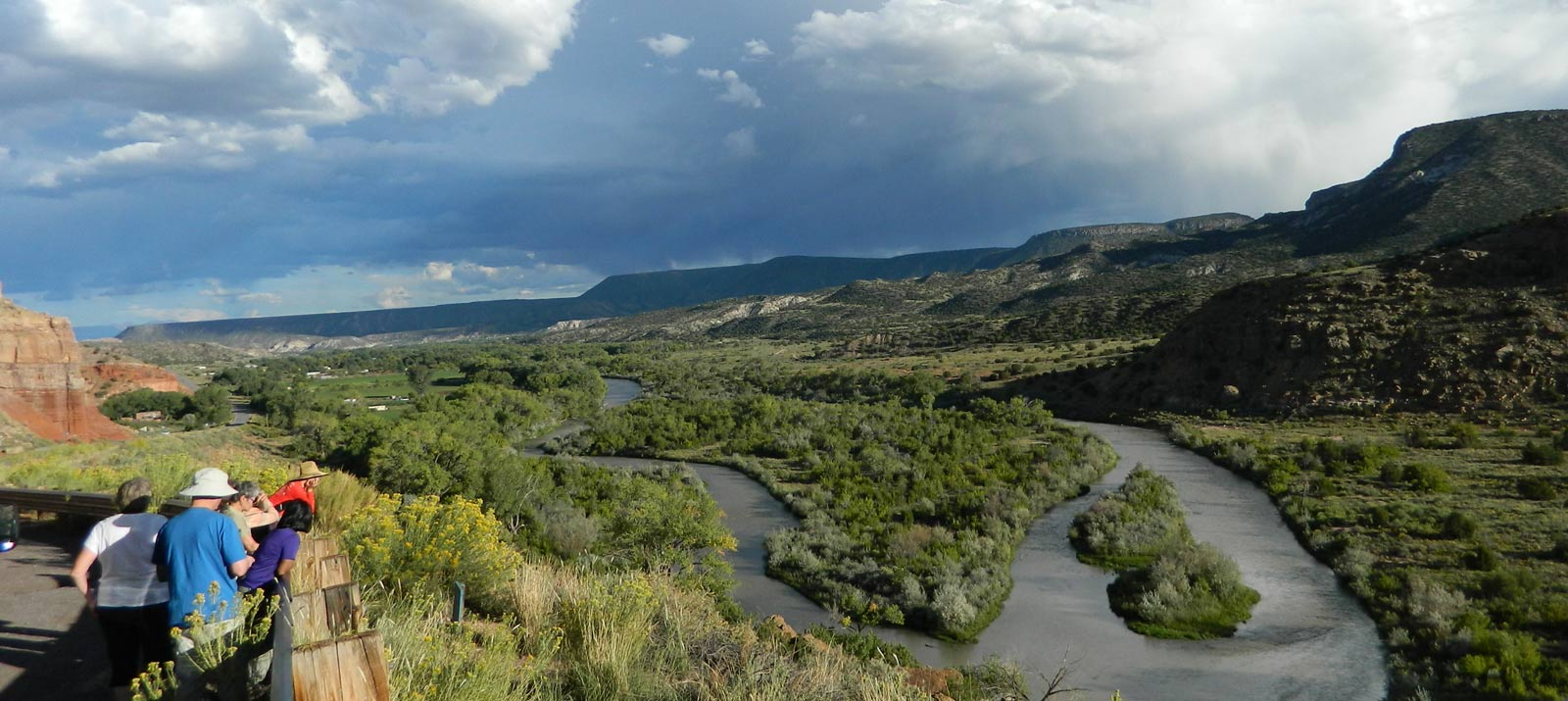
Travelers heading toward Abiquiu quickly realize how isolating yet grounding the environment is. Every turn in the highway reveals layered cliffs glowing in shades of ochre and rust. This raw beauty challenged artists to rethink how they captured color and form on canvas.
Georgia O’Keeffe and Her Adobe Sanctuary
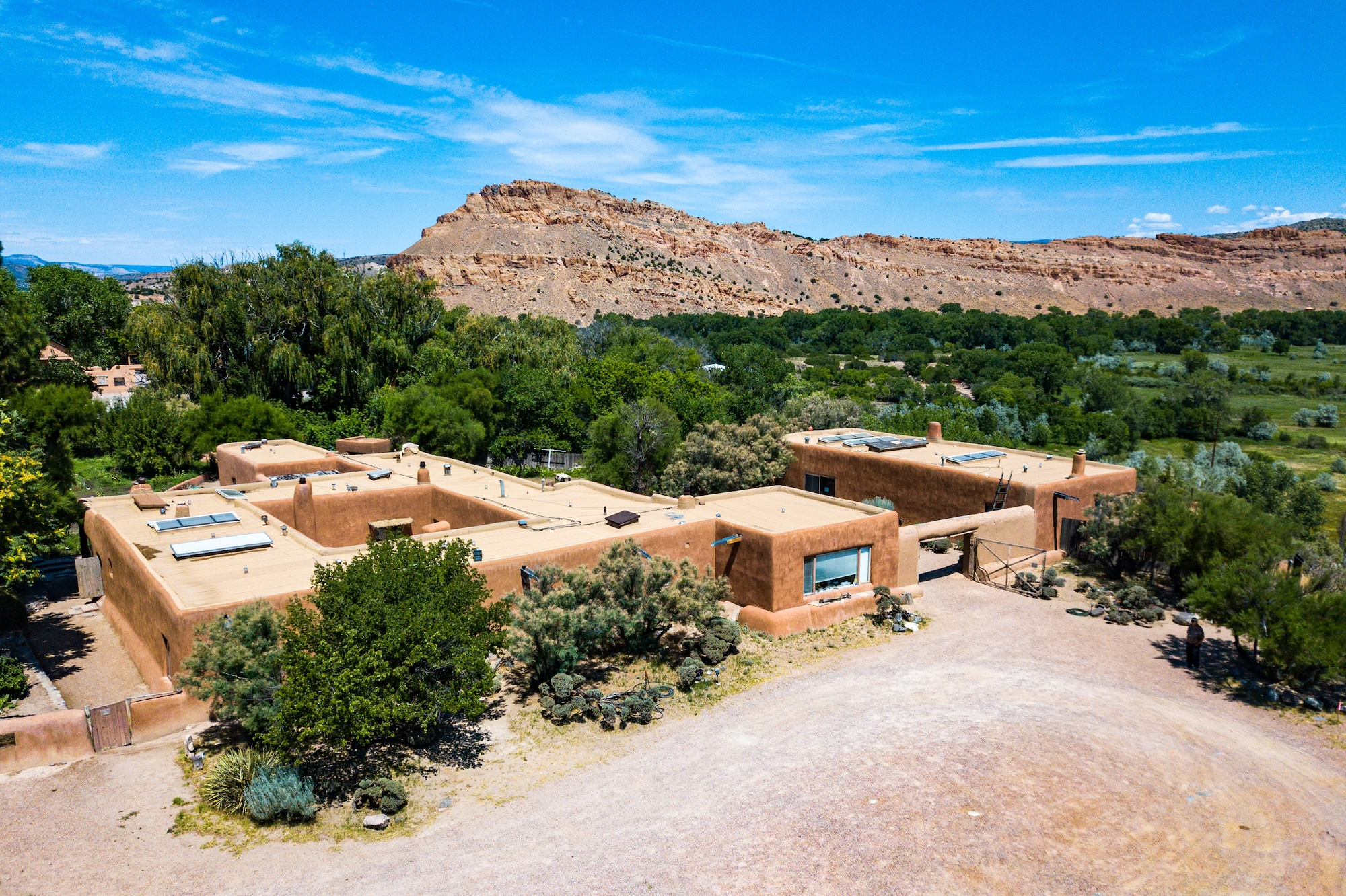
No discussion of this route is complete without mentioning Georgia O’Keeffe. She first visited the area in the early nineteen thirties and instantly fell in love with its stark majesty. Eventually, she purchased a crumbling adobe compound in the village of Abiquiu and spent years restoring it.
Her famous home and studio became ground zero for modern southwestern art. The road leading to her doorstep provided endless inspiration, from sun-baked bones to winding desert paths. Walking these grounds today lets fans connect deeply with the physical spaces where her masterpieces were born.
Indigenous and Spanish Colonial Roots
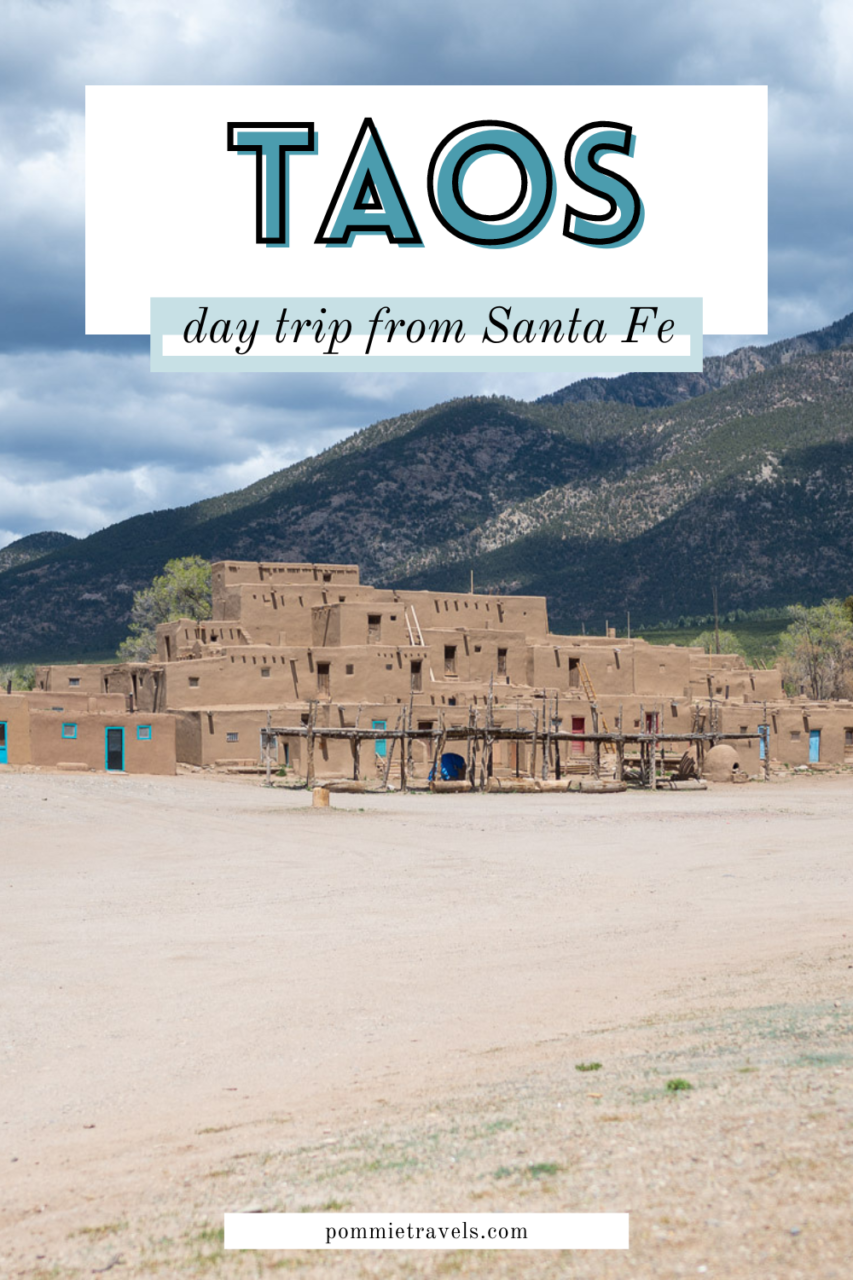
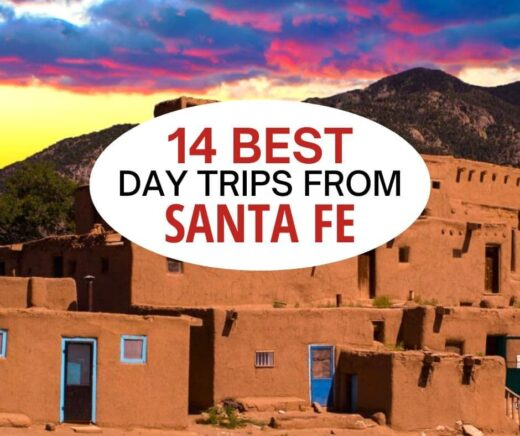
The artistic history here extends far beyond twentieth-century modernists. Native American communities and Spanish settlers shaped the cultural landscape long before canvases were stretched. Traditional adobe architecture and local craft traditions are woven directly into the fabric of the region.
Passing through historic settlements along the route highlights centuries of resilient craftsmanship. Artisans utilized local clay and timber to build homes that blend seamlessly into the desert. This deep respect for natural materials heavily influenced later artists who moved to the valley.
The Geometry of Mesa and Road
Artists traversing the corridor often found themselves obsessed with specific geometric forms. The interplay between flat valley floors and vertical sandstone cliffs created striking compositions. Painters translated these natural contrasts into minimalist studies of line and space.
Driving the highway today, you can easily spot the exact viewpoints that inspired iconic mid-century works. The ribbon of asphalt cutting through the desert became a recurring motif in regional painting. It represented both a journey into the unknown and a connection to home.
Preservation and Modern Cultural Tourism
Protecting this fragile artistic heritage requires careful effort from local museums and cultural foundations. Preserving historic adobe structures against harsh weather is a constant challenge for modern conservationists. Visitors in 2026 can tour restored properties and learn about ongoing preservation projects firsthand.
Educational programs ensure that the stories of these historic creators live on for new generations. Travelers are encouraged to respect local lands and heritage sites while exploring the corridor. Responsible tourism helps keep the creative spirit of the valley alive and thriving.
Planning a trip to experience this historic landscape takes a bit of preparation. Most notable sites and historic homes require advance reservations for guided tours, especially during peak seasons. Checking schedules ahead of time ensures you will not miss out on key cultural landmarks.
Pack plenty of water, comfortable walking shoes, and sunscreen because the high desert climate can be unforgiving. Take your time driving the highway and pull over safely at scenic overlooks to soak in the views. Letting yourself slow down is the best way to truly appreciate what drew artists here in the first place.
The road to Abiquiu remains much more than a simple transit route through the desert. It serves as a profound monument to human creativity and our deep bond with nature. Every mesa and winding turn carries the echoes of those who looked at the horizon and decided to paint it.
Visiting this magical part of New Mexico offers a rare chance to step inside living art history. Whether you are an avid painter or a curious traveler, the journey leaves an unforgettable mark. The spirit of discovery continues to echo softly along the highway today.