The autumn air carries a distinct smell of damp cedar and crushed pine needles, a sensory archive of a Saturday spent hiking through an old-growth ridge line. Most of us have pocketed a fallen leaf, pressed a fragile fern frond into the pages of a heavy paperback, or salvaged a striking piece of weathered driftwood. Yet, within weeks, that vibrant green fades to a brittle brown, petals curl into dust, and the raw magic of the encounter is lost to ordinary decay. We trap ourselves in climate-controlled, drywall boxes, yearning for a tangible link to the outdoors that doesn’t require constant watering, sweeping, or structural reinforcement.
For decades, bringing heavy natural elements indoors meant structural engineering gymnastics. Hanging massive slabs of live-edge wood, heavy river stone mosaics, or dense living moss walls required specialized wall anchors, heavy-duty toggle bolts, and an underlying anxiety about structural load limits. Traditional glass framing, while protective, adds crushing weight and dangerous shatter risks to large-scale wall installations. Enter the quiet revolution of contemporary artisan studios, where modern polymer chemistry meets organic foraging, creating a bridge between wilderness preservation and interior architecture.
The modern appetite for resin wall art—spanning over ten thousand independent maker listings and specialized storefronts—speaks to a collective craving for grounded, tactile environments. But transforming raw botanicals and fluid epoxies into safe, hanging narrative panels is an exacting craft. It requires balancing the volatile chemistry of two-part casting resins with the organic moisture content of real moss, lichens, and seed pods. When executed correctly, lightweight resin art strips away the heavy burdens of traditional natural decor, offering a shatter-resistant, luminous window into the wild that hangs effortlessly from a single picture hook.
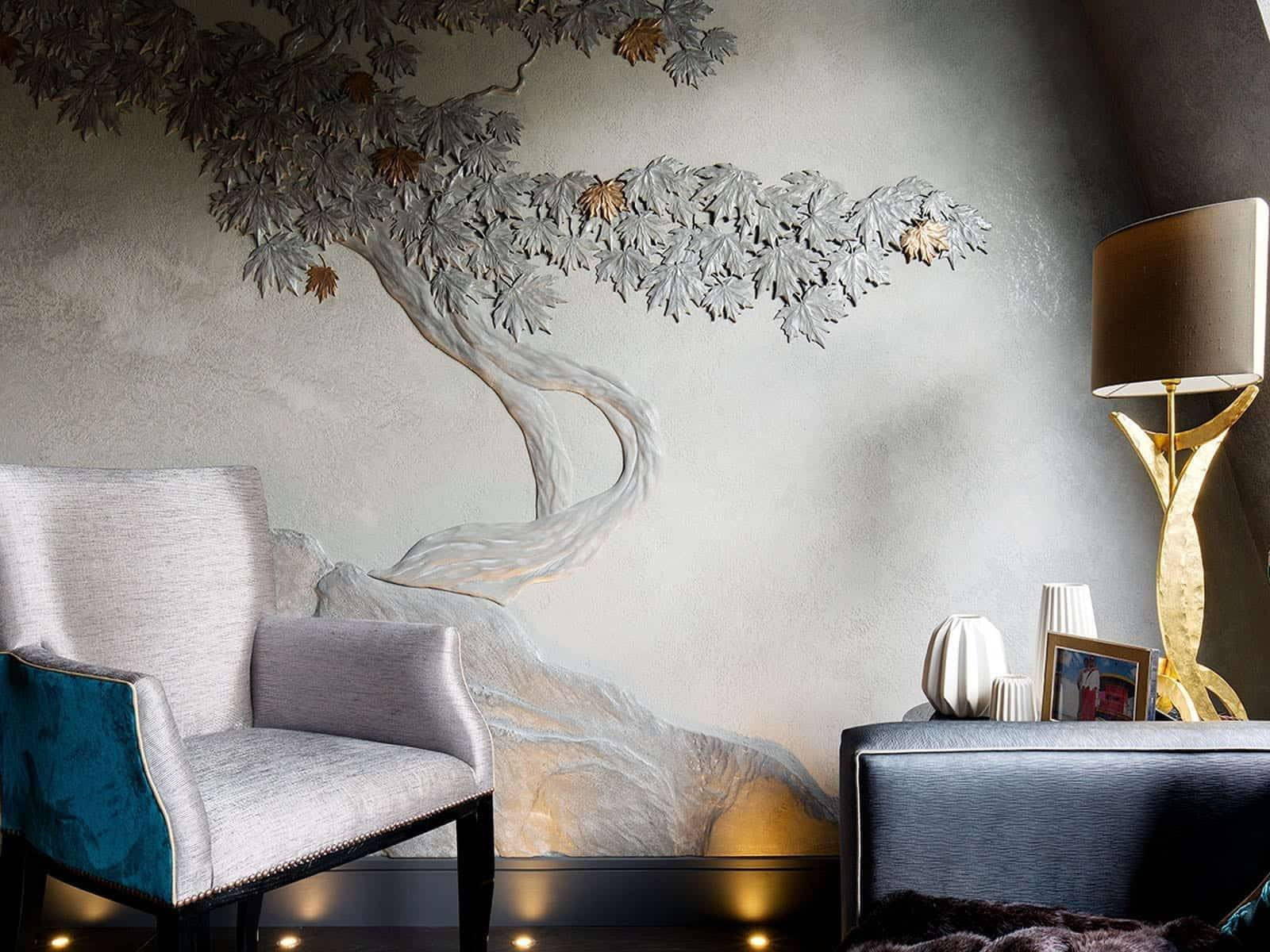
The intersection of interior design and botanical preservation has evolved far beyond tacky acrylic paperweights from coastal souvenir shops. Today’s curators and makers treat epoxy resin as a liquid canvas, capturing microscopic details of air bubbles clinging to submerged twigs, or the iridescent sheen of beetle-killed pine bark. This is not merely about decorating a blank wall; it is about curating micro-ecosystems that tell a personal story of a specific place, a particular season, and an intentional choice to live closer to the rhythm of the earth.
The Chemistry of Capture: Why Lightweight Resin Surpasses Traditional Framing
Understanding why epoxy and UV-resistant casting resins have become the gold standard for botanical preservation requires looking closely at what happens when organic matter meets air. When a plant leaf is pressed behind standard picture frame glass, residual humidity trapped in the cellulose fibers reacts with oxygen. Within seasons, mold spores bloom, chlorophyll oxidizes into a dull, muddy brown, and the delicate cellular walls collapse. Traditional framing flattens three-dimensional stories into two-dimensional corpses.
Epoxy resin, by contrast, acts as an absolute barrier to atmospheric moisture and oxygen. When properly dried botanical specimens—ranging from delicate Queen Anne’s lace to rugged reindeer moss—are submerged in clear, low-viscosity casting resin, every microscopic crevice is filled and sealed. The polymer cures into an inert, rigid matrix that locks the biological structure in a state of arrested animation. Light passes through the cured resin with a refractive index similar to glass, but with a fraction of the weight and zero brittleness under standard indoor thermal shifts.
Weight management is the unsung hero of interior styling with resin wall art. A traditional glass-and-wood frame measuring 24 by 36 inches easily tips the scales past twenty pounds, demanding wall studs and heavy hardware. A comparable thin-profile resin panel poured over a lightweight composite or honeycomb backing board can weigh less than five pounds. This dramatic reduction in mass allows renters and homeowners alike to mount sizable, visually rich landscape and botanical narratives onto standard drywall using simple, damage-minimal fasteners.
Furthermore, the mechanical properties of modern casting resins allow for varied panel thicknesses and edge finishes that eliminate the need for heavy outer frames altogether. Artisans can bevel edges, polish surfaces to a high optical clarity, or introduce a matte, organic texture that mimics river-worn sea glass. This seamless integration of art and backing creates floating optical illusions, where the preserved forest floor or coastal tide pool appears to hover inches off the wall, catching morning light and casting long, subtle shadows across the room.
Structural Integrity and Substrate Engineering for Wall-Hanging Safety
The most common point of failure in DIY or poorly manufactured resin wall art is not the surface resin itself, but the hidden substrate holding the weight. Resin is fundamentally a heavy liquid that cures into a dense plastic. If poured in large, unreinforced sheets directly onto a wall, it will warp, sag under its own weight over time, or pull away from its hanging anchors due to creep—a phenomenon where polymers slowly deform under constant low-level stress.
To achieve a truly lightweight piece that remains structurally sound for decades, makers utilize sophisticated composite cores. Materials like high-density expanded PVC (commonly known as expanded foam board), lightweight aluminum composite panels (such as Dibond), or sealed, kiln-dried aircraft plywood provide rigid foundations without adding unwanted pounds. The resin is then applied in controlled, millimeter-thin flood coats or encapsulated layers, embedding the botanical narrative directly into the skin of the composite board.
Load distribution is another critical engineering consideration. A single screw hole drilled near the top edge of a cured resin panel will eventually fracture the surrounding polymer under dynamic shifting. Safe hanging requires integrated French cleat systems bonded directly to the back of the substrate with structural adhesives like methacrylate or structural epoxies. These cleats distribute the downward gravitational force evenly across a wide horizontal bar, preventing torque and keeping the artwork flush and secure against the drywall.
Thermal expansion and contraction also demand respect. Homes experience seasonal shifts in temperature and relative humidity, causing wood substrates to expand while synthetic resins react differently. Professional resin artists account for this differential movement by using flexible bonding agents and sealing the reverse side of every wooden or composite backing board with a vapor barrier coat. This prevents moisture from one side of the panel from causing warping, ensuring the wall art remains perfectly flat through sweltering summers and dry, heated winters.
The Step-by-Step Methodology of Crafting and Hanging Narrative Resin Art
Creating or selecting a storytelling resin art piece involves a rigorous, multi-stage protocol that bridges botanical foraging, chemical formulation, and precision hardware installation. Whether commissioning a bespoke piece from a studio or crafting one yourself, understanding this workflow ensures absolute safety and visual longevity.
- Step 1 (Botanical Foraging and Dehydration): Collect natural specimens—leaves, seed pods, lichens, or bark fragments—ensuring they are legally harvested and completely free of active soil, pests, or excess moisture. Place delicate flora in a professional flower press using acid-free blotting paper, or dry bulky items in silica gel crystals for 3 to 7 days until moisture content is zero percent to prevent internal mold growth during casting.
- Step 2 (Substrate Preparation and Sealing): Select a lightweight, rigid backing such as a 1/4-inch aluminum composite panel or sealed PVC board. Sand the surface lightly with 120-grit sandpaper to create a mechanical grip, wipe clean with isopropyl alcohol, and apply a thin seal coat of clear epoxy to prevent any outgassing or air bubbles from escaping the substrate into subsequent resin layers.
- Step 3 (Composition and Layered Casting): Arrange your dried botanicals on the sealed substrate to tell your desired visual story. Mix a high-grade, UV-resistant casting epoxy (typically a 1:1 or 2:1 formula by volume) in precise ambient temperatures around 75°F. Pour a thin base layer, place your botanicals into the wet resin, pop surface bubbles using a heat gun or torch, and allow it to cure for 24 hours before pouring a crystal-clear top flood coat.
- Step 4 (Hardware Integration and Cleat Mounting): Once the final cure is achieved (fully hardened at 7 days), attach a lightweight aluminum or hardwood French cleat system to the reverse side using structural panel adhesive and short screws that do not puncture the front face. Ensure the cleat spans at least two-thirds of the artwork’s width for optimal weight distribution and stability.
- Step 5 (Wall Installation and Environmental Placement): Locate wall studs using an electronic finder, or install rated drywall anchors (such as hollow-wall toggle bolts or threaded metal anchors). Level the wall-side component of the French cleat, secure it firmly, and gently hang the resin panel, verifying flush contact and checking that the piece is shielded from direct, harsh afternoon sunlight to prevent long-term UV degradation.
Navigating Pitfalls: Common Mistakes in Resin Preservation and How to Avoid Them
The allure of clear resin often leads enthusiastic beginners and careless manufacturers into classic technical traps. Because epoxy chemistry is unforgiving, skipping steps or misjudging environmental variables can turn a stunning forest-floor tableau into a cloudy, yellowed, or warped disappointment.
- Pitfall 1 (Moisture Outgassing): Using botanicals that are not 100% dehydrated leads to trapped water vapor reacting with the curing epoxy, creating hazy, fogged patches around leaves and stems. Always use silica-gel-dried or pressed specimens and seal porous wood elements with a penetrating sanding sealer before resin contact.
- Pitfall 2 (Amine Blush and Surface Tック): High humidity or fluctuating cold temperatures during the cure cycle can cause a waxy, greasy film called amine blush to form on the resin surface. Prevent this by maintaining a strict workshop temperature between 70°F and 80°F with humidity below 50%, and wash any blushed surfaces with warm soapy water before applying subsequent coats.
- Pitfall 3 (Exothermic Thermal Shock): Pouring resin too thickly in a single batch (exceeding maximum manufacturer depth recommendations, usually 1/4 inch to 1 inch depending on the formula) causes an uncontrolled exothermic reaction. The resin overheats, yellows, boils, and can crack the substrate or warp the frame. Always build deep-relief art through sequential, shallow multi-pour layers.
- Pitfall 4 (Yellowing via UV Exposure): Standard general-purpose epoxies degrade rapidly when exposed to indoor window sunlight, turning amber or yellow within months. Insist on artist-grade casting resins infused with Hindered Amine Light Stabilizers (HALS) and UV-blocking additives designed specifically for fine art preservation.
- Pitfall 5 (Inadequate Hanging Hardware): Hanging heavy resin panels with standard sawtooth hangers or single drywall nails invites catastrophic failure as the hardware tears out over time. Always employ distributed French cleats or heavy-duty D-rings screwed into reinforced backing substrates rather than relying on the resin body alone.
The Broader Ecological and Psychological Impact of Biophilic Resin Design
Integrating tactile fragments of the natural world into our indoor spaces touches on a deep psychological need known as biophilia. Urban environments deprive our senses of irregular geometries, organic textures, and the slow, reassuring rhythms of seasonal change. When we gaze into a resin wall panel that encapsulates the intricate venation of a decaying maple leaf or the rough, lichen-dusted bark of an oak branch, our nervous system responds with measurable drops in cortisol and heart rate.
At the same time, the rise of artisanal resin work prompts an important conversation about sustainability and material ethics. Unlike mass-produced plastic decor stamped out in overseas factories, independent resin artists frequently source their raw botanicals through ethical foraging—gathering windfall branches, pruning overgrown garden flora, or salvaging wood scraps from local arborists. This circular approach transforms waste streams into permanent gallery pieces, honoring the life cycle of the plant while reducing the demand for virgin timber and resource-heavy industrial manufacturing.
Furthermore, these pieces act as visual anchors for personal narrative. A custom resin panel containing wildflowers gathered from a wedding venue, pine needles from a childhood family cabin, or beach grass from a memorable coastline vacation elevates home decor from passive consumption to active storytelling. The wall art becomes an heirloom artifact—a physical container of memory that resists the ravages of time without requiring the artificial maintenance of a terrarium or the sterile display of a museum jar.
As interior architecture increasingly embraces wellness-driven design, the demand for lightweight, safe, and meaningful statement pieces will only accelerate. The ability to suspend fragile ecosystems in crystal-clear polymer allows designers to break free from the constraints of heavy glass and cumbersome frames, turning ordinary walls into immersive landscapes that whisper stories of the open air.
Actionable Frameworks for Choosing and Curating Nature-Inspired Resin Art
Selecting or commissioning the right resin wall art for your living space requires balancing aesthetic intent, room scale, and technical specifications. To ensure your investment enhances your home safely and harmoniously, apply the following evaluative framework before bringing a piece indoors.
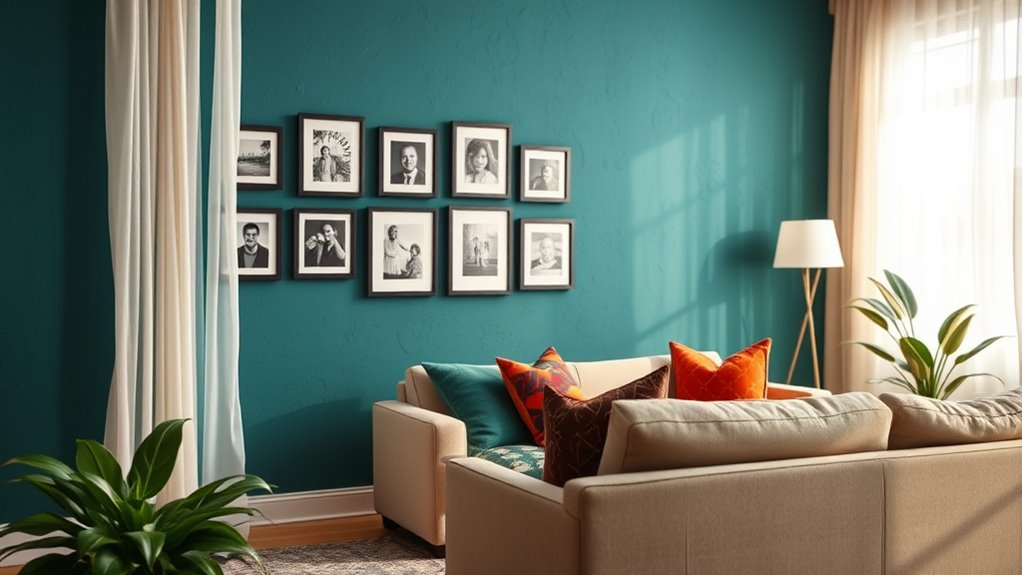
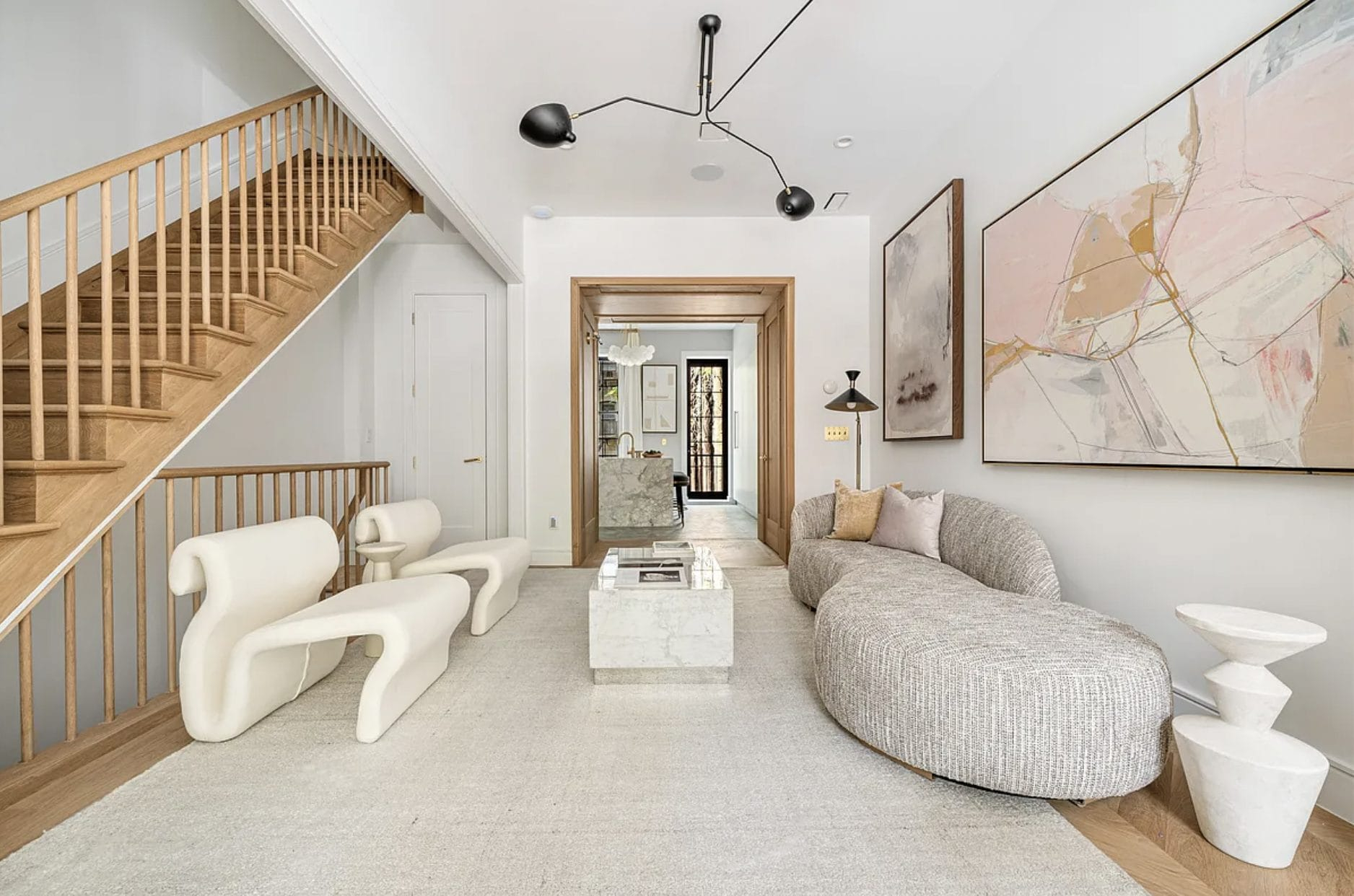
- Scale and Sightline Alignment: Match the resin panel size to your wall space; a 12×12 inch piece serves as an intimate focal point for a hallway or reading nook, while multi-panel triptychs or large 30×40 inch installations anchor living room sofas or dining credenzas without overwhelming the visual weight of the room.
- Material Transparency Verification: Inquire directly with makers or check product specifications to confirm the exact resin grade used (look for UV-stable, non-yellowing epoxy formulations) and the nature of the backing substrate (prioritize lightweight aluminum composite or sealed marine plywood over heavy solid wood slabs).
- Narrative Resonance: Choose pieces whose enclosed flora align with your personal history or regional geography—such as alpine ferns for mountain homes, coastal kelp and driftwood for seaside retreats, or prairie grasses for urban apartments craving pastoral calm.
- Lighting and Placement Strategy: Position your resin art on interior walls perpendicular to primary light sources rather than facing direct, blinding south-facing windows, allowing oblique ambient light to highlight the internal depth and three-dimensional layering of the botanical inclusions.
- Maintenance Protocols: Clean your resin wall art exclusively with a soft microfiber cloth and a mild soapy solution or specialized plastic cleaner; avoid glass cleaners containing ammonia or abrasive paper towels that can micro-scratch the polished polymer surface.
The impulse to bring the outside world indoors is as old as human habitation, born from a fundamental recognition that our indoor spaces are healthier and more vibrant when connected to the living earth. For generations, this desire forced a difficult compromise: we accepted the heavy weight of timber and stone, or watched helplessly as our gathered botanicals crumbled into dust.
Lightweight resin wall art dissolves this compromise entirely. By marrying advanced polymer chemistry with careful, respectful botanical foraging, contemporary makers have engineered a medium that is durable, remarkably light, and fiercely protective of nature’s fleeting moments. It transforms our walls from blank dividers into living storybooks, holding the textures of the forest floor and the coast in suspended animation.
As you look around your own living spaces, consider what stories are missing from your walls. Whether you commission a custom piece or embark on your own multi-layered casting journey, bringing nature inside safely is more than an interior design choice—it is a deliberate reclamation of our connection to the wild, engineered to endure for generations to come.