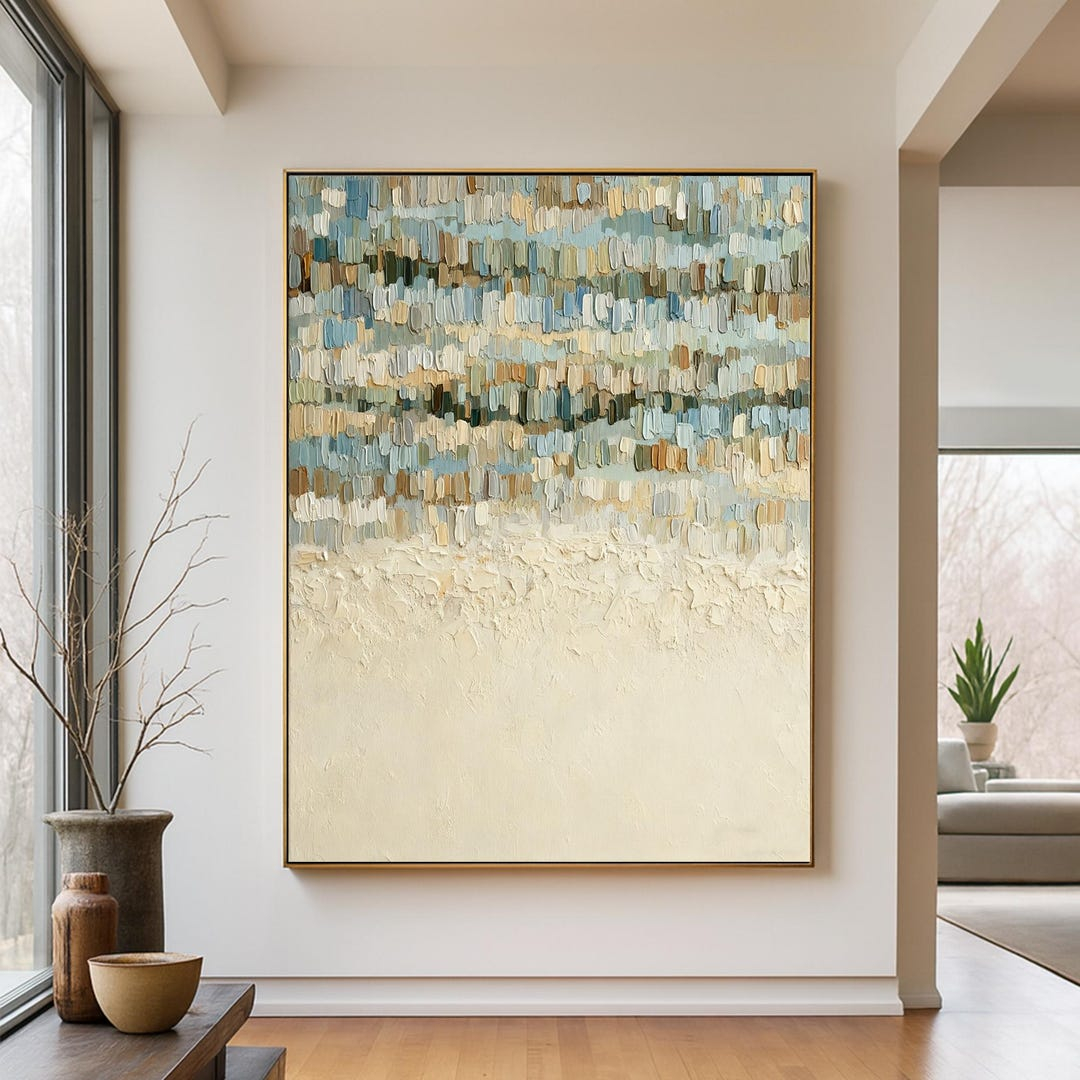
The hammer strikes the drywall with a muffled thud, driving a two-inch brass screw into a hollow anchor. Stepping back, the tape measure dangles between thumb and forefinger while the eyes dart back and forth, hunting for that elusive equilibrium. We have all stood in this exact spot—trapped in the twilight zone between a cramped entryway and a vaulted corridor, wondering why a cherished piece of art suddenly looks like a postage stamp pasted onto a giant, blank highway of plaster.
Wall art sizing is notorious for inducing silent panic. A print that looked monumental and breathtaking on a glowing e-commerce screen suddenly shrinks into insignificance the moment it meets a real-world vertical surface. Conversely, an oversized statement piece can swallow a narrow wall whole, transforming an intimate hallway into a claustrophobic tunnel. The home design community often leans heavily on blunt rules of thumb, like the classic two-thirds furniture rule or rigid square-foot ratios, leaving homeowners utterly defenseless when confronted with unconventional architecture.
Enter the unsung hero of architectural styling: the 60 by 20 inch canvas. This precise 3:1 horizontal or vertical aspect ratio has quietly become the secret weapon of interior stylists, gallery curators, and residential architects who deal with the stubborn geometry of narrow walls. It bridges the gap between massive grand-scale art and timid miniature decor, offering a cinematic sweep that commands attention without demanding spatial aggression. Understanding why these exact dimensions work so effectively requires looking past generic design clichés and diving into the geometry of human vision, spatial psychology, and architectural proportions.
The history of narrow wall styling is essentially a story of overcoming architectural neglect. For decades, builders treated corridors, stairwells, and interstitial entryways as purely functional arteries rather than intentional living spaces. Narrow walls present a distinct visual challenge because they restrict lateral eye movement while forcing vertical scanning. When a canvas is too square, it fights the natural boundaries of the wall, creating awkward dead zones of empty plaster above and below the frame. When a canvas is too narrow and tall, it mimics a vertical stripe, emphasizing the cramped width of the passage.
By utilizing a 3:1 ratio stretched across 60 inches of length and 20 inches of height, a canvas respects the linear momentum of narrow architecture. It creates an elongated visual anchor that tricks the human brain into perceiving the surrounding space as broader and more balanced. This dimensional harmony is why modern canvas print standards increasingly favor wide-format layouts for contemporary urban apartments and split-level homes where square footage comes at a premium. The math is simple, but the psychological impact is profound, turning neglected corridors into curated gallery experiences.
The Geometry of Narrow Walls and Human Visual Fields
Human vision operates on a horizontal bias. Our eyes naturally scan left and right across our field of view far more comfortably than they dart up and down. When walking down a narrow hallway or standing in an entryway, the visual field is inherently restricted by nearby side walls, doors, and structural framing. A standard square or slightly vertical canvas creates cognitive friction in these tight quarters, forcing the viewer to break their natural scanning rhythm. A 60 by 20 inch canvas aligns seamlessly with this horizontal visual sweep, allowing the eye to glide smoothly across the surface without abrupt vertical interruptions.
Architectural proportions rely heavily on ratios that resonate with our subconscious sense of order. The 3:1 proportion of a 60×20 canvas is inherently sleek, echoing the cinematic widescreen formats that capture our attention in film and media. When placed on a narrow wall—such as the span of drywall beside a staircase landing or the corridor leading to a master suite—this format introduces a sense of calculated rhythm. It acts as a visual horizon line, stabilizing the chaotic vertical lines of doorframes, light switches, and baseboards.
Furthermore, the physical dimensions of 60 inches wide by 20 inches tall fit comfortably within the human scale. At 60 inches in length, the piece spans enough visual width to anchor furniture like slim console tables, entryway benches, or narrow shoe cabinets without exceeding their footprint. At 20 inches in height, it leaves ample negative space above and below the frame, preventing the wall from feeling congested. This careful balance of mass and void is the defining hallmark of professional interior styling, separating amateur decor from spaces that feel intentional and breathable.
Architectural Constraints and the Science of Spatial Balance
Every room possesses its own structural grammar, dictated by ceiling heights, door clearances, and traffic flow. Narrow walls are notoriously unforgiving because they act as visual bottlenecks. If an art piece is too heavy or bulky, it physically and psychologically crowds the walkway, making inhabitants instinctively duck or sidestep as they pass. The 20-inch vertical constraint of the 60×20 canvas is an absolute lifesaver in this regard. By keeping the vertical profile relatively low, the canvas remains well above shoulder height while maintaining a safe clearance from chair rails and wainscoting.
Consider the common dilemma of styling the blank wall flanking a staircase. Standard vertical art pieces struggle here because they must step up in a staggered diagonal pattern, which can quickly look messy and cluttered if the spacing is off by even a fraction of an inch. A single 60×20 horizontal canvas installed on the primary landing wall bypasses this headache entirely. It spans the width of the landing platform with authoritative grace, serving as a unified focal point that anchors the entire multi-story stairwell.
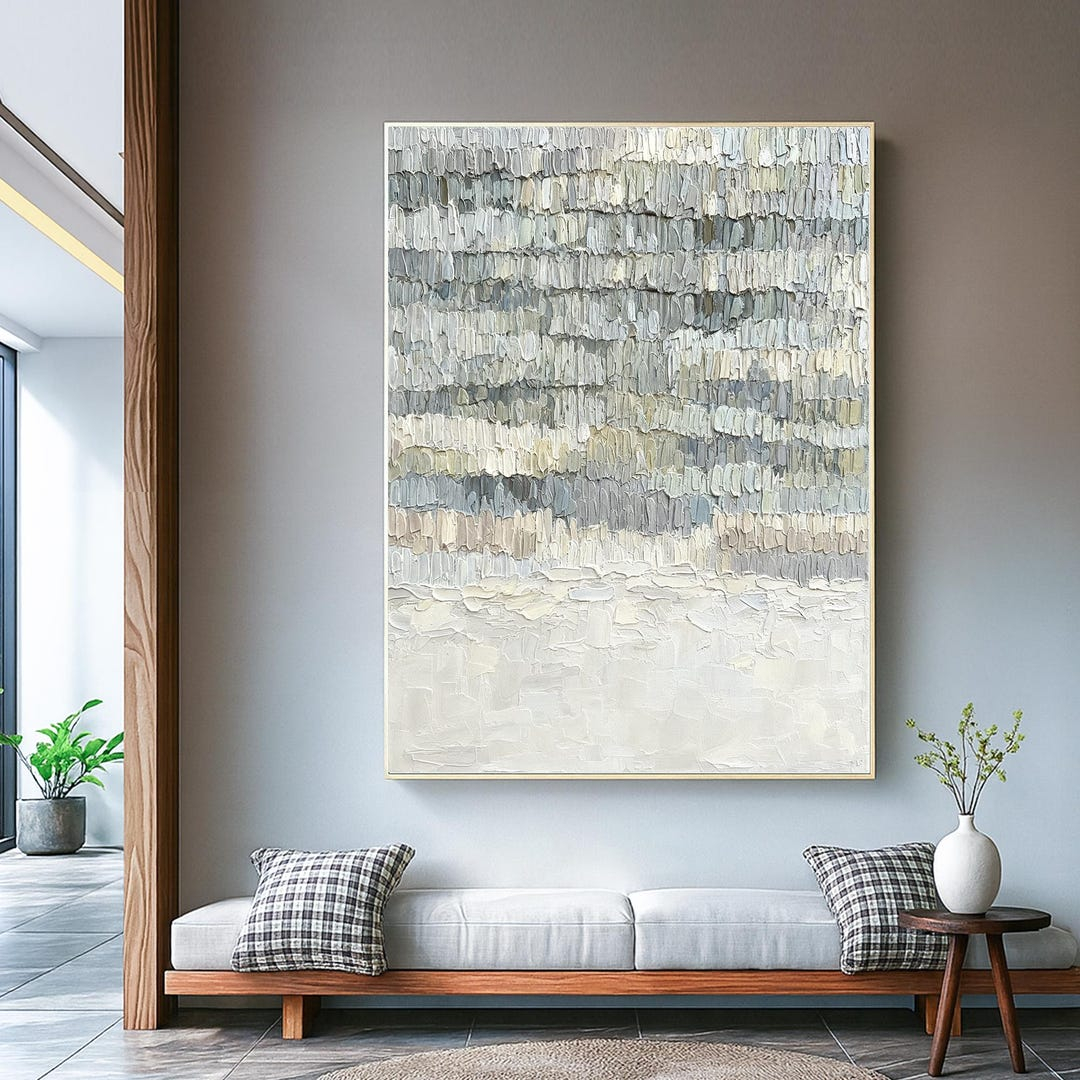
Interior designers frequently reference the 60-75% rule when matching art to furniture width, noting that artwork should occupy roughly two-thirds to three-quarters of the furniture piece below it. A standard slim entryway console or narrow accent bench typically measures between 36 and 48 inches wide. While a 60-inch canvas slightly exceeds the furniture width, this slight overhang creates a deliberate, grounded composition when centered correctly. It projects confidence and scale, preventing the furniture from looking stranded against a vast, empty expanse of drywall.
Step-by-Step Implementation Guide for Hanging Wide-Format Art
Hanging a wide-format canvas requires more precision than a standard square frame because any slight tilt or leveling error is immediately magnified across the 60-inch span. Achieving a museum-quality installation on a narrow wall demands a methodical approach, moving from initial layout to final hardware security.
- Step 1 (Wall Assessment and Centerline Mapping): Measure the total width of the narrow wall and mark the exact horizontal center using a laser level or a fine pencil mark. Do not rely solely on the corners of the room, as older construction often features out-of-plumb walls where corners drift significantly.
- Step 2 (Height Calibration and Eye-Level Math): Establish the vertical hanging height by positioning the center of the 60×20 canvas at standard gallery height, which is roughly 57 to 60 inches from the finished floor. For narrow walls situated above furniture like a bench, ensure the bottom edge of the frame sits 6 to 10 inches above the furniture surface.
- Step 3 (Hardware Selection and Dual-Point Anchoring): Never rely on a single center nail or sawtooth hanger for a 60-inch canvas, as the frame will inevitably warp or slip out of level over time. Install two heavy-duty drywall anchors or toggle bolts spaced evenly inward from the outer edges of the internal stretcher bars to distribute the load evenly.
- Step 4 (Tension and Frame Leveling): Hang the canvas using heavy-gauge picture wire attached securely to the stretcher bars, or utilize direct D-ring wall mounts for maximum stability. Place a spirit level directly across the top wooden stretcher bar of the canvas to confirm absolute horizontal equilibrium before releasing the weight.
- Step 5 (Lighting Integration and Final Polish): Because narrow walls often suffer from dim lighting or awkward shadow lines, install a battery-operated or hardwired picture light roughly 6 to 8 inches above the top frame border to wash the 60×20 canvas in a warm, directional glow.
Common Pitfalls and Field-Tested Workarounds
Even with the ideal canvas proportions, several classic installation mistakes can undermine the final aesthetic. Navigating these hidden traps separates amateur DIY attempts from polished interior styling.
- Pitfall 1 (Ignoring Door Swing Clearance): Hanging a 60×20 canvas on a narrow wall adjacent to an active door swing often results in catastrophic damage when the door handle smashes into the frame. Always test the full range of motion of nearby doors and windows before driving your first anchor into the wall.
- Pitfall 2 (Over-Reliance on Center-Eye Errors): Homeowners frequently hang art too high because they center it based on the height of the entire ceiling rather than the human eye-level zone. Keep the vertical center of the 20-inch canvas anchored strictly around 58 inches from the floor, regardless of whether your ceilings are eight feet or twelve feet high.
- Pitfall 3 (Neglecting Stretcher Bar Depth): Choosing a flimsy, ultra-thin 0.75-inch canvas depth on a wide 60-inch span can cause the wooden frame to warp or sag in the middle over time due to humidity fluctuations. Always opt for heavy-duty 1.5-inch thick gallery-wrapped stretcher bars to maintain structural rigidity and a premium profile.
- Pitfall 4 (Cluttering with Tiny Accents): Trying to fill a narrow wall by surrounding a 60×20 canvas with a chaotic cluster of small trinkets, sconces, or floating shelves destroys the clean lines of the wide format. Let the canvas stand alone as a definitive statement piece to maintain the illusion of breathing room.
- Pitfall 5 (Ignoring Lighting Angles): Placing a glossy-finish canvas directly opposite a glaring window creates harsh light reflections that obscure the artwork entirely. Use matte canvas coatings or position the wide-format piece on a perpendicular wall to catch soft, ambient side-lighting.
The Broader Impact of Proportion on Modern Spatial Design
Interior architecture has evolved dramatically over recent years, moving away from hyper-cluttered gallery walls toward intentional, minimalist statements that prioritize mental calm. In contemporary homes, where open-plan living often collides with compact hallways and narrow transitional zones, every square inch of vertical real estate must earn its keep. Choosing a 60 by 20 inch canvas is not merely a decorative choice; it is an exercise in spatial optimization that alters how we experience movement through a structure.
When a narrow hallway features a well-chosen wide-format canvas, the psychological journey through the home changes. Instead of experiencing a passage as a dark, restrictive tube, the viewer’s eye is pulled smoothly along the horizontal axis, creating an expanded sense of volume and depth. This design principle mirrors urban landscape architecture, where long sightlines and horizontal layering make small courtyards feel expansive. By bringing this macro-scale design logic into residential interiors, homeowners can radically transform awkward structural limitations into architectural highlights.
Furthermore, the economic and practical sustainability of standardized wide-format printing has made custom art more accessible than ever. High-resolution digital imagery, panoramic photography, and abstract expressionist digital files translate effortlessly to the 3:1 aspect ratio without requiring expensive custom framing. This accessibility empowers individuals to curate their living environments with precision, replacing mass-produced mediocrity with intentional, proportion-driven design that stands the test of time.
Actionable Recommendations for Mastering Narrow Wall Styling
Synthesizing these spatial principles into a concrete action plan ensures that your next decorating project hits the mark on the first try. Sizing and placement require a disciplined approach that respects both the physical dimensions of the architecture and the psychology of human perception.
- Recommendation 1 (Audit Your Hallways First): Walk through your home with a tape measure, cataloging every narrow wall, hallway span, and stair landing that currently feels dead, cluttered, or neglected.
- Recommendation 2 (Use Painter’s Tape Mockups): Before purchasing or printing art, map out the exact 60 by 20 inch footprint on your wall using blue painter’s tape. Leave the tape in place for 48 hours to observe how it interacts with daily foot traffic, lighting changes, and furniture clearance.
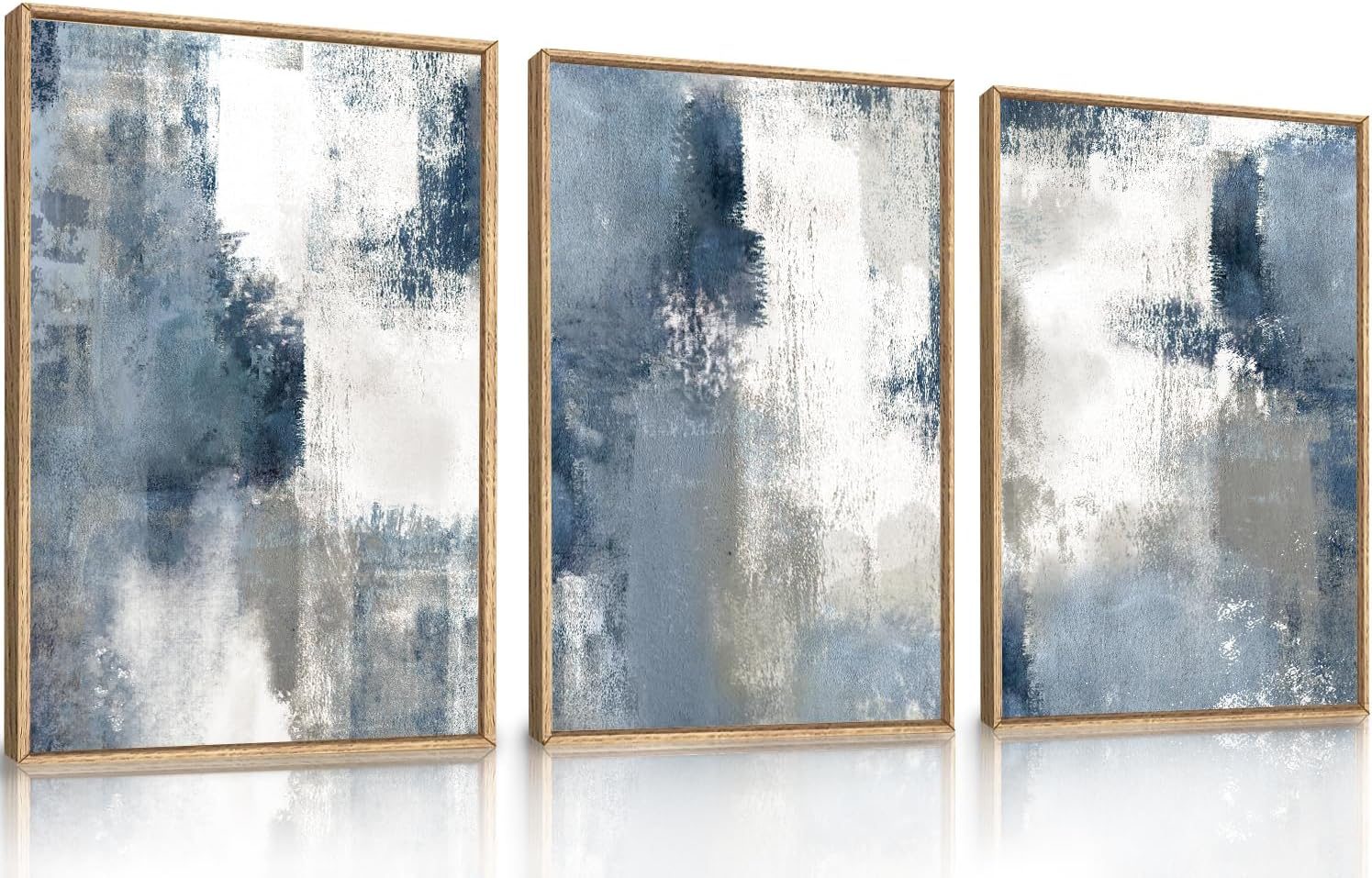
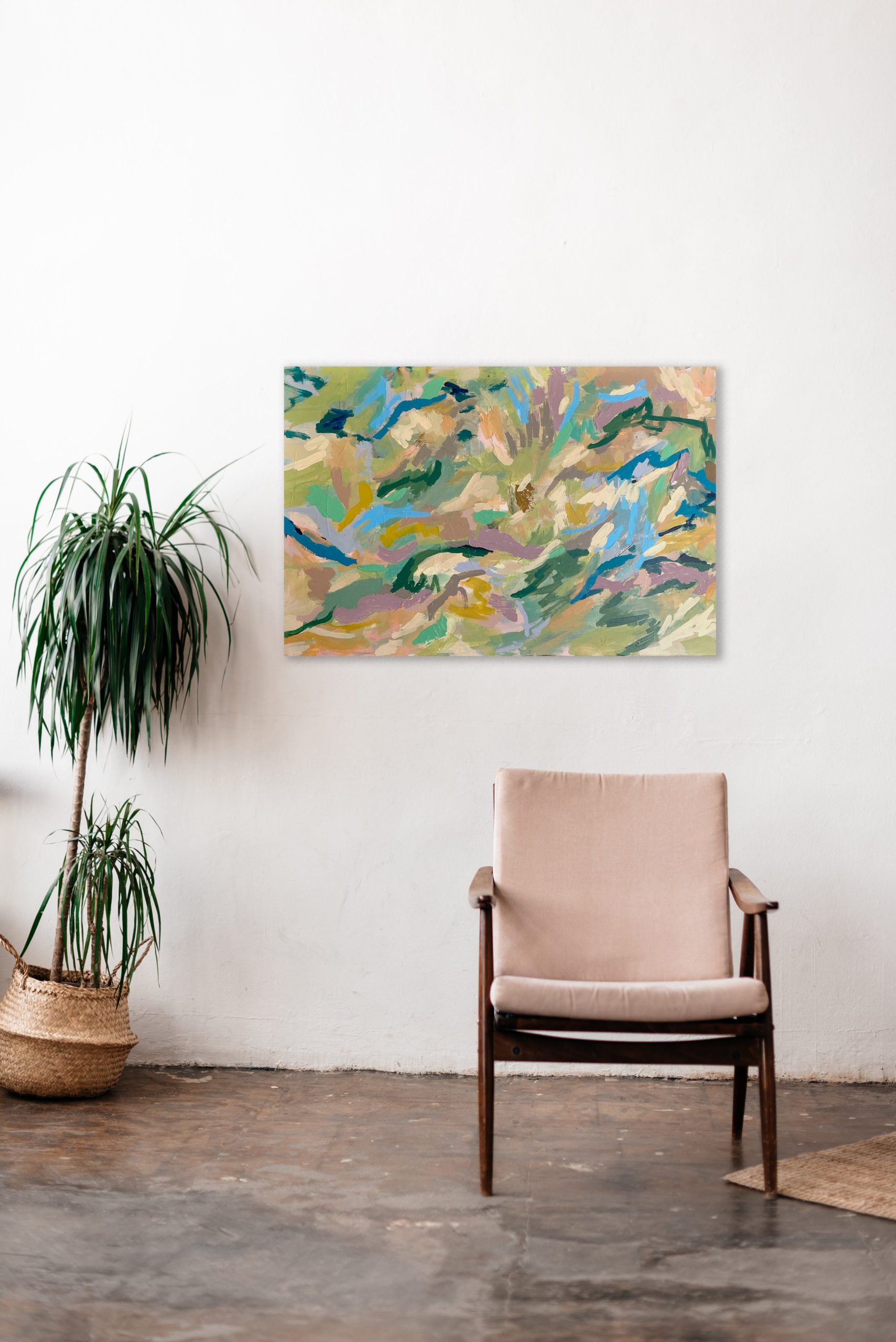
- Recommendation 3 (Match Subject Matter to Width): Select photography or abstract art that features strong horizontal lines—such as coastal horizons, minimalist cityscapes, or sweeping abstract brushstrokes—to naturally reinforce the wide format of the canvas.
- Recommendation 4 (Prioritize Professional Hardware): Invest in quality dual-point hanging systems, heavy-duty wall anchors, and built-in frame levels to ensure your 60×20 canvas remains secure, straight, and visually authoritative for years to come.
The art of styling narrow walls ultimately comes down to respecting the inherent geometry of the space while introducing elements that guide the eye with confidence and grace. We often overcomplicate interior design, hunting for complicated multi-piece gallery arrangements or trendy ornamentation when the true solution lies in pure, unadulterated proportion. The 60 by 20 inch canvas proves that limitations can become your greatest creative catalyst.
By honoring the horizontal sweep of human vision and embracing the structural realities of tight hallways and entryways, this specific format transforms awkward architecture into a curated experience. It bridges the gap between furniture scale and wall mass, turning dead plaster into a dynamic visual journey. As we continue to refine how we live in and interact with our personal spaces, mastering these foundational proportions ensures that every wall in the home feels balanced, intentional, and unmistakably alive.