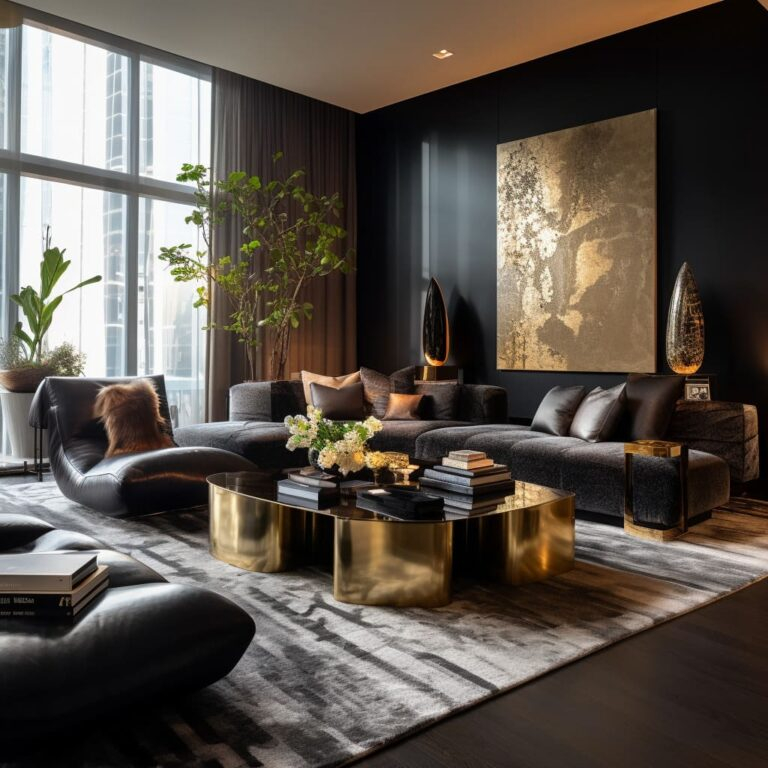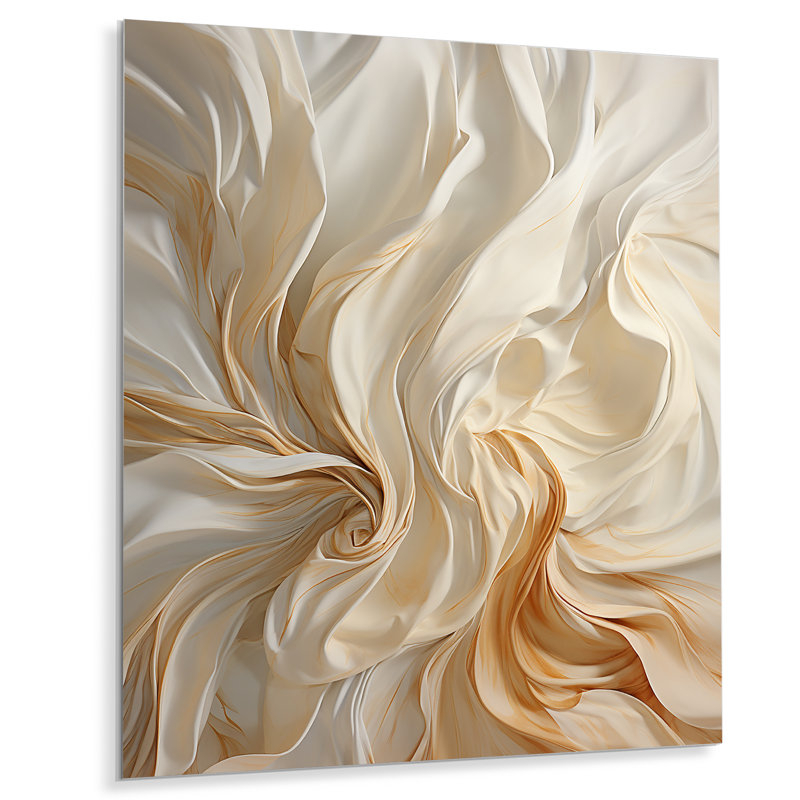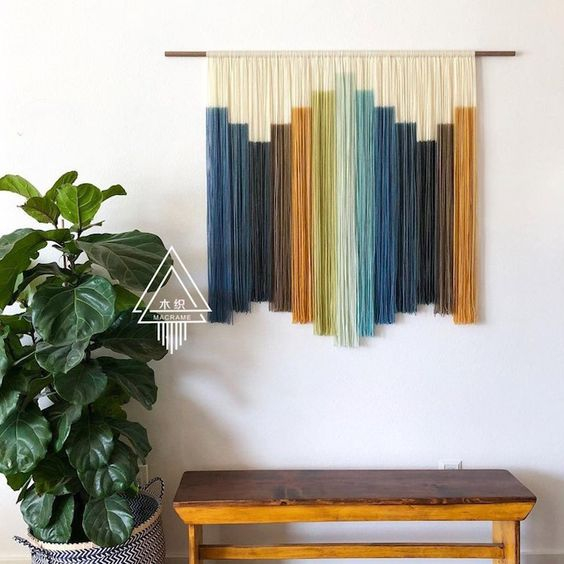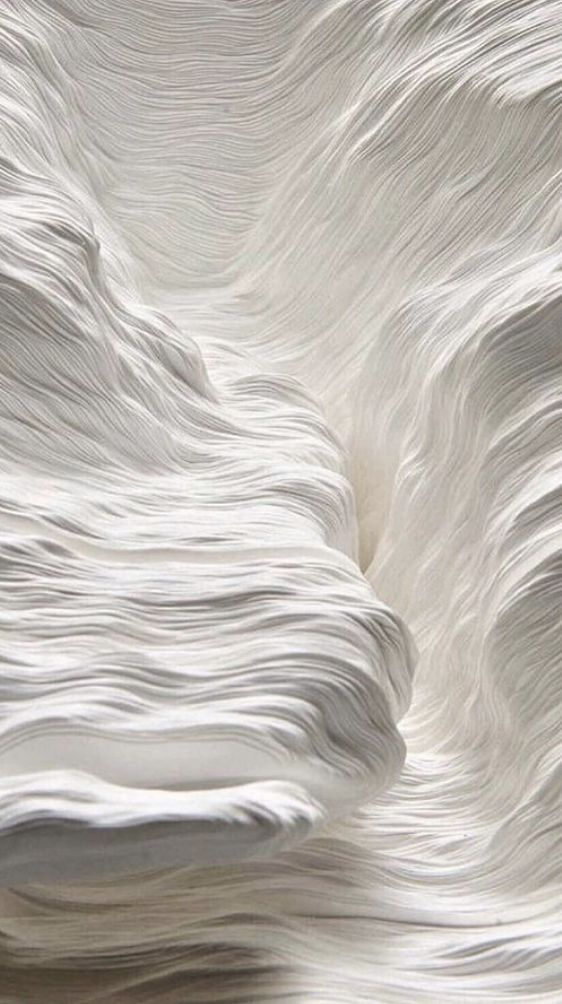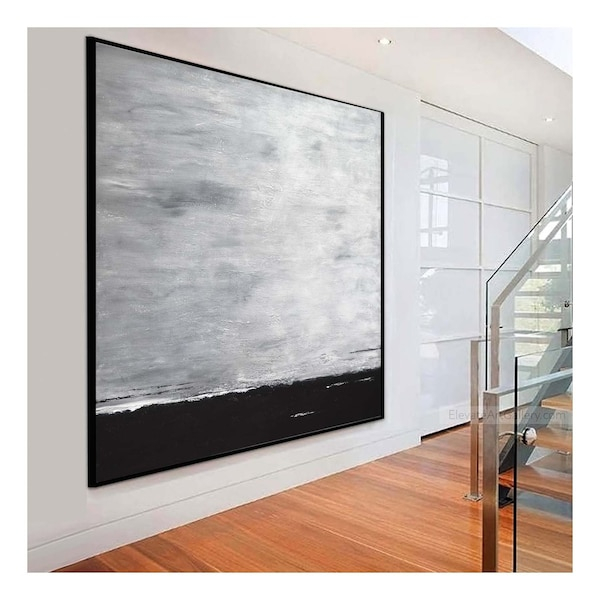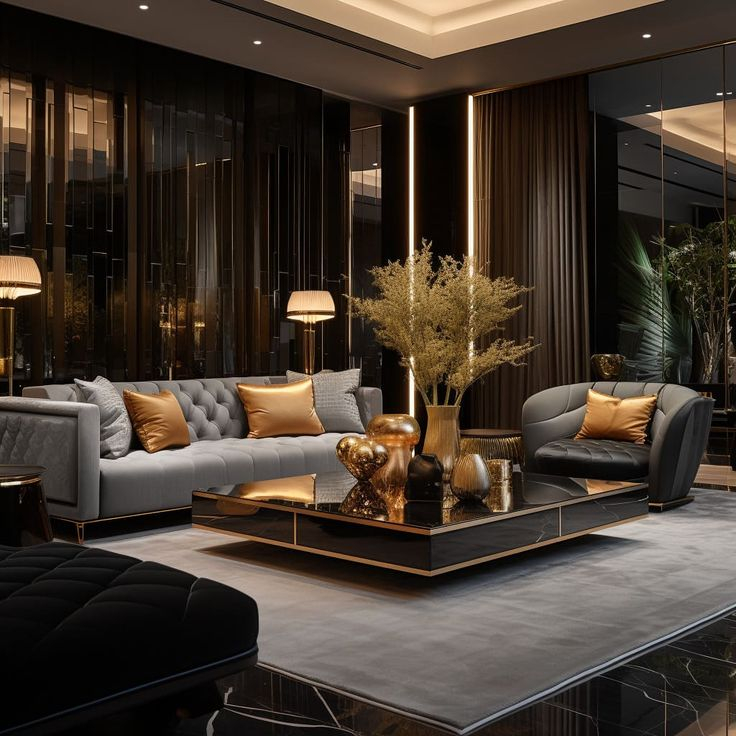
The afternoon sun hits the wall panel just right, sending a cascading ripple of amber light across a suede sofa. For a second, the room feels alive. It breathes. You aren’t staring at a static canvas hanging over a piece of furniture; you are watching light bend and dance along micro-valleys of brushed stainless steel. It is a quiet, mesmerizing phenomenon that stops conversations mid-sentence.
Living spaces often suffer from architectural stillness. Between flat drywall, rigid geometric furniture layouts, and predictable paint palettes, our homes can subtly slip into visual stagnation. We try to fix this with house plants, patterned throw pillows, or trendy decor items, yet something fundamental remains flat. The eye yearns for motion, for organic cadence, for the unpredictable beauty found in nature.
Enter the physics of the wave. When an artist takes a rigid industrial medium—be it bronze, copper, or water ripple stainless steel sheets—and forces it into fluid, undulating geometries, a psychological shift occurs. This art form bridges the gap between cold industrial strength and organic fluidity. The resulting metallic installation does more than decorate a room; it actively programs the neurological rhythm of the people inside it, turning static square footage into an atmospheric sanctuary.
The Neurology of Motion: Why Fluid Geometries Calm the Nervous System
Human visual processing evolved in natural landscapes where straight lines were rare anomalies. The horizon, the dune, the rolling hill, and the cascading ocean wave dominate our ancestral visual database. When we look at undulating wave patterns in metallic art, our brains instantly recognize these biomimetic curves as safe, natural, and low-threat. This evolutionary recognition triggers a subtle relaxation response in the autonomic nervous system, lowering heart rates without conscious effort.
Unlike geometric abstracts or high-contrast modern paintings that demand cognitive interpretation, wave patterns operate on a sensory level. The smooth peaks and troughs guide the eye along a gentle, continuous trajectory. There are no jarring corners or aggressive focal points to trap the gaze. Instead, the visual field flows smoothly from one metallic ridge to the next, mirroring the rhythmic cadence of deep, controlled breathing. This subtle visual pacing makes wave art exceptionally effective in high-stress urban environments where sensory overload is a daily reality.
The choice of metal amplifies this neurological effect through reflectivity. Light is never static; it shifts with the passing clouds, the angle of a lamp, or the flicker of a candle. As illumination sweeps across the undulating metallic surface, the waves appear to move independently of the wall. This kinetic illusion engages our peripheral vision just enough to spark curiosity while maintaining an overarching sense of tranquility. It mimics the mesmerizing effect of a campfire or a gentle tide, anchoring the mind in the present moment.
Material Alchemy: How Copper, Bronze, and Steel Shape Ambient Emotion
Not all metallic waves speak the same emotional language. The material foundation dictates the baseline mood of the space long before light even touches the surface. A cold-rolled steel panel beaten into rolling oceanic crests communicates a crisp, modern, almost meditative sterility—clean, focused, and sharp. Conversely, a hand-warmed sheet of brass or copper treated with liquid metal finishes radiates an enveloping, earthy warmth that shifts a room’s emotional temperature by several degrees.
Consider the role of color psychology in metal art. While traditional paintings rely on pigments, metallic surfaces rely on spectral reflectance and patination. Warm metals like gold, bronze, and rose-tinted copper absorb cooler blue spectrums and bounce back rich ambers, terracottas, and soft honeys. These tones stimulate comfort, social warmth, and conversational intimacy, making them ideal for living rooms and dining areas. Cooler metals like stainless steel, silver, and titanium-coated alloys reflect azure and crisp white light, creating expansive, contemplative spaces that feel cleaner and more breathable.
The fabrication technique further deepens this emotional resonance. Hand-hammered ripples carry the unmistakable signature of human touch, introducing micro-imperfections that catch light unevenly. This imperfection is crucial for residential design; it prevents the art from feeling like an unapproachable corporate lobby installation. Machine-pressed water ripple sheets offer high geometric precision and mesmerizing regularity, but hand-finished liquid metal panels offer tactile depth and organic asymmetry that invite the viewer to imagine the artist’s hands shaping the molten medium.
Spatial Choreography: Positioning and Lighting Kinetic Wall Sculptures
Hanging a piece of metallic wave art requires a completely different mindset than hanging a traditional framed print. Because these works rely on ambient interaction, placement is the single most critical factor in their success. Place a 3D gold wave wall art piece on a dead-end hallway wall with no directional light, and it will read as a dull, expensive sheet of foil. Position it where early morning sun or low-angled evening light can graze directly across its surface, and the entire wall becomes a living seascape.
Designers increasingly rely on grazing light techniques to maximize this visual yield. By installing a warm LED track light or a discreet wall washer three to four feet above the sculpture, light hits the metallic peaks at a razor-sharp angle, casting deep, dramatic shadows into the troughs. This high-contrast interplay maximizes the perception of 3D depth, making flat walls appear to recede and expanding the perceived volume of compact living rooms.
Room orientation also dictates material selection. North-facing living spaces receive cool, diffuse, indirect light throughout the day, which can easily render a room feeling cold and uninviting. Introducing an undulating wave sculpture forged in warm brass or deep bronze counteracts this chill by infusing the space with simulated sunlight. South-facing rooms, flooded with harsh, direct midday beams, benefit immensely from brushed stainless steel or silver wave panels that diffuse and soften the intense glare into a soothing, luminous haze.
Common Pitfalls in Metallic Art Integration and How to Overcome Them
Integrating heavy, reflective, and texturally complex art into a residential space is a high-stakes design endeavor. Even seasoned interior stylists occasionally miscalculate the delicate balance between metallic radiance and visual clutter. Recognizing these potential traps ensures the installation elevates the home rather than overwhelming it.
Pitfall 1 (Over-Reflectivity and Glare): Placing large-scale polished chrome or mirror-finish wave art directly opposite a wall of unshaded floor-to-ceiling windows causes blinding daytime glare and awkward reflections of television screens.
Practitioner Workaround: Opt for satin, brushed, or heavily textured matte liquid metal finishes that diffuse light rather than bouncing it like a mirror, preserving the atmospheric glow without the blinding hotspot.
Pitfall 2 (Visual Weight Imbalance): Hanging a massive, heavy-gauge bronze wave panel on a delicate, drywalled partition without proper structural anchoring compromises both safety and aesthetic harmony.
Practitioner Workaround: Always verify stud placement or utilize heavy-duty toggle anchors rated for at least three times the piece’s weight, and pair the visual weight of the art with grounding floor elements like a heavy wool rug or solid wood media console.
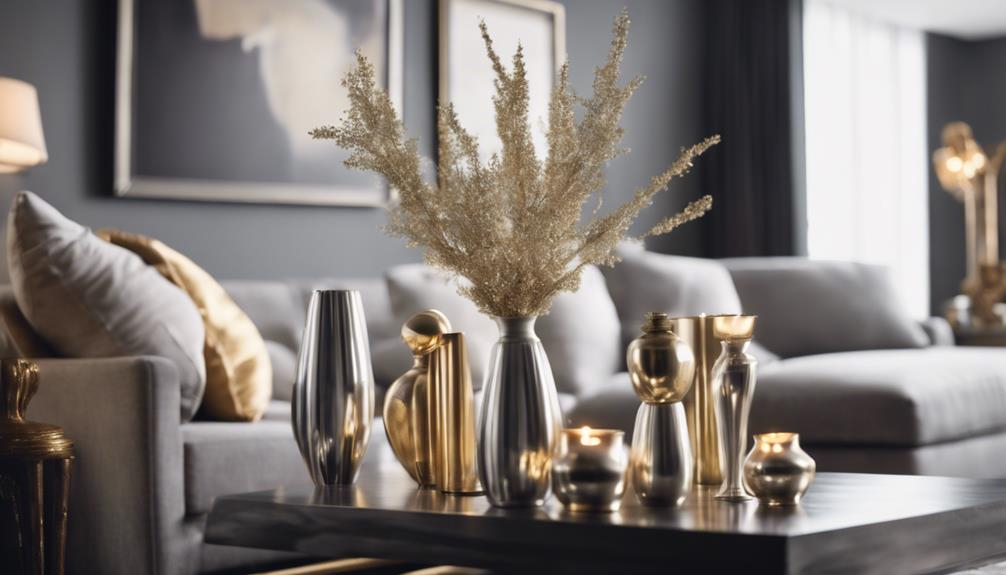
Pitfall 3 (Competing Metallic Finishes): Introducing a bright yellow-gold wave sculpture into a room dominated by matte black fixtures, brushed nickel hardware, and cool gray textiles creates visual chaos.
Practitioner Workaround: Maintain a cohesive metallic hierarchy by anchoring the art to at least two minor room accents—such as a side table frame or lamp base—while letting the undulating art serve as the dominant statement piece.
Pitfall 4 (Acoustic Echo Chambers): Large expanses of flat metal and minimalist modern furniture often create harsh echo chambers where conversations bounce uncomfortably.
Practitioner Workaround: Look for acoustic-backed metal wave art (such as composite acoustic panels faced with micro-perforated water ripple stainless steel) that simultaneously absorbs sound waves while delivering high-end aesthetic movement.
Pitfall 5 (Static Lighting Setups): Relying solely on harsh overhead recessed ceiling cans to illuminate a textured metallic piece flattens out all the subtle valleys and curves.
Practitioner Workaround: Layer your lighting by incorporating side lamps, picture lights, or dimmable wall sconces that allow you to change the angle and intensity of illumination as day transitions to night.
The Acoustics of Calm: Merging Visual Flow with Sound Mitigation
One of the best-kept secrets of high-end interior design is the intersection between visual texture and acoustic comfort. Large open-concept living spaces with hardwood floors, glass coffee tables, and minimalist plaster walls are notorious acoustic nightmares. Sound waves bounce endlessly off hard surfaces, creating a subtle, fatiguing background hum that elevates cortisol levels without homeowners even realizing why they feel tense.
Modern metallic art innovations have solved this problem by fusing undulating visual design with acoustic engineering. High-end architectural panels utilize perforated stainless steel or aluminum formed into water ripple patterns, backed by high-density sound-absorbing acoustic felt. When mounted in a living room, these panels act as dual-threat design elements. They trick the brain into experiencing the calming motion of water while physically trapping airborne sound energy.
This acoustic dampening completely alters the emotional signature of a room. Echoes soften, voices sound richer and more intimate, and the home transitions from an echoey box into an acoustic sanctuary. When you combine the psychological reassurance of organic wave patterns with actual noise reduction, the living room ceases to be just a place to sit—it becomes a restorative decompression chamber designed to protect your peace of mind after a chaotic day in the outside world.
Curating Your Atmospheric Arc: Selecting and Styling Your Metal Wave Piece
Choosing the right undulating wave art for your home requires treating your living space as an emotional canvas. Begin by auditing your daily rhythm. If your life is high-octane, fast-paced, and filled with digital screens, your home needs to provide an opposing neurological anchor. Look for expansive, slow-curving horizontal wave patterns in muted silver, pewter, or frosted champagne tones that encourage the eye to slow down and linger.
Scale is your next crucial consideration. A common amateur mistake is purchasing a metal art piece that is far too small for the wall it occupies, treating the sculpture like a framed photograph rather than an architectural feature. For maximum emotional impact, your metal wave panel should occupy roughly two-thirds to three-quarters of the available wall space above your primary furniture grouping. This allows the sweeping curves to dominate the peripheral vision, completely shifting the spatial psychology of the room.
Finally, consider the dialogue between the art and its surrounding textiles. Metallic surfaces crave textural juxtaposition. Pair cold, hard stainless steel waves with ultra-soft upholstery like bouclé, mohair, or heavy linen to create tactile tension. The contrast between the rigid, flowing metal and the soft, touchable fabric heightens the luxury of the space, inviting you not just to look at the room, but to deeply feel it.
The rooms we inhabit quietly shape the people we become. By moving away from flat, static decor and embracing the kinetic poetry of undulating metallic art, we invite the unpredictable, grounding beauty of nature back into our daily lives. These living metal sculptures do not just sit quietly on our walls; they catch the changing light, calm our nervous systems, and turn our homes into resilient spaces of profound emotional restoration.
As we continue to navigate an increasingly digital and fast-moving world, the value of physical environments that inspire awe, stillness, and tactile connection will only grow. Investing in a thoughtfully chosen, light-responsive metal wave installation is more than a design choice—it is a commitment to cultivating peace within your own four walls, one shimmering ripple at a time.