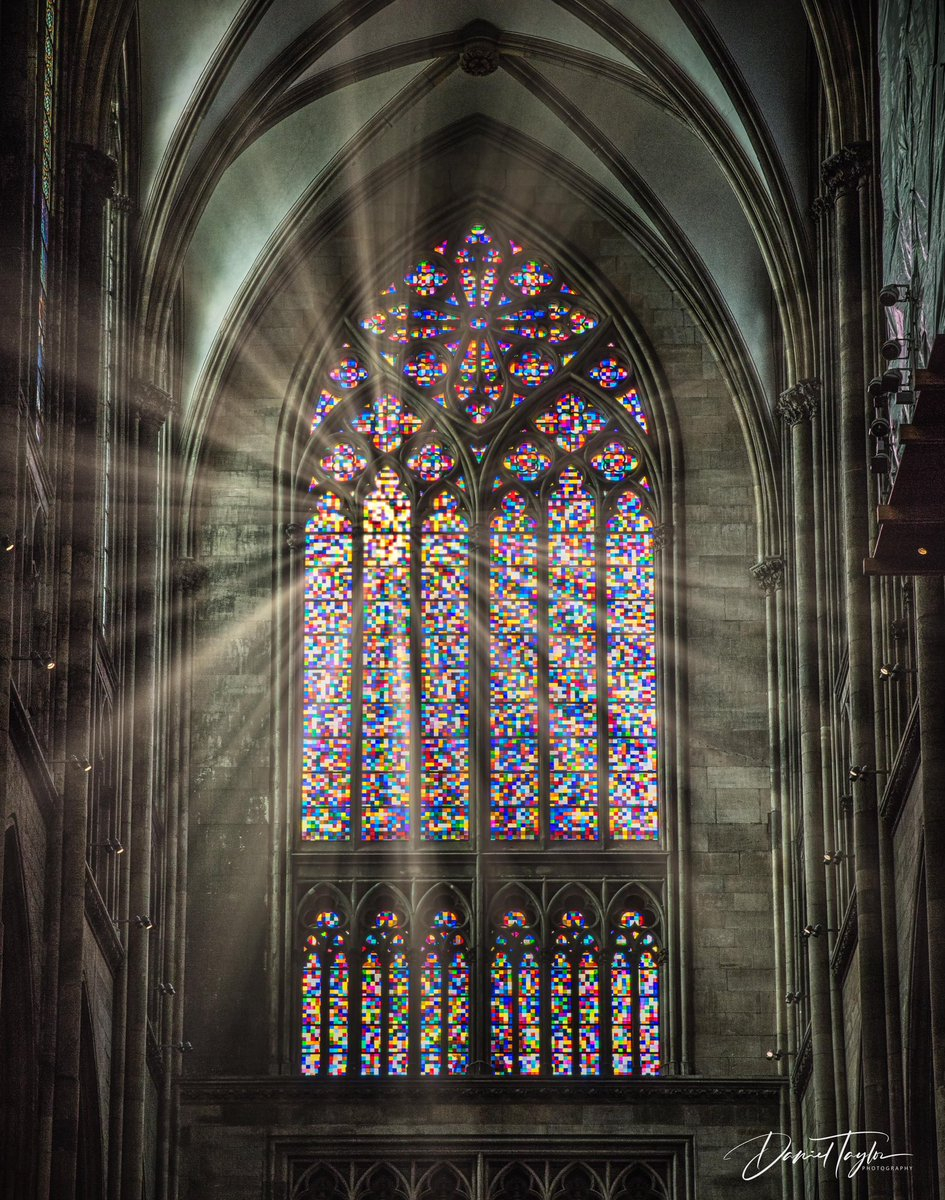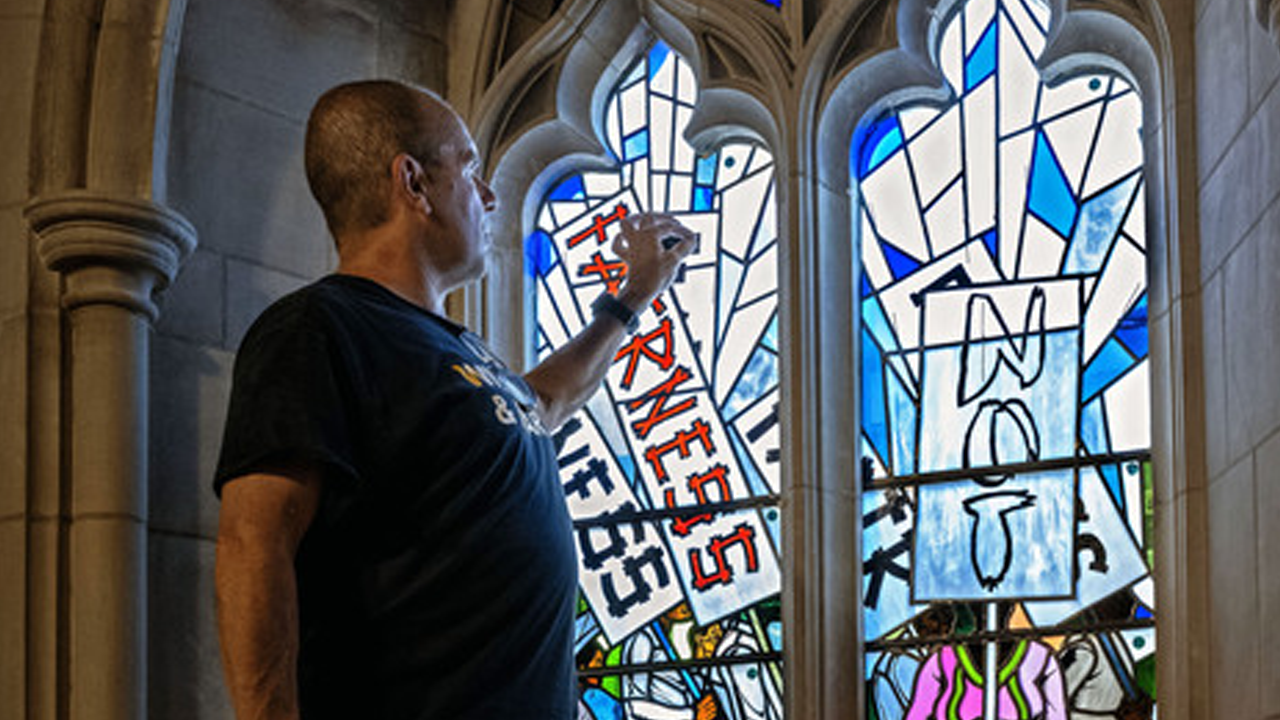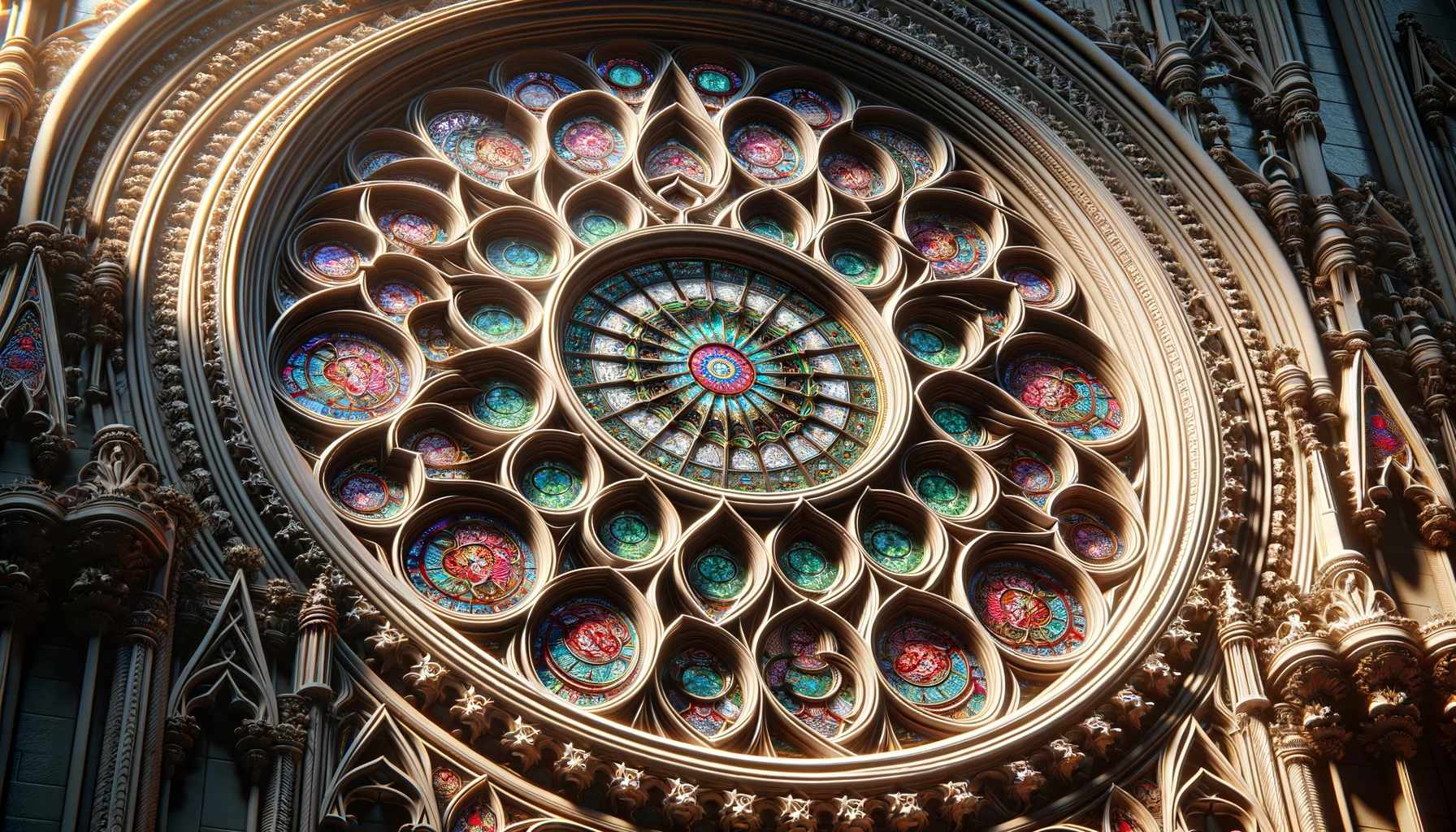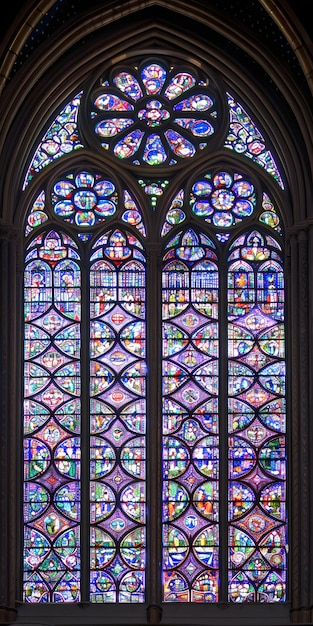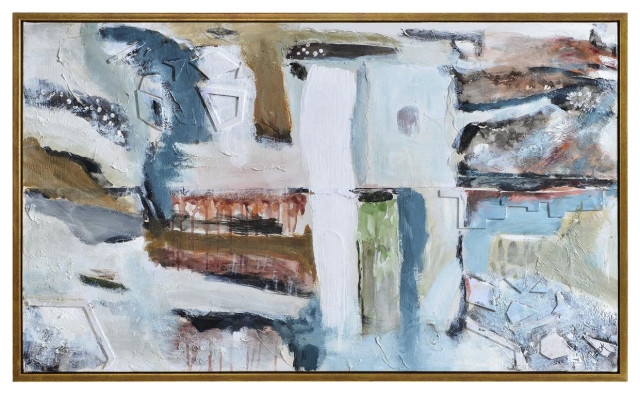
Have you ever stood in front of a painting and felt like you could literally walk right inside it. That is the exact magic people talk about when they view Future Cathedral Window. It is not just another pretty picture on a wall. This artwork completely changed how artists look at water-based paints.
Watercolor has historically been seen as delicate, timid, or purely traditional. Artists used to stick to soft florals and gentle landscapes. Then everything shifted. Creators started pushing boundaries to see just how intense and massive water media could truly get.
Breaking Traditional Rules of Watercolor
For decades, watercolor artists feared dark values and hard edges. They relied heavily on white paper showing through for highlights. Future Cathedral Window threw those old rulebooks straight out the window. The piece embraces deep, moody shadows alongside glowing patches of vibrant pigment.
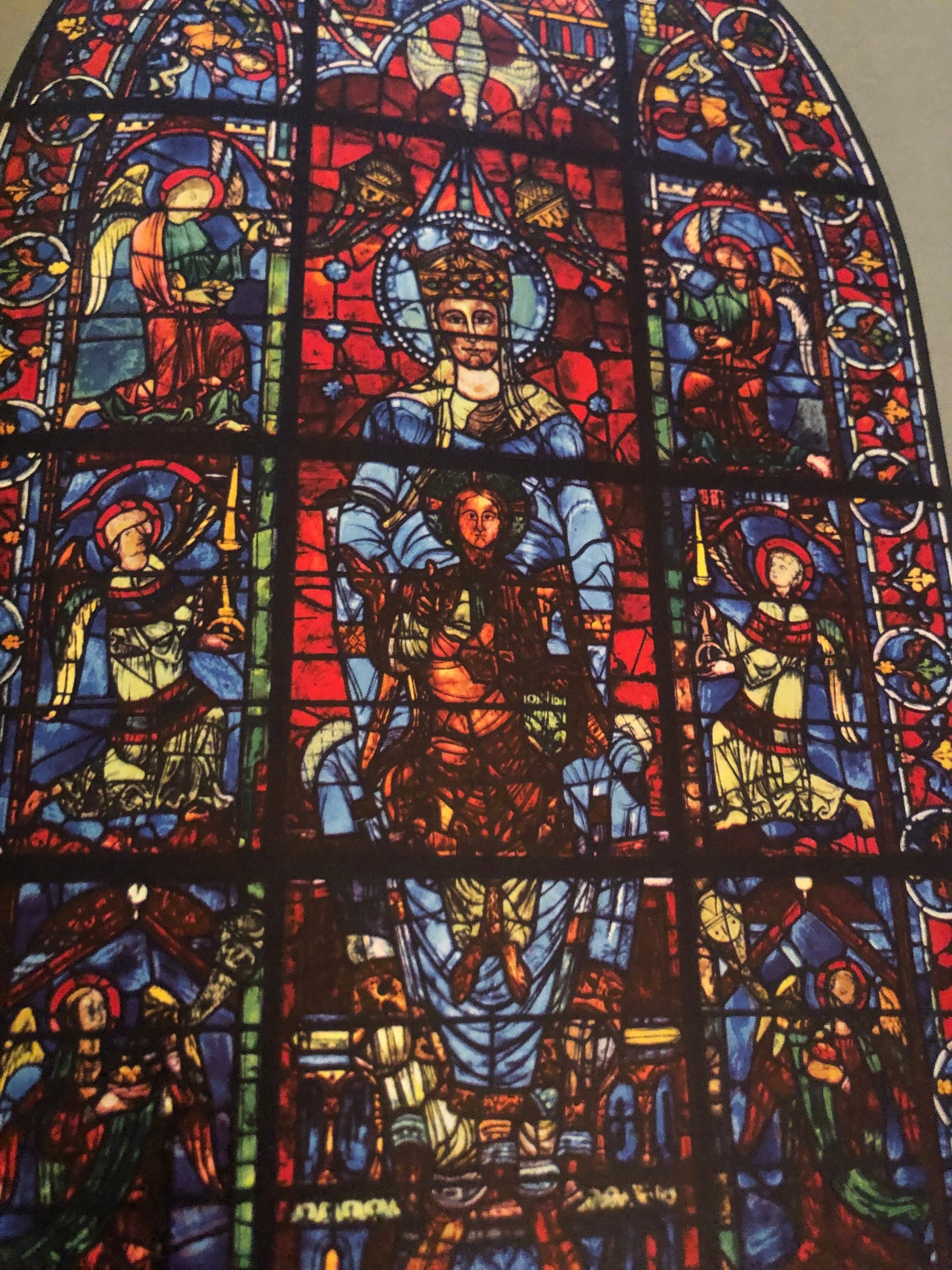
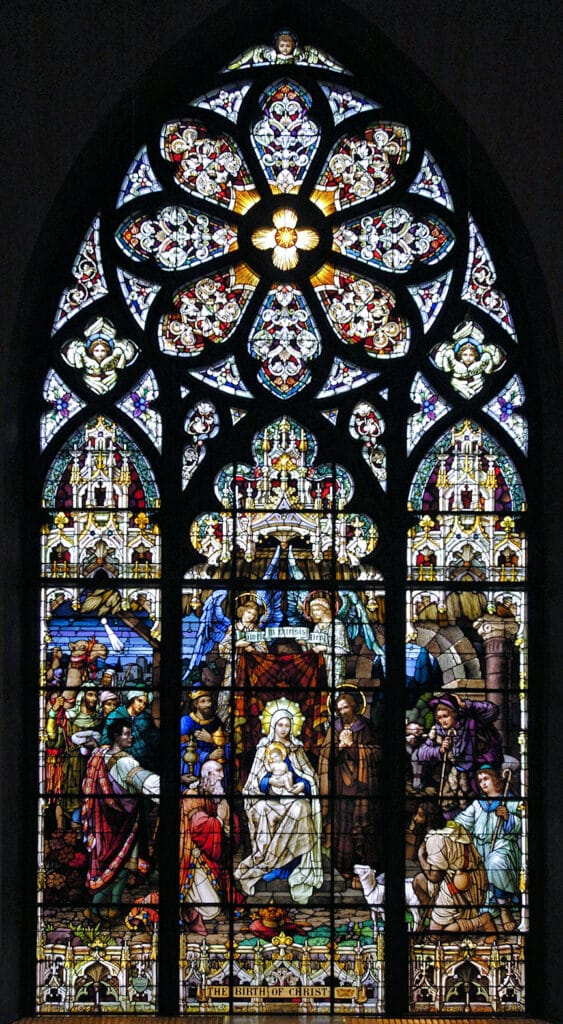
Instead of staying safe, the creator used aggressive layering techniques. Water and pigment clash on the page in wild ways. This creates a raw, textured feel that reminds viewers of ancient stained glass structures. You get structural strength mixed with fluid grace.
The Role of Scale and Ambition
Size matters in the modern art world. Traditional water paintings were kept small because paper buckles under heavy moisture. Future Cathedral Window broke this physical limitation. It utilizes heavy cotton paper stretched tight to withstand massive amounts of liquid.
Standing before it feels humbling. The sheer verticality mimics actual church architecture. By scaling up, the artist forced the public to take watercolor seriously as a major contemporary medium. It proves that water-based art can hold its own next to giant oil canvases.
Mastering Negative Space and Light
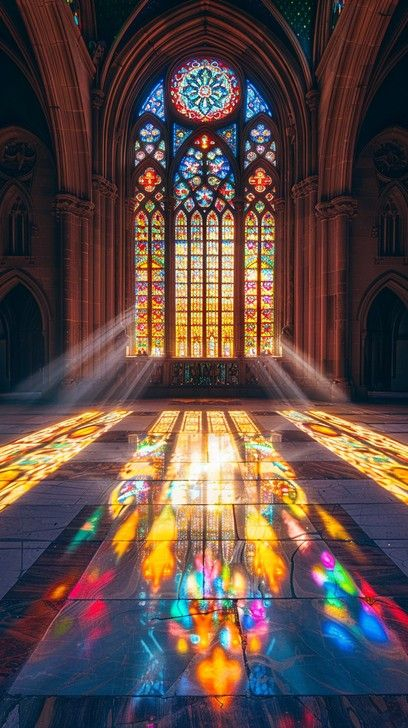
Light is the true soul of any cathedral. Capturing that ethereal glow using only transparent washes is incredibly difficult. The genius behind Future Cathedral Window lies in how it handles negative space. Unpainted areas act as blazing beams of sunlight piercing through dark stone.
The painter carved out bright pathways using clever masking techniques and strategic lifting. Every white streak feels intentional and sacred. It tricks your brain into thinking internal lamps are lit behind the paper.
Embracing Controlled Chaos
Water is famously unpredictable. Most people try to tame it completely. This masterpiece does the exact opposite. It leans into the natural blooms and runs that happen when wet paint meets wet paper.
Yet, this is not random mess. It is disciplined chaos. The artist guided the flow with surgical precision while allowing organic pooling to happen naturally. That balance creates breathtaking textures that digital screens simply cannot capture.
Emotional Resonance and Modern Spirituality
Art needs to connect on a human level to truly matter today. In 2026, people crave authenticity more than ever before. Future Cathedral Window taps into a universal longing for sanctuary and quiet reflection amidst noisy digital lives.
Looking at the piece evokes a sense of awe similar to visiting a real European cathedral. It blends architectural majesty with personal vulnerability. Viewers often report feeling a profound sense of calm when absorbing its intricate details.
Every defining artwork spawns a new wave of copycats and innovators. Future Cathedral Window opened doors for countless emerging painters. Art schools now study its layering methods as part of their core modern curriculum.
Young creators are no longer afraid to experiment with grit and darkness in their watercolor pieces. The stigma of the medium is officially gone. Water media now stands proudly on the cutting edge of contemporary fine art.
Future Cathedral Window stands tall as a monumental achievement in modern painting. It challenged old conventions and proved that water media holds limitless potential.
Art continues to evolve because brave creators refuse to stay inside comfortable boxes. This iconic piece reminds us all to look closer, dream bigger, and embrace the beautiful unpredictability of creative work.