The grey morning light filters through sheer window treatments, illuminating a living room that feels a fraction too sterile, a bit too bound by drywall and right angles. For decades, interior designers have battled this modern enclosure by dragging potted fiddle-leaf figs and monsteras across thresholds, hoping to inject a pulse of the wild into climate-controlled boxes. Yet, vegetation alone rarely cures the architectural claustrophobia of a standard suburban room. True sanctuary demands something more enduring: the illusion of expansive, untamed geography writ large across a vertical surface.
Enter the psychological necessity of landscape art. When a viewer stands before a wide-format triptych, the brain reacts not merely to pigments on stretched cotton, but to spatial depth. We crave horizons because our evolutionary wiring spent millennia scanning them for safety and sustenance. Without them, indoor spaces can trigger a subtle, persistent restlessness. Designing a room that genuinely breathes requires strategic visual trickery—harnessing scale, earthy palettes, and tactile framing to dissolve the hard boundaries of drywall and trick the senses into believing the open air is just a step away.
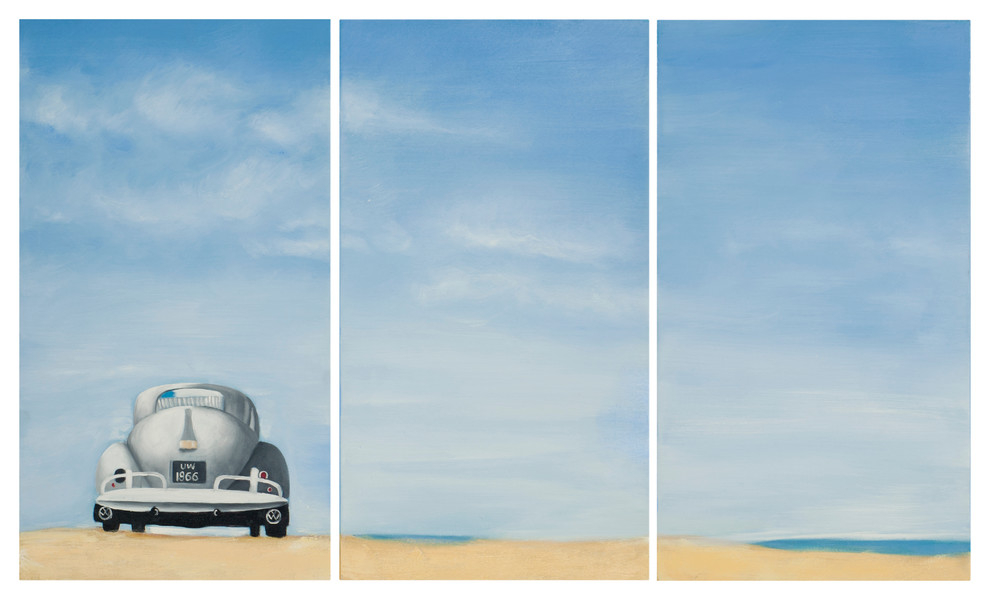
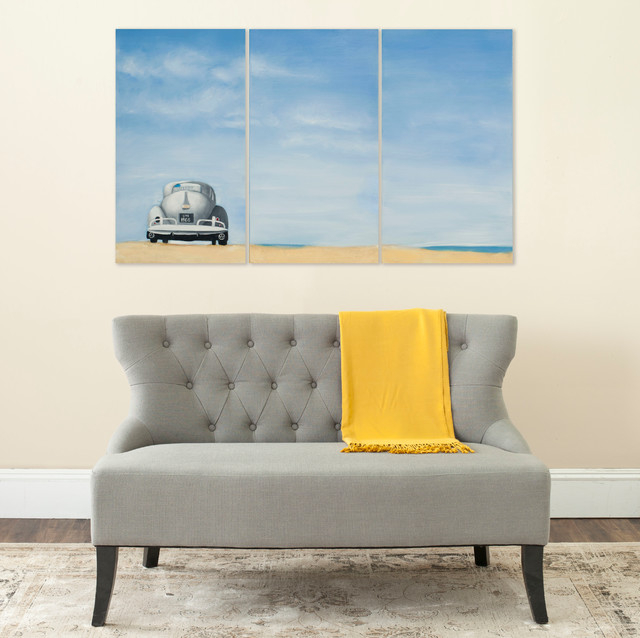
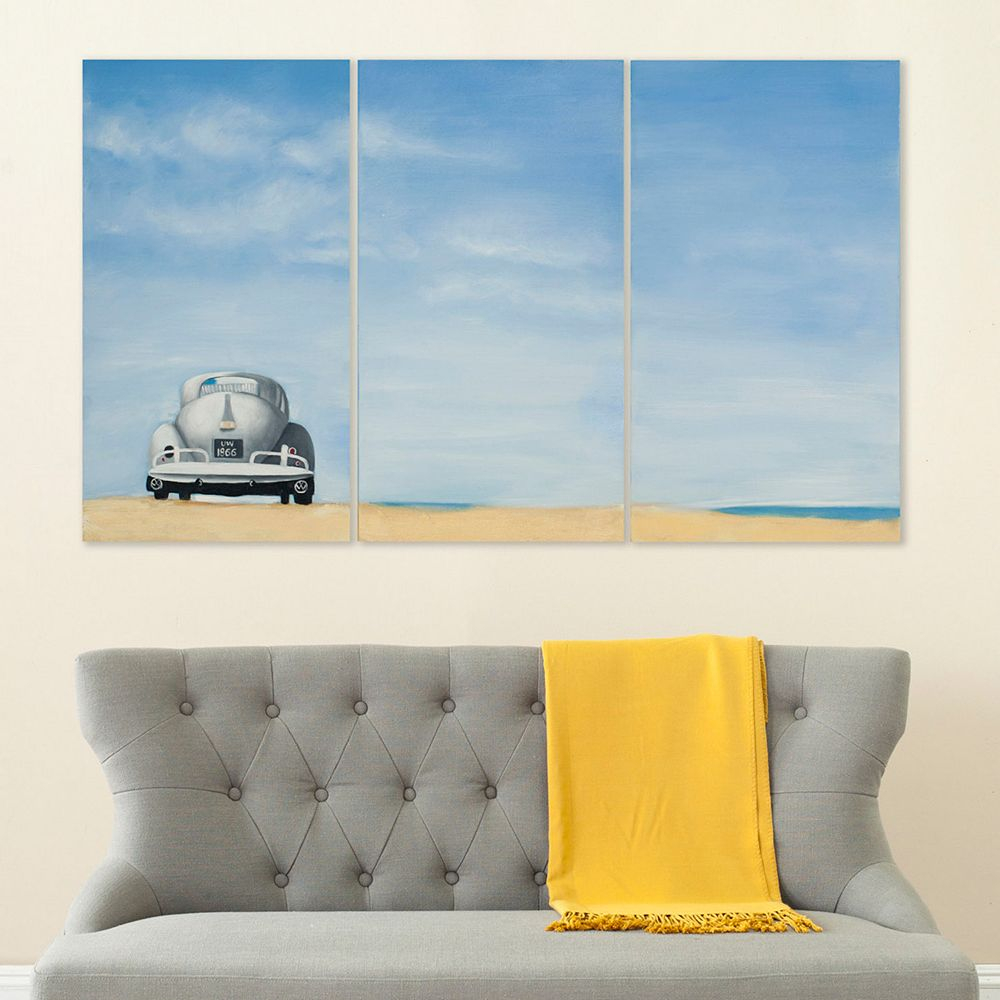
For over a century, the Safavieh name has anchored itself in the world of high-end home furnishings, transitioning from antique rug restoration into the curation of comprehensive interior aesthetics. Within their expansive catalog, specific pieces emerge as masterclasses in atmospheric transformation. The Safavieh Dune Buggy canvas set stands out precisely because it abandons the loud, graphic distractions of contemporary decor in favor of a restrained, textural meditation on open spaces. It invites the outside in without resorting to literal clichés, operating instead on a frequency of soft color transitions and raw materiality.
The Anatomy of Atmospheric Space and Soft Coloration
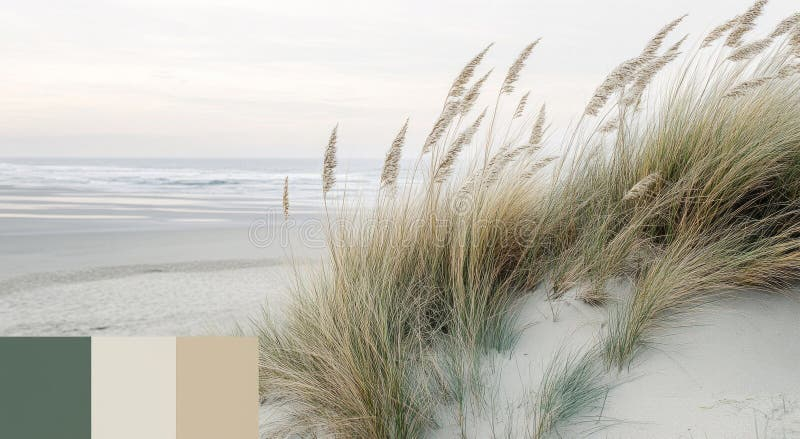
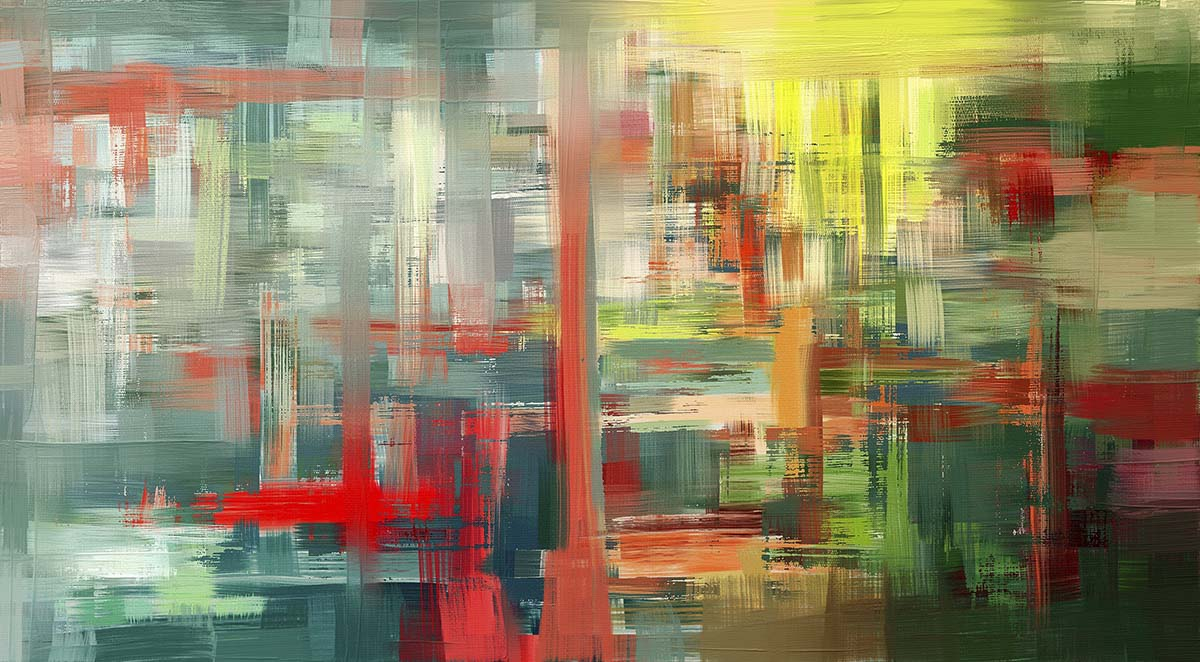
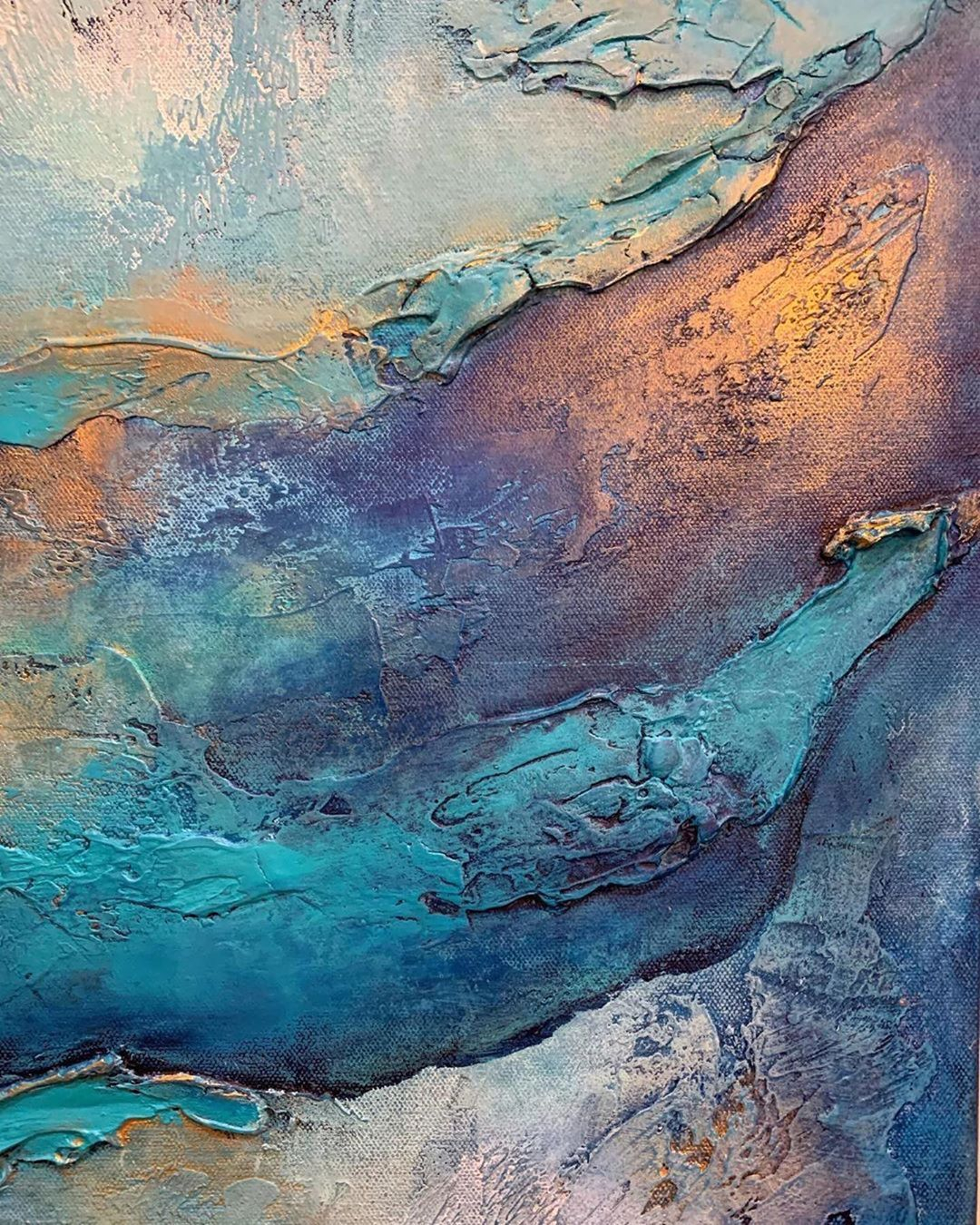
Understanding why certain artworks pacify a chaotic room requires examining the intersection of color psychology and physical medium. The Dune Buggy triptych relies heavily on an understated palette of soft coloration, avoiding high-contrast shocks that jar the nervous system. Instead, it utilizes subtle gradients of muted earth tones, pale ochres, dusty blues, and sun-bleached creams. These hues mimic the chromatic dispersion found in atmospheric haze, desert expanses, and rolling coastal dunes. When hung opposite a primary light source, the canvas absorbs and diffuses ambient illumination, softening the harsh shadows typically cast by modern LED downlights.
The medium itself dictates this tactile resonance. Crafted through a dynamic hybrid of acrylic and oil on canvas, the artwork balances the rapid drying time and structural opacity of acrylics with the buttery, luminous blending capabilities of traditional oils. This dual-layer approach creates microscopic ridges and valleys across the paint surface. As day turns to evening, shifting interior lamp angles catch these raised brushstrokes, giving the static landscape a living, breathing quality. It is this interplay of light and texture that elevates the piece from simple wall decoration to a dynamic architectural element capable of anchoring an entire room’s visual weight.
Material authenticity extends far beyond the canvas weave. The physical boundary of the artwork is just as critical to its environmental integration as the painted surface. Framed in abies fabri—the sacred fir native to the high-altitude Emei Shan Mountain in western China—the triptych introduces a genuine botanical element to the composition. This wood species brings a pale, fine-grained linear texture that bridges the gap between manufactured interior millwork and raw forest floor. The natural grain of the frame acts as an organic buffer, ensuring that the canvas does not float untethered against the wall, but rather roots itself securely into the architecture of the room.
To maximize this organic integration, spatial layout must be treated with absolute precision. A triptych inherently commands a wide horizontal footprint, typically spanning multiple panels that require exact spacing to maintain visual rhythm. Cramping these canvases into a narrow hallway or overwhelming them with heavy, ornate surrounding furniture destroys the illusion of the horizon. The composition needs breathing room—clear wall margins that allow the eye to travel outward past the physical frame. By treating the wall as a window rather than a storage surface, the artwork performs its primary function: expanding the perceived volume of the interior space.
Materiality, Craftsmanship, and the Psychology of the Horizon
The human eye is remarkably adept at detecting synthetic artifice. Mass-produced prints on vinyl or cheap polyester canvas often fail in interior settings because they reflect light uniformly, creating a flat, lifeless sheen that reminds the subconscious mind of a corporate office. The Safavieh Dune Buggy collection circumvents this pitfall through traditional hand-applied painting techniques. Because each panel is touched by human hands wielding brushes and palette knives, microscopic variations exist from one production run to the next. This slight irregularity signals authenticity to the viewer, fostering a subconscious sense of calm associated with natural, non-repeating patterns found in nature.
Beyond the paint lies the structural integrity of the stretcher bars and the abies fabri exterior framing. Wood movement is an inescapable reality in climate-controlled homes, where winter heating systems dry out ambient air and summer humidity swells timber. High-grade framing materials must possess dimensional stability to prevent warping or canvas slackening over time. The choice of Emei Shan fir is not merely an aesthetic nod to Eastern woodwork traditions; it is a functional engineering decision. Fir offers a high strength-to-weight ratio, ensuring the multi-panel triptych remains rigid and flush against the wall without requiring heavy, obtrusive mounting hardware.
This focus on tactile materiality ties directly into the burgeoning field of biophilic interior design. Biophilia posits that humans possess an innate, genetically determined affinity for the natural world. When we introduce elements that mimic natural textures—rough-woven canvas, oiled wood grain, and horizon-based landscape compositions—cortisol levels drop and cognitive fatigue diminishes. The Dune Buggy series taps into this psychological mechanism by evoking the untamed freedom of coastal roads and sweeping sand drifts. It provides a visual anchor that counters the cognitive overload of screens and digital interfaces dominating modern domestic life.
Integrating such a piece requires a careful audit of the room’s existing tactile vocabulary. If a space is dominated by cold, high-gloss surfaces like polished granite, stainless steel, and glass, hanging a raw-framed canvas introduces a necessary counterpoint. The matte finish of the oil-and-acrylic paint absorbs glare, while the natural wood molding introduces warmth that softens the industrial chill. Conversely, in a room already heavy with rustic elements, the soft coloration of the art prevents the space from feeling like a log cabin, maintaining a sophisticated, contemporary edge while honoring organic roots.
Executing the Transformation: A Step-by-Step Installation Methodology
Transforming a blank, uninspired wall into a compelling natural vista demands a disciplined installation process. Rushing the placement of a triptych often results in awkward gaps or incorrect eye-level alignment, breaking the illusion of the continuous horizon.
- Step 1 (Surface Assessment and Lighting Audit): Evaluate the target wall at different times of day to track natural light patterns. Avoid placing the triptych in direct, harsh afternoon sunlight that could degrade oil pigments over decades, but ensure it receives sufficient ambient daylight to highlight the canvas texture.
- Step 2 (Span Calculation and Spatial Layout): Measure the total width of the three-panel set, including the recommended two-inch gaps between individual canvases. Lay the panels flat on the floor first to verify the alignment of the horizon line across the triptych segments.
- Step 3 (Datum Line Establishment): Determine the ideal vertical center point. Gallery standards dictate that the center of the artwork should sit approximately 57 to 60 inches from the finished floor, matching the average human eye level in standing positions.
- Step 4 (Hardware Selection and Anchoring): Utilize heavy-duty wall anchors rated well above the weight of the abies fabri wood frames and canvas assemblies. Because triptychs require precise horizontal leveling, use a dual-point hanging bracket system on each panel to prevent shifting over time.
- Step 5 (Styling and Relational Anchoring): Anchor the newly mounted art by placing a low-profile natural element directly beneath it—such as a weathered oak console table, a low-slung linen sofa, or a ceramic vessel filled with dried botanicals—to ground the floating landscape into the room’s functional layout.
Executing these steps transforms the installation from a simple hanging task into a precise architectural intervention. The goal is to make the artwork appear as though it belongs structurally to the wall, functioning as a permanent architectural window rather than a temporary decorative afterthought. By respecting the physical weight, lighting requirements, and spatial margins of the triptych, the room achieves a balanced equilibrium that feels both curated and effortlessly natural.
Navigating Decor Mistakes and Structural Pitfalls
Even the most sophisticated art pieces can fall flat when subjected to common interior styling errors. One of the most frequent missteps is treating landscape wall art as an isolated focal point, ignoring the surrounding color and texture ecosystem of the room. When a soft-toned triptych like the Dune Buggy collection is introduced into a space dominated by neon accents or hyper-saturated primary colors, the artwork loses its calming authority, looking washed out and disconnected rather than serene.
- Pitfall 1 (Ignoring Scale and Proportion): Hanging a wide triptych on a narrow pillar or above a piece of furniture that is significantly smaller than the art span. Workaround: Ensure the art spans roughly 60% to 75% of the width of the furniture piece sitting directly beneath it, maintaining visual harmony.
- Pitfall 2 (Over-Lighting or Under-Lighting the Canvas): Using glaring overhead track lighting that casts harsh shadows across the canvas texture or leaving the wall in total darkness. Workaround: Employ diffused, warm wall-wash lighting or a dedicated picture light with a high Color Rendering Index (CRI) to reveal the subtle oil and acrylic brushwork.
- Pitfall 3 (Cluttering the Surrounding Wall Space): Surrounding a large landscape triptych with smaller miscellaneous frames, knick-knacks, or floating shelves. Workaround: Give the triptych absolute wall dominance; let the landscape breathe by maintaining a clean negative space buffer of at least 18 to 24 inches on all sides.
- Pitfall 4 (Neglecting Environmental Humidity Controls): Placing organic canvas art and wood framing on exterior-facing walls prone to condensation and dramatic temperature swings. Workaround: Mount the art exclusively on interior partition walls where ambient humidity and temperature remain stable, safeguarding the abies fabri wood frame and canvas tension.
- Pitfall 5 (Literal Thematic Overkill): Pairing natural landscape art with an excess of literal themed decor, such as faux beach sand, anchor motifs, or heavy nautical kitsch. Workaround: Keep supporting decor abstract and textural—linen throws, ceramic pottery, and unpolished stone—allowing the artwork to carry the landscape narrative alone.
Avoiding these traps requires a disciplined eye and a willingness to edit the room. The power of the Safavieh Dune Buggy collection lies in its understated elegance; it does not need to shout for attention. When given the appropriate negative space, stable environmental conditions, and thoughtful lighting, the artwork acts as a quiet engine of tranquility, reshaping the emotional tenor of the entire room.
The Long-Term Economic and Environmental Value of Timeless Design
Fast decor—cheap polyester wall prints, mass-produced plastic frames, and hyper-trendy color schemes—carries a hidden cost. These items degrade quickly, lose structural integrity, and end up in landfills within a few short years as interior trends cycle through rapid iterations. Investing in heirloom-quality furnishings and fine canvas art represents a decisive shift away from disposable consumerism. Safavieh’s century-long legacy in home furnishings is built on the premise that true style transcends seasonal fads, relying instead on enduring craftsmanship, traditional painting mediums, and sustainable natural materials.
The economic logic of purchasing durable art is straightforward. A hand-painted acrylic and oil triptych framed in solid abies fabri wood maintains its physical integrity and aesthetic appeal across decades, weathering multiple interior redesigns and room layouts. Unlike digital prints that fade under UV exposure or warp when exposed to seasonal moisture shifts, professional-grade canvas stretched over kiln-dried wood frames adapts gracefully to the domestic environment. Over time, the investment compounds, providing continuous psychological and visual dividends without the need for constant replacement.
Furthermore, sourcing art crafted from sustainable botanical resources aligns domestic spaces with broader ecological awareness. Using responsibly harvested timber like abies fabri supports forestry management practices that respect regional biodiversity. When consumers prioritize items with genuine material provenance—real wood, hand-mixed oil and acrylic paints, and natural linen-blend canvases—they vote with their wallets for manufacturing methods that honor both artisan skill and environmental stewardship.
This long-term perspective transforms the act of decorating from a superficial retail exercise into a meaningful curation of home life. A room structured around authentic textures and evocative landscape art ceases to be a static showroom; it becomes a resilient sanctuary. As exterior landscapes continue to shrink beneath urban sprawl, the ability to cultivate a convincing, restorative natural horizon indoors becomes not merely a matter of interior design preference, but a vital strategy for psychological well-being.
Synthesis of Practice: Actionable Frameworks for Indoor Landscapes
Bringing the outside in through sophisticated landscape art is ultimately an exercise in spatial editing and psychological alignment. To successfully integrate a statement piece like the Safavieh Dune Buggy triptych, homeowners must adopt a holistic framework that bridges physical installation with lifestyle habits.
- Establish a Cohesive Material Palette: Tie the natural wood tones of the abies fabri frame into existing room elements by echoing its pale, organic grain in coffee tables, shelving, or flooring trims.
- Prioritize Negative Space: Treat walls as canvases of air; allow the horizontal expanse of the triptych to dominate its zone without competing against crowded gallery walls or cluttered shelving.
- Manage Ambient Transitions: Use dimmable, warm-spectrum lighting to alter the mood of the landscape art from bright morning clarity to soft, dusk-like intimacy as the day winds down.
- Support with Tactile Textures: Complement the oil-and-acrylic canvas texture with physical furnishings rich in tactile depth—unbleached cottons, heavy wools, raw ceramics, and unpolished stone.
Adhering to these principles ensures that the artwork functions as more than a static focal point. It becomes the emotional heartbeat of the room, a visual anchor that stabilizes the chaos of daily life and offers the mind an endless horizon to wander across, right from the comfort of an armchair.
The modern domestic environment is often a fortress against nature, designed for thermal efficiency and digital connectivity rather than psychological restoration. Yet, the human craving for the wild, the open, and the untamed remains entirely undiminished. We still seek the horizon because it reminds us of our scale within a vast, beautiful world. Bridging that domestic divide does not require tearing down walls or installing expensive indoor greenhouses; it requires intentional curation—choosing objects that carry the weight of real materials and the poetry of soft coloration.
The Safavieh Dune Buggy canvas collection offers a masterclass in this quiet architectural alchemy. By marrying traditional oil-and-acrylic painting techniques with the sacred, fine-grained beauty of abies fabri wood framing, it provides an authentic conduit for natural landscapes indoors. It replaces the sterile rigidity of drywall with the expansive freedom of coastal dunes and open roads.
As we look toward the future of interior design, the emphasis is decisively shifting away from ephemeral trends and toward enduring sanctuary. Spaces that nurture the human spirit will always command the highest value, both aesthetically and emotionally. By investing in timeless craftsmanship, respecting spatial geometry, and honoring the deep biophilic pull of natural horizons, our homes can transform from mere shelters into true retreats—places where the wild outdoors is永远 within arm’s reach, waiting to quiet the mind and expand the soul.