
Walls are the unsung heroes of our homes, the silent canvases that define our spaces. They absorb the bumps, the scuffs, and the occasional artistic expression of our little ones. But with a bit of attention, walls can remain beautiful and stand the test of time. This guide will equip you with the know-how to build a wall care routine that keeps your walls looking their best, year after year. Let’s dive in, and let’s get those walls looking their very best.
Ever gazed at a freshly painted wall and thought, ‘Wow, how do I keep this looking this good?’ You’re not alone. Maintaining the beauty of your walls isn’t just about aesthetics; it’s about protecting your investment and preserving the ambiance of your home. This comprehensive guide will walk you through the essential elements of a successful wall care routine, transforming you from a wall-worrier to a wall-whisperer. We’ll cover everything from everyday cleaning to tackling stubborn stains, ensuring your walls continue to make a statement, and doing so for many years to come. Get ready to embrace the joy of beautiful, well-cared-for walls. It’s easier than you might think, and the results are truly worth it, believe me, I know.
Understanding Your Wall Types: The Foundation of Care
Before you start cleaning, it’s vital to know what kind of walls you have. Different wall types require different cleaning methods. Here’s a quick breakdown:
- Painted Walls: The most common type. Consider the paint finish (flat, matte, satin, semi-gloss, gloss) as it impacts cleaning. Flat paints are more delicate and prone to marking, while glossier paints are more durable.
- Wallpapered Walls: These require a gentler approach. Always check the wallpaper’s cleaning instructions.
- Textured Walls (like stucco or paneling): These can trap dust and grime, requiring slightly different cleaning techniques.
- Specialty Walls: These can include brick, concrete, or other unique materials. Consult the manufacturer’s guidelines for these.
Knowing your wall type is the first step to developing an effective and safe cleaning routine. Make sure you know what you are dealing with before you do anything.
The Everyday Wall Care Routine: Keeping it Fresh
Consistency is key. A simple, regular routine can prevent dirt and grime from building up. Here’s what you should do:
- Dust Regularly: Use a soft brush attachment on your vacuum cleaner or a microfiber cloth to gently remove dust. Do this once a week, or more often in dusty environments.
- Spot Clean Immediately: Spills and marks are inevitable. Address them quickly to prevent them from setting. Use a damp cloth or a mild soap solution, and always blot, never rub. Rubbing can spread the stain and damage the paint. And, of course, always test in an inconspicuous area first.
- Ventilate Properly: Good air circulation can help prevent the build-up of dust and moisture, which can lead to mold and mildew. Open windows when possible, and use exhaust fans in bathrooms and kitchens.
These simple actions will make a big difference in the long-term look of your walls.
Tackling Common Wall Stains and Marks: The Cleaning Arsenal
Life happens, and walls get marked. Here’s how to deal with common problems:
- Fingerprints and Smudges: A mix of warm water and a little bit of mild dish soap usually does the trick. Gently wipe the area with a soft cloth, then rinse with clean water.
- Crayon Marks: For crayon marks, try using a paste of baking soda and water, gently rubbing it on the mark. You can also use a magic eraser, but be careful as it can sometimes remove paint.
- Scuff Marks: A simple eraser often works for scuff marks. For more stubborn marks, try a diluted solution of dish soap and water.
- Grease and Oil Stains: These can be tricky. Try blotting the area with a clean cloth and then applying a degreasing agent, like a diluted dish soap. Always test in an unnoticeable area first.
Remember to always test your cleaning solution in an inconspicuous area before applying it to the entire stain. You don’t want to cause more damage.
Choosing the Right Cleaning Products: Tools of the Trade
The products you use are as important as the techniques. Here’s what you need:
- Microfiber Cloths: These are gentle and effective for cleaning most surfaces. They trap dust and dirt without scratching.
- Mild Dish Soap: A versatile cleaner for many types of stains.
- Baking Soda: A natural abrasive that’s great for removing crayon marks and grime.
- Magic Eraser: Useful for stubborn marks, but use with caution.
- Vacuum Cleaner with Brush Attachment: Essential for removing dust and debris.
- Bucket and Sponge: For mixing and applying cleaning solutions.
Avoid using harsh chemicals, abrasives, or excessive amounts of water, as these can damage your walls. The right tools make all the difference.
When to Repaint or Touch Up: Refreshing Your Walls
No matter how careful you are, walls will eventually need a refresh. Here’s when to consider repainting or touch-ups:
- Fading or Discoloration: Sunlight, age, and wear can cause paint to fade or discolor. This is a great time for a new coat of paint.
- Significant Damage: If your walls have deep scratches, dents, or large areas of damage, repainting may be necessary.
- Changing Decor: A fresh coat of paint is the easiest way to update the look and feel of a room.
- Regular Intervals: Consider repainting every few years, even if the walls don’t look too bad. This will keep them looking fresh and protect them from wear and tear.
Before repainting, be sure to clean the walls thoroughly and repair any damage. This will ensure a smooth, long-lasting finish, and you will love the results.
Pro Tips for Long-Lasting Wall Beauty: Beyond the Basics
Here are a few extra tips to help you maintain the beauty of your walls for years to come:
- Protect High-Traffic Areas: Use corner guards, chair rails, and other protective measures in areas prone to bumps and scuffs.
- Consider Washable Paints: When repainting, choose paints with a higher washability rating, especially in kitchens, bathrooms, and other high-traffic areas.
- Address Moisture Issues: If you notice mold or mildew, address the source of the moisture (leaks, poor ventilation) immediately.
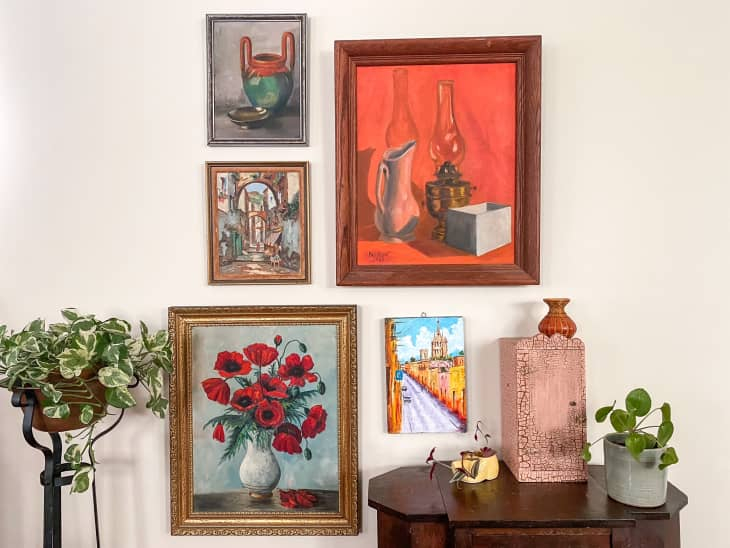
- Be Mindful of Artwork: Hang artwork properly to avoid damage to the walls. Use picture-hanging systems that minimize the need for nails and holes.
- Regular Inspections: Regularly inspect your walls for any signs of damage or wear, and address issues promptly.
These simple steps will help you keep your walls looking their best and help prevent any major problems down the road. And, if you need help, do not be afraid to ask. It never hurts.
Building a wall care routine is an investment in the beauty and longevity of your home. By understanding your wall types, implementing a consistent cleaning schedule, and knowing how to tackle common stains and marks, you can keep your walls looking their best for years to come. Remember, it’s not about perfection; it’s about creating a sustainable practice that fits your lifestyle. So, grab your microfiber cloth, gather your cleaning supplies, and start on your journey to beautiful, enduring walls. Your home, and you, will thank you for it. With a little effort and attention, your walls can remain a source of pride and joy for years to come. Enjoy the process, and revel in the beauty of a well-cared-for home. You got this, and I believe in you, as I know you can do it.
[sps_html tag=”img” src=”https://cdn.theartssection.com/wp-content/uploads/2025/06/protecting-your-investment-think-realty-with.jpg” alt=”Protecting Your Investment | Think Realty with” style=”width: 100%; height: auto;”]
[sps_html tag=”img” src=”https://cdn.theartssection.com/wp-content/uploads/2025/06/keys-to-protecting-your-investment-within-protecting-your-investment-practical-tips-for-babying-your-walls.jpg” alt=”Keys To Protecting Your Investment within Protecting Your Investment Practical Tips for Babying Your Walls” style=”width: 100%; height: auto;”]
[sps_html tag=”img” src=”https://cdn.theartssection.com/wp-content/uploads/2025/06/protecting-your-investments-throughout-protecting-your-investment-practical-tips-for-babying-your-walls.png” alt=”Protecting Your Investments throughout Protecting Your Investment Practical Tips for Babying Your Walls” style=”width: 100%; height: auto;”]
[sps_html tag=”img” src=”https://cdn.theartssection.com/wp-content/uploads/2025/06/roof-repairs-a-guide-to-protecting-your-home-and-investment-for-protecting-your-investment-practical-tips-for-babying-your-walls.jpg” alt=”Roof Repairs: A Guide To Protecting Your Home And Investment for Protecting Your Investment Practical Tips for Babying Your Walls” style=”width: 100%; height: auto;”]
[sps_html tag=”img” src=”https://cdn.theartssection.com/wp-content/uploads/2025/06/protect-throughout.png” alt=”Protect throughout” style=”width: 100%; height: auto;”]