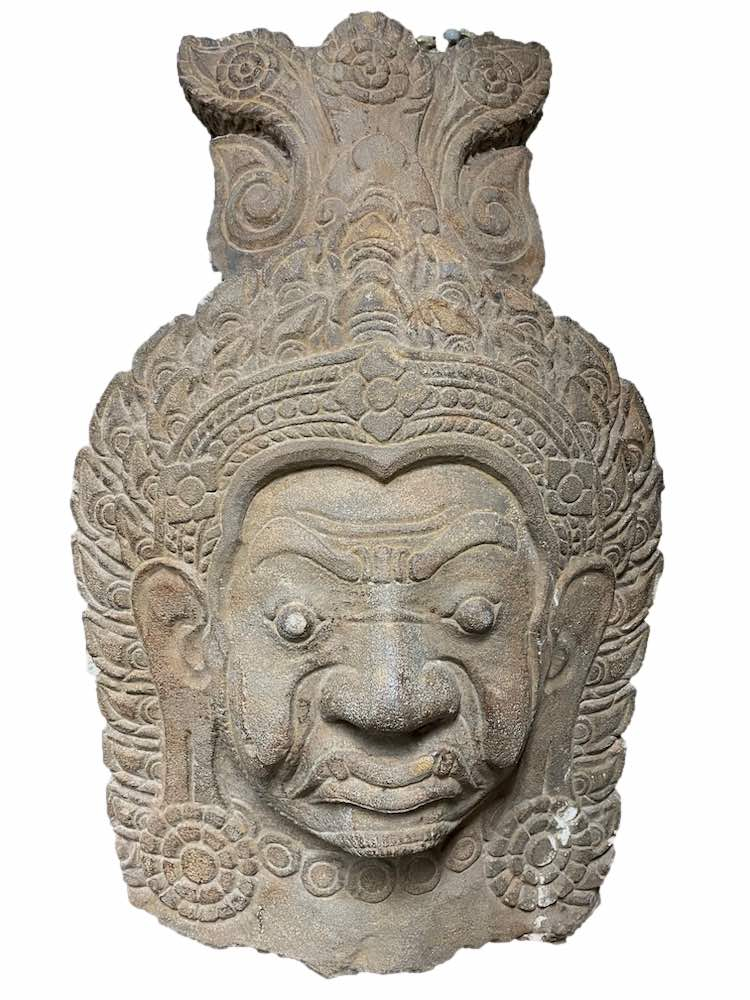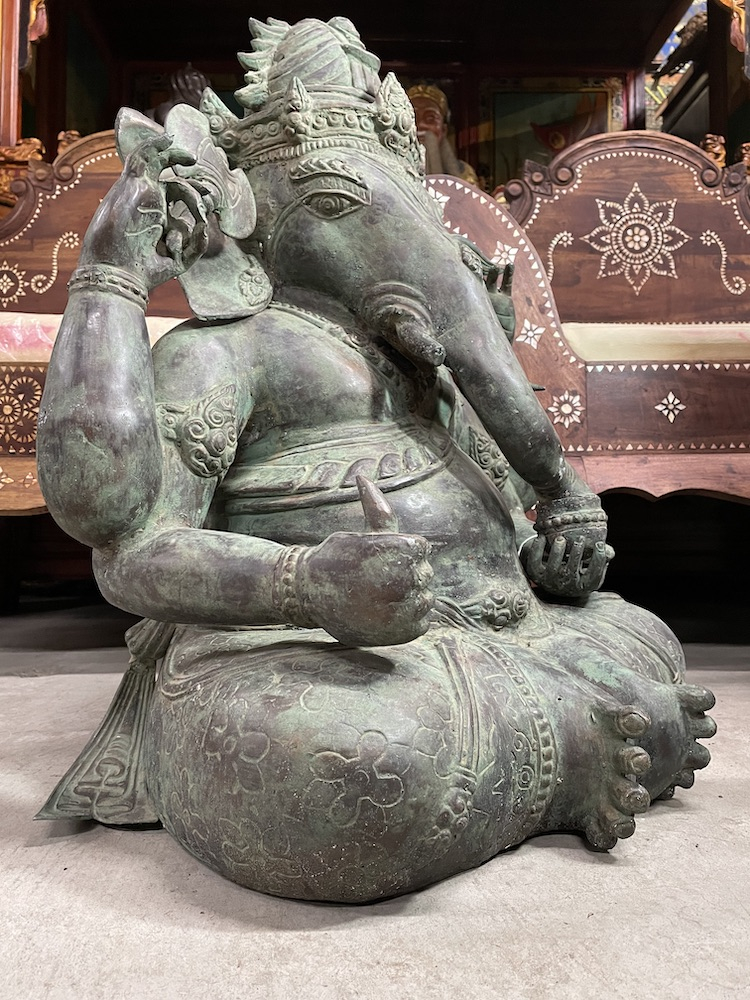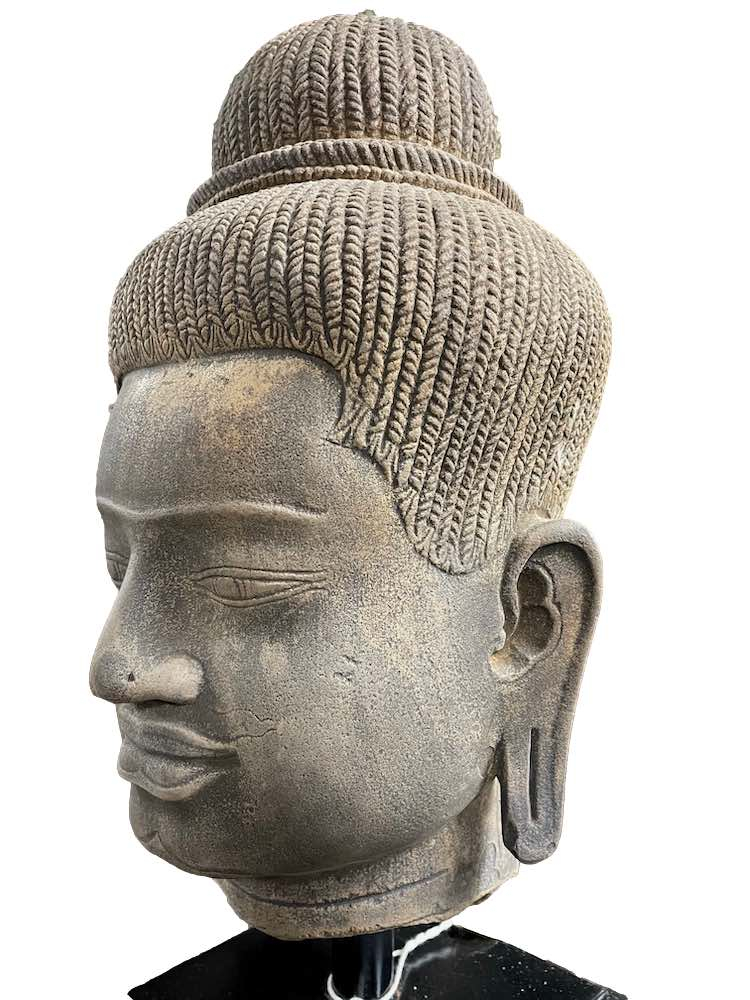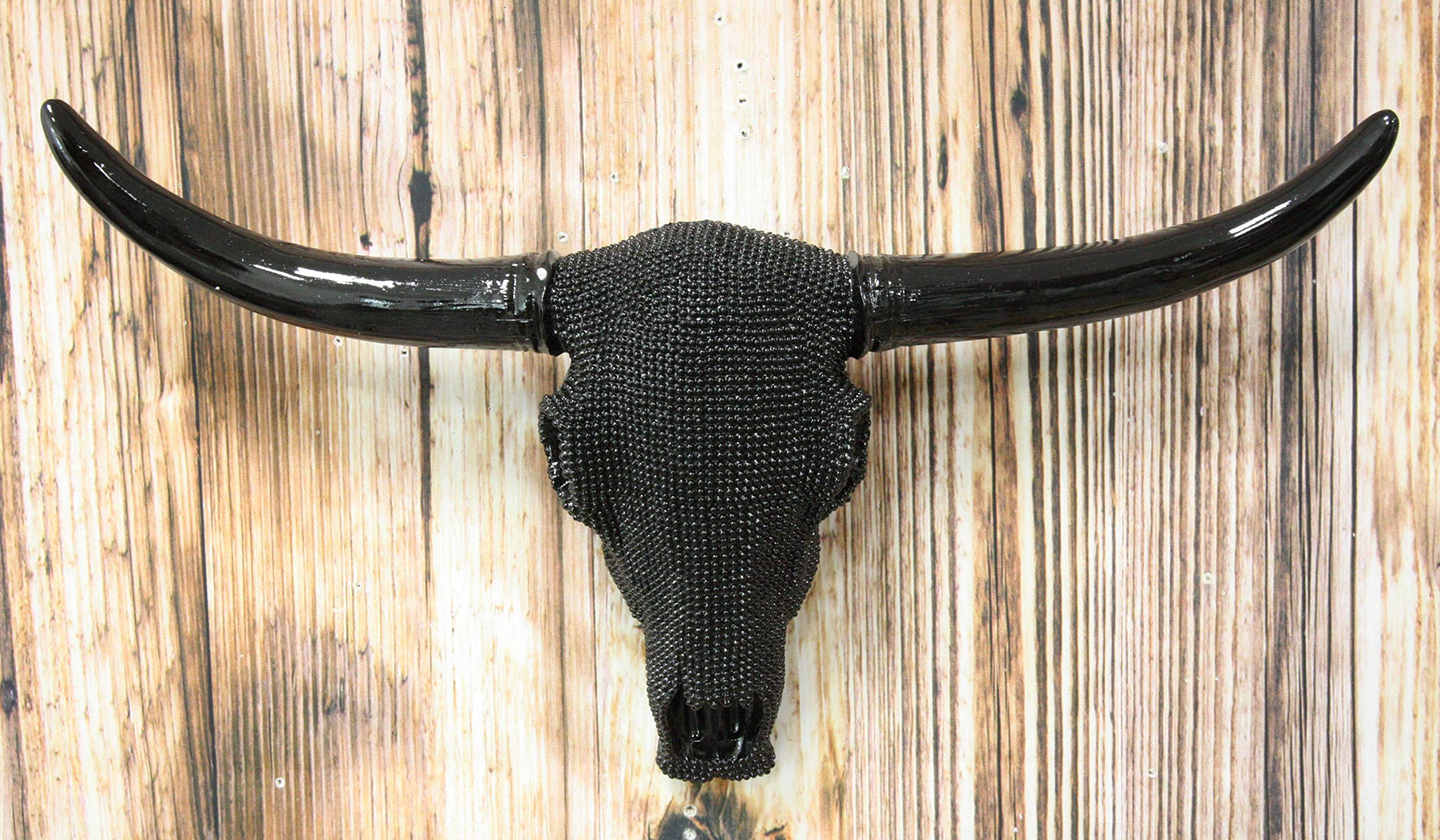
Asian art is more than just pretty pictures; it’s a gateway to understanding diverse cultures, histories, and ways of thinking. It’s about embracing the unique beauty found in different corners of the globe. It’s a fascinating field, filled with countless styles, techniques, and stories. Let’s dive in and explore its rich history, the many art forms it takes, and the impact it has had on the world. And for some, they may even be inspired to go and search for Asian art in their own homes.
Asian art, in all its forms, has captivated hearts and minds for centuries. From the delicate brushstrokes of a Sumi-e painting to the imposing grandeur of a bronze Buddha statue, the artistry of Asia offers a window into a world of diverse cultures, philosophies, and aesthetic sensibilities. This isn’t just about pretty things; it’s a journey into the very soul of civilizations. Understanding Asian art is like unlocking a treasure trove of knowledge and appreciation. It allows us to see the world through different eyes, to value creativity in all its forms, and to celebrate the shared human experience. Let’s begin this amazing journey.
A Quick Trip Through Time: The History of Asian Art
The story of Asian art is as vast and varied as the continent itself. It spans millennia and encompasses numerous countries, each with its own unique artistic traditions. Let’s take a quick look at some key periods and styles:
- Ancient Beginnings: Early civilizations in China, India, and Japan laid the groundwork for much of what we see today. Think of the intricate carvings and sculptures from the Indus Valley or the pottery of the Shang Dynasty.
- The Rise of Empires: Dynasties like the Han, Tang, and Ming in China, the Maurya and Gupta empires in India, and various periods in Korea, all saw flourishing of art and culture. These empires fueled artistic innovation and spread artistic ideas throughout the region.
- Religious Influence: Buddhism, Hinduism, and Taoism played a massive role in shaping Asian art. Temples, statues, and religious imagery became central to artistic expression.
- Cross-Cultural Exchange: The Silk Road and other trade routes facilitated the exchange of ideas and artistic techniques between different Asian countries and the West. This led to a blend of styles that is still visible today.
Painting, Sculpture, and Beyond: Exploring Diverse Art Forms
Asian art is not limited to just one medium. It’s a vibrant collection of art forms. Each country or region has its own specialties. Here are a few examples:
- Painting: Think of the delicate ink washes of Chinese landscape paintings, the vibrant colors of Indian miniatures, and the bold brushstrokes of Japanese Zen art.
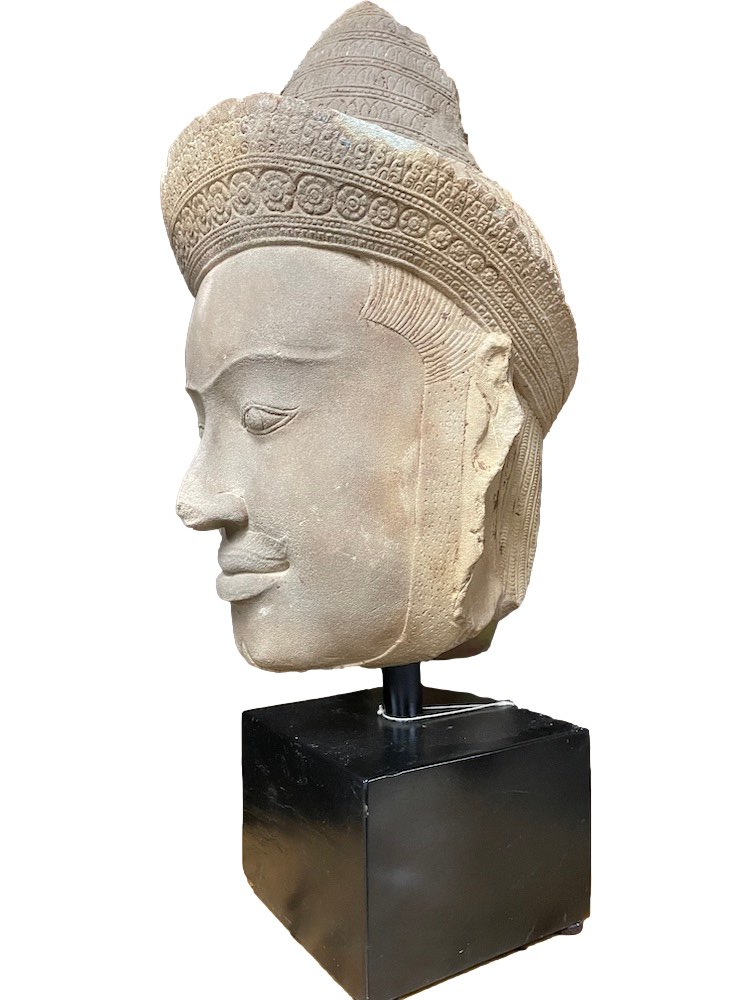
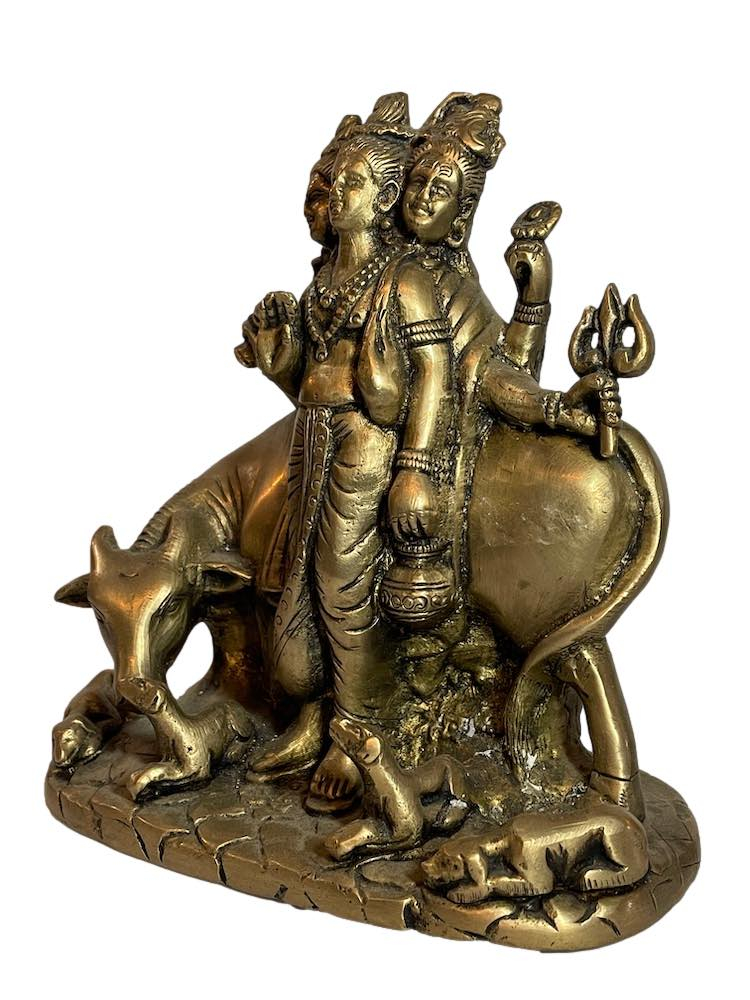
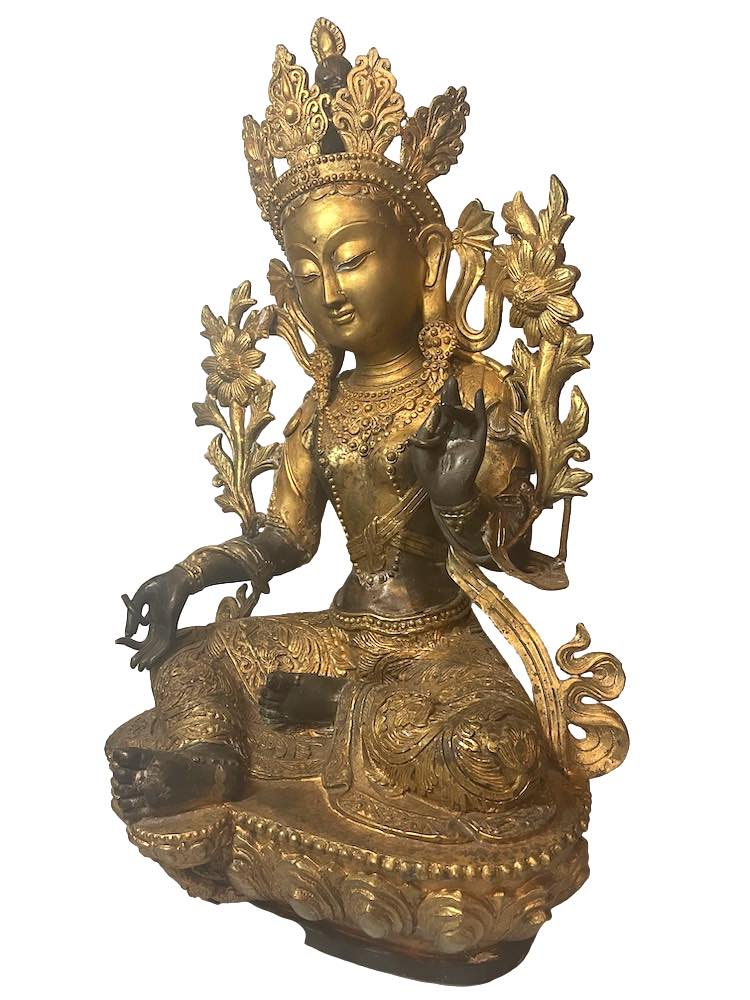
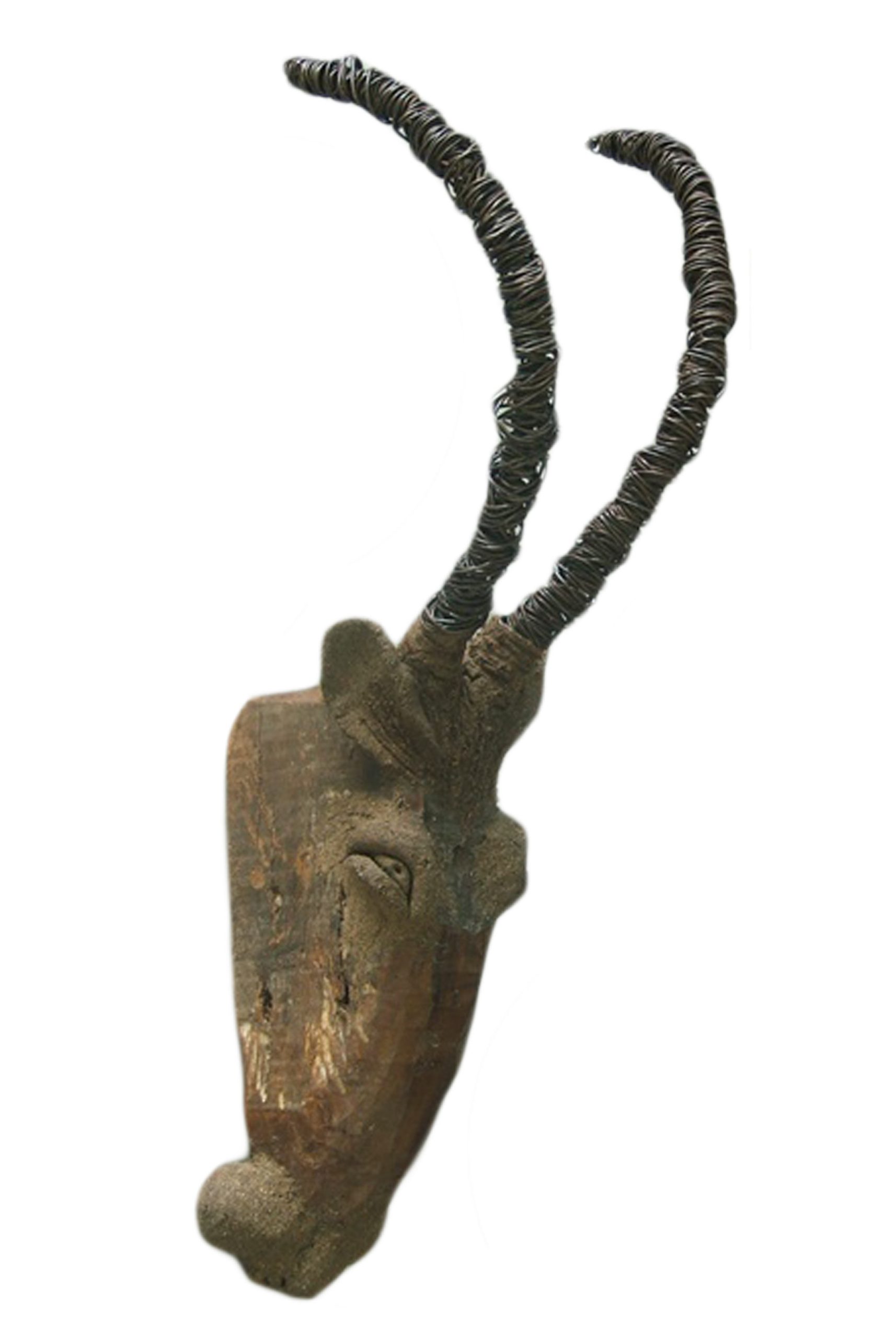
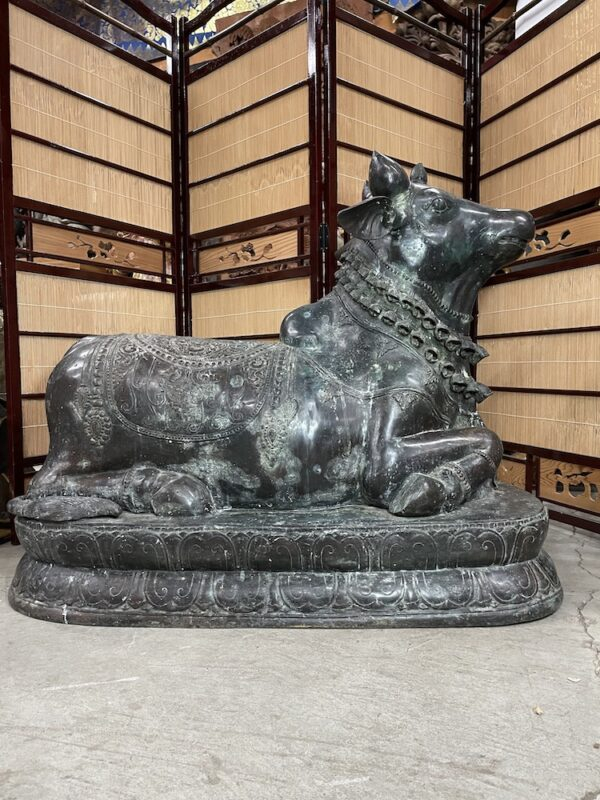
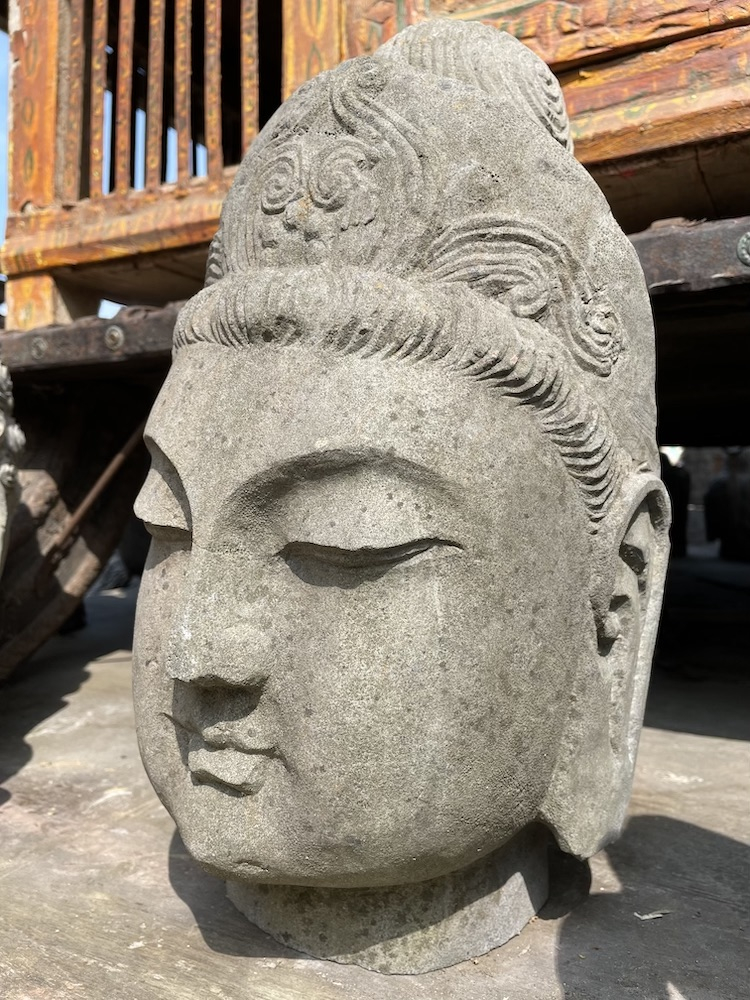
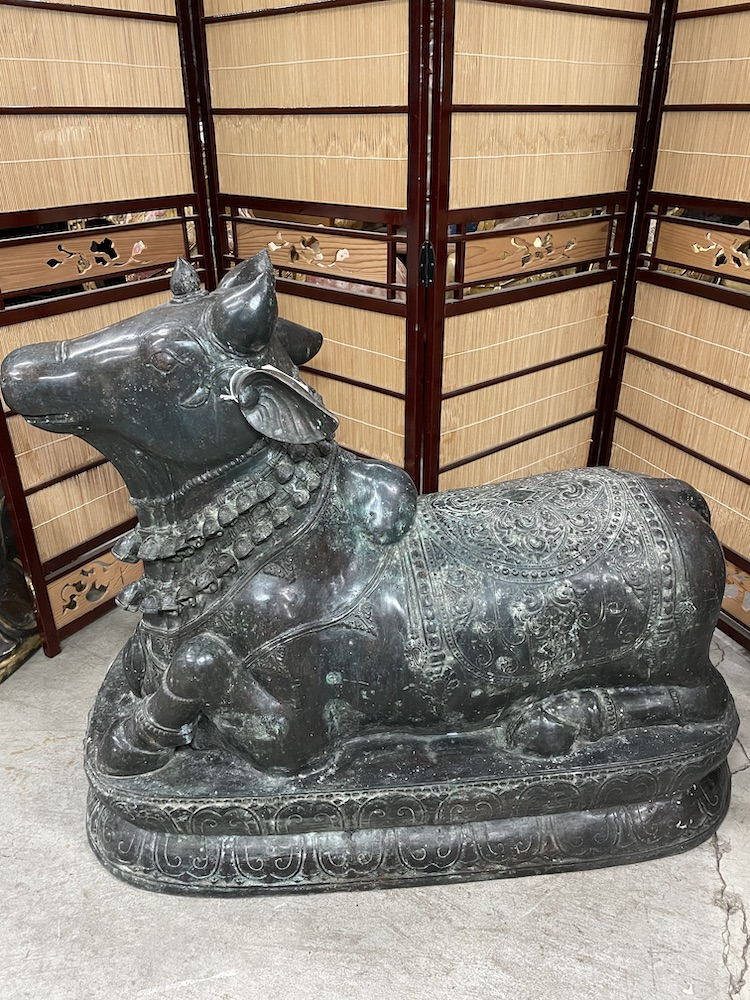
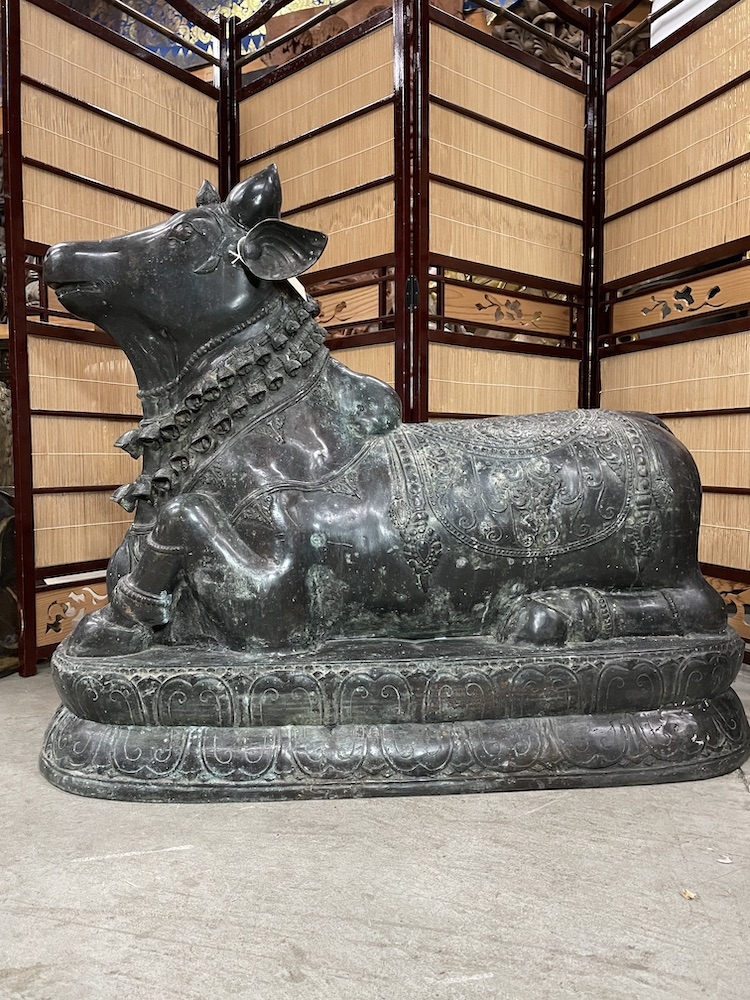
- Sculpture: From the towering Buddha statues of Southeast Asia to the intricate carvings on temple walls, sculpture is a powerful form of expression.
- Ceramics: Pottery, porcelain, and other ceramic arts have a long and rich history in Asia, with each region developing its own distinctive styles.
- Textiles: Silk, embroidery, and other textiles are essential aspects of Asian art, often used for clothing, tapestries, and religious banners.
- Calligraphy: The art of beautiful writing is highly valued in many Asian cultures, considered an art form in itself. The flow of the brush, the choice of ink, the paper, all are crucial elements.
The Meaning Behind the Art: Symbolism and Philosophy
Asian art often carries deep meaning and symbolism. It’s rarely just about aesthetics. Understanding this symbolism gives a deeper appreciation for these works. Here’s what you should know:
- Religious Symbols: Lotus flowers, dragons, and various deities are used to represent concepts like enlightenment, power, and protection.
- Nature’s Influence: Nature plays a huge role in Asian art, representing harmony, balance, and the cyclical nature of life. Mountains, water, and trees are common subjects.
- Cultural Values: Family, respect for elders, and other core values are often reflected in art. Art could be used to show the history of a family or depict a moment in time for a community.
- Philosophical Ideas: Concepts like yin and yang (balance), karma (cause and effect), and samsara (the cycle of rebirth) frequently find their way into artistic expression.
The Enduring Legacy: How Asian Art Influences Us Today
The effects of Asian art can still be seen in many aspects of modern life, from design to fashion. It’s not just confined to museums and galleries; its influence is all around us. Here’s how:
- Design and Architecture: The clean lines and minimalist aesthetics of Japanese design have inspired countless architects and designers around the world. The use of natural materials and the emphasis on simplicity are key influences.
- Fashion: Asian-inspired patterns, textiles, and silhouettes are common in the fashion industry. Kimonos, silk scarves, and other elements of Asian clothing have been adapted and reinterpreted by designers.
- Art and Craft: Asian art techniques, like calligraphy and origami, continue to inspire artists and craftspeople. The emphasis on meticulous detail and craftsmanship is highly valued.
- Mindfulness and Wellness: Practices like meditation and yoga, which are rooted in Asian philosophies, have become increasingly popular, reflecting an interest in Eastern ways of life.
Finding Asian Art: Tips for Collectors and Enthusiasts
If you’re interested in collecting or learning more about Asian art, here are some tips to help you get started:
- Do Your Research: Read books, visit museums, and explore online resources to learn about different Asian art styles, periods, and artists. Knowledge is power.
- Start Small: Begin with pieces that are affordable and that you genuinely like. Don’t feel pressured to invest in expensive items right away.
- Visit Museums and Galleries: See the art in person! It’s the best way to appreciate its beauty and detail.
- Connect with Experts: Talk to art dealers, curators, and other collectors to gain insights and advice.
- Be Patient: Building a collection takes time. Enjoy the journey of discovery and don’t rush it. It’s not a race, but a marathon.
The Future of Asian Art: What to Expect
The world of Asian art is always evolving, with new artists and styles emerging all the time. Here’s what the future might hold:
- Contemporary Art: Contemporary Asian artists are pushing boundaries and exploring new themes and techniques, often blending traditional elements with modern influences.
- Digital Art: Digital technology is opening up new possibilities for artistic expression, with artists creating immersive installations, interactive works, and other innovative forms.
- Focus on Sustainability: Artists are increasingly concerned about environmental issues and are using sustainable materials and practices in their work.
- Global Dialogue: The exchange of ideas and artistic collaborations between Asian and Western artists will continue to grow, leading to new forms of artistic expression.
Asian art is a rich and varied field, offering a glimpse into the history, culture, and values of a vast and diverse region. From the ancient traditions to the contemporary innovations, there is always something new to discover and appreciate. By exploring the world of Asian art, we can broaden our horizons, enrich our lives, and gain a deeper understanding of the human experience. So, dive in, explore, and enjoy the journey. It’s a trip worth taking. And who knows, you might just fall in love with a piece of art that speaks to your soul.
[sps_html tag=”img” src=”https://cdn.theartssection.com/wp-content/uploads/2025/05/rare-master-piece-brass-nandi-brass-nandi-asian-art-imports-intended-for-the-enduring-appeal-of-asian-art-imports-bull-head-a-timeless-treasure.jpg” alt=”Rare Master Piece Brass Nandi | Brass Nandi, Asian Art Imports intended for The Enduring Appeal of Asian Art Imports Bull Head A Timeless Treasure” style=”width: 100%; height: auto;”]
[sps_html tag=”img” src=”https://cdn.theartssection.com/wp-content/uploads/2025/05/old-gray-marble-guan-yin-head-guanyin-head-asian-art-imports-pertaining-to-the-enduring-appeal-of-asian-art-imports-bull-head-a-timeless-treasure.jpg” alt=”Old Gray Marble Guan Yin Head | Guanyin Head, Asian Art Imports pertaining to The Enduring Appeal of Asian Art Imports Bull Head A Timeless Treasure” style=”width: 100%; height: auto;”]
[sps_html tag=”img” src=”https://cdn.theartssection.com/wp-content/uploads/2025/05/khmer-sculpture-sandstone-head-of-vishnu-asian-art-imports-with-the-enduring-appeal-of-asian-art-imports-bull-head-a-timeless-treasure.jpg” alt=”Khmer Sculpture Sandstone Head Of Vishnu | Asian Art Imports with The Enduring Appeal of Asian Art Imports Bull Head A Timeless Treasure” style=”width: 100%; height: auto;”]
[sps_html tag=”img” src=”https://cdn.theartssection.com/wp-content/uploads/2025/05/rare-master-piece-brass-nandi-brass-nandi-asian-art-imports-with-the-enduring-appeal-of-asian-art-imports-bull-head-a-timeless-treasure.jpg” alt=”Rare Master Piece Brass Nandi | Brass Nandi, Asian Art Imports with The Enduring Appeal of Asian Art Imports Bull Head A Timeless Treasure” style=”width: 100%; height: auto;”]
[sps_html tag=”img” src=”https://cdn.theartssection.com/wp-content/uploads/2025/05/asian-art-imports-bull-head-rustic-wall-sculptures-by-asian-art-with-regard-to-the-enduring-appeal-of-asian-art-imports-bull-head-a-timeless-treasure.jpg” alt=”Asian Art Imports Bull Head - Rustic - Wall Sculptures - By Asian Art … with regard to The Enduring Appeal of Asian Art Imports Bull Head A Timeless Treasure” style=”width: 100%; height: auto;”]