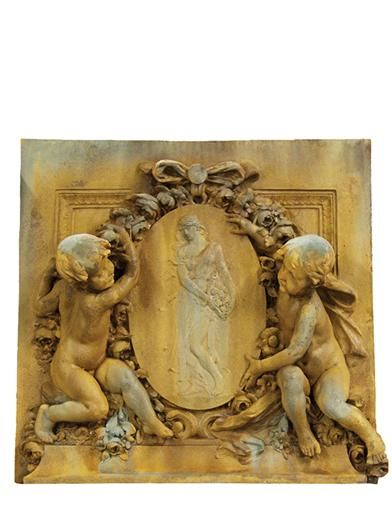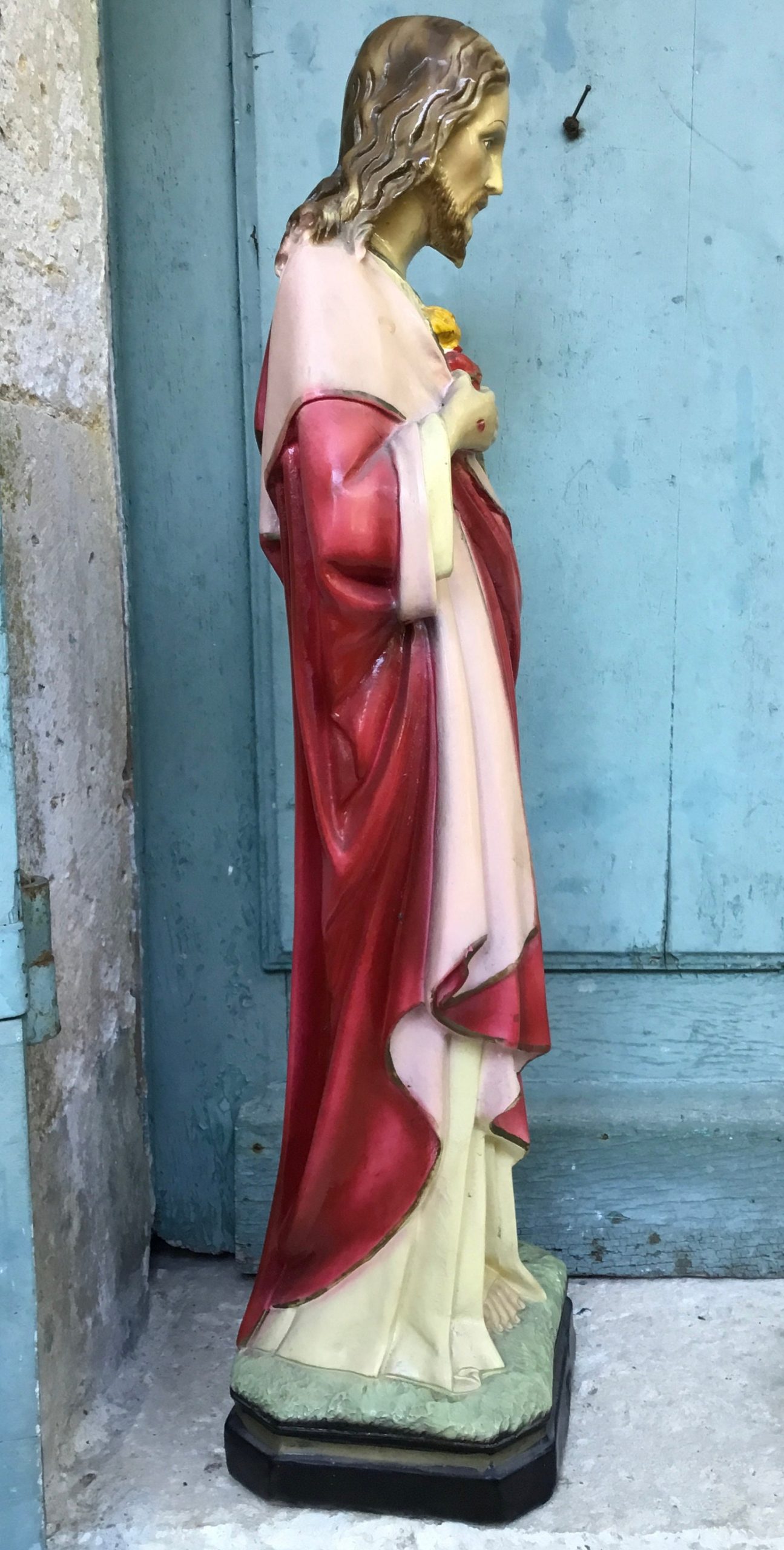
Have you ever walked into an old church or temple and felt totally small. Like the space itself is breathing. Putting a huge religious statue into a holy room is a massive choice. It is not just about interior design or showing off a cool find. It changes how people feel when they step inside.
People who collect holy art face a huge puzzle today in 2026. How do you honor the spiritual weight of a giant sculpture while keeping it safe from harm. You want the piece to feel right at home, not like it is trapped in a museum box. Let us dive into what really matters when bringing these grand works into sacred spaces.
Respecting the Spiritual Intent
Every single carving or figure carries deep meaning for the people who pray near it. You have to ask yourself what the original makers intended. Was it meant to look down from high up, or sit at eye level so folks could reach out and touch it.
Ignoring the spiritual roots can hurt feelings and break the vibe of the room. Take time to chat with local faith leaders before moving anything heavy. Their thoughts will guide you better than any art book ever could.
Environmental Control and Preservation
Big statues made of wood or stone hate sudden shifts in weather. Old holy buildings are often drafty and damp. That is a recipe for disaster for fragile materials.
You need to check humidity levels constantly. A smart collector will work with conservators to protect the piece without ruining the look of the hall. Balance is key here.
Scale and Spatial Harmony
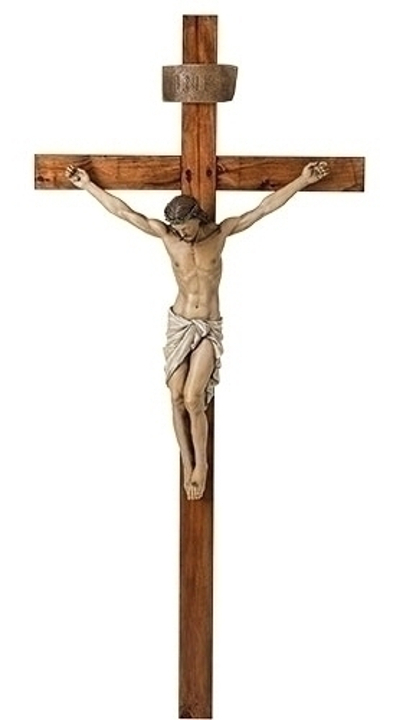
Size matters a lot when you are dealing with monumental works. A towering figure can easily overpower a small chapel. It might make the room feel cramped instead of peaceful.
Always measure twice and then measure again. Look at how the light hits the corners during different times of the day. You want the sculpture to command the room without screaming for attention.
Structural Support and Safety
Massive sculptures weigh a ton, literally. Standard floors in historic buildings might not handle that kind of load. You do not want the floor giving out during a busy gathering.
Bring in structural engineers to inspect the spot first. Safety always comes first, especially when crowds gather around these large installations. Hidden steel braces can keep everyone out of danger.
Lighting and Atmospheric Impact
Good lighting changes everything. Natural sunlight can wash out fine details or fade delicate paint over the years. Artificial lights need careful placement to create soft, reverent shadows.
Think about how candles or modern LEDs interact with the surface texture of the stone or wood. The goal is to highlight the artistry without blinding the people who come to reflect.
Will people be walking right past this piece every single day. High traffic areas mean more dust, accidental bumps, and wear and tear. You must plan for how the community will interact with the art.
Sometimes setting up a gentle barrier helps keep things safe. Other times, letting folks get close deepens their connection to the sacred object. Find that sweet spot through careful observation.
Bringing monumental religious art into a sacred space takes patience and deep respect. It is a bridge between the past and our current lives in 2026. By balancing physical care with spiritual mindfulness, you ensure these great works continue to inspire awe for generations to come.
Take things slow and listen to the space. The right placement will always feel natural and deeply moving.