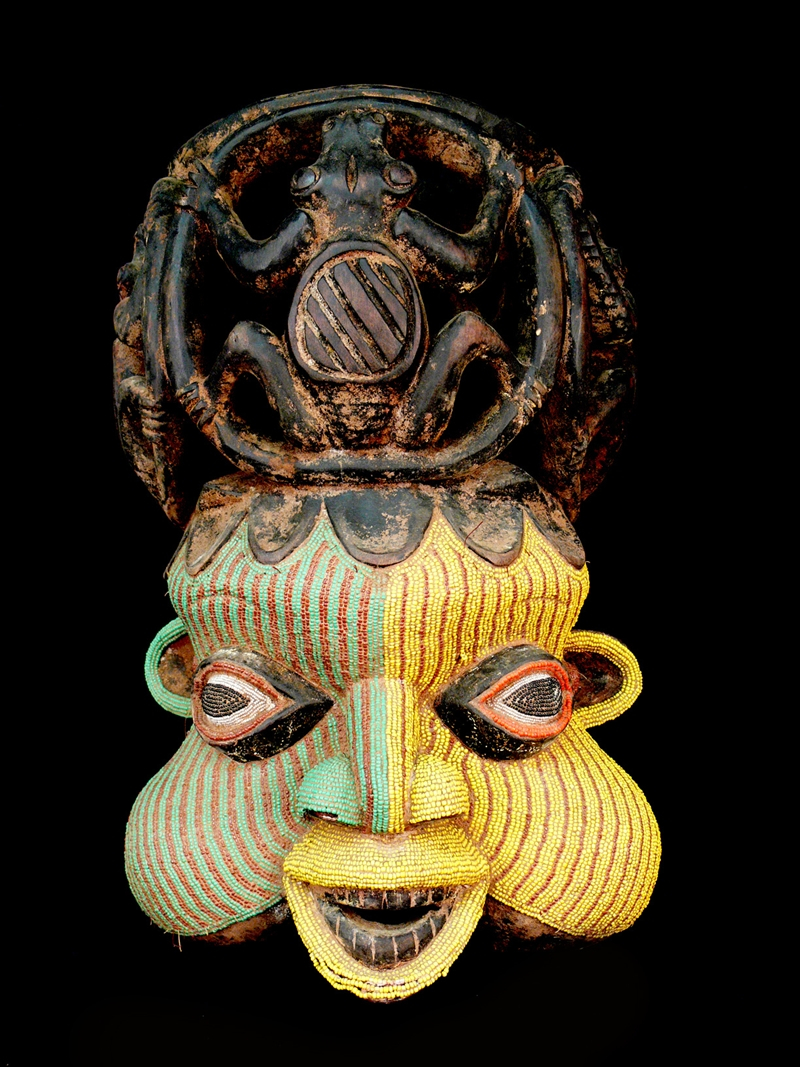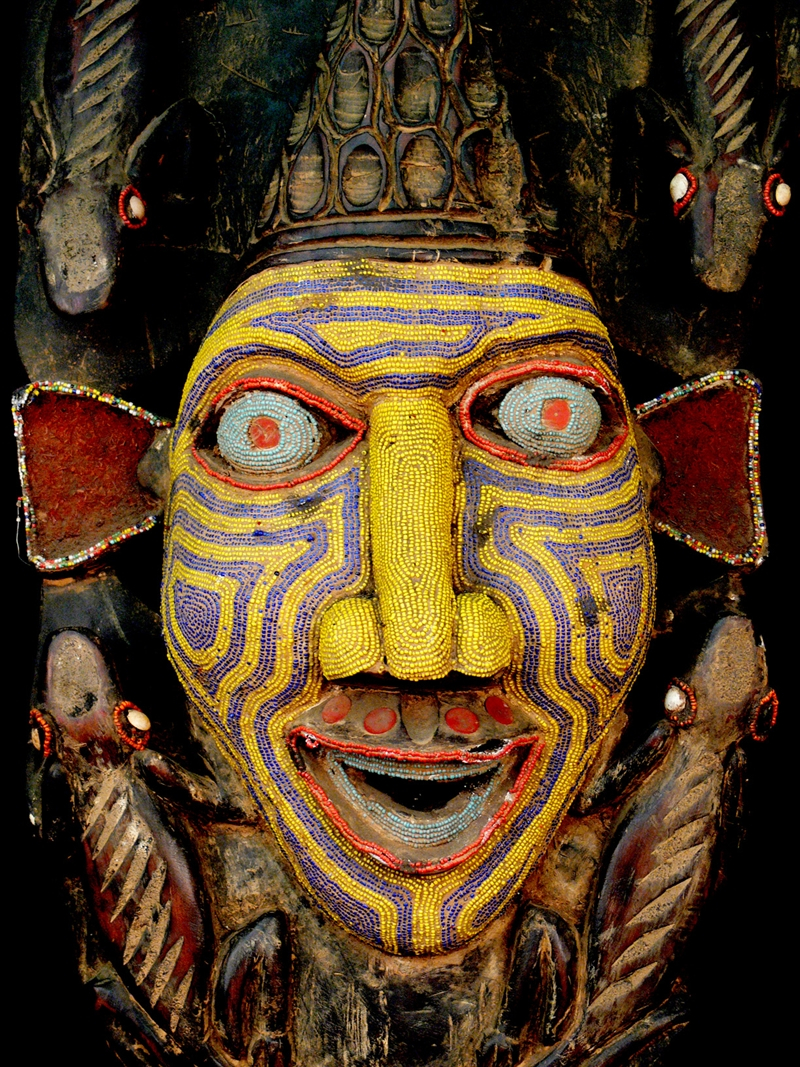
Welcome, art lovers and culture seekers. Today, we’re going on a journey to the heart of Cameroon, to look at something truly fascinating: Bamun masks. These aren’t just pretty objects; they’re vibrant pieces of history, brimming with meaning and crafted with skills passed down through generations. Prepare to delve into the world of the Bamun people and the amazing masks they create.
The Bamun people, also sometimes spelled Bamum, are a group of people from the Western Region of Cameroon. Their masks, far from being mere decorative items, play a vital role in their society. They’re used in ceremonies, celebrations, and rituals, each one telling a tale and representing something profound. This is a world where art and tradition blend seamlessly, where every curve and color has a message. Let’s take a closer look at what makes these masks so special and the stories they carry. We’ll explore their creation, their meaning, and their enduring impact.
This is what makes them even more special.
The Craft: Bringing the Masks to Life
The creation of a Bamun mask is an art form in itself. It starts with finding the right wood, often from trees like the Iroko or Moabi. These woods are strong and durable, perfect for withstanding the wear and tear of ceremonial use. The carvers, who are often highly respected members of the community, use simple yet effective tools – adzes, chisels, and knives – to shape the wood. The process demands patience, skill, and a deep understanding of the mask’s purpose.
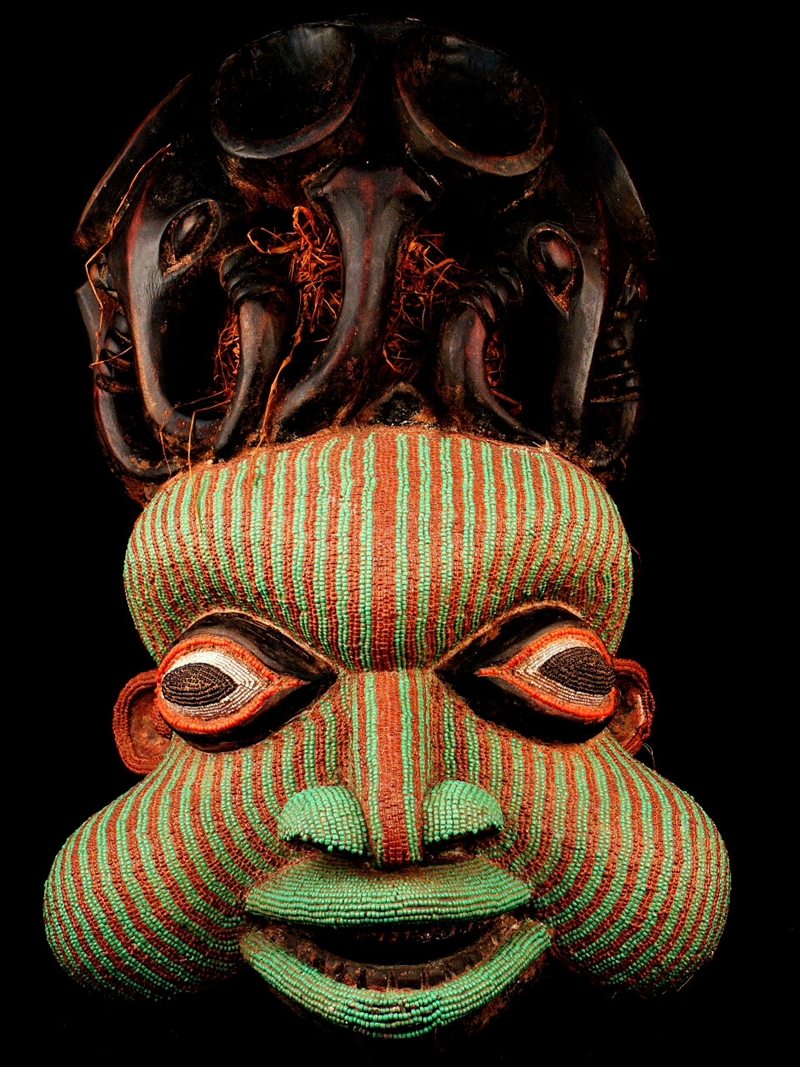
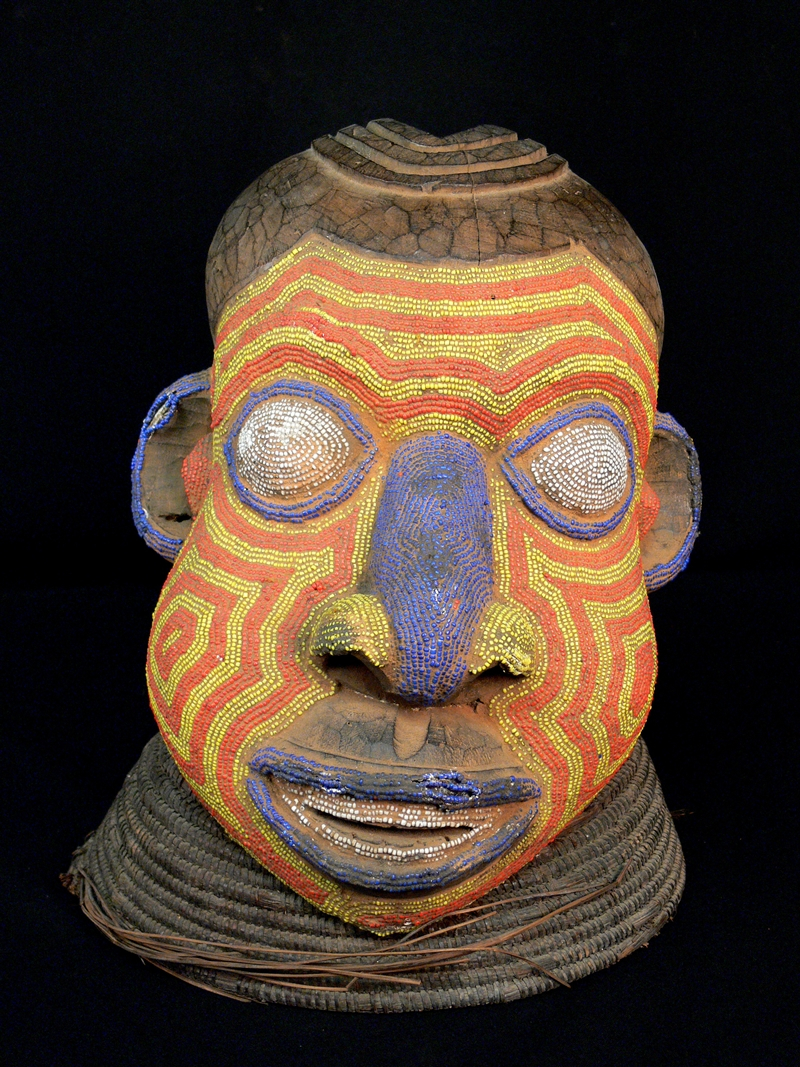
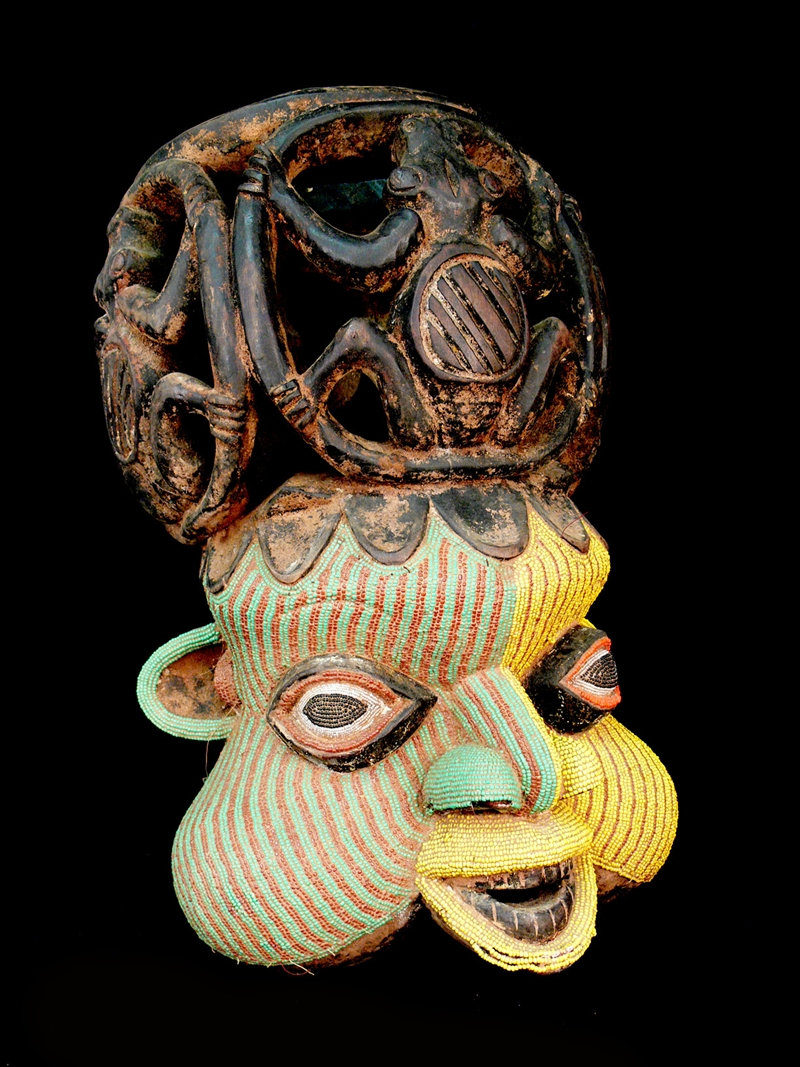
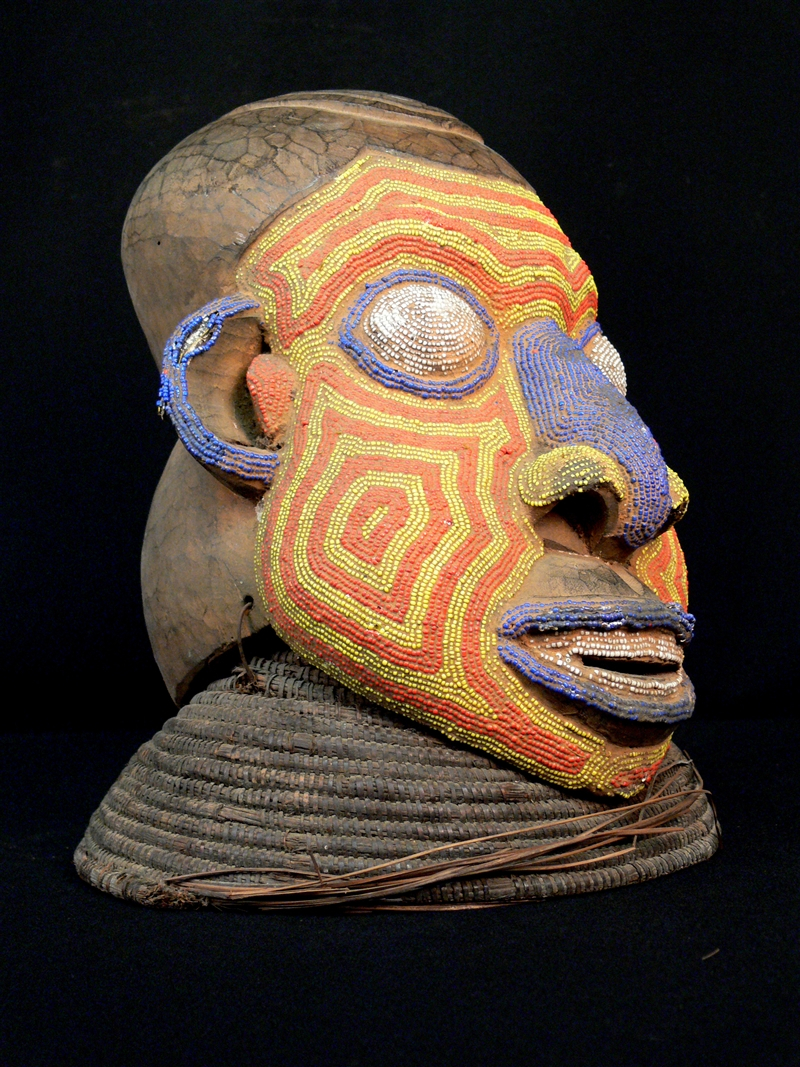
Once the basic shape is carved, the mask is meticulously decorated. This can involve painting with natural pigments derived from plants, minerals, and soils. Colors aren’t just about aesthetics; they have symbolic meanings. Red might represent power, while white could symbolize purity or the spirits. The addition of other materials, like feathers, beads, and cloth, adds layers of complexity and meaning. The details are very important. This is not a quick task, it takes a long time and lots of work.
Symbolism: Deciphering the Mask’s Message
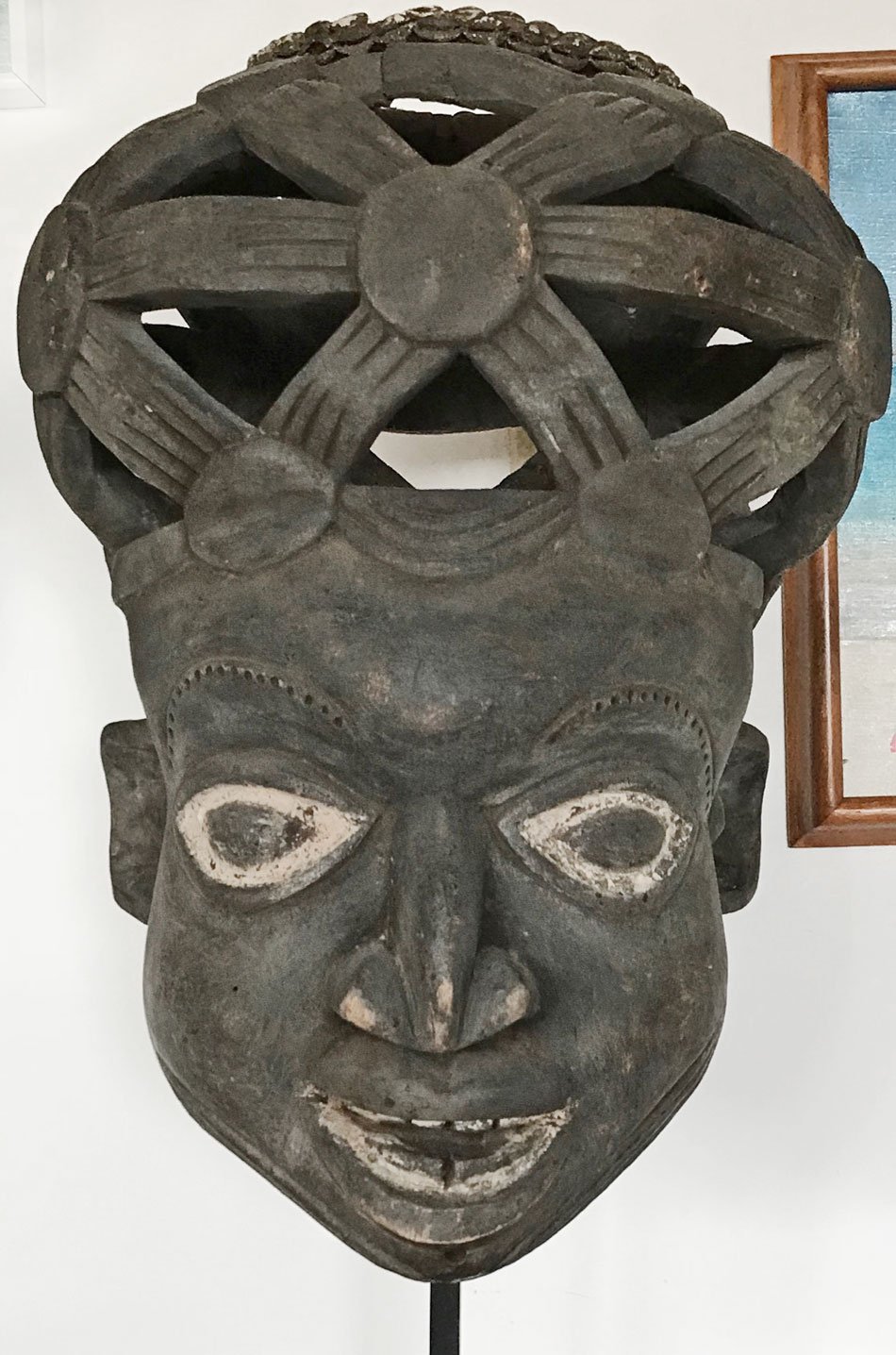
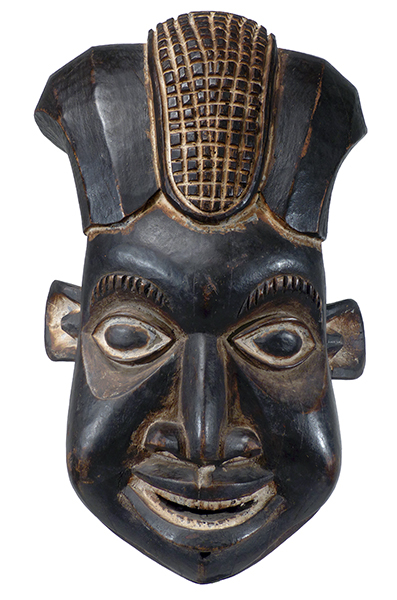
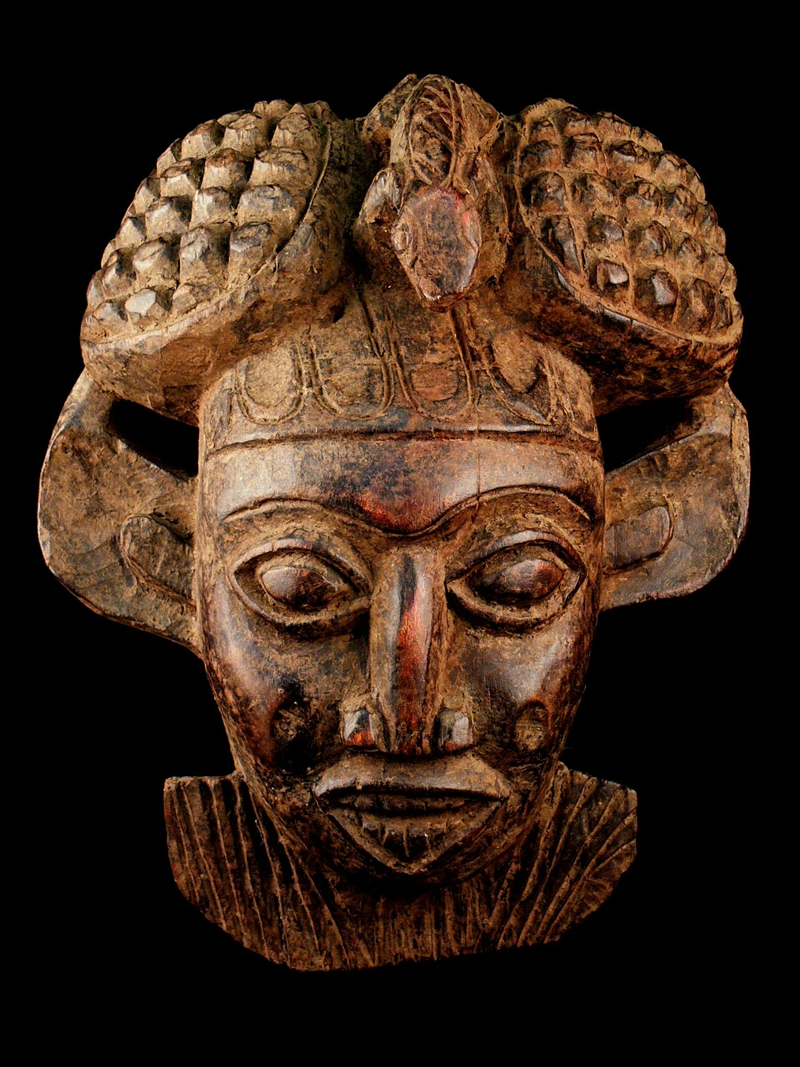
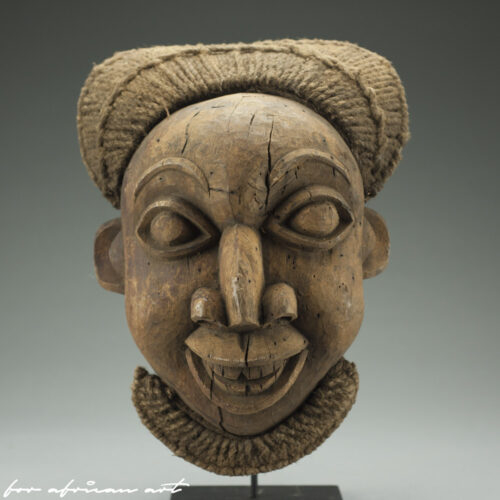
The meanings behind Bamun masks are multifaceted and can vary depending on the specific mask and its intended use. Many masks represent ancestors, spirits, or animals. The masks are not just beautiful; they are vessels for communication. For example, a mask with a large, exaggerated face might represent a powerful leader or ancestor. Animal masks, like those depicting elephants or leopards, often symbolize strength, wisdom, or royalty. The shape, the colors, and the materials used all contribute to the mask’s story. Understanding these symbols gives us a deeper insight into Bamun beliefs and values. It’s like reading a visual novel, where the characters are depicted by the masks.
Ceremonies and Rituals: Masks in Action
Bamun masks are central to many ceremonies and rituals. They are used in a variety of events, including initiations, funerals, harvest celebrations, and royal gatherings. During these events, dancers, often dressed in elaborate costumes, wear the masks and perform specific movements and dances. These performances are not mere entertainment; they are acts of communication with the spiritual world, reenactments of historical events, or expressions of community values. The masks become conduits, allowing the spirits to interact with the living. Imagine the powerful experience of seeing these masks come alive during a ceremony, a real connection with the past.
Types of Bamun Masks: Diversity in Form and Function
There’s a wide variety of Bamun masks, each with its own unique design and purpose. Some common types include:
- Royal Masks: These masks, often adorned with intricate details and vibrant colors, are associated with the Fon (king) and his court. They represent power, authority, and the lineage of the ruling family.
- Ancestor Masks: These masks honor deceased ancestors and are used in rituals to connect with the spirits of the departed.
- Animal Masks: Representing animals such as elephants, leopards, and buffalo, these masks can signify strength, courage, or specific attributes associated with the animals.
- Initiation Masks: Used in coming-of-age ceremonies, these masks guide and protect initiates as they transition into adulthood. And that is just a few of the many types of masks that exist.
Each type plays a specific role in maintaining the cultural and spiritual balance of the community, a real variety.
Preservation and Contemporary Relevance
Today, Bamun masks face the challenges of the modern world. They are treasured as art objects in museums and private collections around the globe. It’s vital to support efforts to preserve this heritage, including the training of new carvers, the documentation of traditional practices, and the promotion of cultural tourism. It is important to remember that these masks are not just objects of the past; they continue to be used in ceremonies and rituals today. They are a living cultural tradition, a bridge between the past and the present. By understanding and respecting their significance, we can help ensure that the stories of the Bamun people endure for generations to come. It’s a matter of ensuring that the legacy continues and not be lost.
Where to Learn More and Show Support
If you’re keen to learn more, I highly recommend exploring museums that have Bamun mask collections. The Metropolitan Museum of Art in New York and the Musée du quai Branly – Jacques Chirac in Paris are excellent places to start. Consider supporting organizations that work to preserve and promote Bamun culture. Buying from ethical sources that benefit the artisans and their communities is also a great way to show your support. The more we learn and share, the more we can ensure that the artistry and cultural significance of these amazing masks are appreciated and protected. And most importantly, it helps the people who make them.
Bamun masks are more than just works of art; they are testaments to the creativity, artistry, and spiritual depth of the Bamun people. They are windows into a rich and complex culture, offering us a glimpse into a world where art and tradition are intertwined. By understanding the craftsmanship, symbolism, and the role these masks play in ceremonies, we gain a deeper appreciation for their significance. They are a powerful reminder of the importance of preserving cultural heritage and celebrating the diversity of human expression. Let us continue to explore, learn, and appreciate the extraordinary world of the Bamun masks. It is a good thing to remember.
[sps_html tag=”img” src=”https://cdn.theartssection.com/wp-content/uploads/2025/05/bamun-mask-1180-african-mask-tribal-art-primitive-art-bamun-intended-for-bamun-masks-beyond-the-surface-exploring-craftsmanship-and-meaning.jpg” alt=”Bamun Mask (1180) - African Mask, Tribal Art, Primitive Art Bamun intended for Bamun Masks Beyond the Surface Exploring Craftsmanship and Meaning” style=”width: 100%; height: auto;”]
[sps_html tag=”img” src=”https://cdn.theartssection.com/wp-content/uploads/2025/05/bamun-mask-1859-african-mask-tribal-art-primitive-art-bamun-pertaining-to-bamun-masks-beyond-the-surface-exploring-craftsmanship-and-meaning.jpg” alt=”Bamun Mask (1859) - African Mask, Tribal Art, Primitive Art Bamun pertaining to Bamun Masks Beyond the Surface Exploring Craftsmanship and Meaning” style=”width: 100%; height: auto;”]
[sps_html tag=”img” src=”https://cdn.theartssection.com/wp-content/uploads/2025/05/bamun-people-culture-history-and-art-of-the-bamun-people-throughout-bamun-mask.jpg” alt=”Bamun People | Culture, History And Art Of The Bamun People throughout Bamun Mask” style=”width: 100%; height: auto;”]
[sps_html tag=”img” src=”https://cdn.theartssection.com/wp-content/uploads/2025/05/bamun-mask-1227-african-mask-tribal-art-primitive-art-bamun-throughout-bamun-masks-beyond-the-surface-exploring-craftsmanship-and-meaning.jpg” alt=”Bamun Mask (1227) - African Mask, Tribal Art, Primitive Art Bamun throughout Bamun Masks Beyond the Surface Exploring Craftsmanship and Meaning” style=”width: 100%; height: auto;”]
[sps_html tag=”img” src=”https://cdn.theartssection.com/wp-content/uploads/2025/05/bamun-mask-1146-african-mask-tribal-art-primitive-art-bamum-intended-for-bamun-mask-1.jpg” alt=”Bamun Mask (1146) - African Mask, Tribal Art, Primitive Art Bamum intended for Bamun Mask” style=”width: 100%; height: auto;”]