The Australian coastline holds secrets that few ever witness. Beyond the familiar blue waters lies a mysterious realm where darkness reigns supreme, yet life flourishes in unexpected ways. This is the domain of the dark seashore – a place where the ocean’s deepest mysteries unfold beneath the surface.
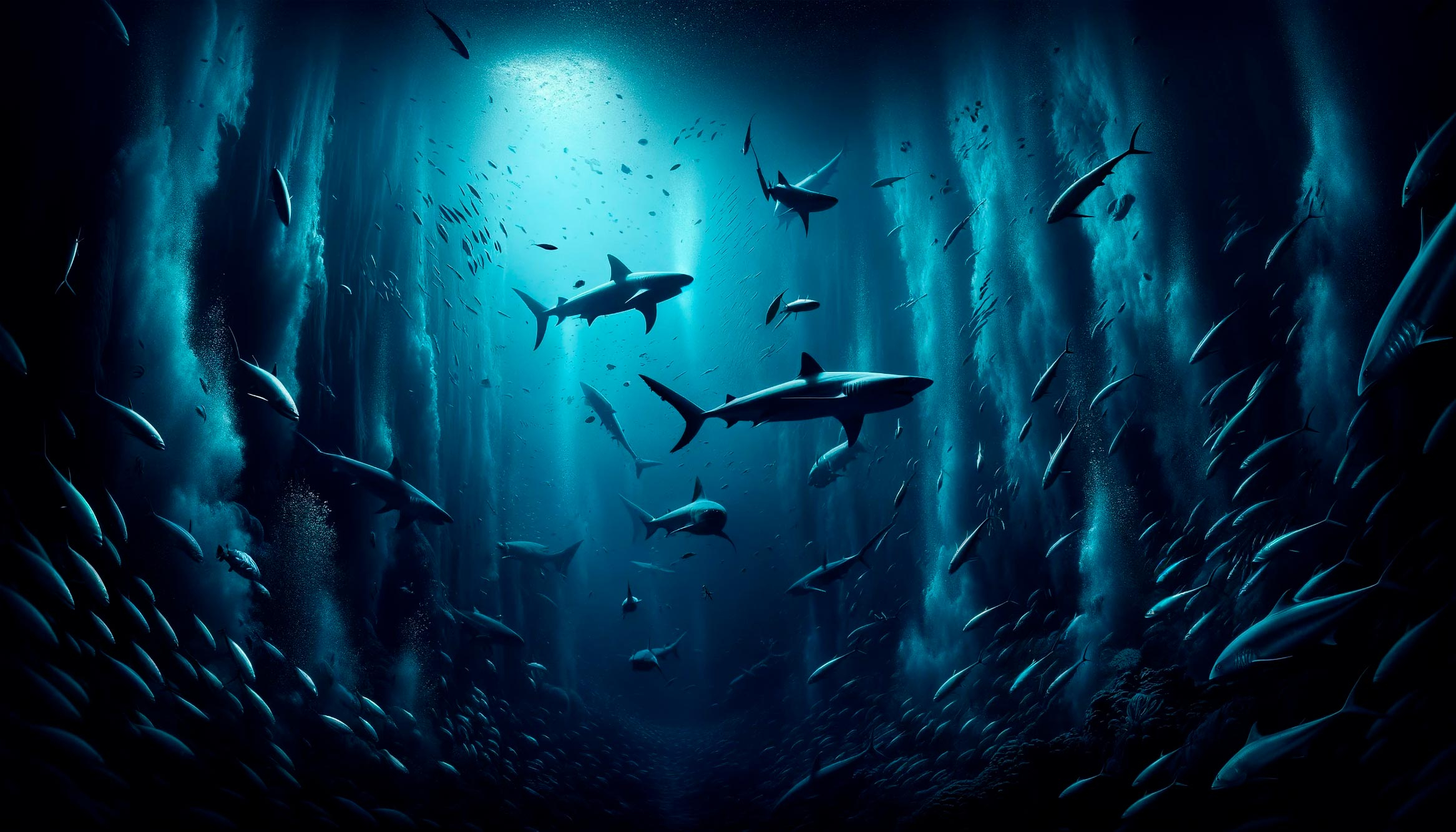
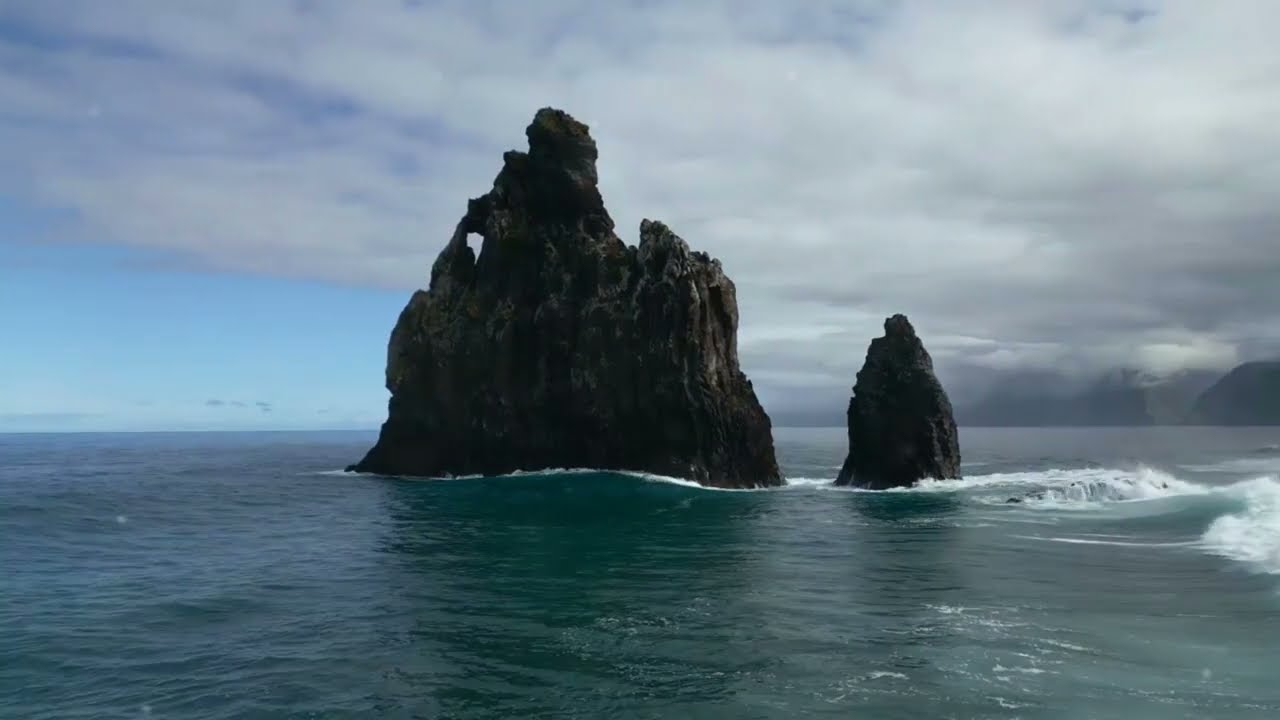
Australia’s shoreline stretches over 30,000 kilometers, making it one of the longest coastlines in the world. But beyond the well-known beaches and tourist spots lie hidden depths that remain largely unexplored. These dark coastal areas are where the ocean floor drops off sharply, creating unique ecosystems that have fascinated scientists and explorers for decades. The term ‘dark seashore’ refers to those underwater regions where sunlight barely penetrates, creating an environment unlike anything found in shallower waters. Here, creatures evolve in ways we can barely imagine, and the very nature of survival takes on new meanings.
What Makes a Seashore Dark?
Dark seashores aren’t just about lack of light. They’re defined by several key characteristics that distinguish them from their brighter counterparts. Depth plays a major role – these areas typically extend beyond 100 meters underwater, where the ocean floor drops away dramatically. The water column itself becomes darker because there’s less light penetration, and the sediment composition changes significantly. What makes this environment even more intriguing is how it affects everything from temperature to pressure. The deeper you go, the colder it gets, and the pressure increases exponentially. This means that organisms living here must adapt to extreme conditions that would kill most marine life. The combination of depth, pressure, temperature, and limited light creates a completely different set of rules for survival.
Unique Marine Life Forms
The creatures that call the dark seashore home are nothing short of extraordinary. Consider the deep-sea anglerfish, whose bioluminescent lure dangles like a fishing hook in the darkness. These fish have evolved to produce their own light, essentially becoming living lanterns in an otherwise black ocean. Another remarkable example is the colossal squid, which can grow to enormous sizes and has eyes that are the largest in the animal kingdom. These massive creatures navigate using specialized sensory organs that detect movement and pressure changes in the water. The vampire squid, despite its scary name, is actually quite gentle. It uses its webbed arms to catch organic debris falling from the surface, then retracts into a defensive ball when threatened. These adaptations show just how creative evolution can be when faced with harsh environmental conditions.
The Role of Bioluminescence
One of the most captivating features of dark seashore environments is bioluminescence – the ability to produce light naturally. This phenomenon occurs in over 70% of deep-sea creatures, making it one of the most common survival strategies in the ocean’s depths. Scientists believe this adaptation evolved for several reasons: communication between species, attracting prey, confusing predators, or even helping with reproduction. The firefly squid of Australia’s southern waters produces brilliant blue light that can be seen from great distances. When these tiny creatures gather in large numbers, they create spectacular displays that look like moving starfields. Some jellyfish species use their glowing bodies to create trails that confuse predators, while others form massive swarms that can illuminate entire underwater areas. The science behind this light production involves special proteins called luciferases that react with oxygen to produce energy in the form of visible light.
Unusual Geological Features
The dark seashore isn’t just about biology – it’s also home to some incredible geological formations. Hydrothermal vents, often called ‘oceanic chimneys,’ rise from the seafloor like underwater volcanoes. These vents spew superheated water rich in minerals that support entire ecosystems without sunlight. The extreme temperatures around these vents can reach 400 degrees Celsius, yet life thrives in these conditions. Black smokers, as they’re sometimes called, create unique mineral deposits that form tower-like structures. The chemical composition of the water around these vents supports bacteria that convert sulfur compounds into energy, forming the base of a food chain that operates entirely independent of solar energy. These environments are so extreme that they’ve been studied as possible models for early Earth conditions and even for understanding how life might exist elsewhere in the universe.
Research Challenges and Discoveries
Studying the dark seashore presents unique challenges that make it one of the most difficult frontiers in marine biology. Traditional diving equipment simply can’t reach these depths, so researchers rely on remotely operated vehicles and submersibles. The technology required to explore these depths costs millions of dollars and requires highly skilled operators. One of the biggest breakthroughs came when scientists discovered that many deep-sea creatures can survive extreme pressure changes when brought to the surface too quickly. This finding led to better preservation techniques for specimens and more accurate studies of deep-sea biology. Recent expeditions have revealed that some species live much longer than previously thought, with certain deep-sea corals surviving for thousands of years. These discoveries challenge our understanding of marine ecosystems and suggest that we’ve barely scratched the surface of what exists in these dark waters.
Conservation and Future Exploration
As we learn more about these mysterious environments, conservation becomes increasingly important. Deep-sea mining operations pose serious threats to these fragile ecosystems, potentially destroying habitats that took millions of years to develop. The slow growth rates of deep-sea organisms mean that damage from human activities can take centuries to recover from. Climate change also affects these areas through altered currents and temperature changes that disrupt delicate ecological balances. Marine protected areas are being established around significant deep-sea sites, but more research is needed to fully understand what needs protection. Future exploration will likely involve better autonomous underwater vehicles and artificial intelligence systems that can navigate and collect data in these challenging environments. The next decade promises exciting discoveries as technology continues to advance, bringing us closer to understanding these hidden worlds.
The dark seashore represents one of Earth’s final frontiers, where ancient mysteries still await discovery. Every time we dive deeper into these mysterious waters, we uncover new evidence of life’s incredible adaptability and resilience. These environments remind us that the ocean’s true wonders lie far beneath the surface we see every day. As we continue to explore and understand these depths, we gain not just scientific knowledge, but also a deeper appreciation for the complexity and beauty of our planet’s marine ecosystems. The secrets of the dark seashore may seem distant and unreachable, but each expedition brings us closer to comprehending the full scope of life’s possibilities on Earth. What we discover in these depths could revolutionize our understanding of biology, geology, and even the origins of life itself. The journey into the unknown continues, and the ocean’s darkest corners hold stories that are just beginning to be told.
[sps_html tag=”img” src=”https://cdn.theartssection.com/wp-content/uploads/2025/10/deep-sea-mysteries-science-still-cant-explain-youtube-pertaining-to-dark-australian-seashore.jpg” alt=”Deep Sea Mysteries Science Still Can't Explain! - Youtube pertaining to "Dark Australian Seashore” style=”width: 100%; height: auto;”]
[sps_html tag=”img” src=”https://cdn.theartssection.com/wp-content/uploads/2025/10/14-hidden-mysteries-of-the-ocean-that-scientists-cannot-explain-youtube-within-discovering-the-hidden-mysteries-of-australias-dark-seashore.jpg” alt=”14 Hidden Mysteries Of The Ocean That Scientists Cannot Explain - Youtube within Discovering the Hidden Mysteries of Australia's Dark Seashore” style=”width: 100%; height: auto;”]
[sps_html tag=”img” src=”https://cdn.theartssection.com/wp-content/uploads/2025/10/unveiling-the-mysteries-new-insights-on-why-marine-predators-dive-into-within-dark-australian-seashore.jpg” alt=”Unveiling The Mysteries: New Insights On Why Marine Predators Dive Into … within "Dark Australian Seashore” style=”width: 100%; height: auto;”]
[sps_html tag=”img” src=”https://cdn.theartssection.com/wp-content/uploads/2025/10/design-art-beautiful-dark-seashore-australia-photographic-print-on-intended-for-discovering-the-hidden-mysteries-of-australias-dark-seashore.jpg” alt=”Design Art 'Beautiful Dark Seashore Australia' Photographic Print On … intended for Discovering the Hidden Mysteries of Australia's Dark Seashore” style=”width: 100%; height: auto;”]
[sps_html tag=”img” src=”https://cdn.theartssection.com/wp-content/uploads/2025/10/extraordinary-mystery-of-the-ancient-nebra-sky-disc-explored-news-within-dark-australian-seashore.jpg” alt=”‘Extraordinary’: Mystery Of The Ancient Nebra Sky Disc Explored | News … within "Dark Australian Seashore” style=”width: 100%; height: auto;”]