When you think of London, images of Big Ben, Tower of London, and Buckingham Palace probably come to mind. But these iconic landmarks hold secrets that go far beyond their famous facades. What if I told you that the very stones beneath your feet have stories to tell? These monuments weren’t just built for show – they’re repositories of centuries of human experience, triumph, tragedy, and transformation.
London’s skyline is filled with buildings that seem to whisper stories of the past. Every cobblestone street, every ancient tower, every grand palace has layers upon layers of history. Some of these stories are well-known – like the Tower of London’s role as a prison or how Big Ben got its name. But there are deeper narratives that most visitors never encounter. These aren’t just buildings or monuments; they’re living documents of human civilization. What makes them truly special isn’t just their appearance, but what happened within their walls, around their foundations, and beneath their surfaces. The city itself has been shaped by countless individuals whose lives intersected with these places in ways that changed everything.
The Tower of London: From Royal Palace to Prison
The Tower of London began as a fortress built by William the Conqueror in 1066, but it’s evolved into something much more complex. Originally intended as a symbol of Norman power, it transformed over time into a royal residence, a treasury, a menagerie, and finally a prison. What many don’t realize is that the Tower was actually used to house the Crown Jewels for centuries, making it a repository of England’s most precious artifacts. The whitechapel Bell, which you might recognize from the famous phrase ‘the bells of St. Mary’s Whitechapel,’ was even cast right here. The tower’s walls have witnessed executions, royal births, and political conspiracies. During the reign of Henry VIII alone, over 100 people were executed within its walls. The moat wasn’t just decorative – it served as a defense mechanism AND a way to keep prisoners isolated from the outside world. Many visitors walk past the Yeoman Warders (beefeaters) without realizing they’re seeing the descendants of the original guards who first stood watch over these ancient halls.
Buckingham Palace: A Royal Home with Hidden Rooms
Buckingham Palace might be the face of the British monarchy, but it’s also home to some surprising secrets. Did you know that the palace contains over 775 rooms, including 19 state rooms, 52 royal and guest bedrooms, and 188 staff bedrooms? The palace’s basement houses the Royal Mews, where the monarch’s carriages are kept, and the famous Royal Opera House. But here’s where things get interesting: the palace has been expanded and modified over nearly 300 years. The East Wing, added in 1850, was designed by architect Edward Blore, but it’s actually built on top of an earlier structure that was destroyed during the Great Fire of London. The palace’s gardens are also home to a secret tunnel system that connects various parts of the building. During World War II, these tunnels were used to store important documents and even housed a small cinema for the royal family. The palace’s famous changing of the guard ceremony was actually introduced in 1837, but it was originally held in the courtyard rather than the current location.
Big Ben: More Than Just a Clock Tower
Big Ben is more than just the clock tower that dominates London’s skyline. It’s a monument to engineering prowess and national pride. The bell itself, named after Sir Benjamin Hall, weighs over 13 tons and was cast in 1858. The tower’s construction took nearly 10 years and involved over 2,000 workers. But the tower’s story extends beyond its impressive height of 316 feet. It was built to commemorate the opening of the new Houses of Parliament after the fire that destroyed the old building in 1834. The clock mechanism itself was designed by Edmund Beckett Denison, who had to overcome numerous technical challenges to ensure the precision of the timepiece. The tower’s design was influenced by the Italian campanile style, but it’s actually a hybrid of Gothic Revival and Victorian architecture. The tower’s bell chimes every hour, but the actual timekeeping is managed by a sophisticated system of pendulums and weights that has been maintained for over 150 years. Interestingly, the tower was originally called the Clock Tower before it became known as Big Ben.
Westminster Abbey: A Spiritual Heart with Secret Passages
Westminster Abbey is often called the ‘House of Kings’ because it’s where English monarchs have been crowned and buried for over 1,000 years. But beneath its beautiful stone facade lies a network of hidden spaces and secret passages. The abbey’s crypts contain the remains of over 3,000 people, including kings, queens, prime ministers, and famous artists. The famous Poets’ Corner holds the graves of writers like Geoffrey Chaucer and Charles Dickens. But here’s where it gets really intriguing: the abbey was built on top of a Roman temple and Saxon burial ground. Archaeological excavations have revealed that the abbey’s foundation stones were laid directly on Roman foundations, creating a unique blend of ancient and medieval architecture. The abbey also features several secret chambers, including a hidden room behind the high altar that was used for storing religious artifacts. During the Reformation, many of the abbey’s treasures were moved to safer locations, and some of these hiding places remain unknown to this day. The abbey’s architecture reflects centuries of change, from Norman beginnings to Gothic Revival additions.
St. Paul’s Cathedral: A Monument Built on a Fire
St. Paul’s Cathedral stands as one of London’s most recognizable symbols, but its story begins with destruction. The original cathedral was destroyed in the Great Fire of London in 1666, leaving only ruins and memories. Sir Christopher Wren was tasked with rebuilding it, and his design was revolutionary for its time. The dome, which rises 365 feet above the ground, was considered the largest in Europe when it was completed in 1710. But Wren’s vision went beyond aesthetics – he incorporated innovative engineering techniques that made the building earthquake-resistant. The cathedral’s construction took 35 years and required over 200,000 cubic feet of stone. Inside, the cathedral houses the tomb of Admiral Nelson, and its Whispering Gallery is famous for its acoustic properties. The cathedral’s crypt contains the remains of many notable figures, including the poet John Dryden. The building’s exterior was painted white in the 18th century, but the original color was a deep red. The cathedral’s famous dome was inspired by the Pantheon in Rome, but Wren adapted the design to fit the needs of a modern church. During World War II, the cathedral survived bombing raids and became a symbol of resilience.
The British Museum: A Collection Born from Empire
The British Museum opened in 1759, but its origins are deeply tied to Britain’s imperial expansion. The museum’s founding collection came largely from the personal library of Sir Hans Sloane, a physician and collector who gathered items from across the globe. What many don’t realize is that the museum’s early collections were acquired through colonial expeditions and trade relationships that often involved coercion or exploitation. The museum’s Egyptian mummies were collected during Napoleon’s campaigns in Egypt, while many of its Asian artifacts came from the British Raj. The museum’s famous Rosetta Stone was discovered by French soldiers in 1799 and later acquired by Britain. The building itself was designed by Robert Smirke and opened in 1842, but it’s been expanded and renovated multiple times since then. The museum’s galleries house over 8 million objects, representing cultures from every continent. The building’s iconic portico features sculptures depicting the arts and sciences, but the museum’s true significance lies in its role as a repository of human knowledge and culture. Today, the museum grapples with questions about the provenance of many of its artifacts and the ethical implications of their acquisition.
These landmarks are more than just tourist attractions – they’re windows into the soul of London itself. Each building tells a story that spans centuries, connecting us to the people who lived, worked, and dreamed within their walls. From the Tower of London’s dark history to St. Paul’s Cathedral’s rebirth from ashes, these sites represent both the triumphs and struggles of human civilization. Understanding their hidden histories helps us appreciate not just their beauty, but their deeper significance. The next time you visit one of these famous spots, remember that you’re standing on layers of history that stretch back centuries. These monuments are living museums, constantly evolving while preserving the stories that define London. They remind us that every corner of this great city holds secrets waiting to be discovered, and that understanding our past is essential to shaping our future.
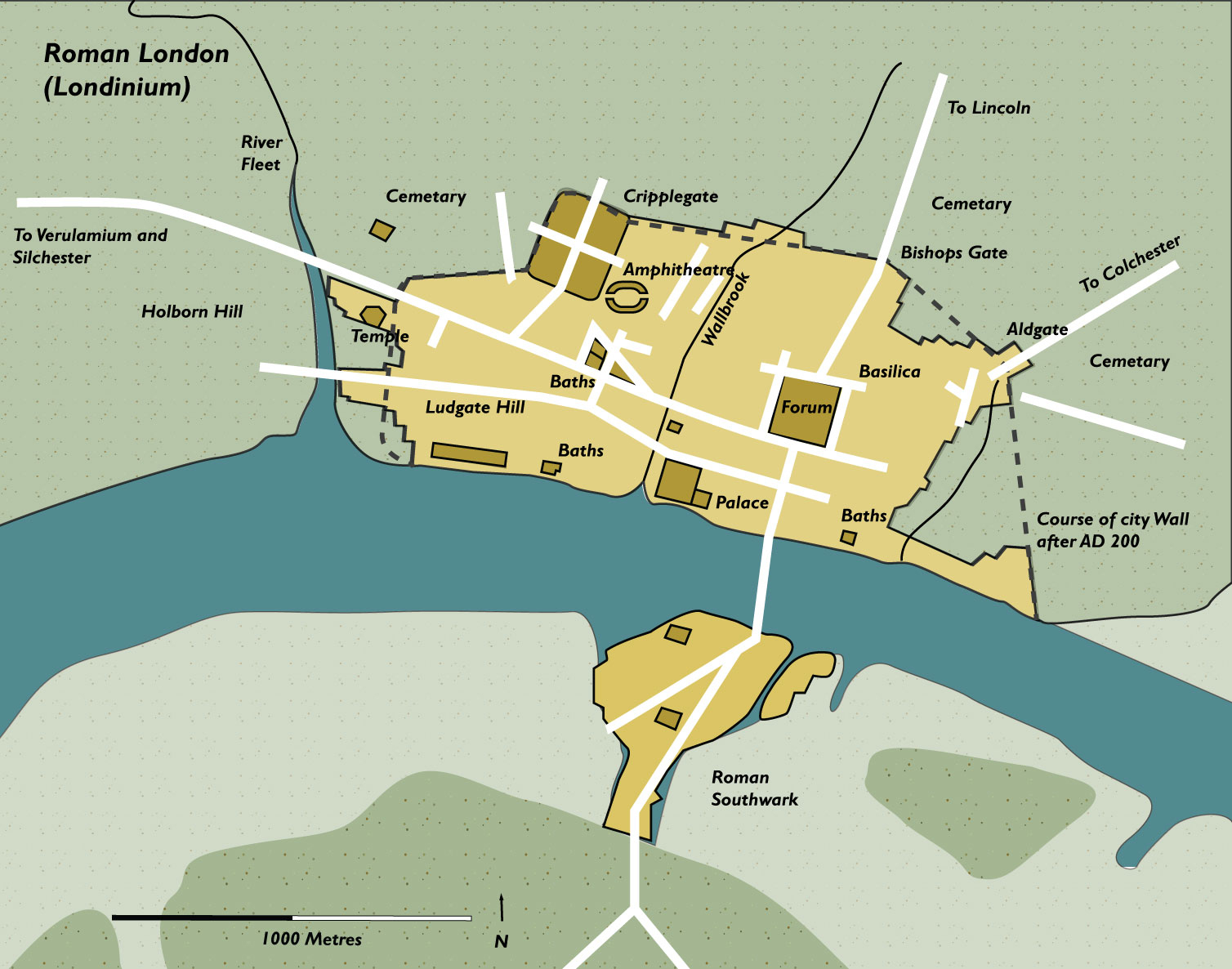
[sps_html tag=”img” src=”https://cdn.theartssection.com/wp-content/uploads/2025/11/london-londinium-roman-settlement-roman-britain-pertaining-to-understanding-londons-evolution-from-roman-settlement-to-modern-metropolis.jpg” alt=”London (Londinium) Roman Settlement - Roman Britain pertaining to Understanding London's Evolution From Roman Settlement to Modern Metropolis” style=”width: 100%; height: auto;”]
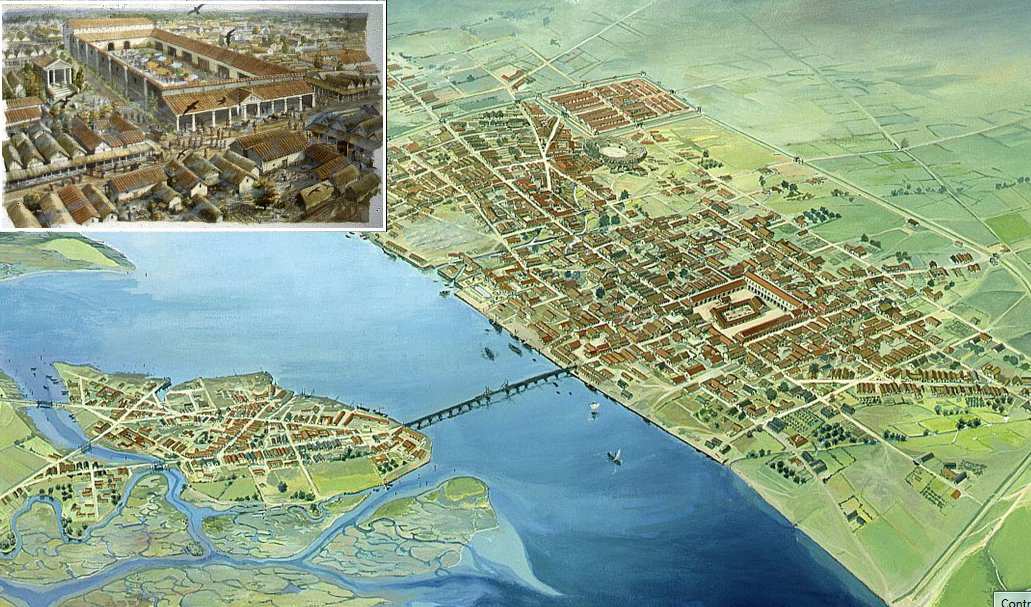
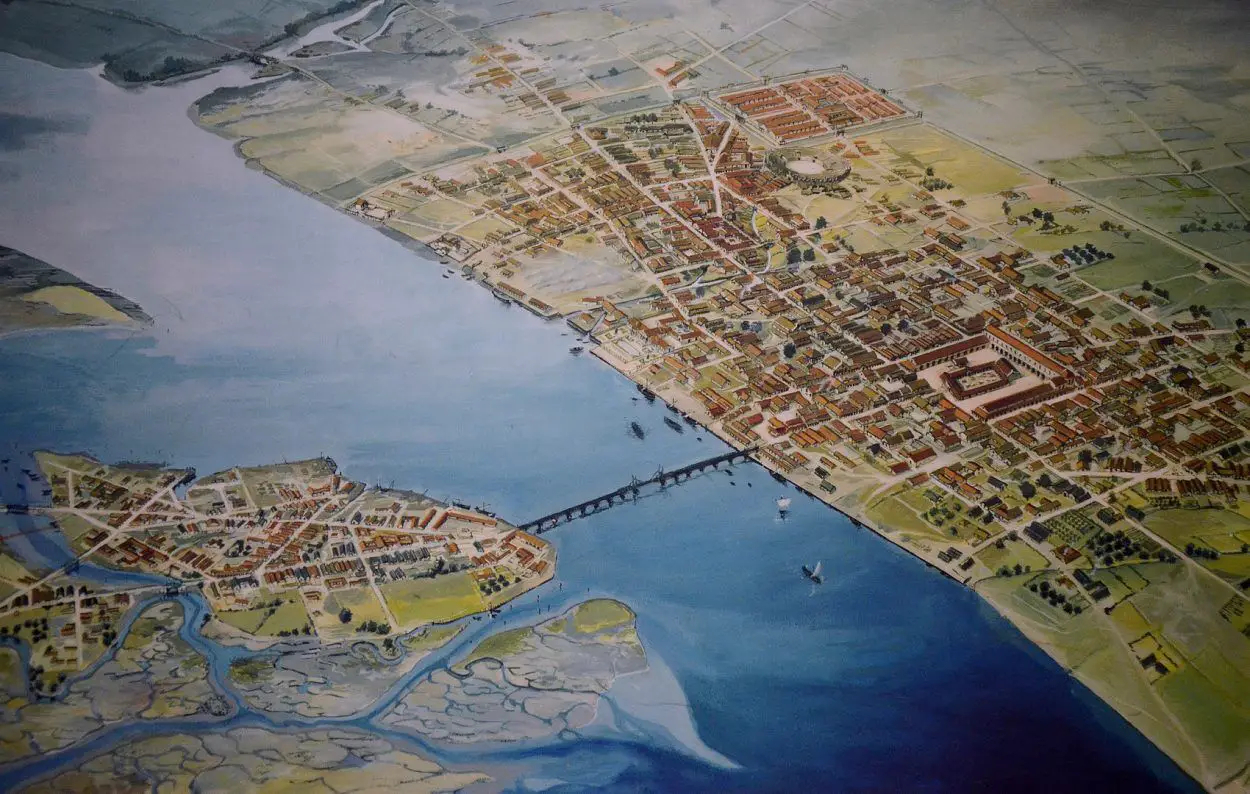
[sps_html tag=”img” src=”https://cdn.theartssection.com/wp-content/uploads/2025/11/londinium-ancient-roman-outpost-that-became-powerful-city-of-london-with-regard-to-understanding-londons-evolution-from-roman-settlement-to-modern-metropolis.jpg” alt=”Londinium: Ancient Roman Outpost That Became Powerful City Of London … with regard to Understanding London's Evolution From Roman Settlement to Modern Metropolis” style=”width: 100%; height: auto;”]
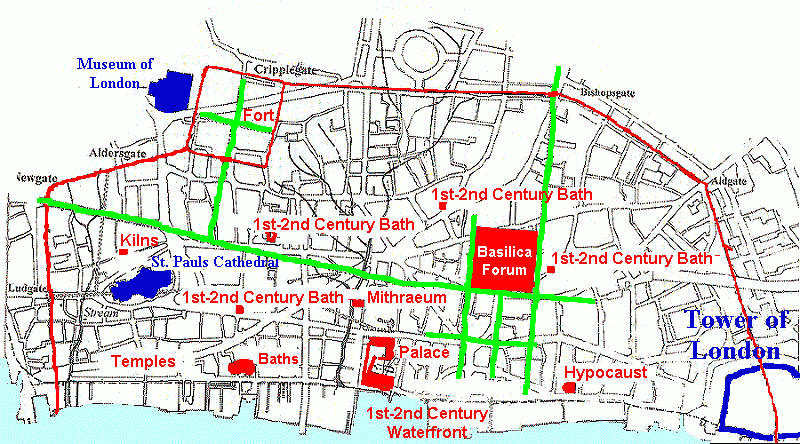
[sps_html tag=”img” src=”https://cdn.theartssection.com/wp-content/uploads/2025/11/romans-in-britain-map-of-roman-london-throughout-understanding-londons-evolution-from-roman-settlement-to-modern-metropolis.gif” alt=”Romans In Britain - Map Of Roman London throughout Understanding London's Evolution From Roman Settlement to Modern Metropolis” style=”width: 100%; height: auto;”]
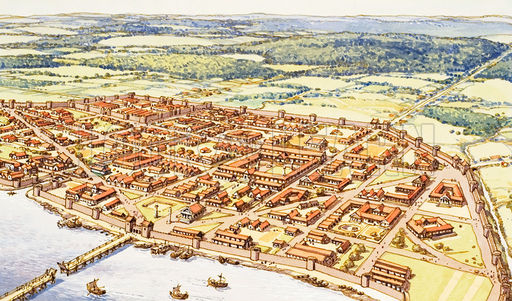
[sps_html tag=”img” src=”https://cdn.theartssection.com/wp-content/uploads/2025/11/londinium-roman-london-within-london.jpg” alt=”Londinium – Roman London within "London” style=”width: 100%; height: auto;”]
[sps_html tag=”img” src=”https://cdn.theartssection.com/wp-content/uploads/2025/11/londinium-10-interesting-facts-and-figures-about-roman-london-regarding-understanding-londons-evolution-from-roman-settlement-to-modern-metropolis.jpg” alt=”Londinium: 10 Interesting Facts And Figures About Roman London … regarding Understanding London's Evolution From Roman Settlement to Modern Metropolis” style=”width: 100%; height: auto;”]