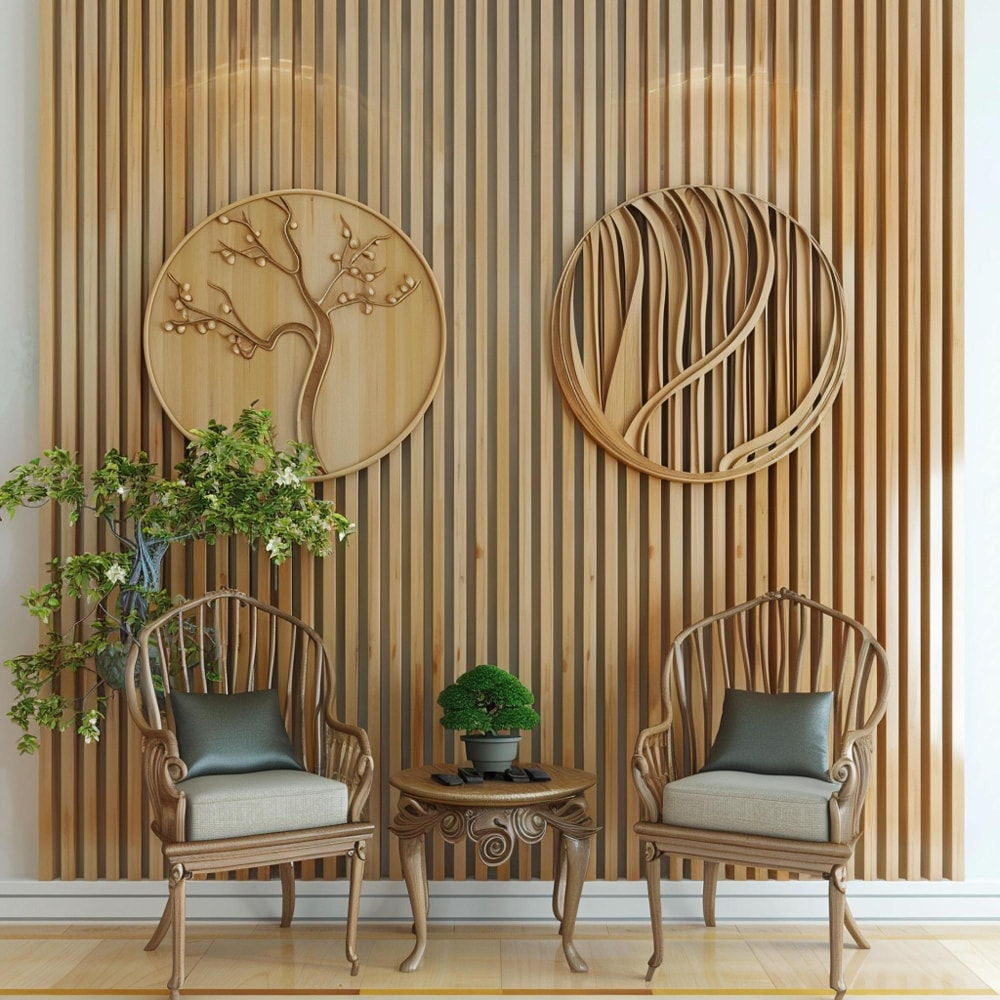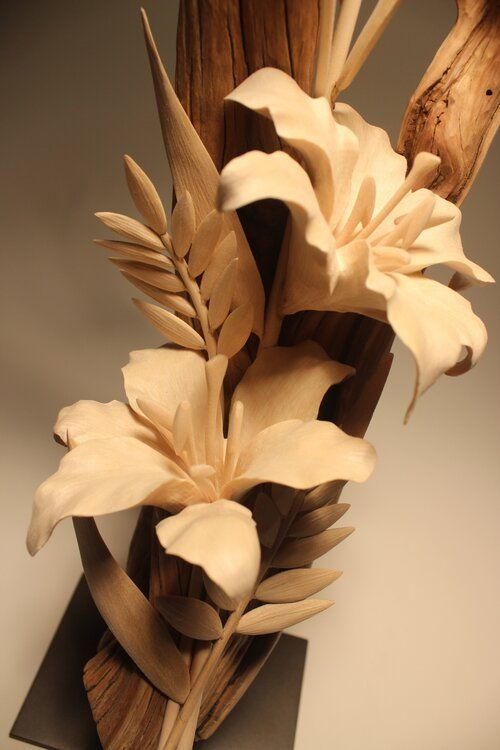
Every wooden carving tells a tale, whether it’s about ancestors, nature, or spiritual beliefs. These beautiful pieces don’t just decorate walls—they carry centuries of cultural meaning and craftsmanship.
Walk into any home today and you’ll likely see some form of wood carvings adorning the walls. From simple geometric patterns to elaborate scenes depicting mythological creatures, these artworks serve as more than mere decoration. They represent deep cultural connections that span continents and generations. What makes wood carving so special in interior design? It’s not just about aesthetics—it’s about heritage, identity, and the stories we want to tell our families and guests.
Historical Roots and Traditional Techniques
Wood carving isn’t a new trend—it’s one of humanity’s oldest artistic expressions. Ancient civilizations from Africa to Asia developed their own distinctive styles, each telling unique stories about their societies. In many cultures, wood was chosen because it was readily available and possessed natural beauty. The techniques passed down through generations often involve hand tools that have remained largely unchanged for centuries. For instance, Japanese woodworking traditions emphasize precision and minimalism, while African tribal carvings often feature bold, expressive forms. These methods aren’t just about creating pretty objects—they’re about maintaining cultural practices that connect communities to their roots.
Symbolism and Meaning Behind Common Designs
When you look closely at wood carved wall art, you’re seeing layers of meaning. Animals often represent different qualities—tigers for courage, birds for freedom, deer for gentleness. Plants and trees can symbolize growth, strength, or the cycle of life itself. Geometric patterns frequently represent concepts like balance, harmony, or spiritual connections. A lot of traditional designs also incorporate elements like spirals, which might represent the journey of life or the universe itself. Sometimes even numbers hold significance. For example, in Chinese culture, the number eight is associated with prosperity and good fortune. Understanding these meanings can transform a simple piece of wall art into a conversation starter and a meaningful part of your home.
Regional Variations and Cultural Identity
Different regions around the world have developed their own signature styles of wood carving. Scandinavian wood carvings often feature clean lines and nature motifs, reflecting the region’s connection to forests and winter landscapes. Indian wood carvings might include intricate floral patterns and religious symbols, showing deep spiritual influences. Mexican artisans create vibrant, colorful pieces that celebrate local traditions and mythology. Each style carries cultural identity in its very essence. When someone sees a particular carving in your home, they’re getting a glimpse into the traditions and values that shaped it. This makes wood carvings powerful tools for cultural expression, especially in multicultural households.
Modern Interpretations and Contemporary Appeal
Today’s designers and homeowners aren’t afraid to blend traditional wood carving with modern aesthetics. You’ll find contemporary pieces that incorporate minimalist lines with classic motifs, or pieces that use reclaimed wood to add character to modern interiors. The appeal lies in how these works bridge the gap between past and present. Many artists now experiment with combining traditional techniques with modern themes, creating pieces that feel both timeless and fresh. This fusion allows people to honor their cultural heritage while still meeting contemporary design needs. The result is artwork that speaks to both the heart and the eye.
Practical Considerations for Homeowners
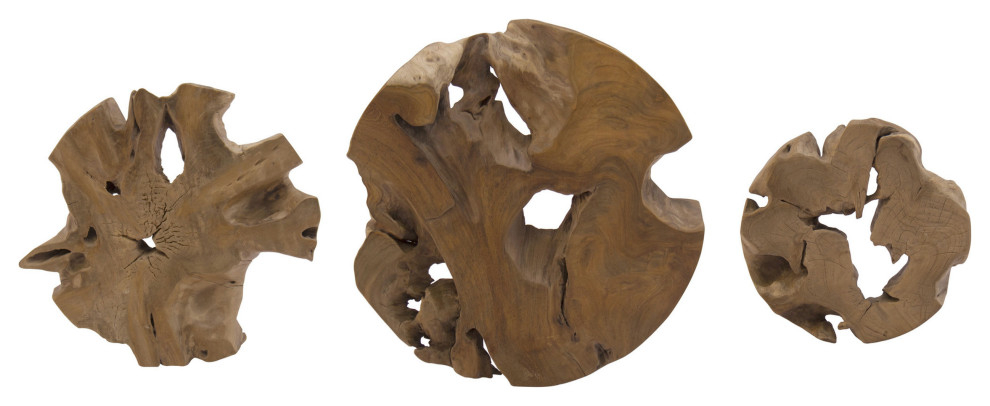
Choosing wood carved wall art involves more than just picking something that looks nice. First, consider the room’s lighting, as wood can show different colors and textures under various conditions. Think about the piece’s size relative to your wall space. Also important is the wood type itself—some woods are more durable than others and may require special care. For instance, teak wood is naturally resistant to weather and insects, making it ideal for outdoor pieces, while softer woods might be better suited for indoor environments. Maintenance matters too—regular dusting and occasional oiling can keep your pieces looking their best for decades.
Building Connection Through Cultural Art
Beyond decorating spaces, wood carved wall art creates bonds between people and places. When you display a piece from another culture, you’re opening doors to understanding and appreciation. Families often pass down carved pieces through generations, making them heirlooms rather than just decorations. These works become conversation starters, helping visitors learn about different traditions and histories. They can also serve as reminders of travels, gifts from loved ones, or simply representations of personal values. In a world where everything seems increasingly digital and uniform, wood carvings offer something tangible and deeply human—a way to preserve and share cultural stories.
Wood carved wall art represents far more than decorative elements in our homes. These pieces carry stories, traditions, and cultural wisdom that connect us to our ancestors and to each other. Whether you’re drawn to the elegant simplicity of Scandinavian designs or the bold expressions of African traditions, there’s a carved piece waiting to enhance your space and tell its story. As we continue to navigate an increasingly globalized world, these handmade treasures remind us of the importance of preserving cultural identity while embracing modern living. Choosing wood carved wall art isn’t just about decorating—it’s about participating in a rich tradition that spans millennia and continues to evolve.
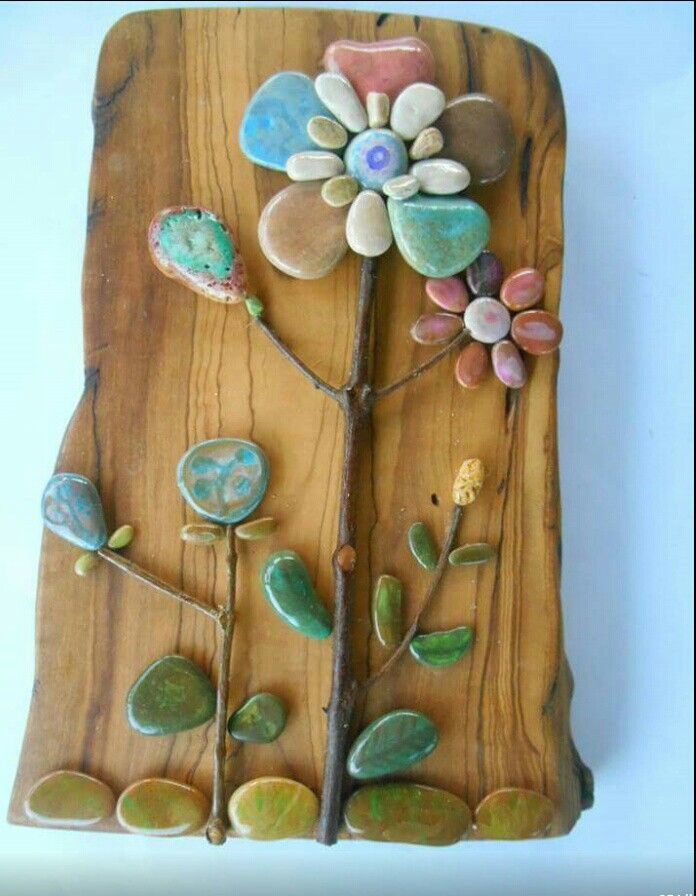
[sps_html tag=”img” src=”https://cdn.theartssection.com/wp-content/uploads/2025/12/hand-carved-flower-wood-art-for-floral-wood-carved-wall-panelwood-wall-art-large-wood-wall-plaque-35-5×13-5-w.jpg” alt=”Hand Carved Flower Wood Art for Floral Wood Carved Wall Panelwood Wall Art Large Wood Wall Plaque 35.5"X13.5", W” style=”width: 100%; height: auto;”]
[sps_html tag=”img” src=”https://cdn.theartssection.com/wp-content/uploads/2025/12/wooden-flower-sculpture-with-traditional-techniques-in-contemporary-floral-wood-art.jpg” alt=”Wooden Flower Sculpture with Traditional Techniques in Contemporary Floral Wood Art” style=”width: 100%; height: auto;”]
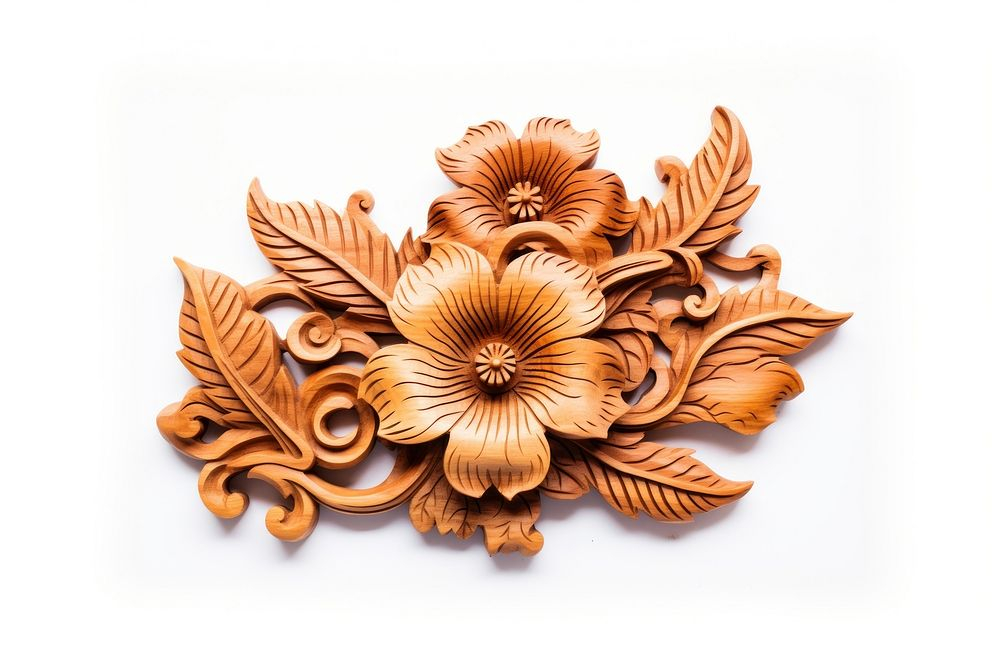
[sps_html tag=”img” src=”https://cdn.theartssection.com/wp-content/uploads/2025/12/hibiscus-flower-wood-art-pattern-premium-photo-rawpixel-in-traditional-techniques-in-contemporary-floral-wood-art.jpg” alt=”Hibiscus Flower Wood Art Pattern. | Premium Photo - Rawpixel in Traditional Techniques in Contemporary Floral Wood Art” style=”width: 100%; height: auto;”]
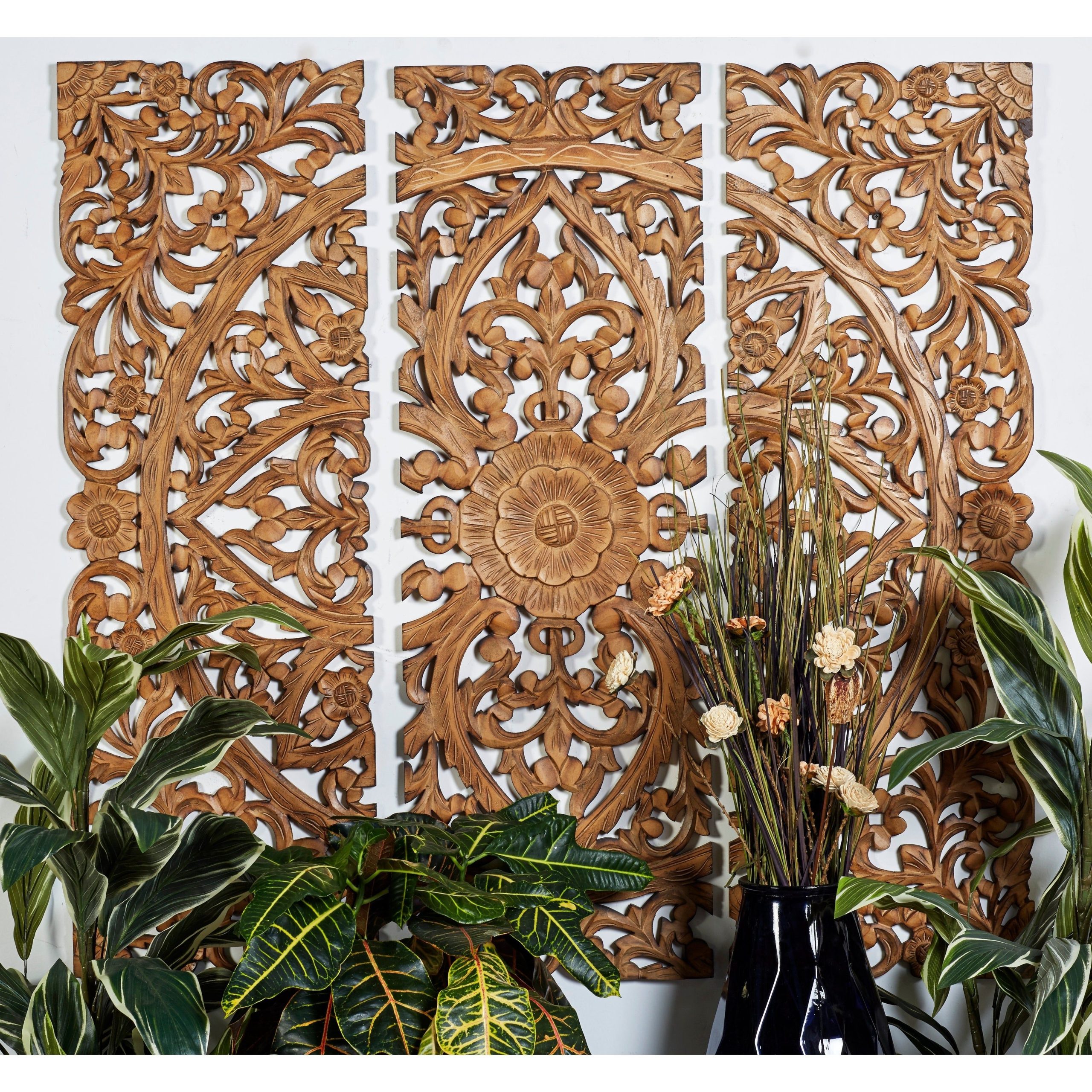
[sps_html tag=”img” src=”https://cdn.theartssection.com/wp-content/uploads/2025/12/shop-hand-carved-wood-wall-panels-w-floral-and-acanthus-designs-by-pertaining-to-traditional-techniques-in-contemporary-floral-wood-art-scaled.jpg” alt=”Shop Hand-Carved Wood Wall Panels W/ Floral And Acanthus Designs By … pertaining to Traditional Techniques in Contemporary Floral Wood Art” style=”width: 100%; height: auto;”]
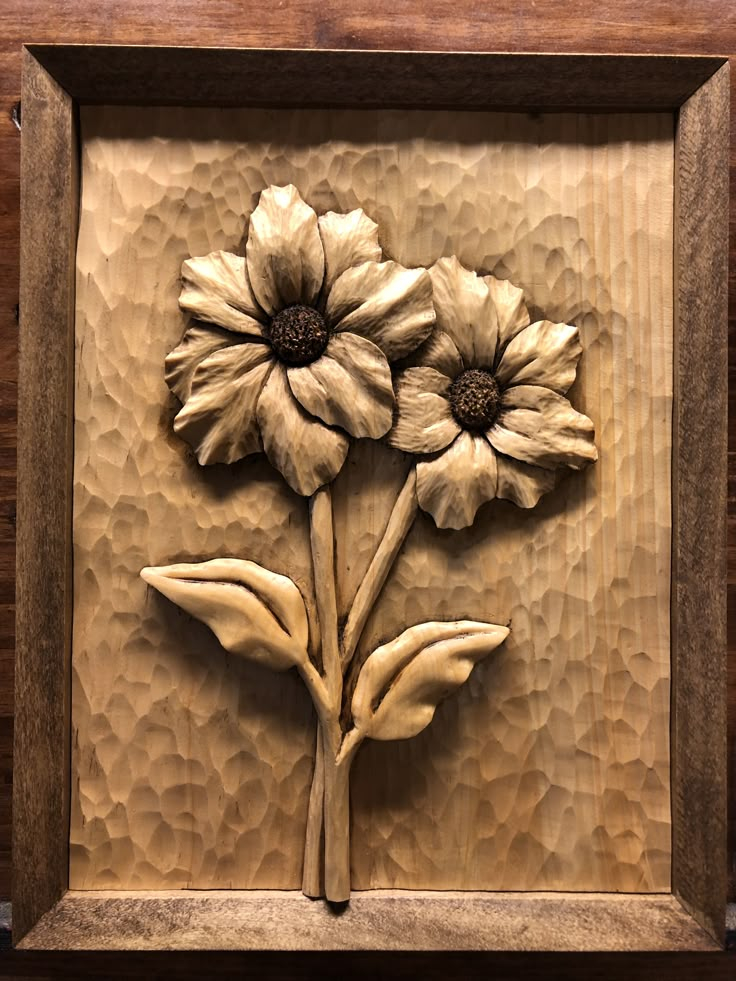
[sps_html tag=”img” src=”https://cdn.theartssection.com/wp-content/uploads/2025/12/floral-wood-art-piece-in-traditional-techniques-in-contemporary-floral-wood-art.jpg” alt=”Floral Wood Art Piece in Traditional Techniques in Contemporary Floral Wood Art” style=”width: 100%; height: auto;”]