Imagine walking through ancient temples where the lotus blooms not just in nature, but in every brushstroke and carved detail. This sacred flower has been weaving its magic through Asian art for over two millennia, carrying messages of purity, enlightenment, and rebirth. What makes this humble aquatic plant such a powerful symbol? Let’s explore how artists and artisans have transformed this simple bloom into one of Asia’s most profound artistic metaphors.
The lotus flower isn’t just another pretty face in the garden. In the rich tapestry of Asian artistic traditions, this remarkable bloom carries layers of meaning that span continents and centuries. Whether you’re staring at a delicate scroll painting in a Japanese temple or admiring a bronze statue in a Chinese museum, chances are you’re encountering the lotus in all its symbolic glory. But why has this flower become so central to Asian art? What stories does it tell beyond its obvious beauty? These questions lead us down a fascinating path where nature meets spirituality, where simple petals hold profound truths, and where artistic expression becomes a form of meditation.
Ancient Origins and Cultural Foundations
The story of the lotus in Asian art begins thousands of years ago, when early civilizations first noticed this extraordinary plant. Growing in muddy waters yet emerging pristine and beautiful, the lotus offered a perfect metaphor for spiritual transformation. In ancient Egypt, the lotus was already revered, but it was in India, China, and Japan that it truly took root in artistic consciousness. Buddhist texts frequently reference the lotus as representing the journey from ignorance to wisdom. Artists picked up on this narrative immediately, creating works that celebrated this daily miracle of nature. Consider the famous lotus paintings found in the Ajanta caves of India, dating back over a thousand years. These ancient artworks show how deeply the lotus was embedded in religious and artistic life. The flower became associated with divine birth, purity, and the possibility of transcendence. In Chinese culture, the lotus emerged as a symbol of moral integrity, suggesting that one can remain pure even while navigating muddy waters. This idea resonated so strongly that the lotus became a common motif in traditional Chinese paintings, especially those depicting scholars and noblewomen.
Buddhist and Hindu Spiritual Significance
If you’ve ever wondered why the lotus appears so often in Buddhist art, there’s a reason that goes deeper than mere aesthetics. In Buddhism, the lotus represents spiritual awakening and the journey toward enlightenment. Each stage of the flower’s growth mirrors the stages of spiritual development. The submerged roots represent our base desires, while the emerging stem symbolizes the beginning of spiritual practice. When the flower finally blooms above water, it signifies reaching a state of pure awareness. Hindu traditions embrace the lotus even more extensively. The goddess Lakshmi, associated with wealth and prosperity, is often depicted sitting on a blooming lotus. Lord Vishnu, the preserver of the universe, is sometimes shown resting on a cosmic lotus that emerges from his navel. These depictions aren’t just decorative – they’re telling stories about cosmic order and divine power. When you see a Buddhist monk holding a lotus or a Hindu deity seated on one, you’re witnessing centuries of accumulated spiritual meaning being expressed through artistic form. The lotus becomes a bridge between the earthly and the divine, making it a natural choice for religious art.
Artistic Techniques and Regional Variations
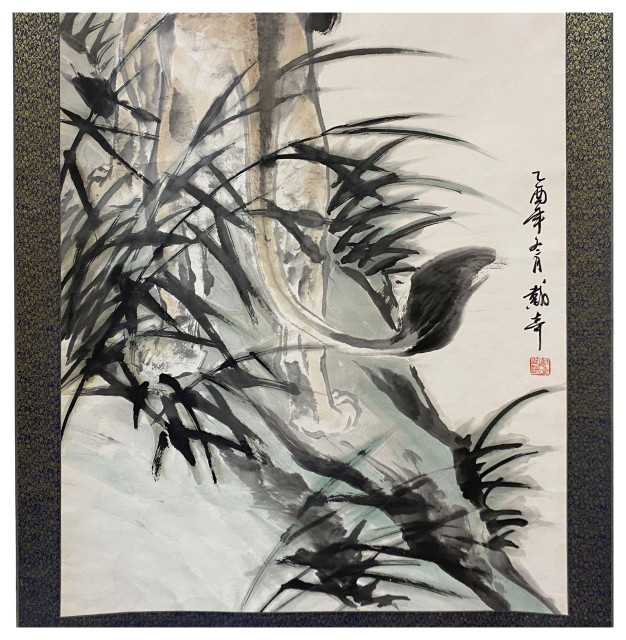
Different regions of Asia developed their own unique ways of depicting the lotus, each reflecting local tastes and cultural nuances. Japanese artists often favor minimalist approaches, using subtle washes of color and careful attention to negative space. Their lotus paintings emphasize the flower’s spiritual qualities rather than its physical beauty. Chinese artists, meanwhile, tend to be more elaborate, often incorporating the lotus into complex compositions with birds, fish, or other natural elements. They frequently use the lotus to represent harmony between different aspects of nature. Korean artists bring their own distinctive touch, sometimes incorporating lotus motifs into traditional textiles and ceramics. In Thailand and Cambodia, where Buddhist influence is strong, lotus designs appear on everything from temple walls to religious manuscripts. The variations aren’t just stylistic – they reflect different interpretations of the lotus’s meaning within each culture. For instance, Vietnamese artists might focus on the lotus’s resilience, showing it blooming despite harsh conditions, while Indian artists might emphasize its connection to divine feminine energy. These regional differences create a rich diversity of artistic expression around a single symbol.
Lotus in Traditional Textiles and Crafts
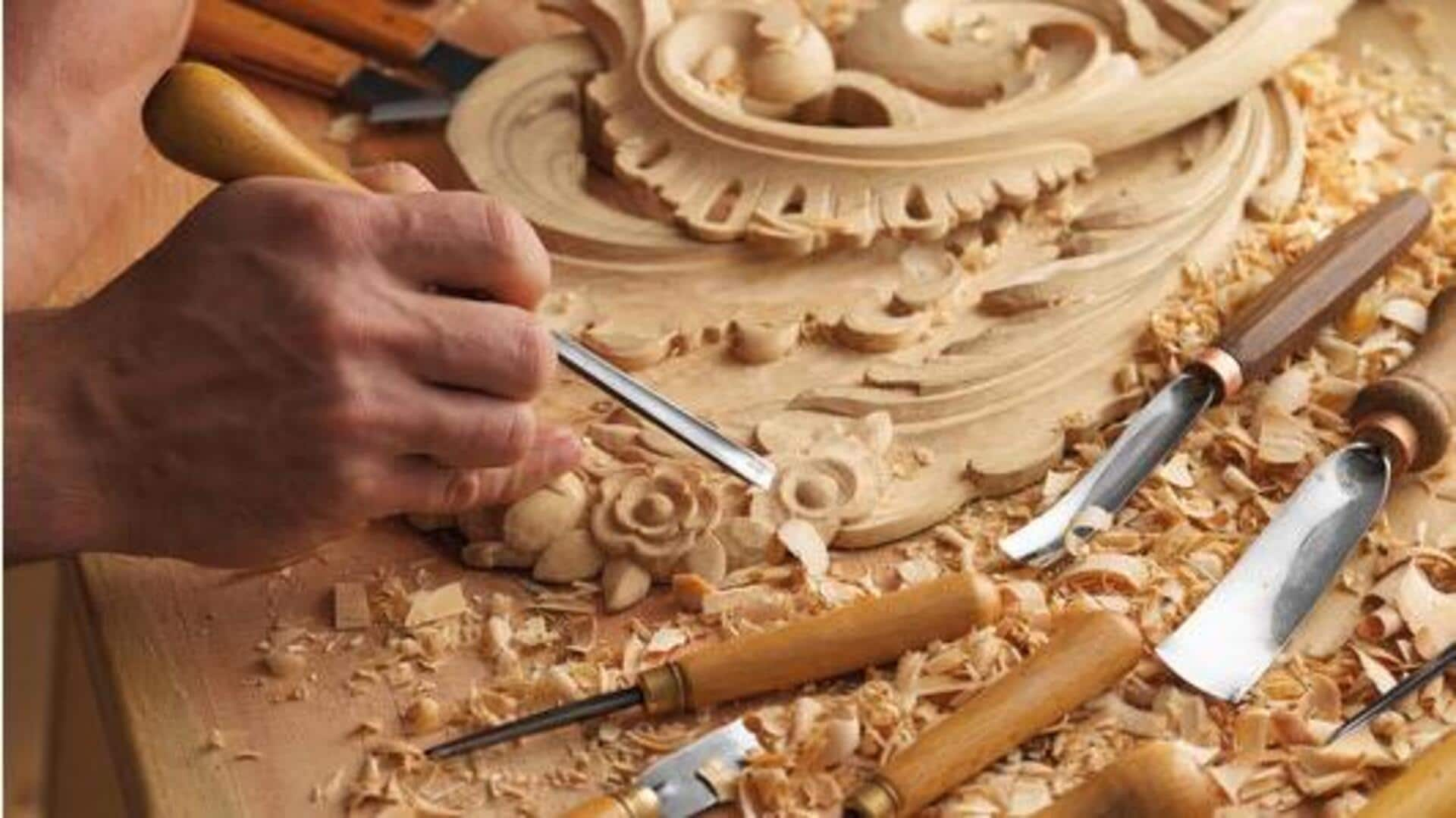
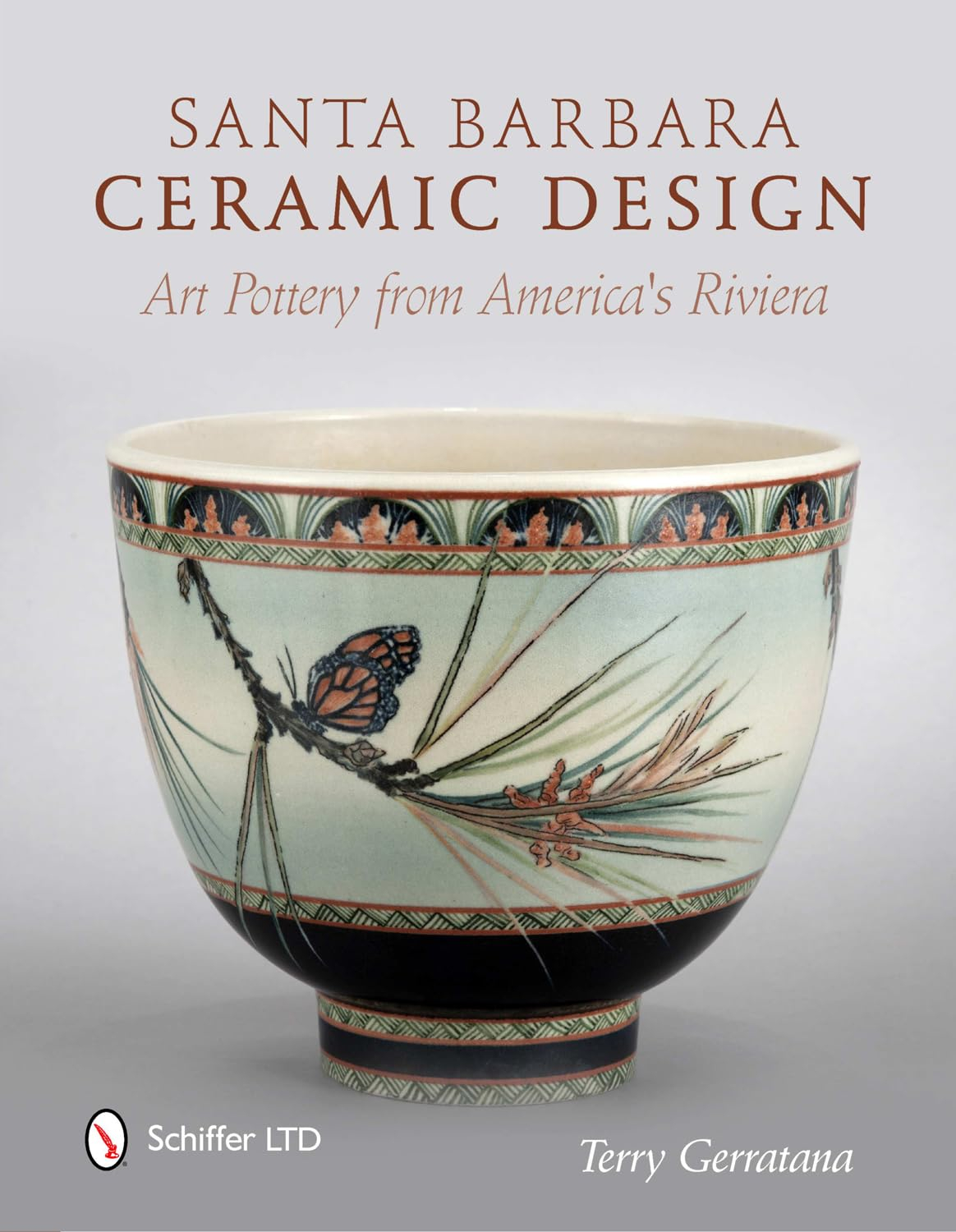
Beyond paintings and sculptures, the lotus found its way into countless craft traditions across Asia. In silk weaving, particularly in China and Japan, lotus patterns became highly prized. These weren’t just decorative elements – they carried deep cultural significance. The process of creating lotus motifs in textiles required incredible skill and patience. Artisans had to master techniques that would capture the delicate curves of the petals while maintaining the symbolic purity of the design. Thai silk weavers are famous for their lotus patterns, often incorporating multiple blooms in flowing arrangements that suggest movement and grace. In India, traditional block printing techniques produced lotus designs that were both beautiful and meaningful. These patterns appeared on everything from wedding garments to household textiles. The lotus also influenced ceramic work, with potters creating vessels decorated with lotus motifs that could be both functional and spiritually significant. The symbolism remained consistent across mediums – whether on paper, silk, or clay, the lotus represented the same ideals of purity and transcendence. This cross-medium consistency shows just how deeply embedded the symbol was in Asian cultural consciousness.
Modern Interpretations and Contemporary Relevance
Today, artists continue to draw inspiration from the lotus’s timeless symbolism, though they may approach it differently than their ancestors. Contemporary Asian artists often blend traditional lotus imagery with modern artistic techniques, creating works that speak to current audiences while honoring ancient meanings. Some painters use digital media to create lotus compositions that play with light and shadow in new ways. Others incorporate the lotus into mixed-media installations that explore themes of environmental purity and spiritual renewal. Fashion designers have embraced lotus motifs, creating clothing that celebrates both traditional symbolism and modern aesthetics. Even in advertising, the lotus continues to appear as a symbol of success and integrity. The flower’s ability to transform itself from mud to bloom resonates with contemporary themes about personal growth and overcoming challenges. Modern interpretations often highlight the lotus’s resilience and adaptability, making it relevant to today’s fast-changing world. Artists experiment with scale and perspective, sometimes creating massive lotus installations that dwarf viewers, or miniature versions that require careful observation to appreciate fully.
Practical Applications and Cultural Impact
Understanding lotus symbolism goes beyond academic interest – it influences how people interact with art and culture daily. Many Asian households still display lotus-themed artwork, believing it brings positive energy and spiritual balance. The flower appears on everything from business cards to architectural decorations, serving as a visual reminder of cultural values. In education, lotus symbolism teaches children about perseverance and moral development. Schools often use lotus imagery in art classes to help students understand abstract concepts like spiritual growth. The influence extends to tourism as well, with many cultural sites featuring lotus gardens or lotus-themed exhibitions. Even in international contexts, lotus symbolism helps bridge cultural understanding. Western visitors often find the lotus’s message of transformation and purity deeply moving, leading to increased appreciation for Asian artistic traditions. The flower’s universal appeal lies in its simple yet profound message: that beauty can emerge from difficult circumstances, that growth requires patience, and that purity is possible even in challenging environments. These lessons resonate with people regardless of cultural background.
The lotus flower in Asian art represents far more than aesthetic beauty. It’s a living symbol that has guided artists, thinkers, and spiritual seekers for generations. From ancient cave paintings to modern digital art, this remarkable bloom continues to inspire creators and viewers alike. Its message remains as relevant today as it was thousands of years ago: that growth comes through struggle, that beauty emerges from complexity, and that spiritual purity is achievable despite life’s challenges. Whether you’re an artist, student, or casual observer, the lotus offers a pathway to understanding some of humanity’s deepest aspirations. Next time you encounter a lotus in art, take a moment to appreciate not just its visual appeal, but the centuries of meaning it carries. That simple flower holds within it the wisdom of countless cultures and the hopes of countless souls seeking transformation through creativity and contemplation.
[sps_html tag=”img” src=”https://cdn.theartssection.com/wp-content/uploads/2025/12/vintage-asian-red-and-gold-wood-carving-with-bird-lotus-design-for-exploring-the-artistry-of-traditional-asian-gold-wood-carving.jpg” alt=”Vintage Asian Red And Gold Wood Carving With Bird & Lotus Design … for Exploring the Artistry of Traditional Asian Gold Wood Carving” style=”width: 100%; height: auto;”]
[sps_html tag=”img” src=”https://cdn.theartssection.com/wp-content/uploads/2025/12/lot-275-chinese-carved-gilded-wood-panel-wood-paneling-carving-pertaining-to-exploring-the-artistry-of-traditional-asian-gold-wood-carving.jpg” alt=”Lot 275: Chinese Carved & Gilded Wood Panel. | Wood Paneling, Carving … pertaining to Exploring the Artistry of Traditional Asian Gold Wood Carving” style=”width: 100%; height: auto;”]
[sps_html tag=”img” src=”https://cdn.theartssection.com/wp-content/uploads/2025/12/the-fading-art-of-traditional-chinese-dongyang-wood-carving-pertaining-to-exploring-the-artistry-of-traditional-asian-gold-wood-carving.jpg” alt=”The Fading Art Of Traditional Chinese Dongyang Wood Carving pertaining to Exploring the Artistry of Traditional Asian Gold Wood Carving” style=”width: 100%; height: auto;”]
[sps_html tag=”img” src=”https://cdn.theartssection.com/wp-content/uploads/2025/12/asian-scene-carving-on-wood-for-sale-at-1stdibs-intended-for-asian-gold-wood-carved-lotus-flower-and-flying-bird-relief-wall-art-panels.jpg” alt=”Asian Scene Carving On Wood For Sale At 1Stdibs intended for Asian Gold Wood Carved Lotus Flower And Flying Bird Relief Wall Art Panels” style=”width: 100%; height: auto;”]
[sps_html tag=”img” src=”https://cdn.theartssection.com/wp-content/uploads/2025/12/japanese-wood-sculpture-woodcarving-yin-yang-master-abe-no-seimei-throughout-asian-gold-wood-carved-lotus-flower-and-flying-bird-relief-wall-art-panels.jpg” alt=”Japanese Wood Sculpture Woodcarving/ Yin Yang Master Abe No Seimei/ throughout Asian Gold Wood Carved Lotus Flower And Flying Bird Relief Wall Art Panels” style=”width: 100%; height: auto;”]