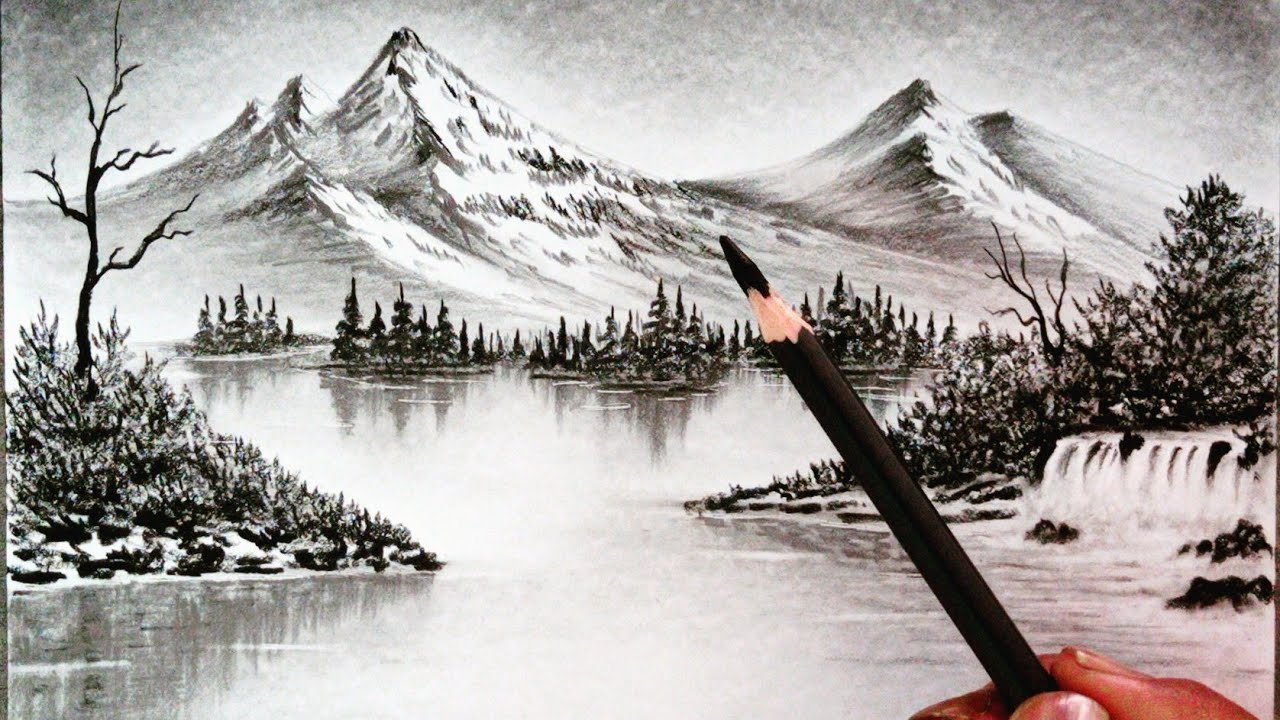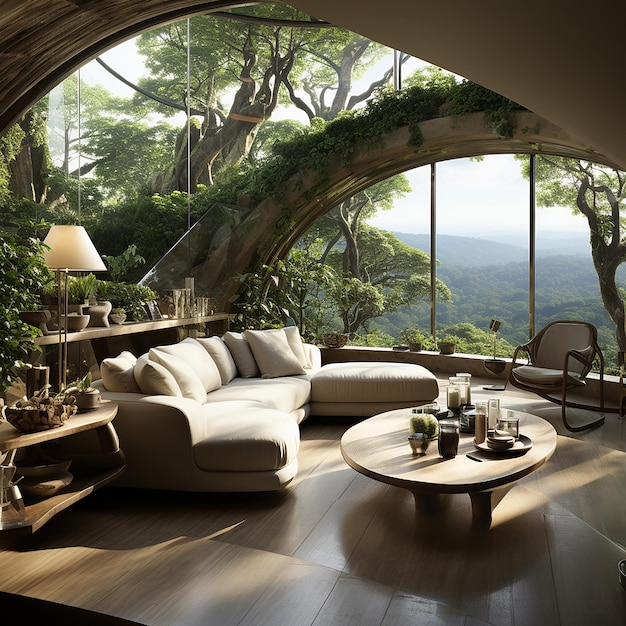
Have you ever walked into a room and instantly felt calmer? Or maybe you’ve found yourself drawn to a particular painting of trees or mountains? There’s something deeply human about our connection to nature, and it’s not just a fleeting fancy. The psychology behind choosing nature-inspired wall art goes much deeper than simple aesthetics. It’s about how we process beauty, find peace, and even how we want to feel when we’re in our homes.
When we think about decorating our homes, we often focus on colors, textures, and styles. But there’s one element that seems to consistently draw us in – nature-inspired wall art. Whether it’s a serene forest scene, a dramatic mountain range, or a peaceful ocean view, these artworks have a special way of speaking to something fundamental within us. What exactly is happening in our brains when we choose these pieces? Why do they make us feel more relaxed or energized? These questions open up a fascinating window into human psychology and our innate relationship with the natural world.
The Science of Natural Beauty
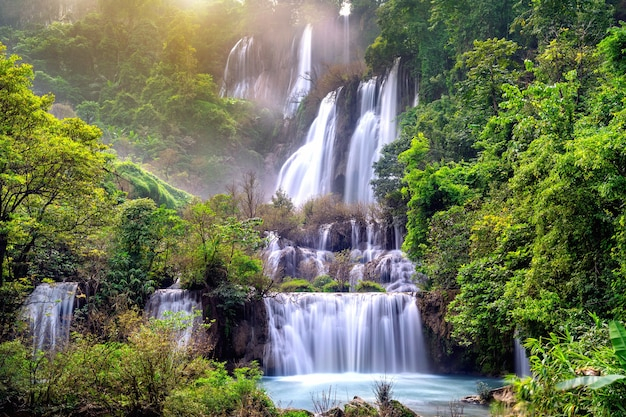
Our brains are wired to respond positively to natural scenes. Research shows that when we look at images of forests, waterfalls, or open landscapes, certain areas of our brain light up in ways that promote feelings of calm and well-being. This isn’t just about visual appeal – it’s about how our evolutionary past shapes our present preferences.
Scientists have discovered that viewing nature scenes activates what’s called the parasympathetic nervous system. Think of this as our body’s relaxation mode. When we see beautiful natural elements, our heart rate slows, our breathing becomes deeper, and we feel more at ease. It’s like our brains recognize these scenes as safe and comforting, triggering a cascade of positive chemical reactions.
This response isn’t learned – it’s instinctual. Even people who have never been to a forest might feel drawn to a forest painting. Our ancestors spent millennia in natural environments, and that biological memory still influences our choices today. The brain essentially says, ‘This looks familiar and good,’ even if we haven’t seen it before.
Stress Relief Through Visual Therapy
What happens when we’re stressed out? Our minds race, our bodies tense up, and we often feel disconnected from ourselves. Nature-inspired art acts as a form of visual therapy, offering relief from these mental states. Studies have shown that simply looking at natural scenes can reduce stress hormones like cortisol by up to 25%.
Consider a busy professional who spends hours staring at screens. When they walk into their home office and see a stunning landscape painting, their mind begins to shift. The image becomes a mental escape, a reminder of the outside world beyond their work environment. This isn’t just wishful thinking – it’s a measurable neurological response.
Artwork featuring water features, like flowing rivers or gentle waterfalls, tend to be particularly effective at reducing anxiety. The sound of running water is associated with tranquility in many cultures, and when we see those scenes visually, our brains interpret them as signals of safety and peace. The visual representation triggers the same calming responses as actually hearing those sounds.
People who live in urban environments often report feeling more grounded after adding nature-inspired art to their walls. It’s not about replacing the natural world – it’s about bringing a piece of that serenity into our daily lives.
How Colors and Patterns Influence Mood
The color palette of nature-inspired art plays a crucial role in how it affects our emotions. Earth tones like browns, greens, and soft oranges naturally evoke feelings of stability and comfort. These colors remind us of soil, trees, and sunsets, creating a sense of belonging and security.
Green, in particular, is fascinating. It’s associated with growth, renewal, and balance. When we look at green scenes – whether it’s a lush forest or a garden in bloom – our brains release neurotransmitters that promote feelings of harmony and well-being. This is why many hospitals and healing spaces incorporate green elements.
Blue tones, especially those representing water and sky, have a powerful calming effect. They’re linked to feelings of clarity and openness. A blue ocean scene can make someone feel more spacious and less constricted, even if they’re in a small apartment.
Patterns in nature-inspired art also matter. The natural rhythms found in tree bark, leaf arrangements, or wave formations create visual interest without overwhelming our senses. These organic patterns feel familiar to our brains because they appear everywhere in the natural world. They’re not random – they follow mathematical principles that our brains find pleasing.
The contrast between different natural elements matters too. A mountain scene with both bright skies and dark shadows creates visual depth that engages our attention without causing strain. This kind of balanced composition helps our minds relax rather than work hard to process the image.
Personal Connection and Memory Association
Every person’s relationship with nature-inspired art is unique. Some may connect strongly with images of childhood memories, others with dreams of future adventures. These personal associations add layers of meaning to the artwork that go far beyond its visual appeal.
Take someone who grew up near the ocean. A painting of waves might instantly transport them back to family vacations, creating immediate emotional resonance. The artwork becomes a bridge between past and present, helping them reconnect with positive experiences. This is called the autobiographical memory effect – how certain stimuli trigger specific memories and feelings.
Similarly, someone who spent time hiking might find themselves drawn to mountain landscapes. The artwork becomes a reminder of personal challenges overcome and the satisfaction of reaching a summit. It’s not just about the view – it’s about the journey that led to that moment of achievement.
These connections aren’t always conscious. Sometimes we’re not even aware why we’re attracted to a particular piece. But our subconscious minds are constantly processing information about what makes us feel good. If a painting reminds us of a place we love, or a feeling we treasure, it will naturally pull us toward it.
The personal story attached to each piece of art makes it more meaningful. When we look at something we’ve chosen ourselves, we’re not just seeing colors and shapes – we’re seeing a reflection of who we are and what matters to us.
Cultural Influences on Art Preferences
While our basic attraction to nature is universal, cultural background significantly influences what types of natural scenes we find most appealing. Different societies have developed unique relationships with various aspects of the natural world over thousands of years.
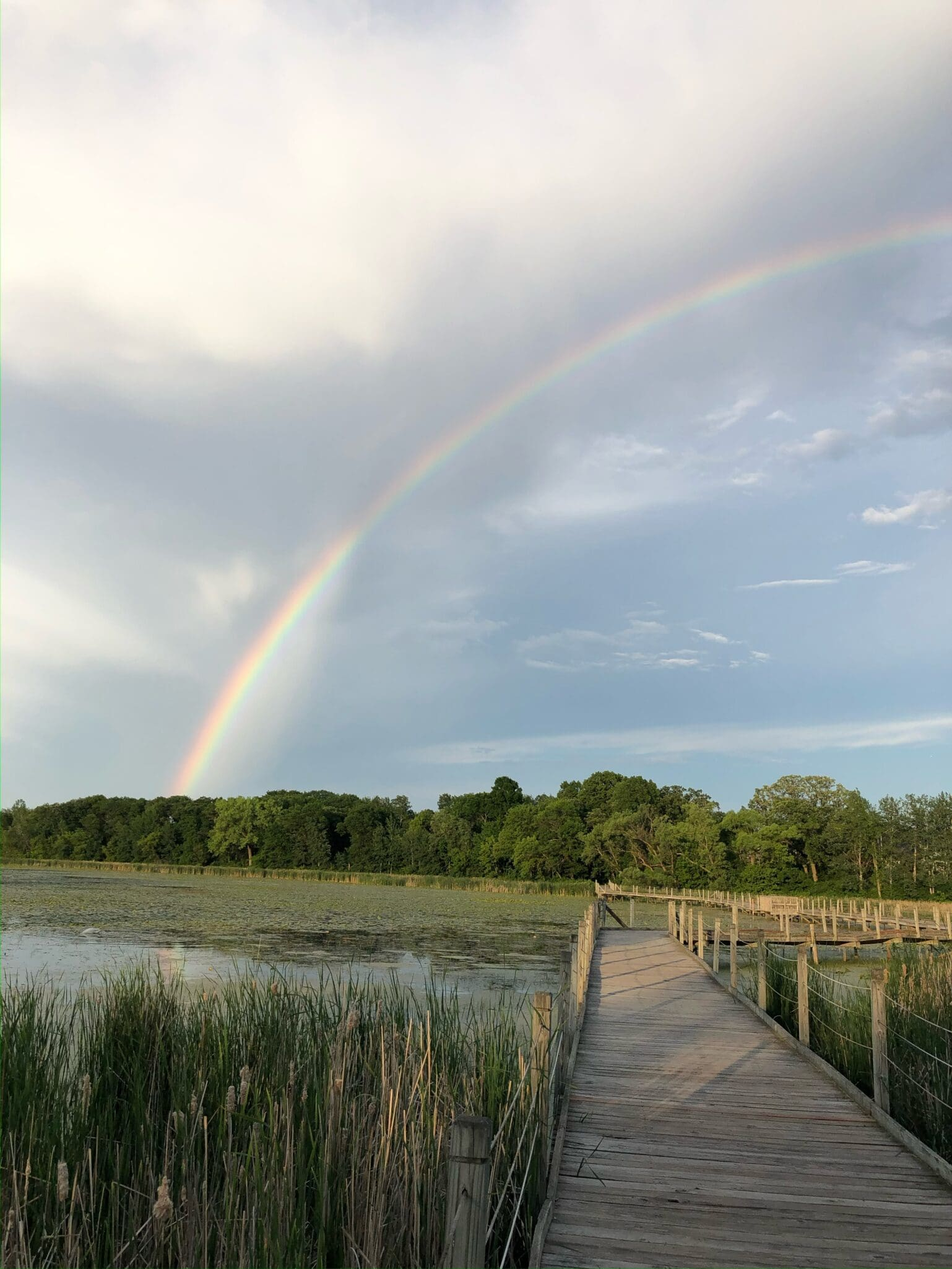
In Western cultures, landscapes with rolling hills, forests, and clear skies often dominate nature art collections. These scenes reflect historical traditions of romanticism and the appreciation of untouched wilderness. People raised in these environments might feel most comfortable with such imagery.
East Asian cultures, on the other hand, often emphasize different natural elements. Traditional Chinese and Japanese art frequently feature elements like bamboo, rocks, and seasonal changes. These choices reflect philosophical concepts about balance, impermanence, and harmony with nature.
Even within the same culture, regional differences play a role. Someone living in coastal areas might prefer ocean scenes, while those in mountain regions might gravitate toward alpine views. The familiarity of local natural features makes the art feel more relevant and personally meaningful.
These cultural preferences don’t mean some art is better than others. Instead, they show how deeply connected our artistic tastes are to our backgrounds and experiences. Understanding these influences can help us appreciate why different people choose different types of nature-inspired art.
Sometimes, exposure to different cultural perspectives can expand our own appreciation. A person who typically prefers forest scenes might discover they’re drawn to desert landscapes after learning about the spiritual significance of sand dunes in certain traditions.
Practical Tips for Choosing Meaningful Art
Knowing the psychology behind nature-inspired wall art doesn’t automatically make you an expert at selecting pieces. Here are some practical strategies for finding artwork that truly resonates with you:
Start by considering your emotional needs. Do you want art that energizes you, or one that brings calm? Are you looking for something that reminds you of travel, or something that grounds you?
Think about the space where you’ll hang the artwork. A large, dramatic mountain scene works differently in a cozy bedroom versus a spacious living room. The size and lighting of your room can dramatically affect how the art feels.
Don’t overlook the importance of scale. A small botanical drawing might be perfect for a narrow hallway, while a sweeping landscape could dominate a large wall. Consider how the piece will interact with your existing furniture and decor.
Pay attention to what you naturally gravitate toward. Notice if you’re drawn to water features, forest scenes, or desert landscapes. Your initial reaction often tells you something important about what you need.
Quality matters too. Look for artwork that feels authentic rather than overly polished or manufactured. Handmade pieces often carry more emotional weight and tell a story about their creation.
Finally, remember that the best nature-inspired art is the one that makes you feel something. Whether it’s joy, peace, or inspiration, let your emotional response guide your selection. You’re not just buying a picture – you’re choosing a piece of art that supports your wellbeing and personal growth.
The psychology behind choosing nature-inspired wall art reveals a deep truth about human nature. We’re not just consumers of beautiful things – we’re beings who thrive on connection, meaning, and emotional resonance. When we select artwork that reflects our relationship with the natural world, we’re not just decorating our homes, we’re nurturing our souls.
Whether it’s a quiet forest scene that brings peace or a vibrant sunset that inspires energy, these choices reflect our innermost needs and desires. The art we surround ourselves with becomes a form of self-expression and emotional support. It’s not about following trends or meeting expectations – it’s about finding pieces that truly speak to who we are.
Understanding this psychology empowers us to make more intentional choices about our living spaces. We can consciously select art that supports our mental health, enhances our mood, and reminds us of what matters most. In a world that often feels disconnected and chaotic, nature-inspired wall art offers a bridge back to something fundamental and comforting. It’s not just decoration – it’s a pathway to wellbeing and self-understanding.
[sps_html tag=”img” src=”https://cdn.theartssection.com/wp-content/uploads/2025/12/premium-ai-image-beautiful-interior-design-with-natural-view-in-natural-beauty-in-interior-design-through-canvas-art.jpg” alt=”Premium Ai Image | Beautiful Interior Design With Natural View in Natural Beauty in Interior Design Through Canvas Art” style=”width: 100%; height: auto;”]
[sps_html tag=”img” src=”https://cdn.theartssection.com/wp-content/uploads/2025/12/beautiful-lakeside-sunset-boat-modern-design-home-decor-canvas-print-in-sunrise-over-rows-of-tulips-landscape-wall-art-canvas-print-4-panels.jpeg” alt=”Beautiful Lakeside Sunset Boat Modern Design Home Decor Canvas Print … in "Sunrise Over Rows Of Tulips" Landscape Wall Art Canvas Print, 4 Panels” style=”width: 100%; height: auto;”]
[sps_html tag=”img” src=”https://cdn.theartssection.com/wp-content/uploads/2025/12/premium-ai-image-beautiful-interior-design-with-natural-view-intended-for-sunrise-over-rows-of-tulips-landscape-wall-art-canvas-print-4-panels.jpg” alt=”Premium Ai Image | Beautiful Interior Design With Natural View intended for "Sunrise Over Rows Of Tulips" Landscape Wall Art Canvas Print, 4 Panels” style=”width: 100%; height: auto;”]
[sps_html tag=”img” src=”https://cdn.theartssection.com/wp-content/uploads/2025/12/natural-beauty-interior-design-mood-board-by-lucey-lane-interiors-pertaining-to-natural-beauty-in-interior-design-through-canvas-art.jpg” alt=”Natural Beauty Interior Design Mood Board By Lucey Lane Interiors … pertaining to Natural Beauty in Interior Design Through Canvas Art” style=”width: 100%; height: auto;”]
[sps_html tag=”img” src=”https://cdn.theartssection.com/wp-content/uploads/2025/12/premium-ai-image-beautiful-interior-design-with-natural-view-regarding-natural-beauty-in-interior-design-through-canvas-art.jpg” alt=”Premium Ai Image | Beautiful Interior Design With Natural View regarding Natural Beauty in Interior Design Through Canvas Art” style=”width: 100%; height: auto;”]