Imagine walking through an art gallery and feeling the weight of climate change, the pulse of geological time, or the whisper of ocean currents. This isn’t just metaphorical – it’s happening right now in galleries around the world. Artists are using the language of science to tell stories that matter more than ever before. They’re painting with data, sculpting with satellite imagery, and creating immersive experiences that help us see our planet in ways we never have before.
In recent years, something remarkable has emerged at the intersection of art and science. Artists aren’t just depicting nature anymore – they’re becoming scientists themselves, collecting data, analyzing patterns, and translating the invisible forces that shape our world into compelling visual narratives. It’s a revolution in how we understand our relationship with the Earth. These works don’t just look beautiful; they make us think, feel, and sometimes even change how we live. What started as curiosity has become a powerful movement that bridges disciplines that were once thought to be completely separate.
The Science Behind the Canvas
Contemporary artists working at the intersection of earth science and visual storytelling draw from an incredible array of scientific fields. Climate scientists, geologists, oceanographers, and atmospheric researchers all provide the foundation for these artistic explorations. Take, for example, the work of artist Maya Lin, whose ‘What is Missing?’ project uses satellite data to visualize the changing landscape of the Arctic. Her large-scale installations transform complex environmental data into emotionally resonant experiences. The beauty lies in how she translates abstract concepts like ice loss or temperature rise into tangible, visual form.
Consider also the work of photographer Edward Burtynsky, who captures the raw impact of industrial activity on landscapes. His series on mining operations and manufacturing sites shows us the human footprint on Earth with stunning clarity. The contrast between the pristine beauty of untouched land and the devastation of extraction creates a powerful narrative about our relationship with natural resources.
These artists often spend months learning new techniques, understanding data sets, and collaborating with scientists. They’re essentially becoming citizen scientists, taking the raw materials of earth science and turning them into compelling stories.
Sculpting Time and Space
One of the most fascinating aspects of this artistic movement is how it manipulates our perception of time and space. Artists create works that help us experience geological processes that normally take millions of years in a matter of minutes.
Take the installation ‘Ice Watch’ by Olafur Eliasson, which brought chunks of melting Greenlandic ice directly to public spaces in cities like Paris and London. The audience could watch the ice melt in real-time, experiencing the rapid changes that climate scientists have been documenting for decades. There’s something profoundly moving about watching ice disappear before your eyes, especially when you know it represents decades of warming temperatures.
Similarly, artist Trevor Paglen creates works that visualize data about Earth’s changing environment. His ‘Orbital Reflector’ project aimed to launch a satellite that would reflect sunlight back to Earth, creating a giant artificial star visible from the ground. Though the project was ultimately cancelled due to technical issues, it represented a bold attempt to bring space technology back to Earth-based storytelling.
These artists understand that our modern lives are disconnected from the slow rhythms of geological time. By compressing vast periods into immediate experiences, they create emotional connections that traditional scientific presentations simply cannot match.
Data as Medium
Modern artists increasingly treat data itself as a creative material. Rather than merely illustrating scientific findings, they’re building entire artworks around datasets, using algorithms, mapping software, and digital fabrication techniques to create compelling visual narratives.
Artist Aaron Koblin’s ‘Flight Patterns’ series takes flight data from air traffic control systems and transforms it into mesmerizing visualizations of air travel. The resulting artwork reveals the hidden choreography of global transportation networks. When viewed as a whole, these patterns show the interconnectedness of our world in ways that are both beautiful and unsettling.
Another striking example comes from artist Heather Dewey-Hagborg, who creates portraits from DNA samples found in public spaces. Her work raises important questions about privacy, surveillance, and our relationship with genetic information. While her focus isn’t directly earth science, it demonstrates how contemporary artists are using scientific data to explore broader themes about human existence.
The democratization of data access has made this kind of artistic practice possible. Tools that were once available only to researchers are now accessible to anyone with an internet connection and a creative vision. This shift has opened up entirely new possibilities for how art can engage with scientific knowledge.
Ocean Voices: Art Underwater
Perhaps nowhere is the fusion of earth science and visual storytelling more evident than in ocean exploration. Marine biologists, oceanographers, and climate scientists have documented dramatic changes in marine ecosystems, and artists are finding ways to bring those discoveries to wider audiences.
Artist Mandy Barker collects plastic debris from beaches worldwide, photographing it in stunning compositions that reveal the extent of ocean pollution. Her work doesn’t just show us trash – it tells stories about consumption patterns, ocean currents, and the global nature of waste. The images are both beautiful and heartbreaking, forcing viewers to confront their own role in environmental destruction.
Similarly, photographer Brandon Ballengée documents the effects of climate change on marine life through his ‘Plastic Ocean’ series. His photographs show how plastic pollution affects everything from microscopic plankton to large marine mammals. The scientific accuracy of his work is matched by its emotional power, making complex ecological concepts accessible to general audiences.
The underwater realm presents unique challenges and opportunities for artists. The three-dimensional nature of ocean environments allows for immersive installations that can simulate the experience of diving. Some artists create underwater sculptures that become part of marine ecosystems, blurring the line between art and environmental intervention.
Geological Memory in Modern Art
Many contemporary artists are drawing inspiration from the deep history of Earth itself. They’re exploring how geological processes have shaped landscapes over millions of years, and how these ancient forces continue to influence our present moment.
Artist Richard Long creates works that reference geological formations and landscape changes. His ‘A Line Made by Walking’ series involves walking precise paths across landscapes, leaving marks that document the relationship between human movement and natural features. The simplicity of his approach belies the complexity of geological time he’s trying to capture.
The work of artist Anselm Kiefer explores themes of geological transformation and historical memory. His paintings incorporate materials like ash, straw, and lead to create textures that reference both natural disasters and human conflict. His large-scale canvases feel like geological cross-sections, revealing layers of time and meaning.
These artists understand that Earth’s history isn’t just about the past – it’s about understanding our place in ongoing geological processes. They’re creating visual dictionaries of the planet’s evolution, helping us appreciate the immense timescales that shape our world.
Community Engagement and Environmental Action
Contemporary art that bridges earth science and visual storytelling isn’t just about creating beautiful objects. Many artists are using their work as catalysts for environmental action and community engagement.
The ‘Climate Museum’ project brings together artists, scientists, and community members to create exhibitions that address local environmental issues. In one instance, artists worked with local farmers to create installations that visualize soil health data, helping communities understand the importance of sustainable agriculture.
Artist Agnes Denes created ‘Wheatfield – A Confrontation’ in 1982, planting a wheat field in a Manhattan landfill. The work was both a commentary on urban development and a demonstration of how land can be reclaimed through agricultural practices. Today, similar projects continue to inspire discussions about urban agriculture and environmental restoration.
Social media has amplified these efforts, allowing artists to reach global audiences with their messages about environmental stewardship. Instagram posts featuring time-lapse videos of glacial retreat, or Twitter threads explaining climate data, are becoming powerful tools for environmental education. The immediacy of digital platforms means that scientific discoveries can be translated into compelling visual narratives almost instantly.
This convergence of earth science and visual storytelling represents more than just a trend in contemporary art. It’s a fundamental shift in how we understand our relationship with the planet. These artists are giving us new ways to see, feel, and comprehend the complex systems that govern our world. Whether through the careful documentation of ocean pollution, the visualization of climate data, or the creation of immersive experiences that compress geological time, they’re helping us connect with Earth in deeper, more meaningful ways.
What makes this movement particularly powerful is its accessibility. Unlike traditional scientific communication, which often requires specialized knowledge, these artistic interpretations make complex environmental concepts immediately understandable and emotionally resonant. They remind us that science and art aren’t opposing forces – they’re complementary languages for understanding our shared reality.
As we face unprecedented environmental challenges, this kind of interdisciplinary work becomes even more crucial. It doesn’t just inform us about problems; it inspires us to act. In a world where data can feel overwhelming and abstract, these artists offer us a way to engage with the urgent issues of our time through beauty, emotion, and human connection. The future of environmental awareness may well depend on the continued dialogue between science and artistic expression.
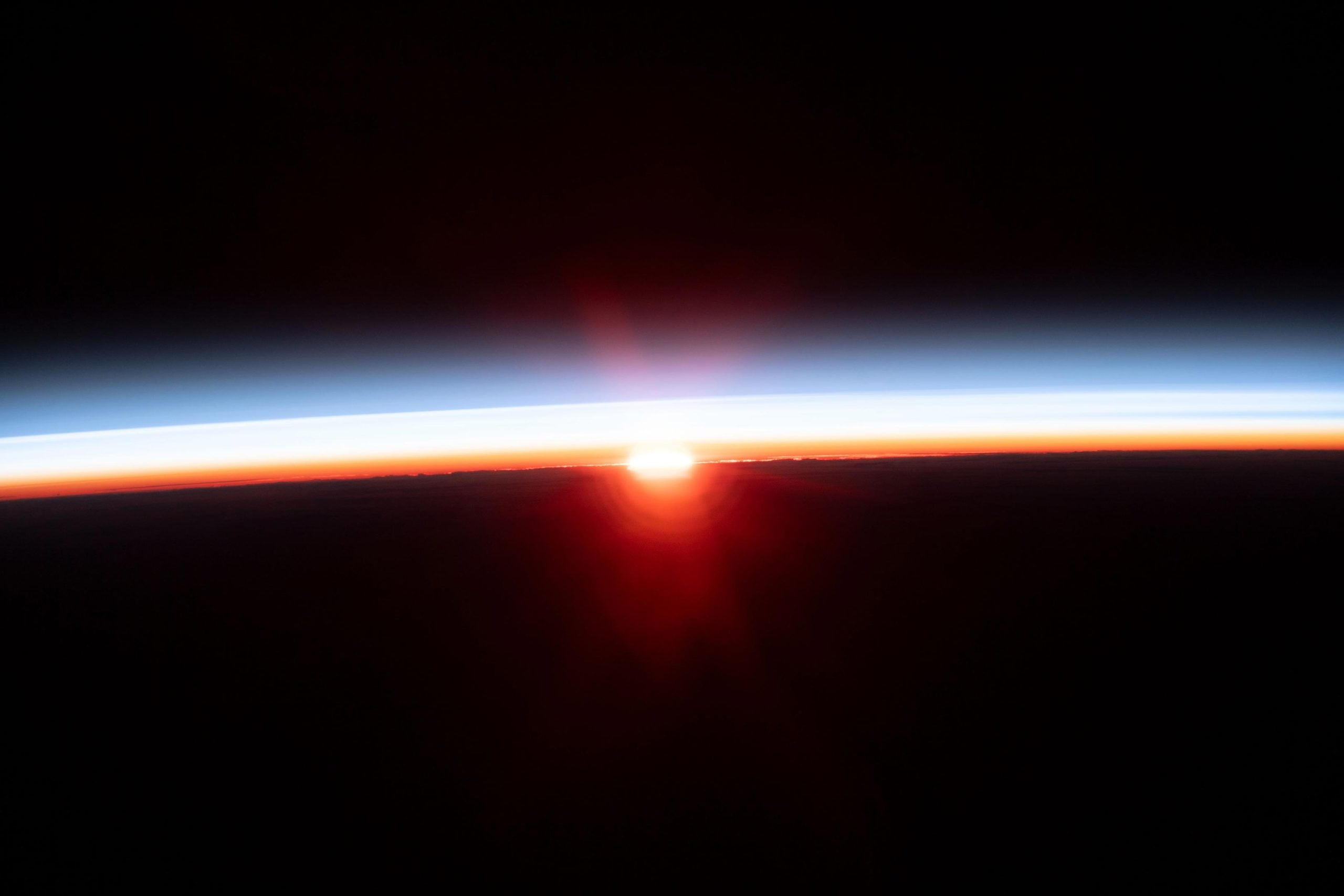
[sps_html tag=”img” src=”https://cdn.theartssection.com/wp-content/uploads/2025/12/dawn-breaks-over-earth-a-spectacular-sunrise-seen-from-the-space-station-in-sunrise-in-earth-from-space-contemporary-landscape-wall-art-4-panels.jpg” alt=”Dawn Breaks Over Earth: A Spectacular Sunrise Seen From The Space Station in "Sunrise In Earth From Space" Contemporary Landscape Wall Art, 4 Panels” style=”width: 100%; height: auto;”]
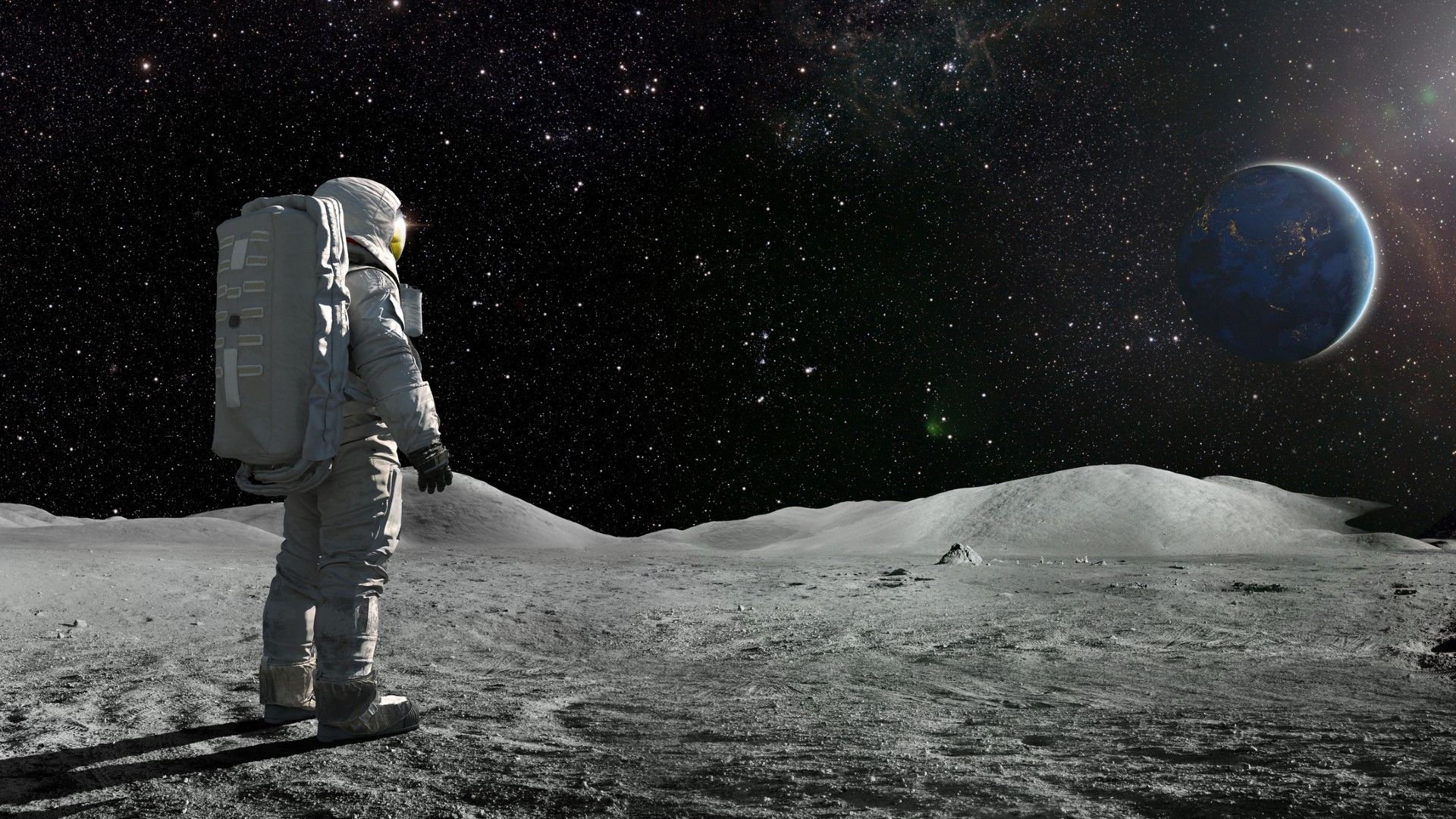
[sps_html tag=”img” src=”https://cdn.theartssection.com/wp-content/uploads/2025/12/surviving-the-lunar-night-can-be-a-challenge-for-astronauts-space-with-sunrise-in-earth-from-space-contemporary-landscape-wall-art-4-panels.jpg” alt=”Surviving The Lunar Night Can Be A Challenge For Astronauts | Space with "Sunrise In Earth From Space" Contemporary Landscape Wall Art, 4 Panels” style=”width: 100%; height: auto;”]
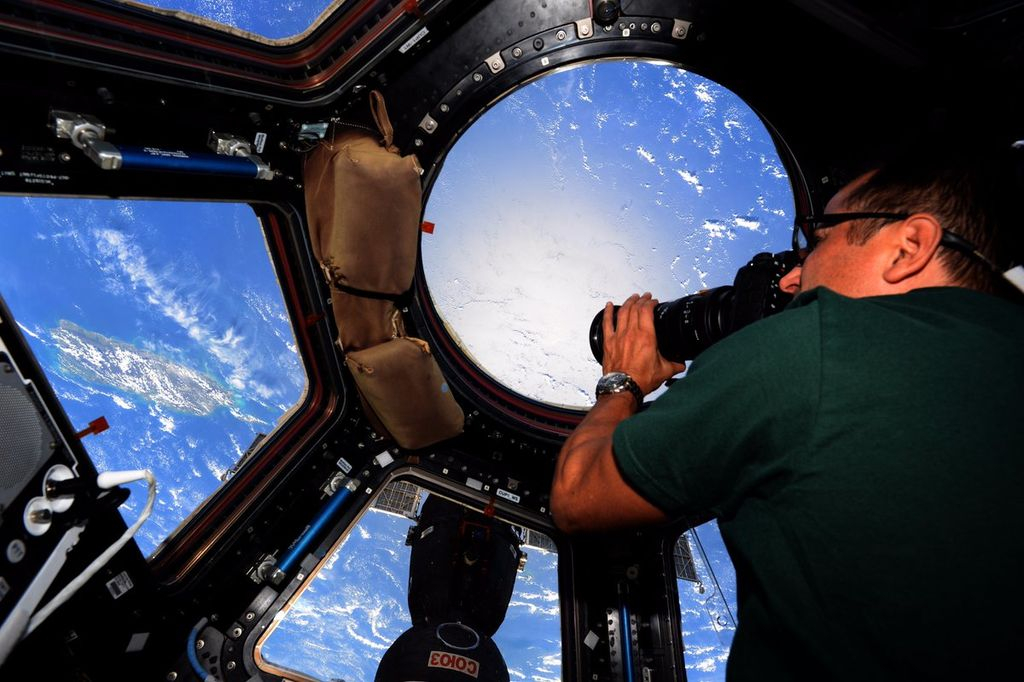
[sps_html tag=”img” src=”https://cdn.theartssection.com/wp-content/uploads/2025/12/sunrise-to-sunset-aboard-the-space-station-with-regard-to-sunrise-in-earth-from-space-contemporary-landscape-wall-art-4-panels.jpg” alt=”Sunrise To Sunset Aboard The Space Station with regard to "Sunrise In Earth From Space" Contemporary Landscape Wall Art, 4 Panels” style=”width: 100%; height: auto;”]
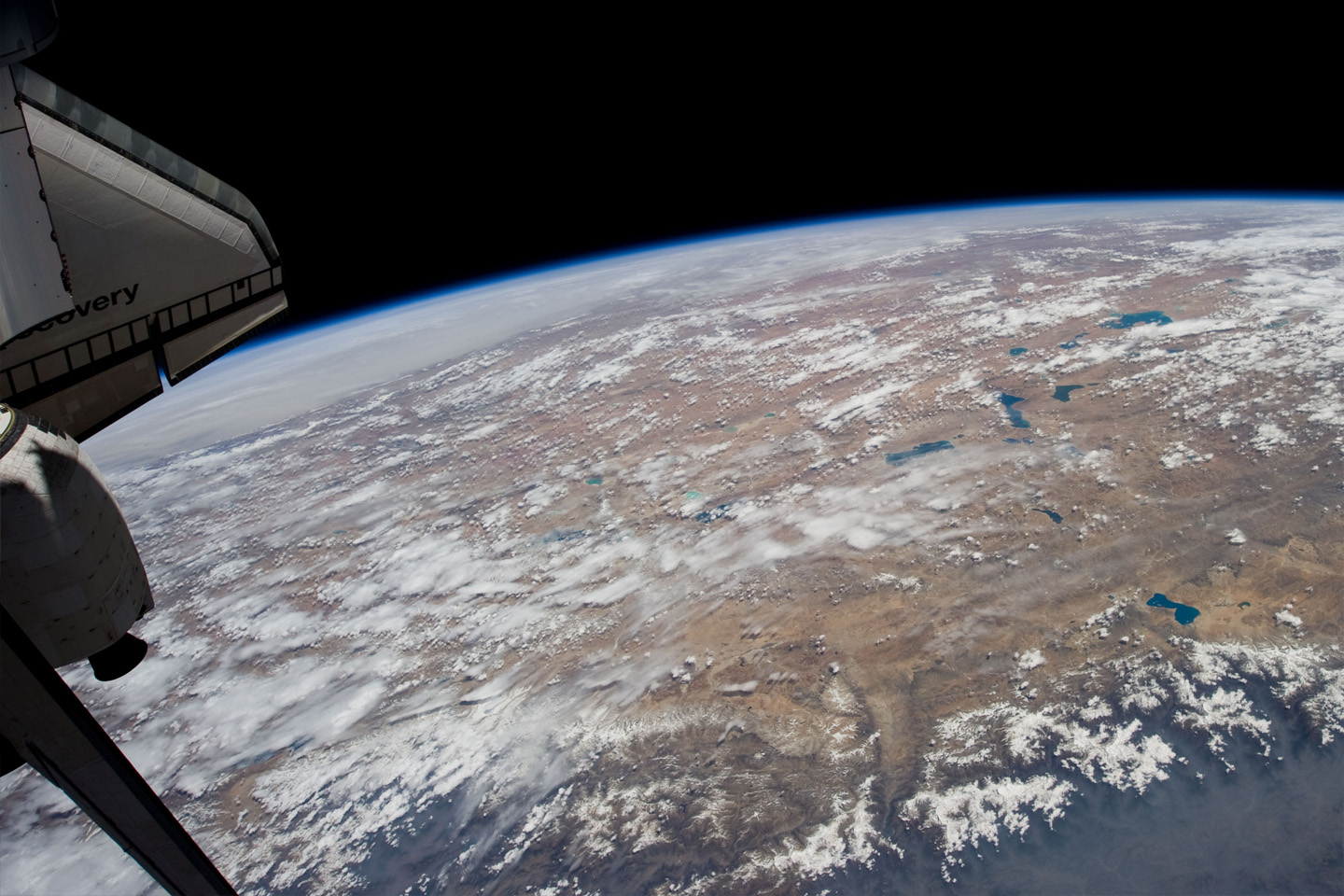
[sps_html tag=”img” src=”https://cdn.theartssection.com/wp-content/uploads/2025/12/10-best-photos-of-earth-taken-by-astronauts-space-adventures-inside-sunrise-in-earth-from-space-contemporary-landscape-wall-art-4-panels.jpg” alt=”10 Best Photos Of Earth Taken By Astronauts - Space Adventures inside "Sunrise In Earth From Space" Contemporary Landscape Wall Art, 4 Panels” style=”width: 100%; height: auto;”]
[sps_html tag=”img” src=”https://cdn.theartssection.com/wp-content/uploads/2025/12/one-world-one-orbit-space-station-astronauts-request-photos-from-within-how-astronauts-capture-earths-sunrise-moments-in-space-photography.jpg” alt=”One World, One Orbit: Space Station Astronauts Request Photos From … within How Astronauts Capture Earth's Sunrise Moments in Space Photography” style=”width: 100%; height: auto;”]