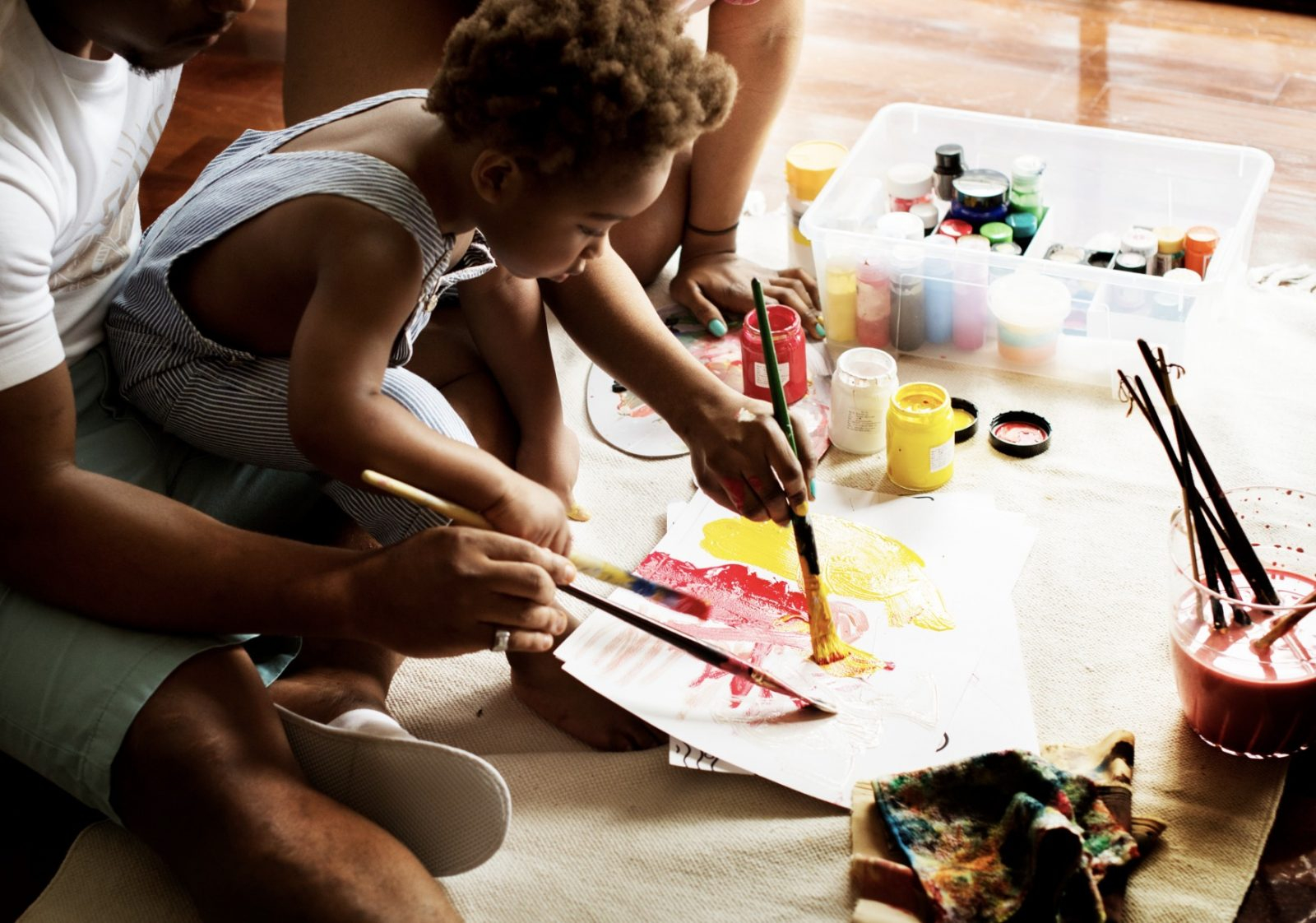
Children’s art is a window into their imaginative worlds, a tangible record of their developing skills, and a source of endless joy. But what do you do with all those drawings, paintings, and sculptures? This article, crafted with years of experience in the field, provides practical and inspiring strategies for showcasing your child’s artwork, turning every scribble into a celebration of their creativity. We’ll explore creative display ideas, from simple home solutions to more elaborate presentations, ensuring that your child’s artistic journey is honored and enjoyed.
The refrigerator door – a classic gallery space, right? But what about the overflow? What happens when the artistic output exceeds the magnet capacity? That’s where this guide comes in. We’re going to move beyond the fridge and explore a variety of ways to display your child’s artwork, transforming your home into a vibrant exhibition space. We’ll also delve into the importance of celebrating your child’s artistic endeavors, fostering their self-expression, and building their confidence through the simple act of showcasing their creations. Get ready to see the world of children’s art in a whole new light.
The Foundation: Understanding the Value of Displaying Art
Before we dive into display ideas, let’s acknowledge why showcasing children’s art is so important. It’s not just about tidying up or freeing up space. It’s about:
- Boosting Self-Esteem: Displaying a child’s work tells them that their efforts and creations are valued and appreciated. This, in turn, boosts their self-esteem and encourages them to continue creating.
- Fostering Creativity: A dedicated display space communicates that art is important. This environment encourages children to keep exploring their imagination, and to experiment with different media and styles.
- Documenting Growth: Artwork is a snapshot of a child’s development. Displaying pieces over time creates a visual timeline of their artistic progress, revealing their evolving skills, interests, and perspectives.
- Creating a Sense of Belonging: When children see their art proudly displayed, they feel a sense of ownership and belonging within their home environment. It’s a way of saying, "This is our space, and your contributions are an essential part of it.
Simple & Effective Display Ideas for the Home
You don’t need to be an interior design expert to create a beautiful display. Here are some simple, effective ideas you can implement right away:
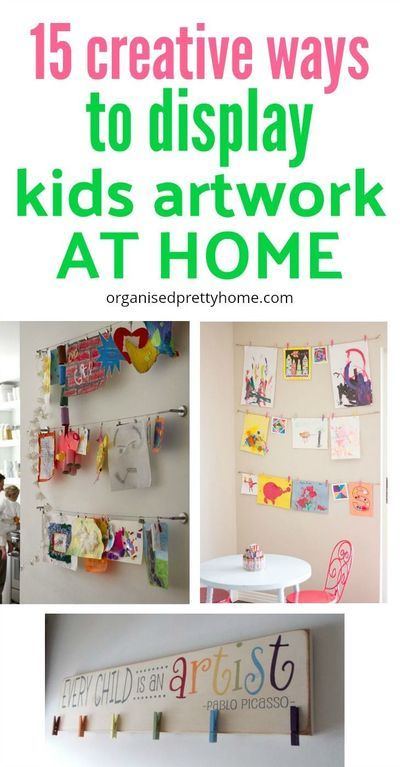
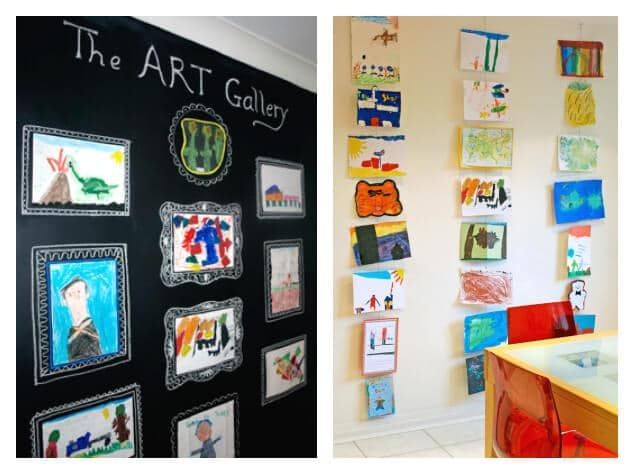
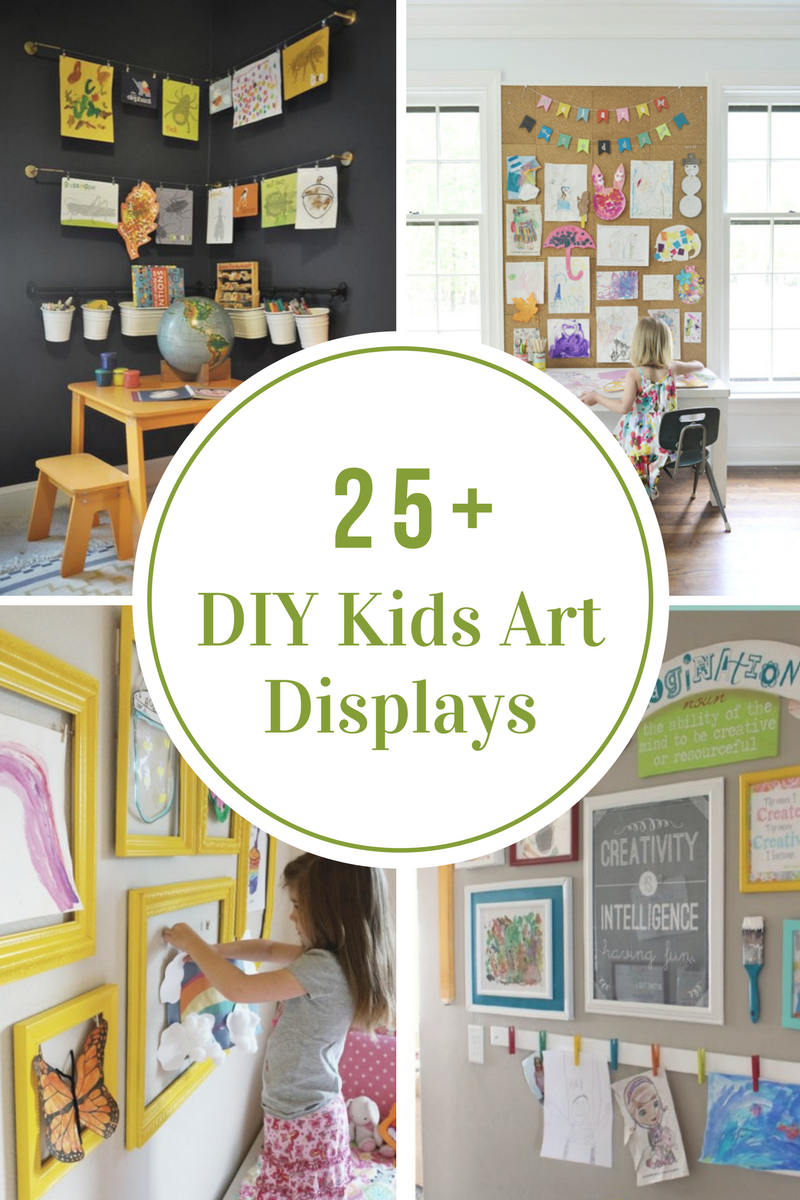
- The Rotating Gallery: Dedicate a wall or a section of a wall to display current artwork. Rotate the pieces regularly to keep the display fresh and exciting.
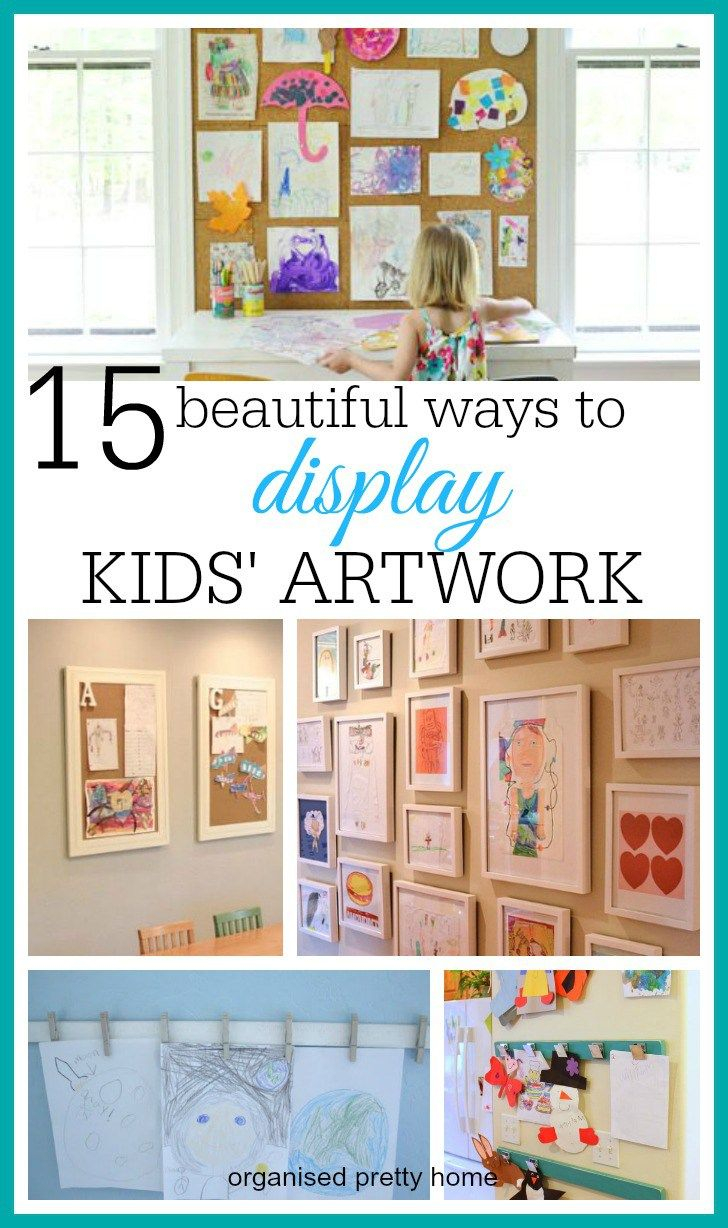
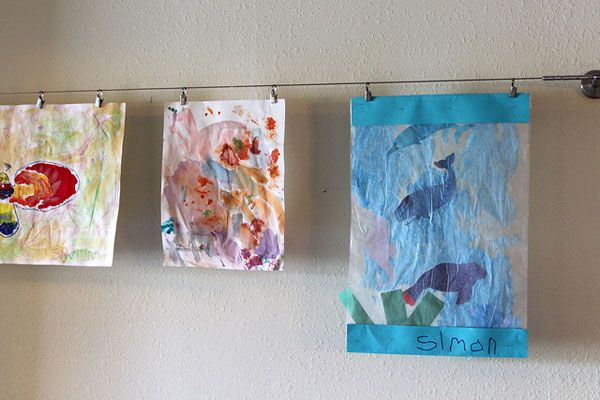
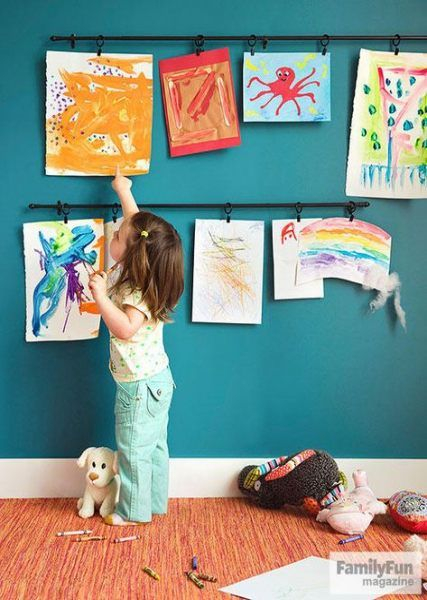
- The Clothesline Display: Use a clothesline or string, and attach artwork with clothespins or decorative clips. This is a flexible option that allows for easy changes and adjustments.
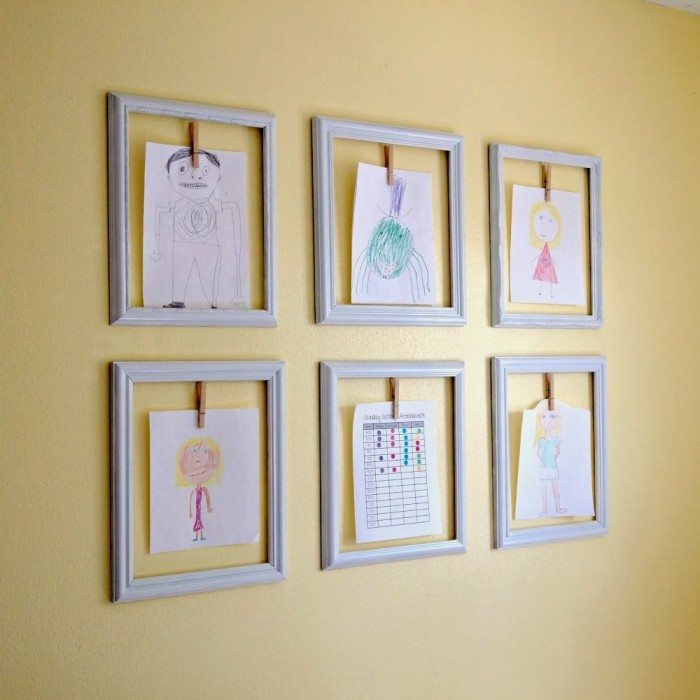
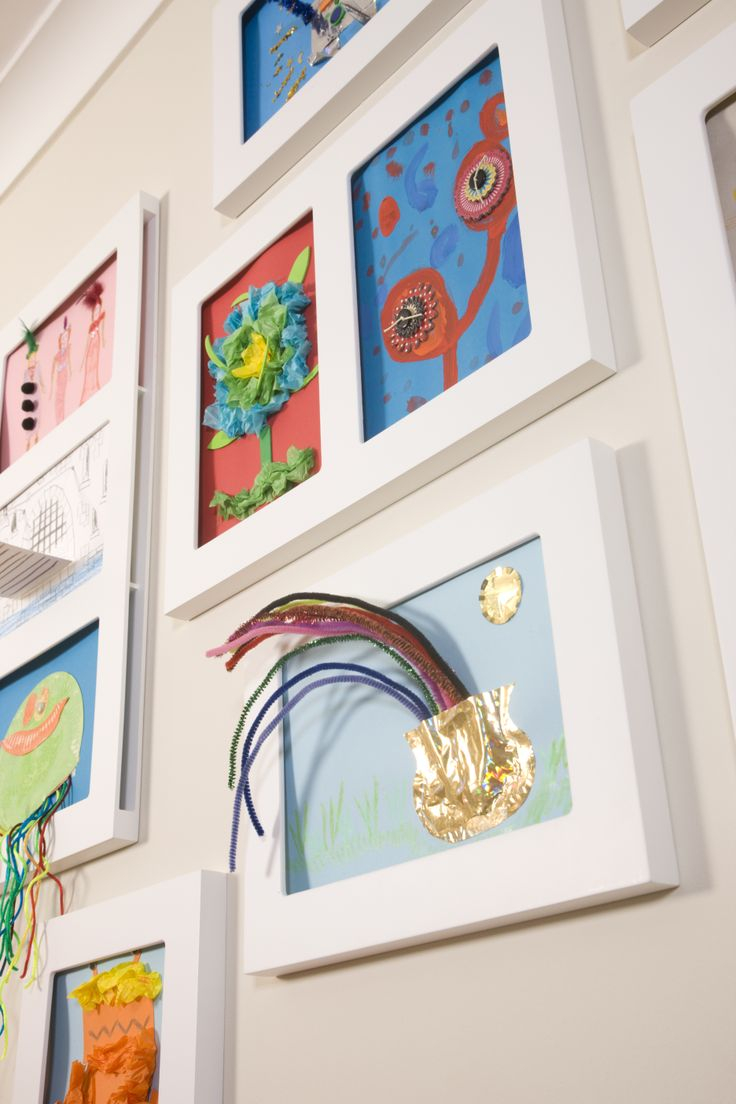
- Framing Favorites: Choose a few of your child’s most cherished pieces and frame them. This adds a touch of elegance and makes the artwork feel extra special.
- The Bulletin Board: A classic for a reason. A bulletin board is a versatile space for showcasing artwork, notes, photos, and other keepsakes. Consider using a corkboard, a magnetic board, or a fabric-covered board.
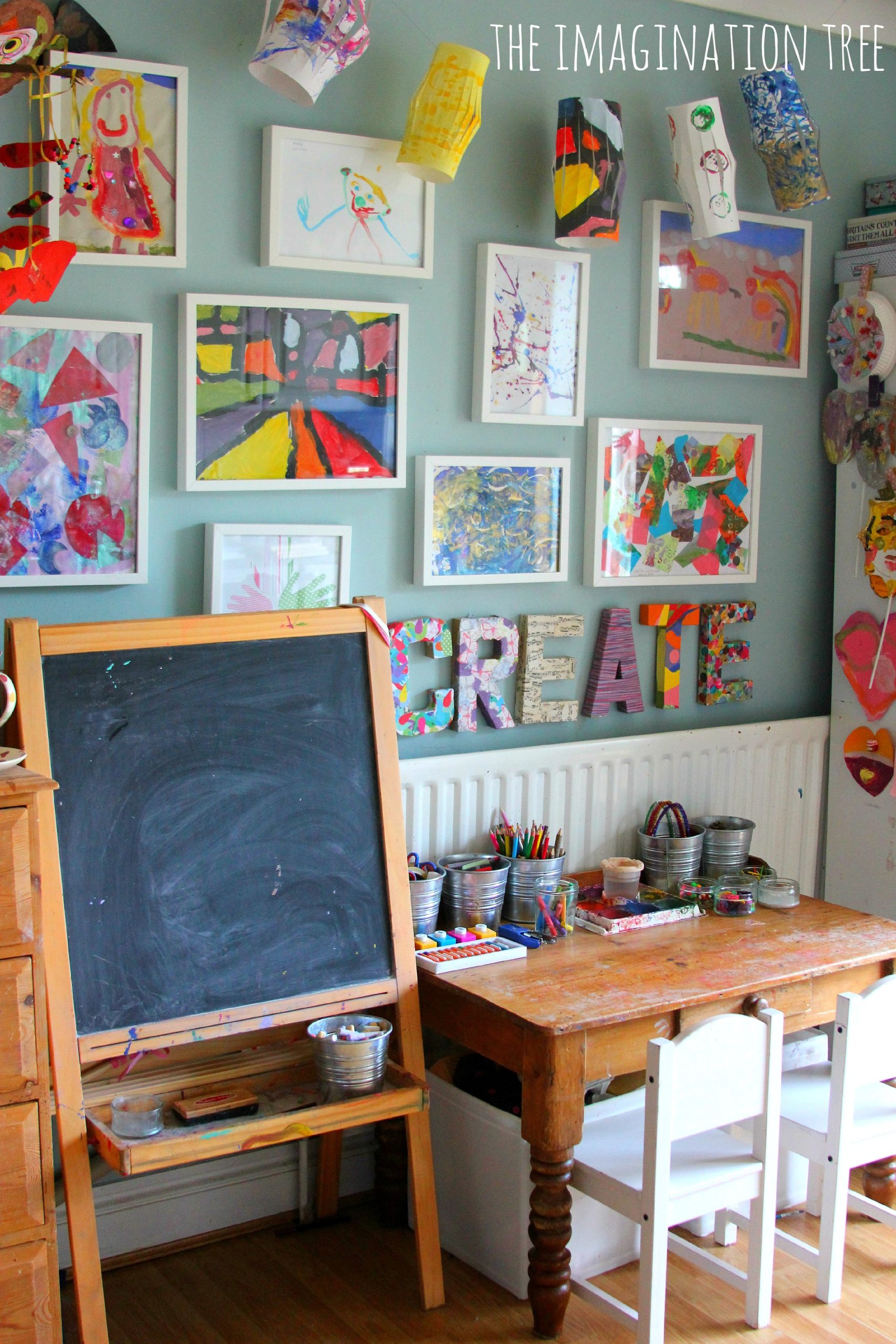
- Creating a Dedicated Art Corner: If you have space, design a dedicated art corner with display shelves, a small table, and art supplies. This is a great way to encourage creativity and provide a space for artistic expression. And it’s a great way to keep the art supplies in one place.
Taking it Up a Notch: More Creative Display Techniques
Ready to get a little more creative? Here are some ideas to elevate your display game:
- The Gallery Wall: Group framed artwork together to create a gallery wall. Vary the sizes and styles of the frames for a more dynamic look.
- The Shadow Box: Use shadow boxes to display three-dimensional artwork, such as small sculptures or crafts. This protects the artwork and adds depth to your display.
- Digital Displays: Scan or photograph your child’s artwork and create a digital slideshow to display on a tablet or smart TV. This is a great way to showcase a large volume of artwork without taking up physical space, and its easy to change.
- The Memory Book: Create a scrapbook or a digital photo album to document your child’s artwork. Include photos of the artwork, as well as notes about the piece, the child’s age, and the context of its creation.
- Themed Displays: Organize displays around themes, such as seasons, holidays, or special projects. This adds a touch of fun and creativity to your display.
Preserving and Protecting the Artwork
Artwork, especially that made by little hands, can be fragile. Here’s how to keep it safe and sound:
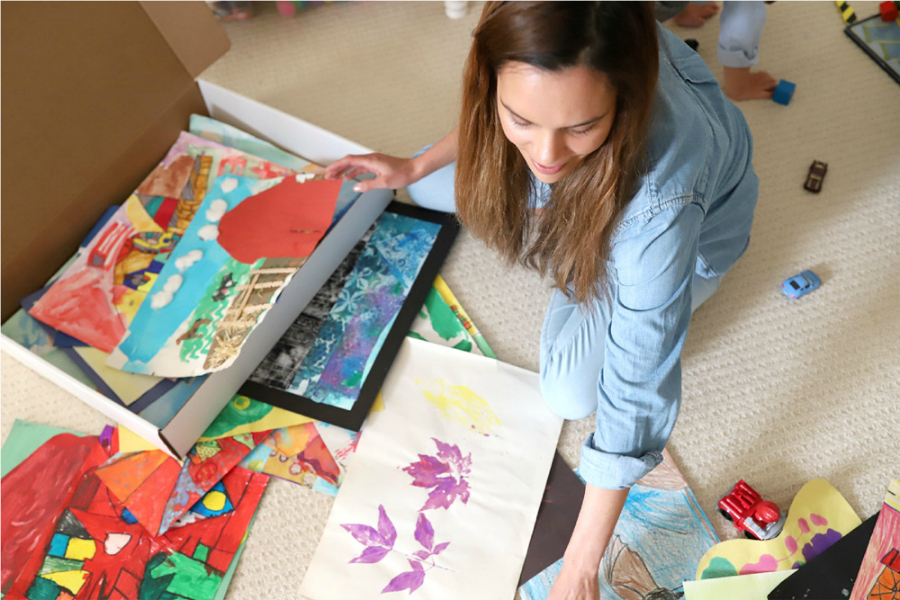
- Proper Storage: Use archival-quality storage boxes or acid-free paper to store artwork that isn’t currently on display. This protects the artwork from damage and fading.
- Protective Coating: Consider using a spray fixative or a protective coating to protect your child’s artwork from smudging and fading. Test the coating on a small, inconspicuous area first, to make sure it doesn’t damage the artwork.
- Lamination (with caution): Laminating artwork can protect it from moisture and wear and tear, but it can also alter the appearance of the artwork. If you choose to laminate, test a small area first and use a high-quality laminator.
- Handling with Care: Always handle artwork with clean hands, and avoid touching the surface of the artwork directly. If you need to move the artwork, use acid-free gloves.
Involving Your Child in the Process
The best displays are those that are a collaborative effort. Involving your child in the process of displaying their artwork fosters a sense of ownership, creativity, and pride. Here’s how:
- Let Them Choose: Allow your child to select which pieces they want to display. This empowers them and gives them a voice in the process.
- Get Their Input: Ask your child for their ideas on how to display their artwork. They might have creative suggestions you never thought of.
- Create Together: Make the display process a fun activity. Involve your child in framing, hanging, or arranging the artwork.
- Celebrate the Display: Once the display is complete, celebrate it! Have a small art show, invite friends and family, and take pictures to commemorate the occasion. And don’t forget to praise your child for their hard work and creativity. This is a great way to boost their self-esteem and encourage them to continue creating.
Beyond the Home: Showcasing Art in the Community
Consider expanding your child’s art showcase beyond your home:
- Local Exhibitions: Look for opportunities to display your child’s art in local community centers, libraries, or coffee shops. Many places are happy to showcase children’s artwork.
- School Art Shows: Participate in school art shows, which give children the chance to share their artwork with a wider audience. These are great ways to build confidence and celebrate artistic achievements.
- Online Galleries: Create a website or social media page to showcase your child’s artwork online. This is a great way to share their work with family and friends who live far away, and to get feedback and support.
- Community Projects: Get involved in community art projects, such as murals or public art installations. This is a great way for children to contribute to their community and make a positive impact. And its a great way to meet new people and learn new things.
Displaying your child’s artwork is more than just a decorative endeavor. It’s a powerful way to nurture their creativity, boost their self-esteem, and celebrate their unique perspective on the world. By following these strategies, you can transform your home into a vibrant gallery, honoring your child’s artistic journey, and fostering a lifelong love of art. So, embrace the scribbles, the splatters, and the sculptures, and let the world see the amazing talent that lies within your child. Remember, every piece of art is a testament to your child’s potential and a window into their developing creativity. Enjoy the journey, and celebrate every stroke of genius. This is the start of something truly special, and it’s a privilege to witness it all unfold. And, don’t be afraid to have fun with it.
[sps_html tag=”img” src=”https://cdn.theartssection.com/wp-content/uploads/2025/06/21-ways-to-display-kids-artwork-honor-creativity-amp-manage-the-piles-for.jpg” alt=”21 Ways To Display Kids Artwork - Honor Creativity &Amp; Manage The Piles for” style=”width: 100%; height: auto;”]
[sps_html tag=”img” src=”https://cdn.theartssection.com/wp-content/uploads/2025/06/beyond-the-fridge-creative-ways-to-display-your-kids-art-in.jpg” alt=”Beyond The Fridge: Creative Ways To Display Your Kid's Art in” style=”width: 100%; height: auto;”]
[sps_html tag=”img” src=”https://cdn.theartssection.com/wp-content/uploads/2025/06/ten-ways-to-display-kids-artwork-atlanta-parent-for-beyond-the-fridge-exploring-creative-ways-to-display-kids-art.jpg” alt=”Ten Ways To Display Kids' Artwork - Atlanta Parent for Beyond the Fridge Exploring Creative Ways to Display Kids' Art” style=”width: 100%; height: auto;”]
[sps_html tag=”img” src=”https://cdn.theartssection.com/wp-content/uploads/2025/06/diy-kids-art-displays-the-idea-room-in.png” alt=”Diy Kids Art Displays - The Idea Room in” style=”width: 100%; height: auto;”]
[sps_html tag=”img” src=”https://cdn.theartssection.com/wp-content/uploads/2025/06/go-beyond-the-fridge-artwork-display-kids-artwork-art-school-pertaining-to.jpg” alt=”Go Beyond The Fridge | Artwork Display, Kids Artwork, Art School pertaining to” style=”width: 100%; height: auto;”]