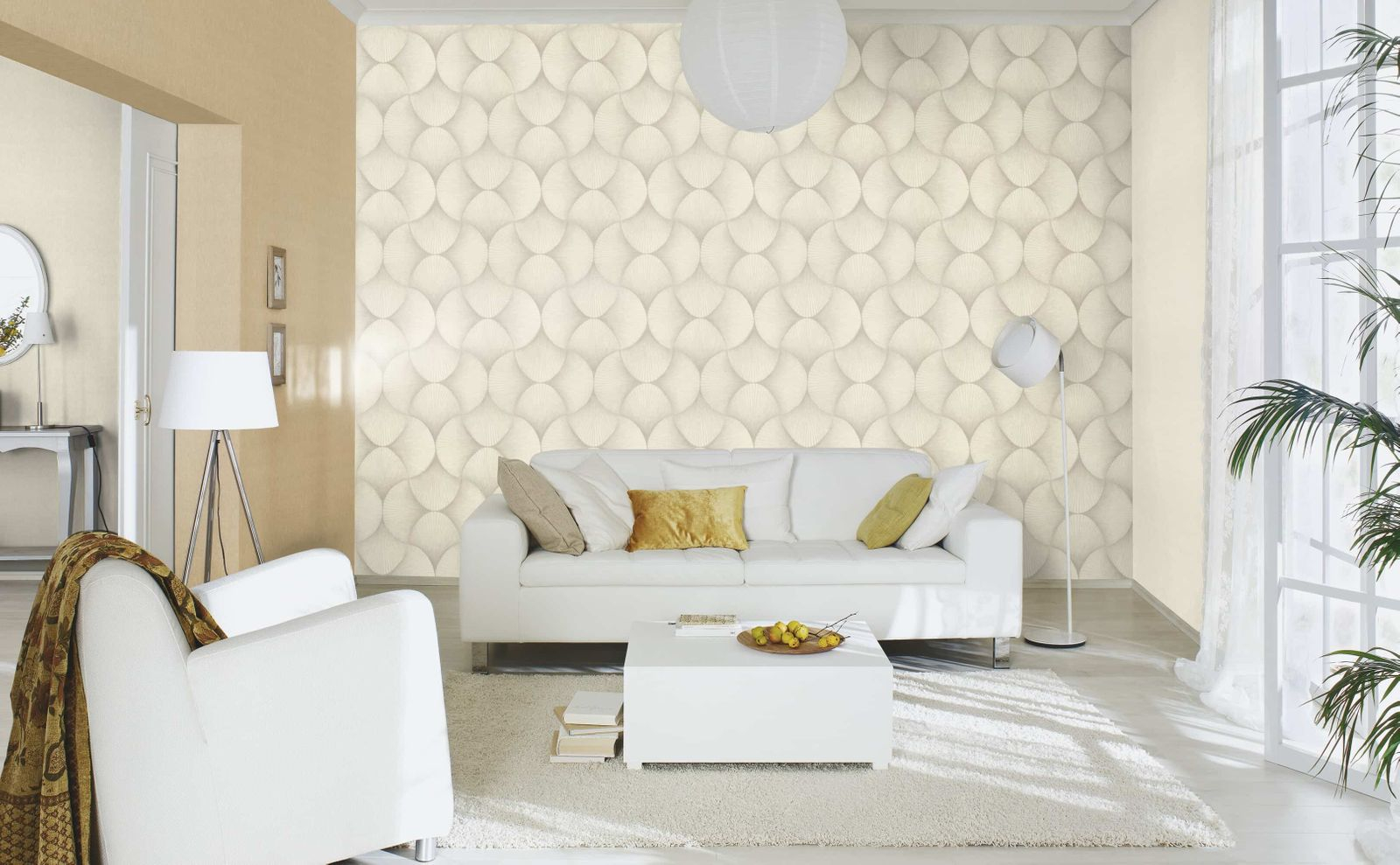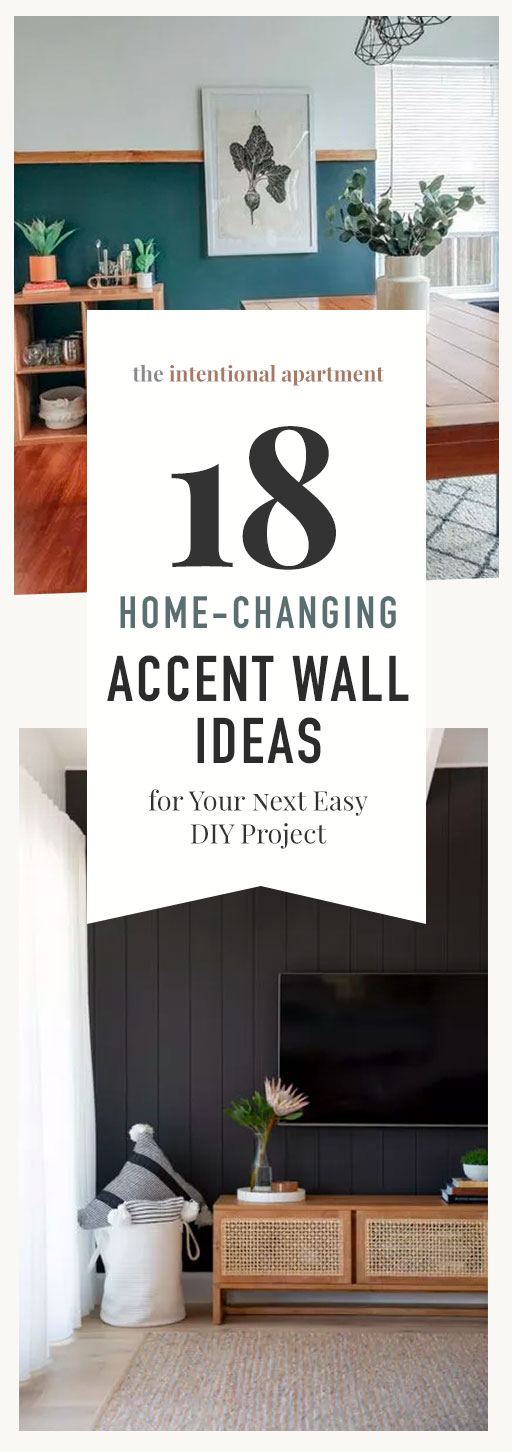
Ever walk into a room and just feel… it? That ‘it’ often comes from thoughtful design choices, and one of the most potent, yet often underestimated, is the accent wall. It’s not just about slapping on a bold color. Oh no. It’s about crafting a focal point, telling a story, and subtly guiding the eye. It’s a design secret weapon, really, capable of making a small room feel grand or a large room feel cozy.
You might be thinking, ‘It’s just one wall. How much of a difference can it truly make?’ And that, my friend, is where the magic lies. An accent wall isn’t just about painting one wall a different hue. It’s a deliberate design decision, a strategic maneuver to inject personality, define zones, and even alter the perceived dimensions of a space. It’s a shortcut to high-impact design without a full-blown renovation. Think of it as the exclamation mark in your room’s design sentence.
Finding Your ‘Star’ Wall: Where to Begin
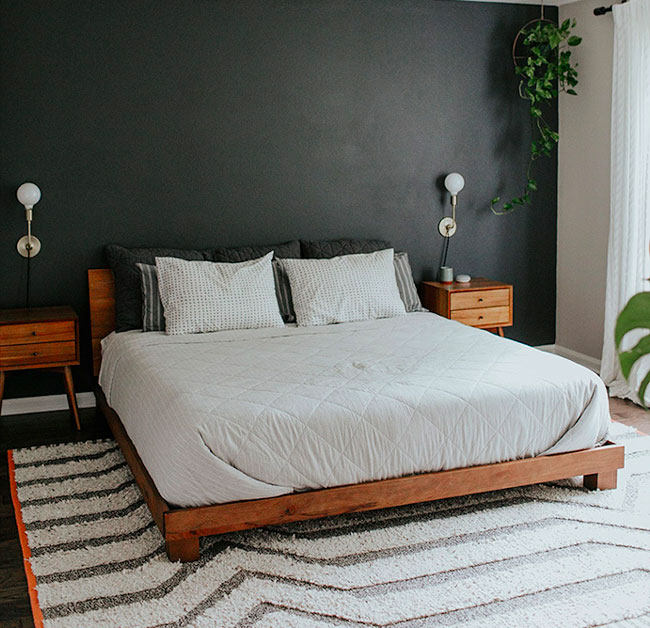
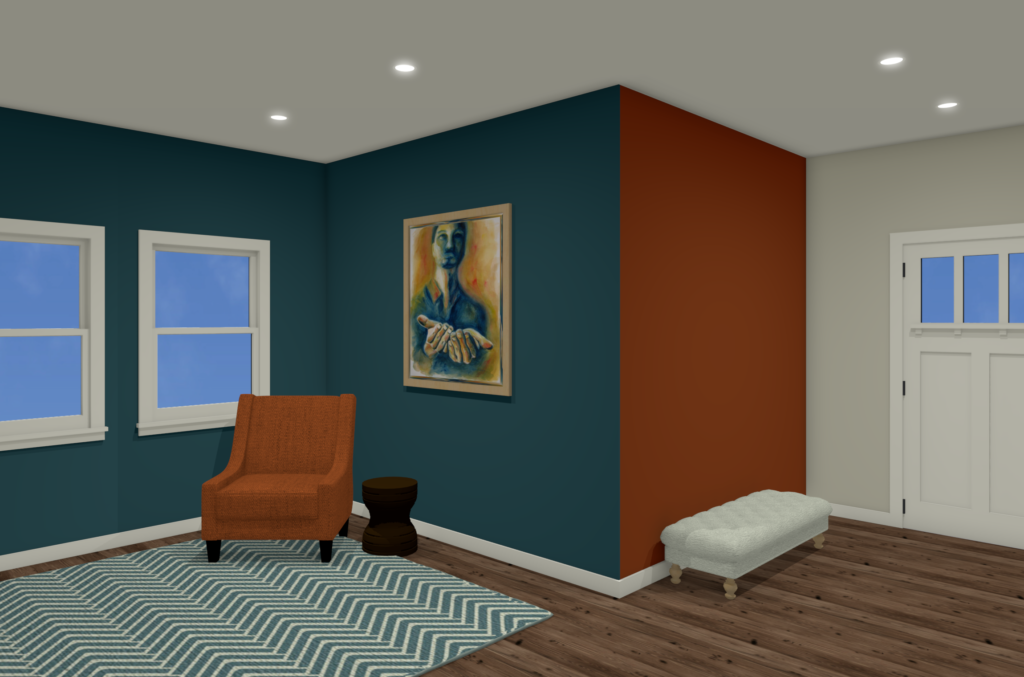
Choosing the right wall is arguably the most crucial step. It’s not random. You want to pick the wall that naturally draws attention or the one you want to draw attention. Often, this is the wall behind a bed in a bedroom, the one with a fireplace in a living room, or perhaps the wall housing your main entertainment center. It could even be the first wall you see when you walk into a room. Think about the room’s purpose and its existing features. For instance, if you have a stunning piece of art, the wall it hangs on could be your accent wall, making that art pop even more. Don’t pick a wall with too many windows or doors; it breaks up the flow and detracts from the accent’s impact. Simplicity is key here.
Beyond Paint: A World of Texture and Material
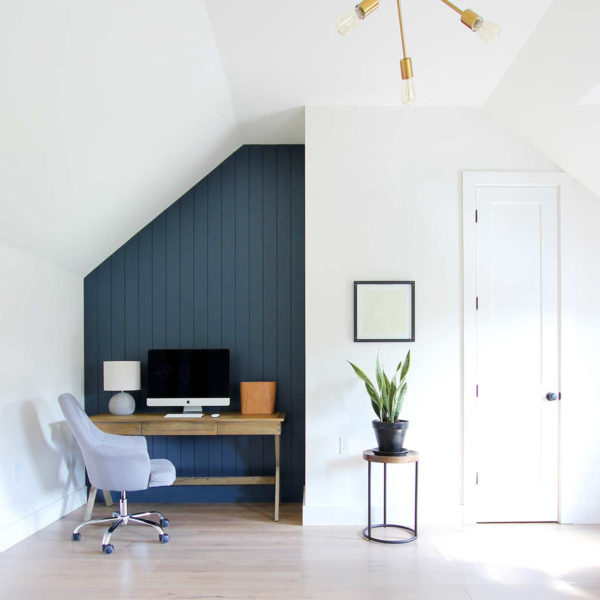
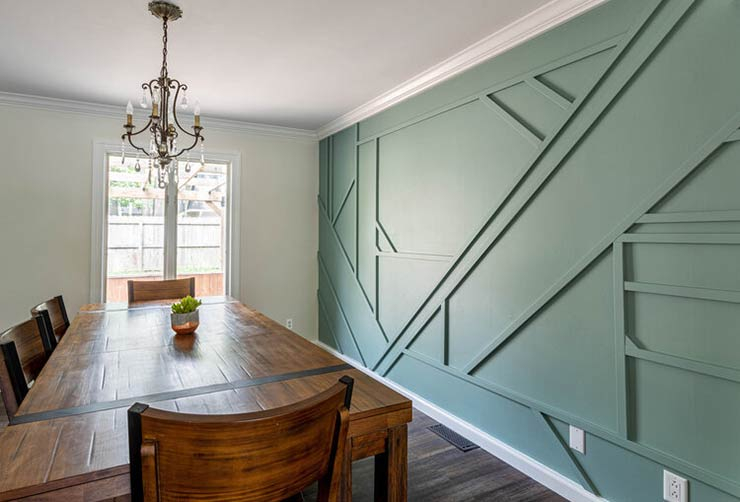
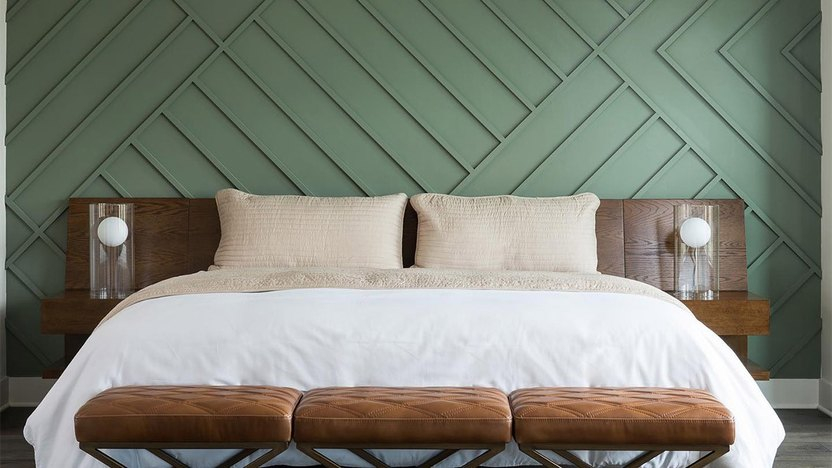
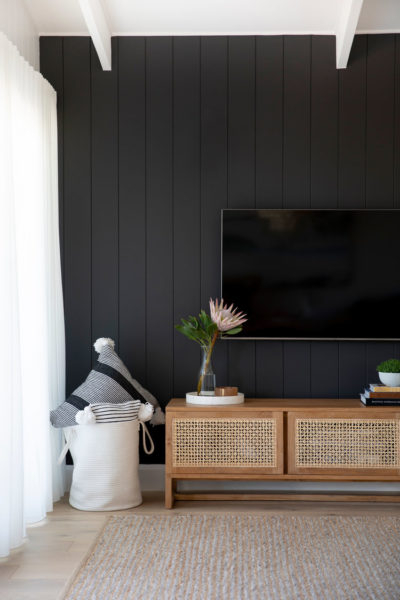
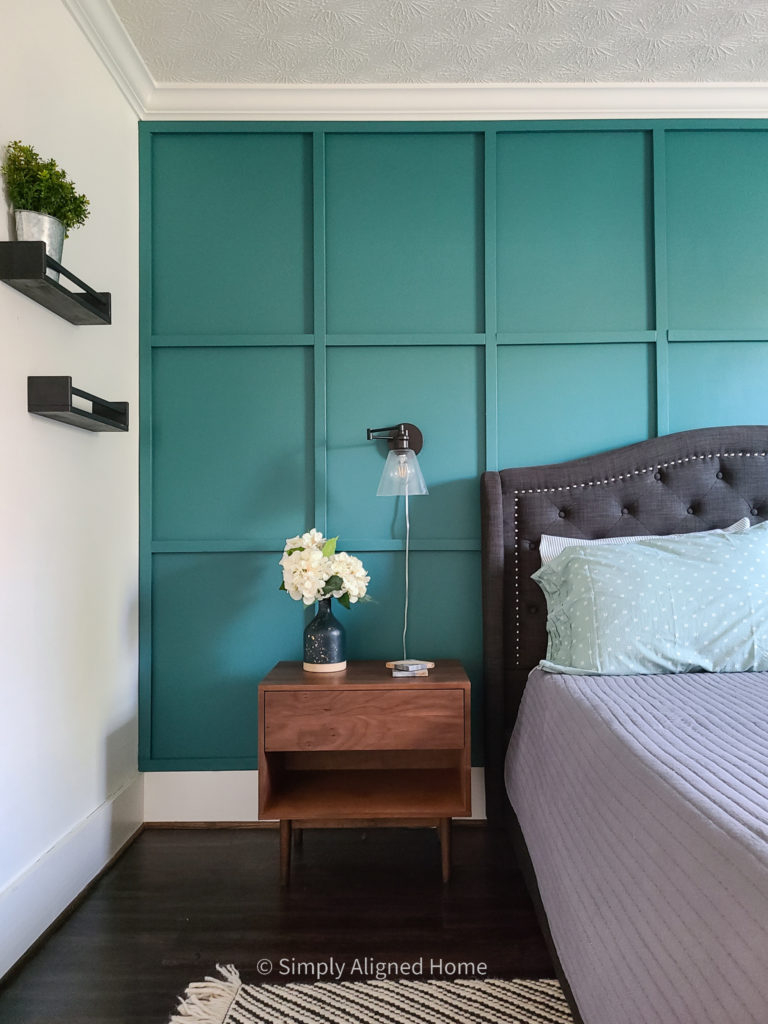
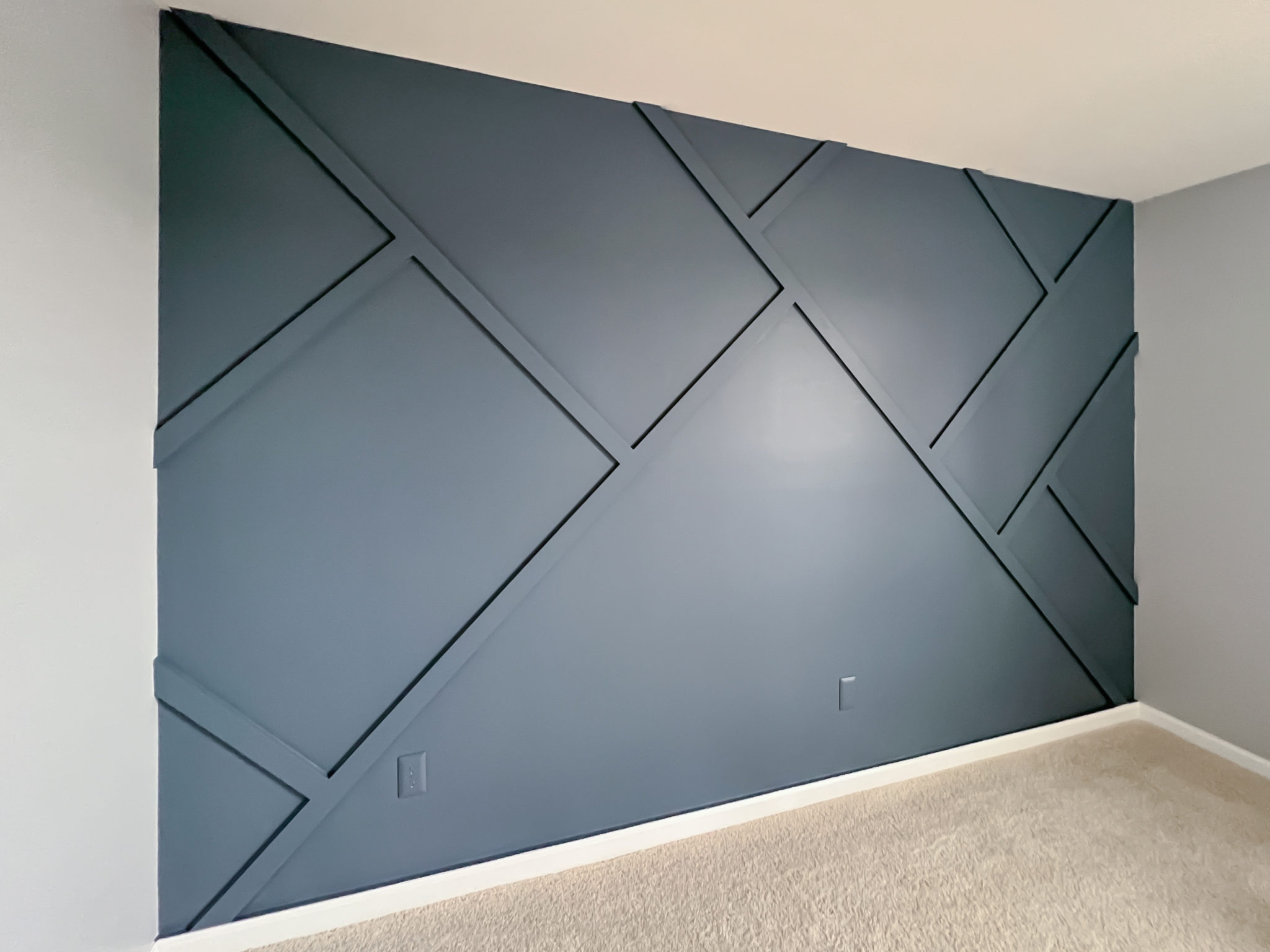
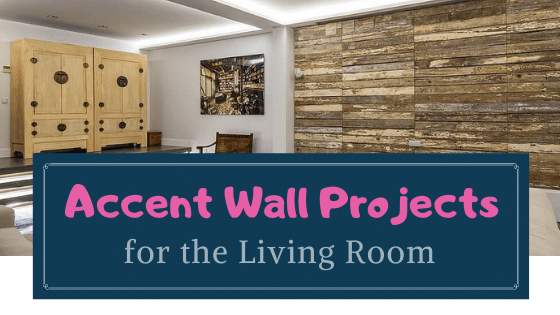
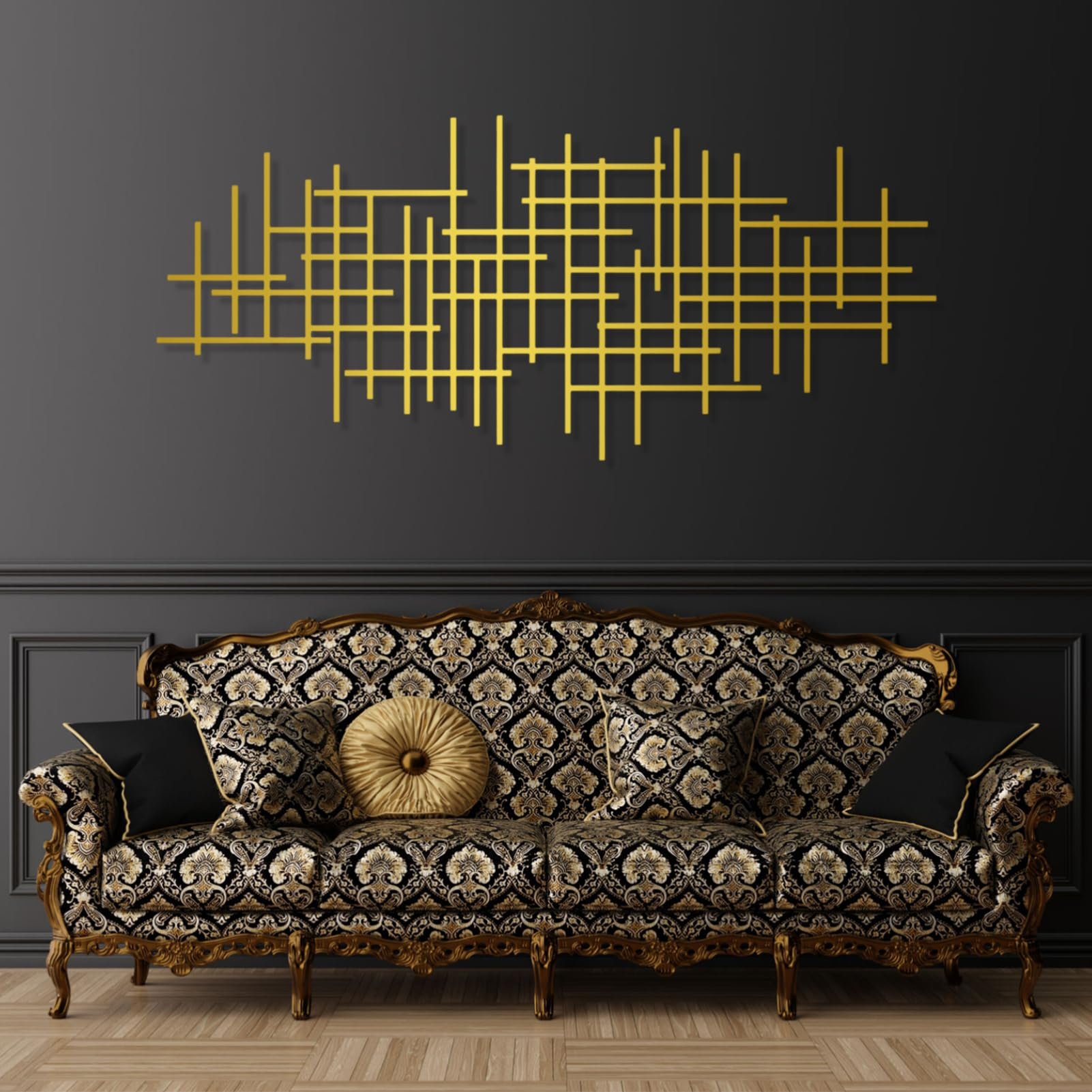
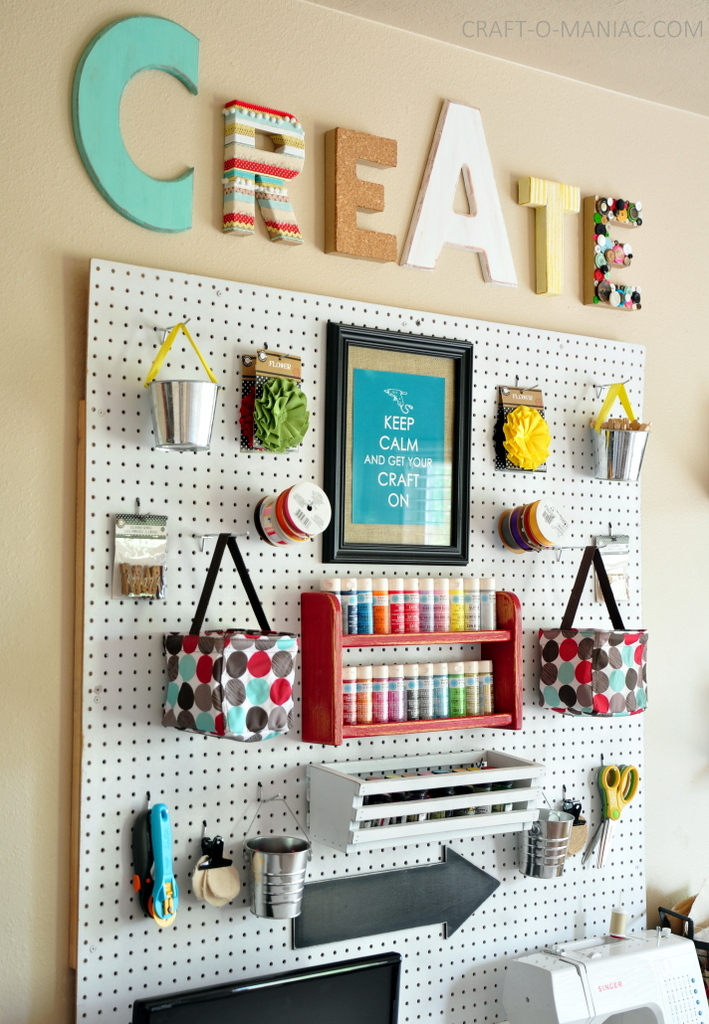
While a striking paint color is the most common choice, limiting yourself to just paint would be a real disservice to the concept of an accent wall. Imagine the warmth of reclaimed wood planks, the sophistication of a chic wallpaper with a subtle pattern, or even the tactile allure of brick or stone veneer. What about a bold mural? Or perhaps a wall treatment using board and batten for a classic, architectural feel. These materials add depth and texture that paint simply can’t replicate. For example, in a minimalist apartment, a concrete-look wallpaper could add an industrial edge without the mess of actual concrete. Or for a cozy, rustic vibe, shiplap can transform a plain wall into a charming focal point. The possibilities are genuinely endless, and each material brings its own unique vibe and story.
Color Psychology and Mood Setting: It’s Not Just a Pretty Color
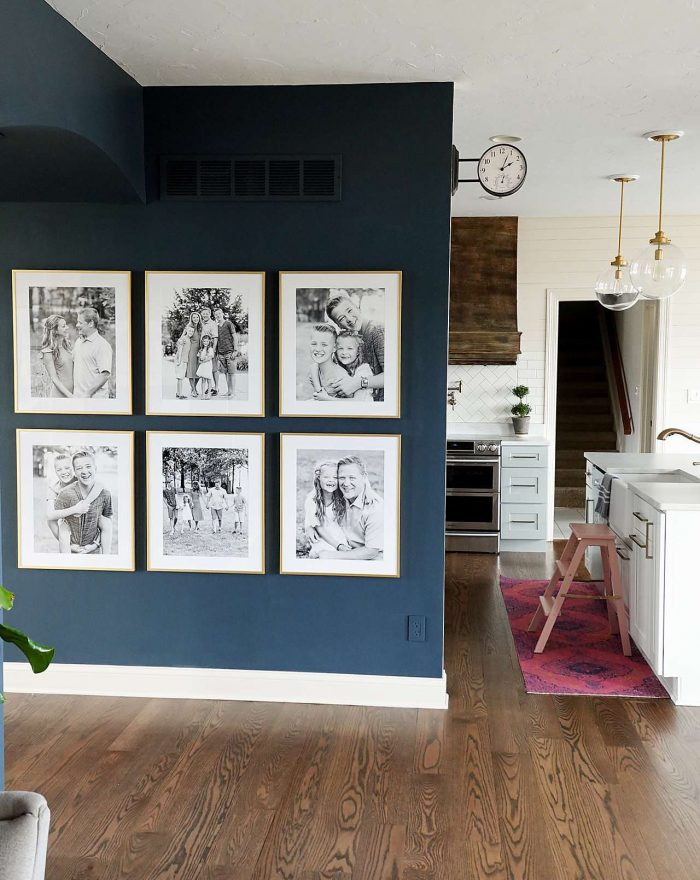
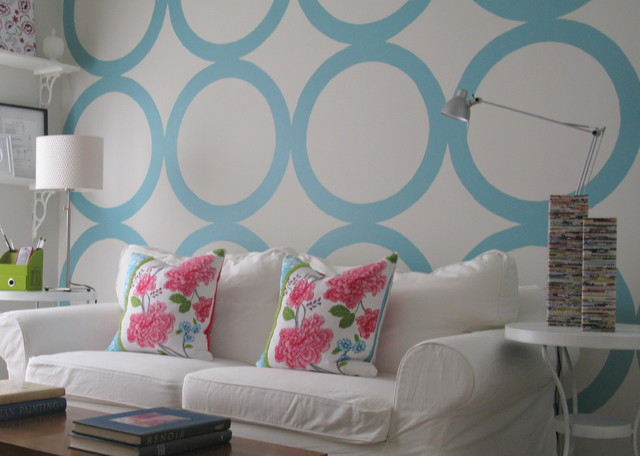
Colors evoke feelings, right? So, the color you choose for your accent wall isn’t just about what looks nice; it’s about what feeling you want to cultivate in that space. Want energy and vibrancy? Think reds or oranges. Looking for tranquility and calm? Blues and greens are your allies. A deep charcoal gray can add a sophisticated, moody atmosphere, perfect for a cozy den or a dramatic bedroom. Consider the overall color scheme of the room and how the accent color will interact with it. Does it complement? Does it contrast? Both can be incredibly effective. A bold, contrasting color can create a dynamic statement, while a slightly deeper shade of an existing room color can add subtle depth and elegance. It’s all about intention.
Making Small Spaces Seem Bigger, and Big Spaces Cozier
Here’s a neat trick: an accent wall can play with your perception of space. In a long, narrow room, painting the shorter end wall a darker, bolder color can make the room appear wider and less like a hallway. Conversely, in a very large, open-plan area, an accent wall can define a specific zone – perhaps a dining nook or a reading corner – making that particular area feel more intimate and inviting. It’s like a visual anchor, pulling the space together. For example, a deep navy accent wall in a sprawling living room can create a distinct, cozy conversation area around a fireplace. It’s all about tricking the eye, in the best possible way.
Common Pitfalls to Sidestep: Don’t Make These Mishaps!
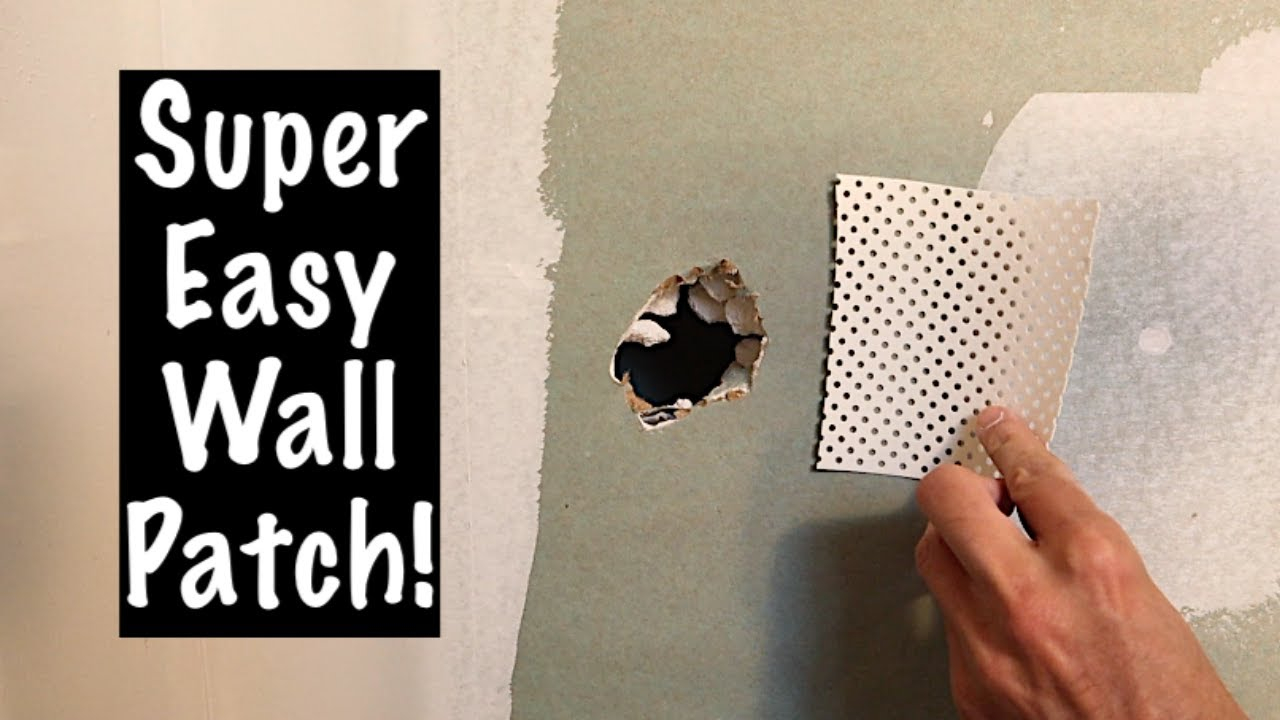
Even with the best intentions, it’s easy to stumble. One common mistake is choosing too many accent walls. Remember, it’s an ‘accent,’ singular, not ‘accents.’ More than one can make a room feel chaotic and busy, losing the impact altogether. Another misstep is picking the wrong wall – one with too many architectural interruptions or one that’s not naturally a focal point. Also, don’t forget about balance. If your accent wall is very bold, keep the rest of the room’s decor a bit more subdued so the wall can truly shine. And please, please, test your chosen color or material first! A small sample patch on the wall will save you a lot of heartache and repainting. Lighting, both natural and artificial, can drastically alter how a color appears, so check it at different times of day.
Bringing it All Together: Accessorizing Your Accent
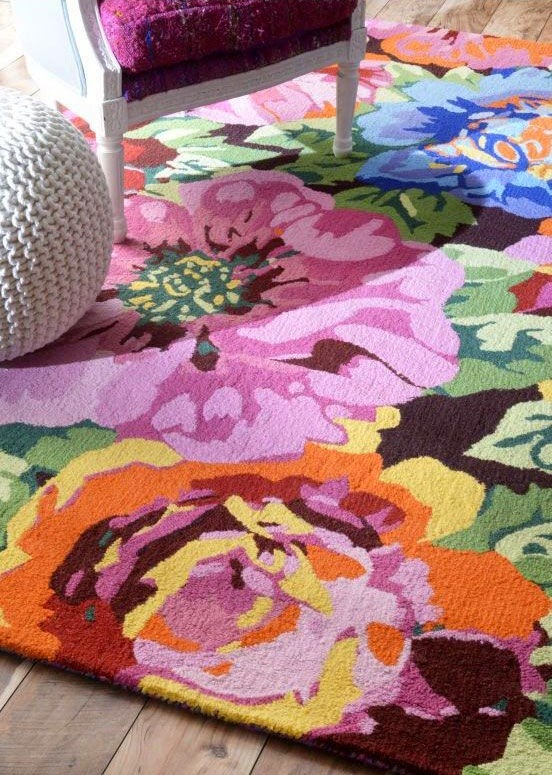
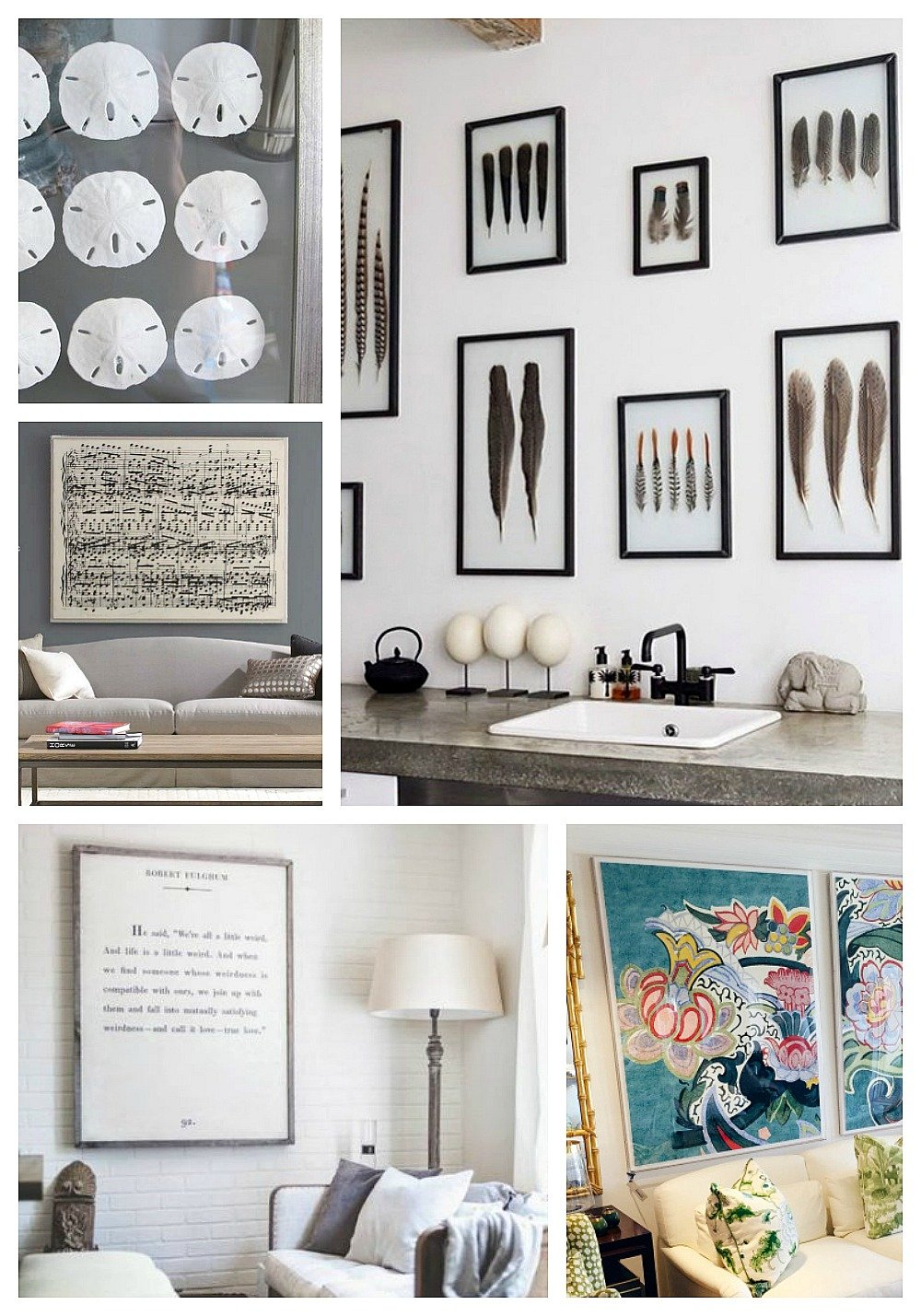
Your accent wall isn’t an island; it’s part of a larger design narrative. Once your star wall is in place, think about how to accessorize around it. If it’s a bold color, perhaps complementary artwork or textiles that pick up on a subtle hue within that color. If it’s a textured wall, maybe minimal, sleek furniture to let the texture speak for itself. Lighting is also crucial. Uplighting or downlighting can highlight the texture or depth of your accent wall, creating dramatic shadows and visual interest. Plants can add a touch of life and soften bold statements. It’s all about creating a cohesive look where every element supports the star of the show. It’s like dressing up for a big event; every piece plays a part in the overall stunning ensemble.
So, there you have it. An accent wall is far more than just a splash of paint. It’s a thoughtful design element, a powerful tool for visual storytelling, and a surprisingly simple way to infuse personality and purpose into any space. It’s about creating a moment, a focal point that draws the eye and makes a statement without uttering a word. Go on, unleash the potential of that one wall. You might be surprised at the transformative power it holds. It’s your canvas, waiting for its masterpiece.
[sps_html tag=”img” src=”https://cdn.theartssection.com/wp-content/uploads/2025/07/20-awesome-accent-wall-projects-for-your-living-room-within-why-your-next-home-project-should-include-an-accent-wall.png” alt=”20 Awesome Accent Wall Projects For Your Living Room within Why Your Next Home Project Should Include an Accent Wall” style=”width: 100%; height: auto;”]
[sps_html tag=”img” src=”https://cdn.theartssection.com/wp-content/uploads/2025/07/18-home-changing-accent-wall-ideas-for-your-next-easy-diy-project-for.jpg” alt=”18 Home-Changing Accent Wall Ideas For Your Next Easy Diy Project for” style=”width: 100%; height: auto;”]
[sps_html tag=”img” src=”https://cdn.theartssection.com/wp-content/uploads/2025/07/18-home-changing-accent-wall-ideas-for-your-next-easy-diy-project-in-why-your-next-home-project-should-include-an-accent-wall.jpg” alt=”18 Home-Changing Accent Wall Ideas For Your Next Easy Diy Project in Why Your Next Home Project Should Include an Accent Wall” style=”width: 100%; height: auto;”]
[sps_html tag=”img” src=”https://cdn.theartssection.com/wp-content/uploads/2025/07/how-to-create-a-modern-accent-wall-for-less-than-50-simply-aligned-home-for-why-your-next-home-project-should-include-an-accent-wall.jpg” alt=”How To Create A Modern Accent Wall For Less Than $50 - Simply Aligned Home for Why Your Next Home Project Should Include an Accent Wall” style=”width: 100%; height: auto;”]
[sps_html tag=”img” src=”https://cdn.theartssection.com/wp-content/uploads/2025/07/should-you-do-an-accent-wall-seriously-happy-homes-with-why-your-next-home-project-should-include-an-accent-wall.png” alt=”Should You Do An Accent Wall? | Seriously Happy Homes with Why Your Next Home Project Should Include an Accent Wall” style=”width: 100%; height: auto;”]