Ever walked into a room and felt an immediate sense of history, personality, or perhaps a quiet elegance? Often, that feeling is deeply tied to the wall art. It’s not just about filling empty space; it’s about telling a story, reflecting taste, and establishing a mood. In traditional settings, this is especially true. Wall art becomes a crucial element in curating the character of a space, weaving a narrative that speaks of heritage, personal journey, and aesthetic sensibilities. Let’s dive into how this visual storytelling unfolds and how you can master it.
Traditional homes often carry a certain gravitas, a sense of established elegance and enduring style. Think of those grand living rooms with their ornate moldings, comfortable furnishings, and, of course, the walls adorned with captivating pieces. But what exactly makes wall art so pivotal in these environments? It’s the way it complements the existing architecture and furnishings, adding layers of depth and personal touch. It’s about more than just aesthetics; it’s about crafting an atmosphere. Whether it’s a meticulously framed oil painting or a carefully chosen collection of vintage prints, wall art has the power to transform a house into a home with a distinct personality. It’s a conversation starter, a reflection of the inhabitants, and a vital component in the overall design scheme. So, how do we go about selecting and arranging these pieces to truly enhance a traditional setting? Let’s explore.
Understanding Traditional Aesthetics and Art Selection
Traditional design often leans towards classic styles, valuing craftsmanship, history, and a sense of timelessness. When it comes to wall art, this translates to an appreciation for various genres and periods. You’ll frequently see landscape paintings, portraits, still lifes, and historical scenes gracing the walls of traditional interiors. These pieces often evoke a sense of nostalgia or a connection to the past. For instance, a sweeping pastoral landscape can bring a sense of tranquility and natural beauty into a room, mirroring the romanticism often found in traditional decor. Similarly, a striking family portrait, perhaps in a rich, dark wood frame, adds a personal and historical dimension. The key is to choose art that resonates with the overall feel of the room and the home’s inhabitants. It’s not about rigidly adhering to one style, but rather about finding pieces that harmonize with the existing elements and create a cohesive, inviting atmosphere. Consider the color palette of your room; art with complementary hues can tie the space together beautifully. And don’t shy away from pieces with a story – a painting with a known provenance or a print from a significant historical period can add immense character.
The Evolving Narrative: Modern Interpretations
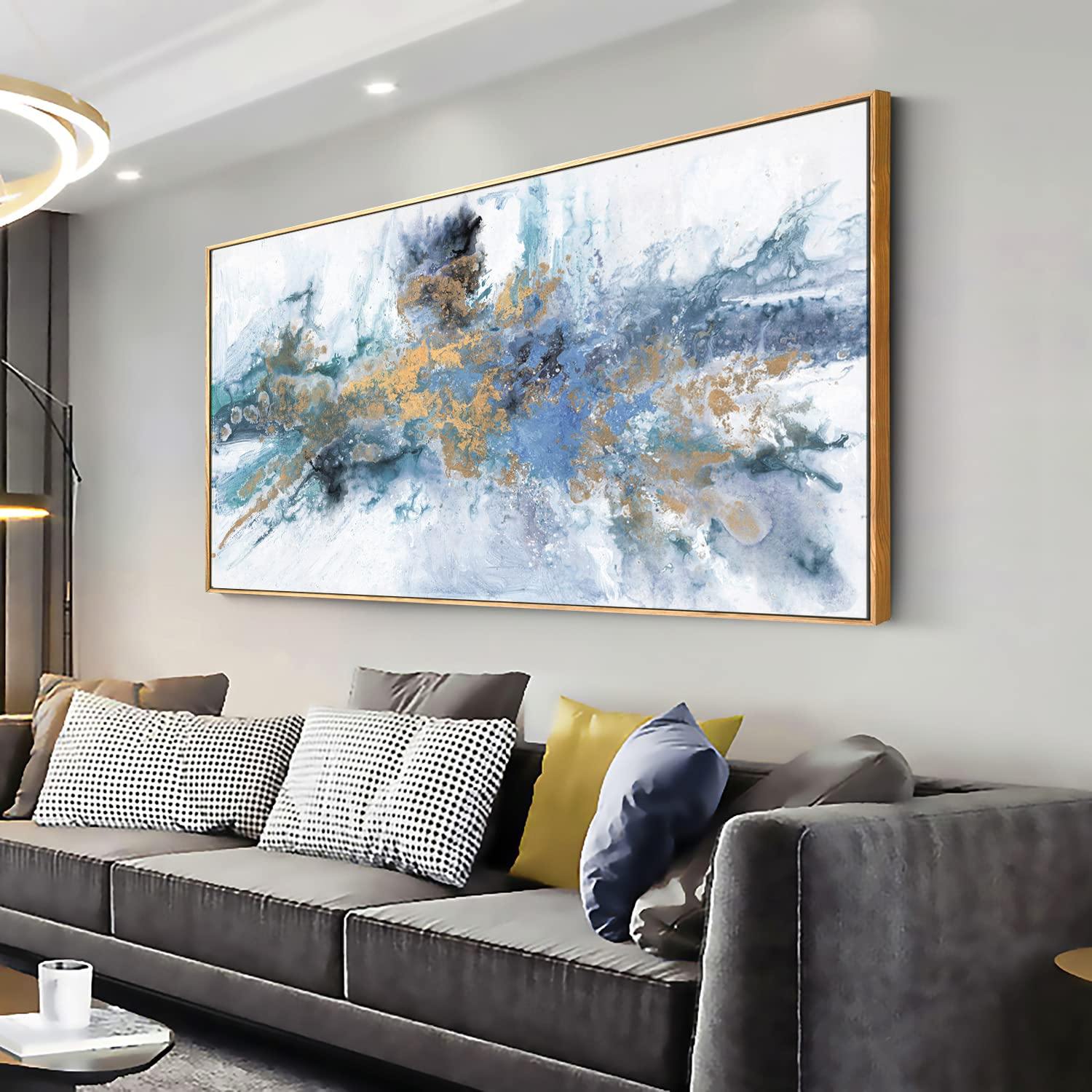
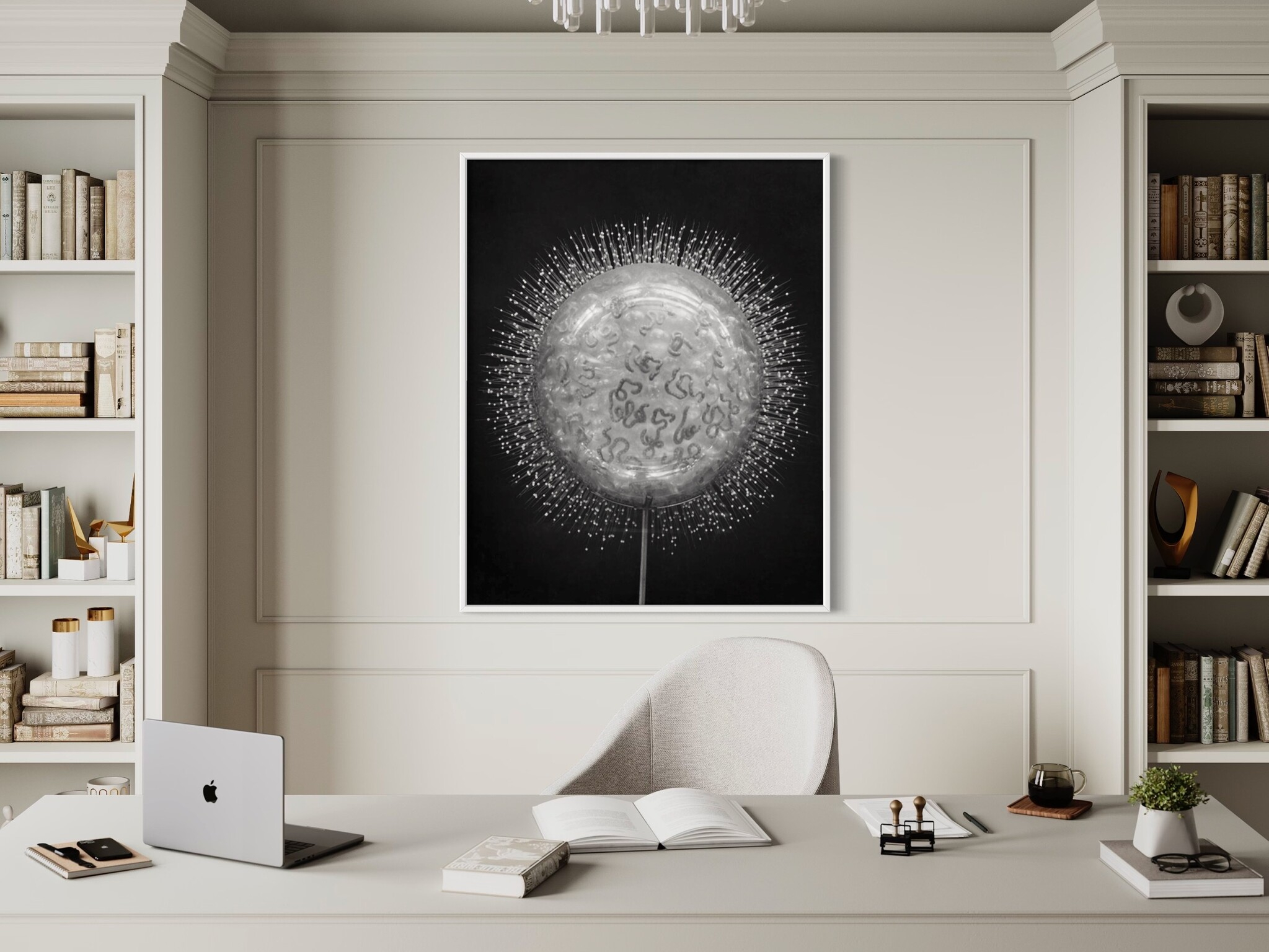
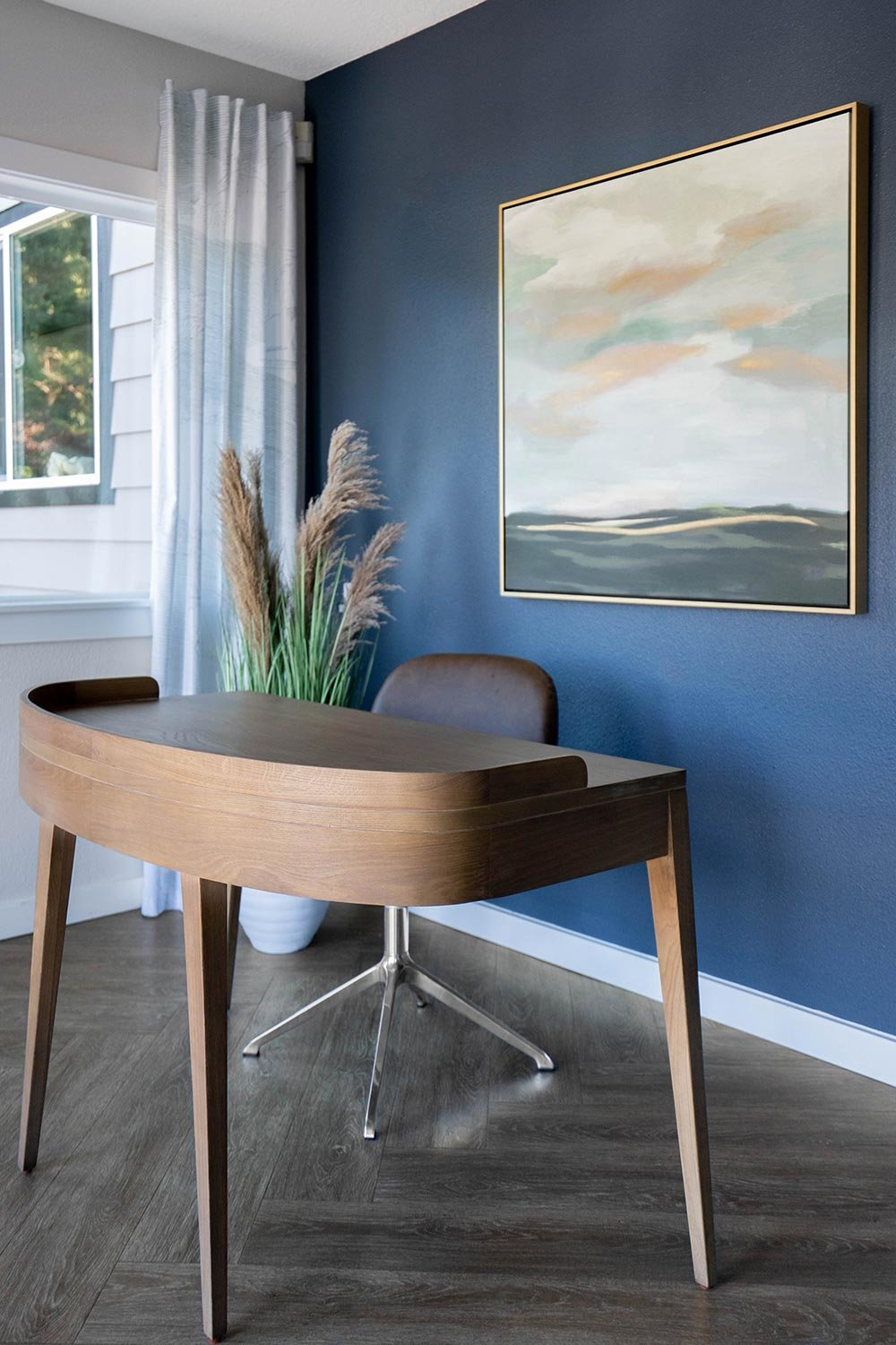
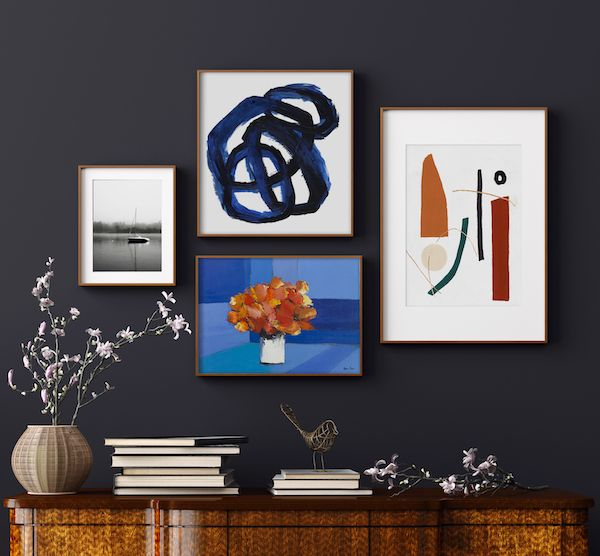
While traditional settings often embrace classic art forms, there’s also a dynamic evolution happening. The narrative of wall art in these spaces isn’t static. Increasingly, people are integrating contemporary pieces into traditional interiors, creating a fascinating juxtaposition. This blend can be incredibly striking, adding a fresh, modern edge without sacrificing the room’s inherent character. Think of a bold, abstract canvas hung above an antique sideboard, or a series of minimalist black-and-white photographs adorning a wall in a room with classic wainscoting. This approach injects personality and demonstrates a confident, updated sensibility. It’s about creating a dialogue between the old and the new. The contrast can highlight the unique qualities of both the traditional architecture and the contemporary artwork. It’s a way to make a traditional space feel relevant and personal to a modern lifestyle. This isn’t about replacing tradition, but rather about enriching it with new perspectives and visual interests. The trick is to find a balance, ensuring the newer pieces complement rather than clash with the established aesthetic. Sometimes, a single, impactful contemporary piece can act as a focal point, drawing the eye and adding a surprising element.
Curating Character: Selecting Pieces with Impact
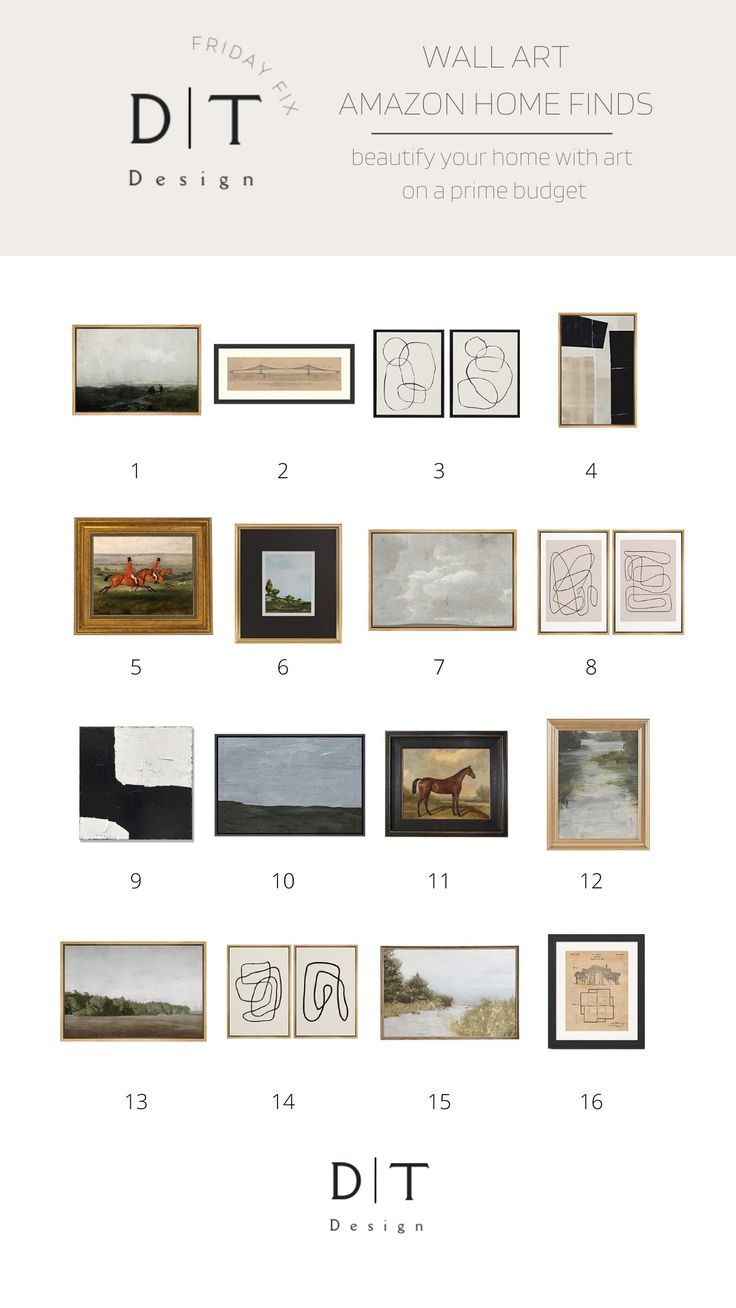
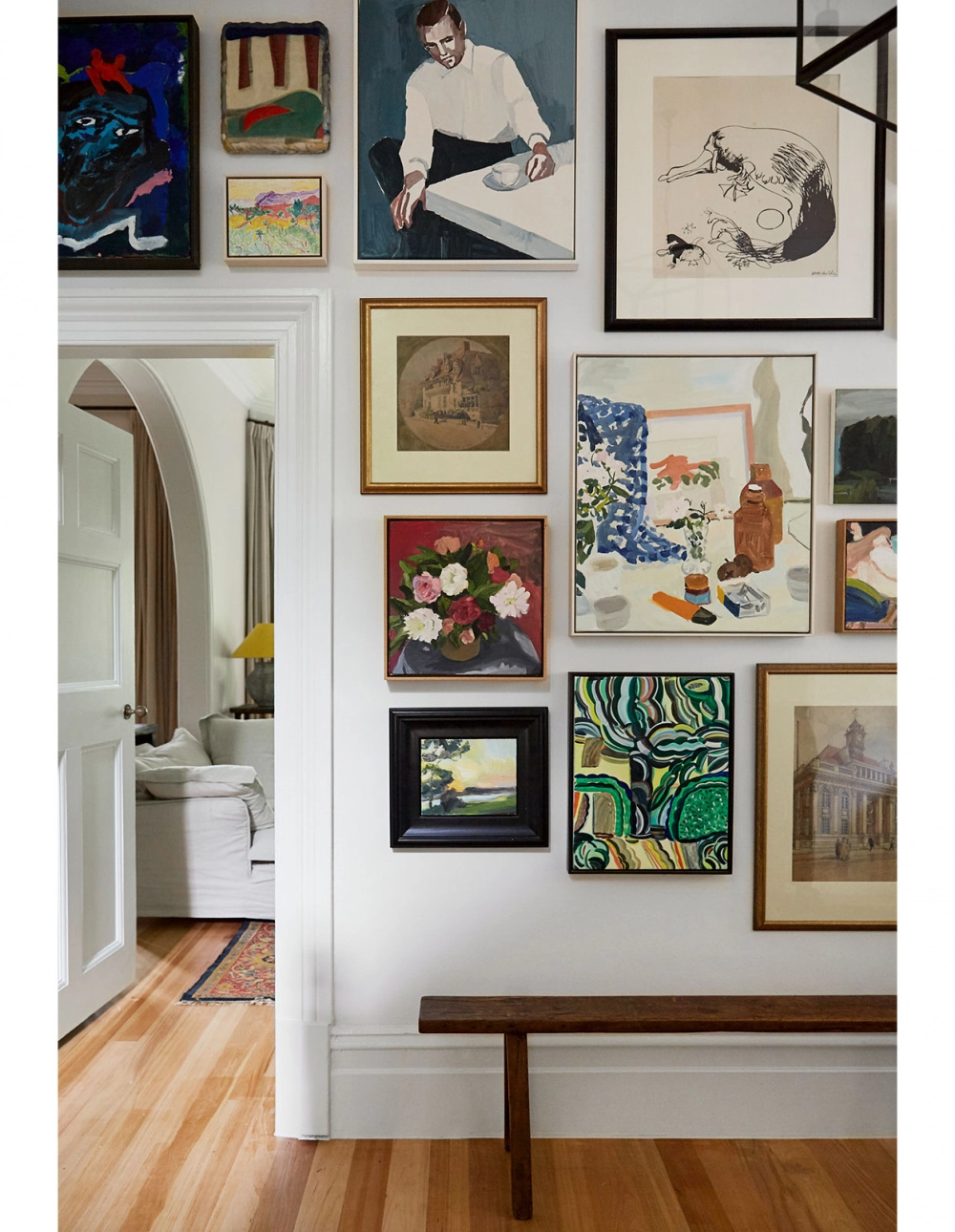
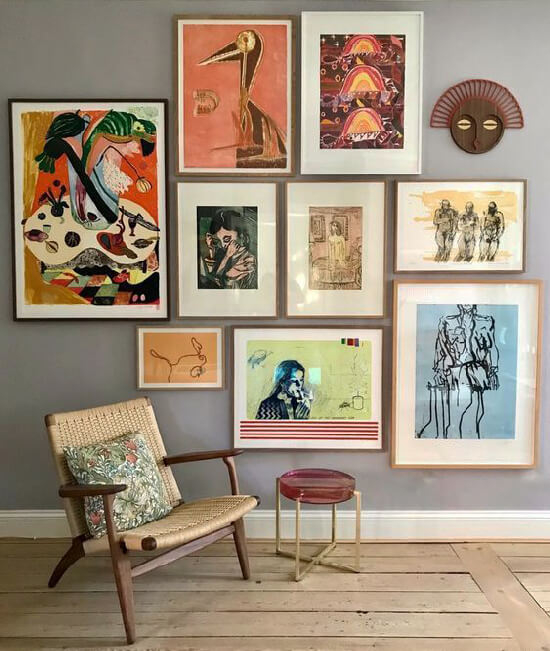
Choosing the right artwork is an art in itself, especially when aiming to curate a specific character. It goes beyond just liking a piece; it’s about how it fits into the larger picture. Consider the scale and proportion of the artwork relative to the wall and the furniture. A tiny picture on a vast wall can look lost, while an oversized piece might overwhelm a more intimate space. Think about the emotional resonance of the art. Does it evoke a sense of calm, energy, or contemplation? The subject matter, colors, and style all contribute to this. For instance, vibrant, dynamic pieces can energize a living area, while softer, more muted tones might be ideal for a bedroom seeking a peaceful ambiance. Don’t underestimate the power of a collection. A gallery wall, featuring a mix of prints, photographs, and perhaps even small sculptures, can tell a multifaceted story and add immense visual interest. When curating such a display, consider a unifying element, like a consistent frame style or a particular color theme, to maintain cohesion within the traditional setting. It’s about building a visual narrative piece by piece, ensuring each selection contributes to the overall character you want to cultivate.
Arrangement and Display: Making Art Shine
How you display your art is just as important as the art itself. In traditional settings, a more formal arrangement might be preferred, such as a symmetrical layout with pieces hung at eye level. This creates a sense of order and balance, which aligns well with traditional design principles. For example, hanging a pair of matching prints on either side of a fireplace or a central piece of furniture can create a strong focal point. However, don’t be afraid to experiment. A salon-style hanging, where multiple pieces are clustered together, can add a sense of richness and depth, especially in a library or study. The key is intentionality. Every placement should feel considered. Think about the flow of the room and how the art guides the eye. Lighting is also crucial. Proper lighting can highlight the details and colors of your artwork, making it truly come alive. Consider spotlights or picture lights to draw attention to key pieces. Furthermore, the frames themselves are an integral part of the presentation. Rich, ornate frames often complement traditional decor, but a simpler, elegant frame can also work, allowing the artwork to be the sole focus. The goal is to present your chosen pieces in a way that enhances their beauty and contributes positively to the room’s overall character.
Thematic Cohesion and Personal Expression
Curating character through wall art in traditional settings is ultimately about creating a cohesive and personal narrative. This doesn’t mean every piece has to be from the same era or style, but rather that there should be an underlying thread that connects them. This thread could be a shared theme, like a love for a particular landscape or historical period, or a consistent color palette that ties the various pieces together. Personal expression is paramount. The art you choose should reflect your own tastes, interests, and memories. Perhaps you have a collection of travel photographs that tell the story of your adventures, or inherited pieces that hold sentimental value. Integrating these personal elements into your traditional decor makes the space uniquely yours. For example, a collection of vintage botanical prints might reflect a passion for gardening, while a series of framed concert posters could hint at a lifelong love of music. These personal touches transform a beautifully decorated room into a space that truly feels lived-in and authentic. It’s about finding that sweet spot where sophisticated design meets genuine personal expression, creating a home with a soul and a story.
Practical Tips for a Timeless Look
Achieving a timeless look with wall art in traditional settings involves a few practical considerations. Firstly, invest in quality framing. Good frames not only protect your artwork but also significantly enhance its presentation. For traditional spaces, consider classic materials like wood, often in darker finishes, or elegant metal frames. Secondly, pay attention to scale and placement. Measure your walls and furniture to ensure the art is appropriately sized. A common guideline is to hang the center of the artwork at approximately eye level, around 57-60 inches from the floor. When creating a gallery wall, ensure a consistent spacing between pieces, usually 2-4 inches, to maintain a polished look. Thirdly, don’t be afraid to mix media. Combining paintings, prints, photographs, and even three-dimensional objects can add depth and visual interest. Just ensure there’s a unifying element, like color or theme, to keep it from looking too chaotic. Finally, consider the longevity of your choices. While trends come and go, classic art forms and well-chosen contemporary pieces tend to have lasting appeal. Think about pieces that you’ll continue to love for years to come. It’s about making thoughtful selections that build a rich, enduring narrative for your home.
Ultimately, the wall art in your traditional setting is more than just decoration; it’s a powerful tool for curating character and telling your unique story. It bridges the gap between historical elegance and contemporary living, allowing for personal expression within a sophisticated framework. By thoughtfully selecting, arranging, and displaying your chosen pieces, you can transform your home into a space that is not only beautiful but also deeply resonant and full of personality. Whether you lean towards timeless classics or embrace modern juxtapositions, remember that your walls are a canvas waiting for your narrative. So, go ahead, choose pieces that speak to you, arrange them with intention, and let your home’s character shine through.
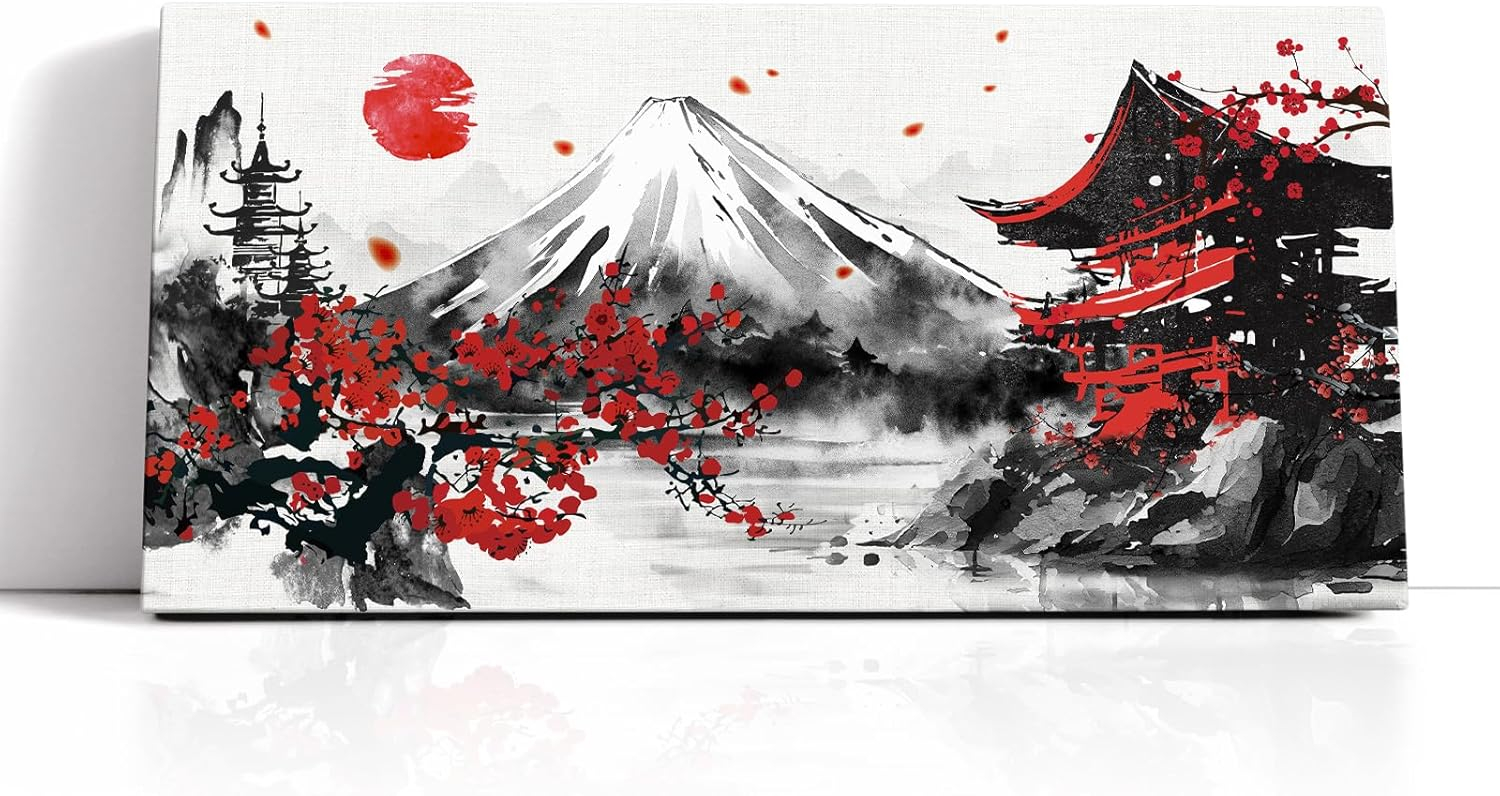
[sps_html tag=”img” src=”https://cdn.theartssection.com/wp-content/uploads/2025/08/traditional-wall-art-etsy-for-from-classic-to-contemporary-the-evolving-role-of-wall-art-in-traditional-homes.jpg” alt=”Traditional Wall Art - Etsy for From Classic to Contemporary The Evolving Role of Wall Art in Traditional Homes” style=”width: 100%; height: auto;”]
[sps_html tag=”img” src=”https://cdn.theartssection.com/wp-content/uploads/2025/08/20-best-collection-of-traditional-wall-art-inside.jpg” alt=”20 Best Collection Of Traditional Wall Art inside” style=”width: 100%; height: auto;”]
[sps_html tag=”img” src=”https://cdn.theartssection.com/wp-content/uploads/2025/08/traditional-amp-modern-wall-art-style-your-home-with-the-best-of-both-with.jpg” alt=”Traditional &Amp; Modern Wall Art - Style Your Home With The Best Of Both … with” style=”width: 100%; height: auto;”]
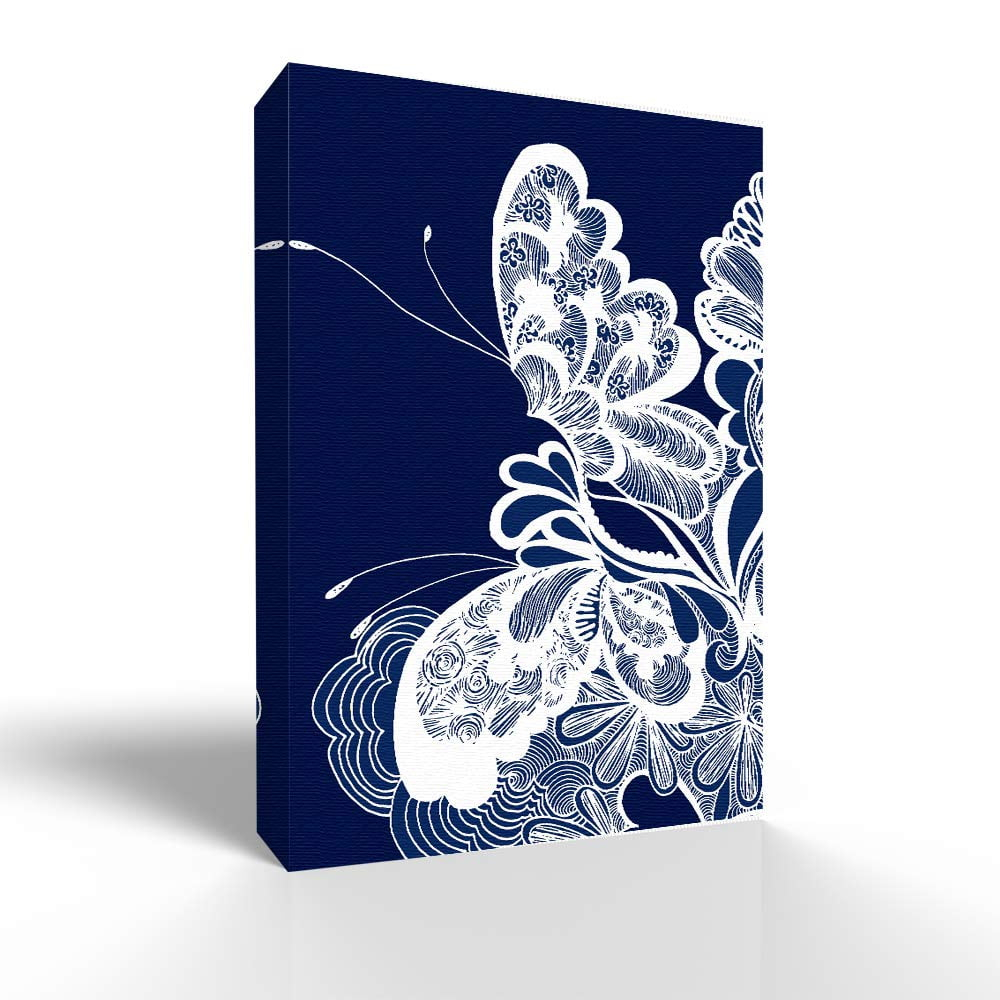
[sps_html tag=”img” src=”https://cdn.theartssection.com/wp-content/uploads/2025/08/wall26-canvas-wall-art-traditional-tie-dyeing-art-pictures-home-wall-regarding-from-classic-to-contemporary-the-evolving-role-of-wall-art-in-traditional-homes.jpeg” alt=”Wall26 Canvas Wall Art Traditional Tie-Dyeing Art Pictures Home Wall … regarding From Classic to Contemporary The Evolving Role of Wall Art in Traditional Homes” style=”width: 100%; height: auto;”]
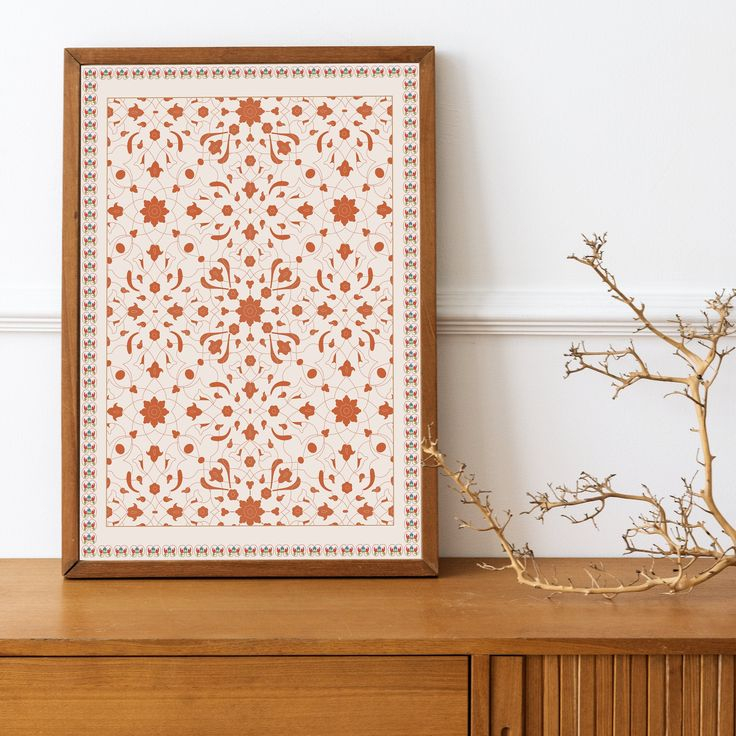
[sps_html tag=”img” src=”https://cdn.theartssection.com/wp-content/uploads/2025/08/traditional-indian-art-and-islamic-art-inspired-pattern-wall-prints-for-regarding-from-classic-to-contemporary-the-evolving-role-of-wall-art-in-traditional-homes.jpg” alt=”Traditional Indian Art And Islamic Art Inspired Pattern Wall Prints For … regarding From Classic to Contemporary The Evolving Role of Wall Art in Traditional Homes” style=”width: 100%; height: auto;”]