
Ever walked into a room that felt less like a cozy haven and more like a subterranean cave. We have all been there. You have got a tiny spare bedroom, a cramped hallway, or a basement studio where the sun rays barely reach. It is easy to feel defeated by these challenging spaces, but here is the good news: you do not need to knock down walls to change how a room feels. Paint possesses a kind of everyday magic.
Choosing the right shade for a dim, small room isn’t just about picking a color you like in the store. It is about understanding how pigment interacts with the lack of light. If you have ever slapped a bright white on a dark wall only for it to turn a depressing shade of dishwater gray, you already know the struggle. Let us break down how to actually fix this.
The Myth of the All-White Room
We have been told for decades that if a room is small, you must paint it stark white to make it look bigger. But let’s be real for a moment. White paint needs light to bounce around. When you put a brilliant white in a room with tiny windows or no natural light at all, there is nothing for the paint to reflect. Instead of feeling open, the walls cast shadows, making the room look dingy and sad.
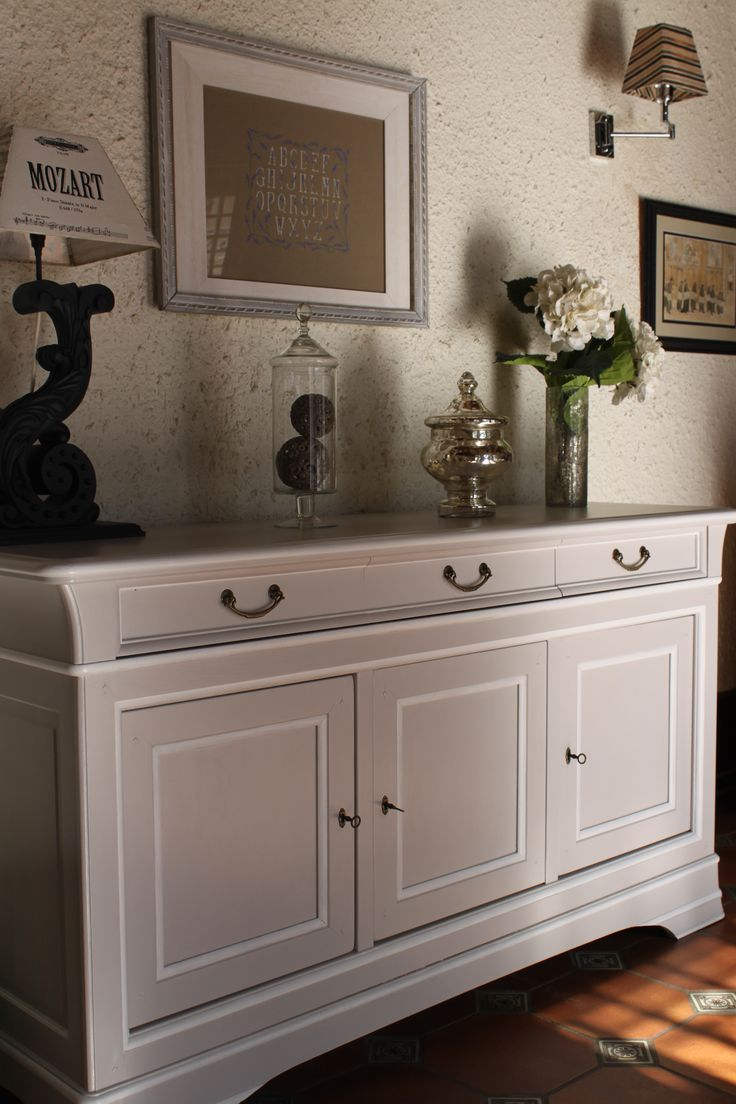
Instead of stark white, look for whites with warm undertones—like cream, ivory, or a soft vanilla. These shades have a tiny bit of yellow or pink buried in them, which helps fake the warmth of the sun. It makes the space feel intentional and lived-in rather than like a sterile clinic that forgot to turn on the lights.
Embracing the Dark Side
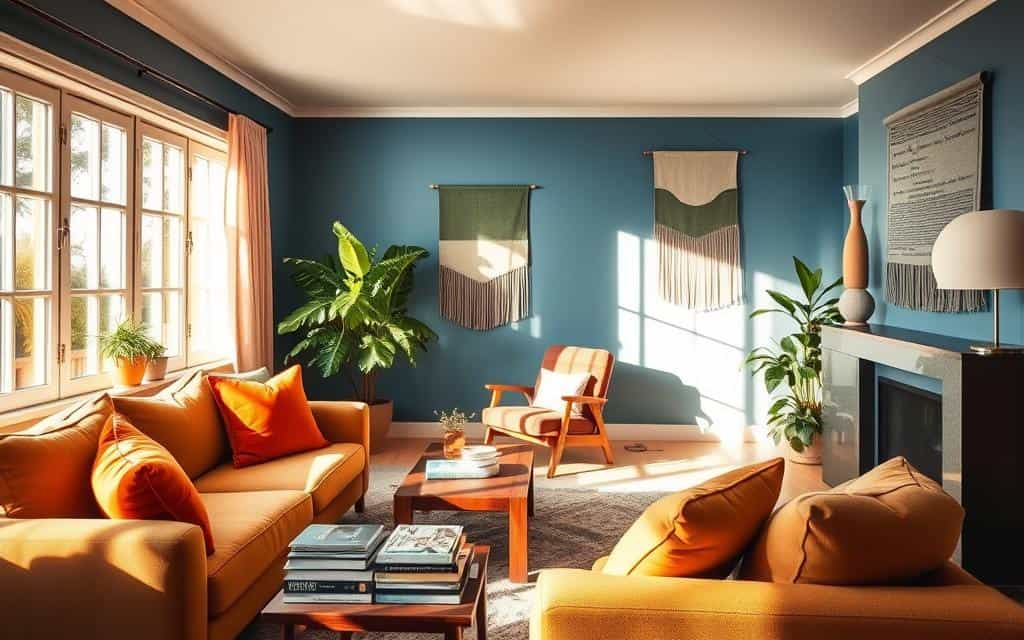
Here is a radical thought: what if you stop fighting the darkness and lean into it instead. Sometimes, trying to make a tiny, dim room look huge is a losing battle. Instead, you can turn it into a moody, sophisticated jewel box. Deep colors like charcoal, navy blue, or a rich forest green can work absolute wonders in small spaces.
When you paint a small room a dark color, the corners disappear. The lack of contrast means your eyes cannot easily tell where one wall ends and another begins, creating an illusion of depth. It feels incredibly cozy and high-end, perfect for a library, a media room, or a bedroom where you just want to curl up and sleep.
The Magic of Soft Grays and Muted Greens
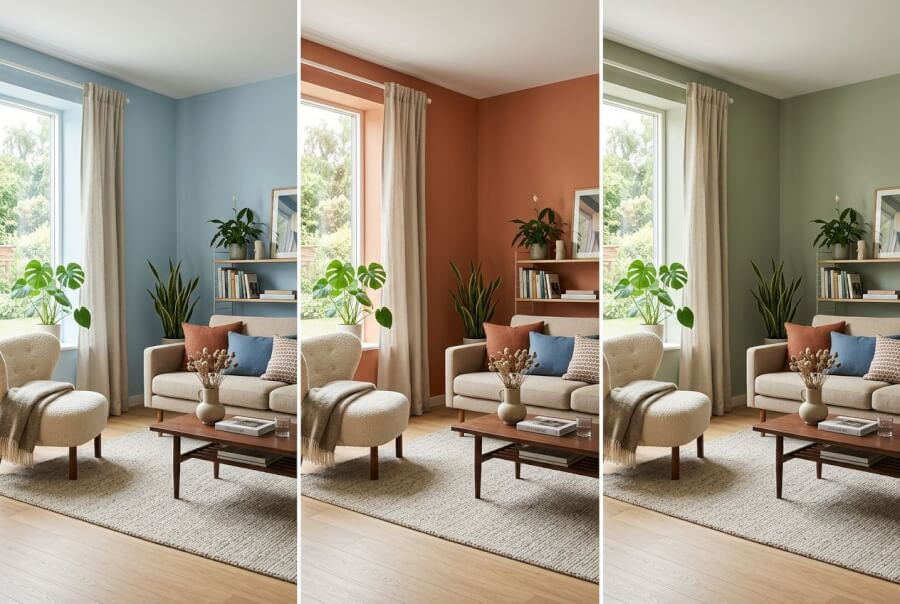
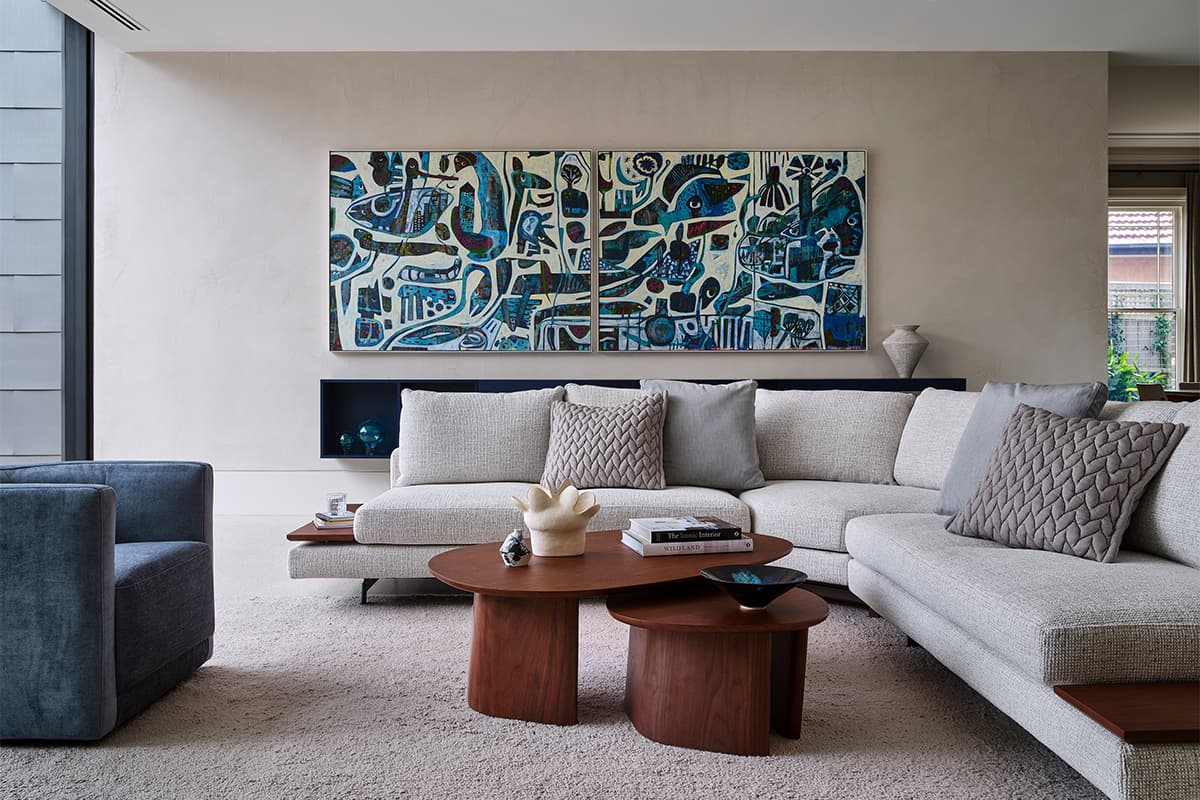
If deep colors feel a bit too scary, there is a middle ground. Soft, muted mid-tones are your best friend. Think of colors like a gentle sage green, a dusty lavender, or a warm greige (that perfect mix of gray and beige). These colors have enough pigment to hold their own in low light without washing out.
Earth tones are especially great because they connect the indoor space to the natural world outside, even if your actual view is just a brick wall. A soft sage green feels peaceful and breezy. It gives the brain a sense of freshness and breathing room, which is exactly what a cramped space needs.
Paying Attention to the Paint Finish
Most people spend hours agonizing over the color swatch but don’t think twice about the sheen. That is a big misake. The finish of your paint determines how much light actually bounces off the walls. In a dark room, a flat or matte finish will absorb the little light you have, making the space feel heavier.
On the flip side, a super shiny high-gloss can create a lot of glare and show every single imperfection on your drywall. The sweet spot is usually an eggshell or satin finish. These options have just enough pearl-like luster to gently redirect light around the room without looking like a mirror.
Coordinating the Ceiling and Trim
When you are dealing with tight quarters, painting your trim and ceiling a contrasting bright white can actually chop up the room visually. Every time your eye hits a line of white trim, it registers a boundary. This makes the room feel smaller and more boxed in.
To combat this, try painting the baseboards, trim, and doors the exact same color as the walls. You can use a semi-gloss on the trim for durability, but keeping the hue identical creates a seamless flow. For the ceiling, use the wall color diluted by about 50% with white paint, which draws the eye upward and makes the ceiling feel higher.
No matter how perfect your paint choice is, it cannot work in total darkness. The secret weapon for low-light rooms is layering your artificial light. Do not rely on a single, harsh overhead bulb that casts scary shadows downward.
Instead, mix in table lamps, floor lamps, and maybe even wall sconces. Use warm-toned LED bulbs (around 2700K to 3000K) to mimic natural evening sun. When these warm lights wash over your carefully chosen wall color, the entire room will instantly transform into a cozy, inviting retreat.
Decorating a home is all about experimenting and finding what makes you feel comfortable. There are no strict laws, only guidelines to help you avoid common pitfalls. Take your time, buy a few small sample pots, and paint large swatches on different walls. Watch how the color changes from morning to night. With a little patience, you will turn that gloomy, forgotten corner into your absolute favorite spot in the house.