Have you ever walked into a room and felt an instant wave of calm, just because the wallpaper had rolling vines and tiny hidden birds on it? It is funny how things from more than a century ago can feel so fresh right now in 2026. We live in a super fast world filled with glass screens and shiny gadgets, yet many of us want our homes to feel grounded and warm. That desire is exactly why historic patterns refuse to fade away.
People often crave comfort when life gets too complicated. Looking at block-printed florals or deep earthy greens gives our brains a little break. These old designs remind us of slow afternoons and walks through quiet woods. They do not shout for attention; instead, they wrap around a room like a cozy wool blanket.
The Roots of Arts and Crafts
Long ago, a visionary named William Morris looked around and hated what the industrial age was doing to handmade craft. He believed that mass-produced items lacked soul and that people needed art in their everyday lives. His solution was to look closely at nature and draw what he saw. He spent hours studying meadow flowers, wild fruit trees, and twisting branches.
By turning those observations into repeating prints, he created a bridge between humanity and the outdoors. Even though his workshop started way back in the Victorian era, the philosophy behind it feels surprisingly modern today. We still want our living spaces to reflect the real world outside our windows instead of feeling like sterile boxes.
Bringing Wild Meadows Indoors
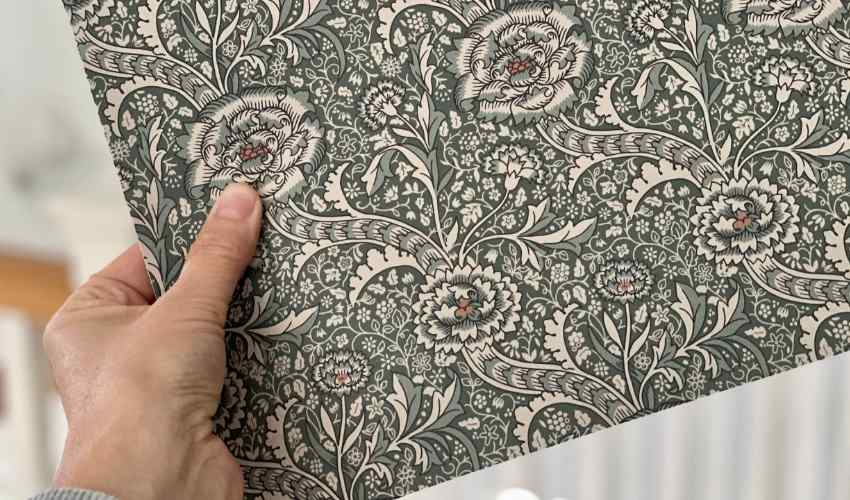
One big reason these textiles and wallpapers remain loved is their deep love for plants and animals. You will spot strawberries, willow branches, and plump thrushes hiding in the vines. These are not just random drawings. They tell a story about the British countryside.
When you put a botanical print on your living room wall, you bring a slice of the garden inside your house. This works wonders for apartments or city flats where green space is hard to find. It tricks your senses into feeling closer to nature, which makes any room feel instantly more alive and breathable.
Craftsmanship Versus Fast Decor
Nowadays, we can buy cheap home decor items with just one click and have them delivered by tomorrow. But those trendy pieces often lose their charm after a few months. Historic patterns represent the exact opposite of fast decor. They are rooted in traditional craftsmanship, block printing, and durable textiles that are built to last for decades.
Investing in a classic print means you will not have to redecorate next year when trends shift. These patterns have already survived over a hundred years of changing tastes, so they are practically bulletproof. They carry a sense of history and permanence that modern minimalism sometimes misses.
Mixing Old Worlds with New Spaces
You might wonder if a heavy floral wallpaper will make a modern apartment look like your grandmother’s house. Surprisingly, it does the exact opposite. When you pair a rich, historic pattern with clean-lined contemporary furniture, magic happens. The contrast creates visual balance.
A bold vintage print on a single accent wall can warm up a stark white room without overwhelming it. You can also use smaller touches, like throw pillows or lampshades, to test the waters. It is all about finding a happy medium where past and present live together nicely.
The Psychology of Cozy Spaces
Our homes shape our moods more than we realize. Bright neon lights and ultra-slick surfaces can sometimes make us feel edgy or stressed. On the flip side, rich jewel tones, deep indigos, and leafy motifs send signals of safety and peace to our nervous systems.
This need for emotional shelter explains why heritage designs are having such a massive moment in 2026. We want our bedrooms and studies to be sanctuaries. Surrounding ourselves with organic shapes and heritage colors helps quiet down the constant noise of daily life.
If you want to bring some of this timeless magic into your own home, you do not need to overhaul everything at once. Start small. Look for a vintage-style ceramic vase, a patterned tray, or an upholstered armchair featuring winding botanical illustrations.
Remember to keep the surrounding decor relatively simple so the pattern can really shine. Let it be the star of the show. By mixing heritage textiles with plain textures like raw linen or warm wood, you create a layered, lived-in look that feels authentic and deeply personal.
At the end of the day, our homes should tell the story of who we are and what we love. Historic patterns endure because they speak a universal language of nature, beauty, and human creativity. They remind us that some things are simply too good to ever go out of style, no matter how much the world changes around us.