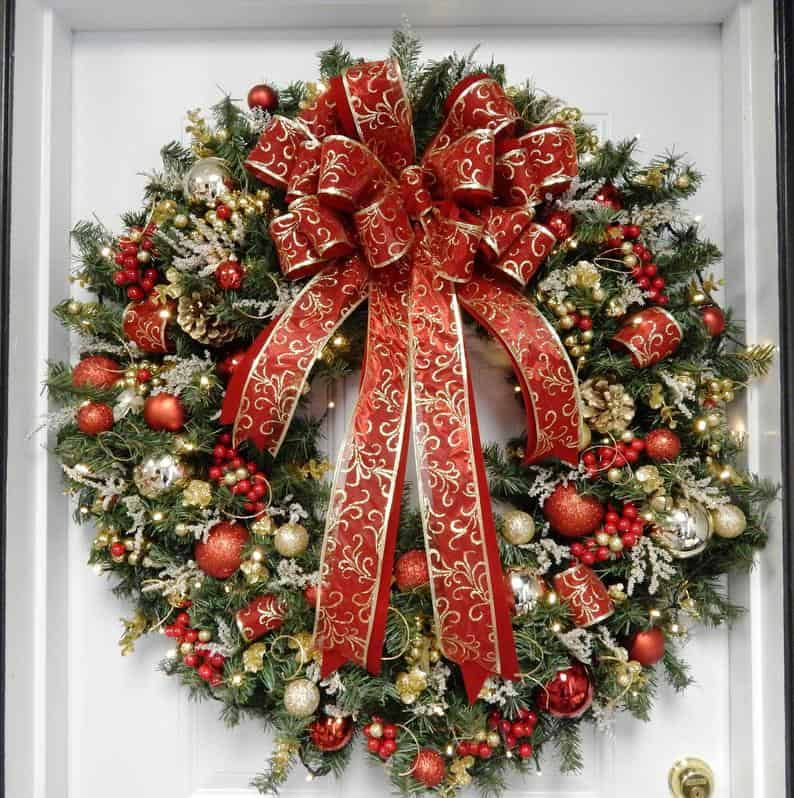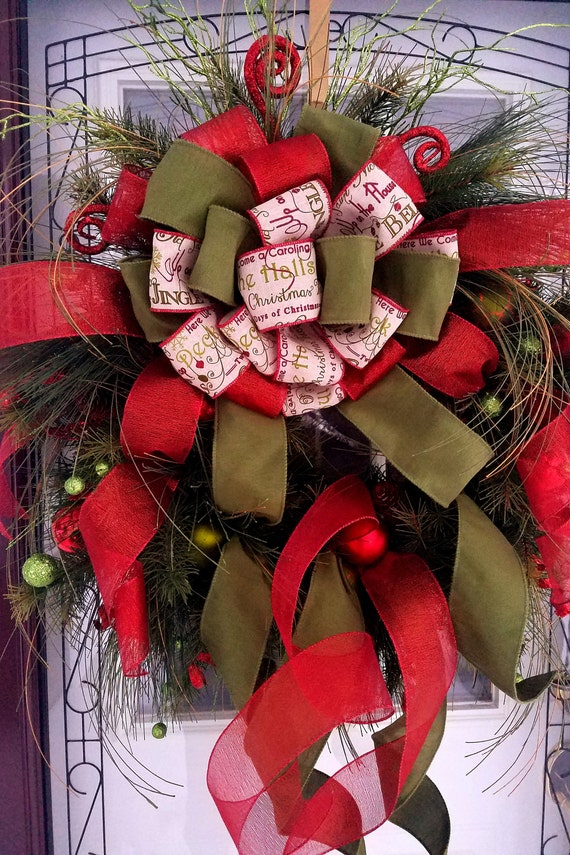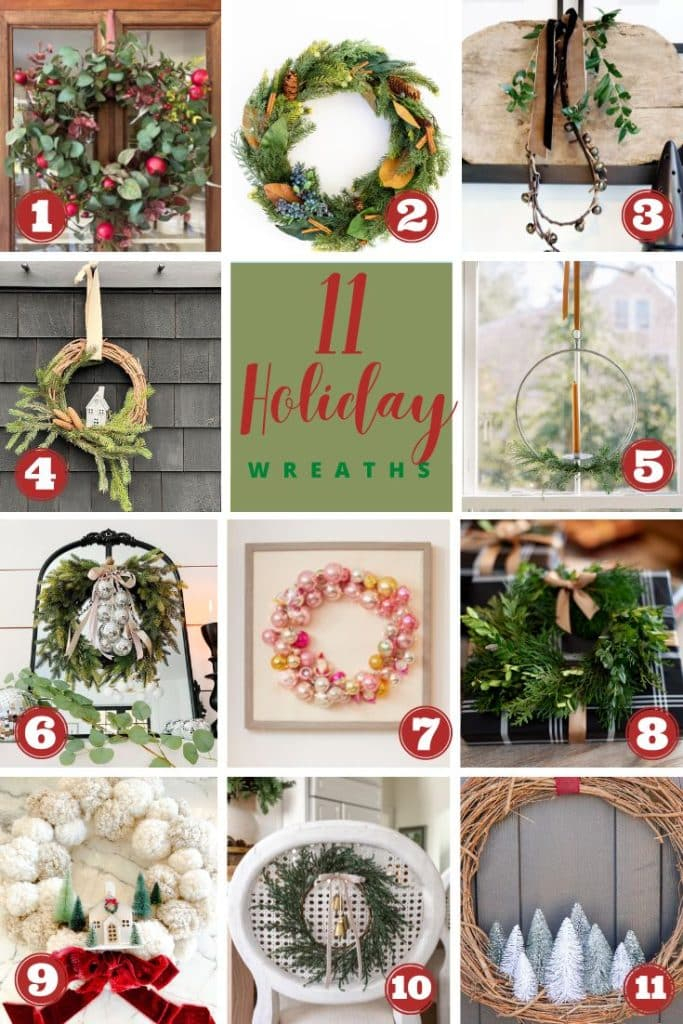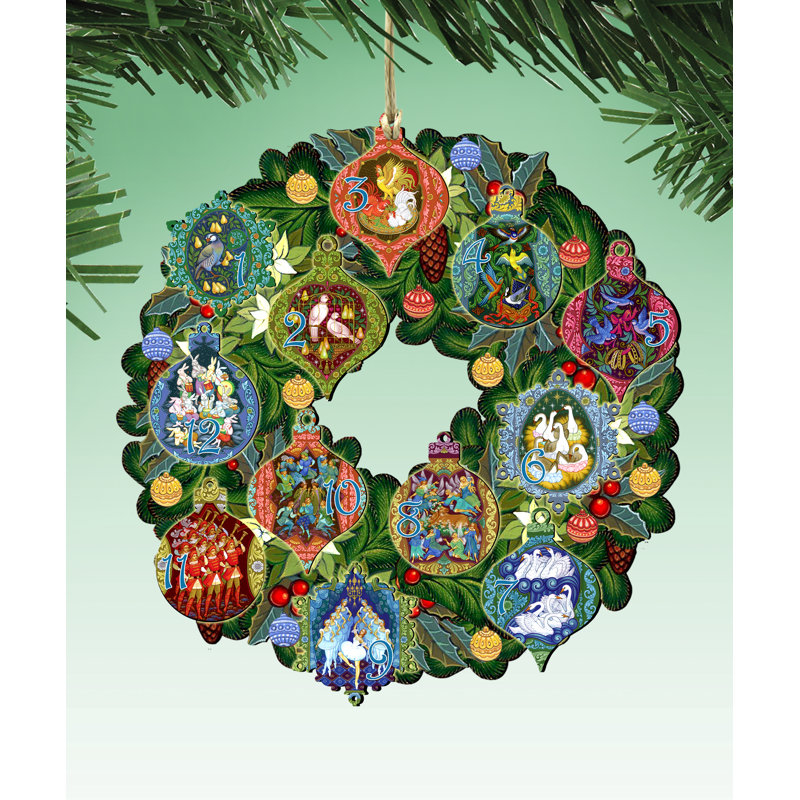
There’s something magical about a handmade Christmas wreath that comes from generations of tradition. These aren’t just decorations – they’re heirlooms that carry stories, skills, and memories forward through the seasons. When you hold a traditional wreath, you’re touching centuries of craftsmanship passed down through families, communities, and cultures.
Every December, as winter’s grip tightens across the land, people everywhere begin their annual ritual of preparing for the holiday season. But among all the festive activities, few things capture the heart of Christmas quite like a handcrafted wreath. These circular symbols of celebration have been woven into our traditions for hundreds of years, carrying with them the wisdom of countless generations who understood that the best gifts come from the heart, not the store shelves. The art of creating these beautiful ornaments isn’t just about the final product – it’s about connecting with something deeper than modern trends or mass-produced solutions.
The Foundation of Traditional Wreath Crafting
At its core, making a traditional Christmas wreath starts with understanding the fundamental materials that have sustained this craft for centuries. The base structure often begins with a wire frame or grapevine wreath, which provides the essential shape and foundation. This might seem simple, but the choice between different types of wire or natural materials makes all the difference in how the finished piece will look and last.
Many traditional makers prefer grapevine because it’s naturally flexible and has a rustic beauty that complements the holiday spirit perfectly. Others opt for willow branches or even straw, depending on what grows abundantly in their local area. The key is knowing that the base needs to be sturdy enough to hold the weight of whatever decorations you plan to add while still maintaining its circular form.
Consider this example: A grandmother in rural Maine might use a simple wire ring she bought at the hardware store, while someone in the Pacific Northwest might find a fallen branch and bend it into shape themselves. Both approaches work, but each reflects the maker’s environment and available resources.
Natural Materials and Their Cultural Significance
Traditional wreath making relies heavily on materials found in nature, and each element carries cultural meaning that extends far beyond simple decoration. Evergreen branches, particularly pine, spruce, and fir, represent life continuing through winter’s harshness. These needle-leaved trees were chosen not just for their appearance, but for their symbolic importance in many winter celebrations.
Bergamot, holly, and mistletoe also play important roles in many traditional designs. Holly brings its sharp leaves and bright red berries as symbols of protection and good fortune. Mistletoe represents fertility and friendship, while bergamot offers a sweet scent that fills the air during cold months. Even the way these materials are arranged tells a story about the culture and values of those who created them.
Some families have recipes passed down through generations – like how to select the perfect evergreen branches or when to harvest certain materials for maximum fragrance. The timing matters as much as the materials themselves. A wreath made in late fall may smell different than one crafted in early winter, and that subtle variation adds authenticity to the experience.
The Importance of Proper Preparation
Before diving into the actual weaving or arranging process, proper preparation makes all the difference. This step might seem minor, but it’s where many beginners stumble. Fresh materials need to be prepared correctly to ensure they’ll hold their shape and stay vibrant through the holiday season.
Watering fresh branches before beginning work is crucial. Many traditional craftspeople swear by soaking materials overnight, especially if they’ve been cut recently. This helps maintain flexibility and prevents breakage during the delicate process of wrapping and arranging. Some makers even keep a small container of water nearby while working, adding moisture to materials as needed.
Another essential aspect involves cleaning and sorting materials. Branches must be free of debris, and leaves should be evenly distributed. This attention to detail shows respect for the materials and ensures a professional-looking result. When you see a truly well-made wreath, it’s often because someone took time to prepare everything properly before starting the actual construction.
Time-Tested Construction Methods
Traditional techniques for building wreaths have evolved over hundreds of years, but the basic principles remain remarkably consistent. The most common method involves starting with a central focal point and building outward in layers. This approach creates visual balance and allows for easy adjustments during construction.
One popular technique uses a spiral pattern, where materials are wrapped around the base in a continuous loop, gradually building up the thickness and fullness of the design. This method works particularly well with soft materials like evergreen branches. Another approach involves creating sections or clusters that are then attached to the base, offering more variety in texture and appearance.
The key is understanding that traditional methods often prioritize stability over speed. A wreath built quickly might look nice initially, but it won’t hold up to the test of time like one constructed with patience and proper technique. Many experienced makers spend hours carefully placing each element, ensuring everything stays in position and contributes to the overall aesthetic.
Seasonal Color and Design Philosophy
Traditional Christmas wreath making isn’t just about greenery – it’s about creating a visual representation of the season itself. Colors in these arrangements often reflect the natural palette of winter landscapes, from deep forest greens to the warm golds and reds of berries and bark.
The philosophy behind traditional designs tends to favor harmony over contrast. Instead of clashing colors, makers typically choose materials that complement each other naturally. For instance, red berries might be paired with dark green branches rather than bright yellow flowers. This creates a more cohesive and calming effect that fits the quiet contemplation often associated with winter holidays.
Many traditional approaches also incorporate seasonal elements like pine cones, which represent the abundance of nature even in winter. These small details make a big impact on the overall feeling of the piece. Some makers even add personal touches like ribbons in family colors or small ornaments that tell a story about their heritage or the people they’re celebrating.
Preservation and Longevity Techniques
A truly traditional wreath should last through multiple holiday seasons, and that requires understanding preservation methods that have been used for generations. Natural materials, when properly cared for, can remain beautiful for years, making them valuable additions to any home.
Drying techniques vary based on climate and available space. Some makers hang wreaths upside-down in cool, dry places to allow natural drying without losing their shape. Others prefer to place them in areas with good air circulation but away from direct sunlight, which can fade colors over time.
Modern preservation methods sometimes include light applications of hairspray or special wreath preservatives, though traditionalists often prefer to let nature take its course. The goal remains the same: keeping the wreath looking fresh and beautiful for as long as possible. Some families have wreaths that have been passed down for decades, with careful maintenance ensuring they continue to be treasured decorations year after year.
Traditional Christmas wreath making represents more than just a craft – it’s a living connection to our past and a way of preserving cultural knowledge for future generations. Every twist of wire, every placement of a pine branch, and every careful arrangement of seasonal elements tells a story about the people who came before us and the values they held dear. Whether you’re a seasoned crafter or someone just beginning to explore this wonderful art form, there’s something deeply satisfying about working with natural materials and following time-tested methods that have brought joy to countless families over the centuries. The effort you put into making a traditional wreath becomes part of that legacy, creating a bridge between old-world wisdom and modern celebrations. When you display such a creation, you’re not just decorating your home – you’re honoring traditions that stretch back through generations of thoughtful craftsmanship.
[sps_html tag=”img” src=”https://cdn.theartssection.com/wp-content/uploads/2025/10/how-to-make-a-vintage-ornament-wreath-without-glue-happy-happy-nester-pertaining-to-12-days-of-christmas-wreath.jpg” alt=”How To Make A Vintage Ornament Wreath (Without Glue) - Happy Happy Nester pertaining to 12 Days Of Christmas Wreath” style=”width: 100%; height: auto;”]
[sps_html tag=”img” src=”https://cdn.theartssection.com/wp-content/uploads/2025/10/christmas-wreath-twelve-days-of-christmas-wreath-moss-green-etsy-with-regard-to-creating-a-stunning-12-days-of-christmas-wreath-that-lasts-all-season-long.jpg” alt=”Christmas Wreath Twelve Days Of Christmas Wreath Moss Green | Etsy with regard to Creating a Stunning 12 Days of Christmas Wreath That Lasts All Season Long” style=”width: 100%; height: auto;”]
[sps_html tag=”img” src=”https://cdn.theartssection.com/wp-content/uploads/2025/10/the-holiday-aisle-12-days-of-christmas-wreath-door-hanger-reviews-with-regard-to-creating-a-stunning-12-days-of-christmas-wreath-that-lasts-all-season-long.jpg” alt=”The Holiday Aisle® 12 Days Of Christmas Wreath Door Hanger & Reviews … with regard to Creating a Stunning 12 Days of Christmas Wreath That Lasts All Season Long” style=”width: 100%; height: auto;”]
[sps_html tag=”img” src=”https://cdn.theartssection.com/wp-content/uploads/2025/10/15-super-cute-christmas-wreath-designs-youll-love-to-hang-within-creating-a-stunning-12-days-of-christmas-wreath-that-lasts-all-season-long.jpg” alt=”15 Super Cute Christmas Wreath Designs You'll Love To Hang within Creating a Stunning 12 Days of Christmas Wreath That Lasts All Season Long” style=”width: 100%; height: auto;”]
[sps_html tag=”img” src=”https://cdn.theartssection.com/wp-content/uploads/2025/10/12-days-of-christmas-wreaths-in-12-days-of-christmas-wreath.jpg” alt=”12 Days Of Christmas – Wreaths in 12 Days Of Christmas Wreath” style=”width: 100%; height: auto;”]