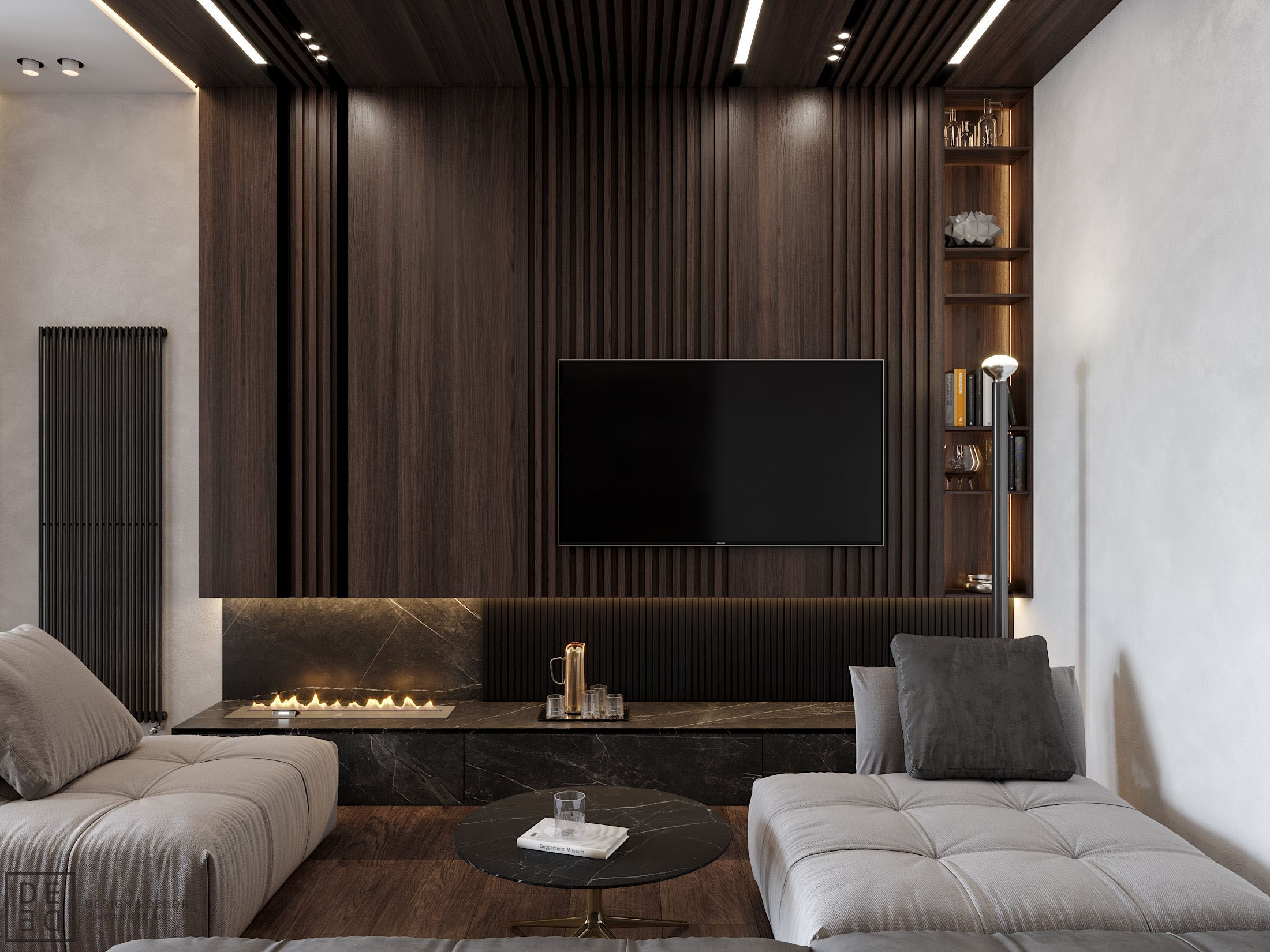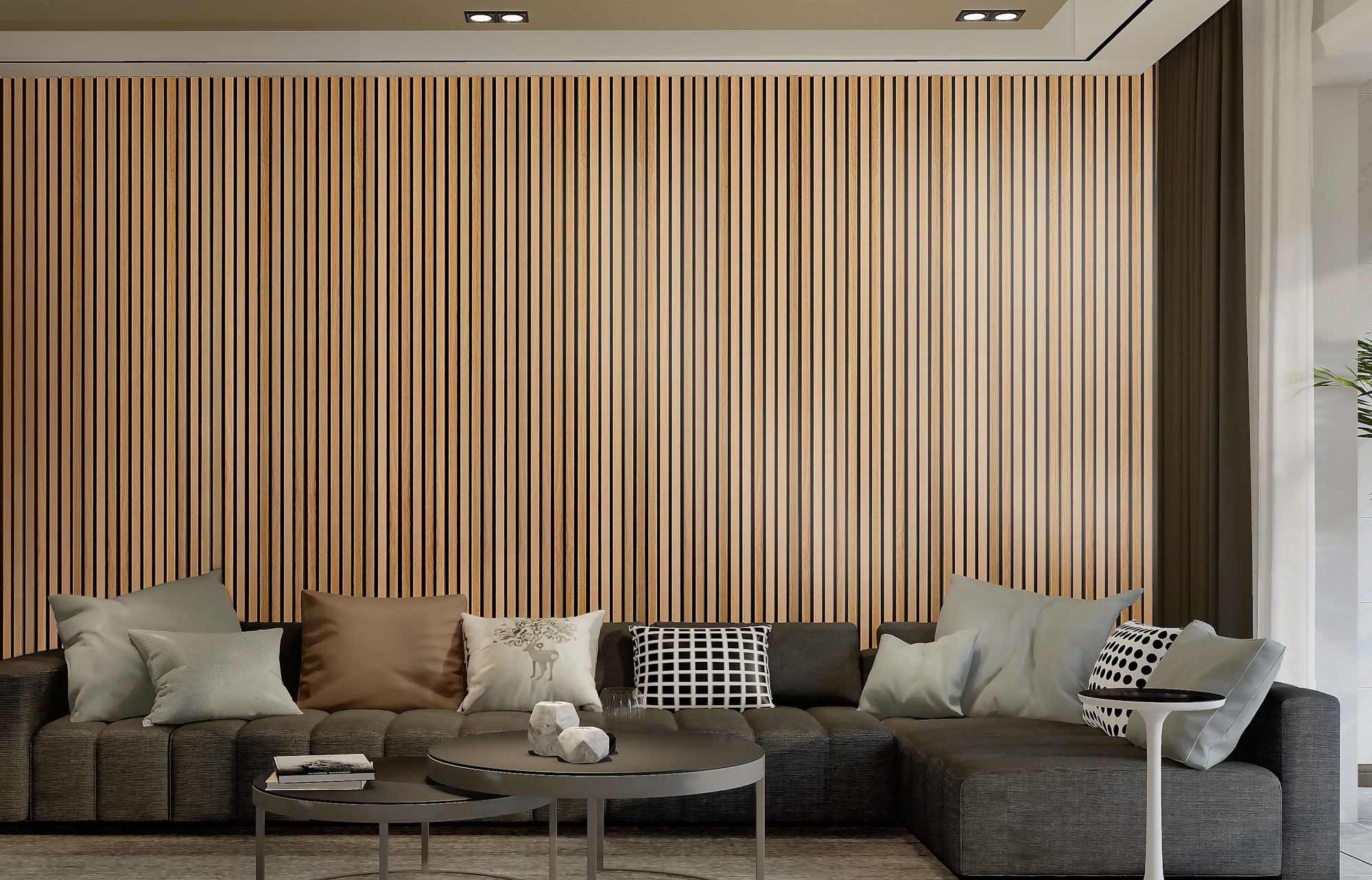
Imagine walking into a room where conversations flow naturally, where music doesn’t bounce off hard walls, and where the gentle hum of office equipment doesn’t echo like a stadium announcement. This isn’t just a dream – it’s becoming reality thanks to a clever solution hiding in plain sight: 3D wood slat panels. These aren’t just beautiful architectural features; they’re acoustic powerhouses that quietly transform how sound behaves in our indoor spaces.
In today’s world, where we spend most of our time indoors, understanding how sound moves through spaces has become more important than ever. Whether you’re designing a cozy home office, planning a bustling coffee shop, or creating a serene hospital waiting area, the way sound behaves can make or break the experience. Enter 3D wood slat panels – those elegant, three-dimensional wall systems that look stunning but pack a powerful acoustic punch. What many people don’t realize is that these panels don’t just add visual interest to a space; they fundamentally change how sound waves interact with interior surfaces. The question isn’t whether they work – it’s how well they work and why.
What Makes 3D Wood Slat Panels Special for Sound Control
Picture this: you’re standing in a large open office space. Without any acoustic treatment, every conversation, keyboard click, and printer beep ricochets off the walls and ceiling like a game of ping-pong. Now imagine that same space with strategically placed 3D wood slat panels. Suddenly, the noise becomes more manageable, more pleasant to the ear. This dramatic difference comes from the unique physical properties of these panels.
Unlike flat surfaces that reflect sound waves back into the room, 3D wood slat panels have a complex geometry that disrupts sound waves before they can bounce around. Think of it like a forest – trees don’t just stand there; they catch, scatter, and absorb the wind. Similarly, these panels catch sound waves and redirect them in ways that reduce unwanted echoes and reverberation.
The material itself matters too. Wood naturally absorbs certain frequencies better than other materials. When combined with the three-dimensional design, the result is a panel that can manage mid-range frequencies particularly well – exactly the frequencies that often cause problems in interior spaces. The slats themselves create multiple surfaces for sound to interact with, increasing the surface area that can absorb energy rather than reflect it.
The Science Behind How They Absorb Sound
Let’s get a bit technical for a moment, but don’t worry – it’s straightforward stuff. Sound travels in waves, and when these waves hit different surfaces, they either bounce back, pass through, or get absorbed. Hard surfaces like concrete, glass, and metal tend to reflect sound, creating what we call reverberation – that annoying echo effect that makes speech unclear and music harsh.
3D wood slat panels work because they create what scientists call "diffusion" and "absorption." Diffusion happens when sound waves hit the angled surfaces of the slats and scatter in multiple directions instead of bouncing straight back. Absorption occurs when the wood fibers actually soak up some of the sound wave energy and convert it into heat. The combination means that instead of sound bouncing around the room, it gets gently redirected and reduced.
The thickness and spacing of the slats matter enormously. Panels with wider gaps between slats are better at absorbing low-frequency sounds, while narrower gaps handle high frequencies more effectively. This is why architects often specify different panel configurations for different applications – a conference room might need more low-frequency absorption, while a recording studio might require more high-frequency control.
Research shows that properly designed 3D wood slat panels can reduce reverberation times by up to 40% compared to standard drywall installations. That’s significant when you consider that even a 10% reduction in reverberation can make a noticeable difference in speech intelligibility.
Real-World Applications Where They Shine
These panels aren’t just theoretical concepts – they’re being used everywhere. In educational settings, schools are discovering that 3D wood slat panels dramatically improve classroom acoustics. Students with hearing difficulties suddenly find it easier to follow along during lessons. Teachers report fewer instances of having to repeat instructions, and overall learning environments become more conducive to focus.
Office spaces are another major beneficiary. Open floor plans, while great for collaboration, can create chaotic acoustic environments. Companies like Google and Microsoft have installed these panels in their workspaces, resulting in measurable improvements in employee satisfaction and productivity. The reduction in background noise allows for more natural conversations and less mental fatigue from trying to filter out distractions.
Healthcare facilities have found tremendous value in these panels. Hospitals and clinics benefit from reduced noise levels that help patients rest better and staff communicate more effectively. The calming appearance of wood, combined with the acoustic benefits, creates healing environments that support recovery.
Even residential applications show promise. Home theaters, music rooms, and quiet study areas all benefit from the controlled sound environment these panels provide. The aesthetic appeal of natural wood adds warmth to spaces that might otherwise feel sterile or cold.
Design Considerations and Placement Strategies
Not all 3D wood slat panels are created equal, and placement is crucial to getting the best results. The first thing to consider is the size and shape of your space. A small room might only need strategic placement of a few panels, while a large open area may require a more systematic approach.
Think about the primary activities happening in the space. If it’s a lecture hall, you’ll want panels positioned to reduce echo on the back wall and possibly the side walls. For a restaurant kitchen, you might place panels above the prep areas to control cooking noise. The key is understanding how sound moves through the space and positioning the panels accordingly.
The height at which you install the panels also matters. Installing panels at ear level tends to be most effective for speech clarity, while higher placement can help with general room acoustics. Many designers recommend placing panels between 6 and 8 feet high for optimal results in most commercial applications.
Don’t forget about the surrounding materials. If you’re installing panels in a space with lots of reflective surfaces like glass or metal, you’ll get better results than if you’re working with already soft materials. The contrast helps the panels do their job more effectively.
Consider using a combination of different panel types. Some spaces benefit from panels with varying slat widths, while others might need a mix of vertical and horizontal orientation to address different acoustic challenges.
Cost-Benefit Analysis and ROI Considerations
One of the most compelling aspects of 3D wood slat panels is their cost-effectiveness when viewed over time. While the initial investment might seem significant compared to standard wall treatments, the long-term benefits often justify the expense. Consider the cost of addressing acoustic issues after construction is complete – that could easily run into thousands of dollars more than investing in proper acoustic solutions upfront.
The return on investment becomes clearer when you factor in productivity gains. Studies have shown that improved acoustics in offices can increase worker productivity by up to 15%. In educational settings, better acoustic conditions can lead to improved test scores and reduced behavioral issues. Healthcare facilities see reduced patient stress and faster recovery times, which translate to operational savings.
Maintenance costs also favor these panels. Unlike fabric acoustic treatments that need regular cleaning and replacement, wood slat panels are durable and easy to clean. They don’t harbor dust mites or bacteria like some other materials might. The longevity of good-quality wood panels means they can last decades with minimal upkeep.
When comparing total costs over a 10-year period, the investment in 3D wood slat panels often pays for itself through reduced noise-related problems and improved user satisfaction. Many organizations report that the improved acoustic quality alone justifies the expense.
Choosing the Right Panel for Your Space
With so many options available, choosing the right 3D wood slat panel requires understanding your specific needs. Start with identifying the main acoustic challenge you’re facing. Is it excessive reverberation? Background noise? Poor speech intelligibility?
Material selection plays a huge role. Different woods have different acoustic properties. Oak tends to offer good low-frequency absorption, while maple works well across the frequency spectrum. Cedar provides natural antimicrobial properties, which can be valuable in healthcare settings. The grain pattern and finish also affect how light reflects off the surface, which impacts the visual appeal.
Panel dimensions matter significantly. Wider slats generally work better for low-frequency control, while narrower slats excel at managing high frequencies. The spacing between slats affects the panel’s performance across various frequencies. Some manufacturers offer customizable options, allowing you to optimize for your specific acoustic requirements.
Consider the installation method. Some panels are designed to hang from the ceiling, while others mount directly to walls. The mounting system affects both the acoustic performance and the ease of installation. Ceiling-mounted panels can provide more uniform coverage in large open areas, while wall-mounted options offer flexibility for smaller spaces or areas with existing furniture.
Look for panels that meet industry standards for fire resistance and environmental impact. Many modern panels are certified for use in commercial buildings and meet green building standards. These certifications ensure you’re getting products that perform well and won’t compromise safety or sustainability goals.
The acoustic revolution happening in interior spaces isn’t just about making things quieter – it’s about creating environments that truly work for people. 3D wood slat panels represent a perfect marriage of form and function, offering designers and architects a tool that enhances both the visual and auditory experience of indoor spaces. As we continue to spend more time in enclosed environments, the importance of thoughtful acoustic design becomes increasingly apparent.
These panels remind us that sometimes the most elegant solutions are the simplest ones. They’re not flashy or attention-grabbing, but they work consistently and reliably. Whether you’re designing a modern office, a peaceful home, or a bustling public space, the right acoustic treatment can make all the difference in how people feel and function within those environments. The evidence is clear: when we pay attention to how sound behaves in our spaces, we create better experiences for everyone who enters them. The future of interior design lies not just in how things look, but in how they sound – and 3D wood slat panels are leading the charge in that direction.
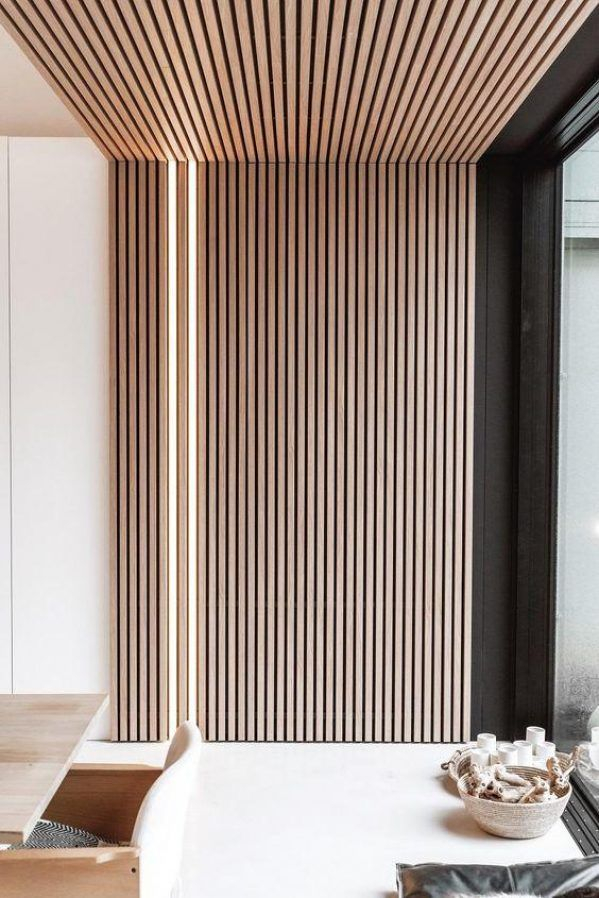
[sps_html tag=”img” src=”https://cdn.theartssection.com/wp-content/uploads/2025/11/10-impressive-acoustic-panels-to-transform-your-interior-arch2o-com-regarding-understanding-the-acoustic-performance-of-3d-wood-slat-panels-in-interior-spaces.jpg” alt=”10 Impressive Acoustic Panels To Transform Your Interior - Arch2O.com … regarding Understanding the acoustic performance of 3D wood slat panels in interior spaces” style=”width: 100%; height: auto;”]
[sps_html tag=”img” src=”https://cdn.theartssection.com/wp-content/uploads/2025/11/slat-wall-panel-interior-at-jennifer-dermody-blog-inside-art3d-4-piece-wood-slat-acoustic-panels-3d-textured-panel-for-ceiling-and-wall-a31hz004.jpg” alt=”Slat Wall Panel Interior At Jennifer Dermody Blog inside Art3D 4-Piece Wood Slat Acoustic Panels 3D Textured Panel For Ceiling And Wall, A31Hz004″ style=”width: 100%; height: auto;”]
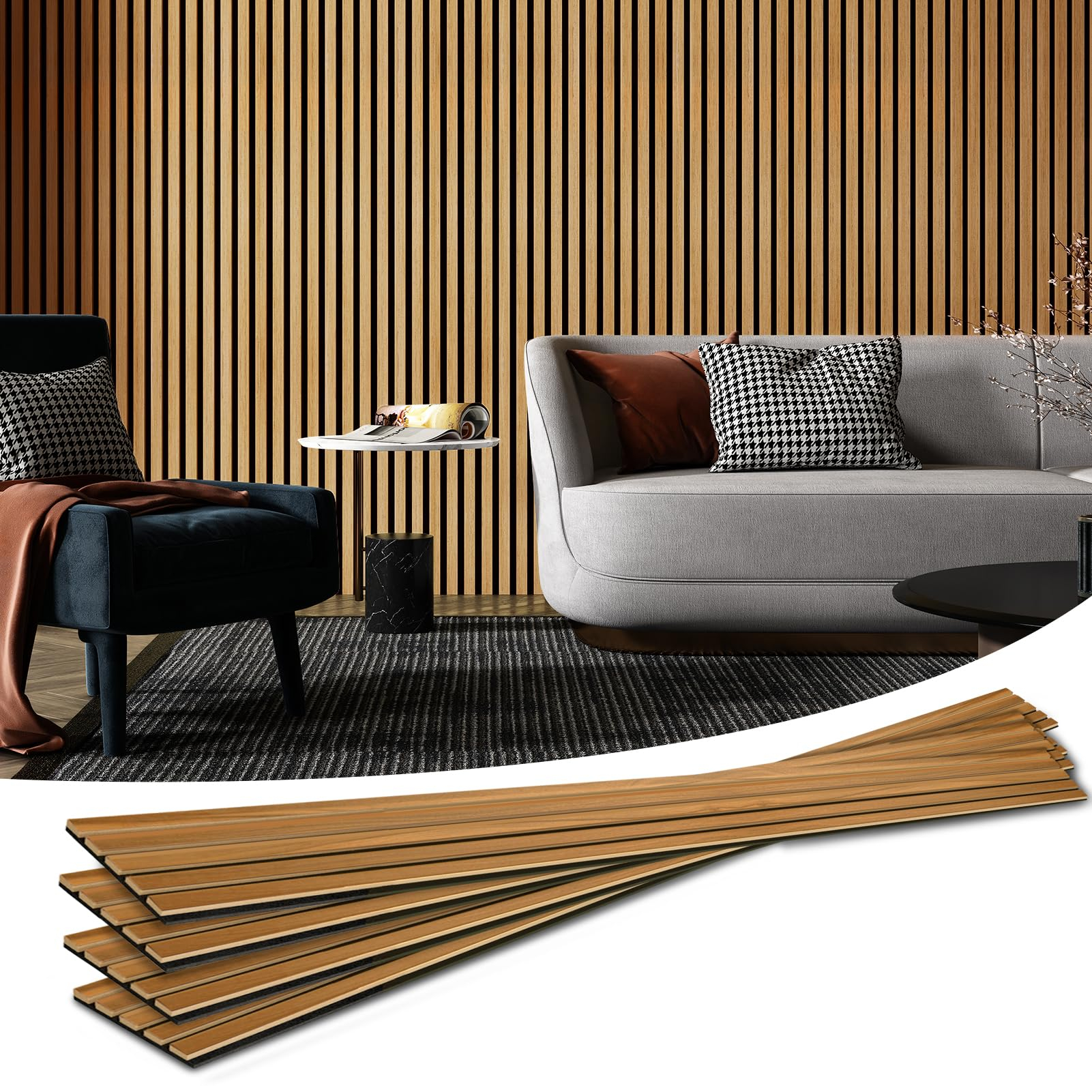
[sps_html tag=”img” src=”https://cdn.theartssection.com/wp-content/uploads/2025/11/art3d-4-pack-acoustic-wood-slat-wall-panels-for-interior-decor-3d-inside-understanding-the-acoustic-performance-of-3d-wood-slat-panels-in-interior-spaces.jpg” alt=”Art3D 4-Pack Acoustic Wood Slat Wall Panels For Interior Decor, 3D … inside Understanding the acoustic performance of 3D wood slat panels in interior spaces” style=”width: 100%; height: auto;”]
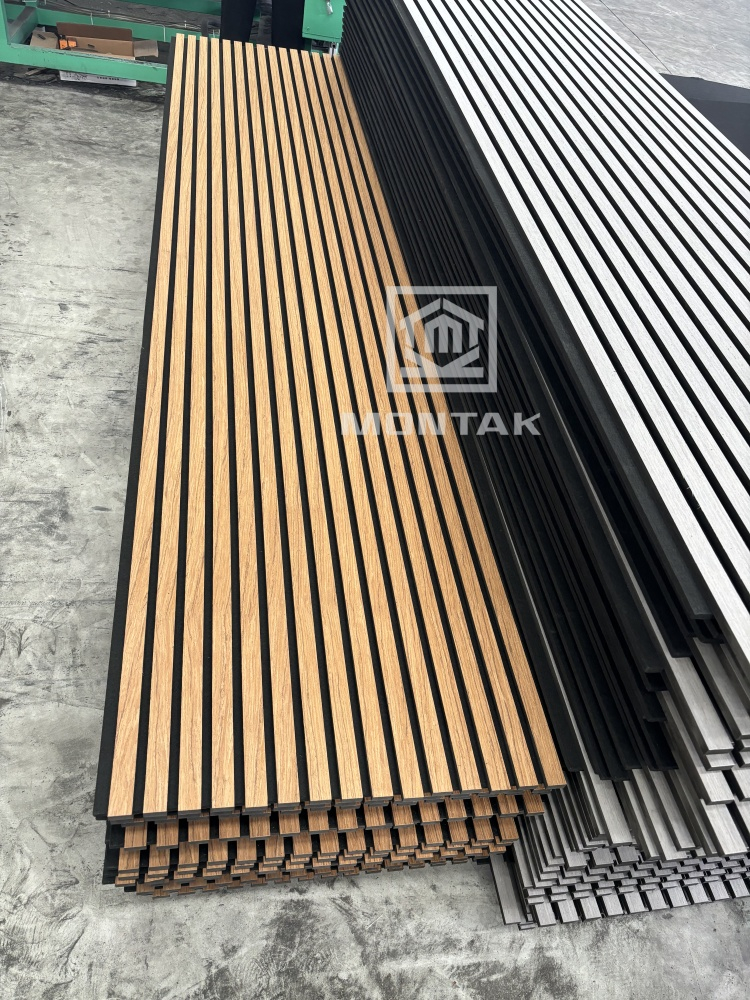
[sps_html tag=”img” src=”https://cdn.theartssection.com/wp-content/uploads/2025/11/introduction-of-acoustic-wood-slat-panel-aku-panel-shandong-montak-inside-understanding-the-acoustic-performance-of-3d-wood-slat-panels-in-interior-spaces.jpg” alt=”Introduction Of Acoustic Wood Slat Panel (Aku Panel) - Shandong Montak … inside Understanding the acoustic performance of 3D wood slat panels in interior spaces” style=”width: 100%; height: auto;”]
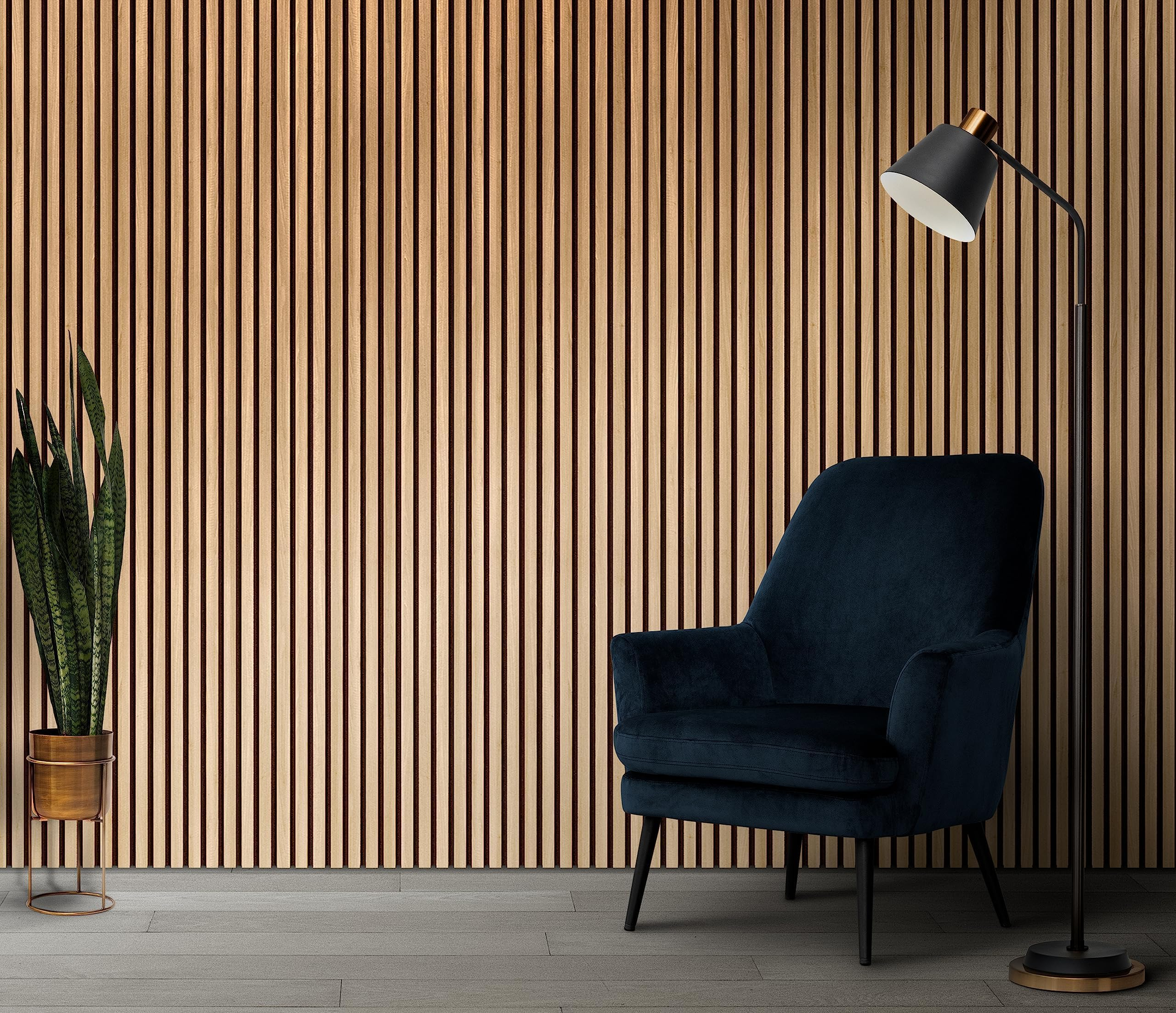
[sps_html tag=”img” src=”https://cdn.theartssection.com/wp-content/uploads/2025/11/art3d-2-wood-slat-acoustic-panels-for-wall-and-ceiling-3d-fluted-intended-for-understanding-the-acoustic-performance-of-3d-wood-slat-panels-in-interior-spaces.jpg” alt=”Art3D 2 Wood Slat Acoustic Panels For Wall And Ceiling - 3D Fluted … intended for Understanding the acoustic performance of 3D wood slat panels in interior spaces” style=”width: 100%; height: auto;”]