Have you ever looked at a wooden panel and wondered how some pieces seem to leap off the wall while others just blend in? The secret lies in understanding how to create visual interest with open panel wood art. It’s not just about the wood itself—it’s about how you manipulate space, light, and texture to make your artwork truly sing.
Open panel wood art represents a fascinating intersection of traditional craftsmanship and modern artistic vision. When we talk about creating visual interest in this medium, we’re really talking about how to make a flat surface come alive. This isn’t just about adding colors or patterns—it’s about understanding how the natural characteristics of wood interact with design elements to create something that captures attention and holds it. Whether you’re a seasoned artist or someone looking to add character to their home decor, mastering these techniques can completely change how people experience your work.
Understanding the Foundation of Open Panel Design
The magic begins with recognizing what makes open panel wood art different from conventional framed artwork. Unlike closed panels that hide the back, open panels expose the wood grain, the natural imperfections, and even the structural elements. These features become part of the visual story rather than being hidden away. Think about it like looking at a landscape through a window versus looking directly at the ground beneath your feet. Each perspective offers different elements to appreciate.
Consider the natural variations in wood grain. Some pieces might have beautiful swirls, others might show straight lines that create rhythm. The knots, the weathering, even the slight warping—all these elements contribute to the visual narrative. The key is to embrace these characteristics rather than fight them. When you start working with open panels, you’re essentially saying ‘this is real, this is honest, and this is what makes it special.’
Let’s look at some practical examples. A piece with open panels might showcase a beautiful oak grain that creates a natural diagonal line across the surface. That line becomes a visual guide that draws the eye across the artwork. Or perhaps there’s a maple piece with subtle color variations that create a gentle gradient effect when viewed from different angles. These aren’t accidents—they’re opportunities waiting to be explored.
Playing With Light and Shadow Effects
Lighting isn’t just about turning on a lamp—it’s about understanding how natural and artificial light behave differently with open panel wood art. The exposure of the back side means that light can interact with the wood in unexpected ways. Sometimes you’ll see dramatic shadows cast by the wood’s texture, sometimes gentle highlights that bring out the grain.
This interplay between light and wood creates what artists call ‘dynamic visual interest.’ Imagine standing in a room where you can see the wood grain clearly on both sides of a panel. As you move around, the shadows shift, the highlights change, and suddenly the entire piece feels alive. That’s the power of working with open panels.
The best way to understand this is to experiment. Try placing a piece near a window and watch how the natural light changes the appearance throughout the day. Notice how morning light might emphasize one grain pattern while afternoon light brings out another. You might even discover that certain times of year create entirely different visual experiences.
Professional artists often use this technique deliberately. They’ll design their pieces so that the lighting conditions matter. For instance, a piece designed to be viewed primarily from one direction might have specific elements that only appear under certain lighting conditions. It’s like having a secret message that reveals itself depending on the circumstances.
Creating Depth Through Layering Techniques
One of the most powerful tools in your arsenal is layering. With open panel wood art, you’re not limited to just one surface—you can work with multiple levels, textures, and dimensions. This creates depth that pulls viewers into the piece.
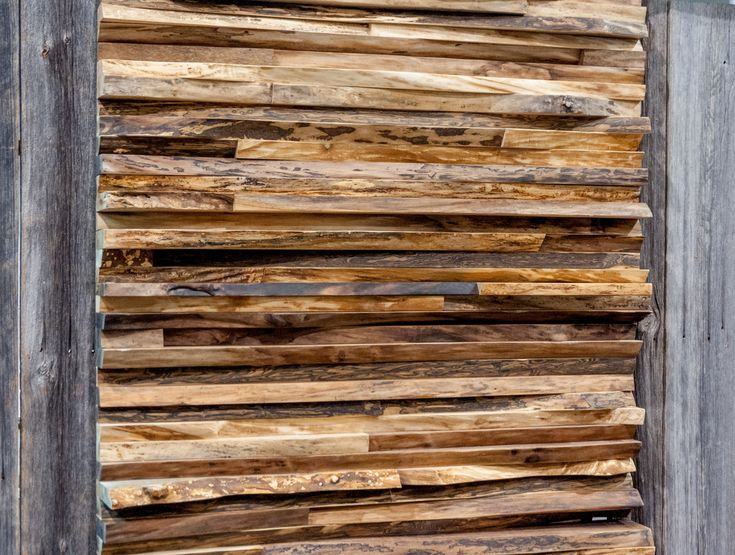
Think about how you might layer different wood types. Maybe you have a base panel of pine that’s been sanded smooth, then add a top layer of oak that’s left with its natural texture. The contrast between smooth and rough surfaces immediately adds visual complexity. Or perhaps you stack several thin pieces of wood, each slightly offset from the others, creating a sense of movement and dimension.
There are many approaches to layering. Some artists prefer to work with contrasting grain directions, using one piece with vertical grain and another with horizontal grain. Others might play with varying thicknesses, creating a sort of sculptural effect. The key is to maintain balance while ensuring each element serves the overall composition.
A great example would be a piece that uses three layers of different woods. The bottom layer might be a dark walnut with bold grain patterns. The middle layer could be a lighter maple with fine lines. The top layer might be a birch with subtle texture. When viewed together, they create a visual hierarchy that guides the eye naturally through the piece. The viewer might notice the bold patterns first, then the finer details, and finally the subtle texture variations.
Embracing Natural Imperfections as Artistic Elements
Here’s where things get really interesting. Many artists make the mistake of trying to hide wood’s natural flaws. But when you’re working with open panel wood art, those imperfections often become the most compelling features. Cracks, splits, discolorations, even small holes—all of these can be transformed into artistic statements.
Consider the beauty of a knot that’s been left exposed. Instead of covering it up, maybe you highlight it with a contrasting stain or paint. Or perhaps you frame it with a border of matching wood that makes it stand out even more. The key is to see these elements not as problems but as opportunities for visual enhancement.
Many successful pieces feature intentional imperfections. A crack that runs diagonally across a panel might become a visual pathway that leads the eye to the center of the artwork. A small area of discoloration could serve as a focal point, drawing attention to a particular area. The challenge is knowing when to embrace these features and when to minimize them.
Some artists even create their designs around these natural elements. They’ll sketch out a composition knowing exactly where a knot will be, using it as a central element. Others might leave certain areas intentionally unfinished, letting the wood’s natural characteristics tell part of the story. This approach requires patience and a deep respect for the material.
Using Color and Staining Strategically
Color plays a crucial role in open panel wood art, but it’s not just about painting over everything. Strategic staining and selective coloring can enhance the natural beauty of the wood while adding visual interest. The key is understanding that color works differently with open panels compared to closed frames.
When you apply stain to an open panel, you’re not just changing the surface appearance—you’re affecting how light interacts with the wood. Different stains will bring out various aspects of the grain. A dark stain might emphasize the depth of the wood’s natural patterns, while a light stain might highlight the surface texture.
Some artists use multiple staining techniques within a single piece. They might apply a base stain to the entire panel, then selectively apply additional colors to create contrast. Or they might use a technique called ‘dry brushing’ where they lightly apply paint to create subtle highlights on raised areas.
The process is very hands-on. You’ll want to test your staining approach on a small section first. This allows you to see how the stain reacts with the wood grain and whether it creates the visual effect you want. Sometimes what looks good on paper doesn’t translate well to actual wood.
Real-world applications show how effective this can be. A piece that uses a warm amber stain might make the wood look like it’s glowing from within. Another might use a cool gray stain that creates a more contemporary feel. The choices you make affect not just the immediate appearance but also how the piece fits into its environment.
Balancing Composition and Negative Space
In open panel wood art, negative space isn’t just empty room—it’s a powerful design element. The exposure of the back panel means you have more freedom to play with composition, but also more responsibility to ensure the piece feels balanced.
The concept of negative space becomes particularly important when you consider that viewers will see the artwork from multiple angles. What appears balanced on the front might look different when viewed from the side. This creates a unique opportunity to create compositions that work in three-dimensional space.
Think about how you might use the back of the panel as a compositional element. If you’re creating a piece that’s meant to be viewed from the front, you might still want to pay attention to what’s visible from the back. Perhaps the back features a complementary pattern or color scheme that enhances the overall piece when seen from different angles.
Artists often use what’s called ‘visual weight’ to create balance. Heavy elements on one side might be balanced by lighter elements on the other. But in open panel work, this balance can also be achieved through the relationship between the panel’s edges and the surrounding space. The way the wood extends beyond the frame creates its own form of negative space that contributes to the overall composition.
A practical tip is to step back frequently while working on a piece. Look at it from different distances and angles. Does it feel balanced? Do the elements draw your eye naturally? If not, you might need to adjust something. Sometimes a small addition or subtraction can make a huge difference in how the piece feels.
Creating visual interest with open panel wood art is less about following rigid rules and more about developing an intuitive understanding of how materials and design elements interact. It’s about seeing the potential in every grain, every shadow, and every natural characteristic of the wood. The beauty of this medium is that it rewards experimentation and personal expression.
Whether you’re working with a single panel or a series of interconnected pieces, remember that your goal is to engage viewers on multiple levels. The visual interest should be immediate but also rewarding upon closer inspection. The best open panel wood art creates a conversation between the viewer and the piece, encouraging people to explore it from different perspectives.
The techniques discussed here aren’t meant to limit creativity—they’re tools to expand it. Every piece you create is a chance to learn something new about how light moves through wood, how different textures interact, and how natural imperfections can become artistic strengths. Keep experimenting, keep observing, and most importantly, keep enjoying the process of bringing wood to life through thoughtful design and creative vision.
[sps_html tag=”img” src=”https://cdn.theartssection.com/wp-content/uploads/2025/12/log-lumber-creative-edge-landscapes-llc-with-regard-to-understanding-the-craftsmanship-behind-live-edge-wood-panels.jpg” alt=”Log & Lumber - Creative Edge Landscapes, Llc with regard to Understanding the Craftsmanship Behind Live Edge Wood Panels” style=”width: 100%; height: auto;”]
[sps_html tag=”img” src=”https://cdn.theartssection.com/wp-content/uploads/2025/12/hand-carved-wooden-tabletop-live-edge-craftsmanship-furniture-detail-with-regard-to-understanding-the-craftsmanship-behind-live-edge-wood-panels.jpg” alt=”Hand Carved Wooden Tabletop Live Edge Craftsmanship Furniture Detail … with regard to Understanding the Craftsmanship Behind Live Edge Wood Panels” style=”width: 100%; height: auto;”]
[sps_html tag=”img” src=”https://cdn.theartssection.com/wp-content/uploads/2025/12/live-edge-wood-slab-projects-at-lynda-bowman-blog-pertaining-to-understanding-the-craftsmanship-behind-live-edge-wood-panels.jpg” alt=”Live Edge Wood Slab Projects At Lynda Bowman Blog pertaining to Understanding the Craftsmanship Behind Live Edge Wood Panels” style=”width: 100%; height: auto;”]
[sps_html tag=”img” src=”https://cdn.theartssection.com/wp-content/uploads/2025/12/master-the-craft-of-live-edge-woodworking-a-peek-into-natures-with-regard-to-understanding-the-craftsmanship-behind-live-edge-wood-panels.png” alt=”Master The Craft Of Live-Edge Woodworking: A Peek Into Nature's … with regard to Understanding the Craftsmanship Behind Live Edge Wood Panels” style=”width: 100%; height: auto;”]
[sps_html tag=”img” src=”https://cdn.theartssection.com/wp-content/uploads/2025/12/live-edge-wall-salvaged-lumber-reclaimed-wood-and-barnboards-wall-inside-natural-abstract-wood-slice-wall-art-set-6-live-edge-open-panels-square-shape.jpg” alt=”Live-Edge-Wall-Salvaged-Lumber-Reclaimed-Wood-And-Barnboards-Wall … inside Natural Abstract Wood Slice Wall Art Set 6 Live Edge Open Panels Square Shape” style=”width: 100%; height: auto;”]