In the heart of Chinese culture lies a tradition that has been passed down through centuries – the art of creating black and white lions. These magnificent sculptures aren’t just decorative pieces; they carry deep meanings that have shaped Chinese beliefs and practices for generations. What makes these lion carvings so special? Why do they continue to captivate people today? Let’s explore the fascinating world of Chinese black and white lion art.
Chinese black and white lion art represents one of the most revered forms of traditional craftsmanship in Chinese culture. These striking sculptures, often found guarding temples, palaces, and important buildings, tell stories that span millennia. The contrast between black and white isn’t merely aesthetic – it reflects profound philosophical concepts and spiritual beliefs. Every detail, from the positioning of the paws to the expression on the lion’s face, carries intentional meaning. When you see these magnificent creatures, you’re witnessing centuries of cultural wisdom and artistic excellence. But what exactly makes them so significant? What secrets do their forms hold? Understanding these ancient symbols helps us appreciate not just the beauty, but the soul behind each masterpiece.
Historical Origins and Cultural Significance
The tradition of black and white lion carving in China dates back over two thousand years. These lions were originally introduced from Central Asia during the Han Dynasty, bringing with them both artistic influence and symbolic meaning. In Chinese culture, lions are believed to possess protective powers against evil spirits and negative energy. The black and white coloration specifically represents balance – the harmony between yin and yang forces that govern life. Think about it: when you see a black and white lion, you’re seeing the perfect representation of duality in nature. This symbolism extends beyond mere decoration. The lions often appear in pairs, with one black and one white, representing complementary forces that must work together for prosperity and protection. The practice evolved from simple protective statues to elaborate artistic expressions that showcase the highest levels of Chinese craftsmanship.
Symbolic Meanings Behind the Colors
The colors in Chinese black and white lion art aren’t chosen randomly. Black symbolizes strength, power, and the ability to ward off darkness and evil influences. It represents the protective force that keeps harm away from sacred spaces. White, on the other hand, embodies purity, clarity, and divine wisdom. Together, these colors create a powerful visual metaphor for the balance needed in life. When artists craft these lions, they understand that each shade must be carefully applied to ensure the correct symbolic meaning. The contrast creates drama and emphasis, drawing attention to the lion’s determined stance and alert expression. Many believe that the black and white combination helps channel positive energy while blocking negative forces. The symbolism works on multiple levels – from the individual viewer’s spiritual journey to the community’s collective protection. Some ancient texts even suggest that the perfect balance of black and white in these sculptures can bring good fortune to those who encounter them.
Masterful Craftsmanship Techniques
Creating authentic Chinese black and white lions requires extraordinary skill and patience. Traditional artisans use various materials including stone, wood, and bronze to bring these creatures to life. The process begins with careful planning and sketching, followed by selecting the appropriate material based on the desired final effect. Stone carving, particularly using white marble or black granite, allows for detailed textures that capture the lion’s fur and muscle definition. The carving process itself can take months or even years, depending on the complexity of the design. Artists must understand not just how to shape the material, but also how light will interact with the finished piece. The surface finish is crucial – some areas are polished to reflect light while others remain rough to create texture contrast. Modern craftsmen still follow these ancient techniques, though they may incorporate new tools to enhance precision. The attention to detail is remarkable, with each whisker and claw carefully sculpted to convey the lion’s fierce yet noble character. These artisans are essentially storytellers, using their hands to communicate ancient wisdom through their creations.
Regional Variations and Styles
Different regions in China have developed their own unique approaches to black and white lion art. Northern Chinese styles tend to emphasize bold, dramatic features with strong lines and imposing presence. Southern styles often feature more delicate details and subtle variations in the color contrast. The Guangdong region, for instance, is famous for its highly detailed wooden lions that seem almost lifelike. In Beijing, the imperial style focuses on grandeur and symmetry, often featuring larger-than-life sculptures. Each regional variation reflects local cultural preferences and available materials. The Fujian province specializes in intricate bronze lions that catch light beautifully, while the Jiangsu region is known for its elegant stone carvings that blend seamlessly with traditional architecture. These differences show how the same fundamental concept can adapt to different environments and traditions. Travelers visiting different parts of China often notice these distinctive styles, each telling its own story about local customs and artistic preferences. The diversity within this single art form demonstrates the rich cultural tapestry that exists across China.
Contemporary Relevance and Modern Interpretations
Today, Chinese black and white lion art continues to evolve while maintaining its traditional significance. Modern artists are finding new ways to incorporate these ancient symbols into contemporary settings. Many businesses now display these sculptures in their lobbies and entrances, believing they bring good luck and protection to their operations. Some artists have created smaller, more accessible versions for home decor, allowing people to enjoy these symbolic pieces in personal spaces. The art form has also influenced modern architecture, with designers incorporating lion motifs into building facades and interior elements. Digital media has helped spread awareness of this traditional art, with online galleries showcasing both classic and contemporary works. However, the core meaning remains unchanged – these lions continue to represent protection, strength, and balance. New generations of artists are learning traditional techniques while adding their own creative interpretations. This evolution ensures that the art form remains relevant while honoring its ancient roots. The challenge lies in preserving authenticity while embracing innovation.
How to Appreciate and Care for These Masterpieces
When viewing Chinese black and white lion art, pay attention to several key elements. First, observe the positioning of the paws – typically one paw is extended forward while the other rests, indicating readiness to protect. Look for the facial features, especially the eyes, which should appear alert and wise rather than simply fierce. Notice how the artist has handled the contrast between black and white areas. Quality pieces show seamless transitions rather than harsh boundaries. Consider the overall composition and how it relates to its surroundings. For collectors or enthusiasts, proper care involves regular cleaning with appropriate materials and avoiding exposure to extreme weather conditions. Some collectors use specialized protective coatings to preserve the original finish. Displaying these pieces in well-lit areas helps highlight their detailed craftsmanship. Understanding the cultural context enhances appreciation, so learning about the historical background adds depth to the viewing experience. Many museums offer educational programs that provide deeper insights into the meaning behind specific designs and techniques.
Chinese black and white lion art represents far more than beautiful sculptures – they are windows into centuries of cultural wisdom and artistic achievement. Each piece tells a story of protection, balance, and spiritual significance that continues to resonate today. Whether you’re encountering these magnificent creatures in a temple, a museum, or even a modern office building, you’re experiencing something truly special. The craftsmanship involved in creating these works demonstrates the dedication and skill of generations of artisans who understood that art could serve both aesthetic and spiritual purposes. As we move forward in our modern world, these ancient symbols remind us of the importance of balance, protection, and the enduring power of traditional craftsmanship. The next time you see a black and white lion, take a moment to appreciate not just its beauty, but the profound meaning it carries. These sculptures continue to speak to us across time, offering wisdom and protection in ways that transcend their physical forms. They remind us that true artistry lies not just in the creation, but in the understanding of what we create and why we create it.
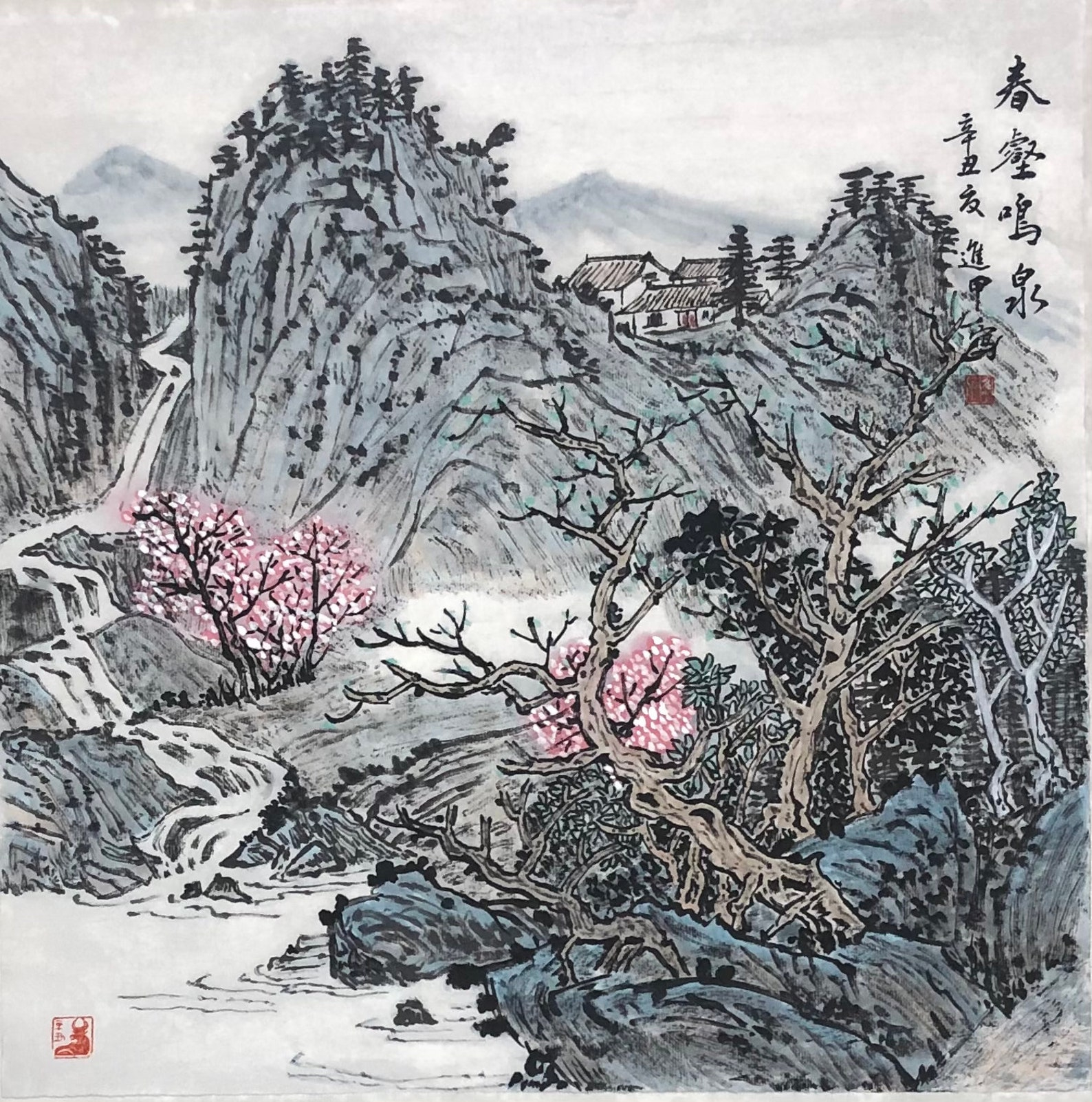
[sps_html tag=”img” src=”https://cdn.theartssection.com/wp-content/uploads/2025/12/original-chinese-ink-and-wash-painting-hand-painting-chinese-etsy-with-the-timeless-appeal-of-original-chinese-black-white-ink-wall-art-hws1976.jpg” alt=”Original Chinese Ink And Wash Painting Hand Painting Chinese | Etsy with The Timeless Appeal of Original Chinese Black White Ink Wall Art Hws1976″ style=”width: 100%; height: auto;”]
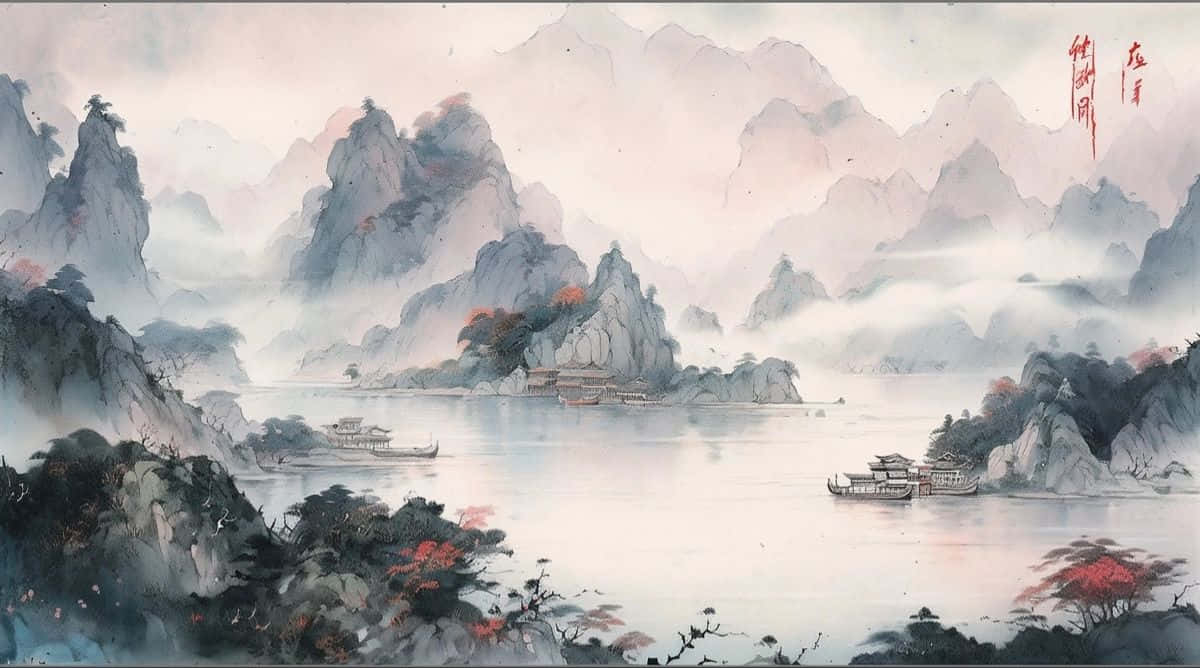
[sps_html tag=”img” src=”https://cdn.theartssection.com/wp-content/uploads/2025/12/download-misty-mountain-lake-chinese-ink-painting-wallpaper-throughout-the-timeless-appeal-of-original-chinese-black-white-ink-wall-art-hws1976.jpg” alt=”Download Misty Mountain Lake Chinese Ink Painting Wallpaper … throughout The Timeless Appeal of Original Chinese Black White Ink Wall Art Hws1976″ style=”width: 100%; height: auto;”]
[sps_html tag=”img” src=”https://cdn.theartssection.com/wp-content/uploads/2025/12/zhugege-landscape-painting-wall-art-black-and-white-for-living-pertaining-to-the-timeless-appeal-of-original-chinese-black-white-ink-wall-art-hws1976.jpg” alt=”Zhugege Landscape Painting Wall Art Black And White For Living … pertaining to The Timeless Appeal of Original Chinese Black White Ink Wall Art Hws1976″ style=”width: 100%; height: auto;”]
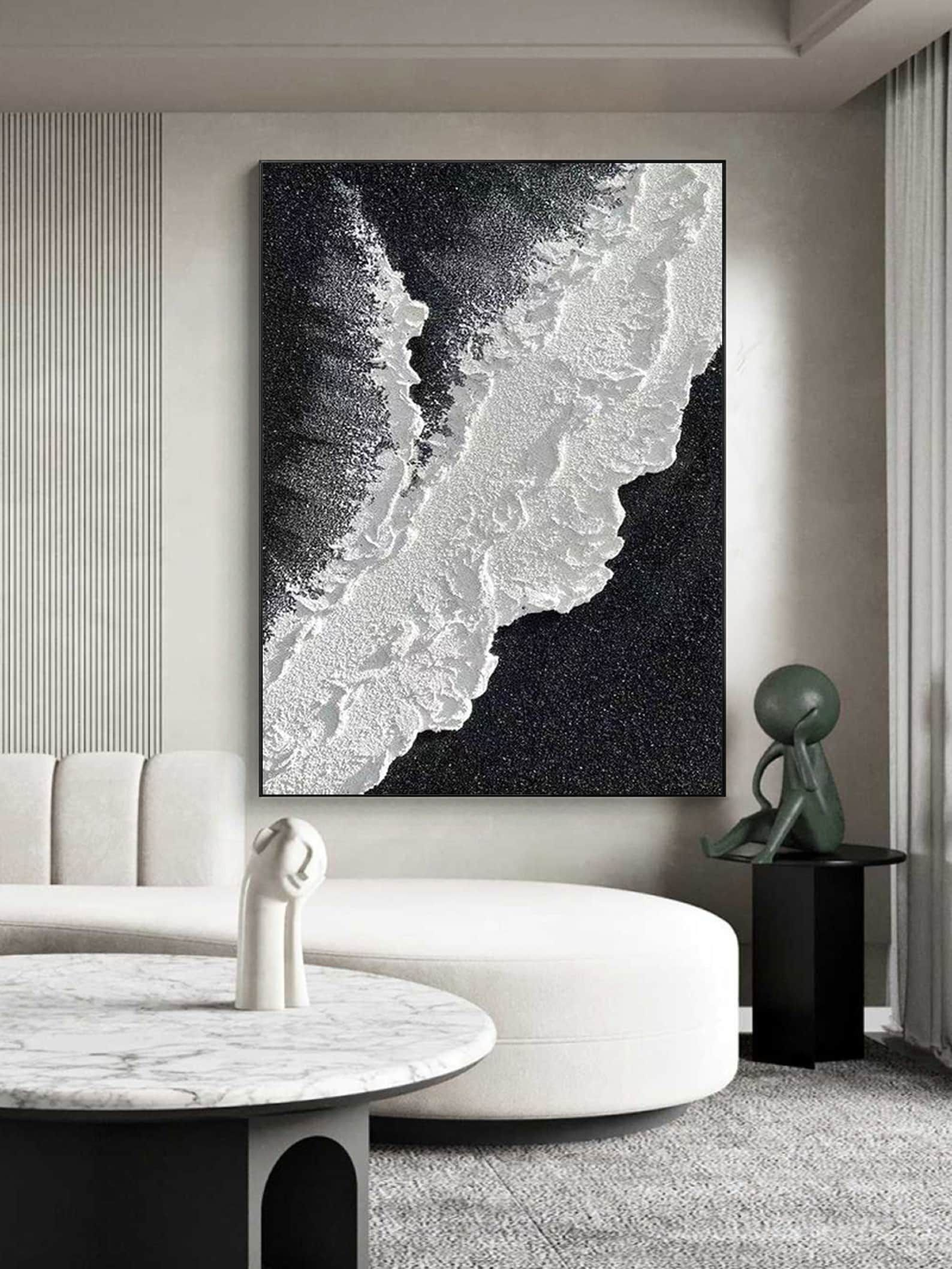
[sps_html tag=”img” src=”https://cdn.theartssection.com/wp-content/uploads/2025/12/black-and-white-abstract-art-gold-frame-at-susan-cochrane-blog-pertaining-to-chinese-black-white-ink-lion-theme-scroll-painting-original-wall-art-hws1976.jpg” alt=”Black And White Abstract Art Gold Frame At Susan Cochrane Blog pertaining to Chinese Black White Ink Lion Theme Scroll Painting Original Wall Art Hws1976″ style=”width: 100%; height: auto;”]
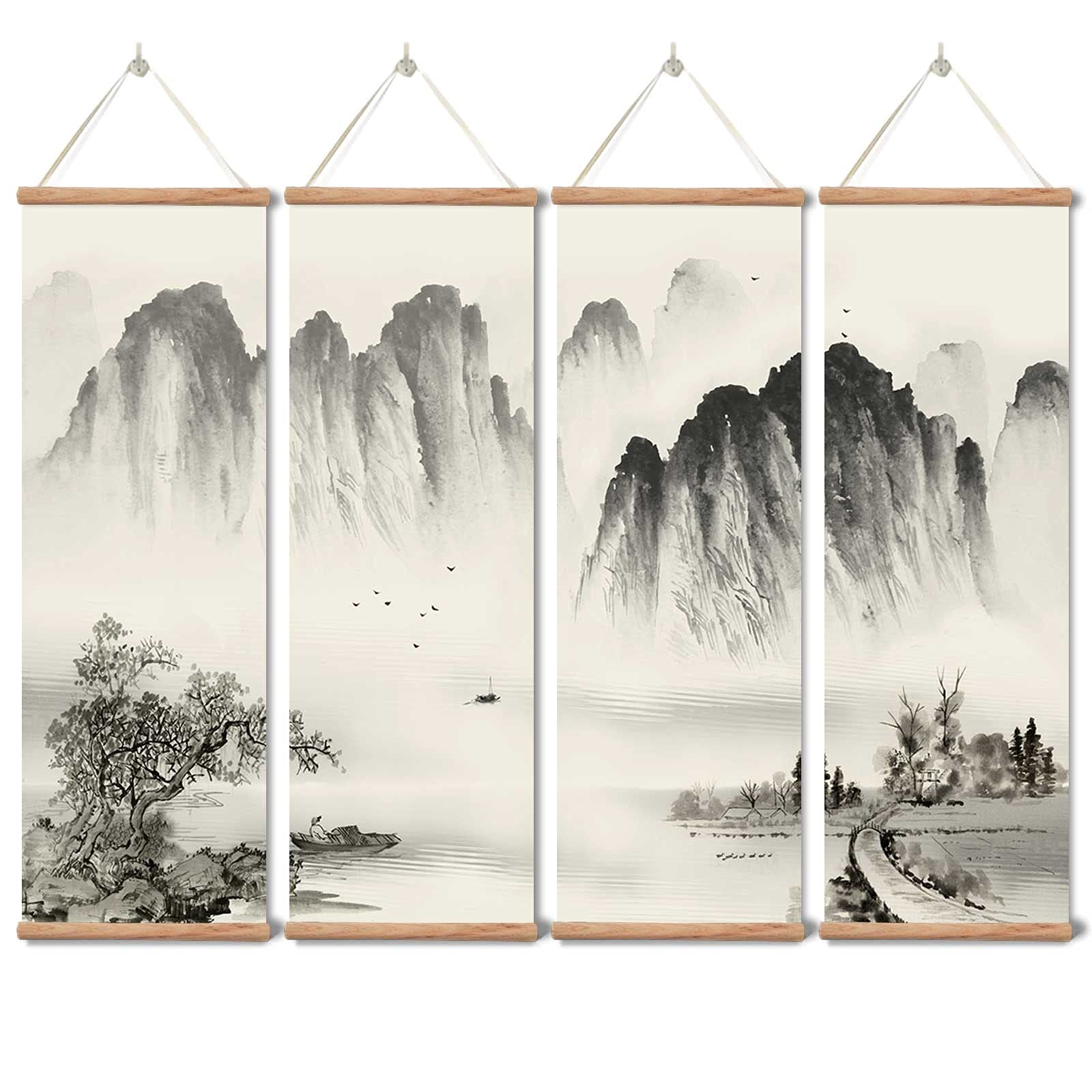
[sps_html tag=”img” src=”https://cdn.theartssection.com/wp-content/uploads/2025/12/chinese-black-white-ink-lion-theme-scroll-painting-original-wall-art-in-the-timeless-appeal-of-original-chinese-black-white-ink-wall-art-hws1976.jpg” alt=”Chinese Black White Ink Lion Theme Scroll Painting Original Wall Art … in The Timeless Appeal of Original Chinese Black White Ink Wall Art Hws1976″ style=”width: 100%; height: auto;”]