Have you ever stood in a wide, open meadow and felt completely overwhelmed by the sheer explosion of colors. There is something incredibly magical about wild flowers blowing in the wind. For hundreds of years, painters have tried to trap that exact feeling on a flat piece of cloth. But capturing the spirit of a moving, breathing field isn’t as simple as just copying what you see.
It is a dance between nature and human hands. Over time, the ways artists paint these outdoor scenes have changed drastically. Today, in 2026, we are looking back at how this beautiful art form grew from stiff, careful drawings into the wild, expressive masterpieces we see in modern galleries. Let’s take a little stroll through the history of how these blooming fields made their way onto the canvas.
The Early Days of Strict Botanical Accuracy
Long ago, painting flowers wasn’t really about expressing your deep feelings. It was mostly about science and recording facts. Artists worked alongside researchers to document every single leaf, stem, and petal with absolute perfection. If you made a mistake on a petal shape, the whole painting was basically ruined for the scientists who used them for medicine or study.
These early creators used incredibly fine brushes and light, layered washes of paint. They would sit for hours, staring at a single bloom to get the lighting just right. It was beautiful, sure, but it lacked the messy, chaotic energy of an actual wild meadow. The flowers looked perfect, but they also looked like they were trapped under glass.
Stepping Outside and Chasing Natural Light
Eventually, painters got tired of sitting inside dark studios staring at clipped stems. They wanted to feel the sun on their backs. This shift changed everything. When creators started taking their tools directly into the fields, they noticed that sunlight changes every single minute. A red poppy doesn’t just stay red; it turns orange in the sun and deep purple in the shadows.
To capture this fast-moving light, brushwork had to become much quicker. Artists started slapping paint down in fast strokes rather than blending every little area smoothly. They realized that by mixing basic primary colors like red, blue, and yellow right on the spot, they could create a more vibrant, lifelike shimmer that matched the real world.
The Secret Magic of Layering and Color Depth
If you look closely at a field of wildflowers, you will notice it isn’t just a flat wall of green and pink. There is incredible depth. To mimic this on canvas, painters developed a technique called layering. They would start with dark, messy shapes in the background to represent the deep shadows hidden under the grass.
Once that base dried, they would layer brighter colors on top. This tricks your eyes into thinking some blooms are popping forward while others are hiding in the back. By saving the brightest highlights for the very front petals, the whole scene suddenly springs to life and feels three-dimensional.
Balancing the Wild Mess with Smart Composition
It is easy to get overwhelmed when you look at thousands of scattered blossoms. How do you paint chaos without making it look like a giant mud puddle. This is where composition comes into play. Great landscape painters don’t actually paint every single flower they see. That would look way too crowded and messy.
Instead, they pick a few star characters. They might sketch a couple of detailed, vibrant blooms in the foreground to capture your attention. Then, they use softer, blurry shapes for the rest of the meadow. This guides your eyes through the landscape nicely, making you feel the vastness of the space without hurting your brain.
Textures that Make the Grass Pop
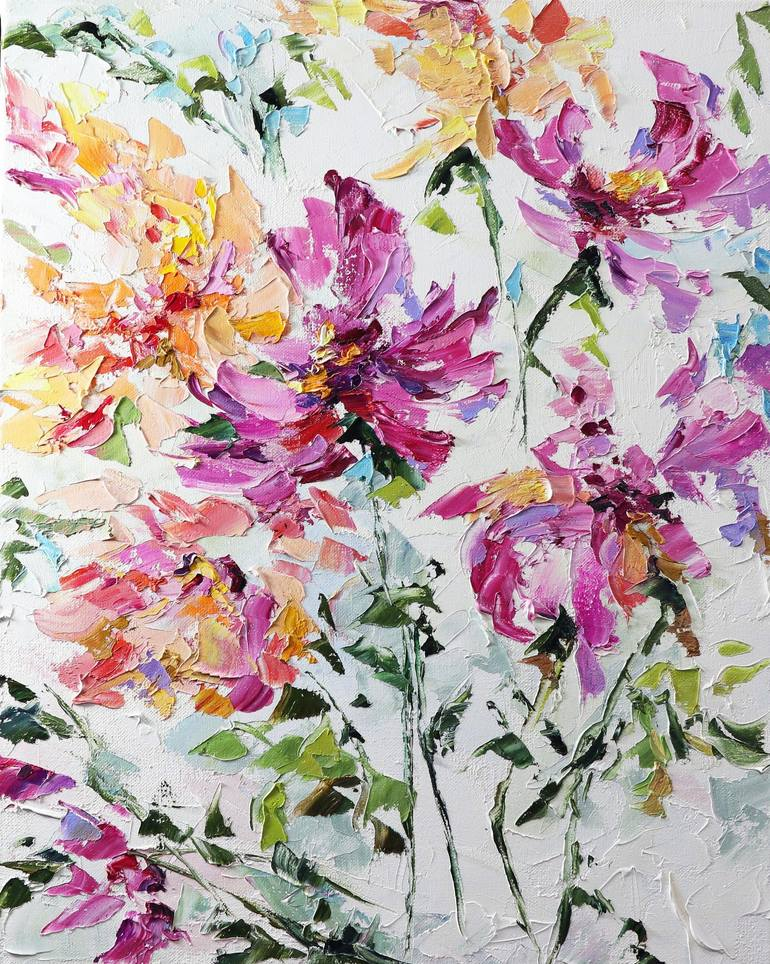
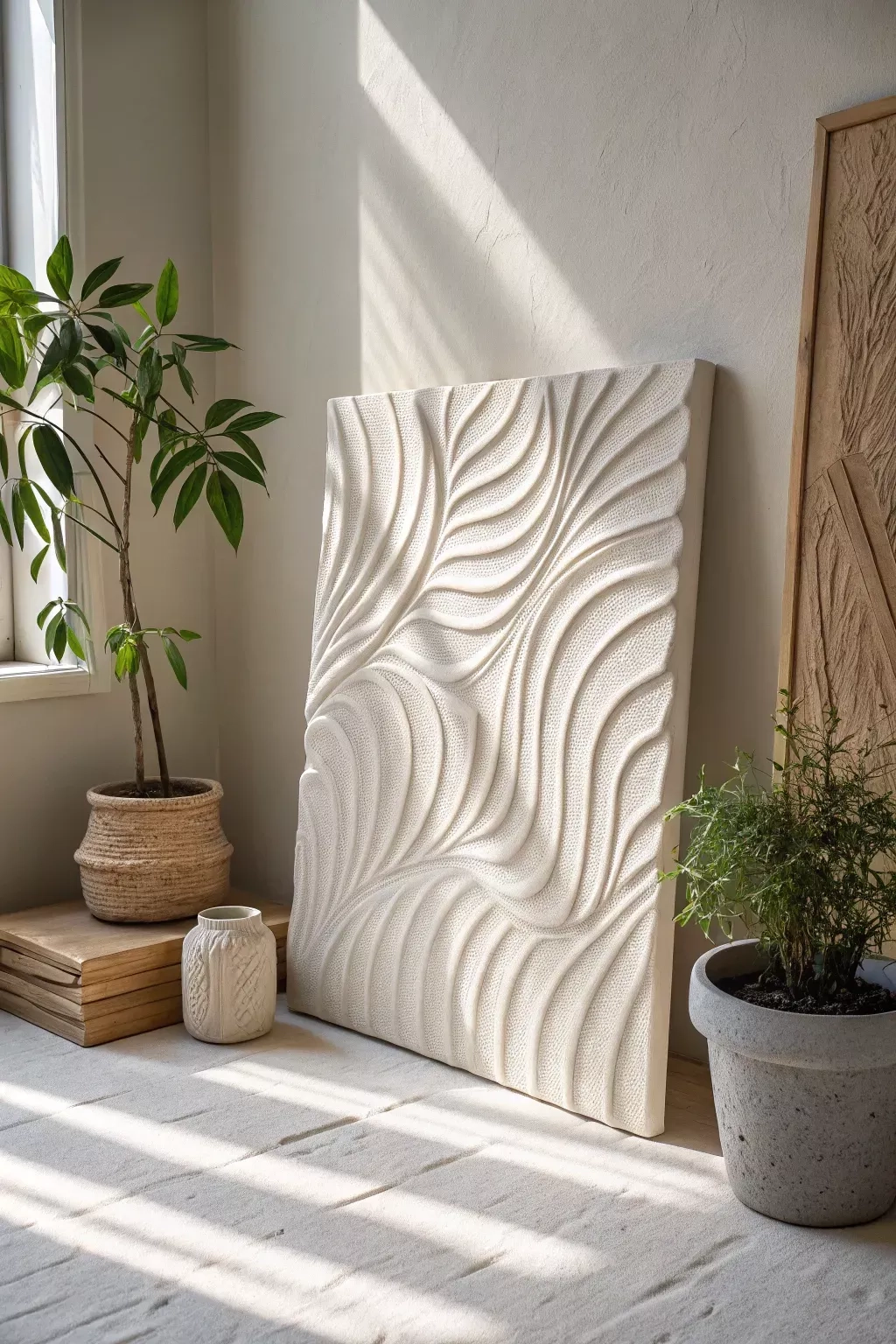
Flowers aren’t just smooth patches of color; they have texture. The rough stems, soft petals, and crunchy dried grasses all feel different. Artists soon discovered that using different tools, like palette knives or stiff hog-bristle brushes, could create physical texture on the canvas.
By globbing thick paint onto the surface—a trick often called impasto—the artwork actually casts its own tiny shadows. When you walk past the painting, the changing room light hits those bumps and ridges. Suddenly, the painted grass looks like it is actually rustling in the breeze.
Modern Freedom and Contemporary Blooms
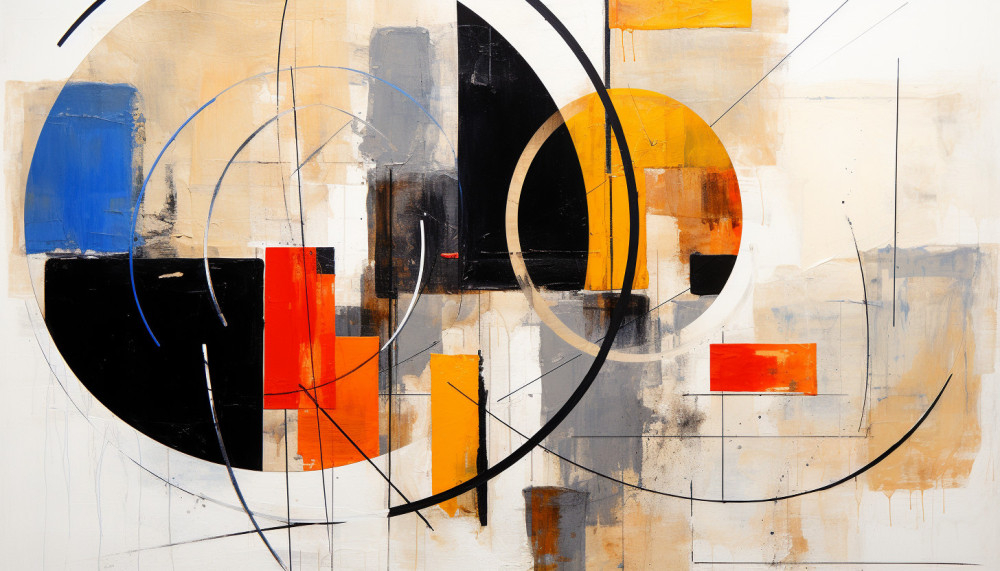
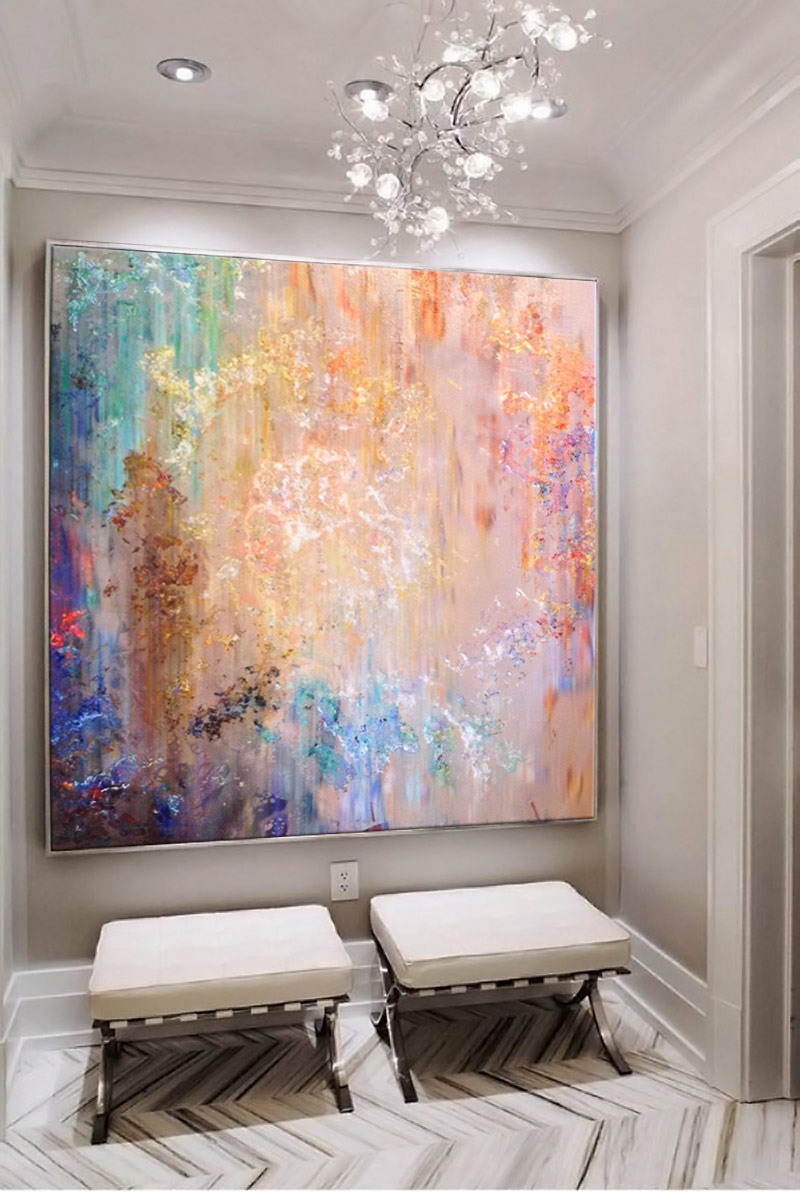
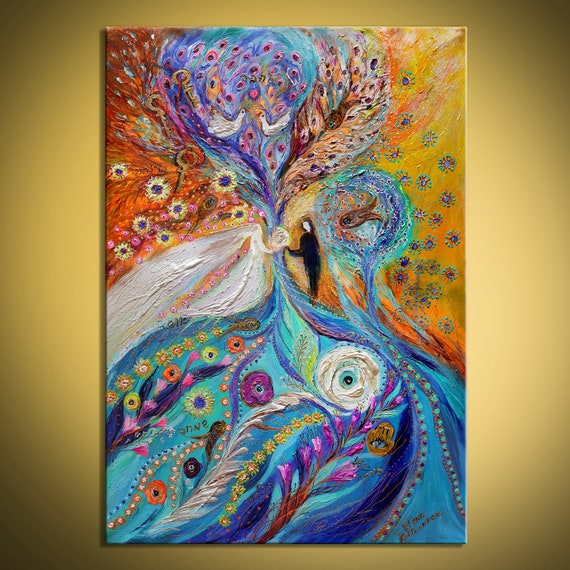
As we look at the art world here in 2026, things have become wonderfully wild. Today’s artists have taken all these old historical secrets and mixed them with total abstract freedom. Some painters use pastels to create soft, dreamy fields that feel like a memory, while others use bright acrylics to make loud, emotional statements.
We no longer feel forced to make a daisy look exactly like a daisy. It is more about capturing the raw emotion of being alive in that field. The modern evolution of botanical art proves that as long as nature keeps blooming, artists will find fresh, exciting ways to celebrate it.
Capturing nature on canvas is a deeply rewarding journey that anyone can start. You don’t need to be a legendary master to paint something beautiful. If you want to try painting your own field of flowers, here are a few simple tips to keep in mind:
- Start with a simple sketch: Don’t stress about details early on; just map out where the ground meets the sky and where your main flower clusters will sit.
- Work from dark to light: Block in your deep background shadows first, then add your mid-tones, and save the brightest highlights for the very end.
- Keep your hand loose: Let your brush dance a little bit. Wild flowers are messy, so your strokes should be a bit messy too.
In the end, landscape flower painting has evolved from a rigid science into a beautiful celebration of human feeling. It reminds us to slow down, look at the world around us, and appreciate the fleeting beauty of the earth. So, why not grab some paint, head outside, and see what kind of magic you can create on your own blank canvas.