The front door clicks shut, sealing out the relentless noise of traffic, notification pings, and the ambient hum of an overstimulated city. Instantly, the shoulders drop an inch. But what happens next when you step into the hallway? Does the physical room mirror that exhale, or does it whisper a silent to-do list of unfolded laundry, half-opened packages, and stylistic compromises made to please an algorithm or a landlord?
For too long, modern interior culture has pushed us toward an aesthetic homogeneity. We are handed identical palettes of greige, mass-produced minimalist prints, and showroom perfection that leaves no room for human friction. Yet, a true home sanctuary is not born from a catalog page. It emerges when a space stops trying to impress the viewer and starts trying to hold the resident. This quiet shift relies entirely on visual storytelling—the deliberate arrangement of personal history, raw texture, and emotional anchors that turn four neutral walls into a physical map of who you are and where you have been.
Designing this environment requires stepping back from transient design trends to look closely at what objects actually sustain us. When every corner tells a fragment of your personal narrative, the home ceases to be a mere backdrop for daily life. It becomes a restorative ecosystem, a place where the nervous system can reset because the objects surrounding you offer a profound sense of continuity, safety, and belonging.
The Psychology of Space and the Necessity of Narrative Weight
Human beings are hardwired for narrative. From prehistoric cave paintings to the heirlooms passed down through generations, we have always used visual markers to anchor our identities within our physical environments. When a room lacks a personal narrative, the human brain registers it as sterile or temporary, which keeps the body in a low-grade state of physiological alertness. Environmental psychologists note that spaces rich in autobiographical cues—photographs, handmade ceramics, collected stones, or worn wooden furniture—lower cortisol levels by signaling safety and permanence.
This is where the concept of visual storytelling diverges sharply from traditional decorating. Decorating asks, "Does this match the sofa?" Storytelling asks, "Does this object anchor my sense of self?" A chipped terracotta bowl bought at a dusty flea market in Lisbon or a framed watercolor painted by a grandparent carries a distinct atmospheric weight that a pristine, box-store accessory can never replicate. These items act as visual anchors, grounding us in our own histories and reminding us of our values when the outside world feels chaotic.
Building this sanctuary demands a conscious editing process. It is not about accumulating more things, but about curating the right things—items that possess tactile honesty and emotional resonance. When you prioritize narrative over novelty, your rooms begin to breathe. The material choices you make, from the grain of a reclaimed oak table to the heavy weave of an unbleached linen curtain, communicate directly with your senses, inviting you to slow down, touch, and inhabit the present moment fully.
Material Authenticity and the Sensory Landscape of Sanctuary
Visual storytelling is never purely visual; it is deeply tactile. The eye may initiate the journey by spotting a rich indigo dye or the subtle crackle of a glazed earthenware pot, but the hand completes it by feeling the rough texture of the wool or the cool, dense weight of the stone. Creating a restorative home environment requires a conscious rejection of synthetic veneers and plasticized perfection in favor of materials that age gracefully and bear the marks of time.
Consider the concept of wabi-sabi—the Japanese aesthetic centered on the acceptance of transience and imperfection. When we invite patinated brass, unsealed wood that shows water rings, and hand-woven textiles with minor irregularities into our homes, we are making peace with our own human evolution. These materials do not hide life; they record it. A leather armchair that softens and darkens with every year of use becomes an archive of quiet evenings, long conversations, and solitary reading sessions.
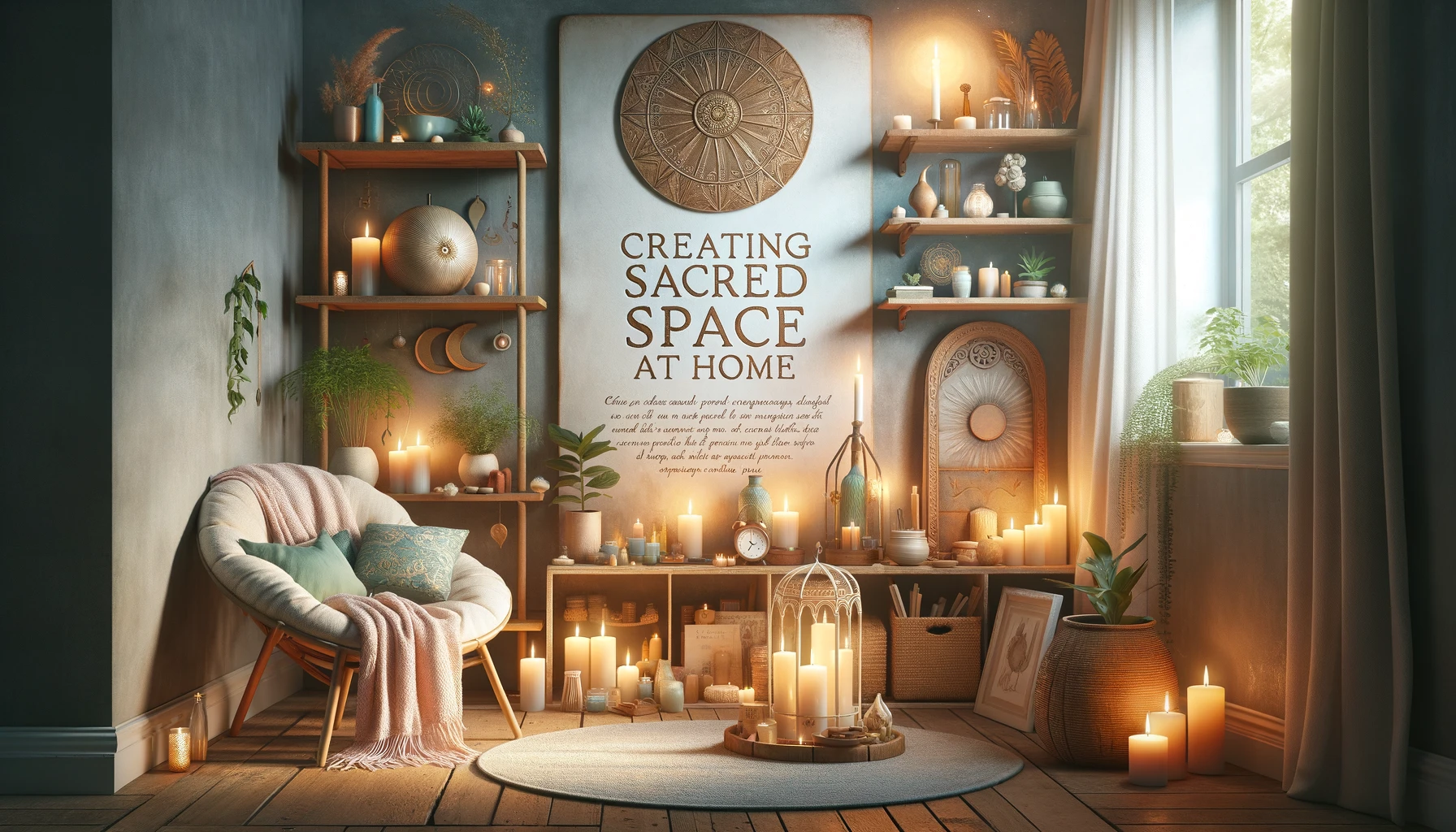
Furthermore, the sensory landscape of your sanctuary must engage lighting and scent just as deliberately as furniture placement. Harsh overhead lighting shatters the illusion of a secluded retreat. Instead, layering multiple low-level light sources—amber-toned Edison bulbs, task lamps with brass shades, and the flickering warmth of beeswax candles—creates pockets of shadow and intimacy. Coupled with grounding botanical scents like cedarwood, vetiver, or dried lavender, these sensory layers transform visual storytelling into a complete somatic experience, wrapping you in an environment that feels deeply protective.
Step-by-Step Methodology for Designing Your Autobiographical Sanctuary
- Step 1 (The Audit of Resonance): Walk through every room of your home with a small notepad, observing every single object, piece of art, and piece of furniture. Ask yourself a simple question: "Does this item bring me joy, comfort, or a genuine memory, or is it merely filling space?" Remove anything that triggers feelings of obligation, guilt, or stylistic fatigue.
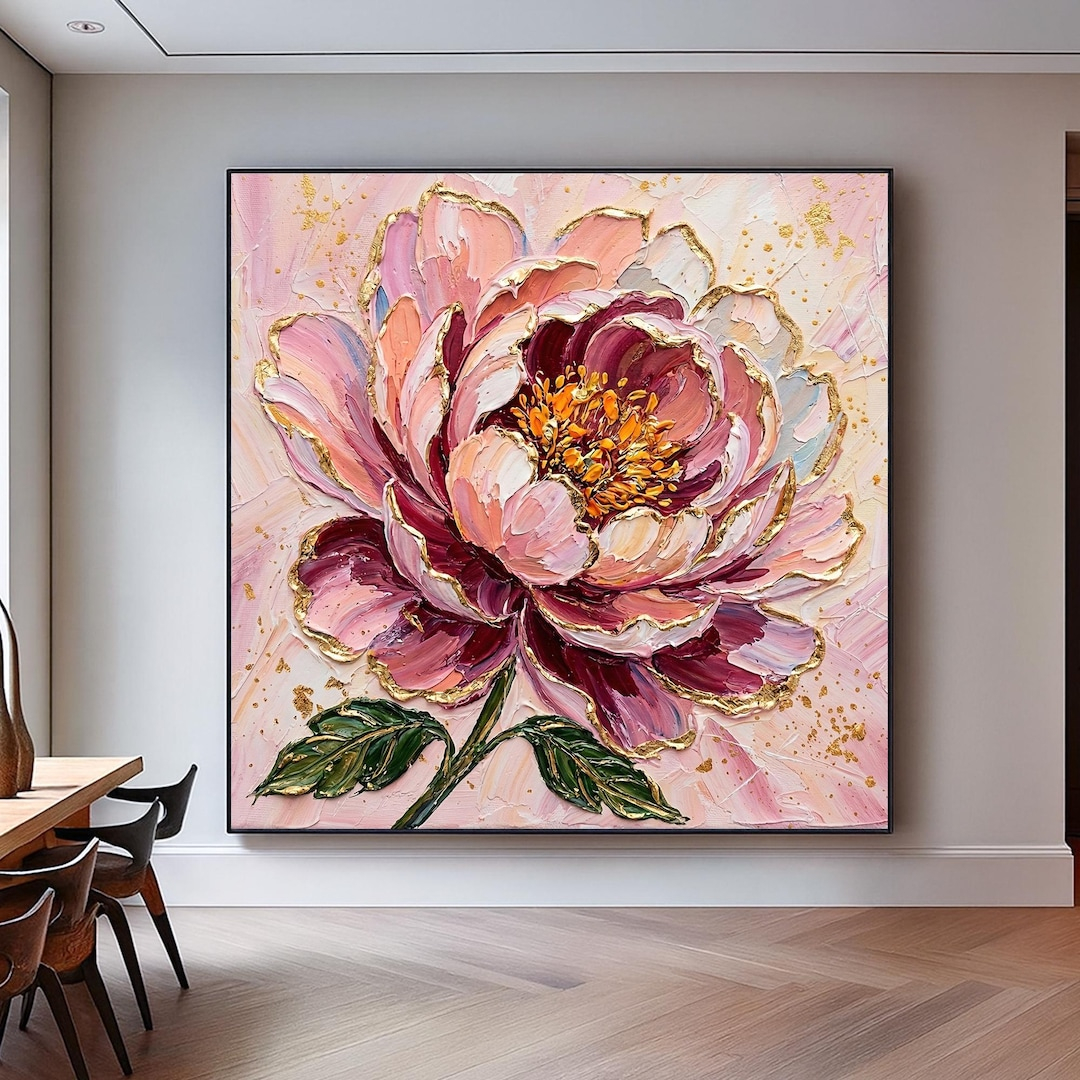
- Step 2 (Establishing the Anchor Pieces): Identify three to five foundational items that hold profound personal significance—an inherited dining table, a massive abstract canvas you spent months saving for, or a handmade rug sourced during a pivotal journey. Position these pieces as the emotional focal points of your primary living areas.
- Step 3 (Layering Tactile and Natural Textures): Build out the supporting cast of materials by introducing tactile contrast. Pair smooth surfaces like glass or polished concrete with rough, organic textures such as jute rugs, boucle upholstery, raw clay pots, and reclaimed timber shelves to create sensory depth.
- Step 4 (Curating Vignettes of Memory): Instead of scattering small knick-knacks randomly across every flat surface, group meaningful items into intentional vignettes. Combine a stack of well-read poetry books with a smooth river stone and a framed photograph, treating the arrangement like a small, curated altar to your life experiences.
- Step 5 (Lighting and Atmospheric Tuning): Remove glaring, cool-toned lightbulbs and replace them with warm-spectrum LEDs (2200K to 2700K). Incorporate dimmers, floor lamps casting pools of warm light downward, and natural elements like potted olive trees or trailing pothos to bring living energy into the narrative.
Common Pitfalls and Field-Tested Workarounds in Personal Interior Design
- Pitfall 1 (The Museum Effect): Transforming a home into a sterile gallery where items are untouchable and family life feels restricted. Workaround: Design your spaces for living, not just looking. Choose durable, natural fabrics like heavy cotton canvas or distressed leather that look better with wear, and ensure every cherished artifact has a stable, secure home where it won’t be constantly knocked over by pets or children.
- Pitfall 2 (Catalog Mimicry): Replicating an entire room layout straight from an interior design magazine or brand catalog, resulting in a space devoid of personal history. Workaround: Use professional images strictly for layout inspiration or color balance, but mandate that at least 50% of the decor elements must be vintage, handmade, or tied directly to your personal life experiences.
- Pitfall 3 (Visual Clutter and Sensory Overload): Confusing personal storytelling with hoarding, leading to surfaces overcrowded with mementos that overwhelm the nervous system. Workaround: Adopt a rotational curation practice. Keep your core narrative pieces permanently displayed, but store secondary seasonal mementos in labeled boxes, rotating them out every few months to keep the space fresh and uncluttered.
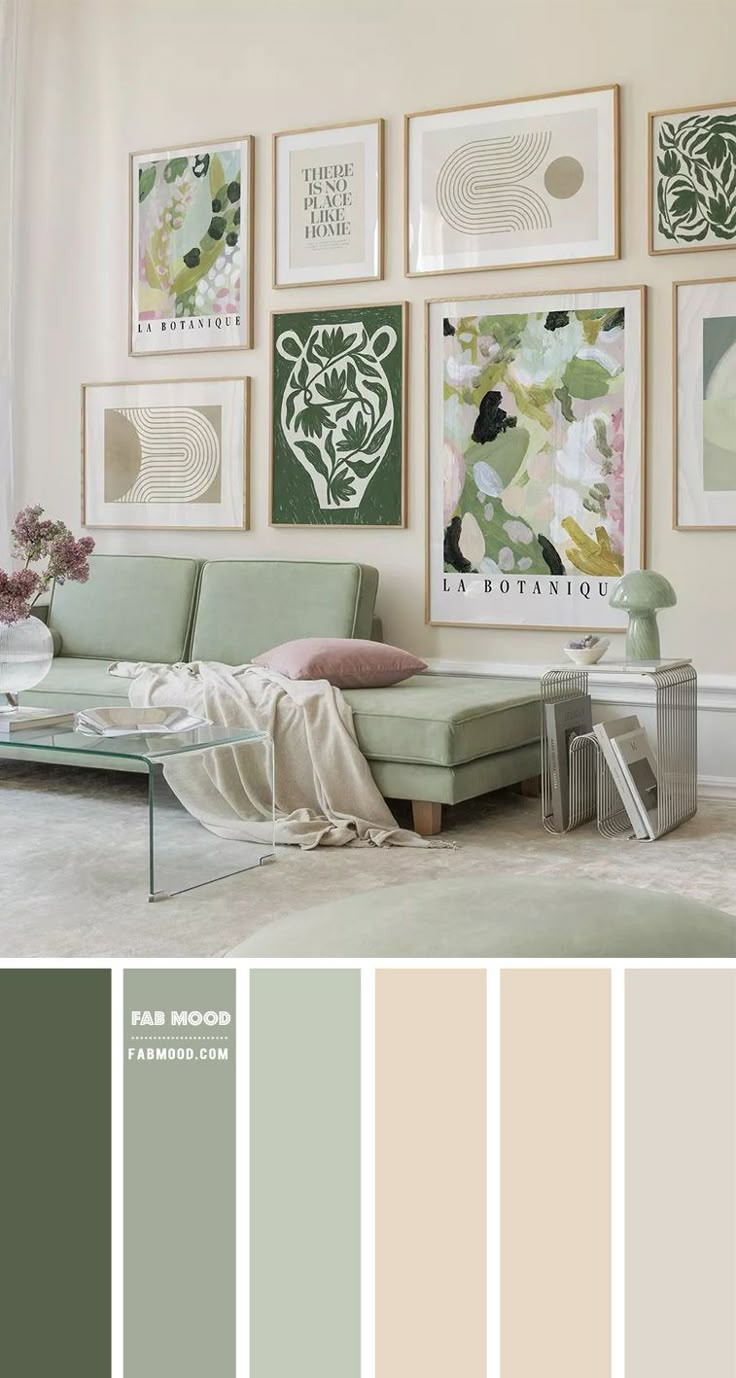
- Pitfall 4 (Neglecting Scale and Proportion): Placing numerous tiny, sentimental frames and objects across a massive wall or large piece of furniture, creating a disjointed and chaotic visual field. Workaround: Group small items into cohesive gallery walls using uniform frames, or anchor them on a dedicated floating shelf so they read as a single, powerful visual statement rather than scattered noise.
- Pitfall 5 (Chasing Transient Trends): Buying decor based on viral social media aesthetics (such as hyper-minimalist concrete arches or fleeting color-of-the-year trends) that you will outgrow in six months. Workaround: Pause for a mandatory two-week waiting period before purchasing any significant decor item. If your attraction to the piece relies on a trend rather than an enduring personal connection, skip it entirely.
The Broader Impact: Sustainability, Well-Being, and the Slow Living Movement
When you approach home design through the lens of visual storytelling, you naturally step off the fast treadmill of consumer culture. The modern home goods market relies heavily on planned obsolescence and hyper-fast micro-trends that encourage consumers to discard furniture every few years, generating staggering amounts of landfill waste. Intentional storytelling acts as a direct countermeasure to this cycle. By choosing vintage furniture, repairing damaged heirlooms, and investing in durable, artisan-crafted pieces, you embrace a sustainable model of living.
This shift has a profound impact on individual well-being. A home that reflects your true values and history provides a psychological buffer against the anxieties of the outside world. In a culture obsessed with optimization, speed, and digital connectivity, your sanctuary becomes an analog haven. It is a physical manifestation of boundaries—a place where you dictate the visual inputs, the pacing of the environment, and the tactile qualities of your surroundings.
Furthermore, designing a meaningful home fosters deeper social connection. When guests step into a space filled with honest stories, quirky heirlooms, and personal art rather than generic showroom decor, the atmosphere instantly relaxes. Conversations flow more naturally because the room itself initiates curiosity and dialogue. Your home stops being a status symbol and transforms into an authentic expression of hospitality and shared humanity.
Actionable Frameworks for Sustaining Your Sanctuary Over Time
Maintaining a personal sanctuary is not a one-time project; it is an ongoing, evolving practice that requires mindfulness as your life changes. As you experience new milestones, travel, or shift your perspective, your living space should subtly adapt to reflect those chapters without requiring a total overhaul.
- The Seasonal Reset Framework: Dedicate one weekend at the change of each season to walk through your home with fresh eyes. Notice which areas feel heavy or stagnant, and allow yourself to move objects, switch out textiles from storage, or bring in fresh seasonal foliage to keep the energy dynamic and responsive to nature.
- The One-In, One-Out Narrative Rule: To prevent clutter from creeping back into your sanctuary, commit to a strict retention policy. If you acquire a new piece of art, a vintage ceramic, or a meaningful textile that adds to your visual story, deliberately retire or gift an item that no longer serves your current narrative.
- The Memory Ledger Practice: Keep a small, dedicated journal on your bookshelf detailing the origins of your key sanctuary pieces—where you found them, who gave them to you, or what life chapter they represent. This preserves the intangible history of your objects for the future, ensuring the storytelling remains rich and alive.
Your home is never truly finished because you are never truly finished. As the years unfold, your tastes will shift, your scars will heal, and your collection of memories will grow. The power of visual storytelling lies in its capacity to gracefully absorb these transformations, turning your living space into a living archive of your existence.
By stripping away the pressure to conform to external design standards, you reclaim your home as a sanctuary of peace, authenticity, and rest. Every thoughtfully placed object, every patinated surface, and every carefully curated shadow becomes a silent reminder of who you are when no one is watching.
Take a moment today to look around the room you are sitting in. Notice what tells your story, and what merely takes up space. In that simple act of noticing lies the beginning of your sanctuary—a quiet, enduring refuge built entirely out of the truth of your own life.