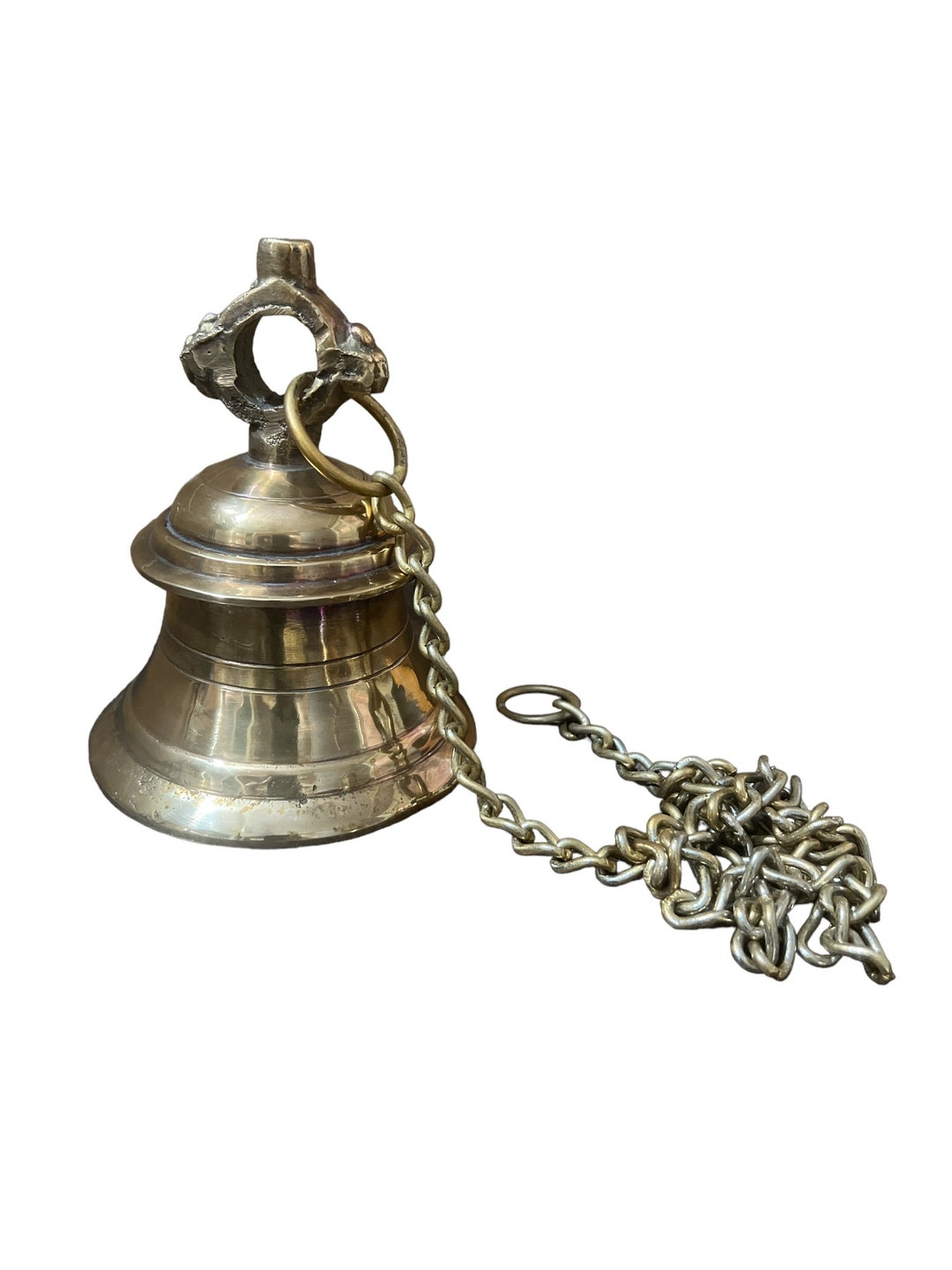
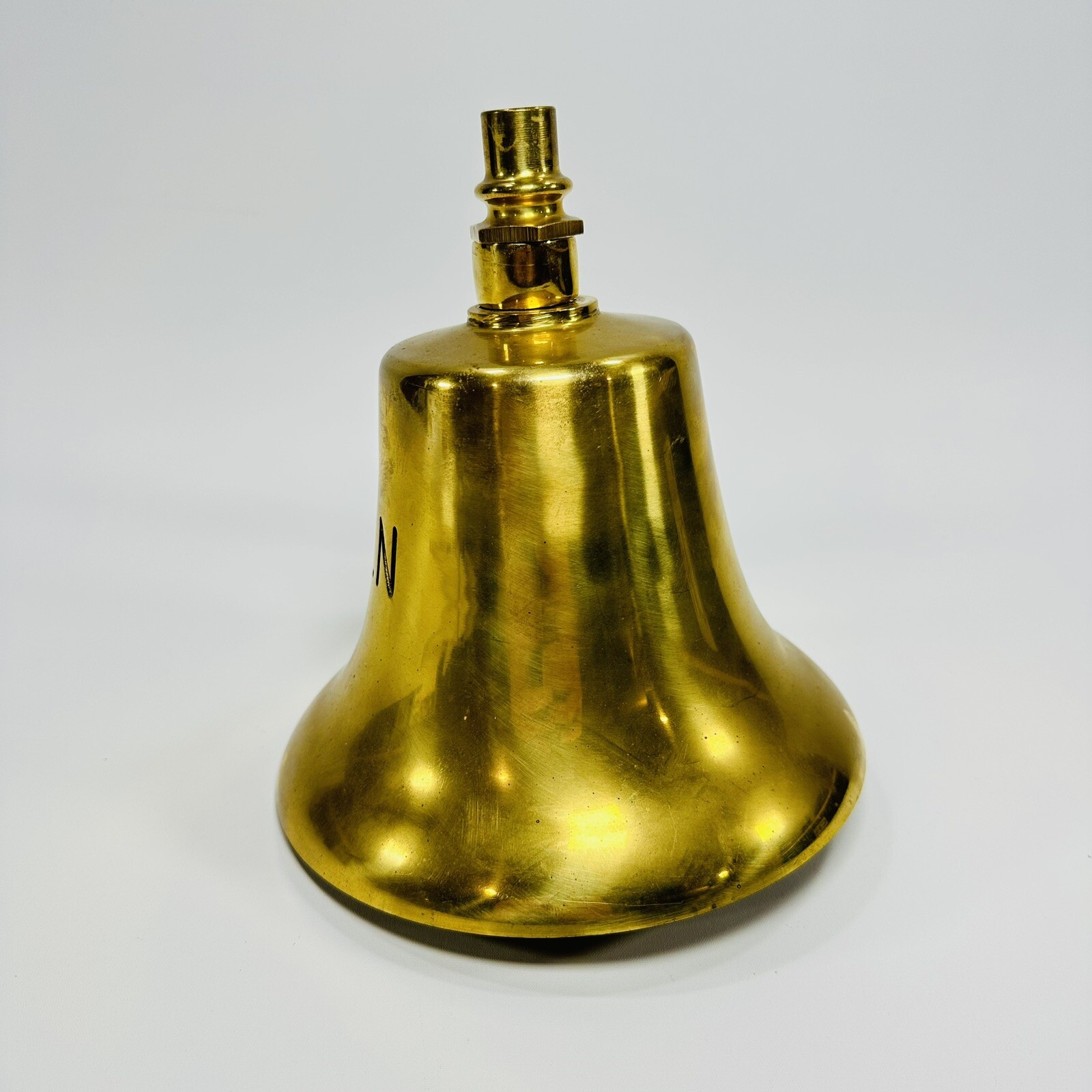
Have you ever stopped to truly listen? Not just to the sounds around you, but to the whispers of history, the deep, resonant tones that carry tales of the sea, of courage, and of unwavering duty. Inside every United States Navy brass bell, there’s more than just metal and craftsmanship; there’s a living, breathing chronicle of tradition, a powerful link connecting sailors across generations. These bells aren’t merely instruments for keeping time; they are the enduring heartbeat of the fleet, each chime a profound echo of the past, resonating loudly even in 2026.
From the grandest aircraft carrier to the smallest patrol boat, these gleaming brass sentinels stand watch. They’ve seen it all, from the quiet calm of a glassy ocean to the furious chaos of battle. What secrets do they hold? What human stories are etched into their very core? Let’s take a journey into the heart of these remarkable objects and discover why they continue to hold such a vital place in the Navy’s soul, understanding the profound weight and meaning behind each melodic peal.
The Timekeeper of the Tides: A Bell’s Primary Purpose
At its most basic, a ship’s bell is a practical tool, a precise timekeeper in an environment where punctuality is paramount. For centuries, before reliable clocks were commonplace at sea, the ship’s bell dictated the rhythm of life aboard. Sailors worked in four-hour shifts, or "watches," and the bell would mark the passage of each half-hour within that watch. One bell for the first half-hour, two for the next, and so on, until eight bells signaled the end of the watch. This system, ancient and elegant, still holds sway in many parts of the Navy today, even with all our modern advancements.
Think about it: in the vast, often disorienting expanse of the ocean, knowing the time was crucial for navigation, for managing tasks, and for maintaining a sense of order. The bell’s clear, distinct tone cut through the wind and waves, a universally understood signal that transcended language barriers among a diverse crew. It wasn’t just a sound; it was the ship’s voice, announcing the changing of the guard and the steady march of time across the ceaseless sea.
Baptisms, Memorials, and Milestones: The Bell as a Sacred Vessel
Beyond its role as a timekeeper, the US Navy bell takes on a deeply sacred character, serving as a focal point for some of the most profound moments in a sailor’s life and the ship’s history. One of the most touching traditions involves using the ship’s bell for baptisms. When a child of a crew member is born, they might be christened with water poured from the bell, their name then engraved inside. Imagine that: a child’s name, forever etched into the very fabric of the vessel that their parent serves on, a tangible link to a community and a legacy.
And then there are the memorial services. When a sailor is lost at sea, or a ship is decommissioned, the bell often plays a central role. Each toll can represent a lost life, a final farewell, or the closing of a chapter. These moments aren’t just ceremonial; they are deeply emotional, providing solace and a tangible connection to those who served. The bell becomes a witness to life and death, joy and sorrow, embodying the collective spirit and memory of all who have passed through its shadow.
The Names Etched Within: A Legacy of Service
Peer closely at the inside rim of many USN bells, and you’ll find a silent, powerful testament to family and service: names. These aren’t just random scrawls; they are the names of children who were baptized in the bell, often spanning multiple generations. This practice transforms the bell from a mere piece of equipment into a living family heirloom, a symbol of continuity and connection across the naval community. It’s a truly unique aspect, one that often gets overlooked.
Consider the depth of meaning this holds for a naval family. A child baptized in the same bell their father, and perhaps even their grandfather, served on creates an unbreakable bond, a shared heritage that speaks volumes about dedication and legacy. It’s a powerful reminder that the Navy isn’t just about ships and missions; it’s about people, families, and the enduring ties that bind them together. These names, quietly inscribed, tell countless personal stories of commitment and belonging.
From Ship to Shore: A Bell’s Journey After Decommissioning
What happens to these venerable brass bells when their ship is finally decommissioned, its active service concluded? They don’t simply vanish. Often, these bells find new homes, continuing their journey as symbols of maritime heritage and honor. Many are placed in naval museums, where they stand as proud artifacts, educating the public about the vessels they once served and the history they witnessed. They become tangible links to our nation’s rich naval past.
Others are given to naval academies, schools, or veterans’ organizations, where they continue to ring out, perhaps signaling classes, marking ceremonies, or commemorating events. Sometimes, a bell even ends up in a community that had a special connection to the ship or its crew. This transition from active service to honored relic ensures that the bell’s spirit and the traditions it embodies are preserved and publically recognized, carrying its echoes far beyond the waves it once sailed.
The Craft and Care: Maintaining a Living Tradition
The creation and maintenance of a US Navy brass bell are steeped in their own traditions, a testament to enduring craftsmanship and unwavering respect. These aren’t just mass-produced items; each bell is cast with care, often to specific specifications that have been refined over centuries. The alloy itself, a specific mix of copper and tin, is chosen not just for its durability but also for the clarity and resonance of its tone. A good bell has a voice, after all.
And once aboard, the bell requires constant care. Sailors take immense pride in keeping their ship’s bell polished to a brilliant sheen, a task that symbolizes attention to detail and respect for tradition. This isn’t just about aesthetics; it’s about honoring the history and the lives connected to that bell. The meticulous polishing, the careful handling, the very act of ringing it with intent—all these contribute to the preservation of a living, breathing piece of naval heritage.
In an era of satellite navigation, digital communications, and advanced technology, one might wonder: why do these brass bells still hold such a profound place in the United States Navy in 2026? The answer lies not in their practical utility, which has largely been superseded, but in their irreplaceable symbolic value. These bells are the soul of the ship, the tangible embodiment of its history, its spirit, and the collective experiences of its crews.
They are a constant, resonant reminder of continuity and purpose. When a bell tolls, it connects the present crew to every sailor who has ever stood watch on that vessel, to every tradition upheld, and to every sacrifice made. It’s a powerful, visceral connection to a heritage that stretches back for centuries. The bell is a testament to the enduring human need for ritual, for meaning, and for symbols that anchor us to something larger than ourselves. It’s a simple, yet profoundly powerful, piece of equipment.
The enduring echoes within every US Navy brass bell are more than just sounds; they are the collected memories, the shared hardships, the joyous celebrations, and the silent tributes of generations of sailors. From the practical marking of time to the sacred rituals of baptism and remembrance, these bells bind together the past, present, and future of the fleet. They remind us that while technology advances and ships evolve, the core values of service, tradition, and human connection remain paramount. So, the next time you see one, take a moment. Listen closely. You might just hear the ocean’s stories whispering back, carried on the timeless chime of brass.