Have you ever looked at a flat painting and wished you could reach inside it. For hundreds of years, art was mostly something you looked at from a single direction. It stayed flat on the canvas, trapped behind a frame. But things have changed beautifully over the years, leading us right to the incredible setups we see today in 2026.
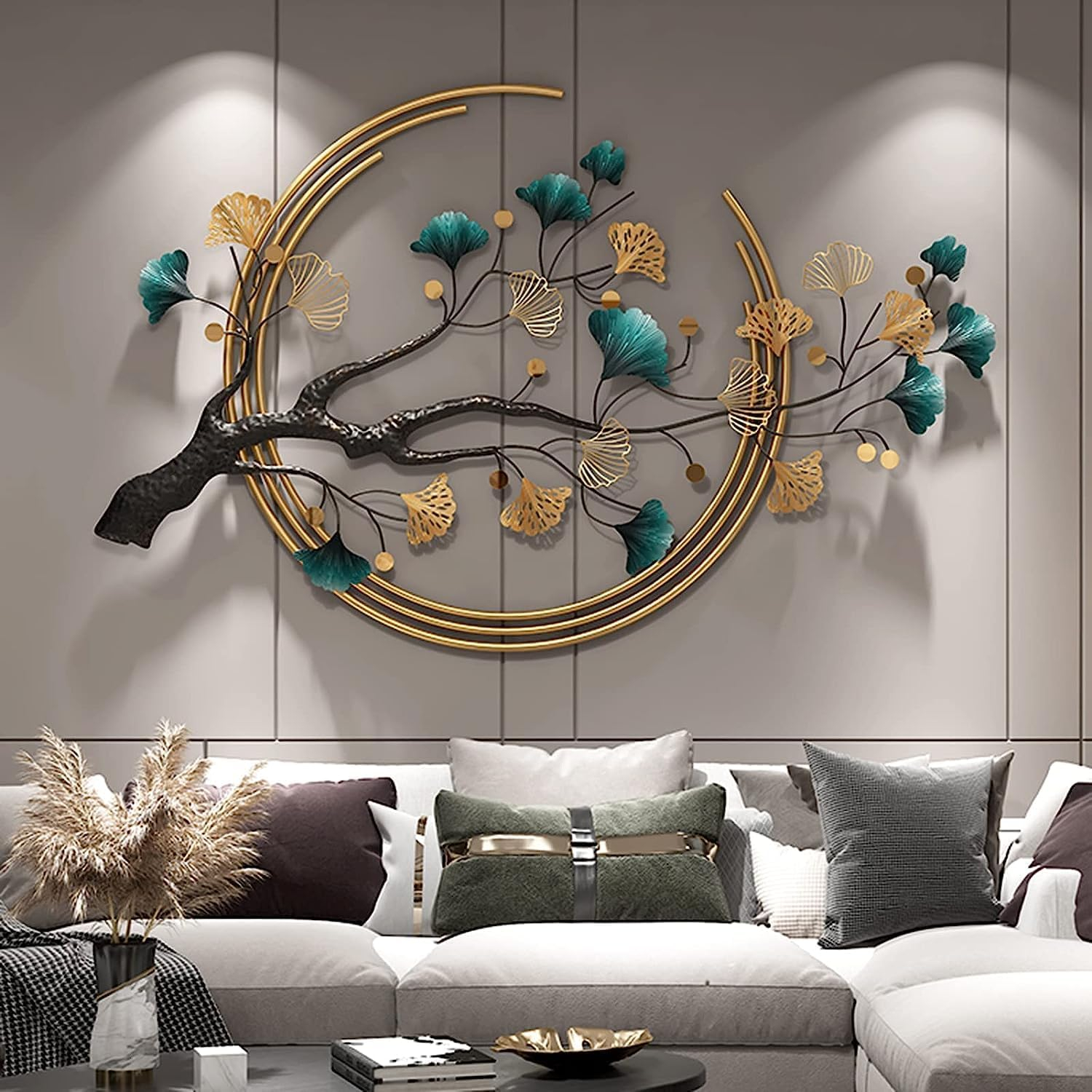
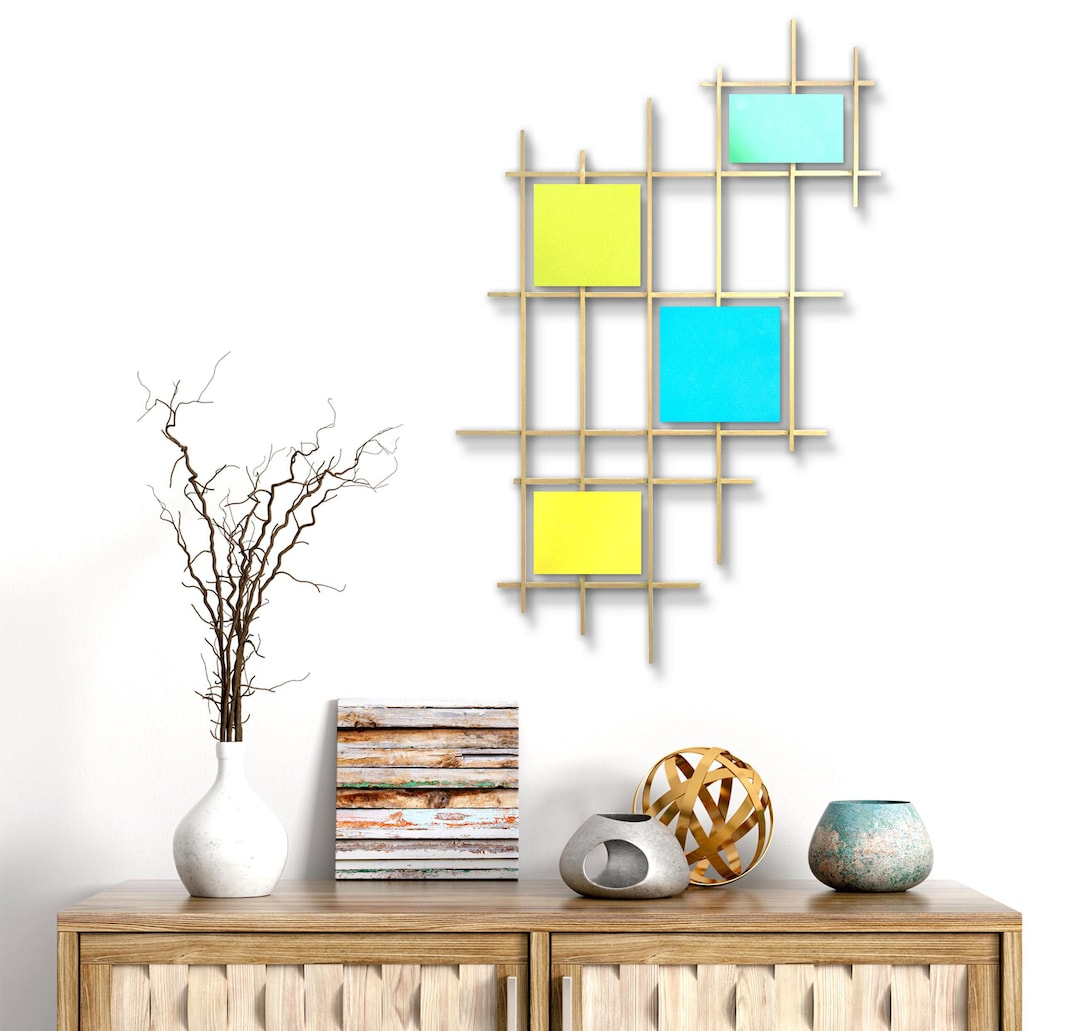
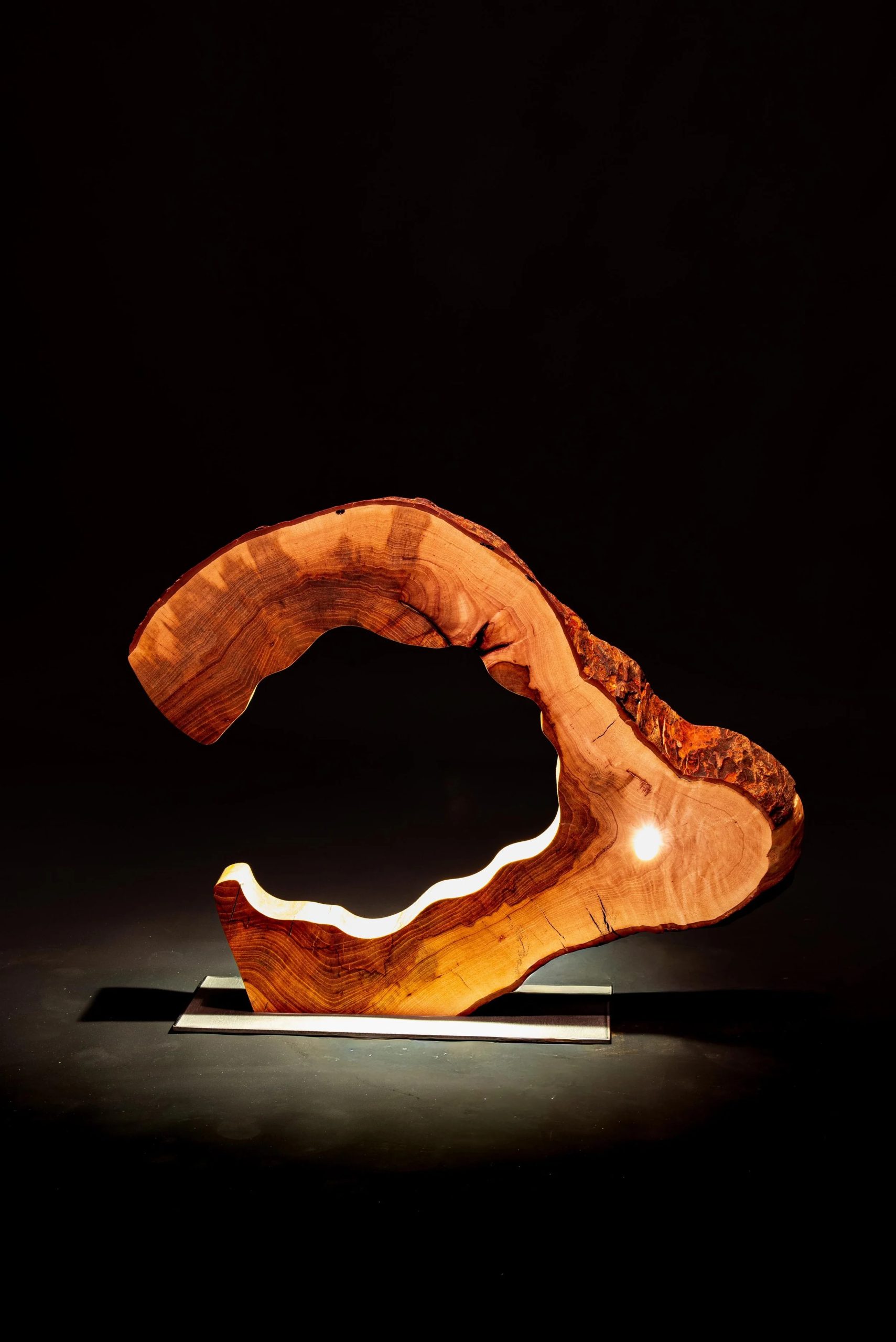
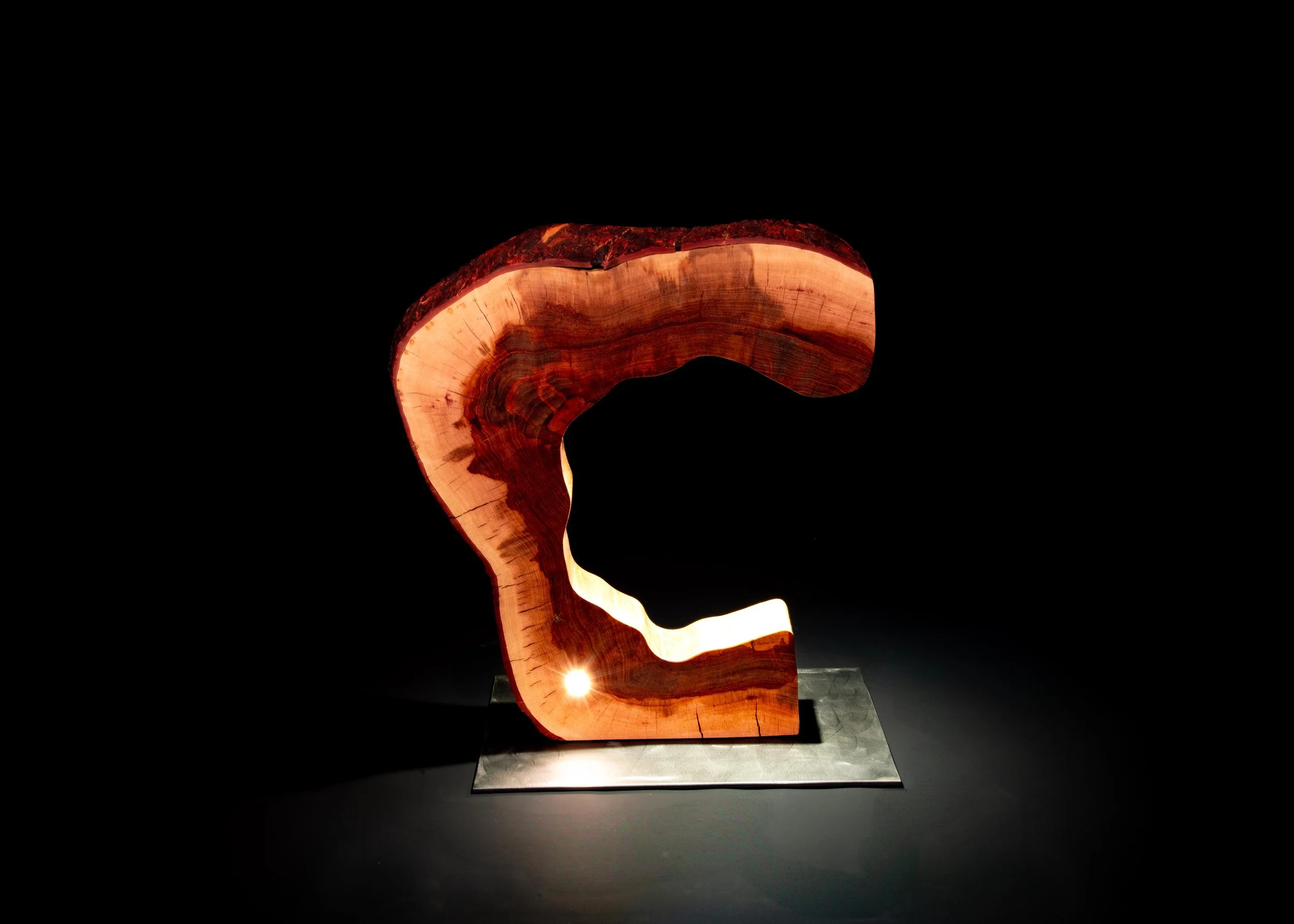
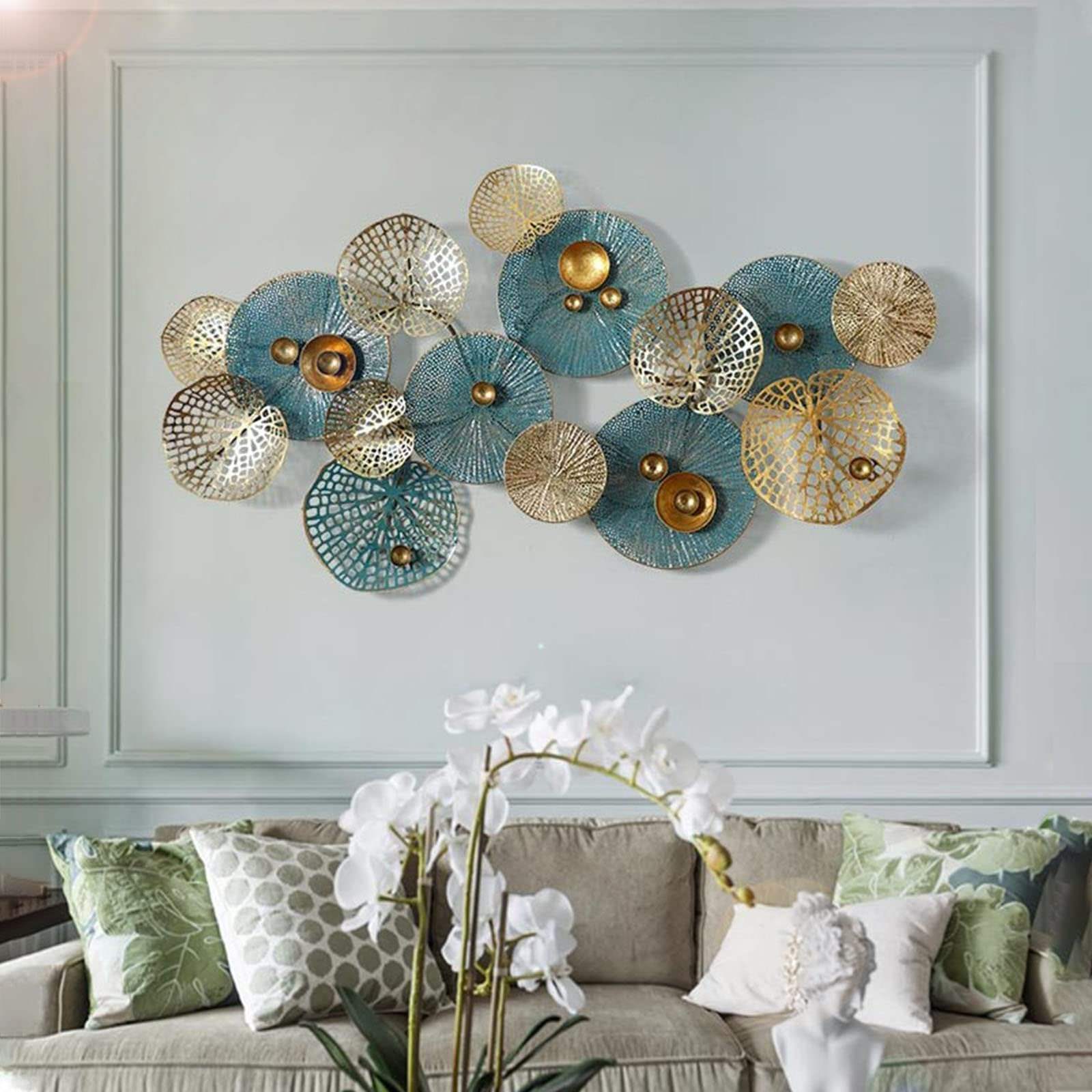
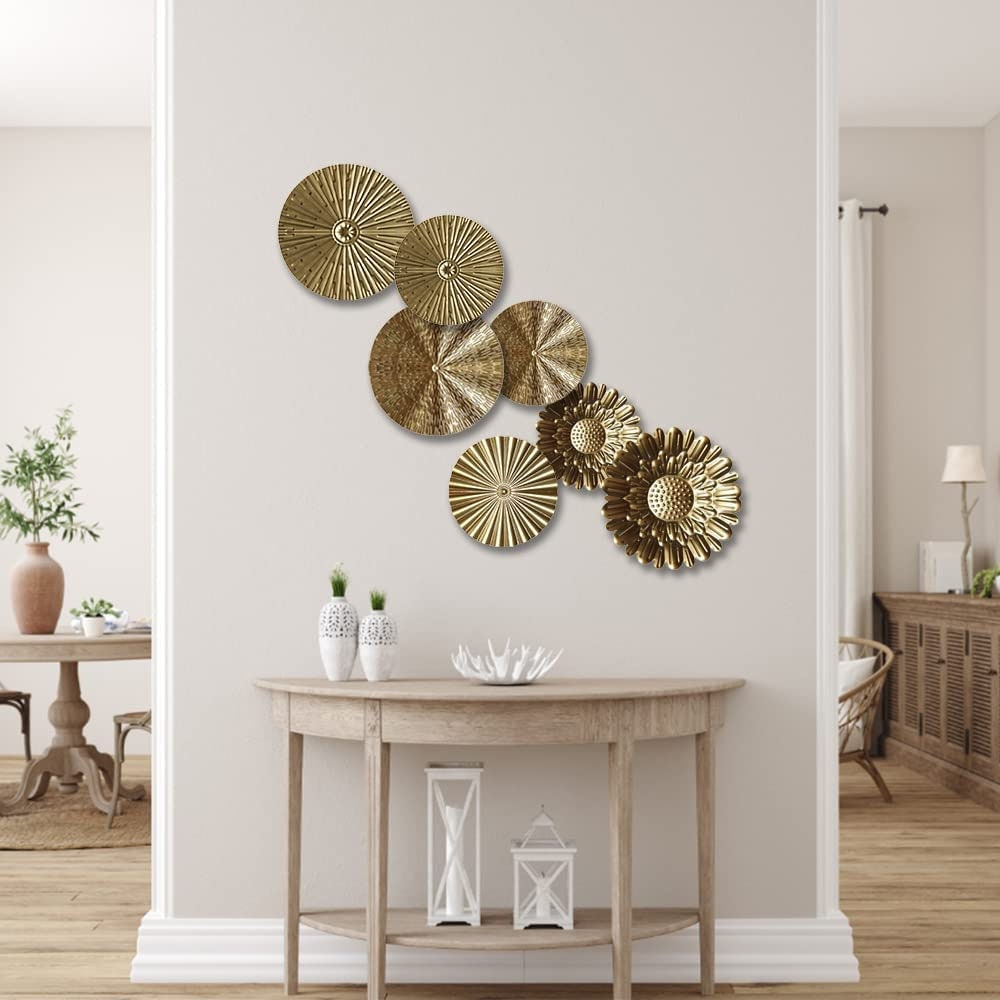
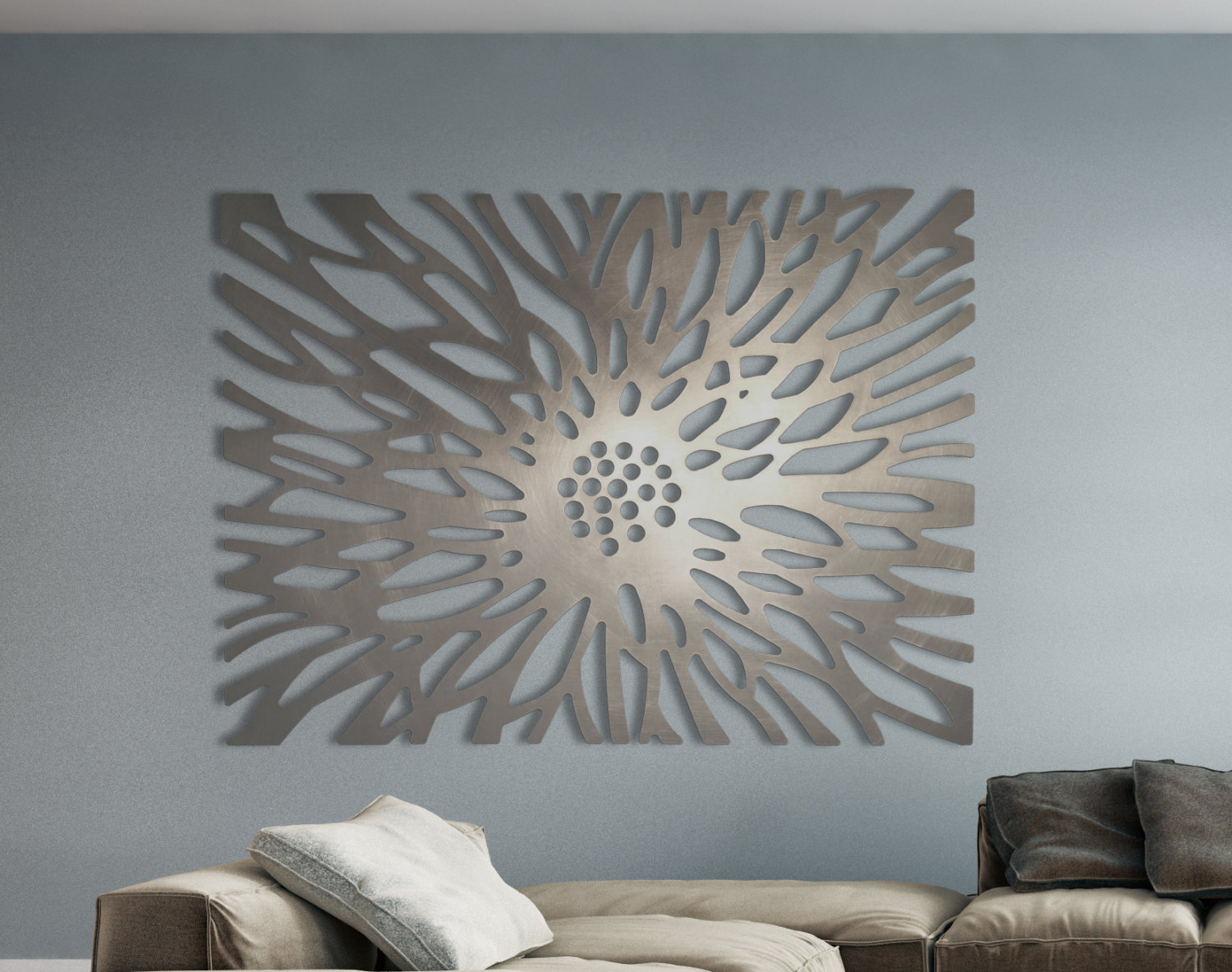
The way artists make things pop out of the wall has totally transformed our spaces. One of the coolest ways this happens is through what people in the art world call an axial wall piece. This basically means art that is built around a central line or axis, stretching out into the room to create real depth and shadows. It is like a sculpture and a painting had a baby, and it decided to live on your living room wall.
The Early Days of Breaking the Flat Wall
Long before we had modern galleries, artists were trying to escape the flat surface. If you look back at old history, even people drawing in caves used the bumps on the rocks to make their animals look real. They were using the natural shape of the wall to create a sense of depth.
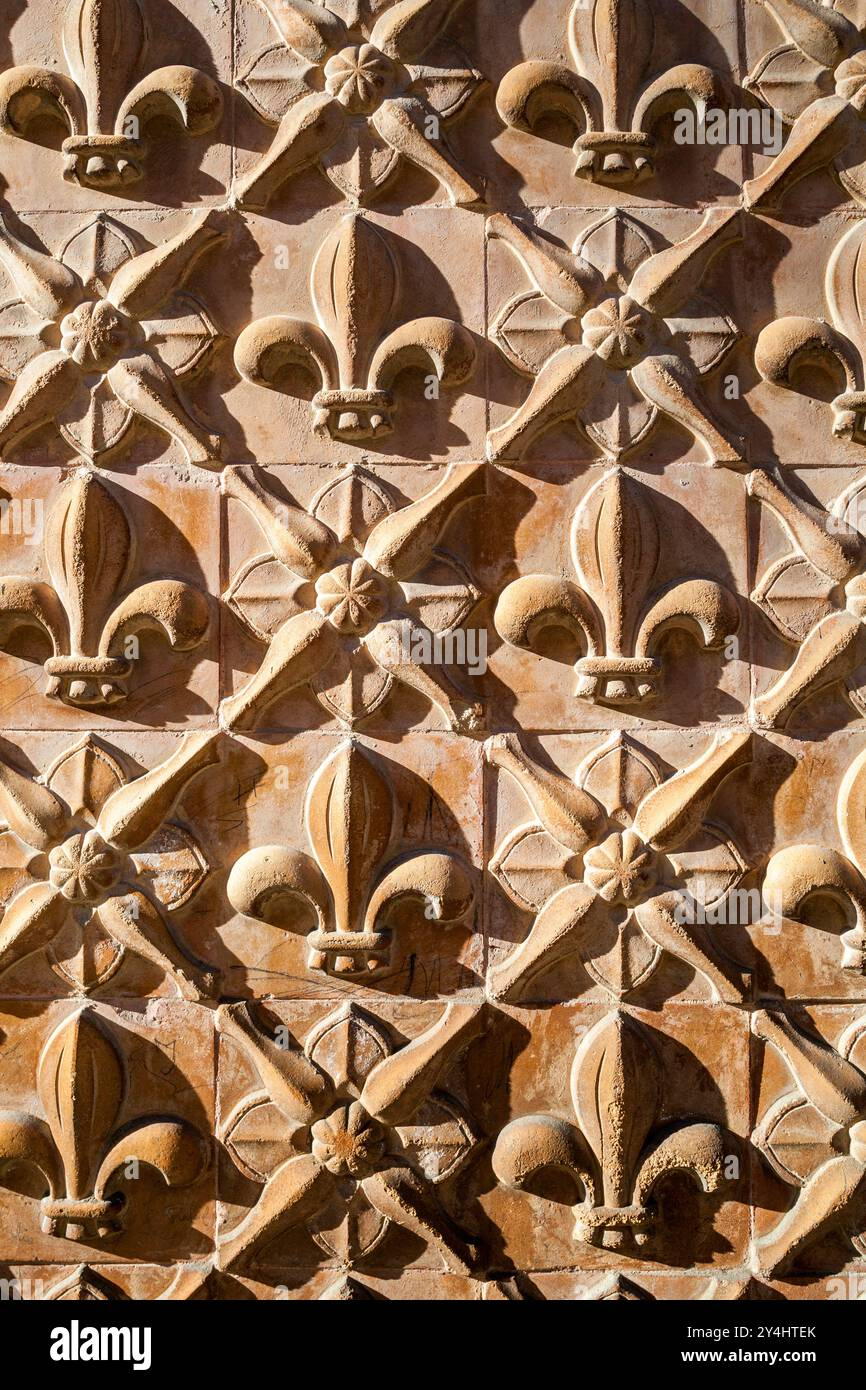
As time went on, this idea turned into bas-relief, which is just a fancy way of saying carvings that stick out slightly from a flat stone. Think about ancient temple walls. The figures arent fully free-standing statues, but they aren’t flat drawings either. This was the early spark that eventually led to the dimensional art movements we love today.