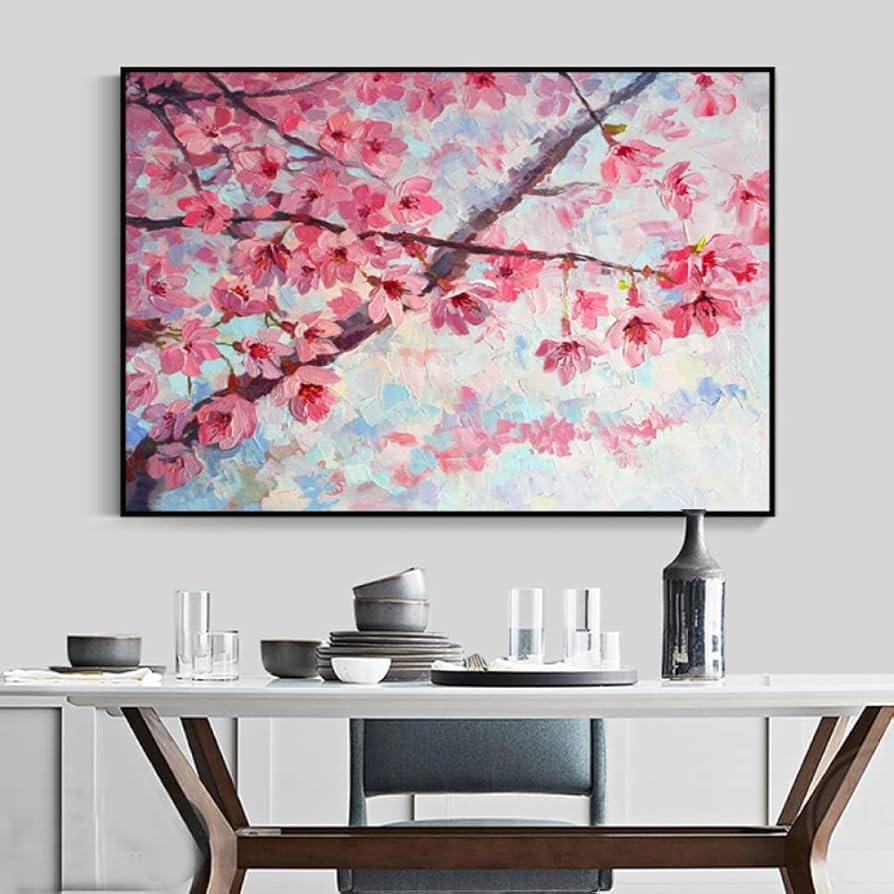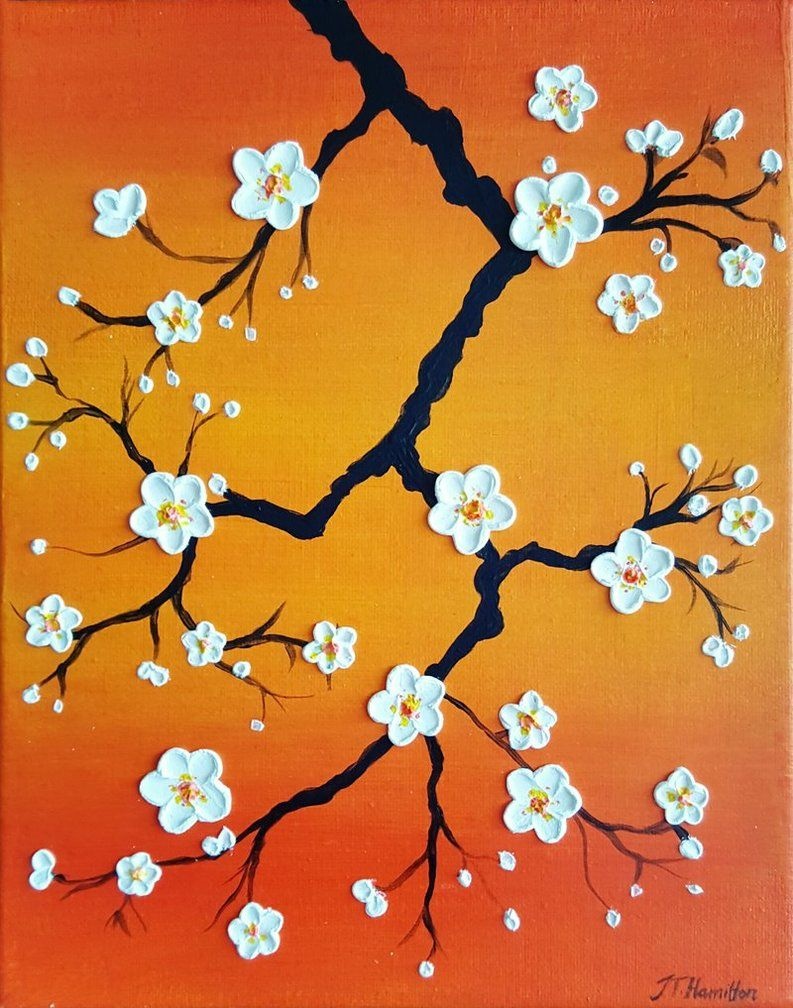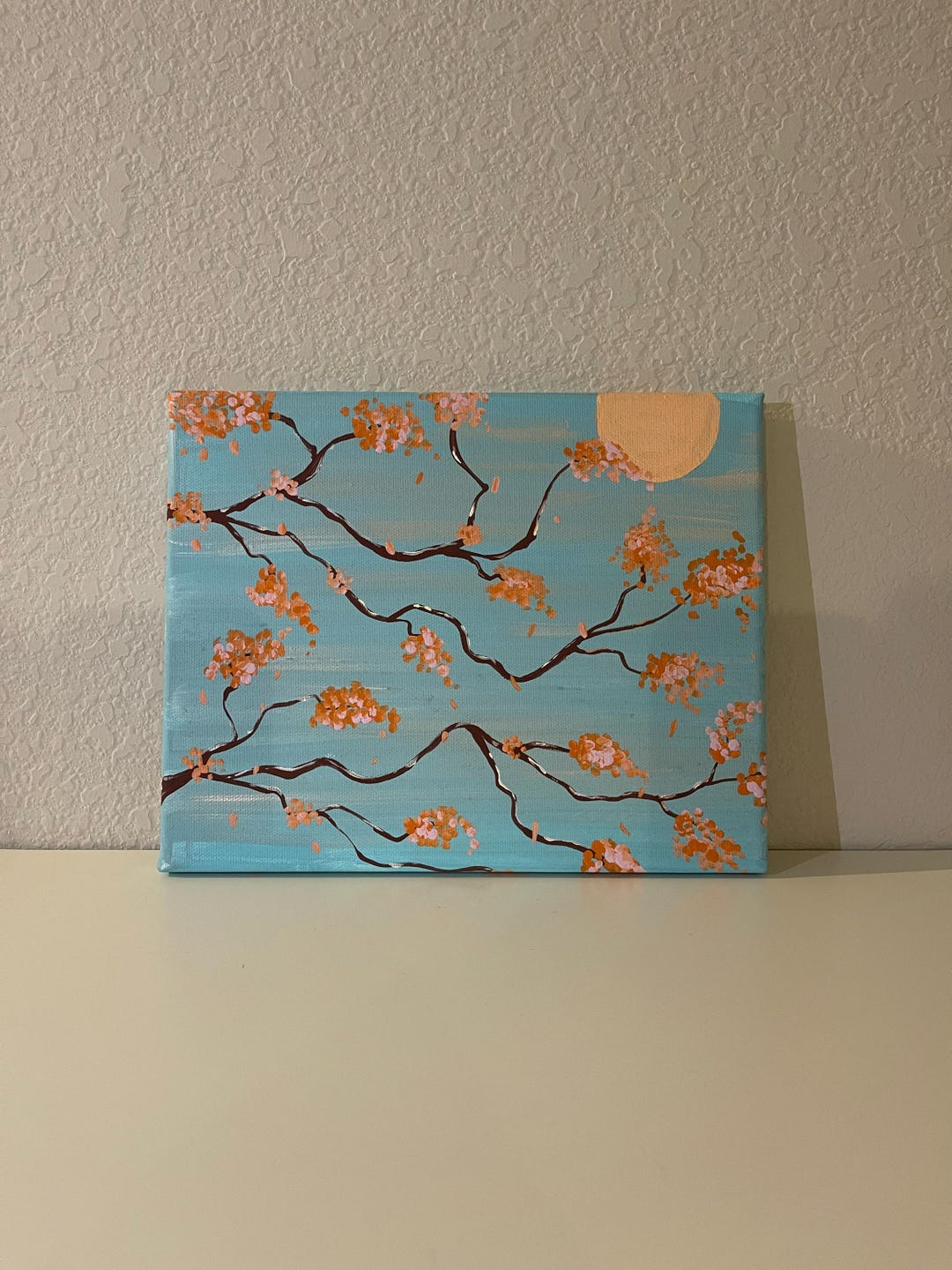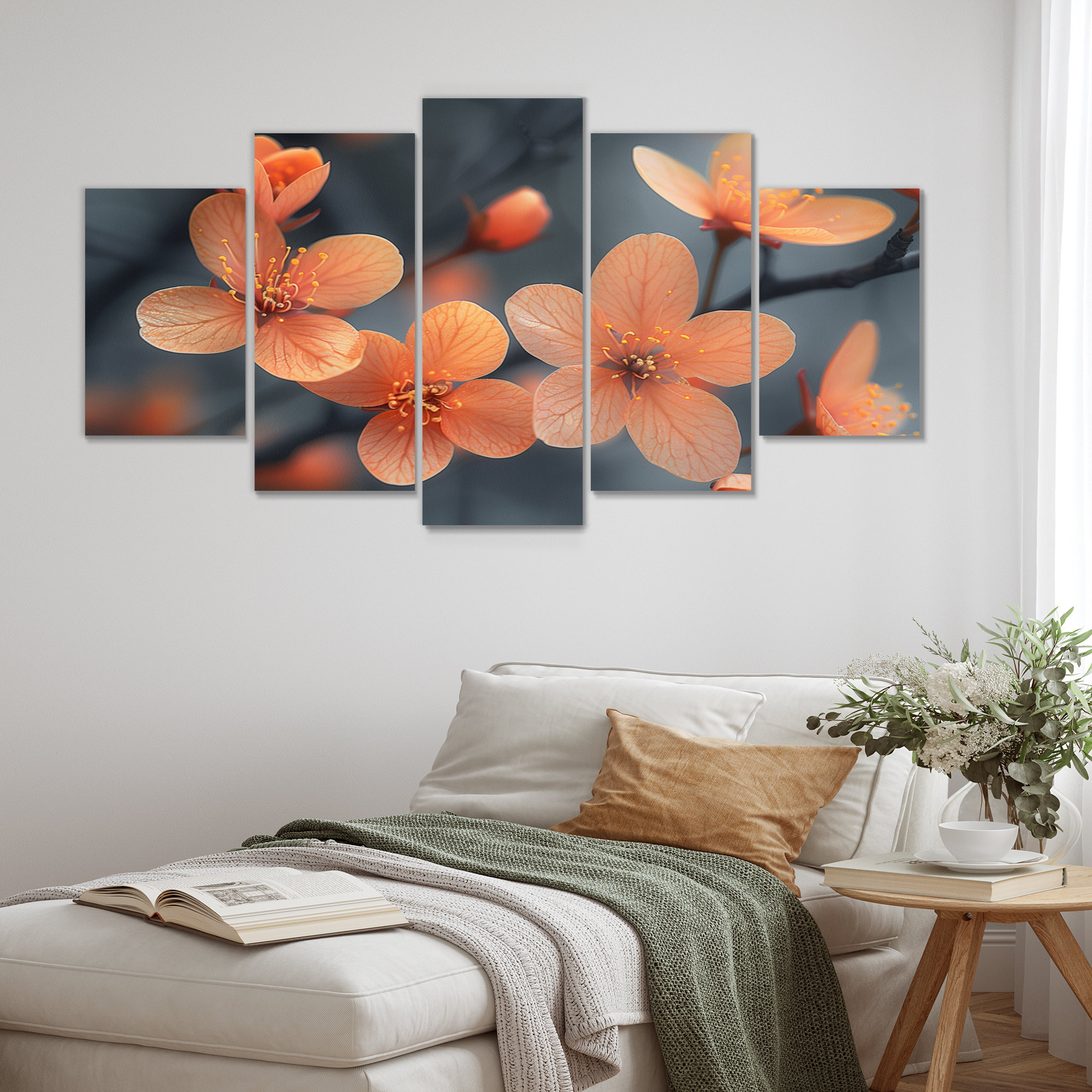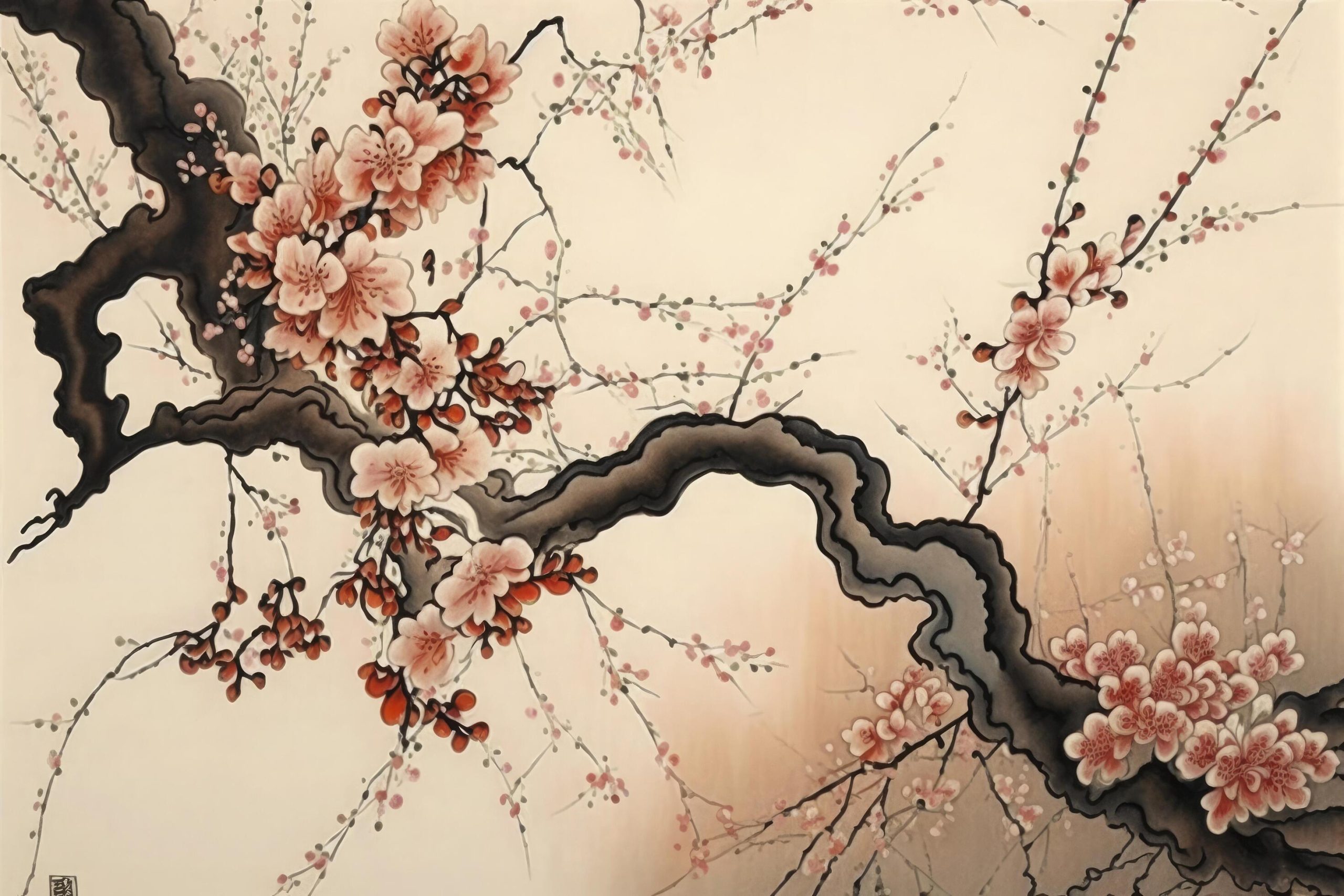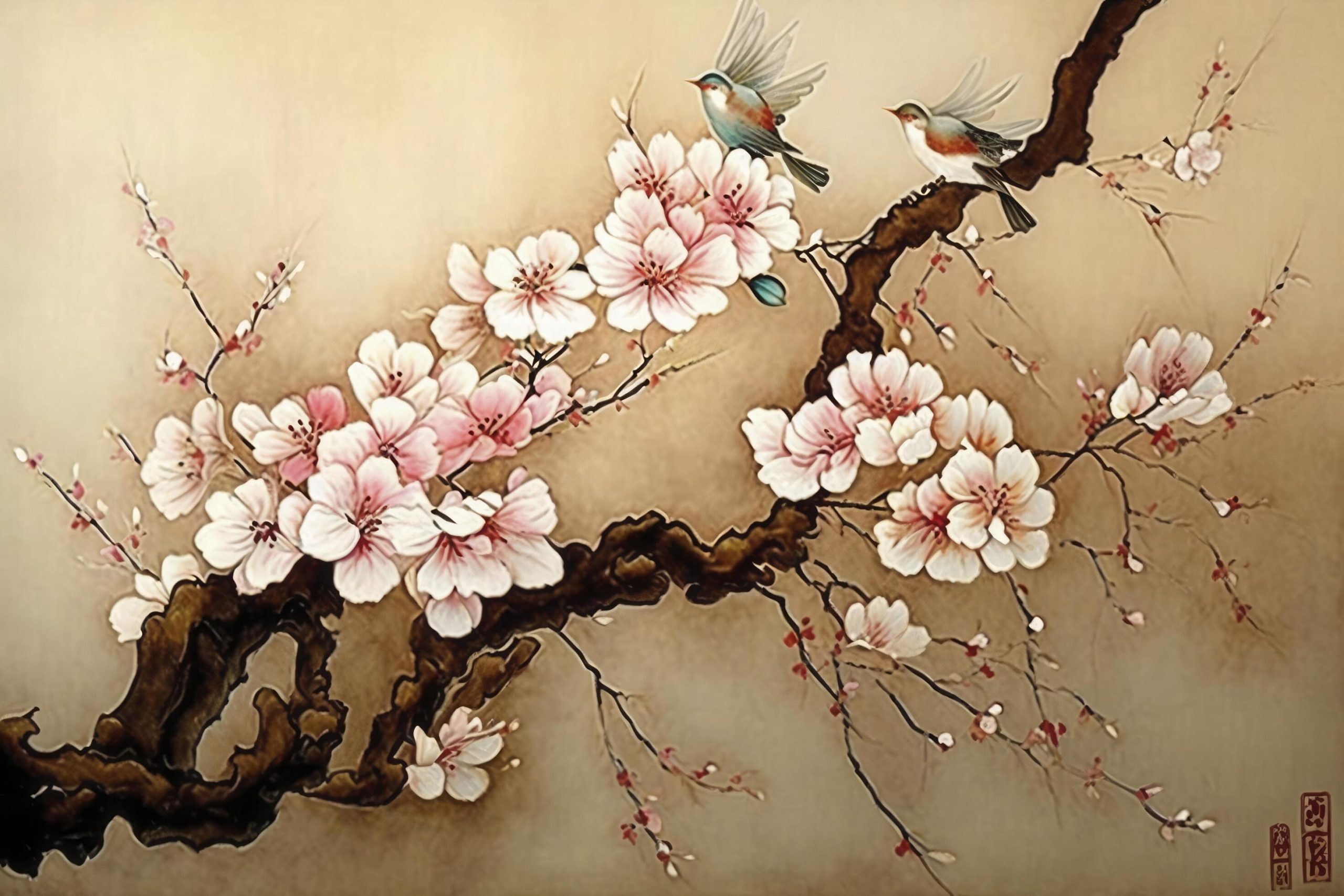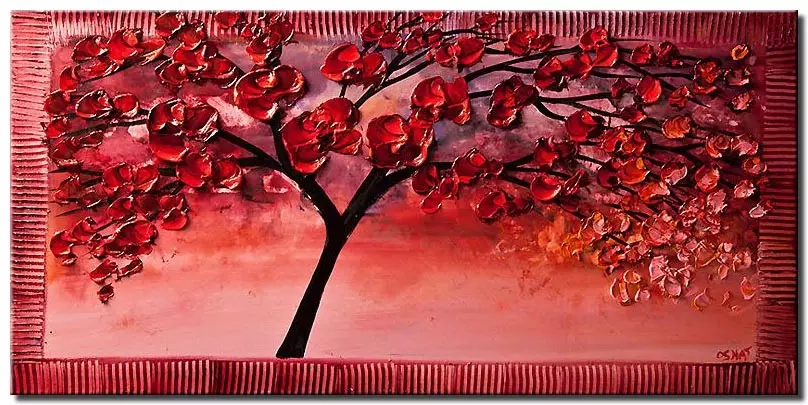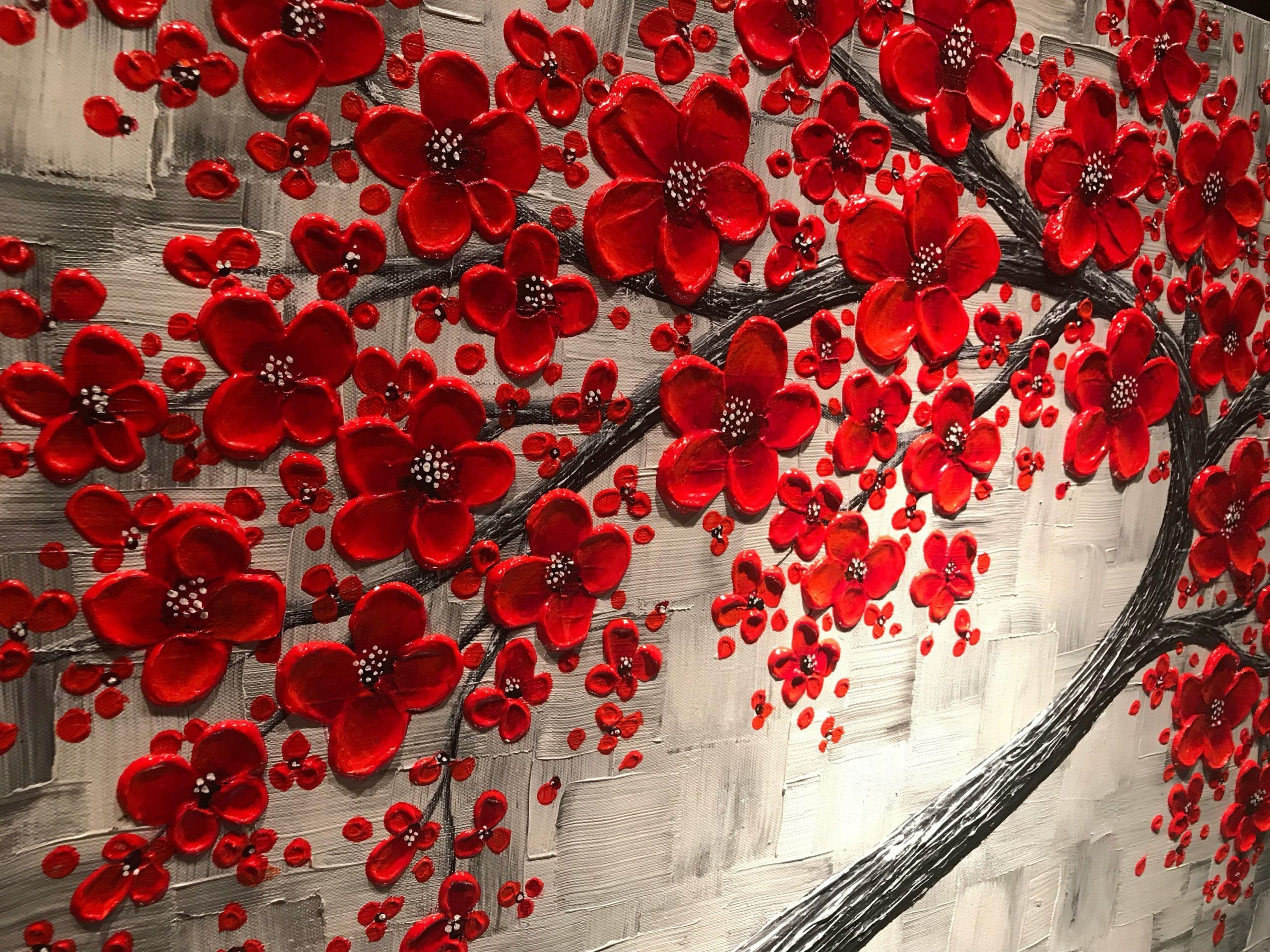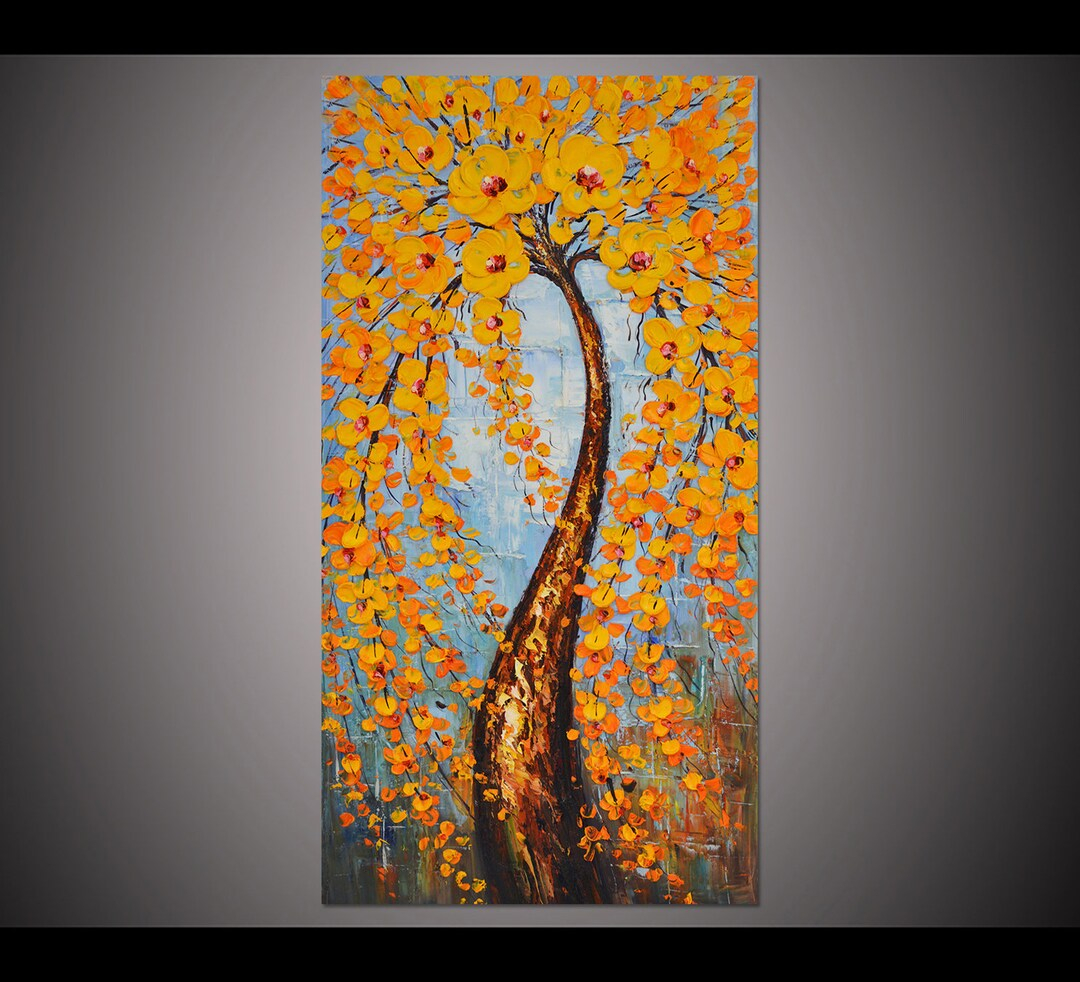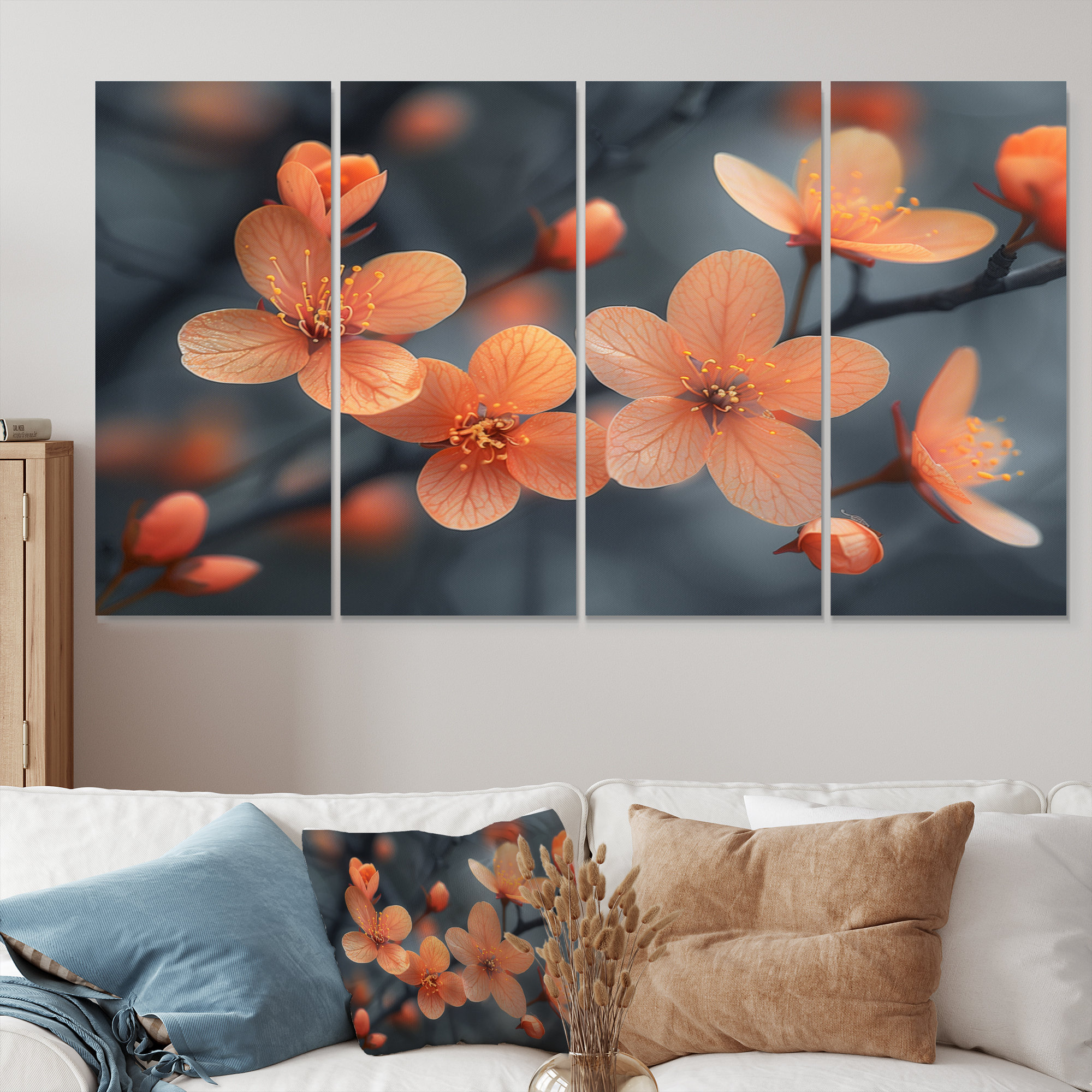
Have you ever looked at a canvas and wondered why some floral pieces pull you in more than others. When most people picture spring flowers, they imagine soft pink petals falling gently in the breeze. But what happens when artists swap that classic pastel look for fiery amber and sunset tones.
Cherry blossoms have captured human imagination for centuries, representing new beginnings and the fleeting nature of life. While pink and white rule traditional Japanese woodblock prints, the shift toward striking orange shades brings a bold twist to a classic motif. This artistic choice opens up fresh conversations about mood and color theory in modern creative spaces.
Roots in Tradition and Evolution
Long before modern galleries existed, ancient creators used natural mineral pigments to capture the brief beauty of spring. Classical works from the Heian and Edo periods focused heavily on gentle pinks, yet inventive creators often experimented with warm earth tones. These early color choices laid the groundwork for later artists who wanted to push boundaries.
Over time, the visual language surrounding spring blooms expanded dramatically. Painters began mixing powdered minerals and organic dyes to achieve rare sunset hues. This evolution meant that artwork featuring warm amber petals started appearing in private collections and public displays alike, offering a fresh visual experience.
The Psychology of Warm Tones
Colors carry heavy emotional weight, and trading soft pink for fiery tangerine completely changes the vibe of a painting. Warm shades evoke feelings of energy, warmth and cozy nostalgia. When applied to delicate floral branches, these vibrant hues create a striking contrast between fragility and strength.
Viewers often report feeling an instant surge of optimism when looking at these radiant works. Instead of just portraying quiet sadness over fading seasons, warm-toned florals celebrate blazing sunsets and radiant vitality. This psychological shift makes these pieces particularly popular for living spaces that need a burst of creative energy.
Techniques Behind the Brushwork
Creating a textured, glowing floral canvas requires immense skill and patience. Painters often layer translucent glazes over metallic backgrounds to make the petals seem as if they are glowing from within. Mastering this technique takes years of practice and a deep understanding of how light interacts with different pigments.
Artists also play heavily with negative space, letting empty areas of the paper or canvas breathe around the main branches. This minimalist approach draws the eye straight to the vibrant blossoms. Every brushstroke is deliberate, capturing a sense of motion even though the scene is completely still.
Cultural Impact and Modern Appeal
In recent years, creative movements in 2026 have embraced unconventional color palettes in traditional subjects. Interior designers frequently seek out striking floral prints to anchor contemporary living spaces. This crossover proves that historic motifs can adapt seamlessly to modern aesthetic trends.
Art enthusiasts love collecting these unconventional pieces because they bridge the gap between classic heritage and bold contemporary design. They spark curiosity and conversation in any room they occupy. People enjoy owning something that feels both deeply rooted in history and freshly innovative.
Practical Tips for Displaying Your Art
Finding the right spot for a vibrant floral painting can completely transform the atmosphere of a room. Natural sunlight brings out the hidden golden undertones in the paint, making the blossoms pop against darker walls. Placing a piece near a window or under warm accent lighting creates a stunning visual focal point.
Framing choices also matter quite a bit when showcasing these detailed works. Simple wooden frames or sleek floating borders help keep the focus entirely on the delicate painted branches. Avoiding overly ornate frames ensures the artwork maintains its clean, modern feel.
The landscape of botanical art continues to shift as new creators experiment with digital tools alongside physical mediums. Artists are finding fresh ways to blend traditional brush techniques with vibrant digital color palettes. This fusion promises exciting new directions for future exhibitions.
Collectors and museums are taking notice of these bold visual experiments. As public interest grows, we can expect to see even more galleries highlighting unconventional interpretations of classic spring subjects. The timeless appeal of the blossom remains untouched, even as its colors continue to evolve.
Looking back at how far floral artistry has come reveals a wonderful story of human creativity. From ancient ink wash scrolls to modern amber masterpieces, these creative expressions remind us to appreciate beauty in all its forms. Whether you are an avid collector or just someone who loves pretty things, taking time to explore these unique pieces adds a touch of warmth to everyday life.