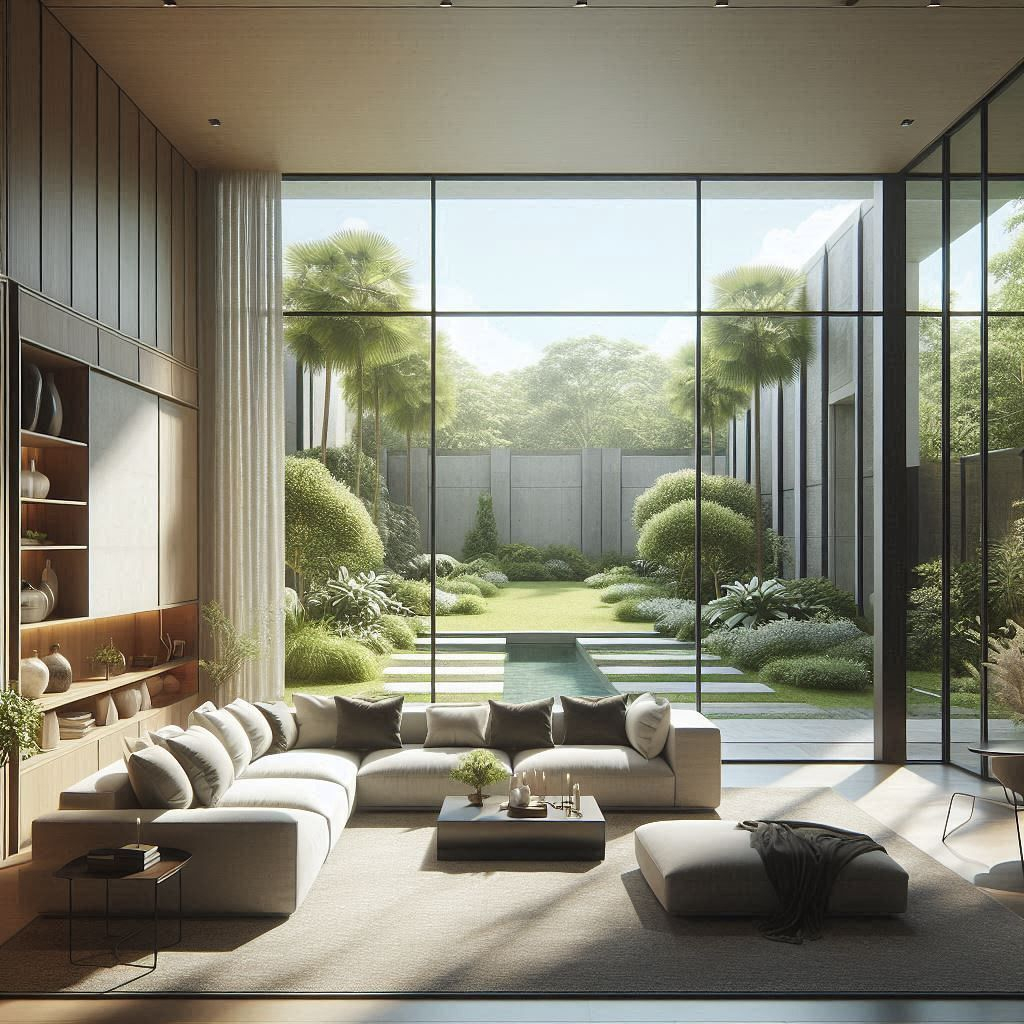
Walk into almost any high-end architectural digest feature lately, and you will notice a striking shift. The sterile, hyper-minimalist white boxes of the past decade are yielding to interiors that breathe. People are starving for tactile warmth, organic silhouettes, and objects that tell a story of the living world without dragging a forest or a pond straight into the foyer.
We crave nature inside our homes not as a novelty, but as an anchor against the digital static of everyday life. Yet, translating that craving into sophisticated decor is notoriously tricky. Houseplants demand precise sunlight, botanical prints can occasionally read like a sleepy bed-and-breakfast, and taxidermy feels heavy, brooding, and deeply out of step with contemporary sensibilities.
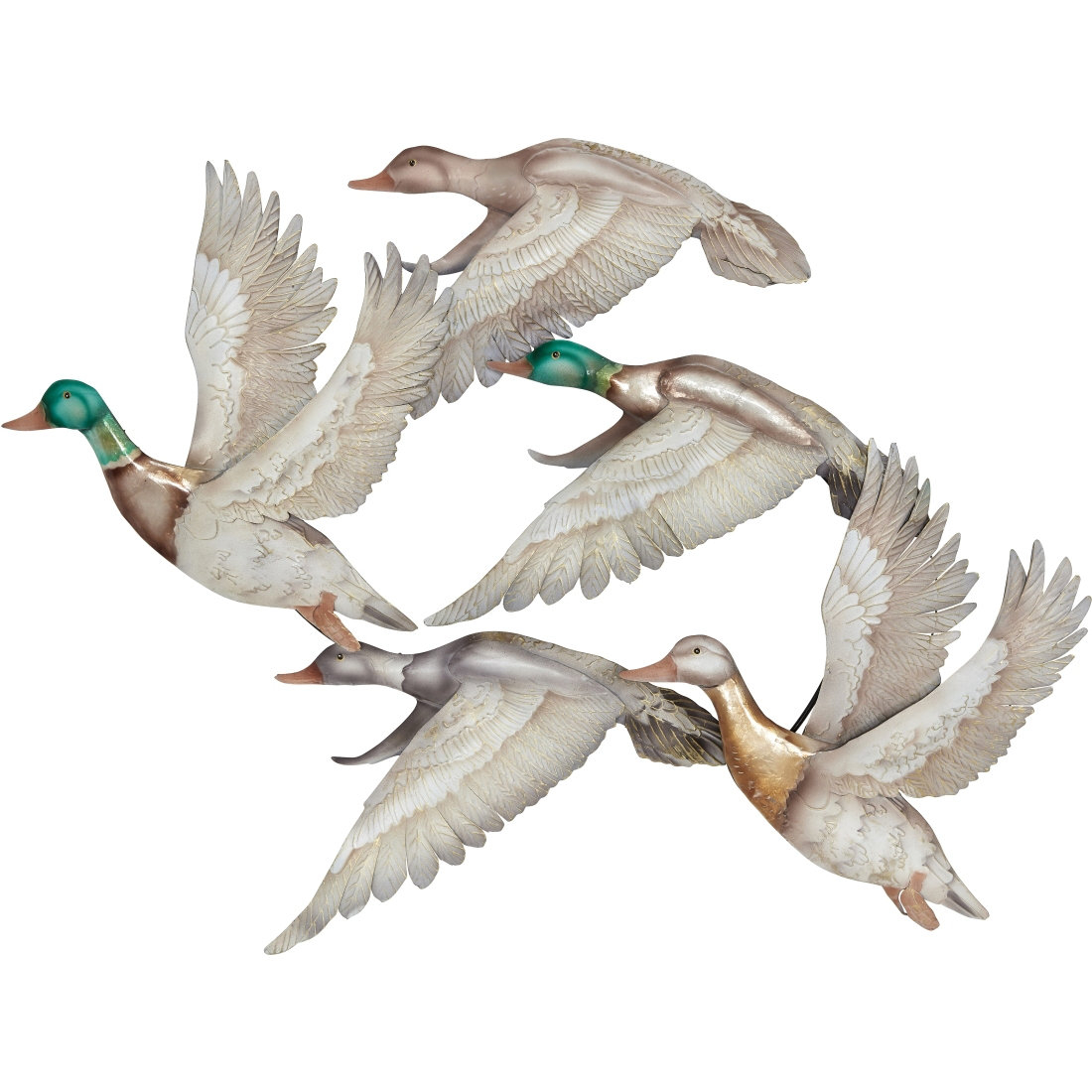
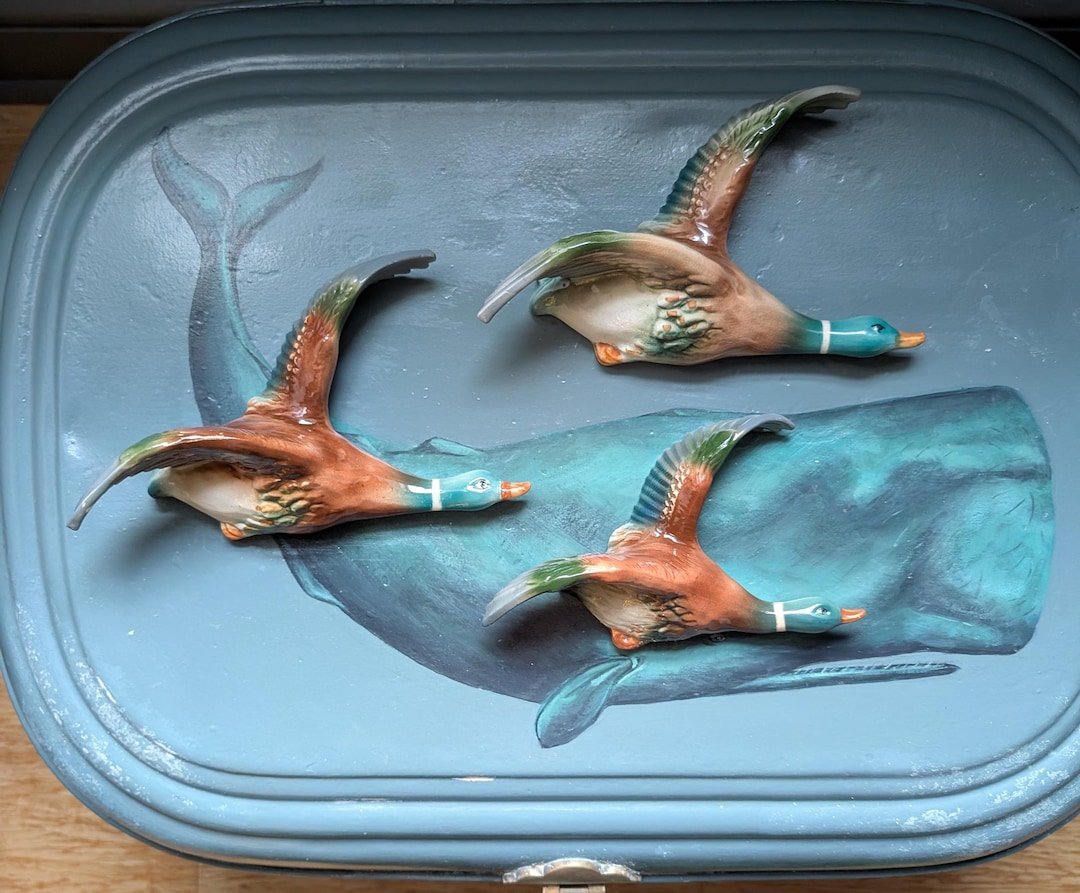
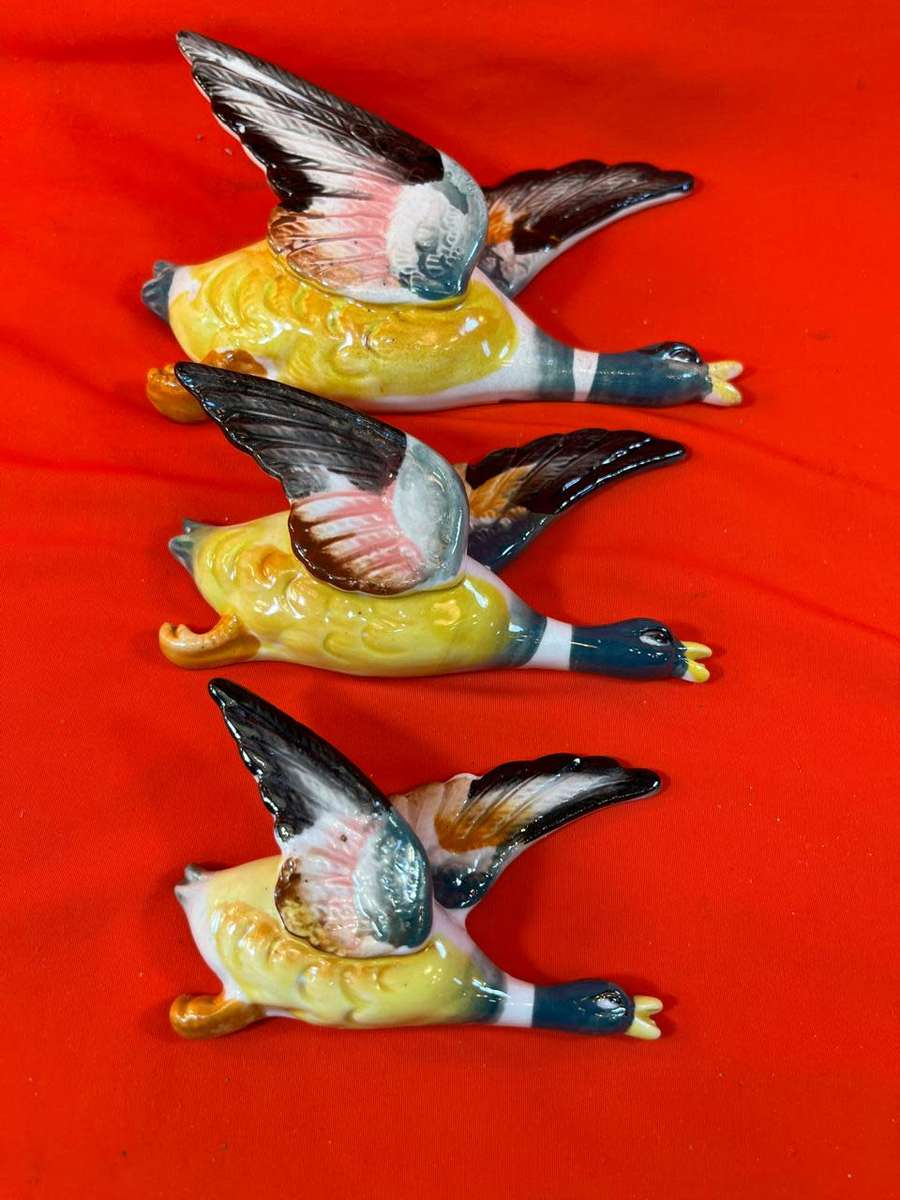
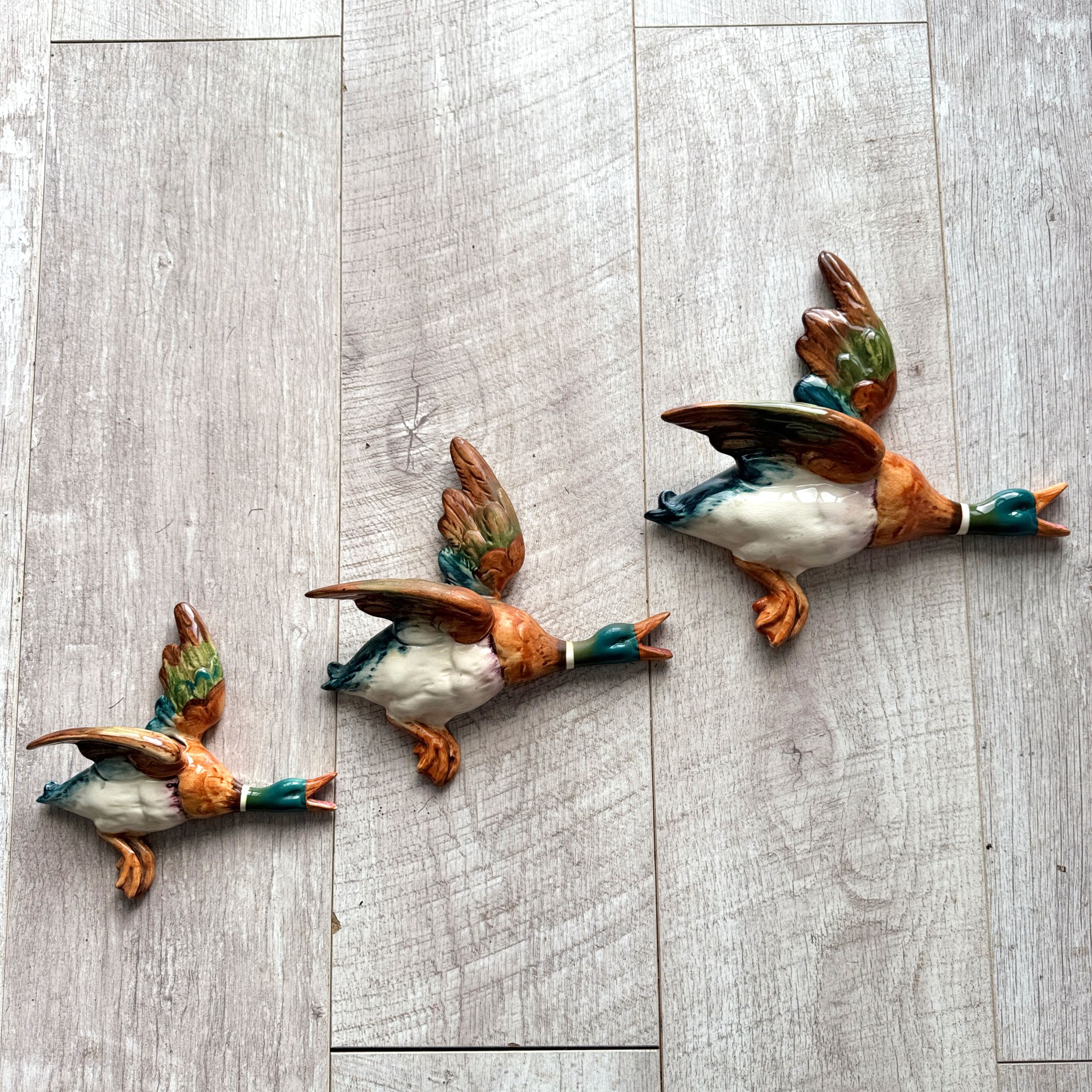
This is precisely where sculptural wall art steps in to bridge the gap. By capturing organic motion in durable, contemporary finishes, design houses are changing how we invite the outdoors inside. Among the most compelling pieces achieving this balance are the Phillips Collection Flying Ducks, a dynamic set of three wall sculptures that turn blank vertical surfaces into active migration routes.
The Phillips Collection has long championed what they call the "modern organic" ethos—a design philosophy that marries raw natural forms with sleek, urban manufacturing techniques. Founded on the idea that every piece should have a story, the brand looks to the rhythms of the natural world for inspiration. Ducks, by their very nature, are intensely social creatures, rarely spotted navigating the skies alone. They move as a synchronized flock, relying on spatial awareness and communal bonds to cross continents. Translating this organic choreography into a physical, three-dimensional home accessory required a careful balance of artistic interpretation and structural integrity.
When Jason Phillips and his team set out to craft this specific piece, the goal was not to create rigid decoys, but to capture the kinetic grace of wings mid-flap. The resulting set of three white flying ducks brings an unexpected narrative to interior architecture. They challenge the traditional flatness of framed art, pushing forward into the room and casting dramatic, shifting shadows as natural light moves across a wall throughout the day. It is this interplay between sculpture and light that elevates the installation from mere ornament to a living element of the room.
The Philosophy of Biophilic Design and Three-Dimensional Wall Sculpture
Biophilic design is much more than a buzzword tossed around by commercial architects; it is a fundamental acknowledgment of human biology. We are hardwired to respond positively to natural patterns, organic curves, and representations of living creatures. However, introducing these elements vertically is an interior design challenge. Traditional flat art hangs quietly on a plane, acting as a window to a scene rather than a participant in the room’s spatial dynamics.
Three-dimensional wall sculpture alters this dynamic entirely. When objects project outward from the drywall, they claim volume. They force the eye to travel across spatial depths, mimicking the way we scan a natural landscape. The Phillips Collection Flying Ducks exploit this spatial psychology brilliantly. Each duck in the set of three is captured at a slightly different stage of flight, creating an immediate optical narrative of ascent, momentum, and collective travel.
Material choice plays a massive role in how these sculptures interact with a room. Finished in a crisp, weather-resistant white gel coat, the ducks manage to look both ancient and ultramodern. The gel coat provides a smooth, non-porous sheen that catches ambient light cleanly, preventing the forms from looking heavy or literal. Instead of looking like taxidermy, they read as pure form—abstracted gestures of wildlife rendered in a gallery-ready finish. This clean, monochromatic treatment allows them to blend effortlessly into minimalist, Scandinavian, transitional, or even maximalist spaces without causing visual clutter.
Architectural Placement Strategies for Maximum Visual Impact
Positioning sculptural wall art requires the eye of an installation artist. Because the Phillips Collection Flying Ducks come as a coordinated set of three, they offer incredible versatility, but they also demand deliberate composition. Randomly nailing them to a wall like standard picture frames completely squanders their kinetic potential. To make them truly look as though they are slicing through your interior atmosphere, you must treat the wall as a canvas and consider sightlines, ceiling heights, and adjacent furniture.
In an entryway or a double-height foyer, these ducks shine when installed diagonally, as if ascending up the vertical expanse toward a second-story landing. This vertical migration draws the eye upward, making standard-height ceilings feel expansive and grand. Conversely, in a living room, arranging them horizontally or in a gentle, sweeping arc above a low-profile sofa or credenza anchors the furniture grouping below them. The horizontal sweep guides the viewer’s gaze across the room, adding a subtle layer of horizontal tension that balances vertical architectural lines like windows and doorways.
Consider also the light source in the room. Because the white gel coat finish is designed to reflect light, placing these sculptures opposite a large window or a strategically angled picture light creates a stunning interplay of highlights and shadows. As the sun shifts from morning to afternoon, the shadows cast by the wings lengthen and contract, making the wall art feel genuinely alive. This dynamic movement is precisely what separates static decor from pieces that sustain visual interest over years of daily living.
Step-by-Step Methodology for Mounting and Styling Your Flock
Installing three-dimensional wall sculptures safely and aesthetically requires a methodical approach that goes beyond simply grabbing a hammer and a nail. Because these pieces have actual physical depth and weight, proper anchoring ensures they remain secure while achieving the exact flight path you envision. Here is a field-tested blueprint for executing a professional-grade installation in your home:
- Step 1 (Mapping the Flight Path): Before making a single mark on your wall, lay the three ducks out on a large table or the floor in various configurations until you find a natural, fluid grouping that suggests movement.
- Step 2 (Creating Paper Templates): Trace the outline of each duck’s mounting points onto butcher paper or newspaper, cutting out exact templates to test-hang on your wall using low-tack painter’s tape.
- Step 3 (Evaluating Wall Height and Sightlines): Step back at least ten feet to evaluate your paper templates at eye level, ensuring the center of the grouping sits roughly 57 to 60 inches from the floor for optimal gallery viewing.
- Step 4 (Securing Proper Anchors): Locate wall studs where possible using an electronic finder; for drywall areas without stud access, install heavy-duty toggle bolts or rated wall anchors capable of supporting the specific weight of the gel coat sculptures.
- Step 5 (Final Adjustment and Lighting): Hang the ducks securely, adjust their slight directional angles if the mounting hardware permits, and position a dimmable accent light to graze the surfaces and emphasize their sculptural contours.
Navigating Common Installation Pitfalls and Material Maintenance
Even seasoned design enthusiasts occasionally stumble when transitioning from two-dimensional art frames to heavy sculptural objects. The most common error is hanging pieces too high or crowding them too tightly together, which strips away the illusion of flight and makes the grouping look cramped and confused. Another frequent misstep involves ignoring the surrounding decor ecosystem; hanging white sculptural ducks against a stark white wall causes them to disappear entirely, neutralizing their striking silhouette.
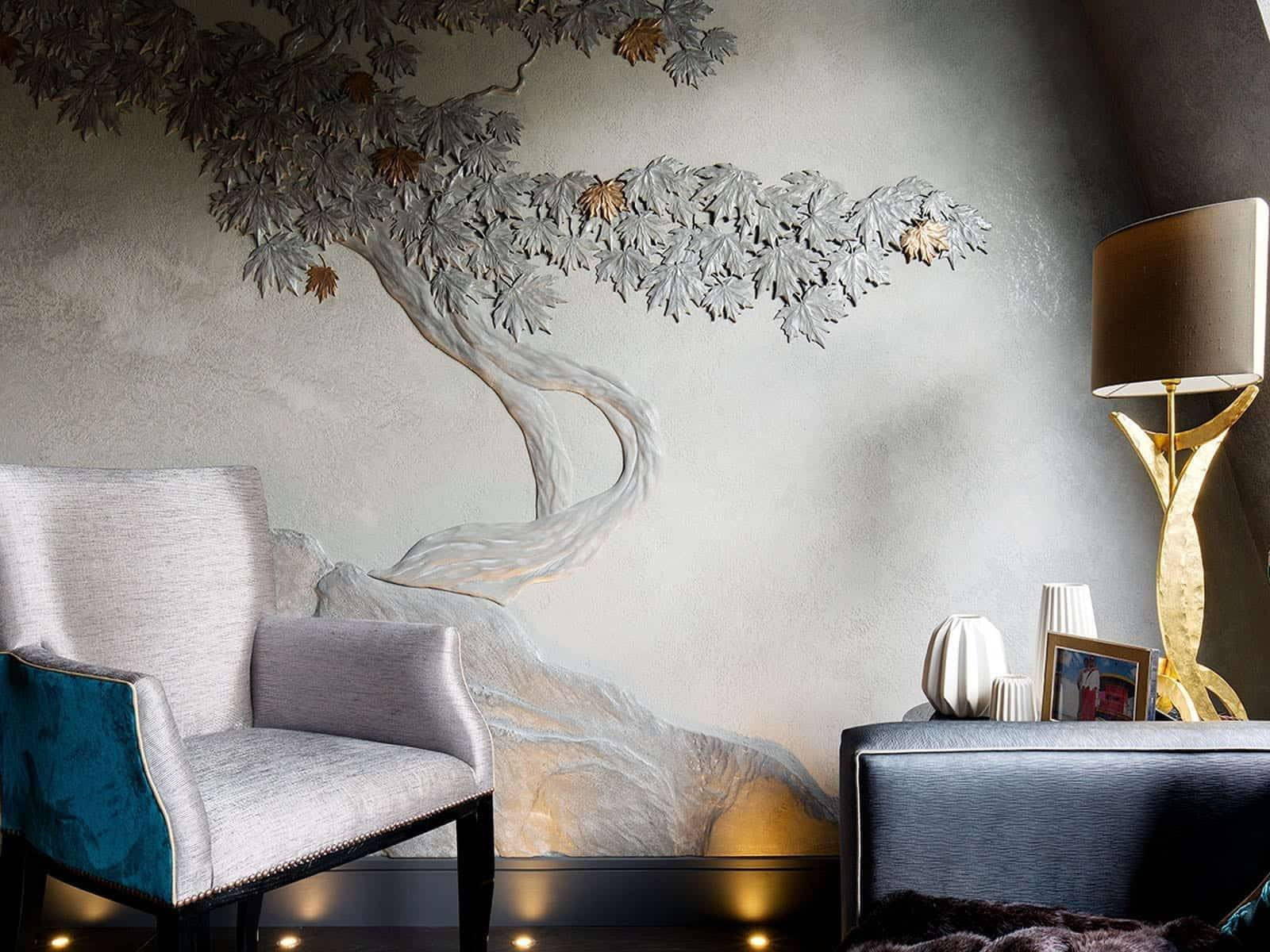
To avoid these visual traps, always prioritize contrast. If your walls are painted a crisp, brilliant white, consider mounting the Phillips Collection Flying Ducks against a moody backdrop—such as deep charcoal, forest green, muted navy, or even a textured grasscloth wallpaper. The dark backdrop makes the pristine white gel coat pop with arresting clarity, turning the wildlife motif into a striking contemporary art statement.
From a maintenance perspective, the weather-resistant white gel coat finish is remarkably forgiving. Because the formulation is designed to withstand outdoor elements, it is equally durable indoors against everyday household challenges like dust, humidity, and accidental bumps.
- Pitfall 1 (The Camouflage Effect): Hanging white gel coat sculptures on plain white drywall, resulting in zero visual contrast; workaround by selecting a contrasting wall color or textured wall covering.
- Pitfall 2 (Cramped Spacing): Placing the three ducks too close together like a tight cluster, destroying the illusion of forward momentum; workaround maintain at least 6 to 12 inches of negative space between each individual bird.
- Pitfall 3 (Ignoring Weight and Anchors): Using standard picture hangers that pull out of drywall under the weight of solid 3D art; workaround always use rated drywall anchors or drive directly into wooden wall studs.
- Pitfall 4 (Neglecting Dust Accumulation): Allowing dust to settle in the recessed contours of the wings over time; workaround gently sweep the surfaces bi-weekly with a clean, dry microfiber cloth or a soft feather duster.
- Pitfall 5 (Static Lighting Blindness): Installing the art in a dark hallway or flat lighting zone where shadows cannot form; workaround introduce an overhead directional spotlight or wall sconce to cast sculptural relief shadows.
The Broader Cultural Shift Toward Tactile, Story-Driven Interios
The enduring appeal of pieces like the Phillips Collection Flying Ducks points to a larger cultural fatigue with mass-produced, digital-first aesthetics. For years, home decor trends were dominated by flat, reproducible prints and frictionless, smooth surfaces that photographed well on social media but felt cold and unlived-in upon closer inspection. Today, homeowners are actively seeking out items that possess a tactile signature—surfaces you want to touch, forms that evoke emotion, and designs that reference the natural world with sophistication and wit.
This shift toward modern organic design is not merely a passing stylistic whim; it is a psychological necessity. As our work and social lives become increasingly tethered to glass screens and virtual spaces, our homes must act as grounding counterweights. Natural motifs, when interpreted through high-end design, provide that necessary anchor. They remind us of outside rhythms, seasonal migrations, and the unhurried passage of time.
Furthermore, the economic and environmental value of investing in durable, art-led furnishings cannot be overstated. Fast decor—cheaply made plastic or paper goods that degrade or fall out of style within eighteen months—is giving way to a more thoughtful curation model. When you purchase weather-resistant pieces crafted with genuine artistic intent, you are buying flexibility. These ducks can migrate effortlessly from a sophisticated indoor dining room in the city to a sheltered coastal patio retreat during the summer months, offering unmatched versatility across different living spaces and climates.
Strategic Recommendations for Integrating Sculptural Wildlife Into Contemporary Rooms
To successfully weave the Phillips Collection Flying Ducks into your existing home ecosystem, you need a clear strategy that balances whimsy with sophistication. Animal motifs in interior design walk a very fine line between charmingly eccentric and kitschy. The key to staying on the right side of that line is commitment and context. Do not surround the installation with an excessive amount of literal wildlife paraphernalia; instead, let the ducks stand alone as the singular organic focal point in a clean, thoughtfully edited room.
Consider pairing this set of three with materials that echo their organic narrative without mimicking it too closely. Raw oak or walnut wood tones, unlacquered brass accents, and textured textiles like boucle, linen, or jute create a rich tactile dialogue with the smooth, reflective white gel coat. If your living room features a minimalist concrete fireplace surround or a sleek plaster accent wall, mounting the flying ducks across that surface instantly softens the architectural harshness, injecting life and narrative movement into an otherwise austere zone.
- Recommendation 1 (Anchor with Natural Textures): Pair the clean white gel coat finish with warm, tactile materials like raw-edge wood furniture, wool rugs, or woven wall hangings to balance modern and organic elements.
- Recommendation 2 (Curate the Surrounding Negative Space): Keep adjacent wall surfaces relatively sparse to let the dynamic flight path of the three ducks command full visual attention without visual competition.
- Recommendation 3 (Leverage Indoor-Outdoor Versatility): Take advantage of the weather-resistant gel coat by relocating the sculptural set to a covered porch, sunroom, or outdoor patio living area during warmer seasons.
- Recommendation 4 (Establish a Focal Point): Hang the flock above significant architectural or furniture anchors, such as a living room sofa, a dining room buffet, or a dramatic master bedroom headboard.
- Recommendation 5 (Embrace Asymmetry): Avoid rigid, symmetrical framing; allow the three ducks to cascade across the wall in a natural, organic diagonal line that mimics authentic flock migration.
Designing a home is ultimately an exercise in storytelling. Every object you select, every surface you finish, and every piece of art you mount on a wall contributes to the narrative of how you inhabit your space. We build sanctuaries to shelter us from the noise of the outside world, yet we paradoxically spend our lives trying to smuggle the beauty of that world back inside.
The Phillips Collection Flying Ducks offer a masterclass in how to achieve this delicate balance. They take something wild, free, and inherently communal, and translate it into a form that honors contemporary interior architecture. They demand neither the high maintenance of live botanicals nor the somber gravity of traditional art collections, offering instead a daily dose of lightness, movement, and organic grace.
As we look toward the future of home design, the spaces that sustain us will be those that honor our deep-seated need for connection to the natural world. By choosing pieces crafted with genuine artistic vision and material resilience, we stop decorating rooms and start building environments that breathe. Hang your flock, let the afternoon light catch their wings, and bring the vital, soaring energy of nature home to stay.