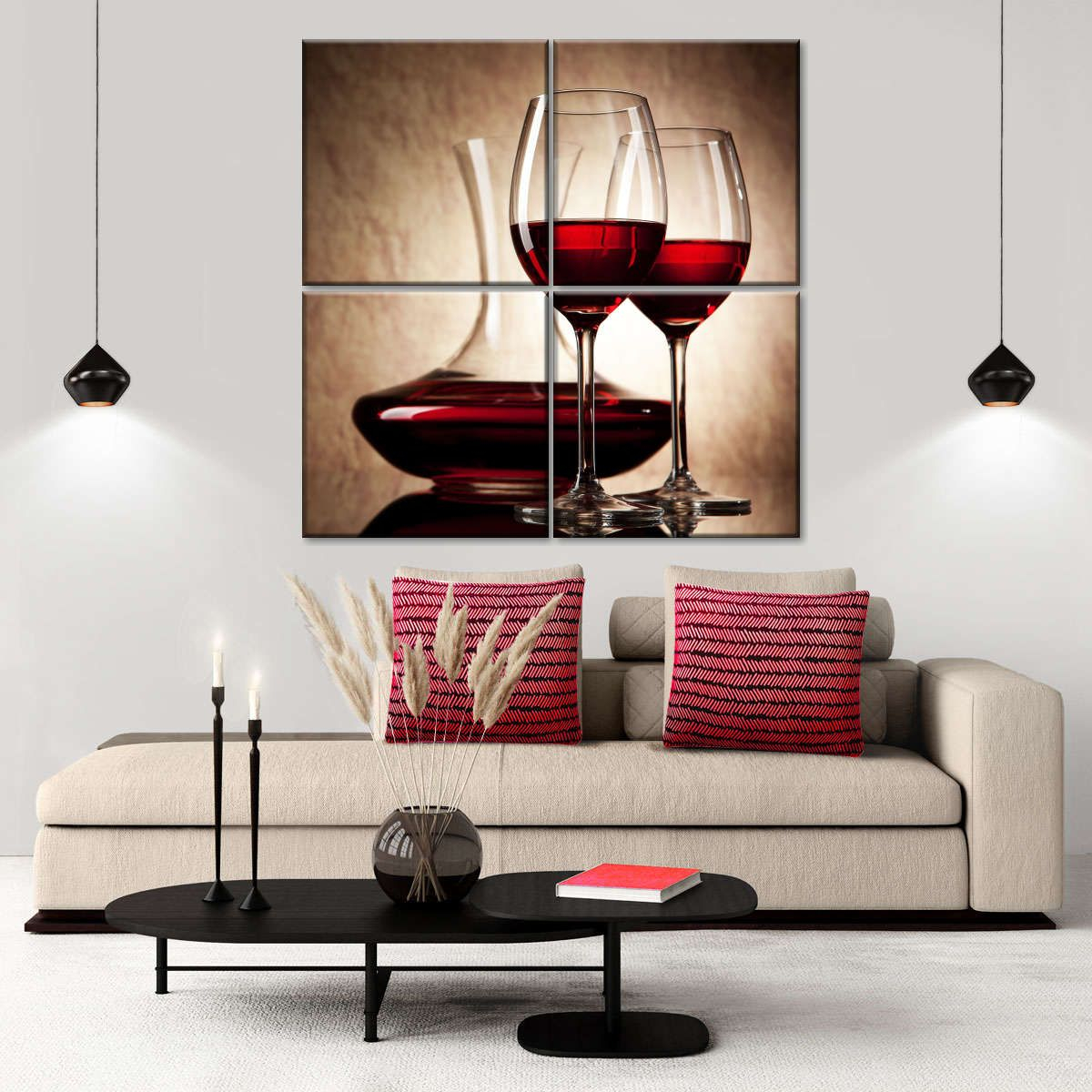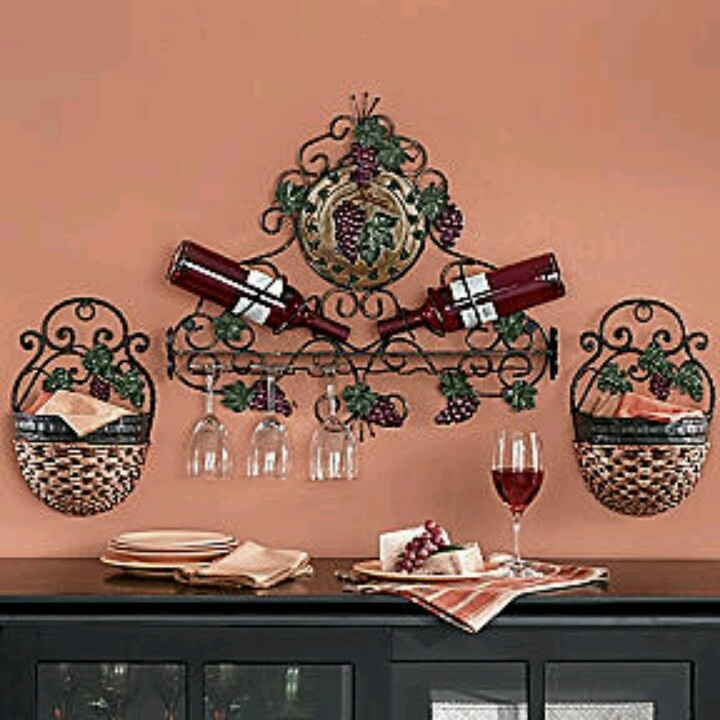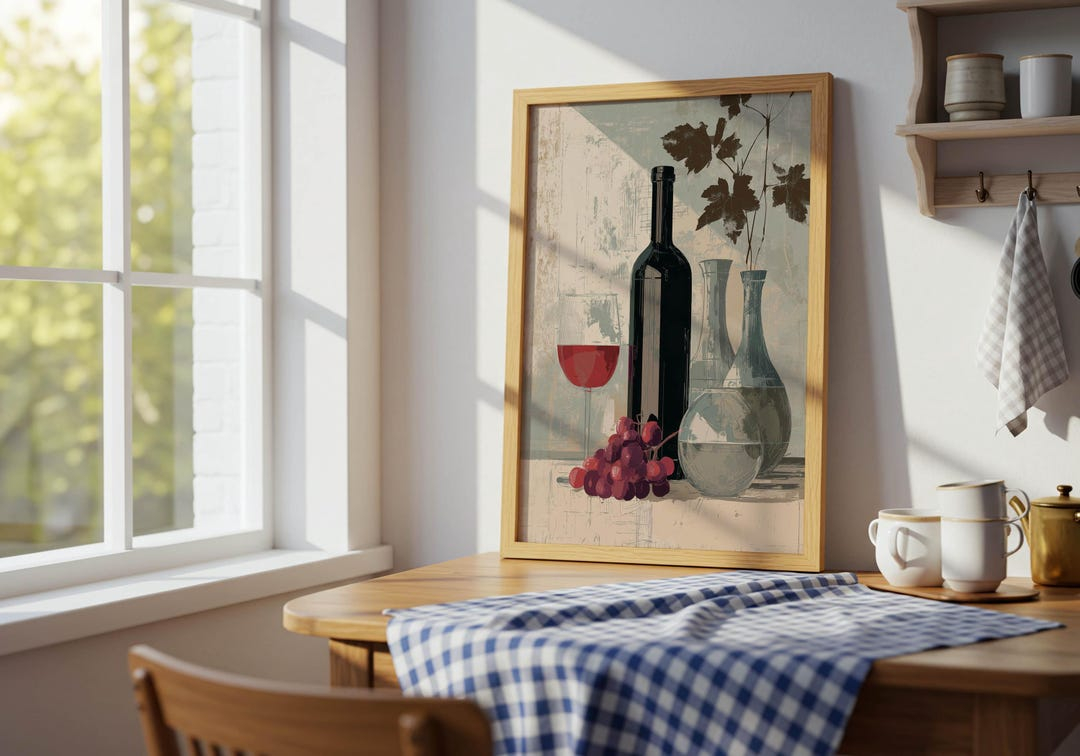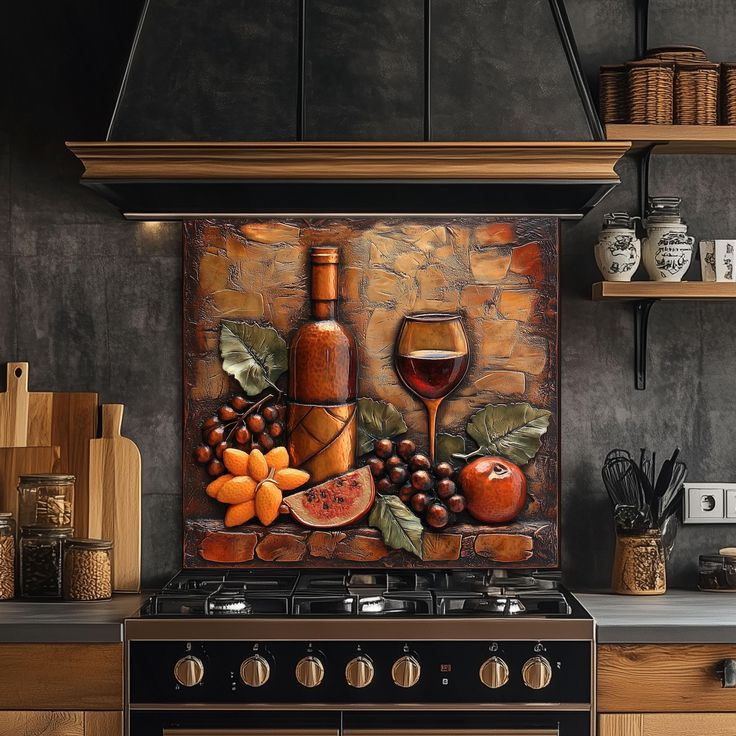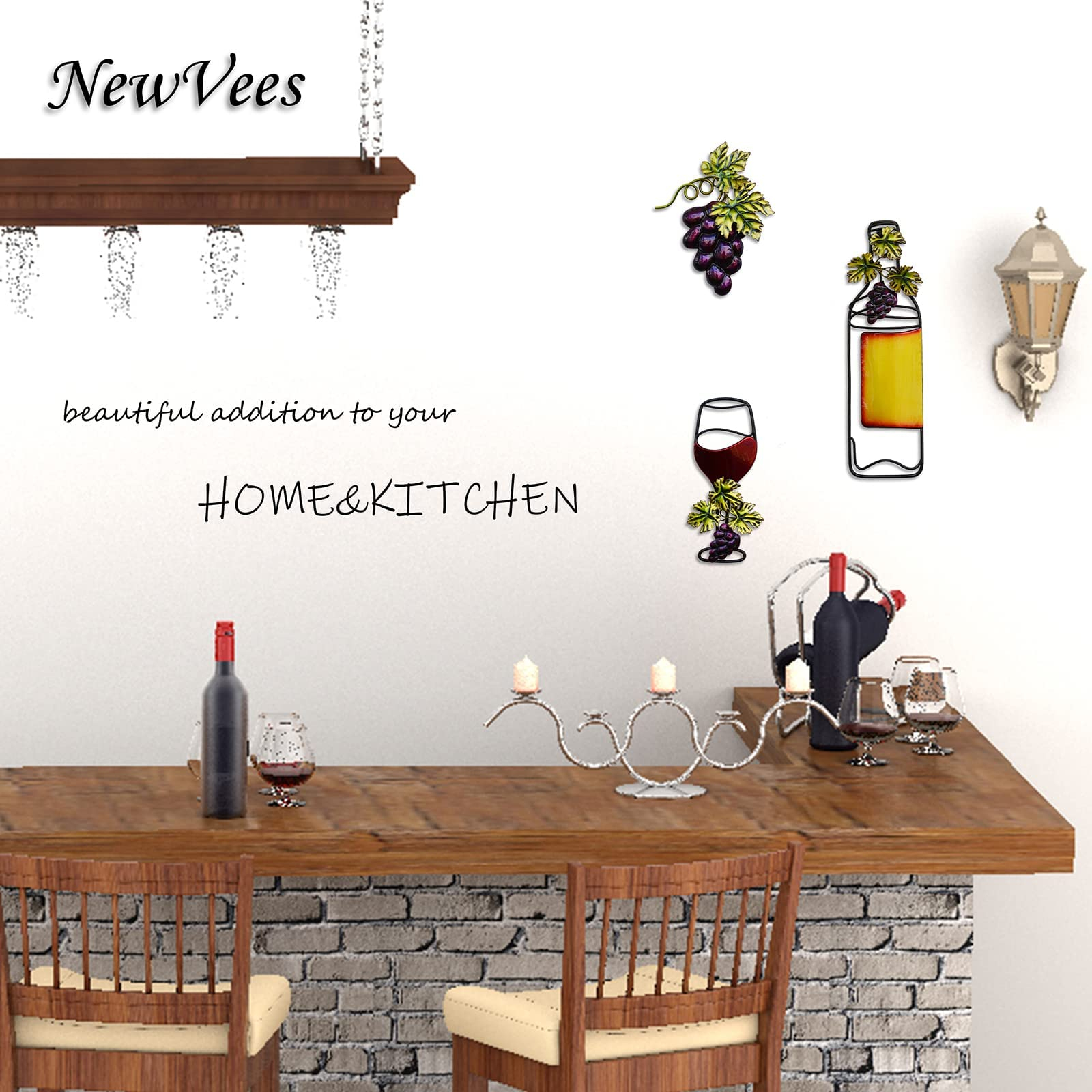
The amber glow of an Edison bulb catches the rich, oiled grain of a repurposed oak barrel stave mounted securely against exposed brick. Across the room, a low-slung velvet sofa faces a custom glass-enclosed wall display housing vintage Bordeaux bottles alongside contemporary ceramic sculptures of cascading grapevines. This is not a commercial tasting room or a sterile museum archive; it is a residential dining space purposefully engineered to decelerate time. When guests step into an environment where the visual language of viticulture is woven into the architecture, shoulders drop. The rigid formalities of modern social interaction dissolve, replaced by the instinctual human urge to lean in, pour a glass, and talk for hours.
For centuries, wine has served as humanity’s greatest social lubricant, bridging cultural divides and anchoring historic milestones. Yet, the physical artifacts and symbolic motifs associated with winemaking—corks, staves, pressed vines, heavy glassware, and classical iconography dating back to Bacchus—possess an inherent aesthetic gravity that transcends the bottle itself. By thoughtfully integrating these visual markers into interior spaces, homeowners can curate atmospheres that feel both deeply grounded and effortlessly sophisticated. The challenge lies in avoiding the trap of cliché cheesy vineyard signage and instead treating wine motifs as a legitimate branch of decorative arts capable of sparking genuine, uninterrupted dialogue among friends and family.
The Architectural Roots of Viticultural Decor and Visual Storytelling
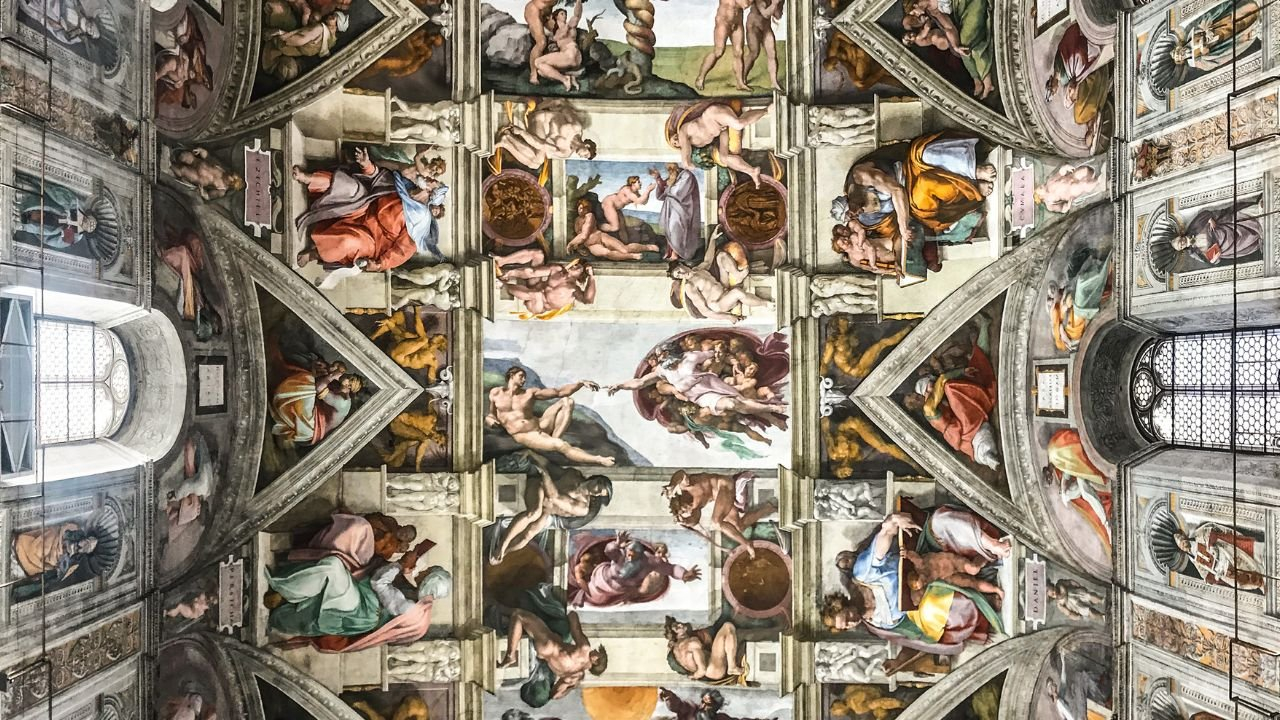
The impulse to honor the vine within domestic spaces dates back to antiquity, where ancient Romans frescoed their dining tricliniums with heavy clusters of dark purple grapes and curling tendrils. These artistic choices were never purely ornamental; they were deliberate spatial cues signaling safety, abundance, and communal sharing. Translating this historical lineage into contemporary environments requires an understanding of scale, texture, and historical authenticity. When designers lean into authentic materials—such as reclaimed French oak, wrought iron, and hand-blown glass—they introduce a tactile richness that triggers immediate sensory grounding.
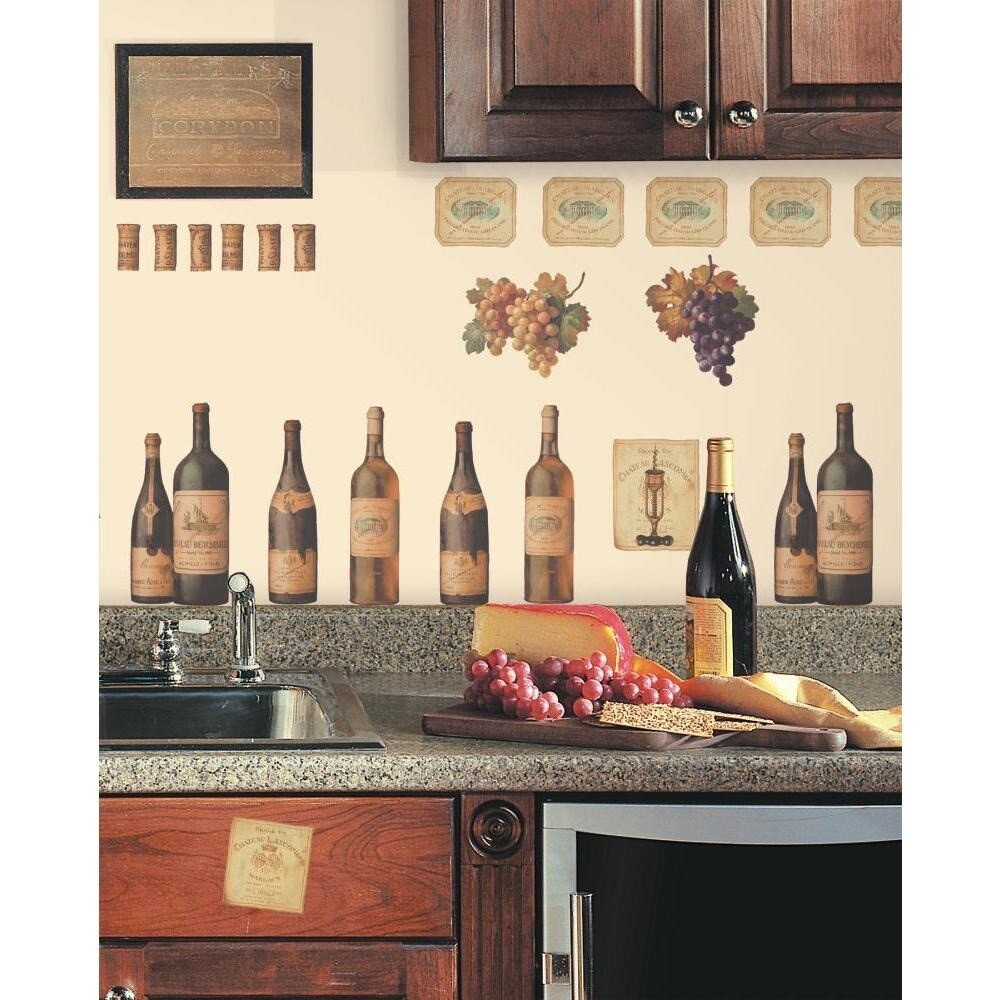
Contemporary artists working within the sphere of visual storytelling continue to reinterpret these classical narratives through modern minimalism and mixed-media sculptures. By introducing abstract interpretations of wine legends alongside traditional artifacts, spaces avoid feeling like historical reenactments while maintaining a deep connection to heritage. The secret to successful integration is curating pieces that tell a distinct story. A framed collection of vintage Bordeaux labels collected from milestone anniversaries carries far more conversational weight than mass-produced wall art purchased from a big-box retailer. It establishes a narrative arc that invites curious inquiries from guests, instantly breaking the ice and steering gatherings away from superficial small talk.
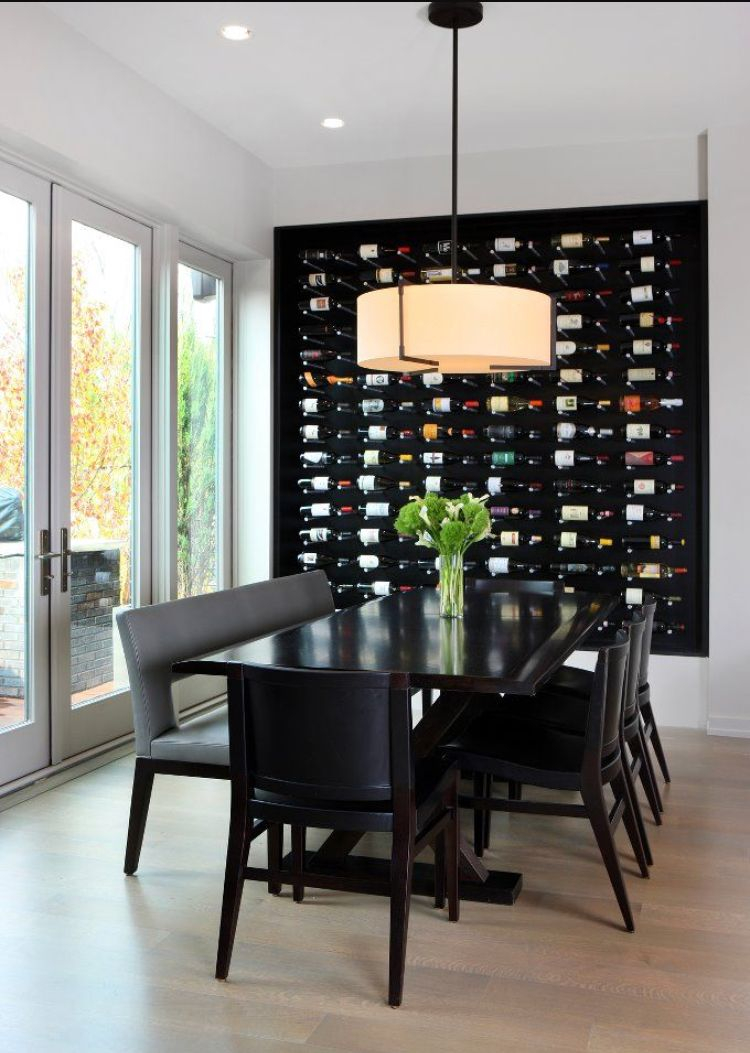
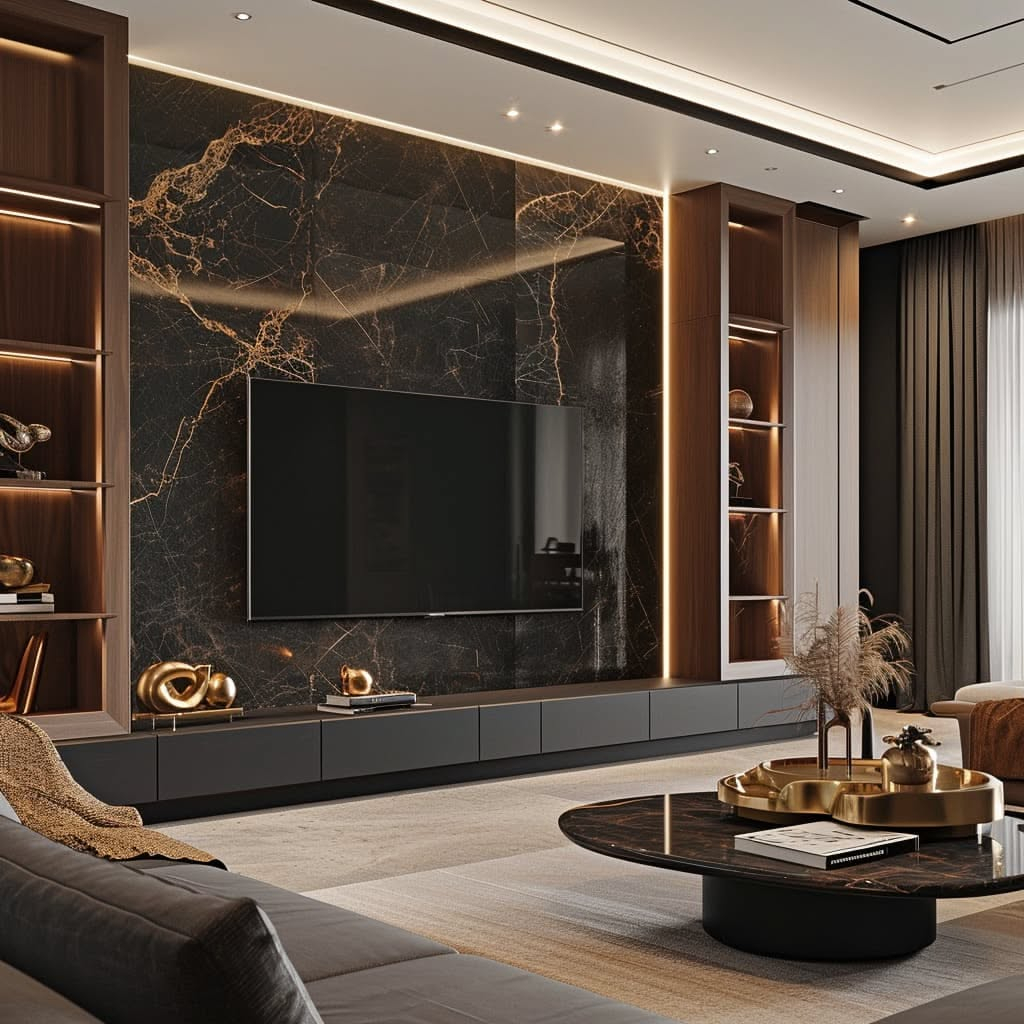
Moving beyond mere decoration, integrating wine motifs into architectural features transforms structural elements into functional art. Homeowners are increasingly moving away from hiding wine collections in dark, damp basements, choosing instead to showcase fine bottles directly within main living spaces using sleek glass enclosures and floating metal frameworks. This architectural shift bridges the gap between storage and display, ensuring that the rich amber and ruby hues of the vintages act as dynamic, living color palettes that shift with the natural light throughout the day.
Curating Materiality and Textural Contrast in Wine-Themed Spaces
Creating a genuinely cozy ambiance requires a delicate balance of contrasting textures. If a room features too many cold surfaces like glass and steel, it reads as clinical; conversely, an overabundance of heavy, rustic wood can feel oppressive and dated. The art of displaying wine motifs lies in striking a harmonious equilibrium between the earthiness of winemaking implements and the refined elegance of modern interior design. For instance, pairing a raw, weathered wine barrel head as a coffee table centerpiece with polished brass candleholders and soft, boucle textiles creates a sophisticated tension that draws the eye and invites touch.
Material authenticity acts as an unspoken credibility marker in interior styling. When guests run their fingers over a wine rack crafted from reclaimed barrel staves, they can feel the faint indentation of iron hoops and smell the residual oak tannins. This tactile interaction engages multiple senses simultaneously, which neurological studies show significantly enhances feelings of comfort and psychological safety. Furthermore, incorporating elements like natural cork walls, terracotta tiles reminiscent of Mediterranean cellars, and forged iron brackets anchors the room in a tangible history that contrasts sharply with our hyper-digital, screen-dominated daily routines.
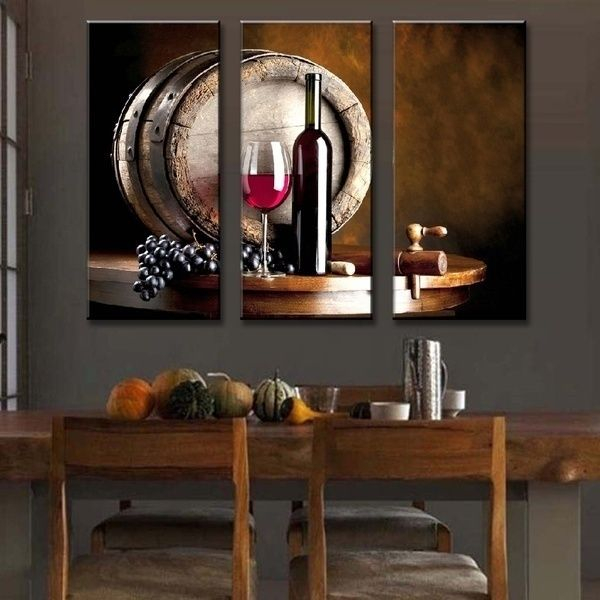
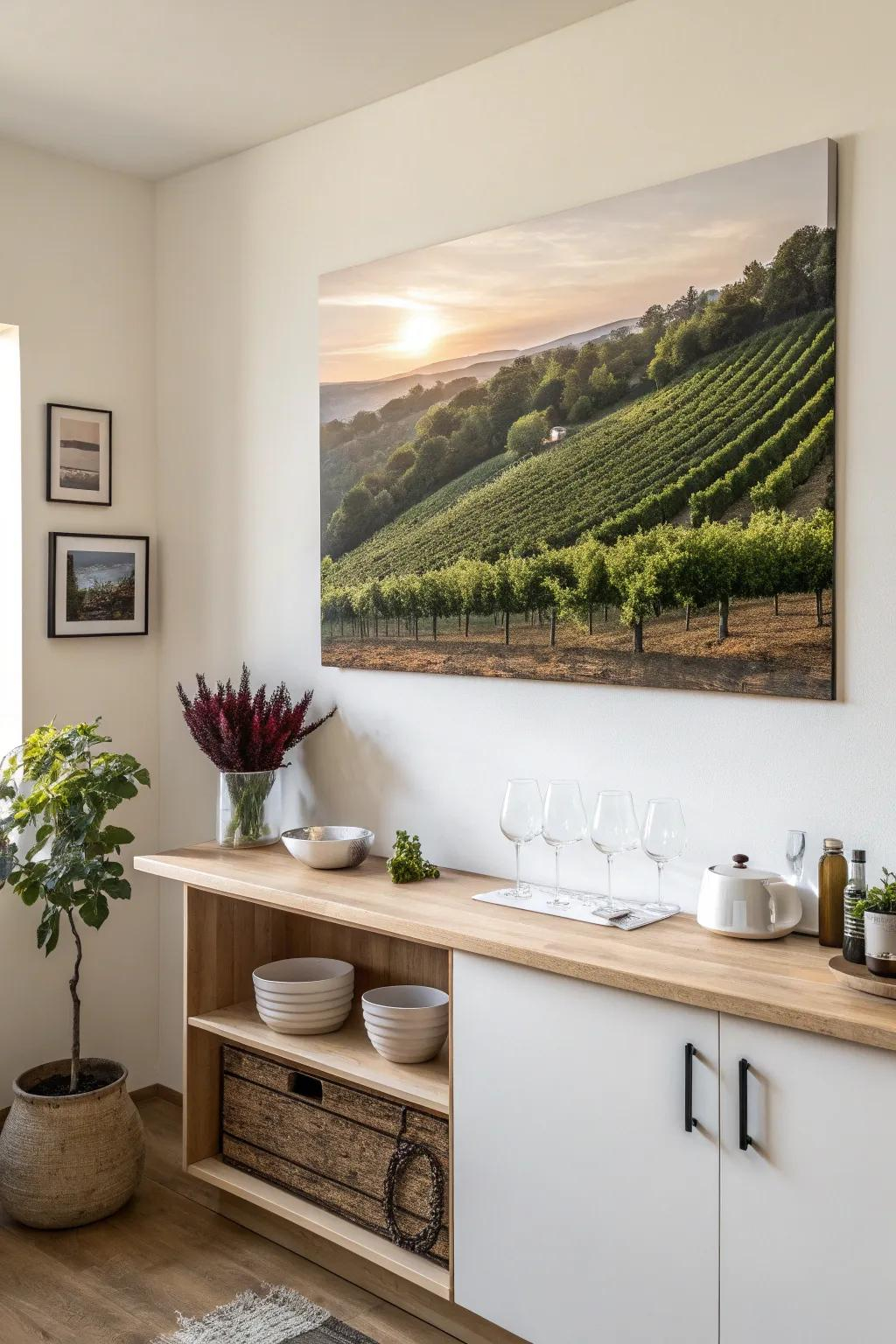
Lighting plays a critical collaborative role in this textural ecosystem. Directional LED picture lights grazing a textured canvas depicting vineyard landscapes, or low-voltage backlighting illuminating a vertical wine wall, creates dramatic shadows that emphasize the organic irregularities of wood and stone. By avoiding harsh overhead lighting in favor of warm, layered illumination, the displayed wine motifs take on a soft, inviting radiance. This strategic illumination style mimics the warm, flickering hearths of traditional European estates, subtly signaling to the subconscious mind that it is safe to linger, relax, and converse deeply.
Step-by-Step Methodology for Designing a Conversation-Centric Wine Display
Executing a cohesive wine motif display that genuinely fosters intimacy requires a structured, intentional approach rather than a haphazard accumulation of vineyard-themed knick-knacks. By following a methodical curation process, you can transform any blank wall or neglected corner into an engaging focal point for your home.
- Step 1 (Audit and Define the Space): Assess the natural lighting, traffic flow, and existing architectural features of the room to determine whether a wall-mounted rack, a freestanding sculptural installation, or a tabletop vignette will have the most impactful presence without cluttering the spatial harmony.
- Step 2 (Select a Core Narrative Theme): Establish a unifying storyline for the display, such as highlighting personal travel memories from specific wine regions, showcasing historical winemaking tools, or celebrating modern minimalist interpretations of botanical grape motifs.
- Step 3 (Layer Textures and Organic Elements): Combine hard viticultural elements—such as wrought iron, cork, and aged oak—with soft counter-textures like linen table runners, upholstered seating, and ambient, warm-toned illumination to maintain a cozy, inviting atmosphere.
- Step 4 (Incorporate Functional Art Pieces): Integrate items that serve a dual purpose, such as sculptural decanters, artisanal glassware displayed on open shelving, or a functional wine wall display that keeps bottles accessible for impromptu pours during gatherings.
- Step 5 (Style with Intentional Negative Space): Avoid overcrowding the display by leaving strategic breathing room around key artifacts, allowing the eye to rest and ensuring the arrangement feels curated and breathable rather than chaotic or cluttered.
Navigating Common Pitfalls and Practitioner Workarounds in Viticultural Decor
Even the most enthusiastic interior designers can stumble when attempting to incorporate wine motifs into their living spaces. Moving past amateur decor mistakes requires an awareness of scale, thematic restraint, and structural integrity. Recognizing these potential missteps early saves time, budget, and aesthetic frustration.
- Pitfall 1 (Over-Reliance on Novelty Clichés): Filling a room with literal, mass-produced signs bearing tired phrases can cheapen the aesthetic and lean uncomfortably close to a themed restaurant. Practitioner Workaround: Swap out commercial novelties for subtle, abstract representations of grapevines, high-end fine art photography of historic vineyards, or genuine vintage artifacts.
- Pitfall 2 (Neglecting Proper Environmental Controls): Displaying valuable bottles out in the open in direct sunlight or near heat sources will rapidly spoil the wine and ruin your investment. Practitioner Workaround: Reserve open wall displays for empty decorative bottles, ephemera, and motifs, while housing actual drinkable vintages in temperature-controlled, UV-protected glass cabinets.
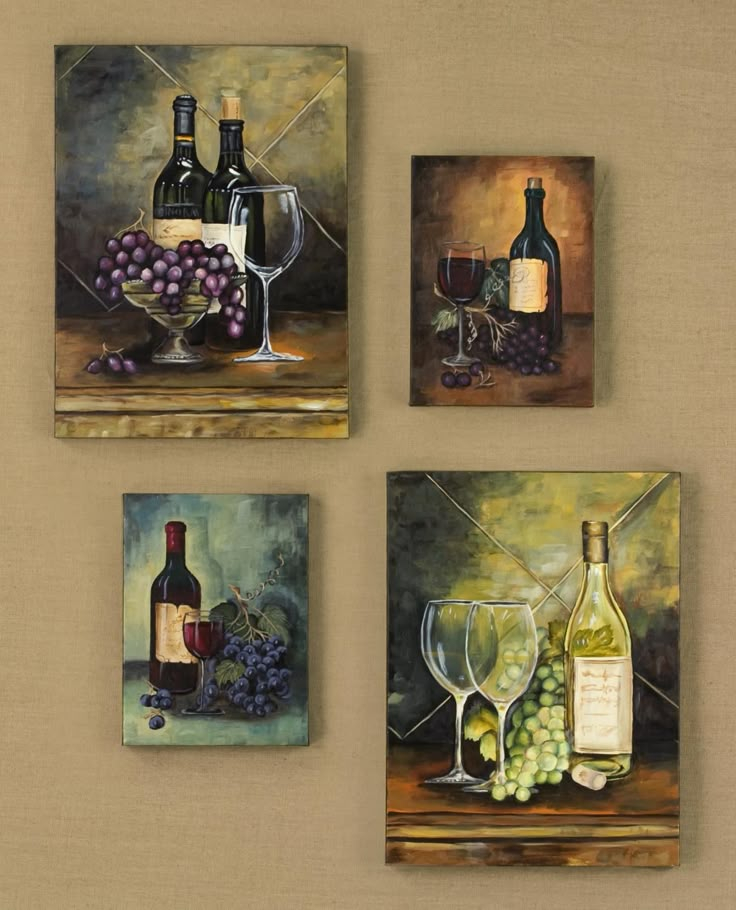
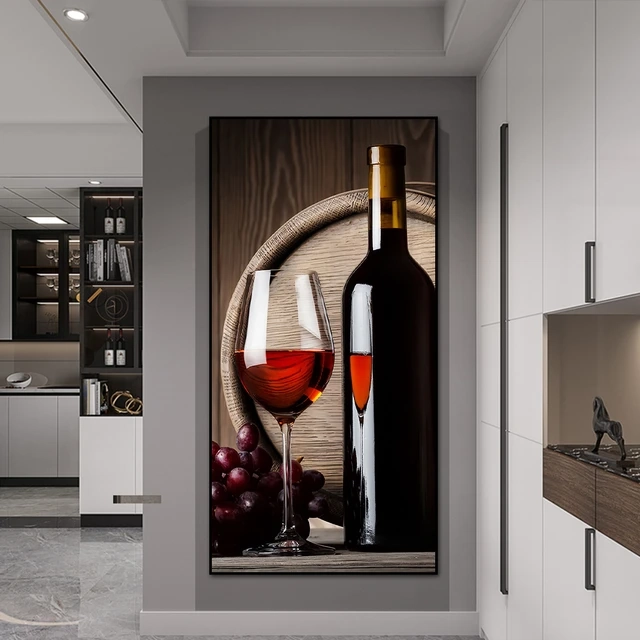
- Pitfall 3 (Ignoring Scale and Proportional Balance): Hanging a tiny, postage-stamp-sized framed wine label on a massive, empty living room wall creates an awkward visual imbalance. Practitioner Workaround: Anchor smaller viticultural pieces within a gallery wall arrangement or opt for oversized statement art that commands the room’s proportions effectively.
- Pitfall 4 (Creating Cluttered Vignettes): Crowding a surface with too many wine-related items—corkscrews, stoppers, decanters, and plaques—turns a chic display into a messy storage shelf. Practitioner Workaround: Apply the rule of three, grouping items by varying heights and textures while utilizing trays to anchor the vignette and maintain clean visual boundaries.
- Pitfall 5 (Overlooking Practical Accessibility): Designing a stunning high-end wine wall or display shelf that is completely out of reach or awkwardly positioned makes serving guests during a conversation stressful rather than seamless. Practitioner Workaround: Ensure that everyday drinking bottles and necessary glassware sit comfortably within waist-to-chest height, reserving the highest and lowest tiers strictly for long-term display pieces.
Cultivating Long-Term Atmosphere, Sustainability, and Timeless Appeal
The longevity of a well-designed interior space relies heavily on its sustainability and adaptability over time. Wine motifs, by their very nature, possess an enduring, timeless quality that resists the fleeting volatility of fast-interior design trends. Because grapevines, oak barrels, and glass bottles have remained fundamentally unchanged for centuries, incorporating these elements guarantees that your decor will not look dated in a few seasons. Furthermore, embracing sustainable practices—such as sourcing reclaimed wood from decommissioned wine barrels or upcycling corks into acoustic art panels—adds an ethical layer of depth that resonates deeply with modern conscious consumers.
Beyond physical sustainability, a thoughtfully curated wine-themed environment encourages a slower pace of domestic life. In an era dominated by hyper-connectivity and rapid digital consumption, carving out a physical sanctuary dedicated to slow sips and unhurried storytelling acts as a radical act of self-care. When your home environment actively prompts friends to put down their phones, admire a framed vintage label, and debate the mineral notes of a regional pour, the decor has successfully fulfilled its highest purpose: serving as the silent host of unforgettable human connection.
Ultimately, the art of displaying wine motifs is less about the wine itself and more about the cultural ritual of gathering. It is about creating a stage set for laughter, debate, vulnerability, and celebration. As interior design trends continue to prioritize emotional well-being and personalized storytelling, creating spaces that honor the rich, sensory world of winemaking offers a reliable blueprint for cultivating homes that feel genuinely alive, welcoming, and profoundly cozy.
Actionable Recommendations and Key Takeaways for Your Space
Transforming your living areas into cozy, conversation-rich environments using wine motifs requires a thoughtful commitment to balance, quality, and personal narrative. To ensure your design efforts yield an inviting sanctuary rather than a cluttered theme room, keep these core principles at the forefront of your planning.
- Prioritize Personal Provenance: Feature motifs that tie directly to your personal life experiences—such as corks saved from anniversary dinners or photographs taken during vineyard trips—to give your display authentic conversational depth.
- Balance Hard and Soft Elements: Pair the industrial, rustic rigidity of iron and oak with plush textiles, warm ambient lighting, and organic greenery to ensure the room remains physically and visually inviting.
- Invest in Functional Elegance: Choose display solutions, such as sleek wall racks or illuminated shelving, that make accessing glassware and bottles effortless, facilitating a seamless flow during social gatherings.
- Maintain Aesthetic Restraint: Let your curated pieces breathe by avoiding overcrowding; strategic negative space elevates individual items from mere clutter to intentional fine art.
- Future-Proof Your Design: Stick to classical, timeless materials and abstract botanical motifs rather than trendy slogans or novelty items to ensure your decor remains sophisticated and relevant for years to come.
The spaces we inhabit quietly shape the quality of our relationships. When we deliberately curate our living rooms, dining spaces, and kitchens to reflect the warm, story-rich traditions of winemaking, we are building physical containers for human connection. We are signaling to ourselves and to everyone who crosses our threshold that this home is a place to pause, to listen, and to share deeply.
As you begin integrating these thoughtful wine motifs into your own interior landscape, remember that perfection is never the goal. The most captivating rooms are those that evolve organically over time, collecting new memories, bottles, and stories with every gathering. Pour a glass, survey your space, and let the conversation begin.