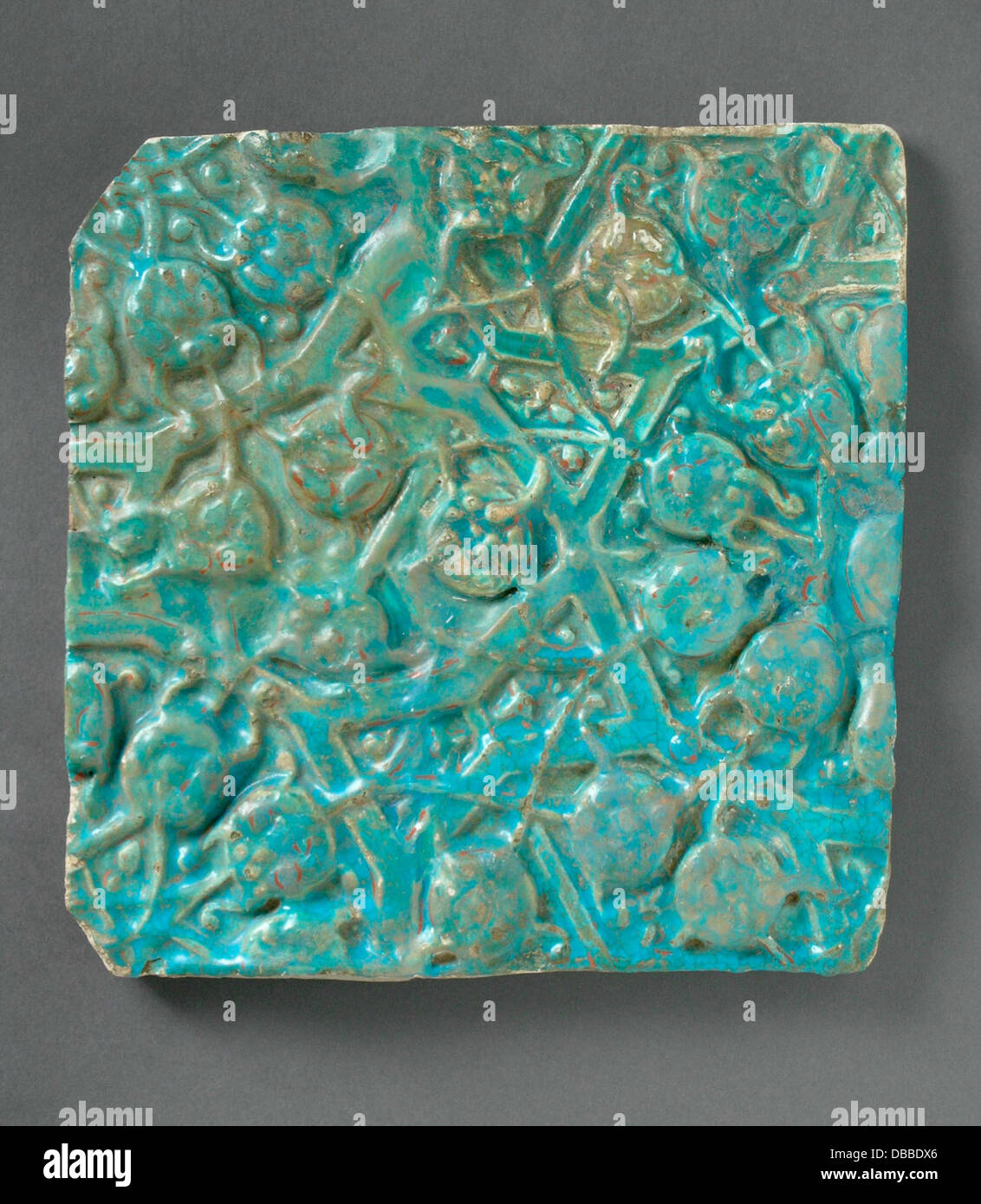
Run your hand along the weather-beaten stone of a medieval cloister or a nineteenth-century Gothic Revival library, and you will inevitably encounter him. Peering out from damp masonry, hidden amidst tangled oak leaves and bursting hawthorn berries, the Greenman watches. He is an ancient face stitched into the very fabric of architecture—part man, part forest floor, whispering tales of seasonal renewal and wild, untamed nature.
For centuries, masons carved these vegetative visages directly into cathedrals, manor houses, and civic halls as protective apotropaic symbols or quiet tributes to the fecundity of the earth. Today, translating that monumental masonry tradition into domestic spaces requires a delicate balance of material science, artistic fidelity, and spatial psychology. Modern artisans working with pieces like the Greenman Frank Plaque 11 do not merely reproduce historical decoration; they unpack the structural vocabulary of architectural friezes, traceries, and decorative tiles to keep a dying craft alive in contemporary interiors and gardens.
Examining a piece of architectural wall art of this caliber opens a window into how historical ornamentation translates across centuries. Measuring roughly four inches in width, fourteen inches in depth, and eleven inches in height, the Frank Plaque acts as a tangible study in relief depth, material composition, and surface patina. By analyzing how pieces like this are crafted, hung, and maintained, we learn profound lessons about the longevity of architectural detailing and the enduring human desire to bring the wilderness indoors.
The Archaeology of the Foliate Head and the Rise of Architectural Friezes
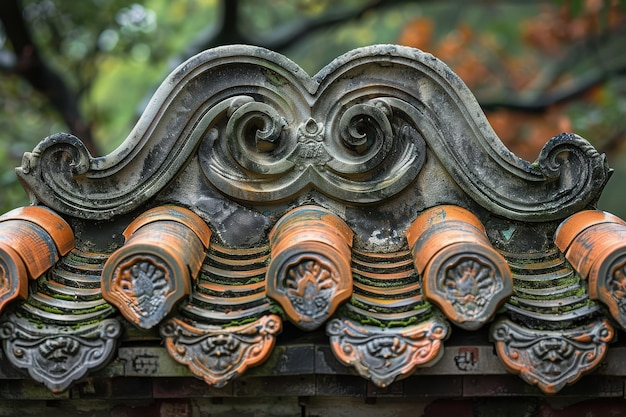
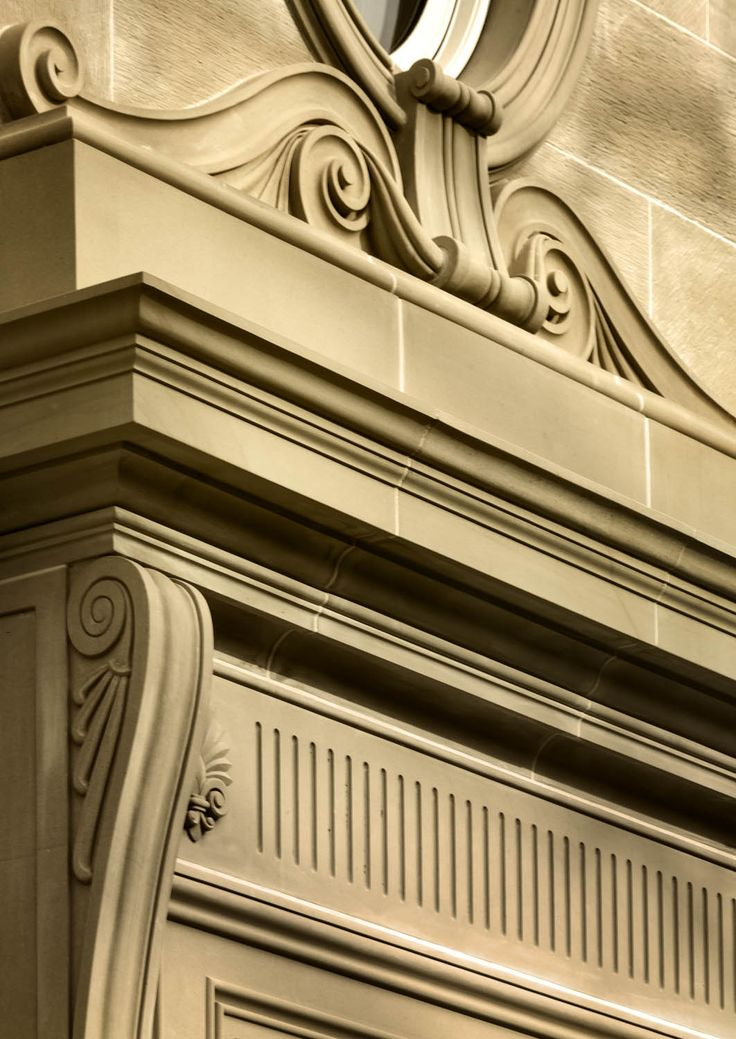
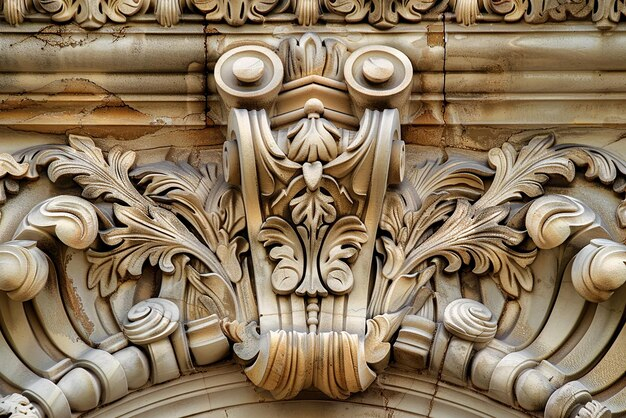
The lineage of the Greenman stretches back far deeper than medieval parish churches, touching upon Roman architectural masks and Celtic fertility deities. However, it was during the Romanesque and Gothic periods that stonecarvers truly elevated the foliate head into a structural narrative element. Integrated seamlessly into stringcourses, corbels, and friezes, these faces bridged the gap between structural masonry and organic storytelling. A frieze, by definition, is a long, narrow band of sculpture decorating a wall or architrave; when punctuated by recurring foliate masks, it transforms a static stone wall into a breathing organic ecosystem.
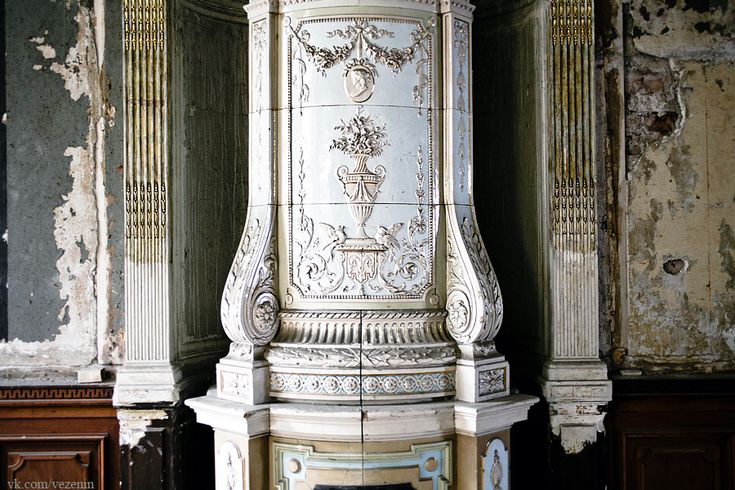
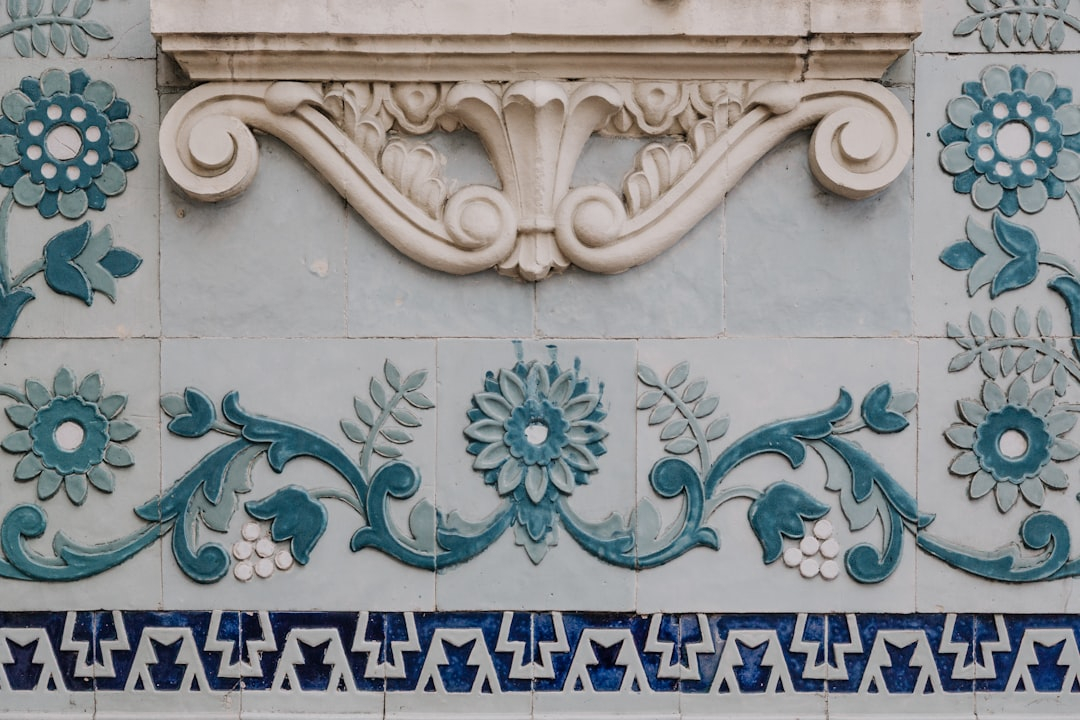
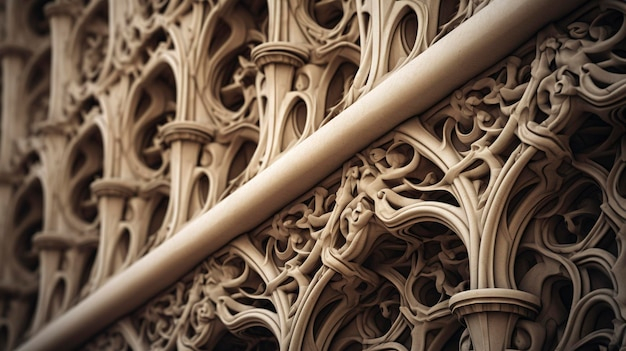
Friezes and traceries served both decorative and structural purposes in classical and Gothic architecture. Traceries—those intricate openwork patterns found in stone window frames and decorative panels—helped distribute heavy loads while providing a canvas for geometric and organic rhythm. When craftsmen design modern relief plaques that evoke these architectural elements, they must respect the rhythmic repetition and symmetry that gave historical buildings their visual harmony. The Greenman Frank Plaque utilizes these ancient spatial rules, framing the human visage with intricate vine-work that mimics the stone tracery windows of European abbeys.
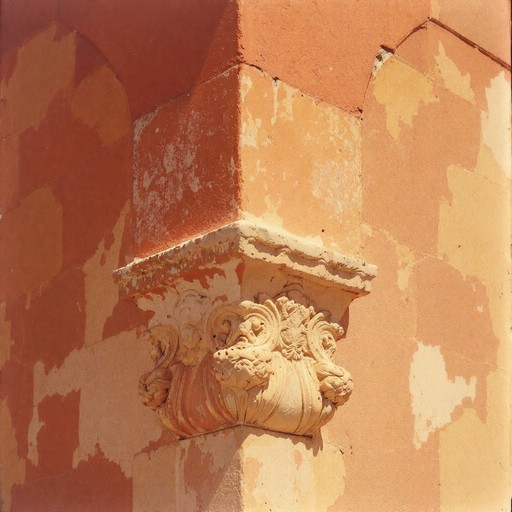
Understanding this lineage shifts our perception of wall decor from a simple accessory to a continuation of masonry tradition. Historical stonemasons worked under the constraints of soft limestone, sandstone, or marble, carving deep undercuts to create shadows that made stone leaves appear as though they were fluttering in an autumn wind. Modern studio sculptors capture this same effect by studying the play of light across high-relief contours. When hung on a living room wall or mounted to an exterior garden brickwork, the plaque interacts with ambient daylight, casting dynamic shadows that change hour by hour, just as ancient cathedral carvings did.
Material Evolution from Heavy Concrete to Lightweight Fiber Stone
For generations, replicating classical architectural elements meant casting heavy, brittle concrete or plaster. These traditional mediums came with severe drawbacks: they required heavy-duty structural anchoring, were prone to cracking under freeze-thaw cycles, and weighed so much that shipping and installation demanded specialized labor. The modern craft movement has largely abandoned these cumbersome methods in favor of advanced composite engineering, most notably through the perfection of fiber stone formulations.
Fiber stone changes the calculus of architectural ornament. By combining a rich mixture of fine sand and crushed stone cast directly into the mold’s surface, artisans capture microscopic details like wood grain, leaf veins, and weathered pores. This outer mineral shell is then reinforced with a robust fiberglass backing. The result is a plaque that possesses the cold weight and authentic visual heft of aged stone while remaining remarkably lightweight and durable. It eliminates the fragility inherent in traditional cast concrete without sacrificing the tactile realism required for high-end architectural accents.
This material innovation solves a major dilemma for interior designers and homeowners alike: how to achieve monumental architectural gravitas without compromising wall integrity or safety. A heavy stone or cast-concrete relief of this size would require masonry anchors drilled deep into studs or brick. In contrast, a fiber stone composition allows for flexible mounting options, opening up placement possibilities on standard drywall, timber paneling, exterior stucco, or garden fences. The surface finishes are typically hand-stained by artisans rather than painted over, ensuring that the artificial aging process looks organic, deep, and resistant to ultraviolet fading.
Methodologies for Sourcing, Siting, and Mounting Architectural Plaques
Integrating architectural elements like the Greenman Frank Plaque 11 into a home or garden requires a deliberate strategy. Poor placement reduces a masterpiece of relief sculpture to mere clutter, whereas thoughtful siting turns a blank wall into a focal point of architectural intrigue. Professional installers and interior stylists follow a structured methodology to ensure that architectural wall art interacts harmoniously with its surrounding environment.
- Step 1 (Assessing Spatial Scale and Proportions): Evaluate the blank wall or garden space where the plaque will hang, keeping in mind the item’s dimensional footprint of roughly 14 inches in depth and 11 inches in height. Ensure there is adequate negative space around the plaque so the intricate foliage and protruding facial features can catch light from nearby windows or lamps without feeling cramped.
- Step 2 (Determining Indoor Versus Outdoor Suitability): Verify the composition and finish of the specific piece. Because fiber stone is naturally resistant to moisture and thermal shock, it thrives in covered outdoor patios, garden walls, and sunrooms, as well as interior living spaces, libraries, and entryways.
- Step 3 (Selecting Hardware Matched to Substrate): Choose appropriate fasteners based on your mounting surface. For interior drywall, locate a wooden stud or use heavy-duty toggle bolts capable of supporting the lightweight composite structure securely. For exterior brick or stone masonry, use corrosion-resistant masonry anchors and stainless steel screws.
- Step 4 (Establishing Optimal Eye-Level Height): Center the focal point of the plaque—typically the eyes of the Greenman—at standard gallery height, roughly 58 to 60 inches from the finished floor line if viewed primarily from a standing position. Lower the mounting slightly if it is intended to be viewed from a seated armchair or garden bench.
- Step 5 (Designing Complementary Lighting Arrays): Position an adjustable directional spotlight, picture light, or wall sconce slightly above or to the side of the plaque. Because architectural reliefs rely on deep undercuts and high-relief carving, grazing light is essential to accentuate the three-dimensional texture of the leaves and facial features.
Common Pitfalls in Displaying Architectural Artifacts and How to Avoid Them
Even the most exquisite architectural plaques can lose their visual impact if basic installation and styling rules are ignored. Amateur decorators often fall into common traps that diminish the art’s presence or compromise the physical security of the display. Recognizing these pitfalls saves time, prevents wall damage, and preserves the integrity of the sculpture.
- Pitfall 1 (Flattish Overhead Lighting): Hanging a high-relief plaque directly under a flat, diffused ceiling light washes out the shadows, making the intricate carving look flat and two-dimensional. Workaround: Install an off-center directional light source at a 30 to 45-degree angle to create dramatic, authentic chiaroscuro shadows across the foliage and facial contours.
- Pitfall 2 (Overcrowding with Competing Wall Art): Grouping a complex architectural frieze alongside busy photo collages or colorful canvas prints creates chaotic visual noise. Workaround: Treat the plaque as a solitary architectural statement piece, leaving generous borders of bare wall or pairing it only with minimalist botanical sketches or architectural blueprints.
- Pitfall 3 (Ignoring Outdoor Weathering Realities): Assuming that all decorative plaques are completely impervious to extreme winter freezes or standing water accumulation. Workaround: While fiber stone handles outdoor elements exceptionally well, mount the plaque with a slight downward tilt or ensure it is not positioned where ice can pool in its recessed crevices during deep freezes.
- Pitfall 4 (Using Inadequate Mounting Hardware): Relying on standard adhesive picture hangers or cheap plastic drywall anchors for a substantial sculptural piece. Workaround: Always use a robust metal D-ring or heavy-duty hanging wire rated well above the actual weight of the plaque, anchored securely into solid backing.
- Pitfall 5 (Neglecting Routine Dust and Debris Maintenance): Allowing dust, cobwebs, or outdoor grime to settle deep into the undercuts of the foliate carving, which eventually obscures the fine artisan finish. Workaround: Gently clean the surface annually using a soft-bristled artist’s brush or a low-pressure compressed air duster to keep the fine details crisp and defined.
The Broader Cultural Significance and Modern Revival of Classical Ornament
The resurgence of interest in architectural friezes, traceries, and classical motifs like the Greenman points to a profound cultural shift. In an era dominated by sleek, minimalist glass-and-steel architecture and hyper-digital environments, human spaces often risk feeling sterile, placeless, and emotionally detached. People are actively seeking out textures, narratives, and historical connections that anchor them to the physical world. Architectural ornaments serve as visual anchors, providing a sense of heritage, craftsmanship, and continuity that mass-produced factory decor simply cannot replicate.
Economically and artisanally, the production of high-end fiber stone plaques represents a fascinating bridge between old-world sculpting techniques and modern manufacturing efficiency. Skilled sculptors still model the initial master pieces by hand, carving clay or plaster with traditional tools to ensure every facial expression and vine swirl possesses authentic artistic merit. Once perfected, these hand-sculpted masters are used to produce limited runs or made-to-order pieces in American workshops. This hybrid model keeps artisan craftsmanship financially viable while meeting the demands of modern interior design consumers who value small-batch production and authentic provenance.
Furthermore, integrating natural motifs into our built environments fulfills a deeply rooted psychological need known as biophilia. Evolutionary psychology suggests that human beings thrive in spaces that mimic natural patterns, fractal geometries, and organic forms. The Greenman—with his face literally sprouting foliage—is the ultimate biophilic emblem. By placing such artifacts in our living rooms, hallways, and gardens, we subconsciously satisfy our craving for nature, transforming our immediate surroundings into sanctuaries of calm, mystery, and historical depth.
Actionable Takeaways for Integrating Architectural Friezes into Your Space
Mastering the art of displaying architectural plaques requires a blend of curatorial discipline and creative intuition. Whether you are curating a single statement wall or designing an entire garden patio themed around classical antiquity, several guiding principles ensure lasting aesthetic success.
- Prioritize Provenance and Craftsmanship: Look for pieces that are hand-finished by artisan studios in the USA, ensuring that the detailing runs deep and the patinas are layered rather than spray-painted.
- Leverage Tactile Contrast: Pair heavy stone-effect plaques against smooth surfaces like Venetian plaster, exposed brick, dark board-and-batten paneling, or climbing ivy to maximize visual tension.
- Embrace Asymmetry in Garden Settings: In outdoor applications, mount architectural plaques slightly off-center on brick garden walls or amidst rambling climbing roses to mimic the organic, unexpected placement found in medieval ruins.
- Maintain Material Authenticity: Treat fiber stone and fiberglass composite items with respect; avoid harsh chemical solvents during cleaning, opting instead for mild soap and water to preserve the artisan finish.
- Let the Art Tell a Story: Use architectural reliefs as conversation starters, researching the history of symbols like the Greenman or Gothic tracery to deepen your own appreciation and share those narratives with guests.
The enduring appeal of architectural ornaments proves that humanity never truly outgrows its need for storytelling masonry. From the damp stones of gothic cathedrals to the carefully engineered fiber stone studios of today, the Greenman remains a steadfast guardian of the wild, reminding us of our unbreakable ties to the natural world. Pieces like the Greenman Frank Plaque 11 do more than simply fill empty wall space; they serve as miniature monuments to human creativity, architectural history, and the timeless art of the sculptor.
As we look toward the future of interior design and architecture, the integration of handcrafted, historically grounded details will only grow more vital. In a digital age where so much of what we experience is ephemeral and intangible, touching a piece of textured, artisan-finished stone or composite relief grounds us. It invites us to slow down, run our fingers over the carved leaves of an ancient archetype, and remember that good design is, and always has been, deeply human.