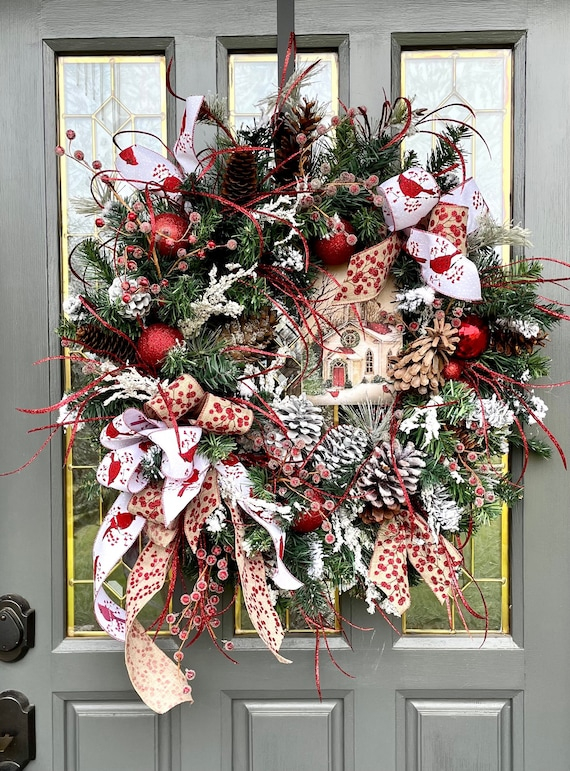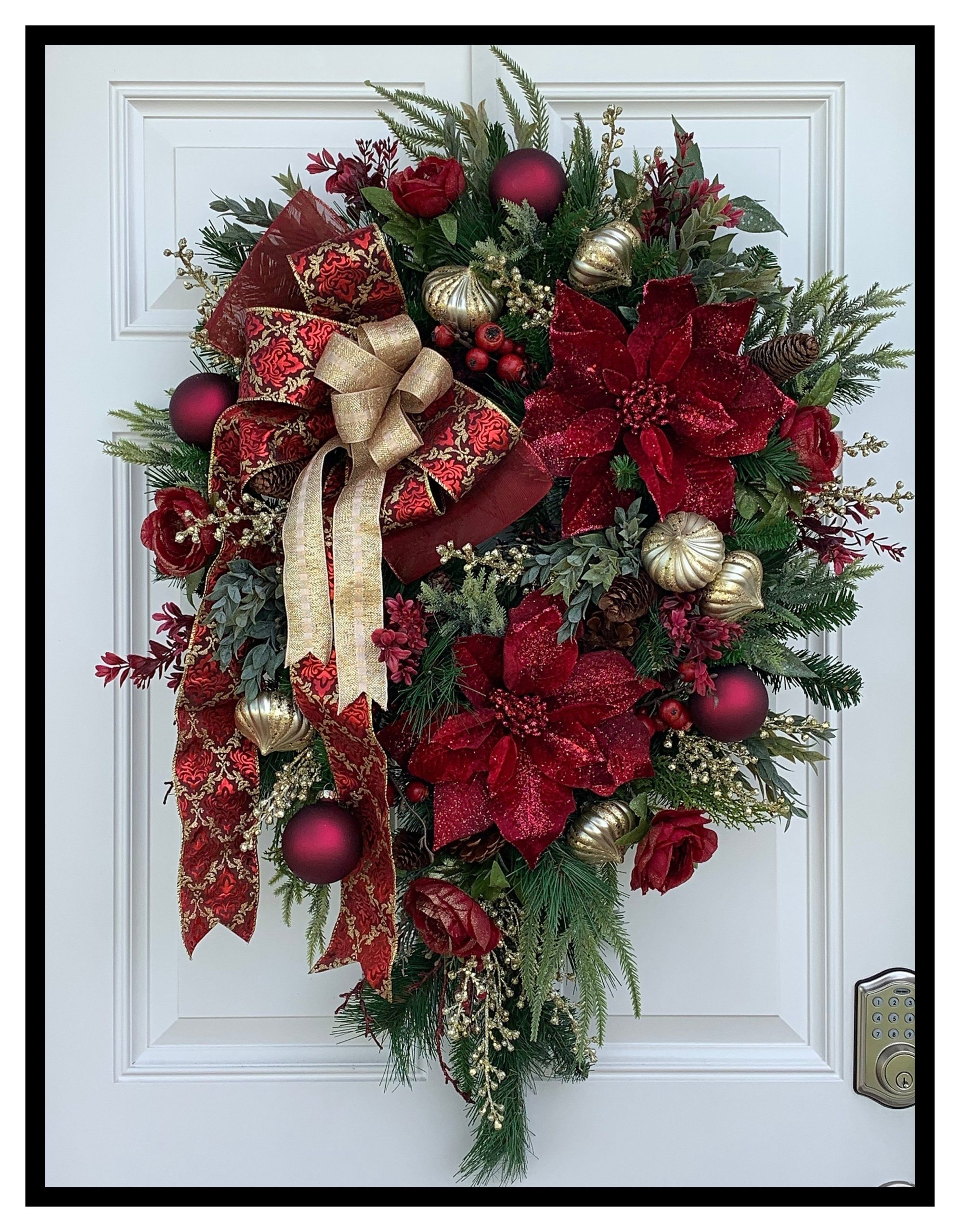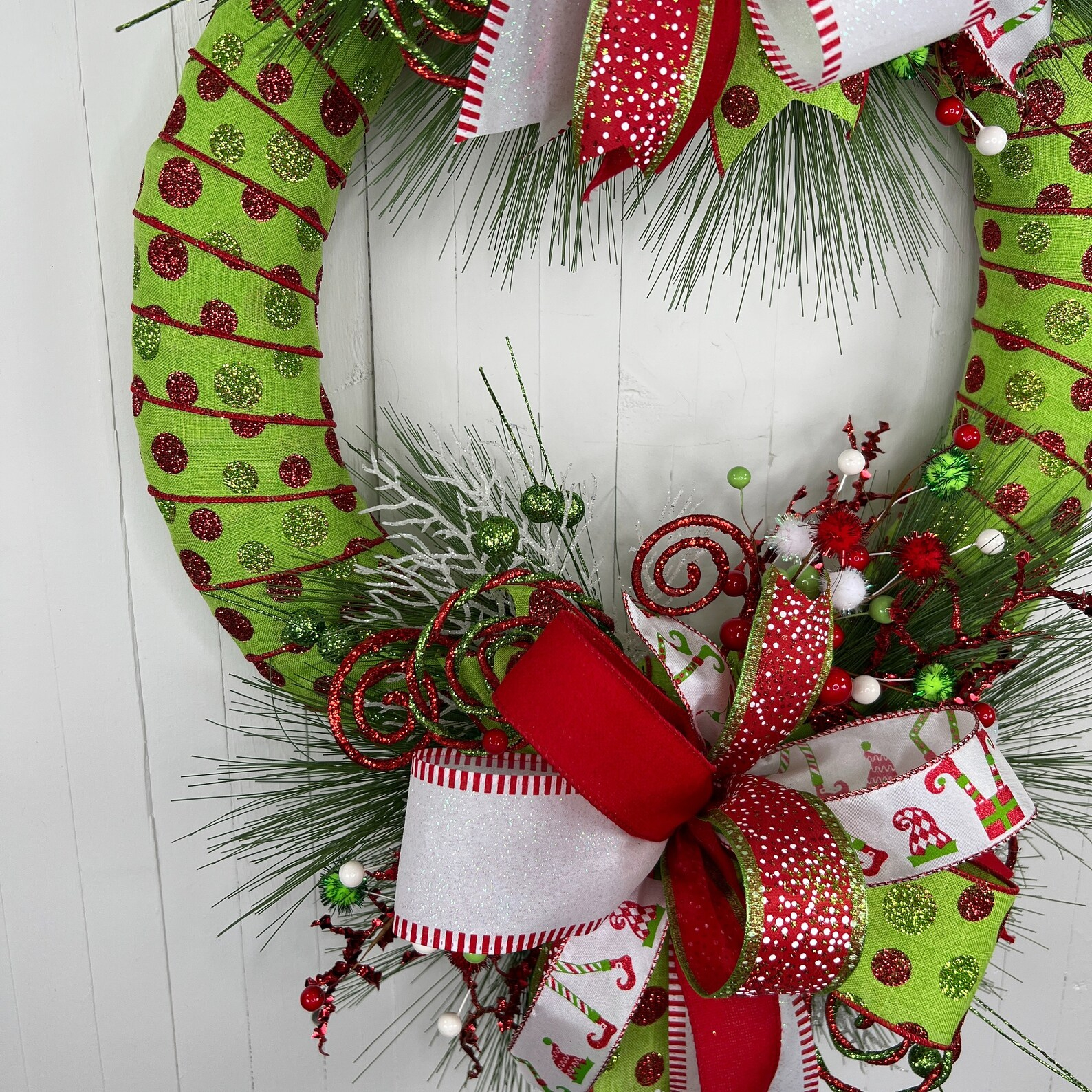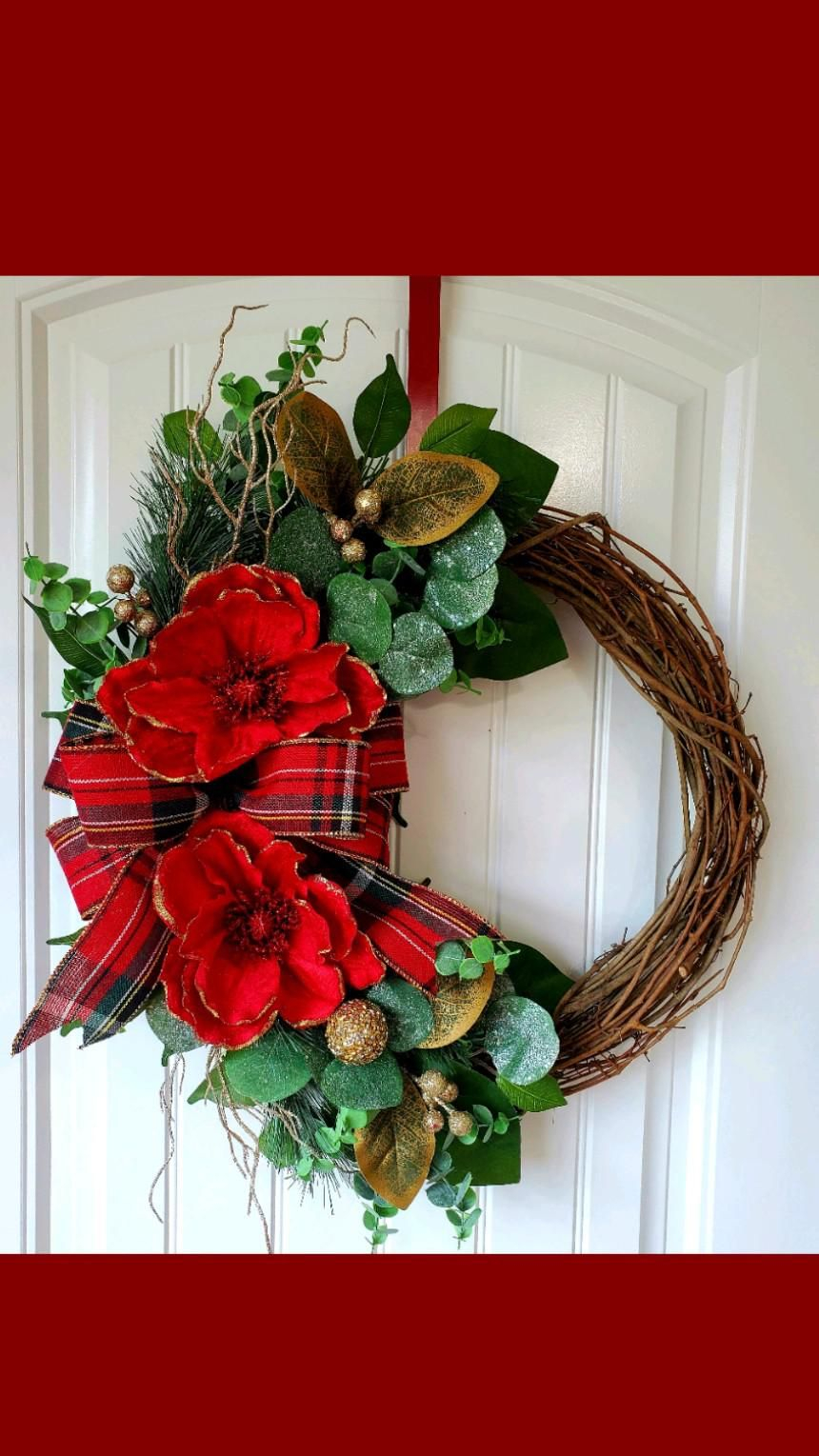
There’s something magical about stepping through a doorway adorned with a traditional Turkish holiday wreath. These aren’t just decorations – they’re storytellers, carrying centuries of cultural heritage and seasonal blessings. Every strand of dried rose petals, every carefully placed pine branch, and each symbolic element tells a story of tradition, community, and the deep connection between nature and celebration.
When you think of Turkish holiday celebrations, images of vibrant colors, aromatic herbs, and intricate door decorations might come to mind. But there’s a special art form that brings these celebrations to life at the entrance of homes – the creation of authentic Turkish holiday door wreaths. These aren’t mass-produced items found in stores; they’re handcrafted masterpieces that require patience, skill, and a deep understanding of cultural symbolism. Whether you’re preparing for the holidays or simply want to learn about this beautiful tradition, understanding the essence of these wreaths opens doors to centuries of cultural wisdom and artistic expression. What makes these wreaths truly special isn’t just their visual appeal, but the stories they carry and the warmth they bring to any home.
Understanding Traditional Turkish Holiday Wreath Elements
The foundation of any authentic Turkish holiday wreath lies in its carefully selected components. These aren’t random choices – each element carries deep meaning within Turkish culture. Let’s break down the essential ingredients that make these wreaths truly representative of their heritage.
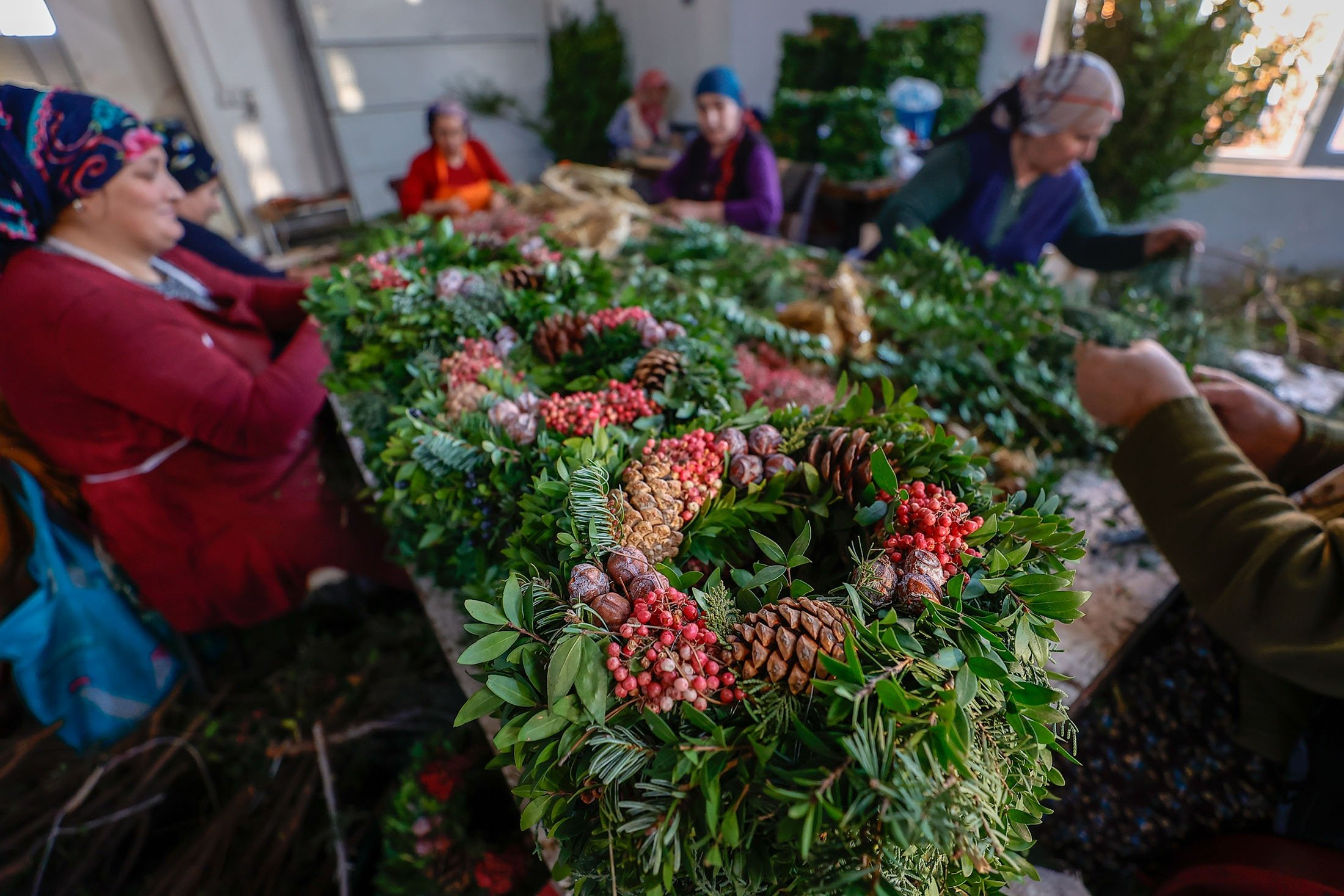
• Dried Rose Petals: Often considered the heart of the wreath, rose petals represent love, beauty, and the fleeting nature of life. They’re typically collected during the blooming season and carefully dried to preserve their fragrance and color.
• Pine Branches: Symbolizing longevity and resilience, pine branches bring a fresh, earthy scent that fills the air with the spirit of winter. They’re often chosen for their fullness and rich green color.
• Cedar Elements: Sometimes included, cedar represents strength and protection. Its distinctive aroma is believed to ward off negative energies.
• Scented Herbs: Thyme, oregano, and mint are common additions that provide both fragrance and symbolic meaning. These herbs are often associated with purification and health.
• Natural Berries: Dried berries like holly or juniper add bursts of color and represent the abundance of the season. They’re often chosen for their bright hues against darker backgrounds.
• Ribbon Accents: Traditional Turkish wreaths often feature ribbons made from natural materials like wool or silk, sometimes in colors that reflect the holiday season. These aren’t just decorative – they’re part of the cultural narrative.
The key is understanding that each component works together to create a composition that speaks to both the eye and the soul. The arrangement isn’t arbitrary; it follows principles that have been refined over generations.
The Foundation: Choosing Your Wreath Base
Before you even think about adding flowers or leaves, you must select the right base for your wreath. This foundation sets the tone for everything that follows, determining how your final creation will look and last. Think of it as choosing the canvas for your masterpiece.
The most traditional approach uses a wire wreath frame, typically made from flexible wire that can be shaped to fit your desired size. This provides the structural support needed for heavier elements while allowing for creative flexibility.
Natural Grapevine Wreaths offer a rustic charm that many find irresistible. They’re made from dried grapevines that naturally bend and hold shape well. These frames often come pre-made but can be customized for specific sizes.
Foam Wreath Bases work well for beginners or when you want to experiment with different arrangements. They’re easy to work with and can accommodate various materials without the risk of damaging delicate components.
Size considerations matter significantly. A standard door wreath typically measures between 12-16 inches in diameter. This size allows for proper visibility while maintaining the intimate scale that makes wreaths feel welcoming rather than overwhelming. Consider the width of your door frame and the amount of space available for hanging.
The material you choose affects not only the aesthetic but also the longevity of your creation. Natural materials tend to age gracefully, developing character over time, while synthetic options might offer more durability in harsh weather conditions.
Preparing Materials for Authenticity
Creating an authentic Turkish holiday wreath requires careful preparation of all materials. This step might seem simple, but it’s where the magic happens. Proper preparation ensures that your wreath looks professional and maintains its beauty for months to come.
Drying Process: Fresh materials need to be properly dried before use. Rose petals should be spread out in a cool, dry place away from direct sunlight. This process can take anywhere from one to two weeks depending on humidity levels. The key is patience – rushing this step can lead to mold or discoloration.
Cleaning and Sorting: All natural elements should be thoroughly cleaned to remove any dirt, debris, or insects. This is especially important for herbs and flowers that will be displayed prominently. Sort materials by size, color, and texture to make the arrangement process smoother.
Preparation Time: Allow at least two weeks for materials to dry completely before beginning assembly. Rushing this step often results in poor adhesion and premature deterioration of the wreath. During this time, keep materials in a dry, ventilated area away from pets and children who might accidentally damage them.
Storage: Store dried materials in airtight containers away from heat sources and direct sunlight. Some craftspeople prefer to store them in paper bags or cloth sacks that allow some airflow while protecting against moisture. This careful storage preserves the integrity of materials until you’re ready to create your masterpiece.
J’s Signature Arrangement Techniques
What sets these Turkish wreaths apart isn’t just the materials used, but the way they’re arranged. J’s techniques focus on creating balance and harmony that reflects both traditional aesthetics and modern sensibilities. These methods have been developed through years of practice and observation of what works best in real-world settings.
Layering Method: Instead of placing elements randomly, start with the largest components first. Begin with your main branches, then add secondary elements, and finally the finer details like petals and small herbs. This creates depth and dimension that draws the eye across the entire composition.
Color Harmony: Turkish traditions emphasize natural color palettes that reflect the changing seasons. Earth tones dominate with accents of deep reds, rich greens, and warm browns. Avoid overly bright or artificial colors that might clash with the organic feel of the wreath.
Balance and Symmetry: While perfect symmetry isn’t always necessary, achieving visual balance is crucial. If you place a large element on one side, balance it with a smaller but equally important component on the opposite side. This creates a sense of stability and completeness.
Texture Variation: Mix different textures to create visual interest. Combine smooth rose petals with rough bark, soft ferns with stiff pine needles, and delicate herbs with bold berries. This contrast adds complexity to what might otherwise appear simple.
Seasonal Flow: Consider how your arrangement will look as the seasons change. Elements that are fresh in winter might wilt by spring, so plan accordingly. Some craftspeople prefer to create seasonal variations that reflect the specific time of year.
Assembly Process: Step-by-Step Guidance
Once you’ve gathered all your materials and prepared your base, it’s time to begin the actual assembly. This is where theory meets practice, where careful planning transforms into tangible beauty. The process requires patience, attention to detail, and a gentle touch.
Starting Point: Begin at the top of your wreath frame, working clockwise or counterclockwise depending on your preference. This systematic approach helps prevent gaps or uneven placement. Start with your largest elements to establish the basic structure.
Securing Elements: Use floral wire or hot glue to attach materials securely. Floral wire offers more flexibility and can be hidden within the wreath structure. Hot glue works well for lightweight elements and provides quick results. Always test adhesion before committing to permanent placement.
Spacing Considerations: Leave adequate space between elements to prevent overcrowding. This gives each component room to breathe and ensures that no single element overwhelms the overall design. A good rule of thumb is to leave about half an inch between major components.
Final Details: Once the main elements are in place, add the finishing touches. This includes small herb sprigs, tiny berries, or additional ribbon accents. These details often make the difference between a good wreath and a great one.
Quality Check: Step back regularly to assess your progress. Look for areas that might need adjustment or enhancement. Sometimes a small repositioning can dramatically improve the overall appearance.
Cultural Significance and Symbolic Meanings
Beyond their visual appeal, Turkish holiday wreaths carry profound cultural significance that connects wearers to centuries of tradition. Understanding these meanings adds depth to the craft and helps appreciate why certain elements are chosen over others. These symbols aren’t merely decorative; they represent core values and beliefs that define Turkish identity.
Protection and Blessing: Many wreath elements are chosen specifically for their protective properties. Pine branches and cedar are believed to ward off negative energies, while herbs like thyme represent purification and health. This reflects a deep-seated belief in the power of nature to influence spiritual wellbeing.
Seasonal Celebrations: The timing of wreath creation often corresponds with specific seasonal festivals. Christmas wreaths might emphasize red and green elements, while other holidays might incorporate different color schemes that reflect local customs and traditions.
Community Connection: In Turkish culture, sharing wreath-making knowledge is a way of preserving community bonds. These skills are often passed down through families, with each generation adding their own variations while respecting traditional foundations. The act of creating a wreath becomes a shared experience that strengthens social connections.
Family Traditions: Many Turkish households have specific family recipes for wreath-making, with particular combinations of elements that have been used for decades. These traditions create continuity and help maintain cultural identity across generations.
Seasonal Renewal: The cyclical nature of wreath creation mirrors the agricultural calendar. As new materials are gathered each season, the wreaths become markers of time and change, celebrating both the passage of seasons and the enduring nature of cultural practices.
Troubleshooting Common Challenges
Even experienced craftspeople encounter challenges when creating Turkish holiday wreaths. Understanding how to address common issues can save time, money, and frustration. These problems are normal parts of the creative process and learning how to overcome them builds confidence and skill.
Material Adhesion Issues: Sometimes materials don’t stick as expected. This often happens when surfaces are too smooth or when glue isn’t applied correctly. Try using a stronger adhesive or increasing the surface area of contact. Sometimes a light mist of water can help certain materials adhere better.
Color Fading: Natural materials may fade over time, especially if exposed to direct sunlight. To minimize fading, consider placing your wreath in a location that receives indirect light. You can also apply a light coat of clear sealant to help preserve colors, though this should be done carefully to avoid altering the natural appearance.
Structural Problems: If your wreath starts to lose its shape, it might be due to weak base materials or improper securing techniques. Reinforce weak spots with additional wire or consider using a sturdier frame. Regular checks and adjustments can prevent major issues from developing.
Environmental Factors: Humidity and temperature changes can affect both the materials and the adhesive. Store finished wreaths in climate-controlled environments when possible. For outdoor displays, consider using weather-resistant materials or protective coverings.
Storage Solutions: When not in use, store wreaths properly to maintain their condition. Hang them in a cool, dry place away from direct sunlight. Some craftspeople prefer to wrap them in tissue paper or store them in breathable containers to protect against dust and pests.
Maintenance and Longevity Tips
A well-crafted Turkish holiday wreath deserves proper care to ensure it remains beautiful and functional for years to come. These maintenance practices extend the life of your creation while preserving its cultural authenticity and aesthetic appeal. Think of it as tending to a living thing rather than simply displaying a static object.
Regular Cleaning: Dust your wreath gently with a soft brush or clean cloth. Avoid using water directly on the materials, as this can cause damage or discoloration. For stubborn dirt, use a very soft brush with minimal pressure.
Seasonal Adjustments: As seasons change, some materials may need attention. Remove any wilted or damaged elements and replace them with fresh counterparts. This keeps your wreath looking vibrant and maintains its symbolic integrity.
Storage Practices: When storing your wreath for extended periods, place it in a cool, dry environment away from direct sunlight. Consider wrapping it in acid-free tissue paper to protect against environmental factors. Some craftspeople prefer to store wreaths in breathable fabric bags that allow for air circulation while providing protection.
Rejuvenation Techniques: Over time, some materials may need refreshing. This could involve lightly misting certain elements with water or applying a thin layer of natural oil to restore flexibility. Always test these methods on a small area first to ensure they don’t cause damage.
Long-term Preservation: For particularly valuable or sentimental wreaths, consider professional conservation services. These experts can provide specialized treatments that preserve the integrity of natural materials while maintaining their historical significance.
Creating Your Own Cultural Experience
Making Turkish holiday wreaths isn’t just about following instructions – it’s about creating a personal connection to cultural traditions. This hands-on approach transforms a simple craft into a meaningful cultural experience that enriches your understanding of Turkish heritage. The process itself becomes a form of meditation and appreciation for the artistry involved.
Personalization: While traditional elements are important, feel free to add personal touches that reflect your own story. Perhaps include a favorite herb or flower that holds special meaning for you. This makes the wreath uniquely yours while still respecting its cultural roots.
Sharing the Process: Invite friends or family members to participate in the creation process. This sharing of skills and knowledge reinforces cultural connections and creates lasting memories. The collaborative aspect of crafting can be just as rewarding as the final product.
Educational Opportunities: Use the wreath-making process as a way to teach others about Turkish culture. Explain the symbolism behind different elements and share stories about their cultural significance. This transforms your creation into an educational tool that spreads awareness and appreciation.
Community Engagement: Consider organizing wreath-making workshops in your community. This helps preserve cultural traditions while building connections between people who might not otherwise interact. It’s a wonderful way to celebrate diversity and share meaningful experiences.
Reflection and Growth: Each wreath you create teaches you something new about the craft and yourself. Take time to reflect on what you’ve learned and how it might influence future projects. This continuous learning process keeps the practice fresh and exciting.
Modern Adaptations and Contemporary Uses
While traditional methods remain important, contemporary Turkish holiday wreaths often incorporate modern elements that make them relevant for today’s world. These adaptations don’t diminish the cultural significance but rather show how traditions can evolve while maintaining their essence. The goal is to honor the past while embracing the present.
Sustainable Materials: Many modern craftspeople focus on using eco-friendly materials that align with current environmental concerns. This might include organic herbs, recycled materials, or locally sourced elements that reduce the carbon footprint of the creation process.
Digital Documentation: Some artists now document their processes through photography or video tutorials, helping to preserve and share knowledge more broadly. This digital preservation ensures that traditional techniques remain accessible to future generations.
Cross-Cultural Fusion: Contemporary designers often blend Turkish techniques with elements from other cultures, creating unique hybrid designs that celebrate diversity while honoring traditional craftsmanship. This fusion can result in innovative interpretations that still respect the original intent.
Commercial Applications: Some artisans have successfully adapted traditional wreath-making for commercial purposes, selling their creations at markets or online. This helps sustain the craft economically while keeping it accessible to those who wish to experience it.
Technology Integration: Modern tools like LED lights or smart materials can enhance traditional designs without compromising their cultural authenticity. These additions can make wreaths more functional while maintaining their artistic integrity.
Creating authentic Turkish holiday door wreaths is more than just a craft – it’s a bridge between past and present, between tradition and innovation. Through careful selection of materials, thoughtful arrangement techniques, and deep respect for cultural symbolism, these wreaths become vessels for storytelling and community connection. Whether you’re a seasoned crafter or someone exploring this tradition for the first time, the journey of making these beautiful decorations offers insights into Turkish culture that extend far beyond the decorative realm. The patience required, the attention to detail, and the understanding of symbolic meaning transform a simple act of decoration into a meaningful cultural experience. Each wreath you create carries forward centuries of wisdom and creativity, ensuring that these traditions continue to flourish in our modern world. So, gather your materials, embrace the process, and let the ancient art of Turkish wreath-making bring warmth and meaning to your holiday celebrations.
[sps_html tag=”img” src=”https://cdn.theartssection.com/wp-content/uploads/2025/10/from-antalya-with-love-christmas-wreaths-made-by-turkish-women-daily-for-the-artisan-craft-behind-authentic-turkish-holiday-door-wreaths.jpg” alt=”From Antalya With Love: Christmas Wreaths Made By Turkish Women | Daily … for The Artisan Craft Behind Authentic Turkish Holiday Door Wreaths” style=”width: 100%; height: auto;”]
[sps_html tag=”img” src=”https://cdn.theartssection.com/wp-content/uploads/2025/10/whimsical-elf-holiday-door-wreath-green-and-red-polka-dot-christmas-for-turkey-holiday-door-wreath-by-j.jpg” alt=”Whimsical Elf Holiday Door Wreath, Green And Red Polka Dot Christmas … for Turkey Holiday Door Wreath By J” style=”width: 100%; height: auto;”]
[sps_html tag=”img” src=”https://cdn.theartssection.com/wp-content/uploads/2025/10/christmas-door-wreath-artofit-with-turkey-holiday-door-wreath-by-j.jpg” alt=”Christmas Door Wreath – Artofit with Turkey Holiday Door Wreath By J” style=”width: 100%; height: auto;”]
[sps_html tag=”img” src=”https://cdn.theartssection.com/wp-content/uploads/2025/10/holiday-wreaths-for-front-door-at-christopher-lindsay-blog-with-regard-to-the-artisan-craft-behind-authentic-turkish-holiday-door-wreaths-scaled.jpg” alt=”Holiday Wreaths For Front Door At Christopher Lindsay Blog with regard to The Artisan Craft Behind Authentic Turkish Holiday Door Wreaths” style=”width: 100%; height: auto;”]
[sps_html tag=”img” src=”https://cdn.theartssection.com/wp-content/uploads/2025/10/large-christmas-wreath-for-front-door-holiday-door-wreath-etsy-in-turkey-holiday-door-wreath-by-j.jpg” alt=”Large Christmas Wreath For Front Door Holiday Door Wreath - Etsy in Turkey Holiday Door Wreath By J” style=”width: 100%; height: auto;”]